The best walks and hikes around Klanxbüll
4.5
(1245)
6,497
hikers
153
hikes
Hiking around Klanxbüll offers diverse landscapes shaped by its proximity to the North Sea coast and the Wadden Sea National Park. The region features extensive dikes, open fields, and meadows, providing tranquil paths. The Rickelsbüller Koog Nature Reserve contributes to a rich natural environment, particularly for birdlife. This flat terrain is ideal for accessible walks and offers views of the unique coastal ecosystem.
Best hiking trails around Klanxbüll
- The most popular hiking route is Sylt Railway View loop from Rickelsbüller…
Last updated: June 24, 2026
4.4
(28)
62
hikers
14.3km
03:36
10m
10m
Moderate hike. Good fitness required. Easily-accessible paths. Suitable for all skill levels.
4.5
(2)
8
hikers
5.98km
01:30
0m
0m
Easy hike. Great for any fitness level. Easily-accessible paths. Suitable for all skill levels.

Sign up for free
5.0
(4)
16
hikers
Easy hike. Great for any fitness level. Easily-accessible paths. Suitable for all skill levels.
4.8
(4)
9
hikers
4.68km
01:10
0m
0m
Easy hike. Great for any fitness level. Easily-accessible paths. Suitable for all skill levels.
5.0
(2)
5
hikers
9.58km
02:24
10m
10m
Moderate hike. Good fitness required. Easily-accessible paths. Suitable for all skill levels.
Get access to more routes and recommendations from other explorers.
Sign up for free
Already have an account?
Our route recommendations are based on thousands of hikes, rides, and runs completed by other people on komoot.
Start today with a free account
Your next adventure awaits.
Login or Signup


Tips from the Community

Northernmost point of mainland Germany It's not spectacular, but if you're cycling the North Sea Cycle Route, it's a must-see. Seeing this spot is a must 😉. There's a shelter in the parking lot for shelter in case of rain. There's also information about the dike construction and the Wadden Sea.
2
0

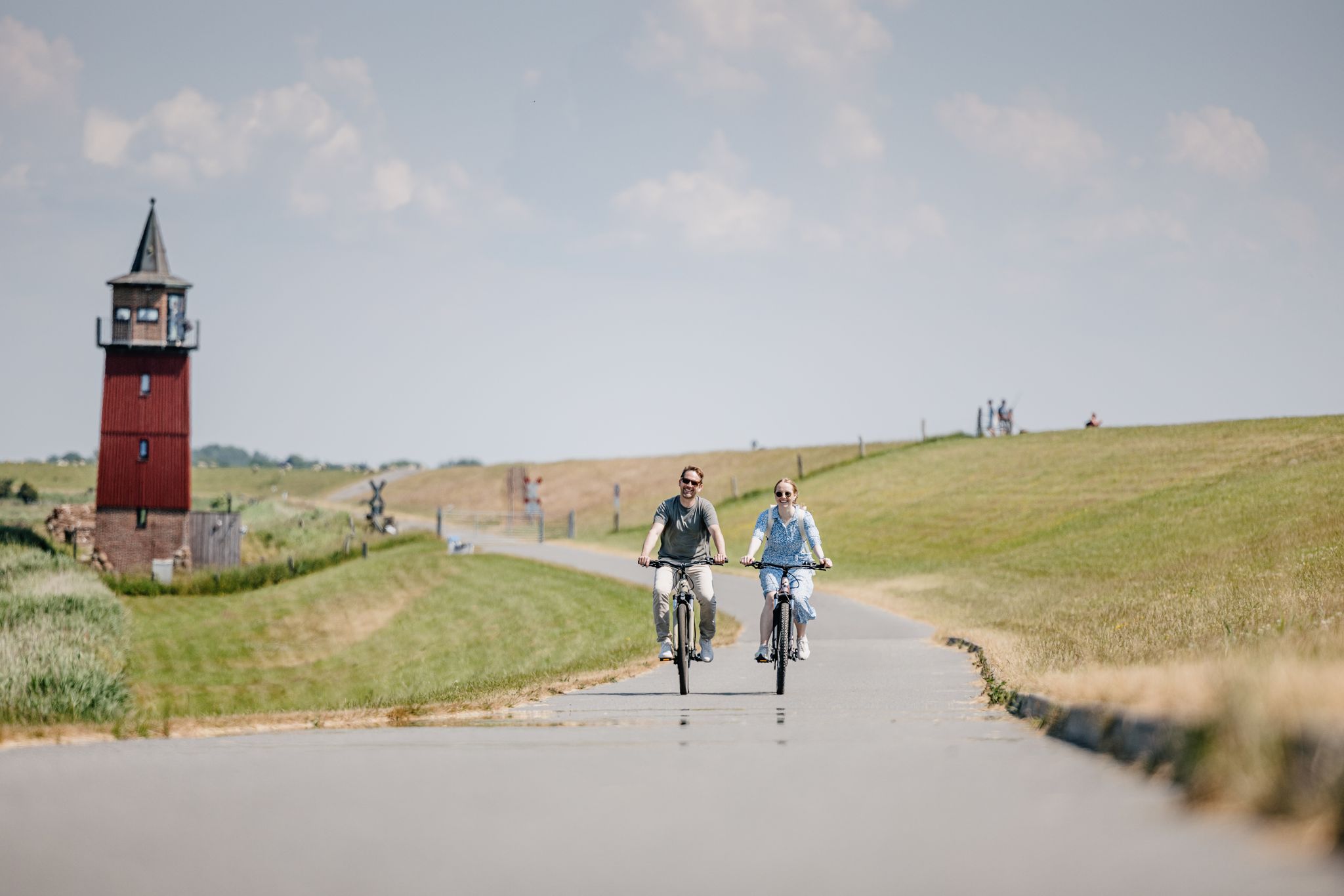
a beautiful old and preserved building
0
0

The northernmost point of the German mainland is located in the Rickelsbüller Koog, near Rodenäs in the district of Nordfriesland, Schleswig-Holstein. It marks Germany's outermost land border on the North Sea. Access is via the Norddeich–Sieltoft border crossing, which also serves as a reference point for this extreme point. This is not the absolute northernmost point in Germany—that position is occupied by the Ellenbogen peninsula on Sylt, a peninsula north of List that belongs to the island.
2
0

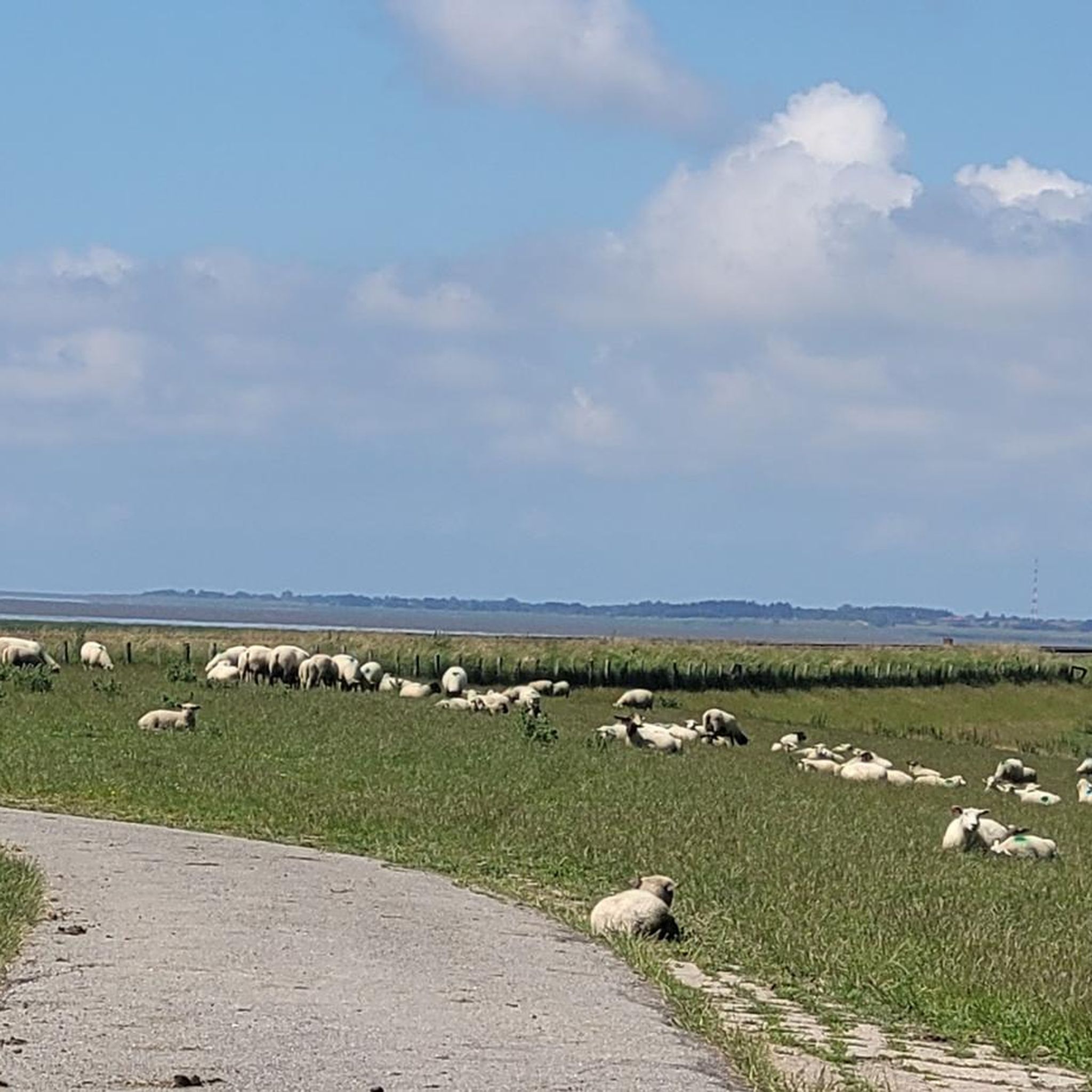
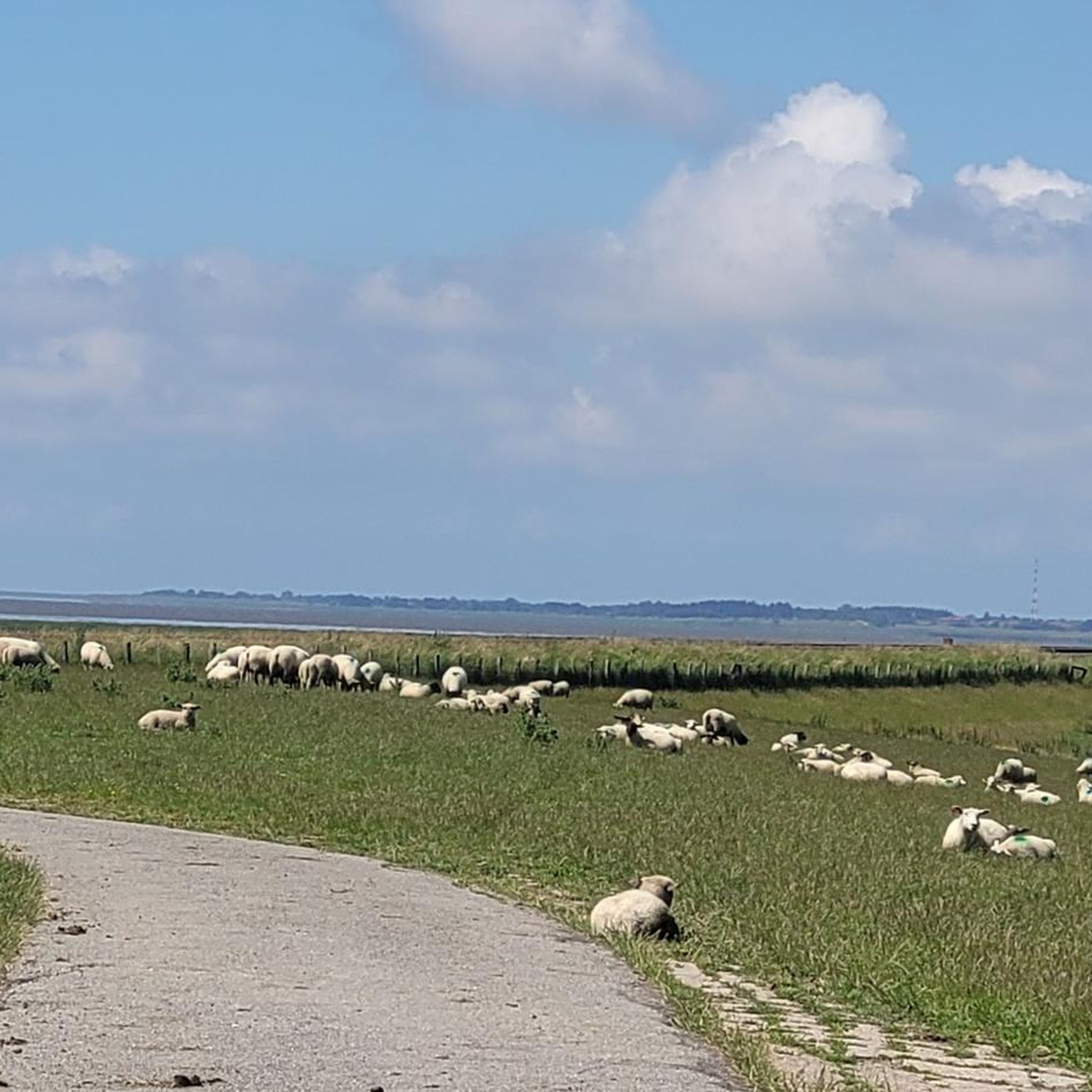
Looking over the dike, you can see the Hindenburg Dam to the left and, from time to time, a train passing by. Ahead, the east coast of Sylt with its lighthouse and cliffs. In front, the Wadden Sea is a magnificent sight.
3
0

Nice place on the dike for sunset fans.
0
0
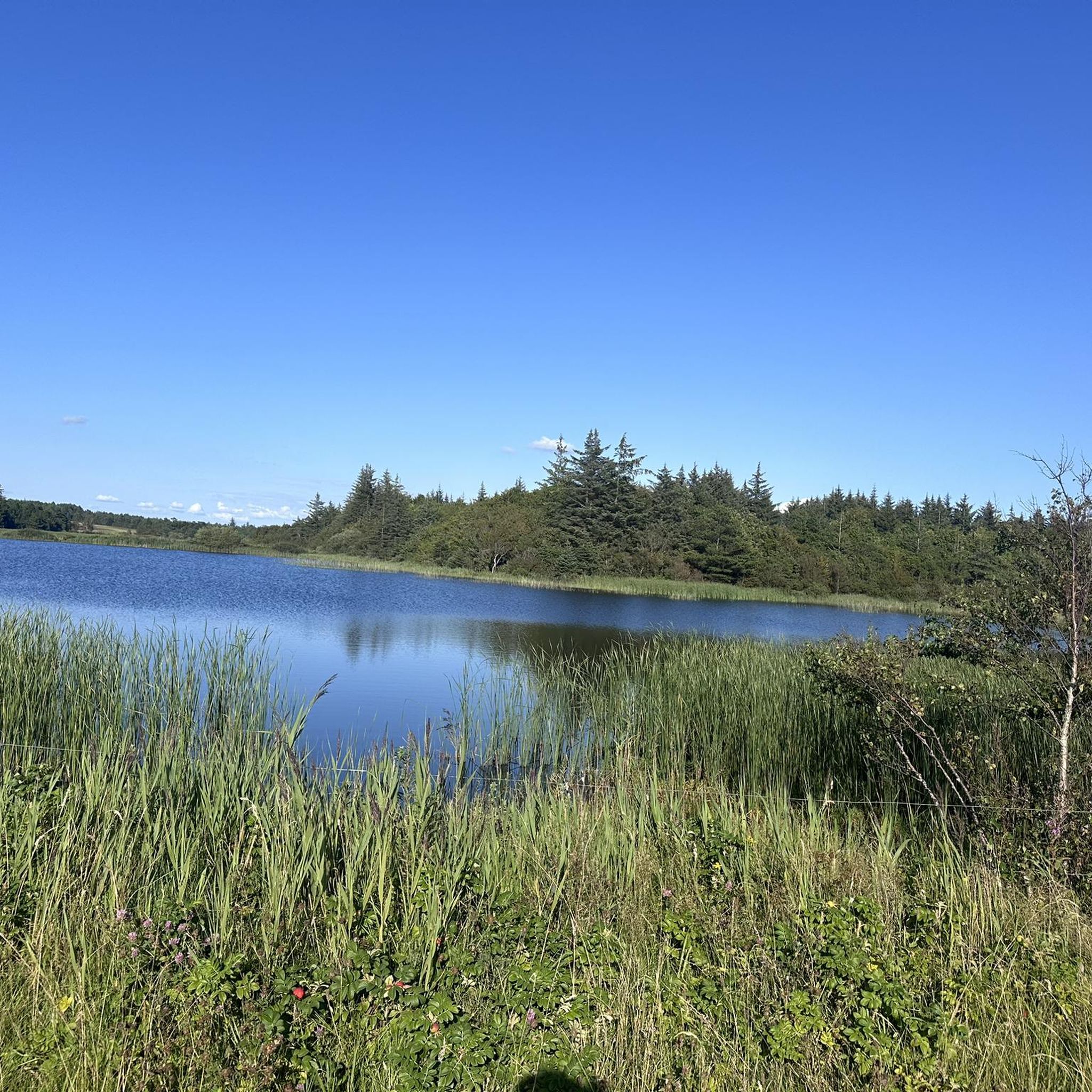
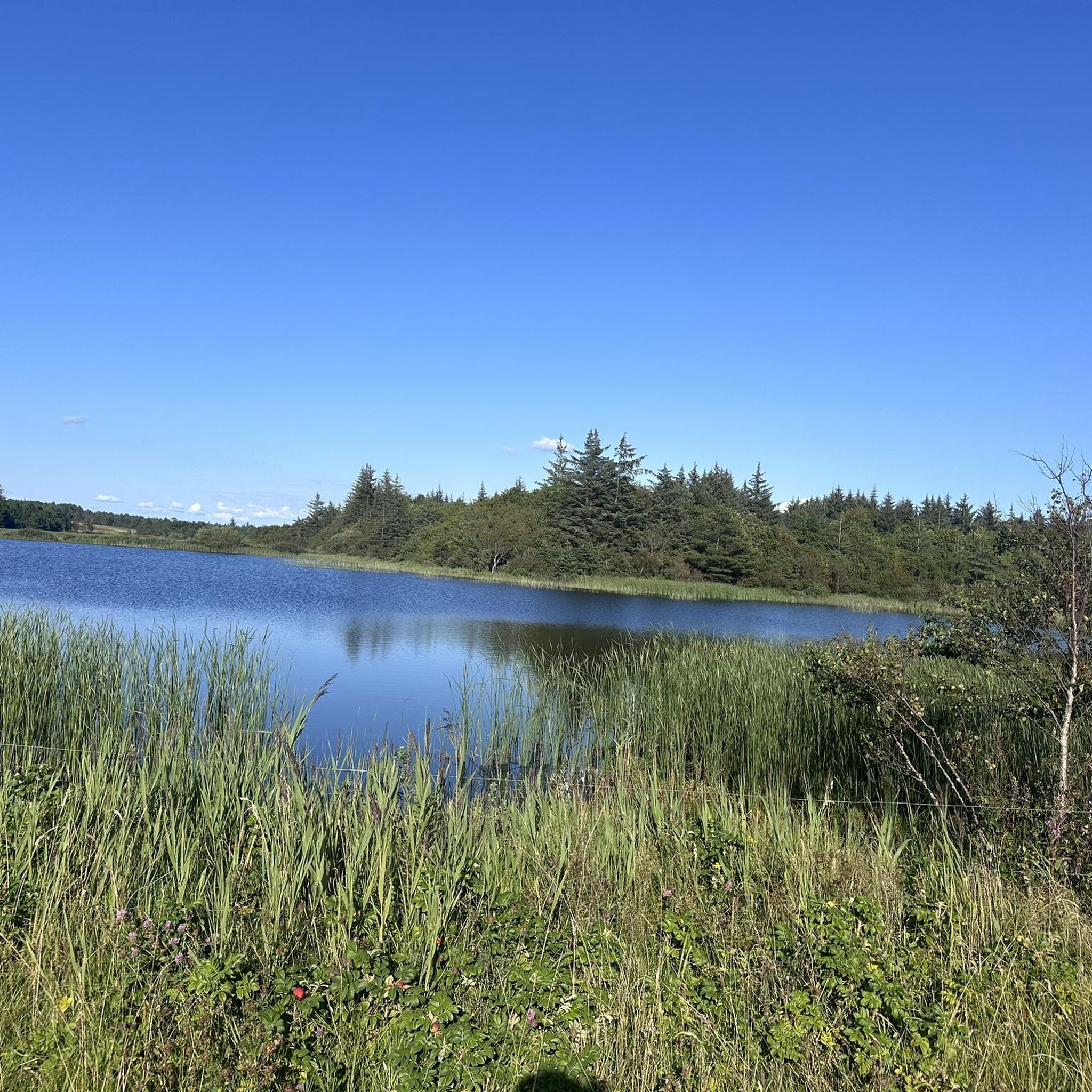
This is a real bird paradise....
1
0

Perfect way to relax
3
0
pure relaxation and peace
0
0
Frequently Asked Questions
How many hiking trails are available around Klanxbüll?
There are over 150 hiking trails around Klanxbüll, offering a wide range of options for different preferences and fitness levels. The majority of these, more than 110 routes, are considered easy, making the area very accessible for casual walkers.
What is the best time of year to go hiking in Klanxbüll?
The best time for hiking in Klanxbüll is generally during spring and autumn. These seasons offer pleasant temperatures and are ideal for birdwatching, as many migratory birds stop in the Rickelsbüller Koog Nature Reserve. Summer is also popular, but be prepared for potentially warmer weather and more visitors, especially along the coast.
Are there any easy hiking routes suitable for beginners or families?
Yes, Klanxbüll offers many easy routes. For instance, the Klanxbüll Station – Church of Our Lady, Klanxbüll loop from Klanxbüll is a gentle 2.4-mile (3.9 km) trail that takes you through the village and surrounding fields. Another accessible option is the Hindenburgdamm – Continue loop from Nordhörn, an easy 3.7-mile (6.0 km) path offering coastal views.
What kind of landscapes can I expect to see while hiking in Klanxbüll?
Klanxbüll's hiking trails showcase diverse landscapes, primarily shaped by its proximity to the North Sea and the Wadden Sea National Park. You'll encounter picturesque dikes, vast open fields, and serene meadows. The Rickelsbüller Koog Nature Reserve offers a rich natural environment, particularly for birdlife, and the unique Wadden Sea ecosystem provides fascinating tidal flats.
Are there any challenging hikes in the Klanxbüll area?
While Klanxbüll is known for its generally flat terrain, there are a few moderate routes for those seeking a slightly longer excursion. The Sylt Railway View loop from Rickelsbüller Koog is a moderate 8.9-mile (14.3 km) trail that traverses the Rickelsbüller Koog nature reserve, offering views towards the Hindenburgdamm.
Can I bring my dog on the hiking trails in Klanxbüll?
Many trails in Klanxbüll are suitable for dogs, especially those through fields and along dikes. However, when hiking in nature reserves like the Rickelsbüller Koog or near the Wadden Sea National Park, it's crucial to keep dogs on a leash to protect wildlife, especially ground-nesting birds and seals. Always check local signage for specific regulations.
What are some notable natural attractions or landmarks to see near Klanxbüll?
Beyond the immediate trails, you can explore significant natural landmarks. The Morsum Cliff on Sylt, accessible via train from Klanxbüll, is a geological marvel with impressive layers and panoramic views of the Wadden Sea. The Rickelsbüller Koog Nature Reserve itself is a highlight, known for its diverse birdlife and information boards explaining its natural significance.
Are there circular hiking routes available in Klanxbüll?
Yes, many of the hiking routes around Klanxbüll are circular, allowing you to start and end at the same point. Examples include the Sylt Railway View loop from Rickelsbüller Koog and the Klanxbüll Station – Church of Our Lady, Klanxbüll loop from Klanxbüll, which are designed for convenient round trips.
What do other hikers say about the trails in Klanxbüll?
The hiking routes in Klanxbüll are highly rated by the komoot community, with an average score of 4.5 stars from over 1000 reviews. Hikers often praise the tranquil coastal setting, the ecological richness of the Wadden Sea National Park, and the well-maintained paths that offer accessible walks for all abilities.
Is public transport available to access hiking trails in Klanxbüll?
Yes, Klanxbüll has a railway station that provides direct connections, notably to the island of Sylt via the Hindenburgdamm. This makes it a convenient starting point for exploring trails both within Klanxbüll and for excursions to places like the Morsum Cliff on Sylt. Many local trails are also accessible directly from the village center.
Are there any opportunities for birdwatching while hiking?
Absolutely. The Rickelsbüller Koog Nature Reserve, located near Klanxbüll, is a prime spot for birdwatching. It's known for its diverse birdlife, especially during spring and autumn when many migratory birds stop in the area. Information boards within the reserve provide insights into the local species and their habitats.
What should I wear for hiking in Klanxbüll?
Given the coastal and often open nature of the terrain, it's advisable to wear layers to adapt to changing weather conditions. Wind and waterproof outer layers are recommended, especially near the North Sea. Comfortable, sturdy walking shoes are essential, and sun protection is important on sunny days due to the lack of shade in many areas.
Most popular attractions around Klanxbüll

Get inspired with the komoot mobile app


Explore more
Browse the best Hikes in other regions.
