Top 7 Gorges around Sedgemoor District
Best canyons around Sedgemoor District are characterized by dramatic limestone gorges within the Mendip Hills, an Area of Outstanding Natural Beauty. These geological formations, including England's largest gorge, were carved by meltwater during the last Ice Age. The district offers diverse landscapes, from steep cliffs to tranquil wooded valleys, providing varied outdoor experiences. The area is recognized for its significant geological and historical sites, showcasing ancient human occupation and unique ecosystems.
Best canyons around Sedgemoor District
- The most popular canyons…
Last updated: August 8, 2026
Cheddar Gorge Climb
Highlight (Segment) • Climb
Tip by

Black Rock Steep Rocky Path
Highlight (Segment) • Natural
Tip by

Sign up now to discover places like this
Get recommendations on the best single tracks, peaks, & plenty of other exciting outdoor places.
Sign up for free
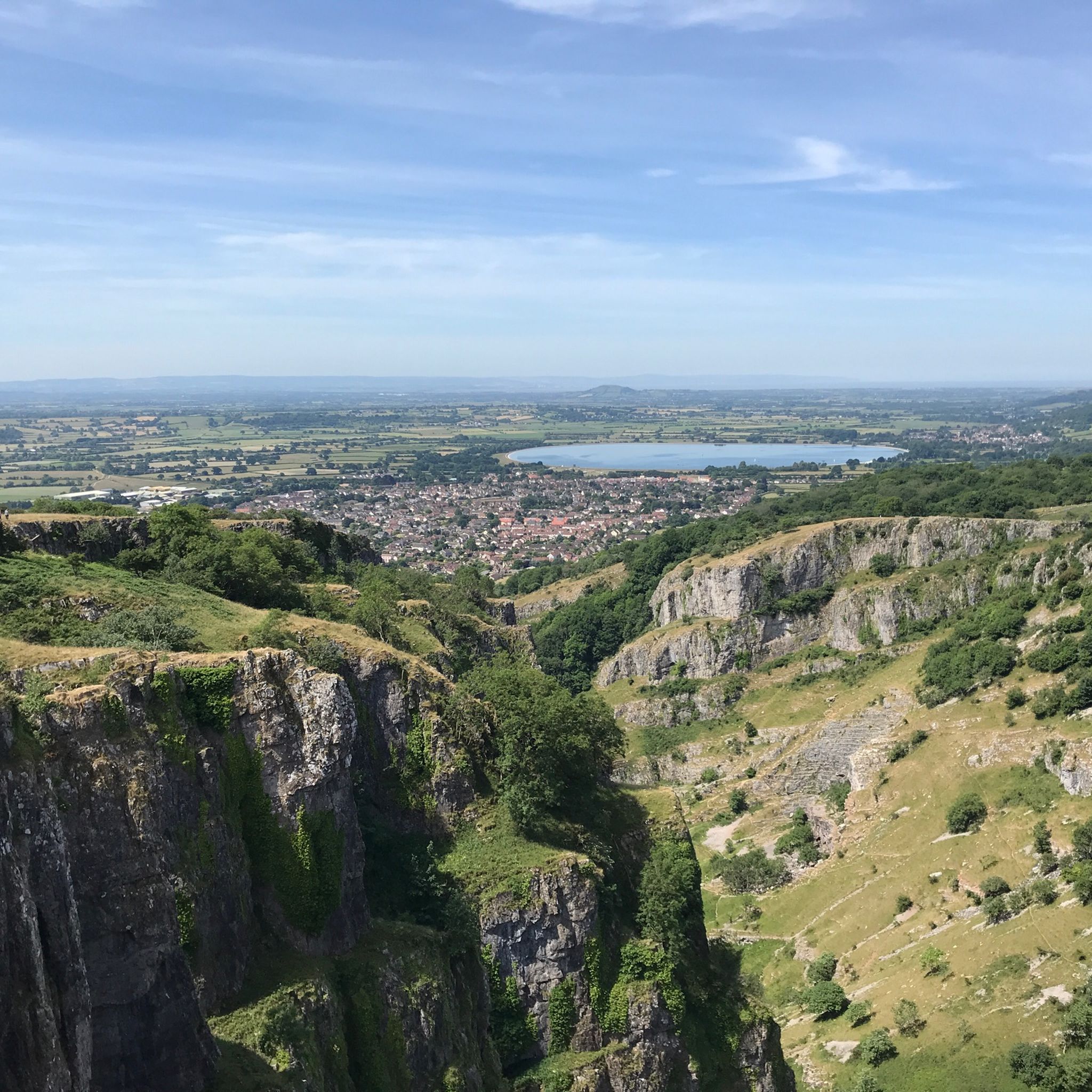
View of Cheddar Gorge
Highlight • Natural Monument
Tip by

View of Cheddar Gorge
Highlight • Natural Monument
Tip by

View of Cheddar Gorge and Cheddar Reservoir
Highlight • Viewpoint
Translated by Google •
Tip by

Goats by the Road in Mendip Hills
Highlight • Natural
Tip by

Start of the Gorge Trail
Highlight • Gorge
Tip by

Draycott Sleights Nature Reserve to Top of Cheddar Gorge
Highlight (Segment) • Natural Monument
Tip by

Cheddar Gorge View and Rocky Trail
Highlight (Segment) • Viewpoint
Tip by

Start today with a free account
Your next adventure awaits.
Login or Signup
Popular around Sedgemoor District
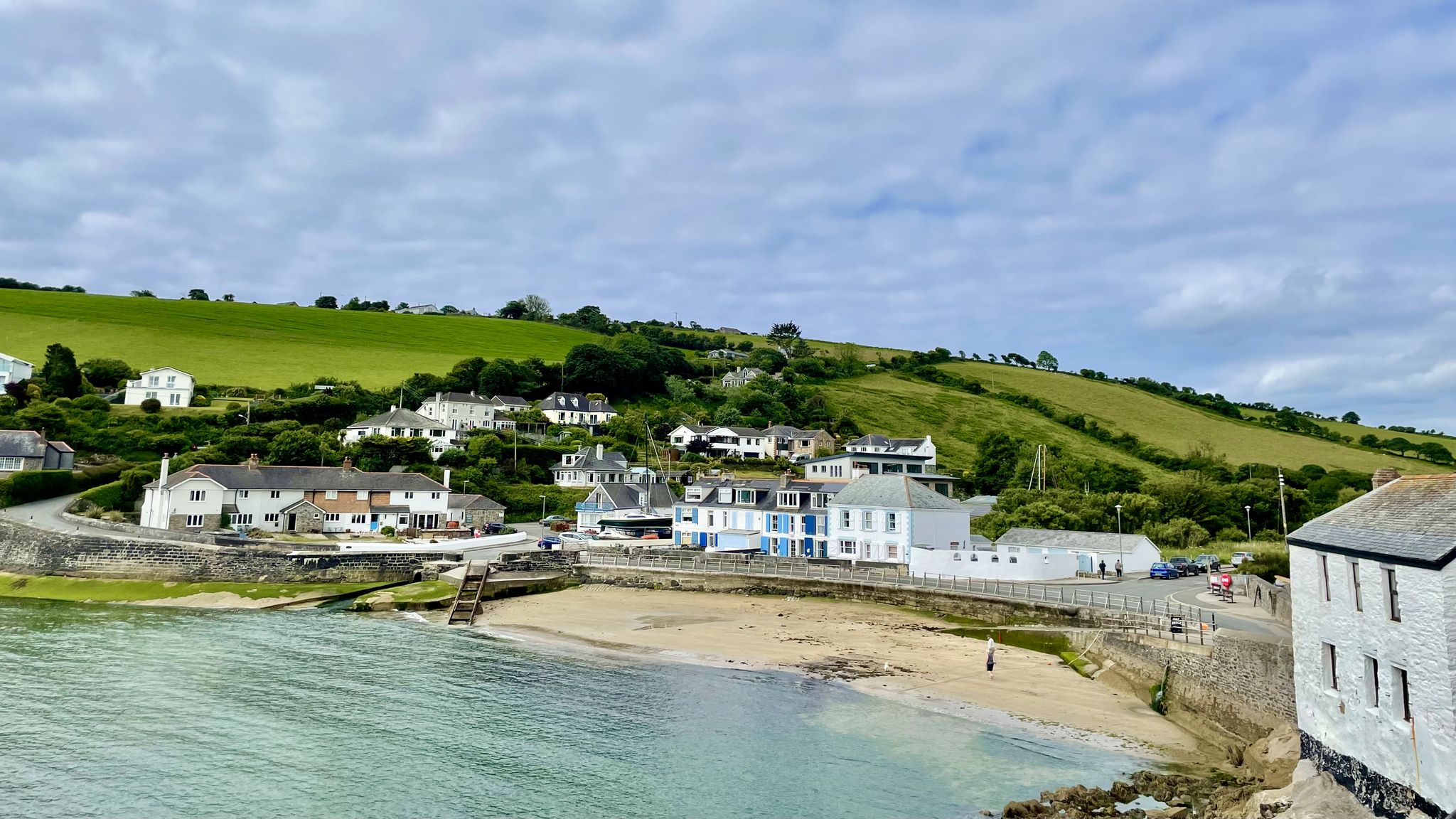
National Cycle Network Route 3 — Land's End to Bristol
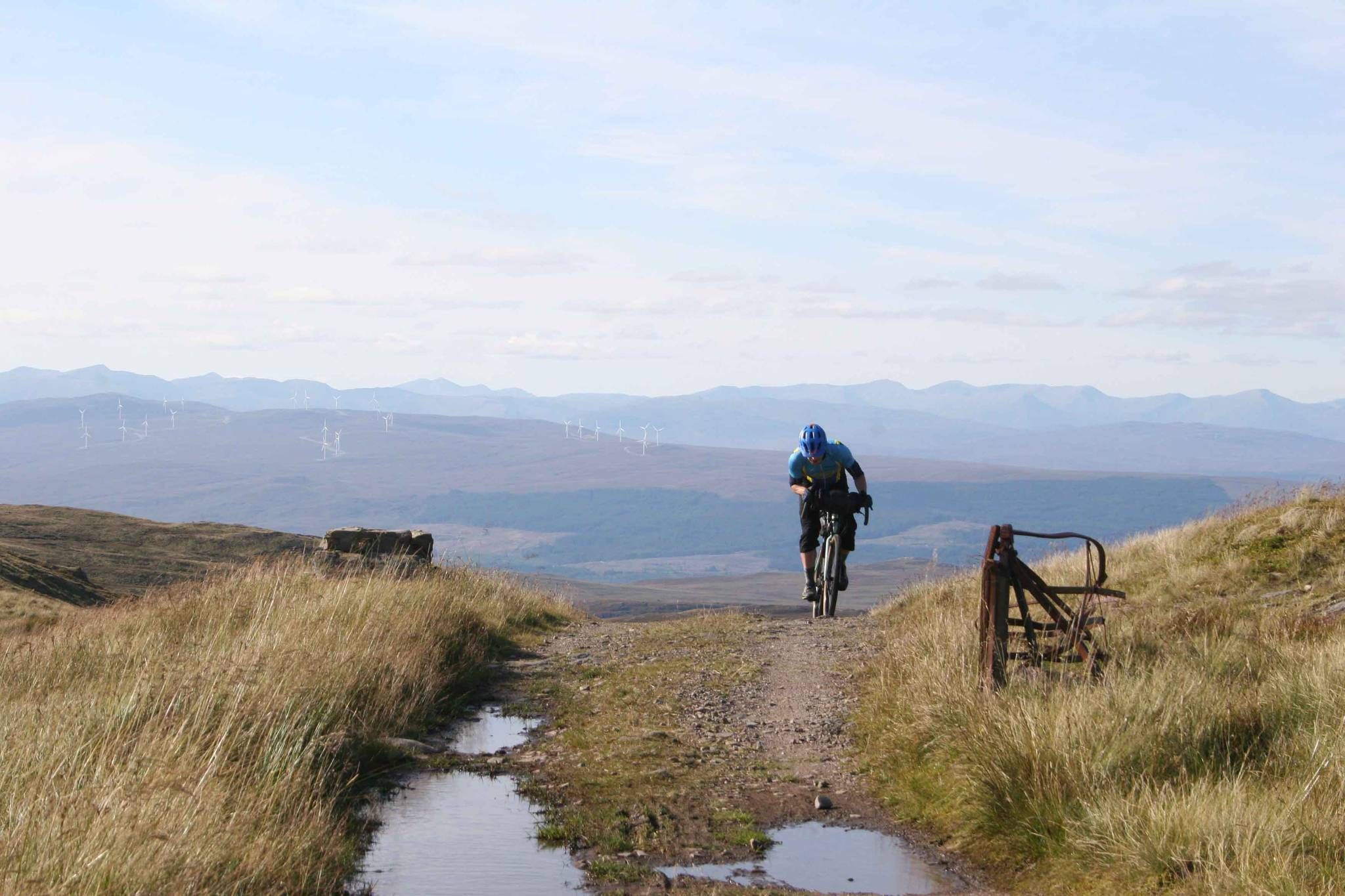
GB Divide — Great Britain end to end off-road on GBDURO
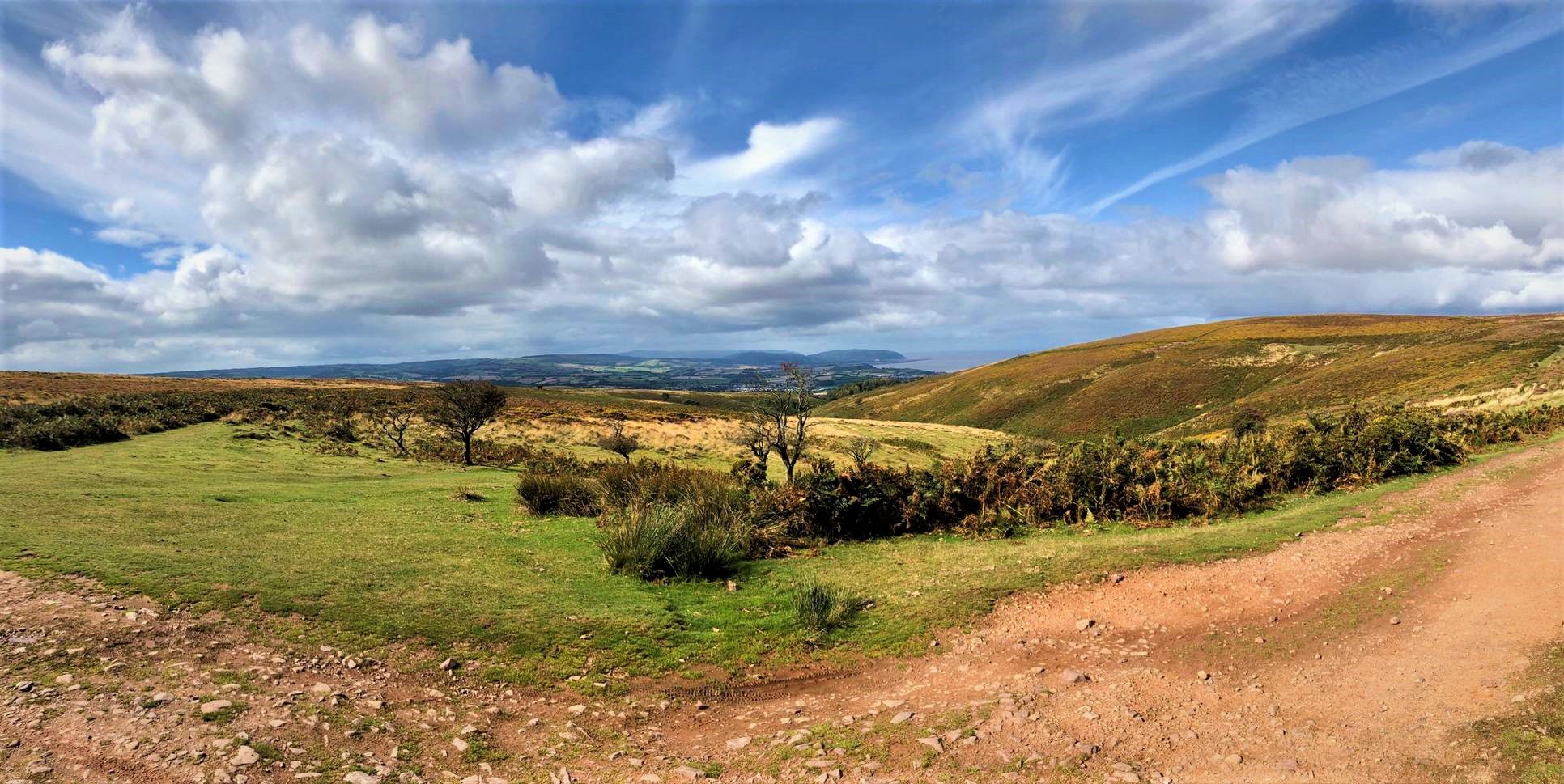
Coleridge Way — Hike the Romantic poetry of the Quantocks and Exmoor

West Country Way – Vibrant cities and emerald hills
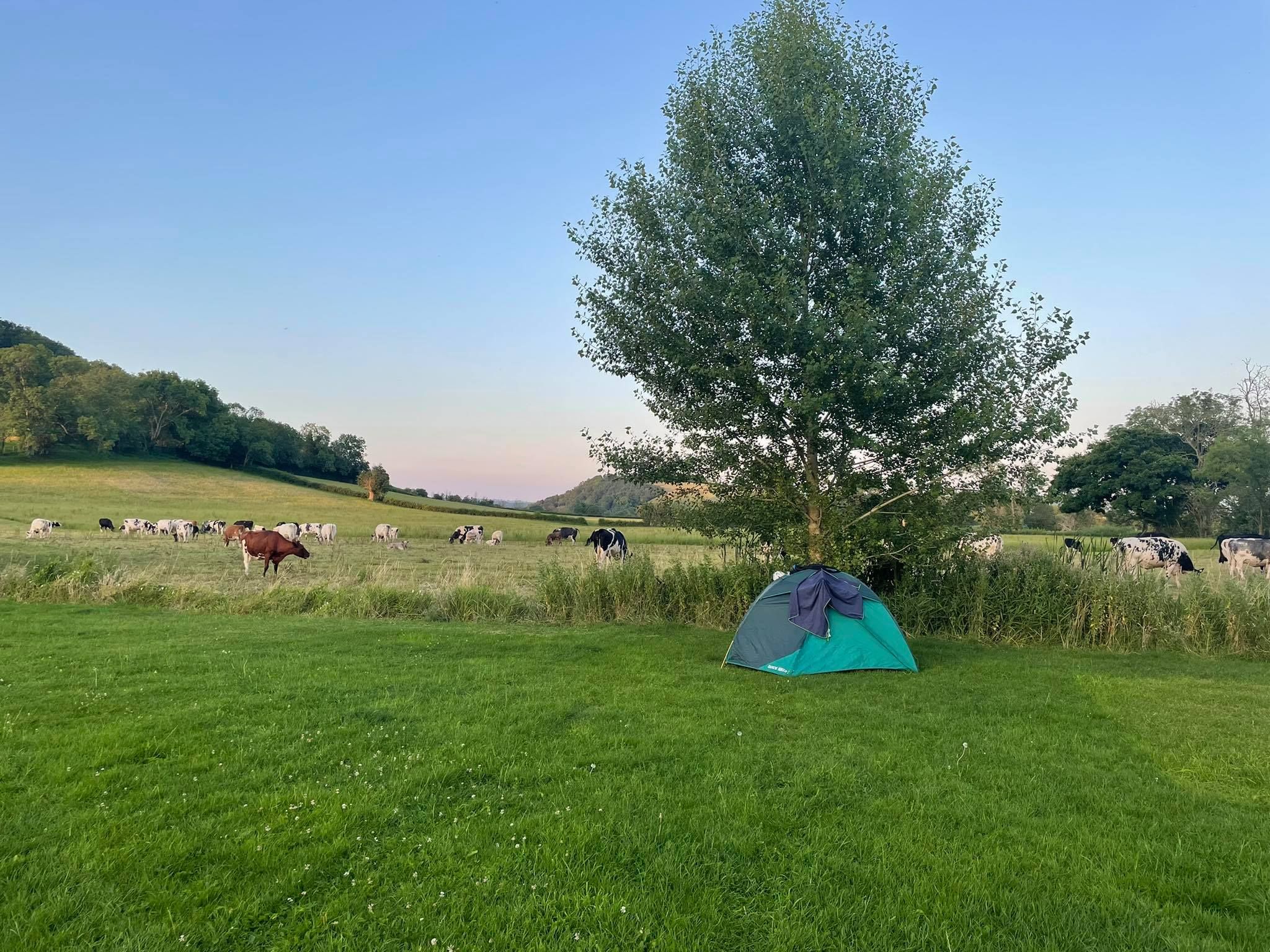
Forests, wild swimming and wildlife – touring from Totnes to Bristol
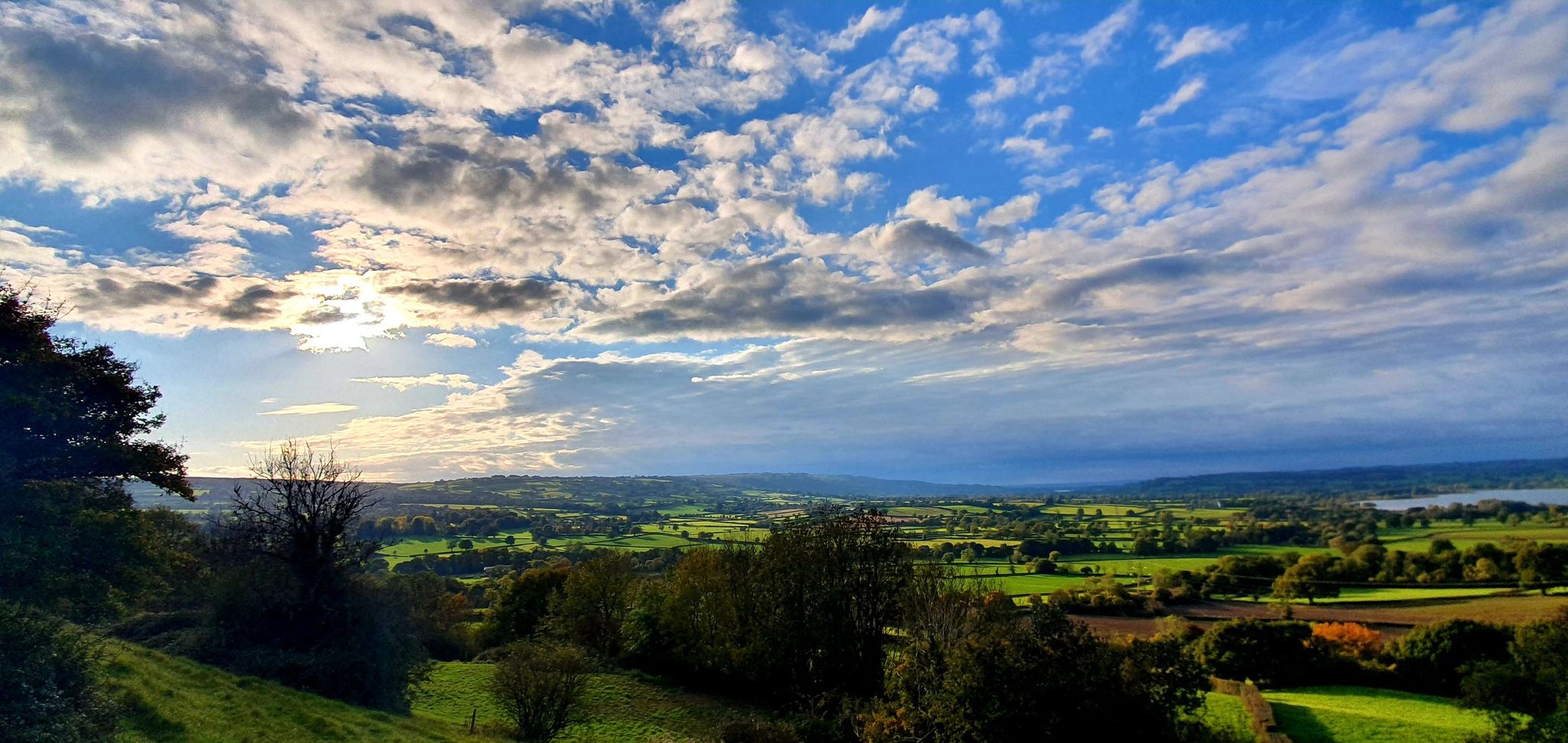
Exploring Somerset's historic landscapes — Limestone Link
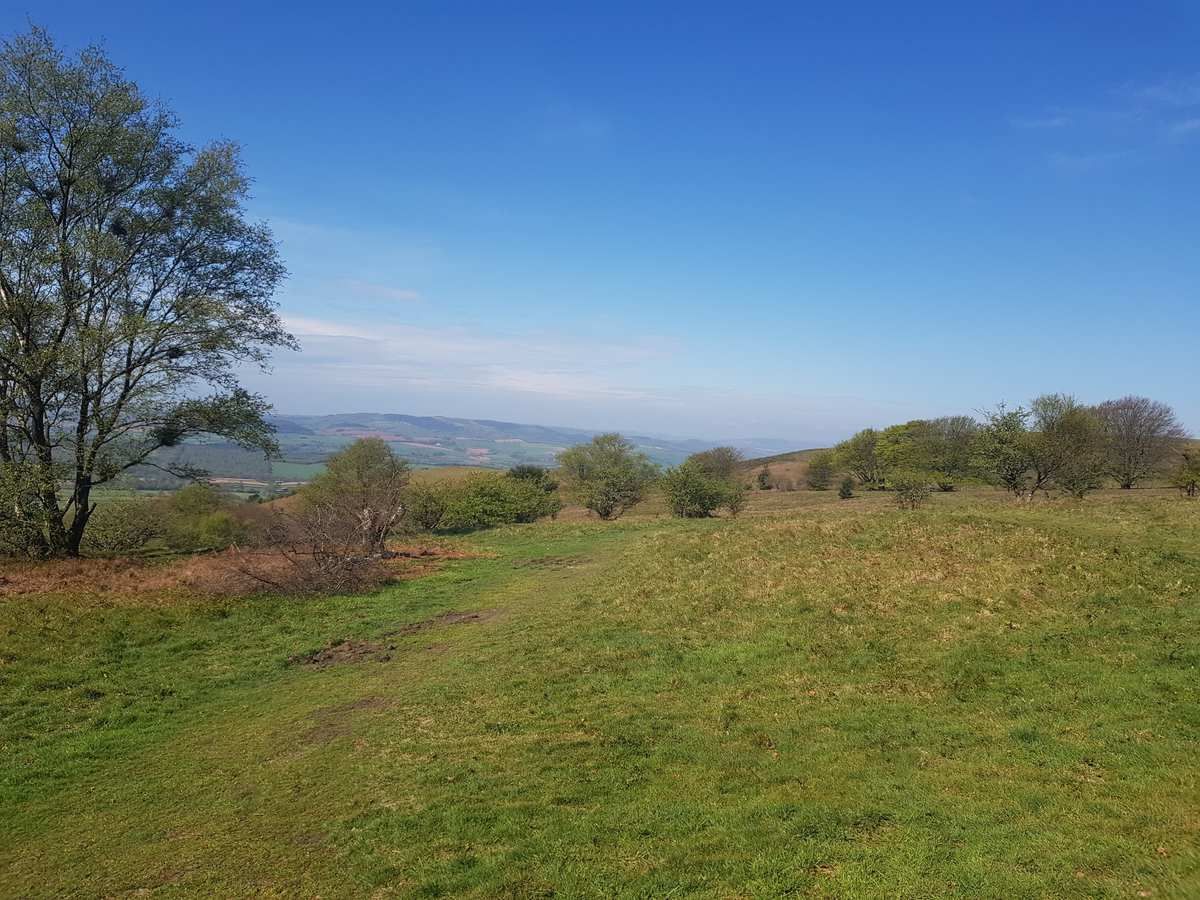
Exploring Somerset's serene hillsides — Quantock Greenway
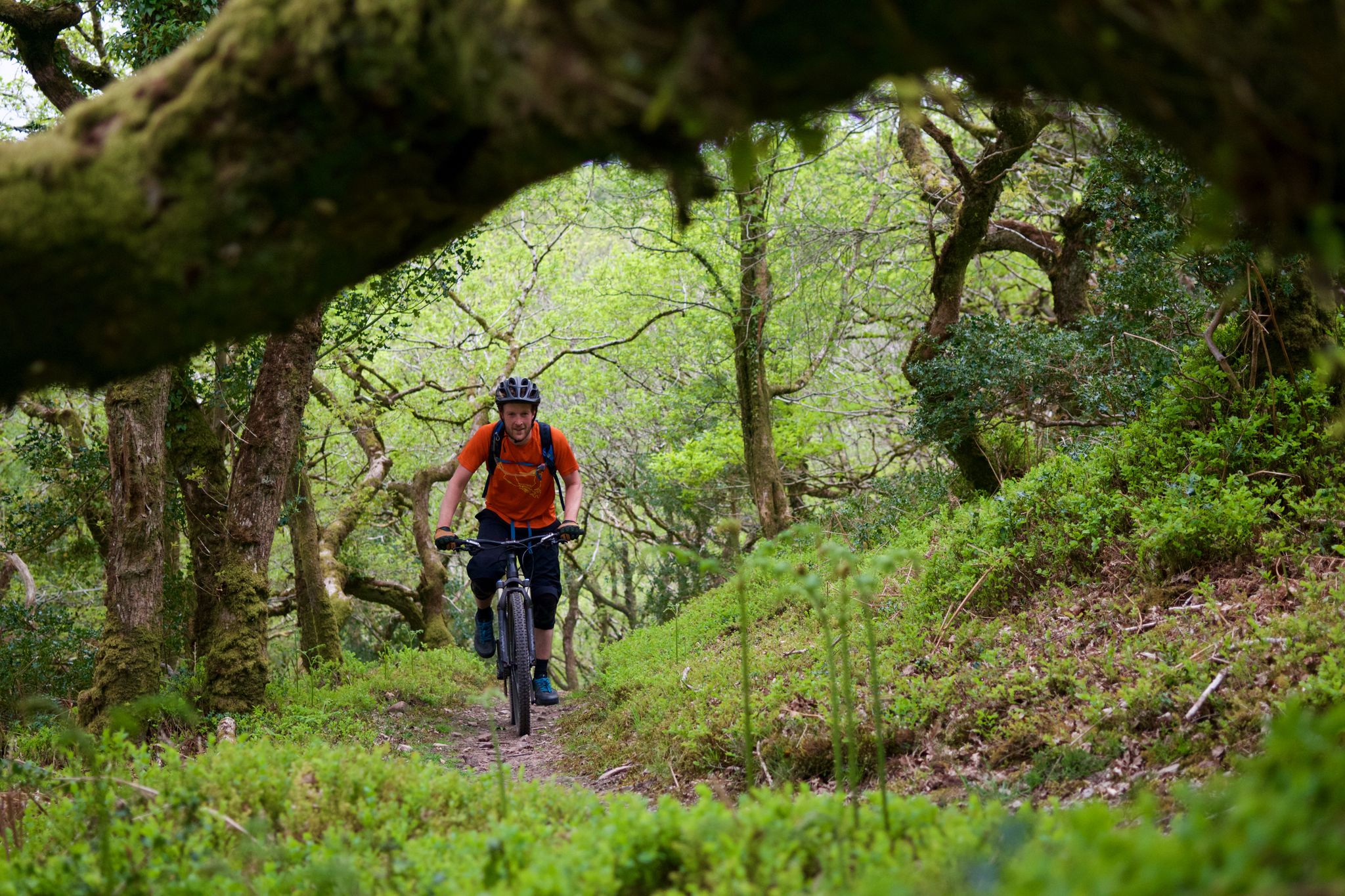
The Quantocks and Exmoor — MTB paradise in the South West
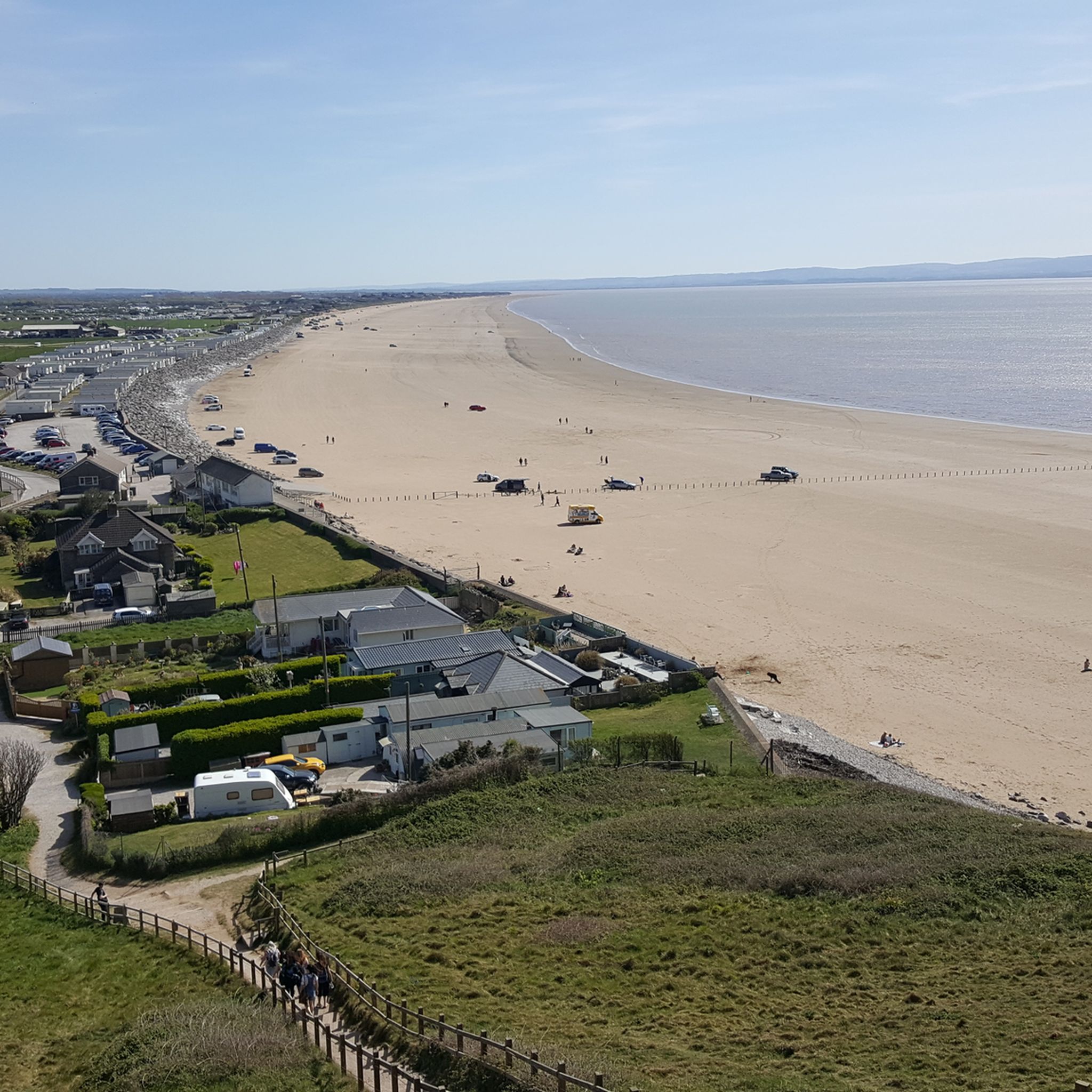
Hiking around Sedgemoor District
Running Trails around Sedgemoor District
Other adventures around Sedgemoor District


Tips from the Community

High elevation Hill mixed terrain of mud stones, an enjoyable scramble at times.
0
0

https://youtube.com/@hoofhike 👈 see details Absolutely fantastic walk definitely “must visit “
0
1


A great drive through the Gorge, then park in one of the layby's and hike up either side of the Gorge to the top (pretty steep), where you get great views of Cheddar and the surrounding areas. Cheddar itself has a slightly Alpine Village feel to it.
0
0

I don’t recommend this part of the route at all!!!! Extremely dangerous taking the road!!!!! It’s my fault too because I should check better this hiking route!!!!!! You should take the other cliff walk too!
0
0

Great location, beautiful views and beautiful nature!
2
0

Follow this pathway to the start of trail. it's up hill all the way to the top of the gorge. ground is road, pathway, tree roots, mud and rocks. ground is uneven so good boots and possibly poles if you are unsteady on feet
0
0
Oh it's constant... it just feels like it won't stop. Good footwear essential. avoid the black looking rocks. they are shiny and slippy by years of being stepped on. stick to the dirt.
1
0
Frequently Asked Questions
What makes the canyons around Sedgemoor District unique?
The canyons in Sedgemoor District, primarily within the Mendip Hills, are notable for their dramatic limestone formations. They were carved by meltwater during the last Ice Age, creating steep-sided gorges like Cheddar Gorge, England's largest, and the tranquil, wooded Ebbor Gorge. These areas are rich in geological, historical, and ecological significance.
What are the main geological features of the gorges in Sedgemoor District?
The gorges in Sedgemoor District are predominantly limestone formations, specifically Carboniferous limestone. Cheddar Gorge, for instance, features cliffs almost 400 feet deep, showcasing weathered crags and pinnacles. Ebbor Gorge, while smaller, is also carved from 350-million-year-old limestone, with distinct valleys and caves formed by ancient meltwater.
Are there any historical or archaeological sites within the canyons?
Yes, both Cheddar Gorge and Ebbor Gorge have significant historical and archaeological importance. Gough's Cave in Cheddar Gorge is where 'Cheddar Man,' Britain's oldest complete human skeleton, was discovered. The area has yielded human remains and artifacts dating back to the Stone Age. Ebbor Gorge also contains caves with evidence of Neolithic and Bronze Age human occupation, including bones, tools, and flint arrowheads.
What kind of wildlife can I expect to see in the gorges?
The gorges are home to diverse wildlife. Cheddar Gorge hosts a herd of free-roaming feral goats, rare Soay sheep, and various bird species like peregrine falcons and buzzards. Horseshoe bats also roost in its caves. Ebbor Gorge, a National Nature Reserve, supports over 250 species of ferns and fungi, encourages woodland butterflies, and is another important roosting site for horseshoe bats.
Are there family-friendly activities or walks in the Sedgemoor District canyons?
Yes, there are options for families. Cheddar Gorge offers attractions like the show caves (Gough's and Cox's), Jacob's Ladder for panoramic views, and the Museum of Prehistory. While some walks can be challenging, there are gentler routes available. Ebbor Gorge provides quieter walking trails through ancient woodlands, suitable for a more tranquil family outing.
What are some popular walking or cycling routes near the canyons?
Near the canyons, you can find various routes. For walking, consider the Black Rock Steep Rocky Path, which is challenging but offers great views, or the route from Draycott Sleights Nature Reserve to Top of Cheddar Gorge for beautiful vistas. For cycling, the Cheddar Gorge Climb is an iconic route. You can find more cycling routes in the Cycling around Sedgemoor District guide, and running trails in the Running Trails around Sedgemoor District guide.
What is the best time of year to visit the Sedgemoor District canyons?
The Mendip Hills, where these gorges are located, are beautiful year-round. However, for walking and outdoor activities, spring and autumn offer pleasant temperatures and vibrant scenery. Summer can be busy, especially at Cheddar Gorge, so consider visiting during off-peak times. Winter walks can be atmospheric, but some paths might be slippery.
Are there any specific viewpoints I should look for?
Absolutely. From the higher points of Cheddar Gorge, you can enjoy breathtaking views over the Somerset countryside, including Glastonbury Tor and the Bristol Channel. Jacob's Ladder offers panoramic views from its lookout tower. The route from Draycott Sleights Nature Reserve to Top of Cheddar Gorge also provides beautiful views along contour lines. Ebbor Gorge offers superb views over the Somerset Levels.
What do visitors enjoy most about exploring the canyons here?
Visitors frequently praise the stunning surroundings and the sense of achievement from tackling climbs like the Cheddar Gorge Climb. The challenging yet rewarding nature of paths like the Black Rock Steep Rocky Path is also a highlight for many. The beautiful views, especially from the top of Cheddar Gorge, are consistently mentioned as a major draw.
Are there any permits required for hiking or exploring the gorges?
Generally, no specific permits are required for public access to the main walking trails and viewpoints within Cheddar Gorge or Ebbor Gorge. However, if you plan to engage in specialized activities like caving or climbing, it's advisable to check with local authorities or activity providers for any necessary permissions or guided tours.
Can I find places to eat or stay near the canyons?
Yes, the village of Cheddar, located at the foot of Cheddar Gorge, offers numerous cafes, pubs, and accommodation options. You can enjoy a coffee stop before or after your activities. The wider Sedgemoor District and nearby towns also provide a range of dining and lodging choices to suit different preferences.
Is Ebbor Gorge a good alternative if Cheddar Gorge is too busy?
Yes, Ebbor Gorge is an excellent alternative if you're seeking a quieter, more tranquil experience. While smaller than Cheddar Gorge, it's a heavily wooded limestone gorge managed as a National Nature Reserve. It offers a serene atmosphere, beautiful ancient woodlands, and superb views over the Somerset Levels, making it ideal for a peaceful walk away from the crowds.
Most popular routes around Sedgemoor District
Most popular attractions around Sedgemoor District

Get inspired with the komoot mobile app


Didn’t find what you were looking for?
Want to see even more gorges? See the best ones around Sedgemoor District region by region:
Explore more
Already discovered everything in this region? See additional gorges around Sedgemoor District for your next adventure:
