Top 20 Natural Monuments around Ravels
Best natural monuments around Ravels include diverse natural areas rich in biodiversity and historical significance. The region features expansive forests, ancient fens, and heathlands, offering varied ecosystems. These areas provide serene landscapes for nature enthusiasts and opportunities for outdoor activities. The landscape reflects a history of ecological transformation and preservation efforts.
Best natural monuments around Ravels
- The most popular natural monument is Bronze Age Burial Mounds with Wooden Post Circle, Regte Heide, a historical site featuring burial mounds from…
Last updated: May 13, 2026
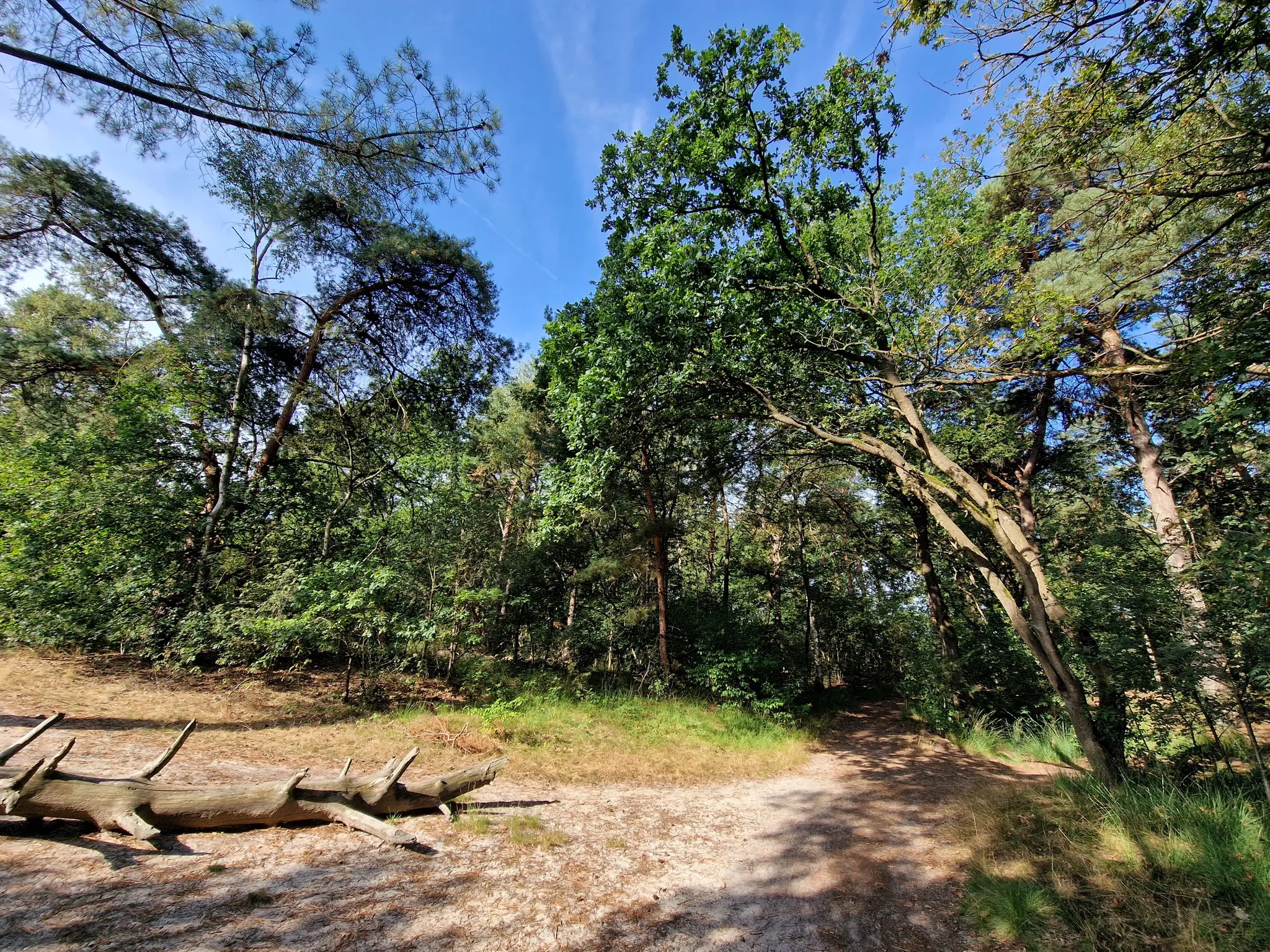
Bronze Age Burial Mounds with Wooden Post Circle, Regte Heide
Highlight • Historical Site
Translated by Google •
Tip by

Wortel-Kolonie
Highlight • Historical Site
Translated by Google •
Tip by

Sign up now to discover places like this
Get recommendations on the best single tracks, peaks, & plenty of other exciting outdoor places.
Sign up for free
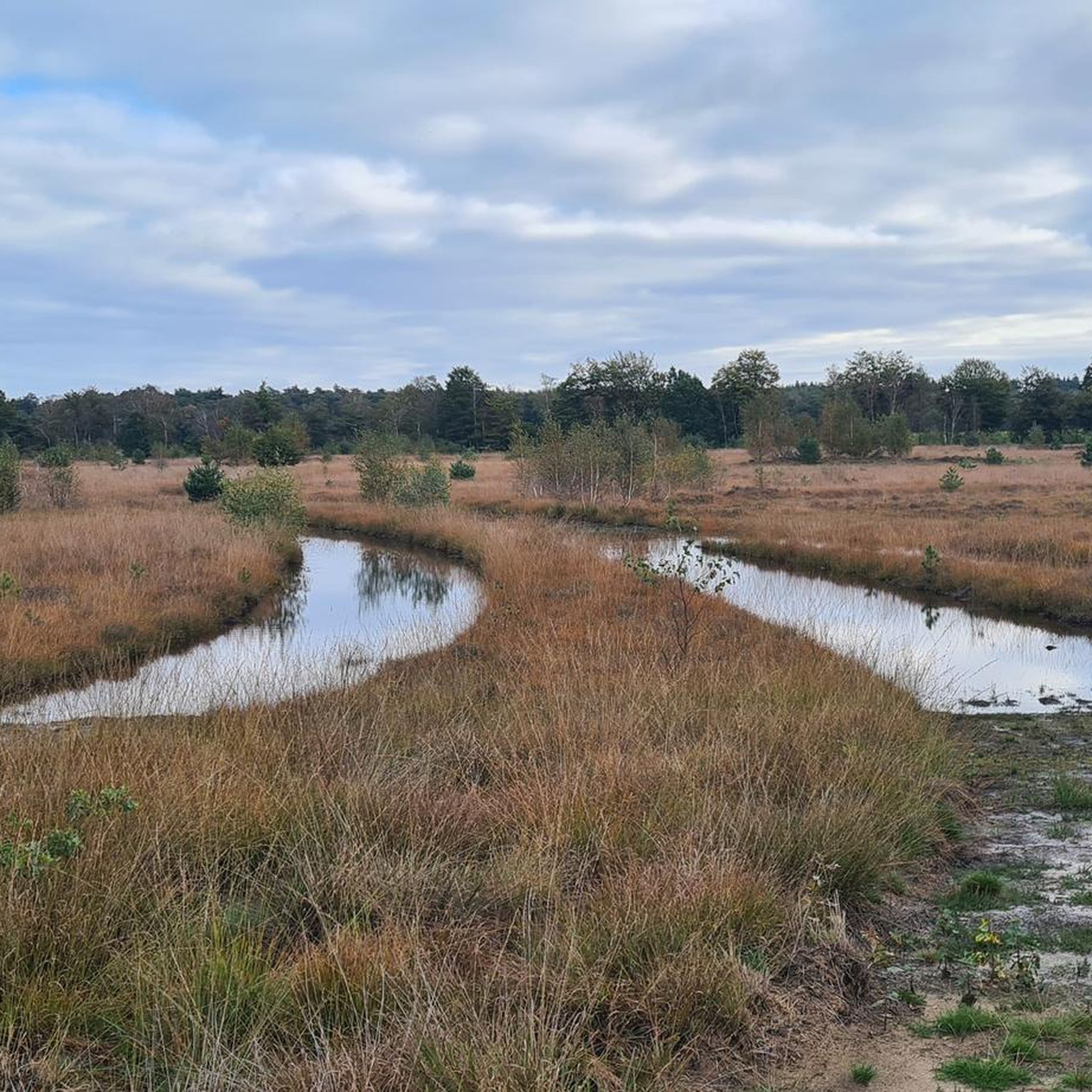
Bootjesven
Highlight • Lake
Translated by Google •
Tip by
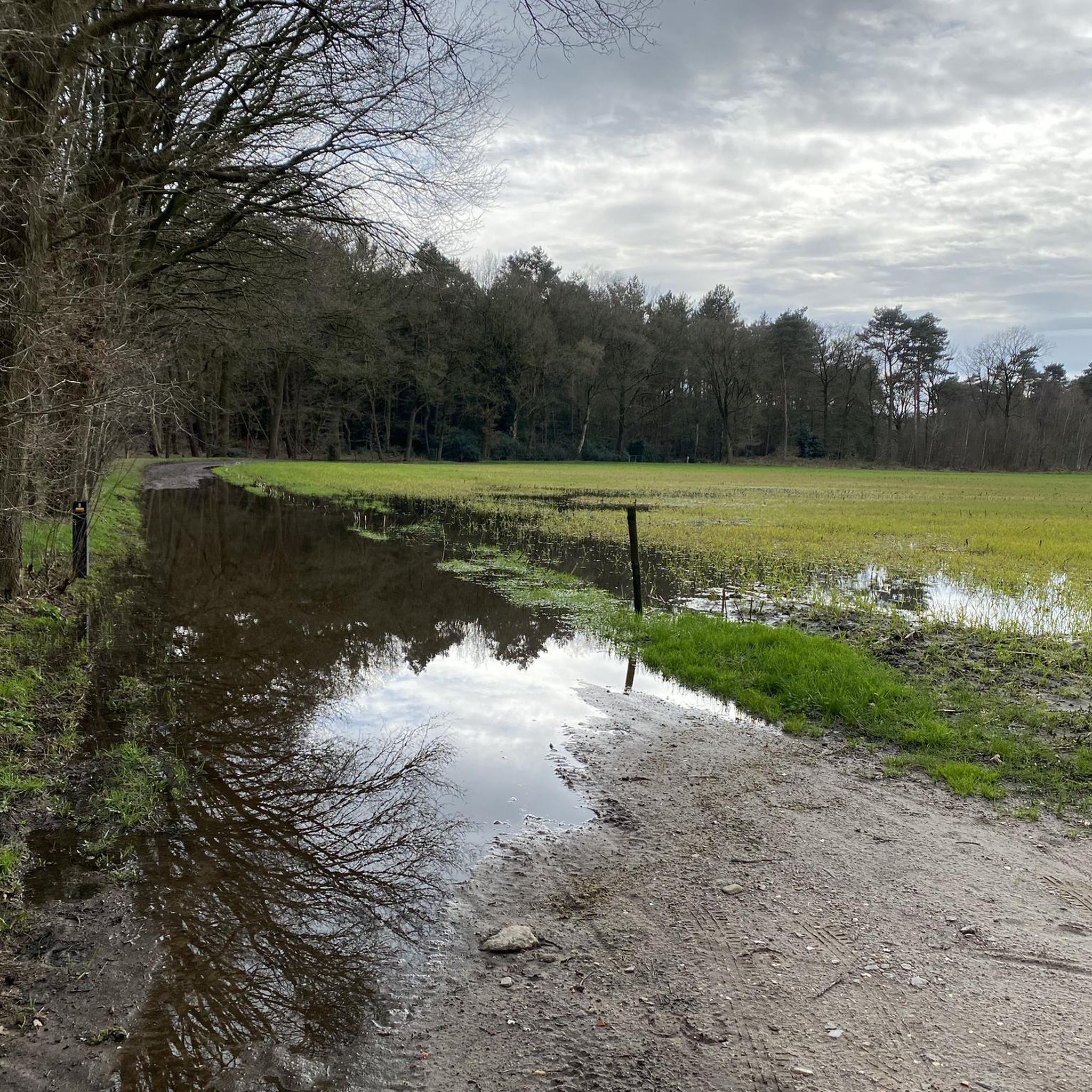
View of Kesseven
Highlight • Lake
Translated by Google •
Tip by

Regte Heide Burial Mounds
Highlight • Historical Site
Translated by Google •
Tip by

Sign up for free to discover even more natural monuments around Ravels.
Sign up for free
Already have an account?
Start today with a free account
Your next adventure awaits.
Login or Signup

Other adventures around Ravels

Tips from the Community

The Bootjesven is one of the most famous and beautiful spots in Wortel-Kolonie 🌿. 📍What is the Bootjesven? • It is a natural fen, surrounded by pine forests and heathland, in the heart of the tranquility of the Colony. • The name refers to the "boats" of peat moss that float on the water, giving the surface a fairytale-like appearance. • The fen is a vulnerable nature reserve: special plants such as cotton grass and sundew grow there, and you often find dragonflies and waterfowl there. • It is part of the Merkske Valley, a European Natura 2000 protected area. 🌿 Experience for hikers and cyclists • The Bootjesven is located along several beautiful hiking trails that start from the De Klapekster Visitor Center. • It is an ideal place to take a break and enjoy the peace and quiet and nature. • Because it is a sensitive area, walking on designated paths and not allowing dogs off the leash is important for the preservation of this unique natural environment.
9
1

nice to see a piece of nature where you can take a lovely walk
3
0

The Bootjesven is a fen that was created by extracting peat. Peat was extracted on a large scale in the entire Noorderkempen region between the middle of the 13th and the 18th century. Peat is dried peat that was dug from the marshy peat areas. The extracted peat was laid out to dry and then used as a raw material. This location is now a large body of water where it is wonderful to stay. You can cool off up to your knees and no further. Swimming is prohibited.
12
0

The Ravels forest is known for its fens. From the Middle Ages onwards, these elements dominated the open landscape. In 1903 the forest was created and some fens were planted or converted into pasture. A number of fens have been preserved. The most important fen is the Kesseven. It is located in the southern part of the Regional Forest and with an area of approximately 3 hectares it can be called quite large.
6
0

Nice little cafe with very nice people and start for a great hike through the Wortel colony.
5
0

The burial mounds on the Regte Heide date from the Bronze Age (around 1750 BC). One burial mound has a ring wall with a dry ditch. Burial mounds were used as burial places. It is suspected that these mounds were not only used to give the dead a final resting place, but also for veneration. The burial mounds in this nature reserve were first excavated in 1935 and then reconstructed. The pole wreaths that were known from the excavations were restored around 5 burial mounds. Visit the Heemkundemuseum in Goirle for extensive information about the burial mounds. source: www.goolsegeheimen.n
8
1

parking and departure walking and cycling routes
10
2

Beautiful fen with covered resting place and information boards
5
1
Frequently Asked Questions
What are the main natural areas to explore around Ravels?
The region around Ravels offers several significant natural areas. The **Gewestbos Ravels** is an expansive forest with diverse ecosystems, including woodlands, fens, and heathland. Another notable area is **Molenheide**, a tranquil forest near the Dutch border known for its peaceful atmosphere and historical dune complex. Additionally, the **Wortel-Kolonie**, a UNESCO World Heritage site, provides a protected landscape with forests, fens, and grasslands.
Are there any natural monuments with historical significance near Ravels?
Yes, several natural monuments around Ravels are rich in history. The Bronze Age Burial Mounds with Wooden Post Circle, Regte Heide are ancient burial sites dating back to approximately 1750 BC, offering a glimpse into prehistoric times amidst heath and forests. Also, Wortel-Kolonie, a UNESCO World Heritage site, was originally established as an agricultural colony and now preserves both its unique historical landscape and natural values.
What kind of natural features can I expect to see in these areas?
You can expect to see a variety of natural features. The **Gewestbos Ravels** features dense woodlands, ancient fens like the Kesseven, and open heathlands. The Bootjesven within Wortel-Kolonie is a picturesque fen created by peat extraction, now a vital habitat for dragonflies and water beetles. Molenheide offers tranquil coniferous forests and historical dune complexes.
Are there family-friendly natural monuments around Ravels?
Absolutely! Many natural monuments in the area are suitable for families. The Bronze Age Burial Mounds with Wooden Post Circle, Regte Heide offers an engaging mix of cultural history and nature for walks. Wortel-Kolonie is a protected landscape perfect for family exploration, and the Bootjesven provides a tranquil spot for observation and picnics.
What outdoor activities can I do near these natural monuments?
The natural monuments around Ravels are excellent for various outdoor activities. You can enjoy extensive walking, cycling, and horseback riding routes, especially in the Gewestbos Ravels and Molenheide. Mountain biking is also popular. For specific routes, you can explore options like those found in the Running Trails around Ravels, MTB Trails around Ravels, and Cycling around Ravels guides.
Are there hiking trails near these natural monuments?
Yes, there are numerous hiking trails. The Gewestbos Ravels offers popular walking trails like the 10 km Bruggeskeswandeling and the shorter Grave Ravenpad, which is suitable for children. Molenheide also provides walking routes through its forests. You can find more detailed hiking options in guides such as Running Trails around Ravels, which includes routes like the 'Kesseven - Gewestbos Ravels loop'.
What is the best time to visit the natural monuments around Ravels?
The natural monuments around Ravels can be enjoyed year-round, but each season offers a different experience. Spring brings blooming flora, while summer is ideal for spotting dragonflies around fens like the Kesseven. Autumn showcases vibrant foliage in the forests, and winter provides a serene, quiet atmosphere for walks. The diverse ecosystems ensure there's always something to appreciate.
Can I spot wildlife at these natural monuments?
Yes, the diverse ecosystems of these natural monuments support a rich array of wildlife. In Gewestbos Ravels, you might spot birds such as the tree falcon, nightjar, sparrowhawk, and forest owl, along with various insects and amphibians. The Bootjesven and Kesseven are crucial habitats for dragonflies and water beetles. Wortel-Kolonie is home to dozens of bird species, bats, and other animals.
Is there parking available near the natural monuments?
Yes, parking is generally available. For instance, Wortel-Kolonie is noted as having parking facilities, serving as a good starting point for exploring the area. The Boshuis Ravels also acts as an entrance gate to the Gewestbos Ravels, likely with parking options for visitors.
What makes Wortel-Kolonie a special natural monument?
Wortel-Kolonie is special due to its dual status as a UNESCO World Heritage site and a significant nature reserve. It preserves a unique cultural-historical landscape, originally an agricultural colony, alongside its rich natural values. The area features diverse habitats including forests, fens like the picturesque Bootjesven, and grasslands, making it a haven for biodiversity and a fascinating place to explore.
Are the natural monuments around Ravels accessible by public transport?
While specific public transport routes directly to every natural monument might vary, the region is generally accessible. It's advisable to check local bus schedules or plan a combination of public transport and short walks or cycling to reach the main entrance points of areas like Gewestbos Ravels or Wortel-Kolonie. Information points often serve as good starting locations.
What do visitors enjoy most about the natural monuments around Ravels?
Visitors particularly enjoy the tranquility and diverse natural beauty of the area. The combination of dense forests, open heathlands, and serene fens provides a peaceful escape. The historical elements, such as the Bronze Age Burial Mounds and the unique history of Wortel-Kolonie, add an enriching layer to the natural experience. Many appreciate the well-maintained trails for walking, cycling, and mountain biking.
Most popular attractions around Ravels

Get inspired with the komoot mobile app


Explore more
Extend your search for the best caves by checking out these guides of the top ones around Ravels:
