Attractions and Places To See in Lisbon - Top 20
Attractions and places to see in Lisbon include a blend of historic landmarks, cultural sites, and natural beauty. The city is situated along the Tagus River, featuring hilly terrain that provides numerous viewpoints. Its rich history is reflected in its architecture, from ancient castles to traditional districts. Lisbon offers diverse points of interest for exploration.
Best attractions and places to see in Lisbon
- The most popular attractions is View from the Rua Augusta Arch, a viewpoint that serves as…
Last updated: August 16, 2026
View from the Rua Augusta Arch
Highlight • Viewpoint
Translated by Google •
Tip by

Santa Justa Lift
Highlight • Monument
Translated by Google •
Tip by
Sign up now to discover places like this
Get recommendations on the best single tracks, peaks, & plenty of other exciting outdoor places.
Sign up for free
Commerce Square
Highlight • Monument
Translated by Google •
Tip by
Santa Luzia viewpoint
Highlight • Viewpoint
Translated by Google •
Tip by

St. George's Castle
Highlight • Castle
Translated by Google •
Tip by

Rossio Fountain (Praça Dom Pedro IV)
Highlight • Monument
Translated by Google •
Tip by
Lisbon Cathedral (Sé de Lisboa)
Highlight • Religious Site
Translated by Google •
Tip by

Sintra Historic Centre
Highlight • Settlement
Translated by Google •
Tip by
Alfama District
Highlight • Settlement
Translated by Google •
Tip by

Pena Palace
Highlight • Castle
Translated by Google •
Tip by
Sign up for free to discover even more attractions in Lisbon.
Sign up for free
Already have an account?
Start today with a free account
Your next adventure awaits.
Login or Signup
Popular around Lisbon

Triathlon 360 – my journey around the world
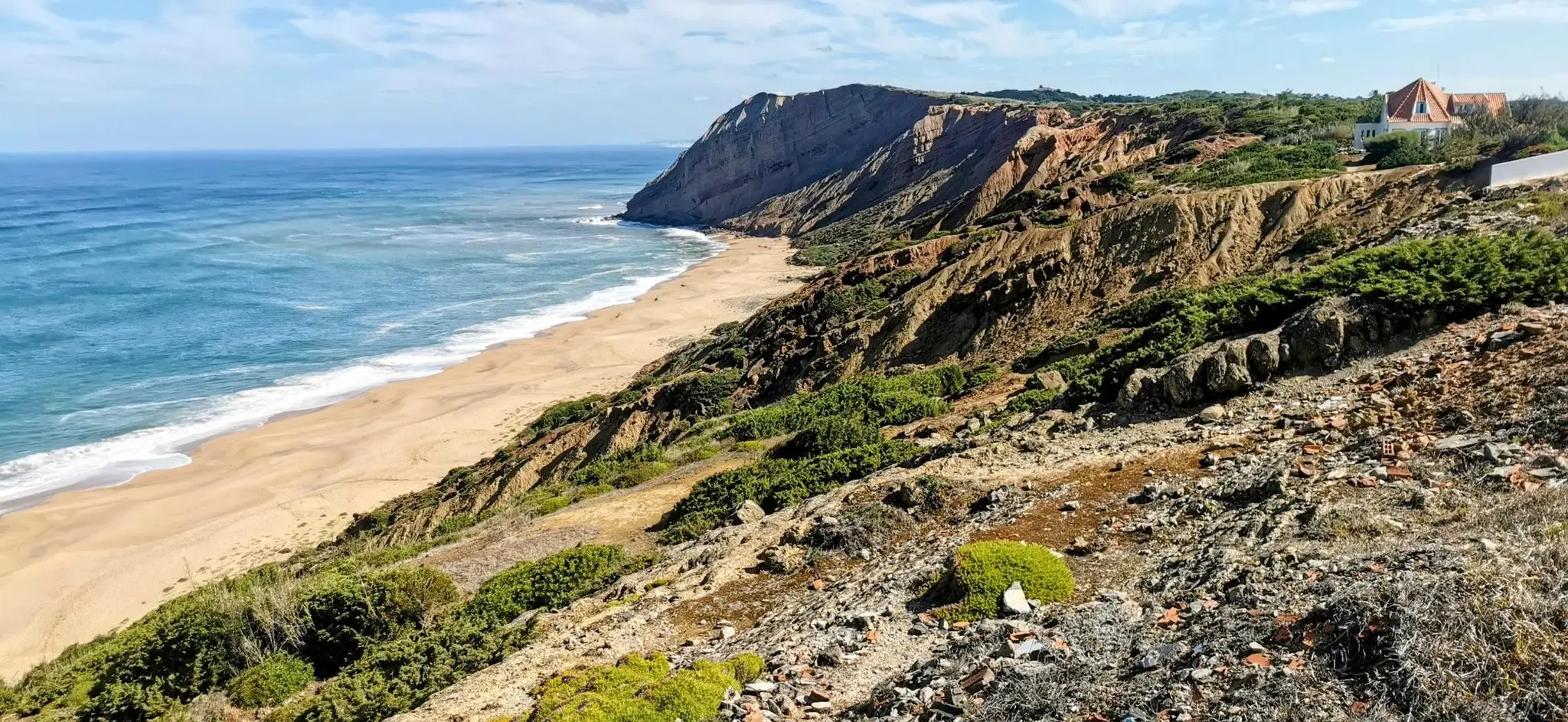
EuroVelo 1 Portugal – Cycle the Atlantic Coast
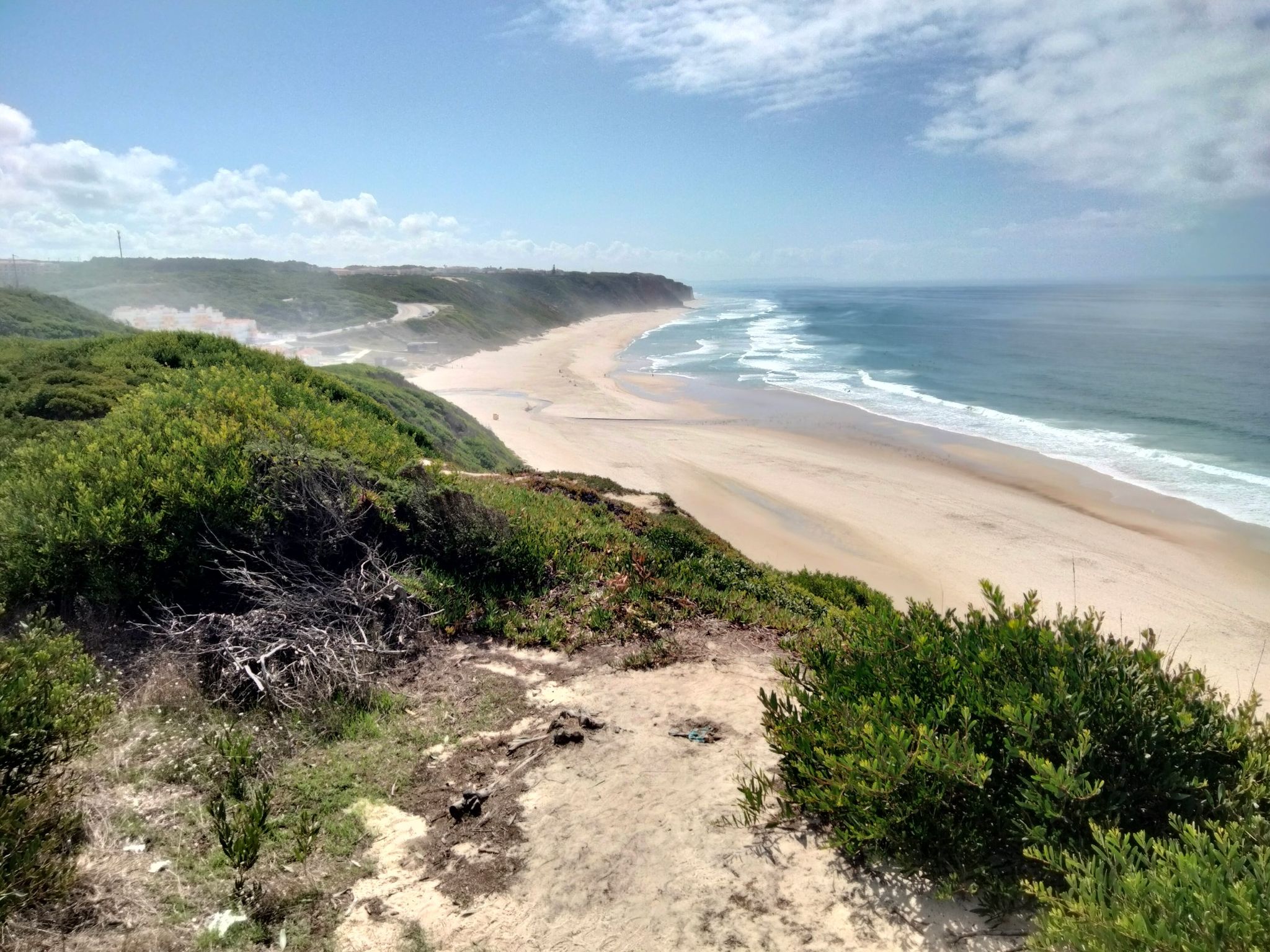
Portugal's Atlantic coast (north) – from Caminha to Lisbon
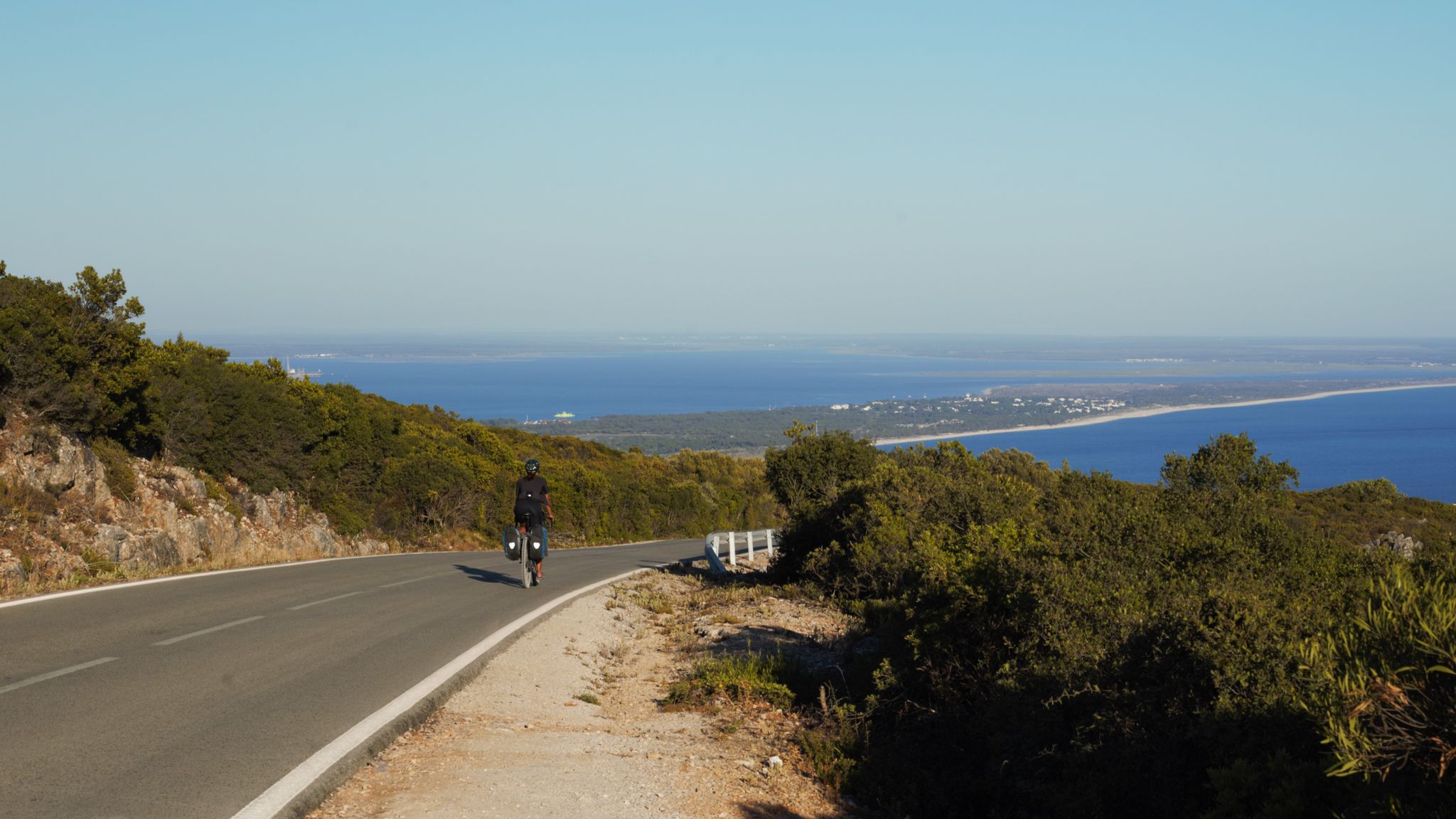
The breaking waves – cycle along the Atlantic coast of Portugal

Around the World in 80 Days
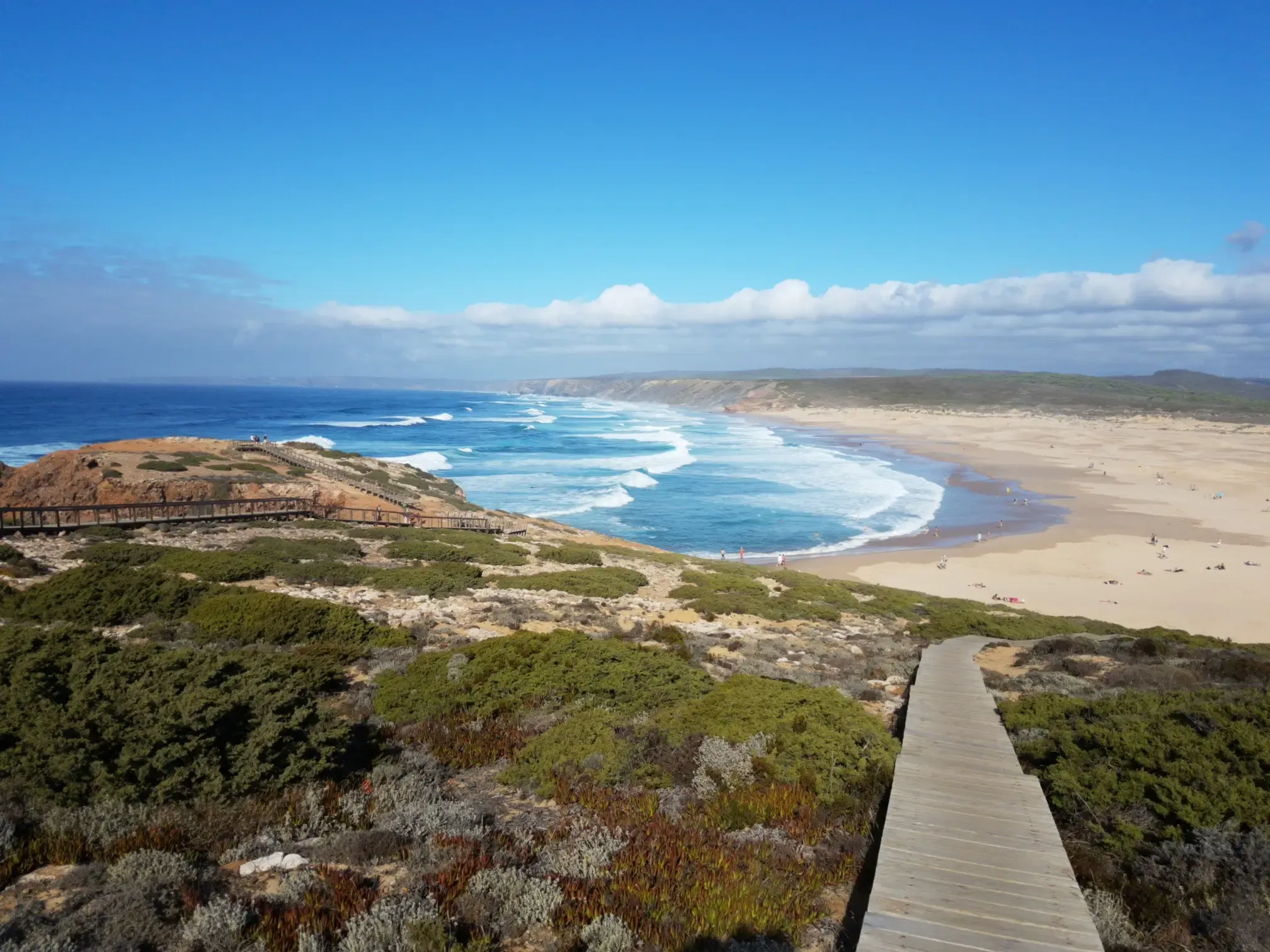
Lisbon to Santo António – The Atlantic Coast of Portugal (south)
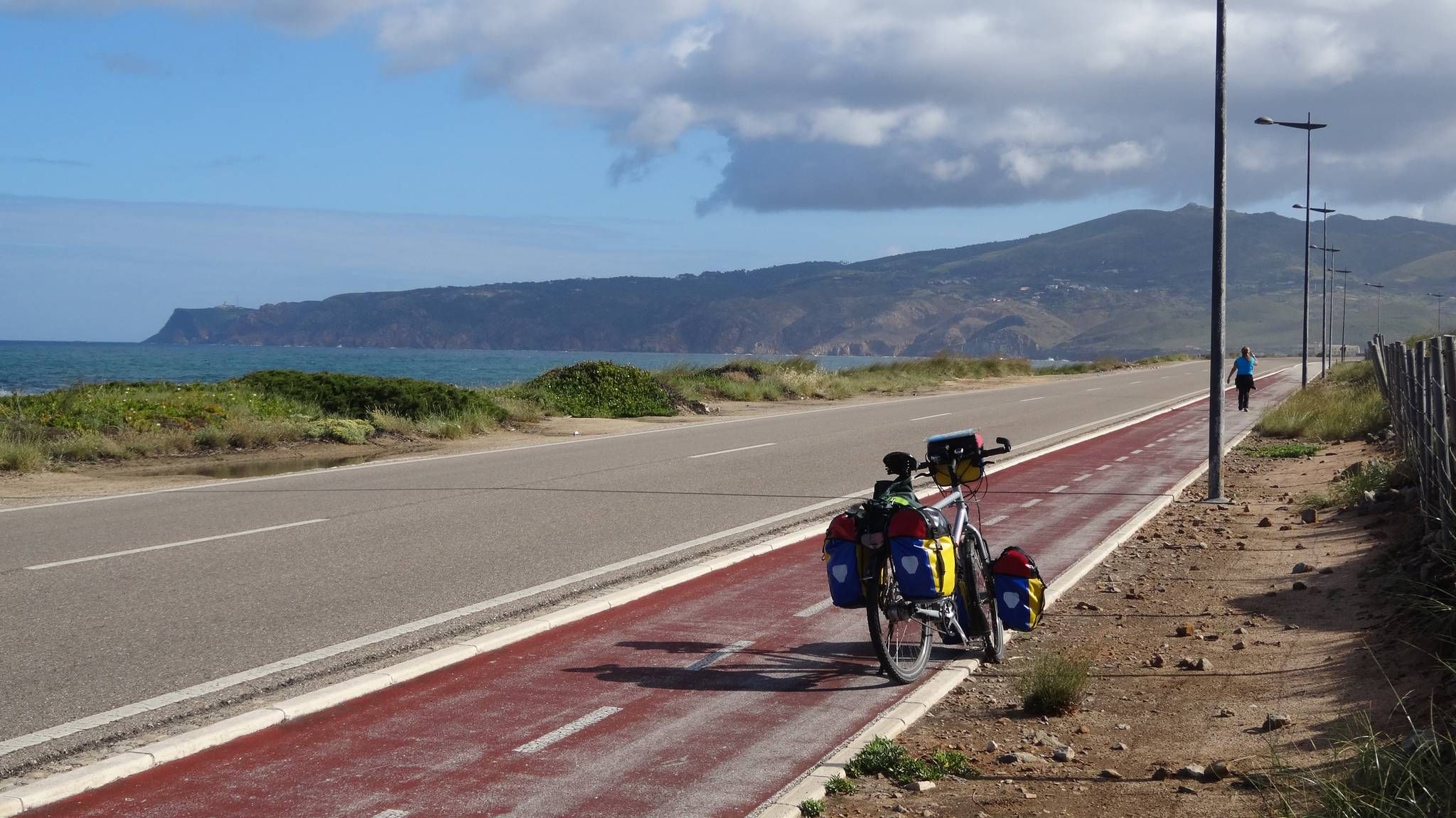
Bike Touring along Portugal's Atlantic Coast from Lisbon to Porto
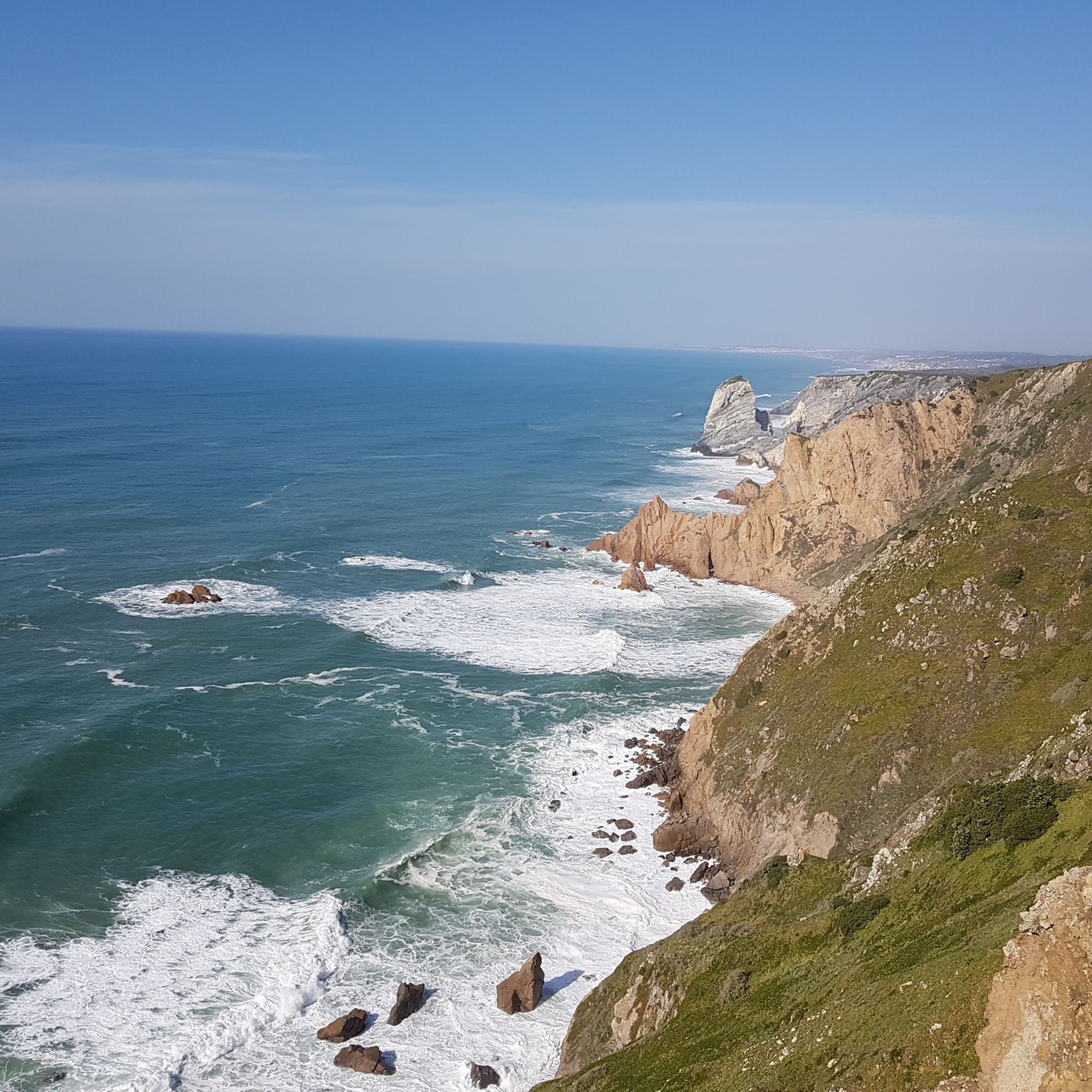
Hiking in Lisbon
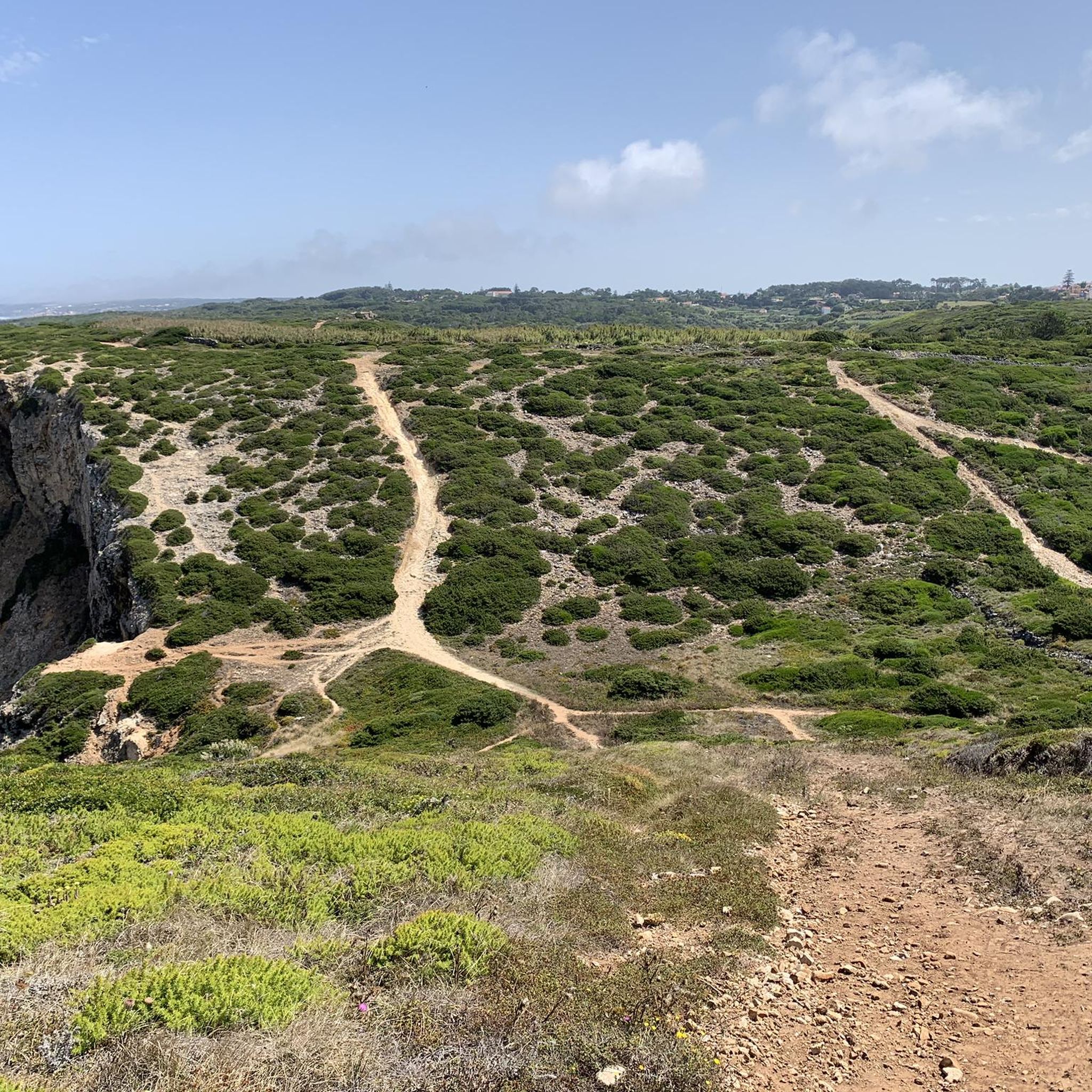
Running Trails in Lisbon
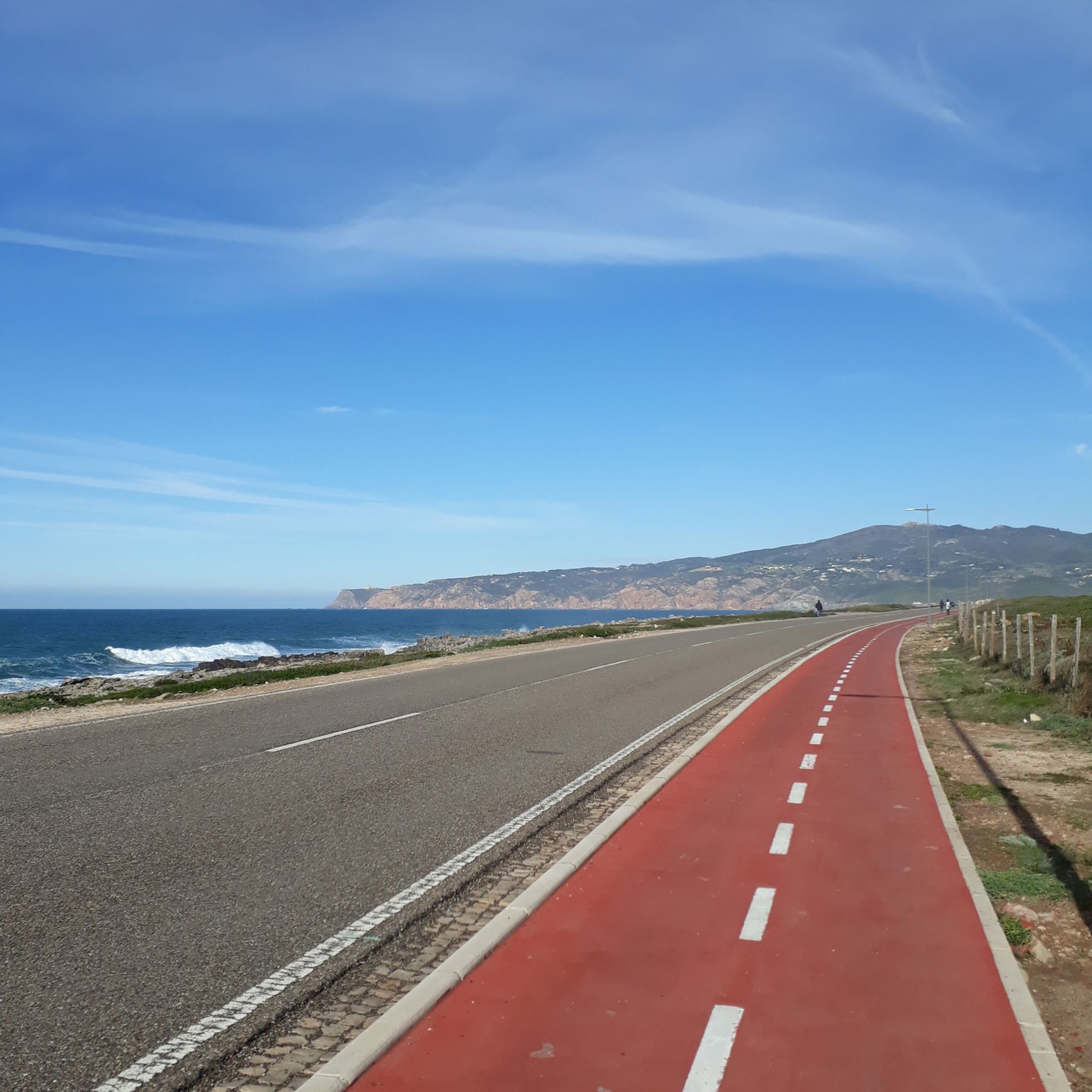
Cycling in Lisbon
Other adventures in Lisbon


Tips from the Community

Praça Dom Pedro IV, traditionally known as Rossio, is the heart of Lisbon's Baixa district and has been the city's main meeting place, center of commerce, and public life since the 13th century. It's a vibrant, historic square with distinctive architecture that makes it a must-see for any visitor.
11
1
The Santa Justa Lift, also known as the Elevador do Carmo, is a historic elevator built in the early 20th century to connect the Baixa district with Largo do Carmo. It is one of the most photographed architectural icons in the city. Built between 1900 and 1902, it was designed by the engineer Raoul Mesnier de Ponsard, considered a disciple of Eiffel.
11
0

The Santa Luzia viewpoint offers a breathtaking view over the rooftops of Alfama, the Tagus River, and the passing ships. Under the arcades and between the azulejo tiles, you'll always find a shady spot to relax. Perfect for a short break with a panoramic view before descending back into the maze of narrow streets.
4
0
The Alfama district is Lisbon's oldest quarter, a labyrinth of narrow streets, staircases, and colorful houses nestled between the castle and the Tagus River. Everywhere you'll hear Fado music, smell grilled fish, and discover small squares with clotheslines and river views. It's the perfect place to wander, stop every now and then, and experience the authentic Lisbon.
5
0
The fountain in Praça Dom Pedro IV (better known as Rossio Square) is actually a set of two monumental Baroque bronze fountains, located symmetrically at the north and south ends of the square.
17
2

A very pretty little town with winding streets. However, like every hot spot, it's now completely exploited for tourism.
8
1
The Arco da Rua Augusta is one of Lisbon's most iconic monuments, located at the southern entrance to Rua Augusta, right on Praça do Comércio, facing the Tagus River. This majestic triumphal arch was built to commemorate the city's reconstruction after the 1755 earthquake.
18
1
The Rossio Square Fountain, officially known as Praça Dom Pedro IV, is one of the most emblematic features of Lisbon's historic center, in the Baixa district. In reality, there isn't just one fountain, but two twin monumental fountains located at either end of the square, flanking the central column dedicated to Dom Pedro IV. These fountains were installed in 1889 over old water wells and manufactured in France, specifically at the Val d'Osne foundry.
17
1
Frequently Asked Questions
What historical landmarks can I explore in Lisbon?
Lisbon is rich in history. You can visit St. George's Castle, perched on the highest hill in Alfama, offering panoramic city views. The Lisbon Cathedral (Sé de Lisboa) is the city's oldest church, showcasing various architectural styles. Other significant sites include the Belém Tower, Jerónimos Monastery, and the evocative ruins of Carmo Convent.
Where can I find the best panoramic views of Lisbon?
Lisbon is famous for its viewpoints. The View from the Rua Augusta Arch provides an unmistakable entrance to Praça do Comércio and offers great city vistas. The Santa Justa Lift connects the Baixa Pombalina and Chiado neighborhoods, providing panoramic views from its observation deck. Additionally, the Santa Luzia viewpoint is known for stunning views of the city, the Tagus River, and São Jorge Castle, adorned with beautiful azulejos.
Are there family-friendly attractions in Lisbon?
Yes, many attractions in Lisbon are suitable for families. The View from the Rua Augusta Arch, Commerce Square, and Santa Luzia viewpoint are all listed as family-friendly. The Lisbon Oceanarium, one of Europe's largest aquariums, is also a fantastic option for all ages. Exploring the historic Sintra Historic Centre and its fairytale palaces can also be a memorable family day trip.
What kind of outdoor activities or routes can I find near Lisbon's attractions?
Lisbon and its surroundings offer diverse outdoor activities. You can find numerous road cycling routes, such as the 'Belém Tower – Monument to the Discoveries loop from São Pedro do Estoril'. For gravel biking, consider the 'Monsanto Forest Park – Montes Claros Viewpoint loop from Algés'. Hiking enthusiasts can explore trails like the 'Quinta da Regaleira e Palácio Nacional — circular route PR 4 SNT in Sintra'. For more options, check out the dedicated guides for Road Cycling Routes in Lisbon, Gravel biking in Lisbon, and Waterfall hikes in Lisbon.
Are there any ancient castles to visit in Lisbon?
Absolutely. The most prominent is St. George's Castle, an ancient Moorish castle atop one of Lisbon's highest hills. Just outside Lisbon, near Sintra, you can also explore the ancient Castle of the Moors, which offers spectacular views from its walls.
What is the best time of year to visit Lisbon's attractions?
The spring (April to June) and early autumn (September to October) are generally considered the best times to visit Lisbon. The weather is pleasant, ideal for exploring the city's outdoor attractions and viewpoints, and the crowds are typically less intense than in the peak summer months.
How much time should I allocate for visiting Lisbon's main attractions?
To experience Lisbon's main attractions comfortably, a minimum of 3 to 4 days is recommended. This allows time to explore historic districts like Alfama District, visit landmarks like St. George's Castle, and perhaps take a day trip to Sintra. Some attractions, like the Jerónimos Monastery or the Calouste Gulbenkian Museum, can easily take half a day each.
How can I get around to Lisbon's attractions using public transport?
Lisbon has an excellent public transport system. The metro, trams, buses, and funiculars connect most major attractions. The iconic Tram 28 is a popular way to see historic neighborhoods like Alfama. The Santa Justa Lift also serves as a unique public transport link between lower and upper parts of the city.
Are there any unique experiences or 'hidden gems' in Lisbon?
Beyond the well-known sites, consider exploring the LX Factory, a revitalized industrial area with unique shops, restaurants, and art studios. Experiencing a Fado performance in the Alfama or Bairro Alto districts offers a deep dive into Portuguese culture. For a natural escape, consider a day trip to Parque Natural da Arrábida, known for its stunning coastal landscapes and beaches.
What are some popular day trips from Lisbon?
Sintra is a highly recommended day trip, a UNESCO World Heritage site famous for its fairytale palaces like Pena Palace and the ancient Castle of the Moors. Another popular option is Cabo da Roca, the westernmost point of mainland Europe, offering dramatic ocean views. You could also visit the Cristo Rei statue across the Tagus River for stunning views of Lisbon.
Which attractions in Lisbon are wheelchair accessible?
Several key attractions in Lisbon offer wheelchair accessibility. These include View from the Rua Augusta Arch, Commerce Square, and Rossio Fountain (Praça Dom Pedro IV). While some historic areas with cobblestones and steep hills can be challenging, many modern museums and public spaces are designed for accessibility.
Where can I experience Lisbon's unique cultural heritage?
To immerse yourself in Lisbon's culture, wander through the Alfama District, the city's oldest neighborhood, known for its narrow streets and as the birthplace of Fado music. You can also visit the National Azulejo Museum to learn about Portuguese ceramic tiles or the National Coach Museum for a unique collection of horse-drawn carriages. Experiencing a live Fado performance is a quintessential cultural highlight.
Most popular routes in Lisbon
Most popular attractions in Lisbon

Get inspired with the komoot mobile app


Didn’t find what you were looking for?
Are you keen on exploring more awesome places nearby? Browse our guides:
Explore more
Still not found the Highlight you’re looking for? See guides of the top attractions in other regions:
