Top 20 Natural Monuments in Cuenca
Natural monuments in Cuenca offer diverse landscapes, from high-altitude glacial parks to montane forests and unique rock formations. The region features a variety of natural sites, including lakes, waterfalls, and geological phenomena sculpted by erosion. These areas provide opportunities to explore distinct ecosystems and observe notable natural features. Cuenca's natural monuments are characterized by their varied terrain and ecological significance.
Best natural monuments in Cuenca
- The most popular natural monuments is Puntal de la Tola Viewpoint, a viewpoint that…
Last updated: June 26, 2026
Uña Lagoon
Highlight • Lake
Translated by Google •
Tip by

Enchanted City
Highlight (Segment) • Natural Monument
Translated by Google •
Tip by

Sign up now to discover places like this
Get recommendations on the best single tracks, peaks, & plenty of other exciting outdoor places.
Sign up for free
Source of the Cuervo River
Highlight • Natural Monument
Translated by Google •
Tip by
Source of the River Tagus
Highlight • River
Translated by Google •
Tip by
The Callejones of Las Majadas
Highlight • Natural Monument
Translated by Google •
Tip by
Ventano del Diablo
Highlight • Viewpoint
Translated by Google •
Tip by
Estrecho del Horcajo Viewpoint
Highlight • Viewpoint
Translated by Google •
Tip by

Route of the Faces
Highlight • Structure
Translated by Google •
Tip by
Laguna Grande de El Tobar
Highlight • Lake
Translated by Google •
Tip by
Puntal de la Tola Viewpoint
Highlight • Viewpoint
Translated by Google •
Tip by
Sign up for free to discover even more natural monuments in Cuenca.
Sign up for free
Already have an account?
Start today with a free account
Your next adventure awaits.
Login or Signup
Popular around Cuenca
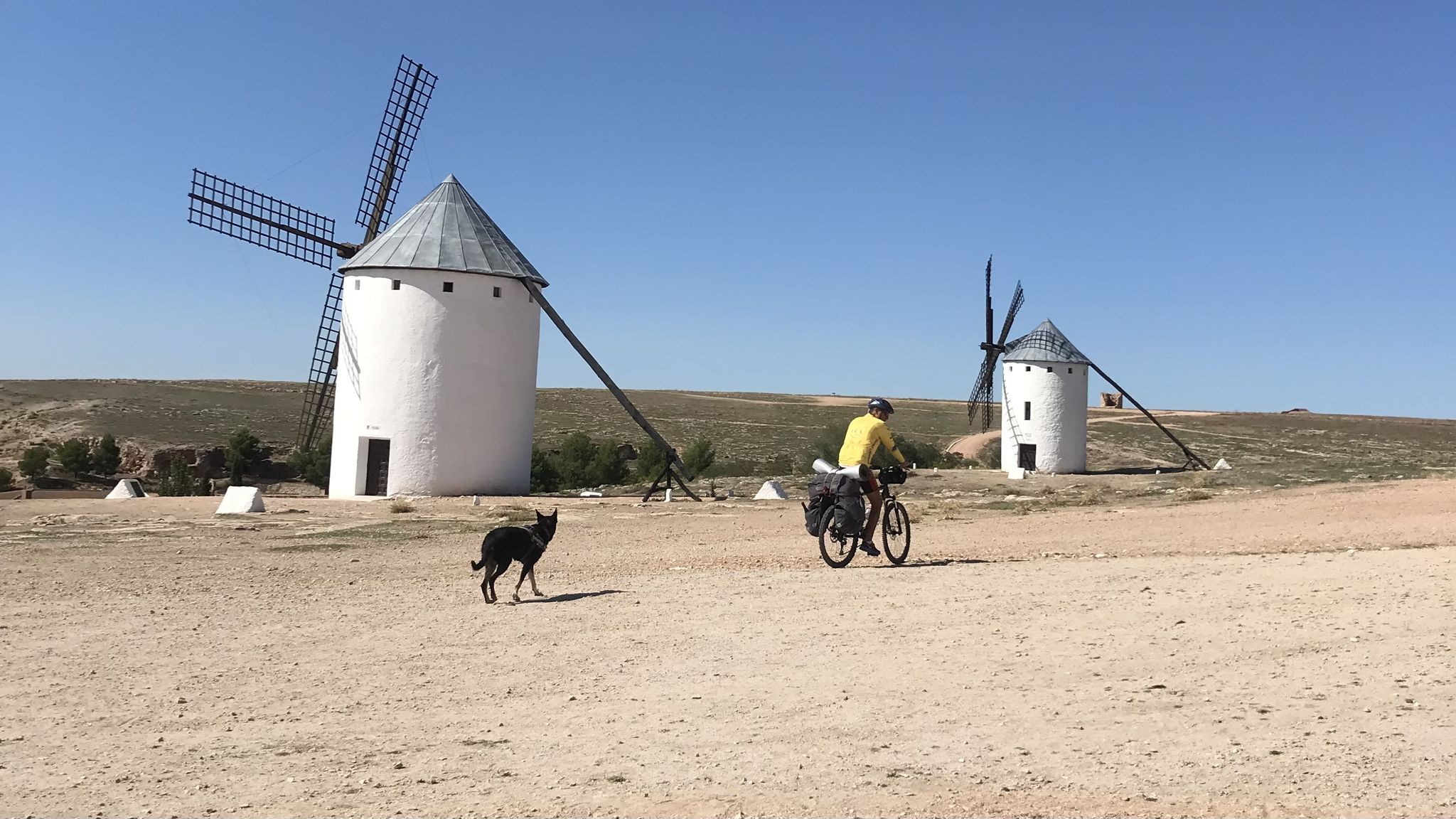
Don Quixote's route – The knight of the sorry face
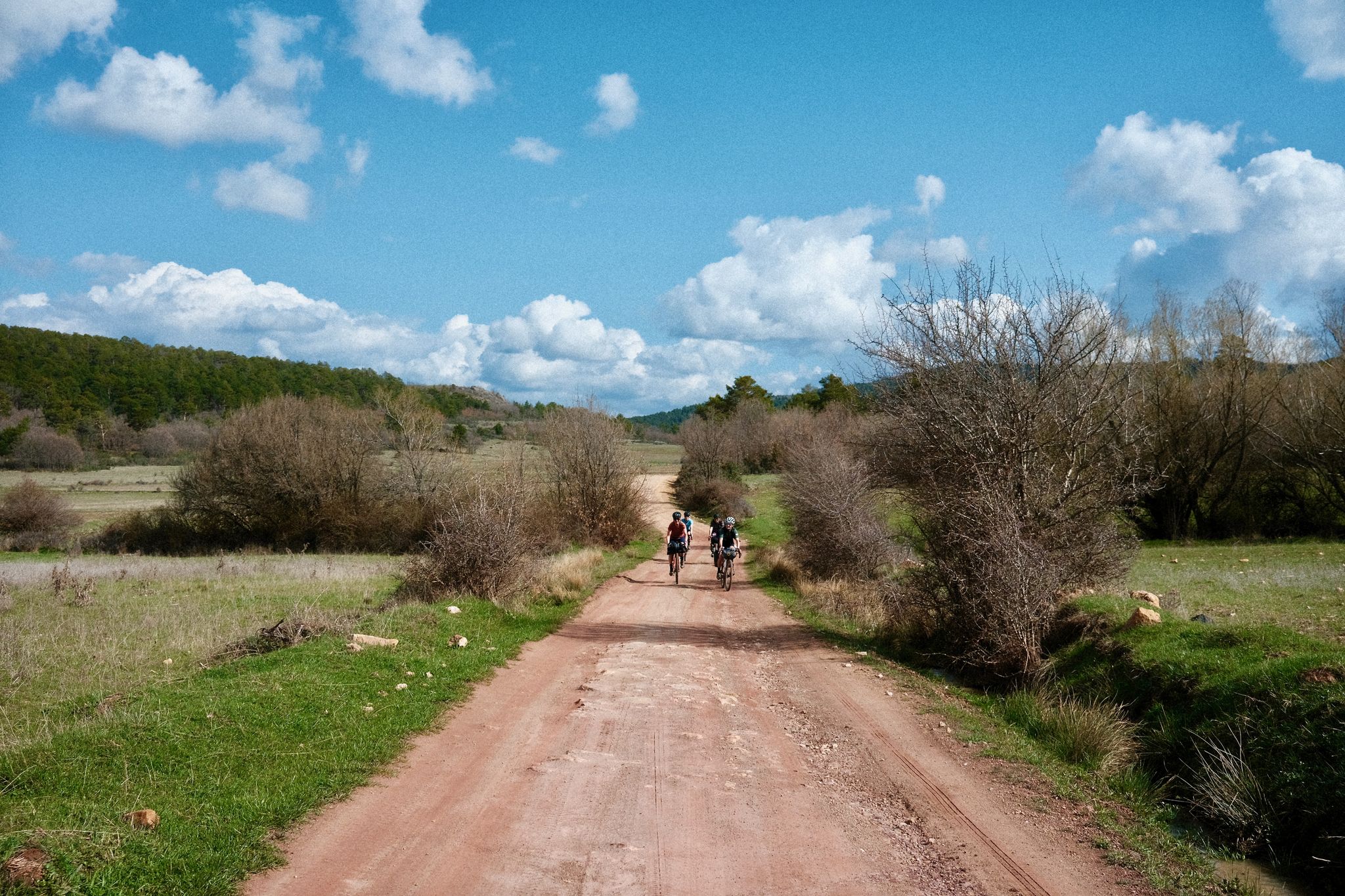
Women's Montañas Vacías 2022 — bikepack in rural Spain
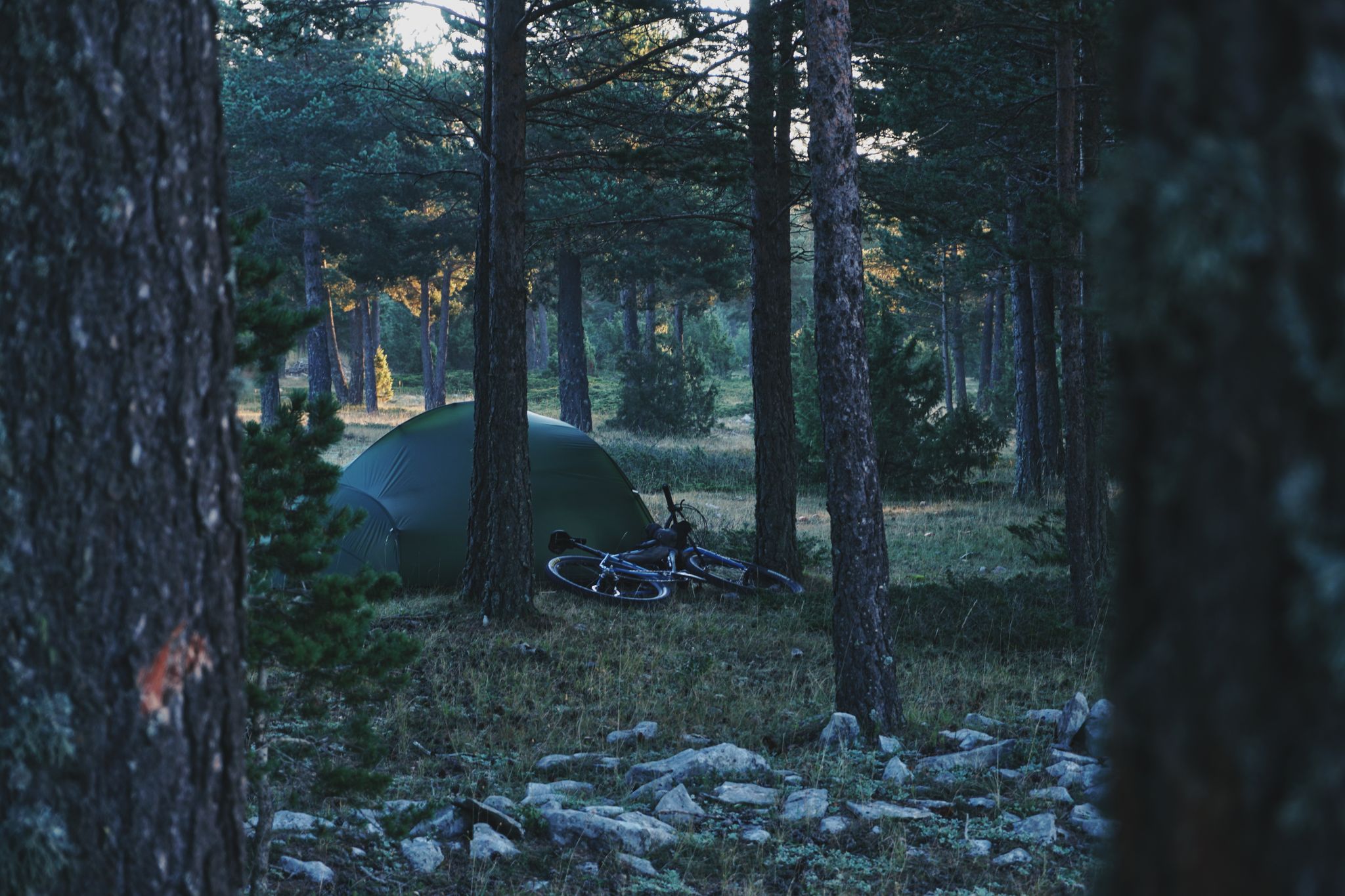
MontañasVacías official — bikepacking across the Spanish Lapland
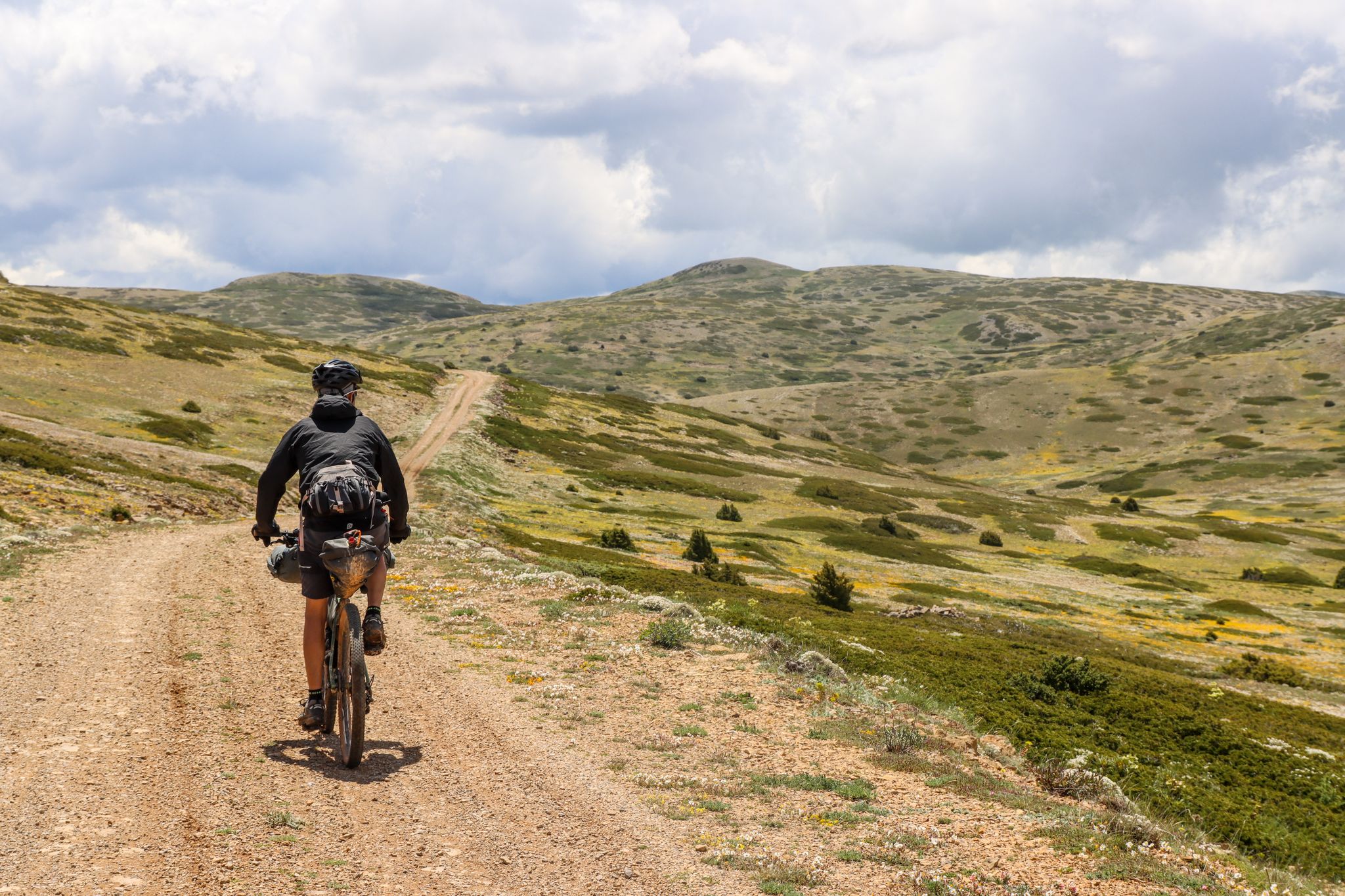
Montañas Vacías — bikepacking the wild and remote 'Empty Mountains'
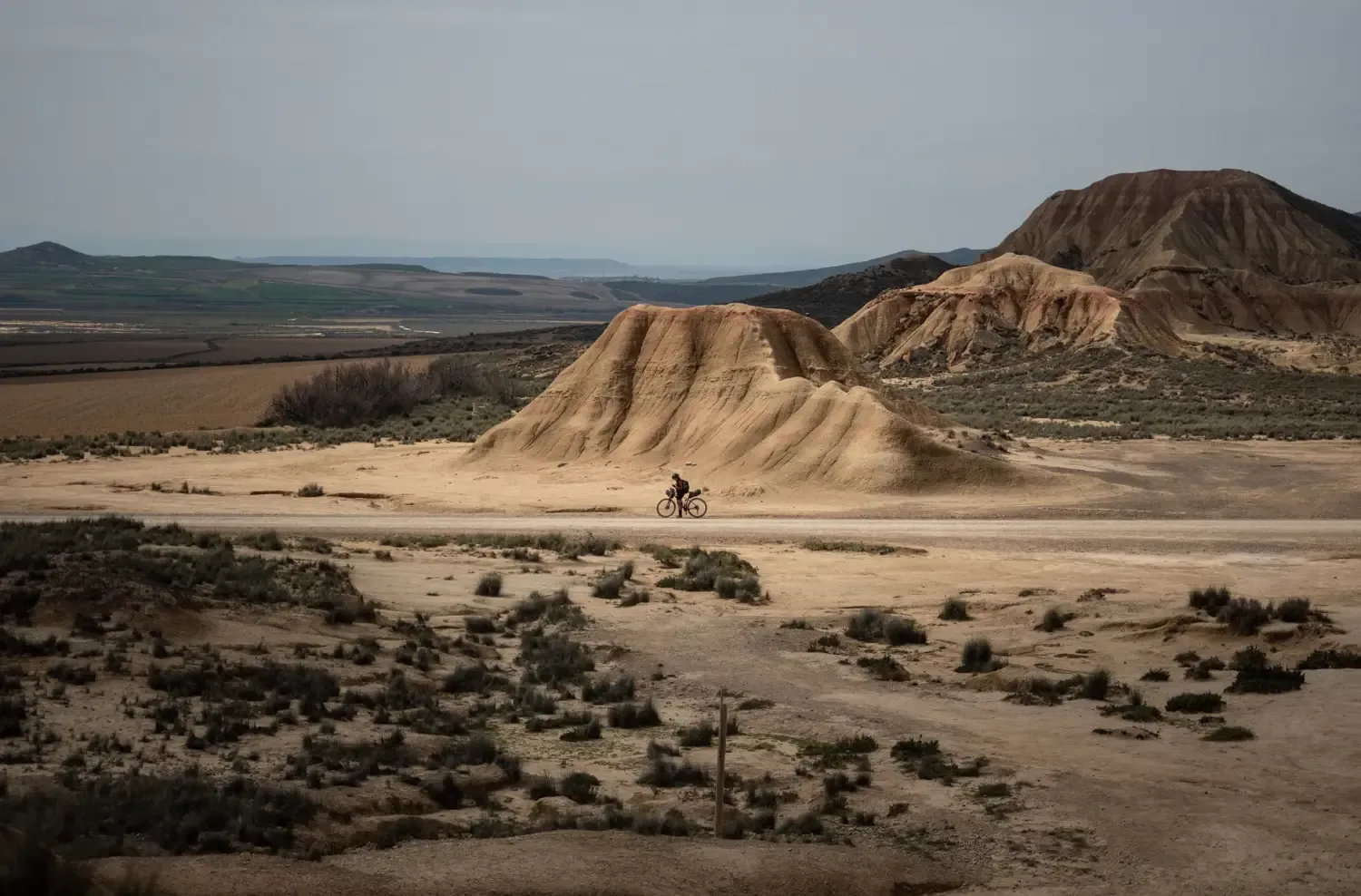
9 mountain biking routes in undiscovered Spain
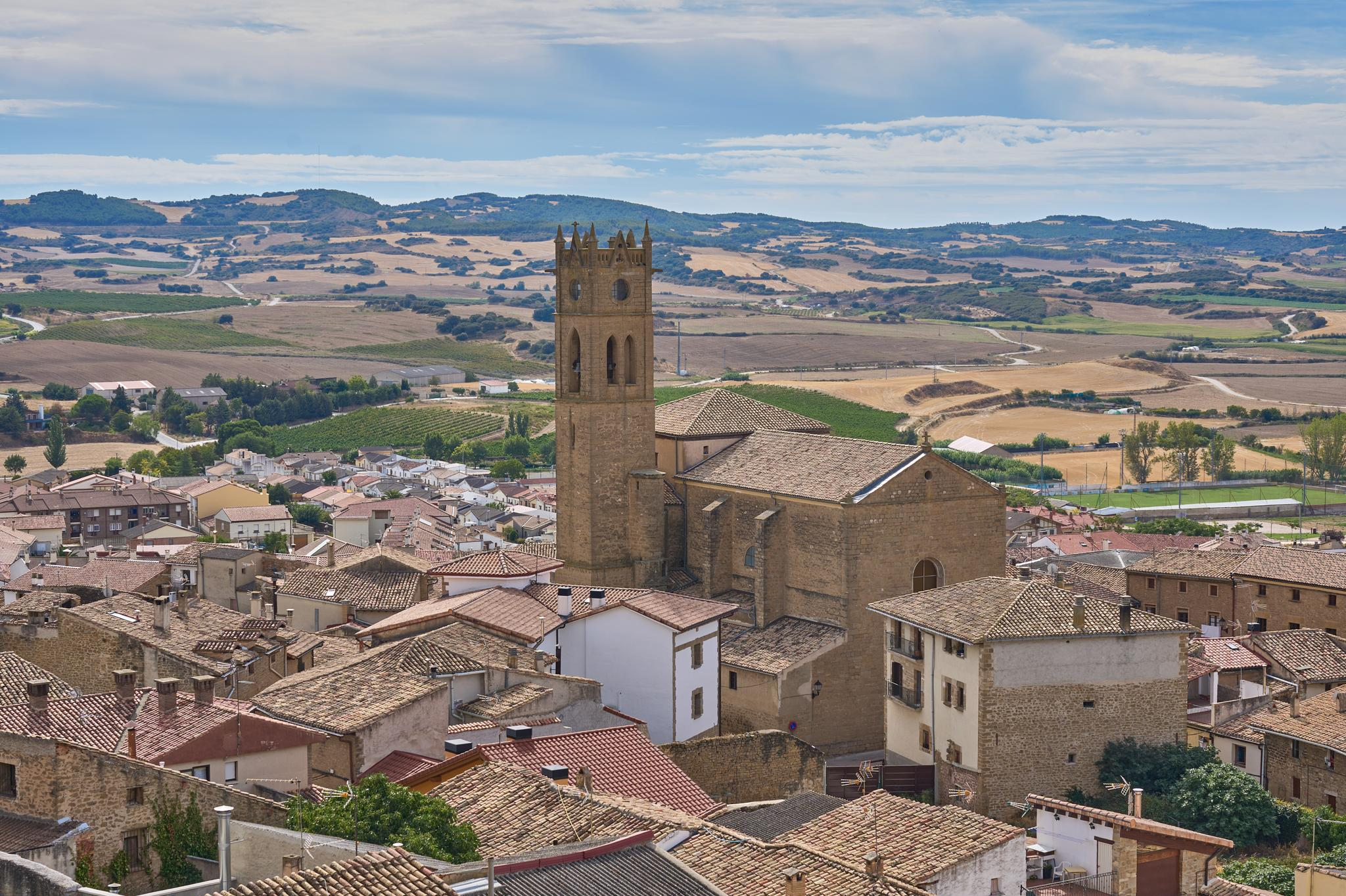
Path of the Templars — Path of the True Cross (GR 250)
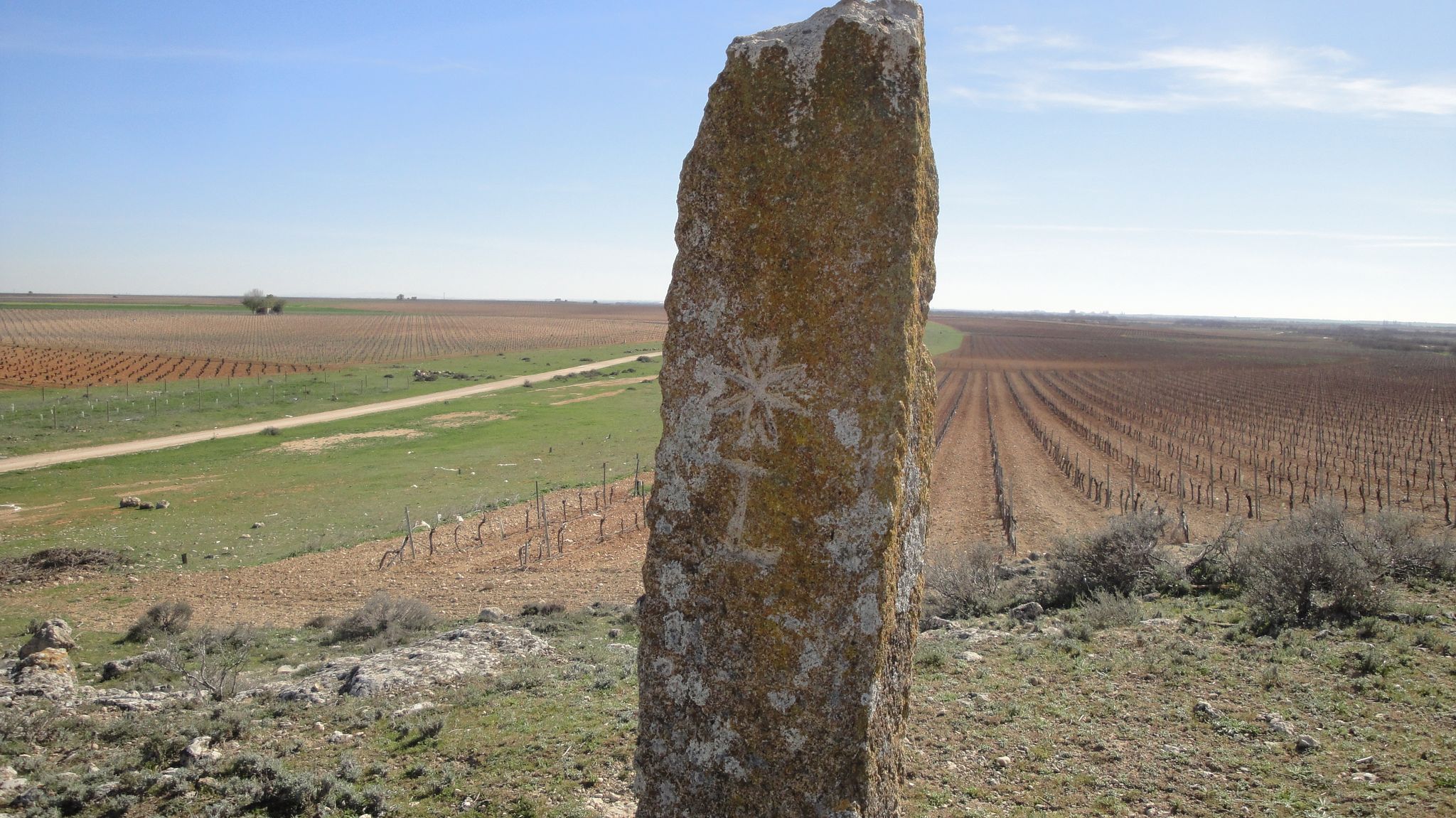
The Reconquest of La Mancha on Foot - Camino Natural del río Riánsares
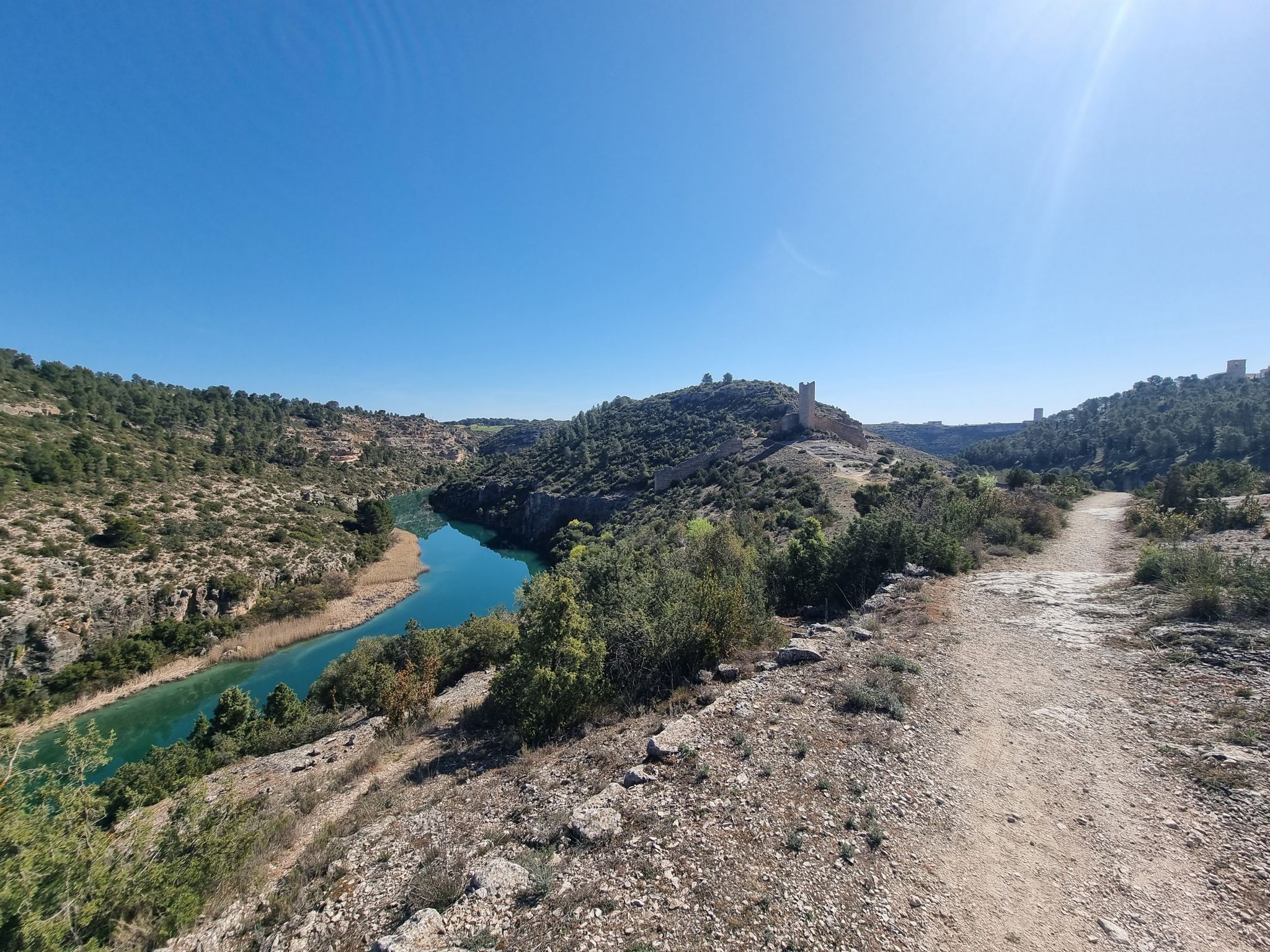
A gravel bike adventure between Madrid and Valencia
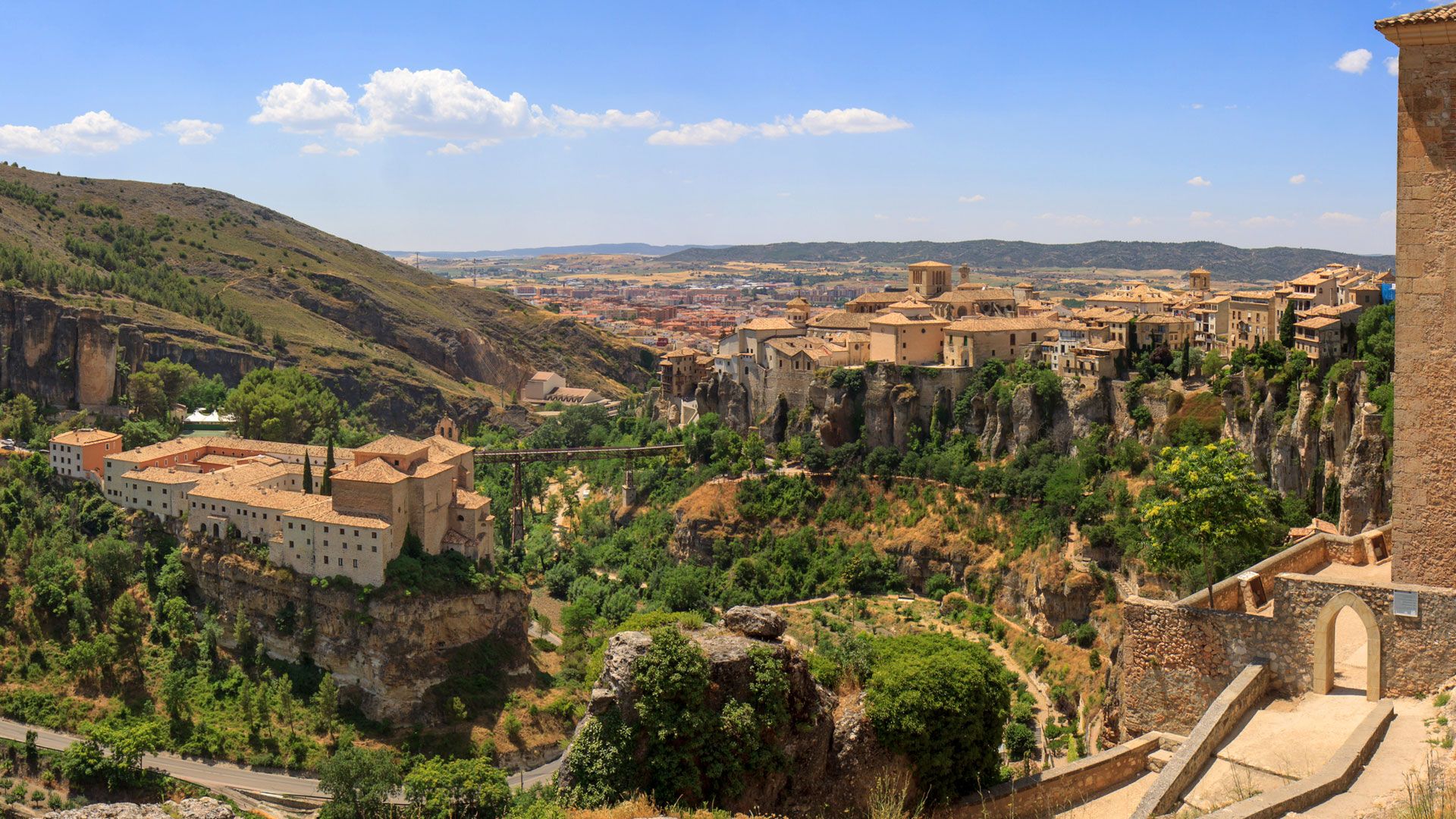
A walk through La Manchuela – hiking the GR 64
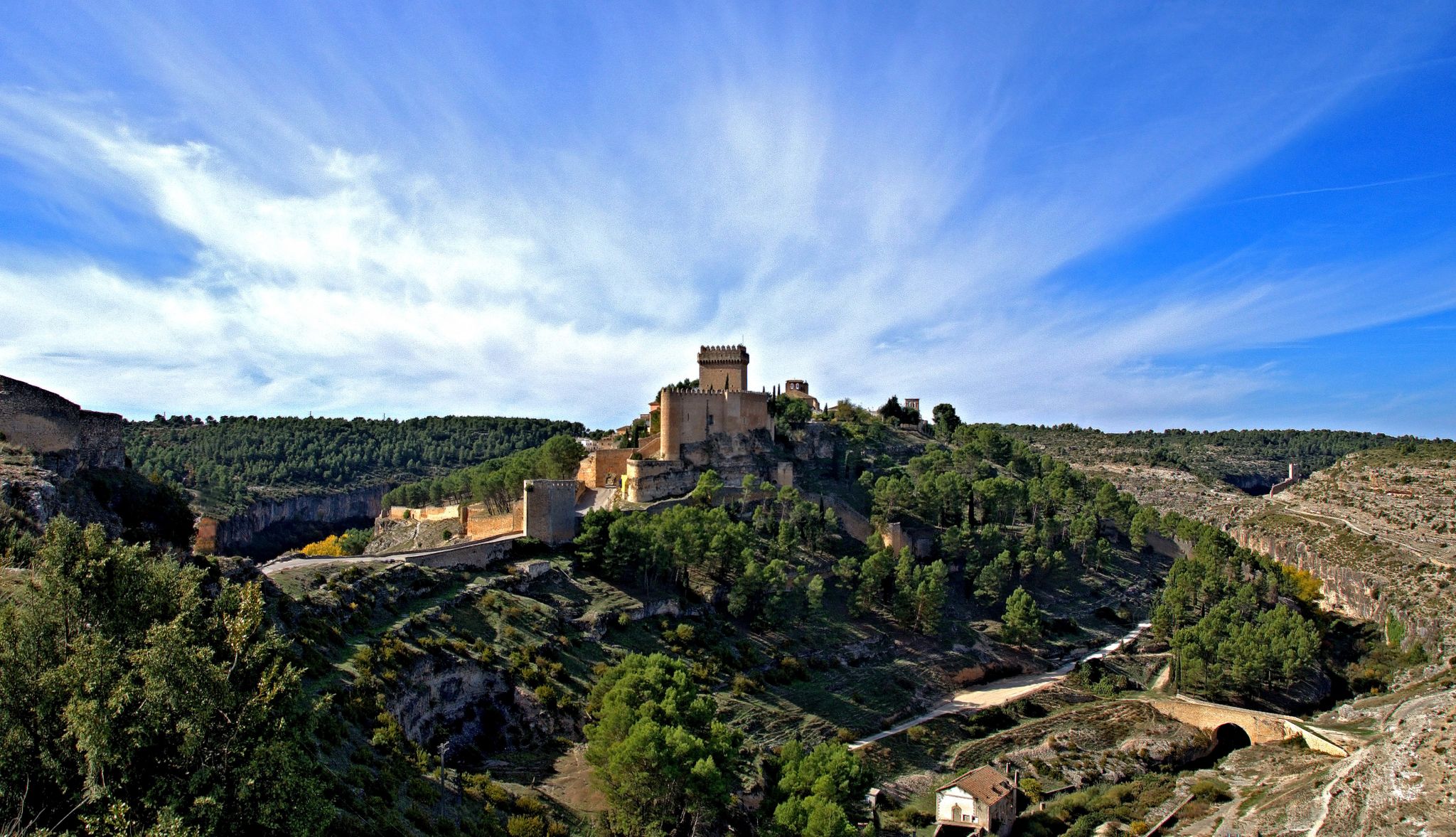
Levante to Castile – Ruta de la Lana Gravel Route
Other adventures in Cuenca


Tips from the Community

Super beautiful spot and very quiet early June, the vultures complete the picture, enjoy this viewpoint with a 100-meter walking path.
1
0

A veritable rock festival.
0
1
Spectacular viewpoint overlooking the Júcar River.
1
0
One of the most impressive viewpoints in the area.
0
0

This viewpoint is located in a privileged place in front of a spectacular rocky cliff, which if you pass by on your bike on a hot day when the heat reflects its image on this wall... I think you'll have to stop and rest for a few seconds.
9
0

The official source of water is located at Fuente de García, in the Montes Universales, within the municipality of Frías de Albarracín (Teruel). It is located at an altitude of approximately 1,590 meters, surrounded by pine forests and high mountain meadows. Access is very easy and well signposted. Take the A-1704 highway, which connects Frías de Albarracín with Huélamo (Cuenca). From the highway, a paved detour of approximately 2 km takes you directly to the recreational area and the monument. There is free parking next to the monument.
10
0
Access is very easy and well signposted. Take the A-1704 highway, which connects Frías de Albarracín with Huélamo (Cuenca). From the highway, a paved detour of approximately 2 km takes you directly to the recreational area and the monument. There is free parking next to the monument.
5
0
The official source is located at Fuente de García, in the Montes Universales, within the municipality of Frías de Albarracín (Teruel). It is located at an altitude of approximately 1,590 meters, surrounded by pine forests and high mountain meadows.
5
0
Frequently Asked Questions
What are some of the most popular natural monuments in Cuenca?
Visitors frequently enjoy the unique rock formations of the Enchanted City, sculpted by natural erosion into curious shapes. Another favorite is Uña Lagoon, offering an easy path around its picturesque waters. The Puntal de la Tola Viewpoint is also highly regarded for its impressive views of the Júcar Valley.
Are there family-friendly natural monuments in Cuenca?
Yes, several natural monuments are suitable for families. Uña Lagoon offers an easy, picturesque path perfect for a quiet walk. The Enchanted City is also family-friendly, allowing visitors to explore its fascinating rock formations. Additionally, the Cuervo River Waterfall features a circular itinerary without technical difficulty, ideal for all ages, especially after the rainy season.
What kind of unique geological formations can I expect to see in Cuenca's natural monuments?
Cuenca is renowned for its distinctive geological features. The Enchanted City and The Callejones of Las Majadas both showcase impressive limestone rock formations sculpted by water, wind, and ice into figures resembling human silhouettes, objects, and animals. You can also find dramatic gorges and canyons, such as those visible from the Estrecho del Horcajo Viewpoint and Ventano del Diablo.
What outdoor activities can I do near the natural monuments in Cuenca?
The region offers diverse outdoor activities. You can enjoy cycling routes like the 'Hoz del Júcar y del Huécar' or the 'Enchanted City and Devil's Window Loop' which pass near several natural sites. For more details on cycling, visit the Cycling in Cuenca guide. There are also numerous hiking opportunities, including waterfall hikes such as the 'Cascada del Molino de la Chorrera Trail'. Find more hiking options in the Waterfall hikes in Cuenca guide.
Where can I see impressive waterfalls in the Cuenca region?
The Cuervo River Waterfall is a spectacular site where water cascades over moss-covered rocks, especially vibrant after rainfall. Another significant waterfall area is Las Chorreras de Girón, located southwest of Cuenca, which features three distinct waterfalls, with the first being easily accessible and even illuminated at night.
Are there any natural monuments near Cuenca that offer both natural beauty and historical significance?
Yes, Cerro Cojitambo, a short drive from Cuenca, uniquely combines natural beauty with rich history. Besides being a premier rock climbing destination, its summit hosts important archaeological remnants from the Cañari and Inca civilizations, some dating back over 5,000 years. From the 'Mirador Cañari,' you can enjoy panoramic views alongside these ancient structures.
What is the best time to visit the natural monuments in Cuenca?
The region's weather can be unpredictable, especially in high-altitude areas like El Cajas National Park, where you might experience all four seasons in a single day. Generally, the dry season (June to September) offers more stable weather for outdoor activities. However, waterfalls like the Cuervo River Waterfall are particularly spectacular after the rainy season when water flow is at its peak.
What kind of wildlife can be observed in Cuenca's natural parks?
El Cajas National Park is a sanctuary for diverse wildlife. You might spot the endangered South American condor, the curiquinga raptor, giant hummingbirds, and the endemic violet-throated metaltail. Llamas are also frequently seen roaming the park's páramo landscape. The montane forests around Las Chorreras de Girón are home to various birds, foxes, and rabbits.
Are there any natural monuments that are also popular for rock climbing?
Cerro Cojitambo, located near Azogues, is celebrated as one of Ecuador's largest rock climbing parks. It boasts over 180 routes on its volcanic rock, attracting climbers internationally due to its challenging terrain and ideal climbing environment.
What are some notable lakes or lagoons to visit in the Cuenca area?
The Uña Lagoon is a star attraction in the Serranía de Cuenca Natural Park, offering a beautiful landscape and easy walking paths. Another significant body of water is Laguna Grande de El Tobar. Furthermore, El Cajas National Park is dotted with over 200 glacial lakes and lagoons, forming the headwaters for Cuenca's rivers.
What makes El Cajas National Park a unique natural monument near Cuenca?
El Cajas National Park, a UNESCO biosphere reserve, is unique for its high-altitude 'tundra-looking' páramo landscape, sculpted by glacial activity. It features over 200 glacial lakes and lagoons, which are crucial as they supply Cuenca with drinking water. The park is also home to unique flora like the Polylepis or Paper Tree and diverse wildlife, including the South American condor.
Can I find viewpoints that offer panoramic views of the Cuenca region's natural landscapes?
Absolutely. The Puntal de la Tola Viewpoint provides stunning views of the Júcar Valley. From the 'Mirador Cañari' at the summit of Cerro Cojitambo, you can enjoy expansive 360-degree panoramic views stretching up to 30 kilometers, encompassing parts of Cuenca and Azogues. Cerro Guagualzhumi also offers panoramic views of Cuenca after a moderate hike.
Most popular routes in Cuenca
Most popular attractions in Cuenca

Get inspired with the komoot mobile app


Didn’t find what you were looking for?
Find even more amazing natural monuments in Cuenca by checking out the top Highlights region by region:
Explore more
Extend your search for the best caves by checking out these guides of the top ones in Cuenca:
