Top 7 Caves in Argyll and Bute
Caves in Argyll and Bute offer a diverse range of geological formations and historical sites along Scotland's west coast. The region features dramatic sea caves carved by the ocean and locations steeped in ancient legends. These natural and historical landmarks provide insights into the area's geological past and human habitation. Visitors can explore various cave types, from basalt column formations to sites with early Christian significance.
Best caves in Argyll and Bute
- The most popular caves is Fingal's Cave, a cave that is formed by jointed basalt columns. This spectacular sea cave on the Isle of Staffa is known for its unique hexagonal basalt columns and natural acoustics.
- Another must-see spot is Livingstone Walk, Isle of Ulva, a trail that incorporates old ruins, caves, and basalt columns. Visitors can explore the eastern side of the Isle of Ulva, which has been inhabited since prehistoric times, and enjoy views across Loch Na Keal.
- Visitors also love Keil Caves and St Columba's Footprints, a series of interesting caves at the southern end of Kintyre. These caves have historical significance, having been inhabited for many centuries, and are located near St Columba's Chapel and St Columba's Footprints.
- Argyll and Bute is known for its sea caves, historical caves, and those featuring unique basalt columns. The region offers a variety of caves to see and explore, from geological wonders to sites of ancient human activity.
- The caves in Argyll and Bute are appreciated by the komoot community, with 6 highlights, 20 upvotes, and 16 photos shared by users.
Last updated: July 1, 2026
Livingstone Walk, Isle of Ulva
Highlight (Segment) • Natural
Tip by

Fingal's Cave
Highlight • Cave
Tip by

Sign up now to discover places like this
Get recommendations on the best single tracks, peaks, & plenty of other exciting outdoor places.
Sign up for free
Keil Caves and St Columba's Footprints
Highlight • Historical Site
Tip by

Isle of Oronsay Nature Reserve
Highlight • Cave
On the island you'll be surrounded by wild, natural beauty from every corner, the Oronsay Priory, a 14th century Augustinian ruin, and stunning beaches & caves.
Tip by

Maclean's Skull Cave
Highlight • Historical Site
Tip by

Aonan an Da Dhoruis Beach
Highlight • Viewpoint
Translated by Google •
Tip by

Start today with a free account
Your next adventure awaits.
Login or Signup
Popular around Argyll and Bute
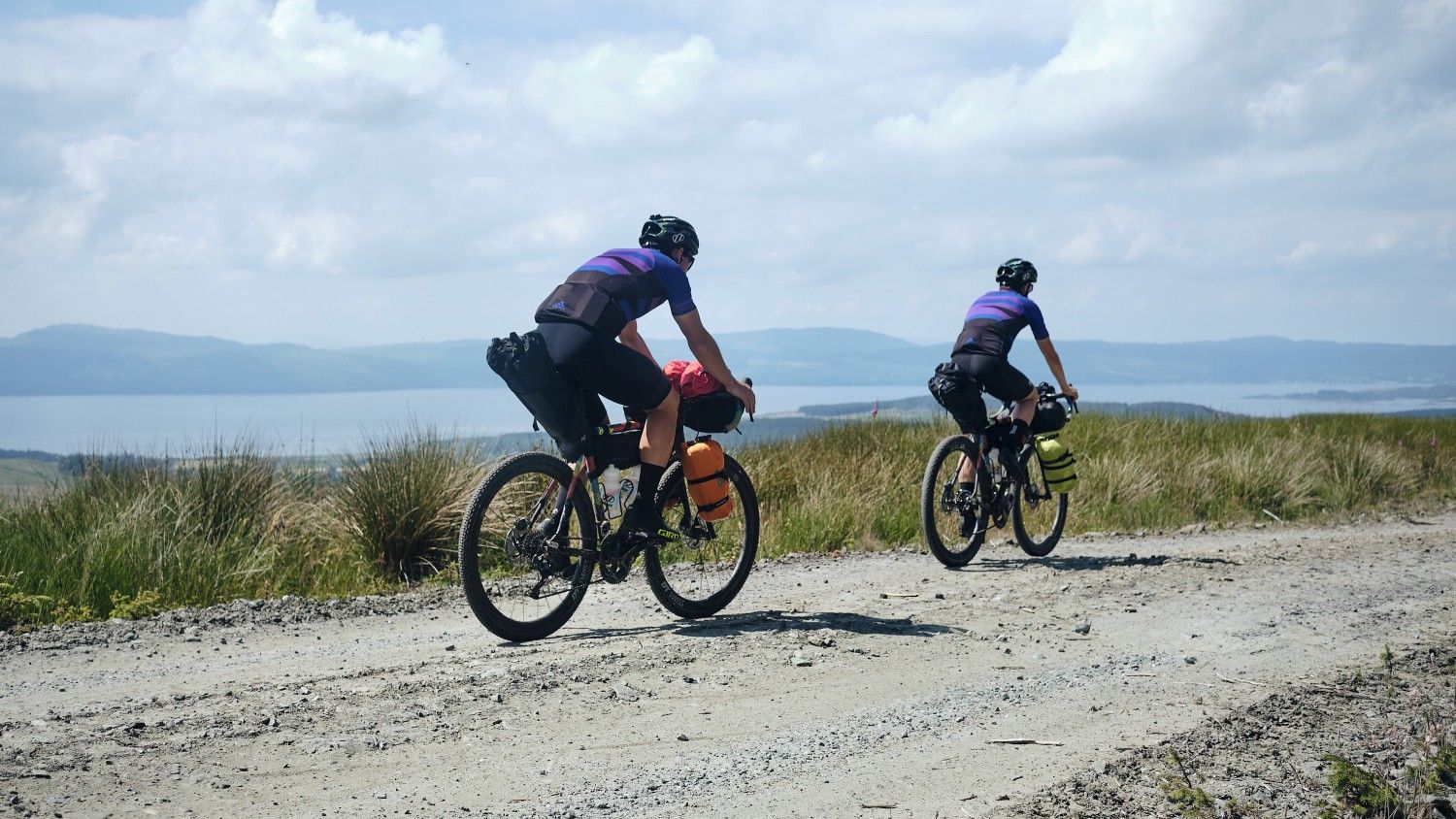
Wild About Argyll Trail — Bikepacking Scotland's lochs and coastline
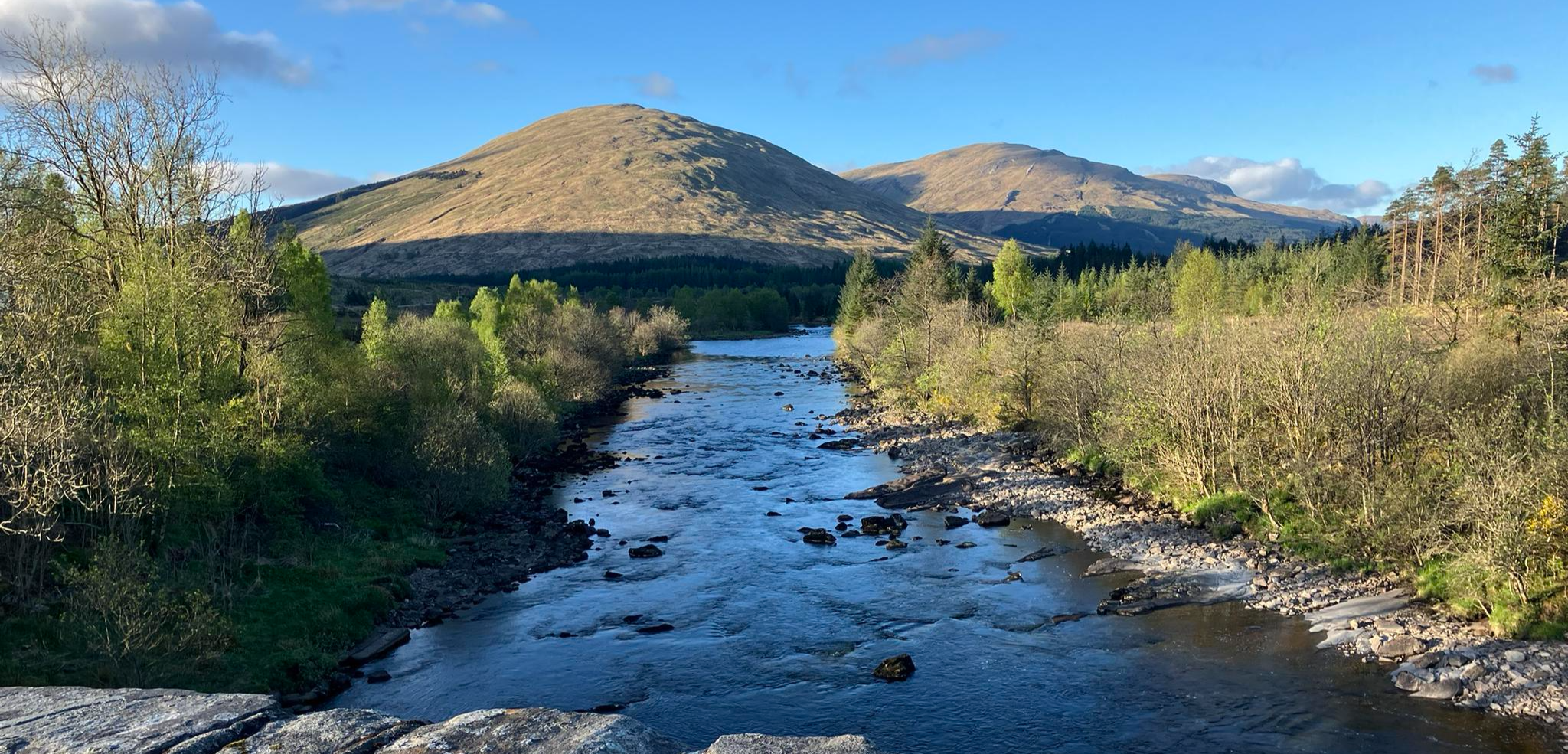
Running the West Highland Way – Scotland's Great Trails
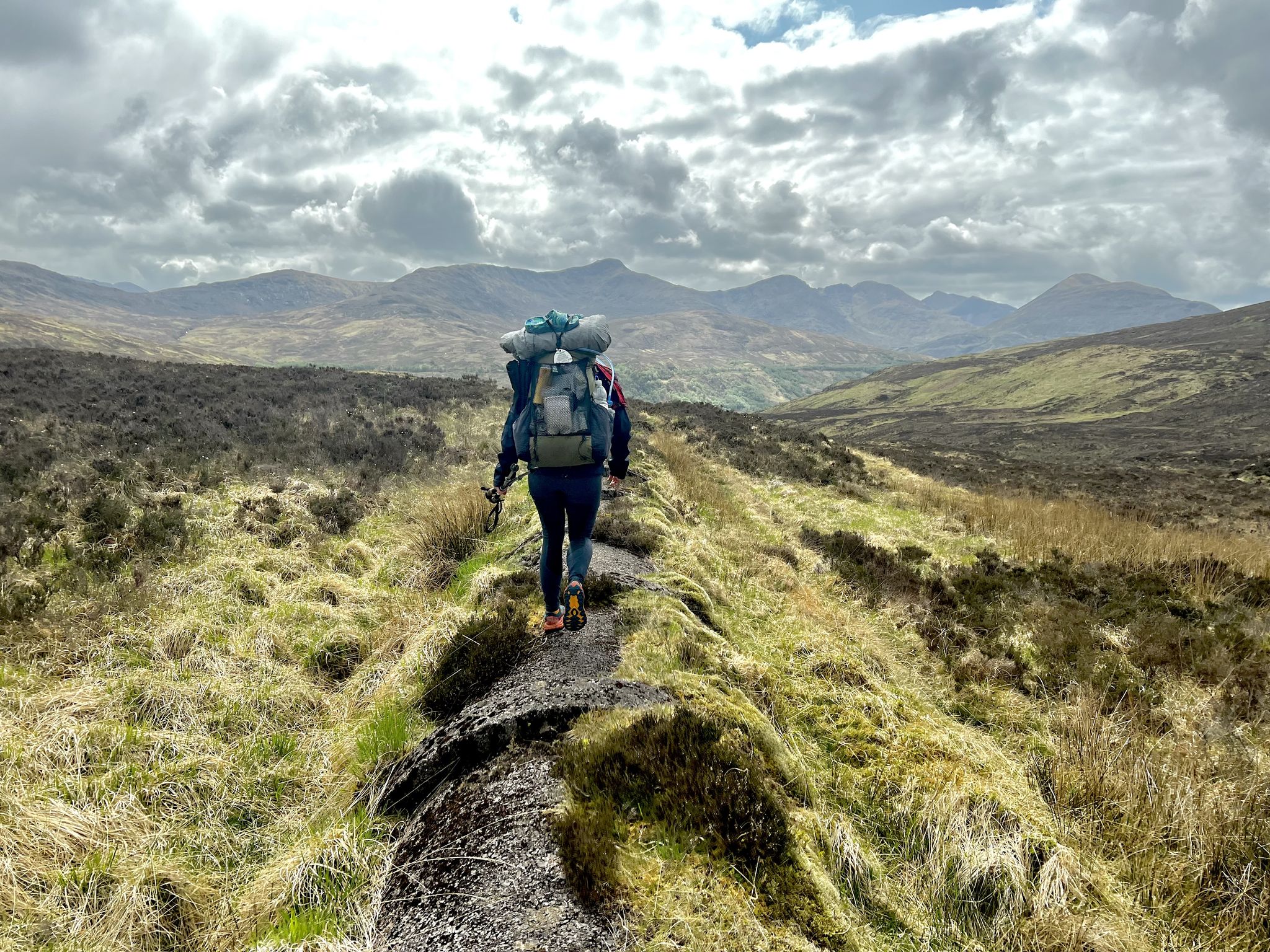
TGO Challenge 2023 – Coast to Coast: Oban to Montrose
The John Muir Way — A conservationist's Scottish coast to coast
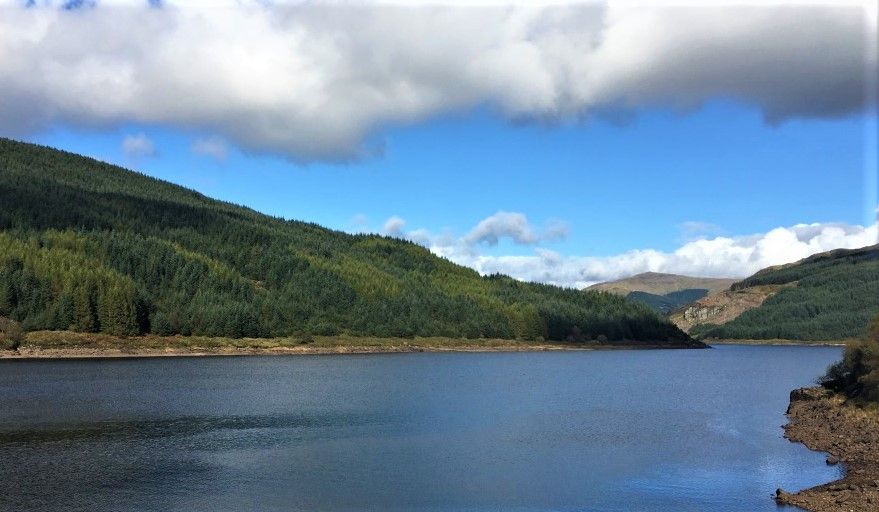
West Island Way — An enchanting and ever-changing island hike
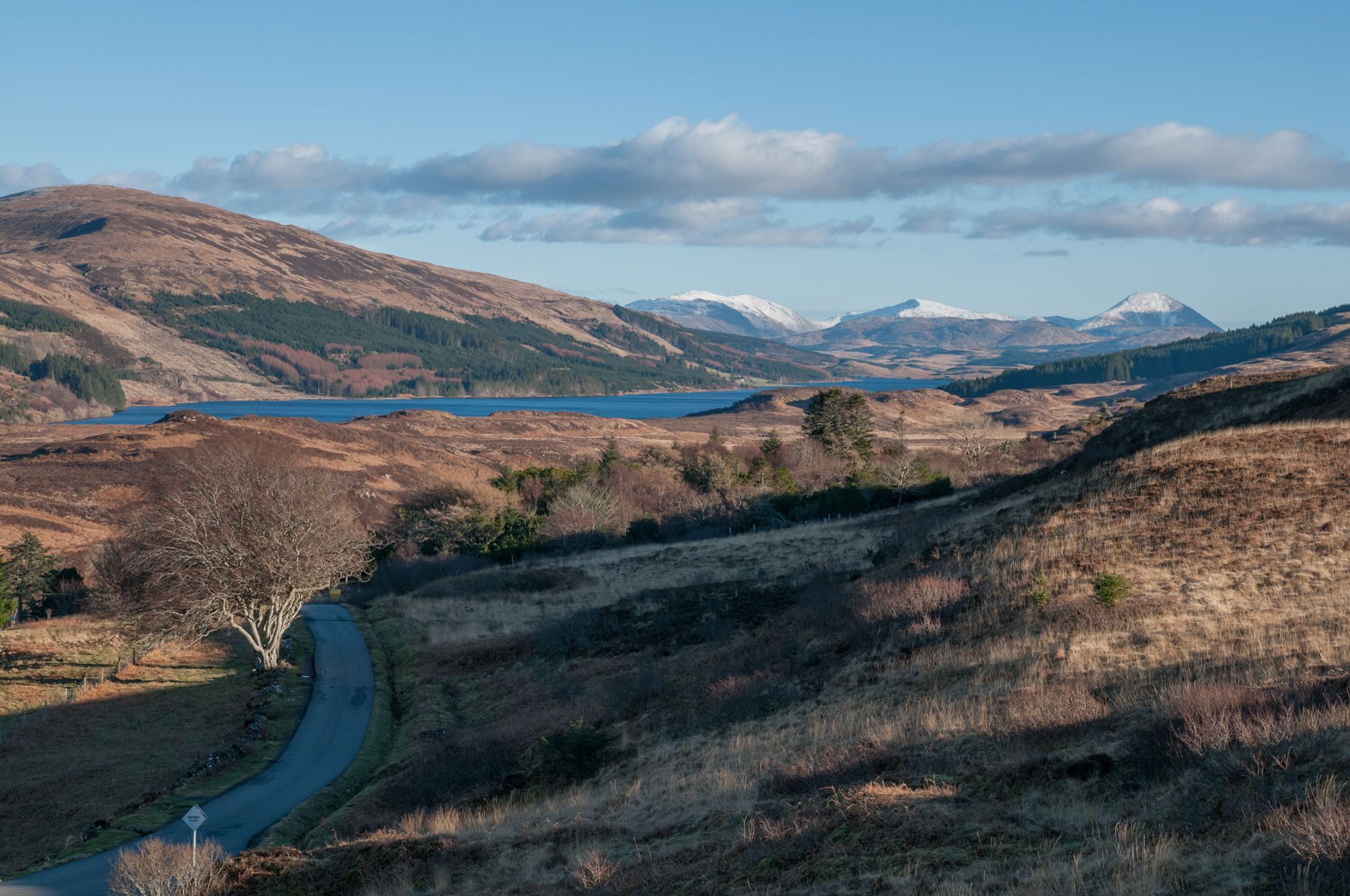
West Island Trail – Island hopping by bike in the Inner Hebrides
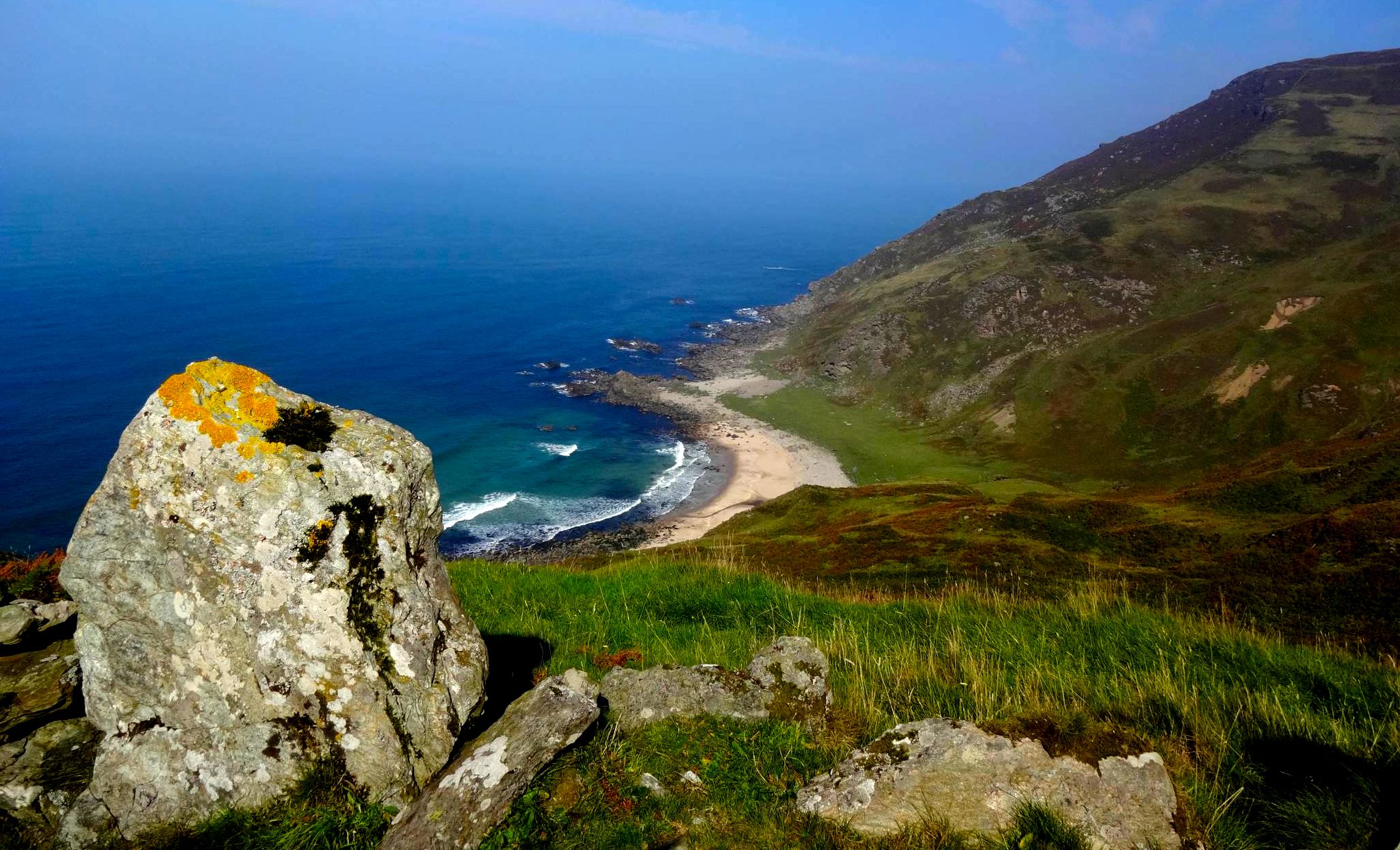
Kintyre Way — A peninsula hike along wild coastline and empty hills
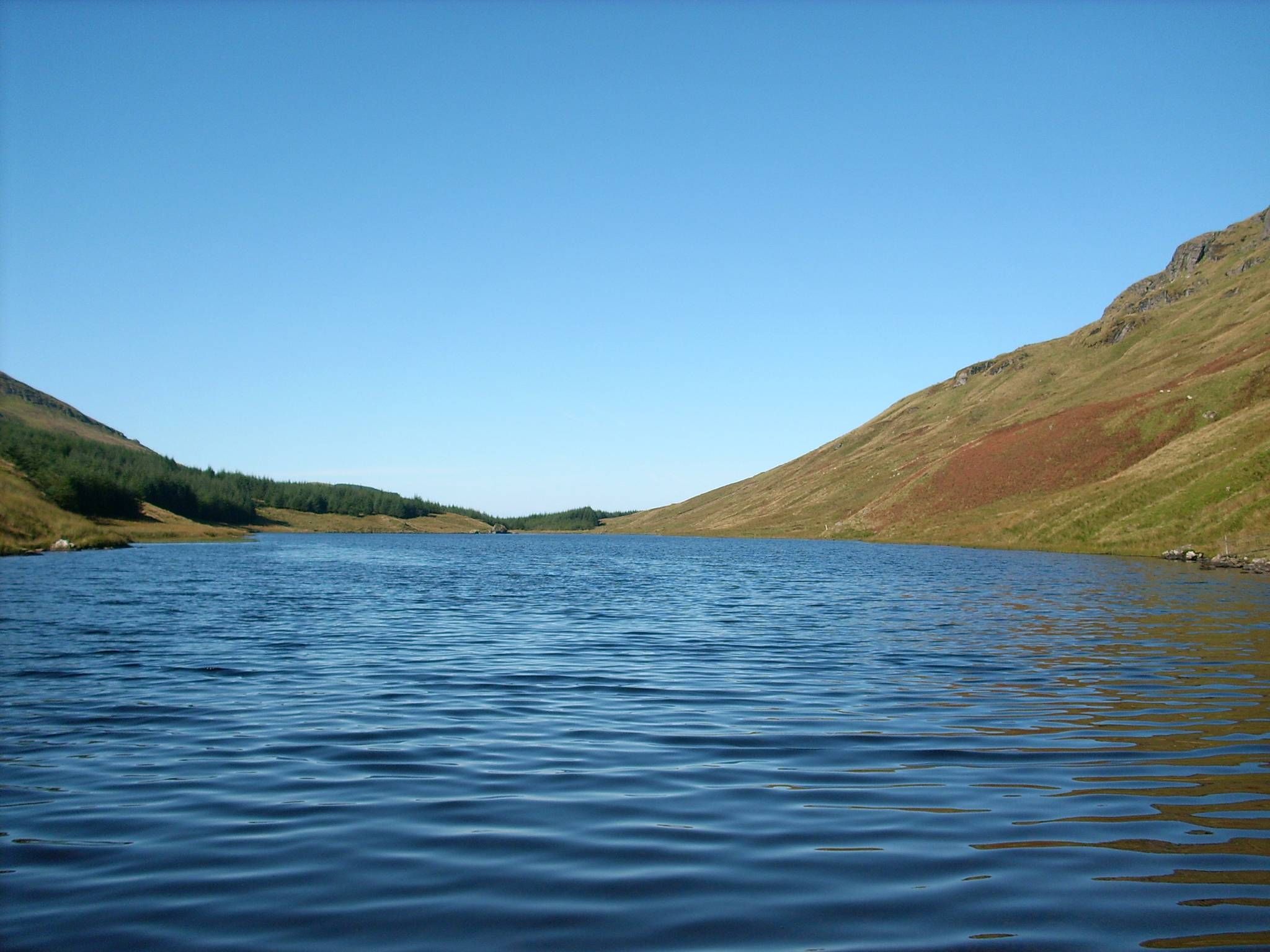
Loch Lomond and Cowal Way — Experience Scotland in 57 miles
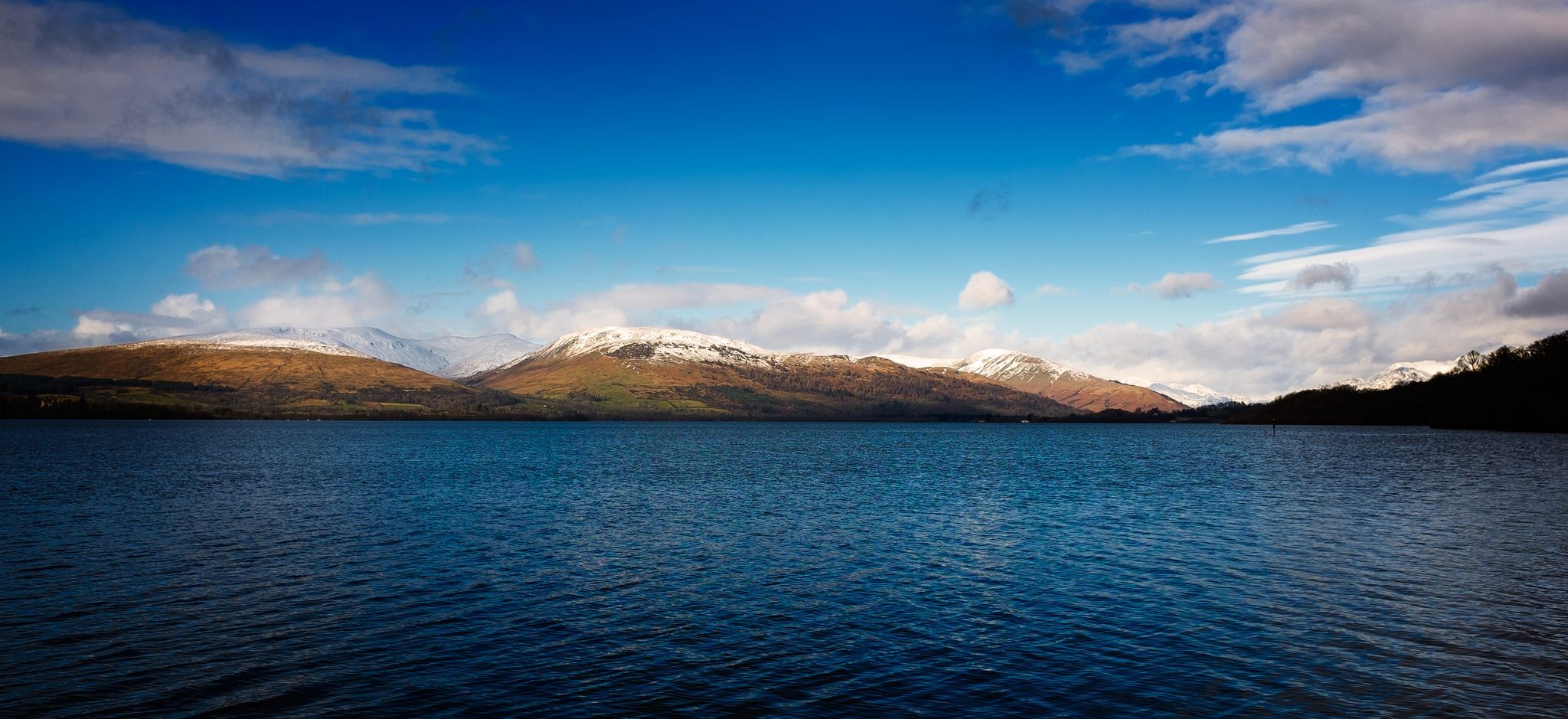
Three Lochs Way — A breathtaking hike from lowlands to Highlands
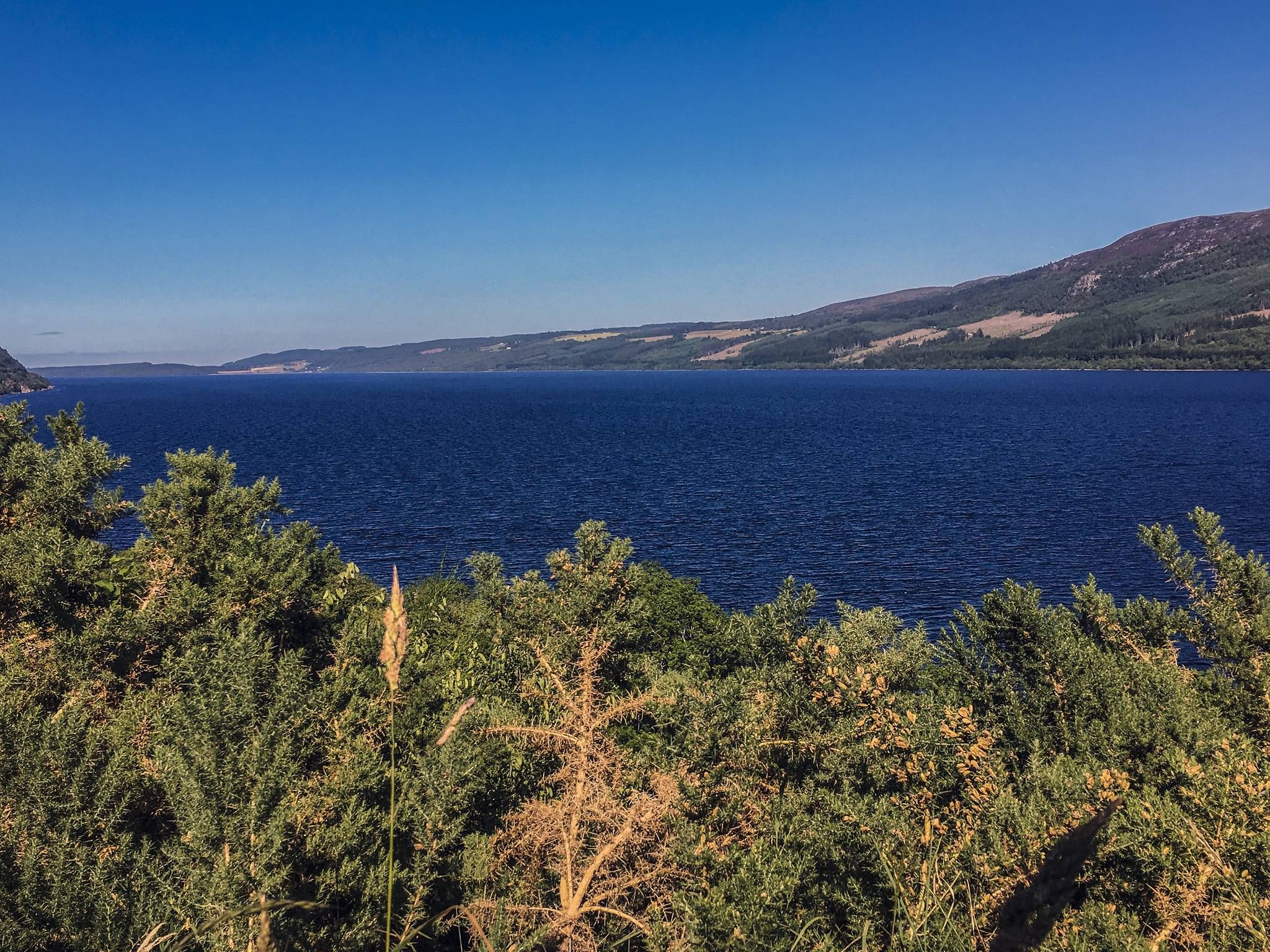
Caledonia Way – Cycling Coast to Coast through the Scottish wilds
Other adventures in Argyll and Bute


Tips from the Community

Great beach, but the descent is difficult to find. Once down there is also a great sea cave with stalactites and stalagmites
0
0


Unfortunately Golum was not around during our visit.
0
1

Not to be confused with Oronsay Island off of Skye, Oronsay Nature Reserve or the Isle of Oronsay is an incredibly special and beautiful remote island to visit. A tidal island just off of the Isle of Colonsay, the entire island is a nature reserve and only accessible during low tide for a maximum of two hours, on either side of low water. Because of this, make sure to plan your trip in advance and be aware that you may need to wait a few hours for the tide to be able to cross again. On the island you'll be surrounded by wild, natural beauty from every corner, the Oronsay Priory, a 14th century Augustinian ruin, and stunning beaches & caves.
0
0

The wonderful Livingstone Walk takes you around the eastern side of the Isle of Ulva - which has been inhabited since prehistoric times! The walk incorporates old ruins, caves, and basalt columns, along with fantastic views across Lock Na Keal.
1
0

Legend has it that the chief of the Maclean clan was slain in a battle near here. His skull was left in the cave with the legend that if removed it would always return. Unfortunately the skull disappeared in the 1970's but I guess it could be on the way back.
0
0

Keil Caves are a series of interesting caves at the southern end of Kintyre which you can explore. Although it’s hard to imagine these days, the caves were inhabited by people for many centuries. Nearby, you find St Columba's Chapel, St Columba's Well and St Columba's Footprints, footprints carved in rock to mark where Columba — who brought Christianity to Scotland — first landed.
2
0

Made famous by Scottish poet James Macpherson's epic poem, the spectacular sea cave on the Isle of Staffa is formed by jointed basalt columns. It can be reached on boat tours from Oban.
1
0
Frequently Asked Questions
What makes Fingal's Cave a unique natural wonder in Argyll and Bute?
Fingal's Cave, located on the Isle of Staffa, is renowned for its extraordinary geometric basalt columns, formed millions of years ago by volcanic activity. These hexagonal columns create a cathedral-like interior with impressive aqua-green waters. The cave is also famous for its natural acoustics, inspiring Felix Mendelssohn's Hebrides Overture, and is known in Gaelic as 'An Uamh Binn' or 'cave of melody'. You can learn more about this geological marvel at Fingal's Cave.
Are there caves in Argyll and Bute with significant historical or archaeological importance?
Yes, several caves in Argyll and Bute hold historical and archaeological significance. The Keil Caves on the Kintyre Peninsula were inhabited for centuries, and nearby you can find St Columba's Chapel and Footprints. Additionally, caves on the Isle of Ulva, particularly Ulva Cave along the Livingstone Walk, have yielded some of Scotland's earliest signs of human habitation, with evidence of Mesolithic and Neolithic occupation.
How can I access Fingal's Cave and the Isle of Staffa?
Fingal's Cave is primarily accessed by boat tours, which typically depart from Oban or the Isle of Mull. These tours often allow visitors to land on Staffa and walk to the cave's entrance in good weather. The Isle of Staffa is also a National Nature Reserve, offering opportunities to see wildlife like puffins during the summer months.
What kind of terrain and difficulty can I expect when visiting caves in Argyll and Bute?
The terrain varies significantly. Sea caves like Fingal's Cave are often accessed by boat, with potential for walking on uneven, wet, or rocky surfaces near the entrance. Other caves, such as the Keil Caves, may involve walking on trails that can be intermediate in difficulty. Exploring remote caves like St Columba's Cave might require more challenging walks to reach. Always check specific access details for each cave.
Are there any caves in Argyll and Bute associated with local legends or folklore?
Yes, Maclean's Skull Cave is steeped in local folklore. Legend states that the chief of the Maclean clan was slain nearby, and his skull was left in the cave, believed to always return if removed. While the skull reportedly disappeared in the 1970s, the cave remains a site of this intriguing clan legend.
What other caves can be found on the Isle of Staffa besides Fingal's Cave?
Beyond the famous Fingal's Cave, the Isle of Staffa is home to several other interesting caves. These include Goat Cave, Clamshell Cave (known for basalt ridges resembling a ship's ribs), Boat Cave, and Mackinnon's Cave, which connects to Cormorant Cave via a tunnel. These contribute to Staffa's dramatic and rugged coastline.
What outdoor activities can I combine with a cave visit in Argyll and Bute?
Argyll and Bute offers a wealth of outdoor activities. You can find numerous hiking trails, from easy walks to challenging ascents, as detailed in the Hiking in Argyll and Bute guide and the Easy hikes in Argyll and Bute guide. Cycling is also popular, with routes available in the Cycling in Argyll and Bute guide. Exploring sea caves by boat or sea kayak offers a unique perspective of the coastline.
Are there any caves in Argyll and Bute that are particularly significant for early Christian history?
St Columba's Cave, located on the northern shore of Loch Caolisport, is deeply connected to early Christian tradition. It is believed to be a place where the Irish missionary Saint Columba stayed and worshipped in the 6th century while awaiting permission to establish his monastery at Iona. The site has been a place of Christian pilgrimage for centuries.
What is the best time of year to visit the caves in Argyll and Bute?
The best time to visit often depends on the specific cave and your preferred activity. For sea caves like Fingal's Cave, boat tours are generally available during the warmer months (spring to autumn) when sea conditions are calmer. Summer also offers opportunities to see wildlife like puffins on Staffa. For land-based caves, spring and autumn can provide pleasant walking weather, though some are accessible year-round.
Are the caves in Argyll and Bute generally family-friendly?
Accessibility for families varies by cave. Some caves, like the Keil Caves, are more accessible for a family outing, often involving a walk to reach them. Boat trips to Fingal's Cave can be suitable for families, though landing and walking near the cave entrance might be challenging for very young children or those with mobility issues. Always check specific access and safety information for each location.
Are dogs allowed in or near the caves in Argyll and Bute?
Dog policies vary by location. While many outdoor areas in Argyll and Bute are dog-friendly, specific restrictions may apply to nature reserves, boat tours, or within certain cave systems for safety or conservation reasons. It's advisable to check with tour operators or local authorities regarding dog access before planning your visit to a particular cave.
Where can I find amenities like cafes, pubs, or accommodation near the caves?
Amenities are typically found in nearby towns and villages. For visits to Staffa and Fingal's Cave, Oban or the Isle of Mull are common bases offering various accommodation, dining, and shopping options. For the Keil Caves, amenities can be found on the Kintyre Peninsula. Areas around Loch Caolisport and the Isle of Ulva may have more limited facilities, so planning ahead is recommended.
Do I need any special permits for caving or visiting caves in Argyll and Bute?
For general visits to accessible caves like Fingal's Cave (via boat tour) or Keil Caves, specific permits are not typically required. However, if you plan to engage in more advanced caving activities or explore remote or protected areas, it's always best to check with local authorities, landowners, or relevant caving organizations for any necessary permissions or safety guidelines.
Most popular routes in Argyll and Bute
Most popular attractions in Argyll and Bute

Get inspired with the komoot mobile app


Explore more
Extend your search for the best caves by checking out these guides of the top ones in Argyll and Bute:
