Top 15 Castles in Essex
Best castles in Essex offer a journey through centuries of English heritage, with sites ranging from Roman foundations to Norman strongholds. The region features diverse landscapes, from the Thames Estuary to inland woodlands, providing scenic backdrops for historical exploration. These historical sites provide insights into various periods of English history, from Roman foundations to Norman strongholds and later medieval developments. Visitors can explore well-preserved keeps, extensive ruins, and unique reconstructed villages.
Best castles in Essex
- The most popular castles is Hadleigh Castle, a historical site that offers ruins of a 13th-century castle. It provides great 180-degree views of the Thames Estuary.
- Another must-see spot is Colchester Castle, a historical site and museum. Visitors can explore a Norman castle with a unique keep, built on Roman foundations, and see Roman artifacts.
- Visitors also love Hedingham Castle, a 900-year-old Norman keep. It is beautifully maintained and offers a glimpse into medieval architecture.
- Essex is known for its variety of historical sites, including Norman keeps, medieval ruins, and reconstructed castles. Visitors can explore sites ranging from well-preserved structures to earthworks and foundations.
- The castles in Essex are appreciated by the komoot community, with more than 150 upvotes and over 330 photos shared across the highlights.
Last updated: October 11, 2026
Hadleigh Castle
Highlight • Viewpoint
Tip by

Audley End House
Highlight • Historical Site
Translated by Google •
Tip by

Sign up now to discover places like this
Get recommendations on the best single tracks, peaks, & plenty of other exciting outdoor places.
Chipping Ongar Castle
Highlight • Settlement
You find some decent pubs and restaurants in the town, making it a good choice for a pit-stop. There is also a vintage railway line.
Tip by

Colchester Castle
Highlight • Historical Site
Tip by

Hedingham Castle
Highlight • Castle
Tip by

Stebbing Village
Highlight • Settlement
Tip by
Pleshey Castle Earthworks and Brick Bridge
Highlight • Bridge
Tip by
Walden Castle Ruins
Highlight • Historical Site
en.m.wikipedia.org/wiki/Saffron_Walden
Tip by
Leez Priory
Highlight • Castle
Tip by

Chipping Ongar Castle Motte and Bailey
Highlight • Castle
Tip by

Sign up for free to discover even more castles in Essex.
Already have an account?
Start today with a free account
Your next adventure awaits.
Popular around Essex
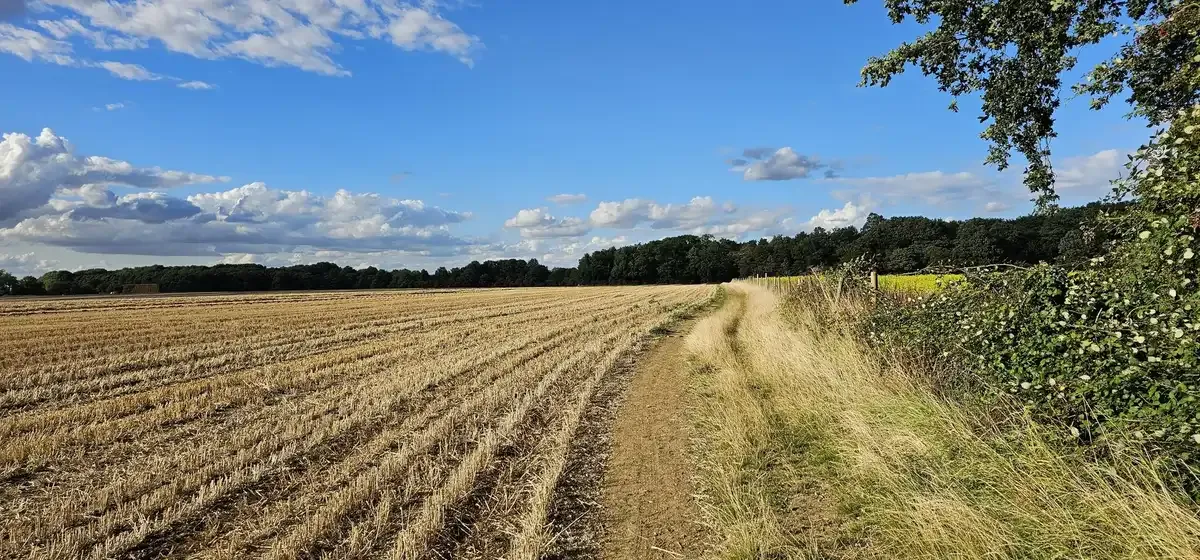
Saffron Trail – Countryside to coast through rural Essex
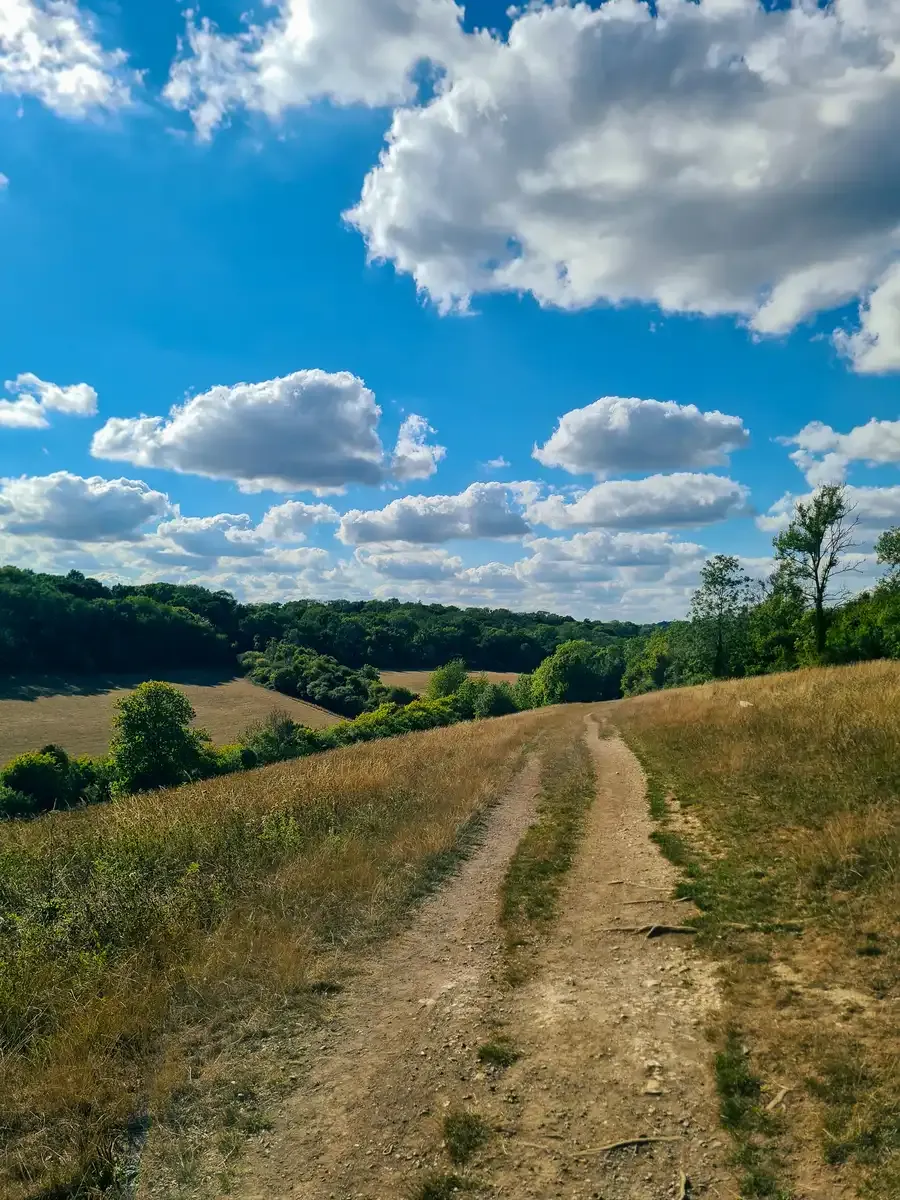
London LOOP — Hiking a ring of greenspaces around the capital
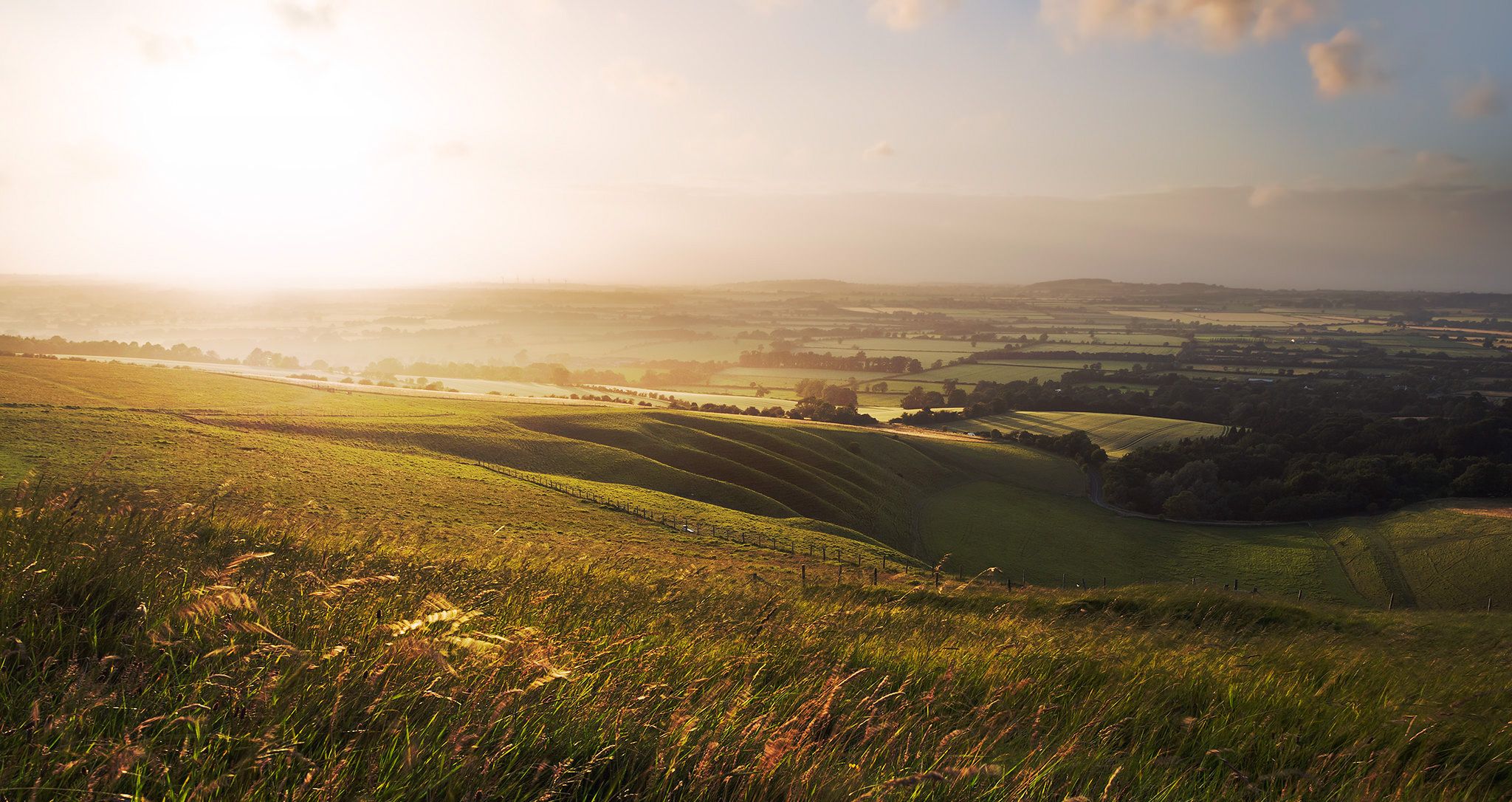
Hiking the Greater Ridgeway — Following Roman roads across England
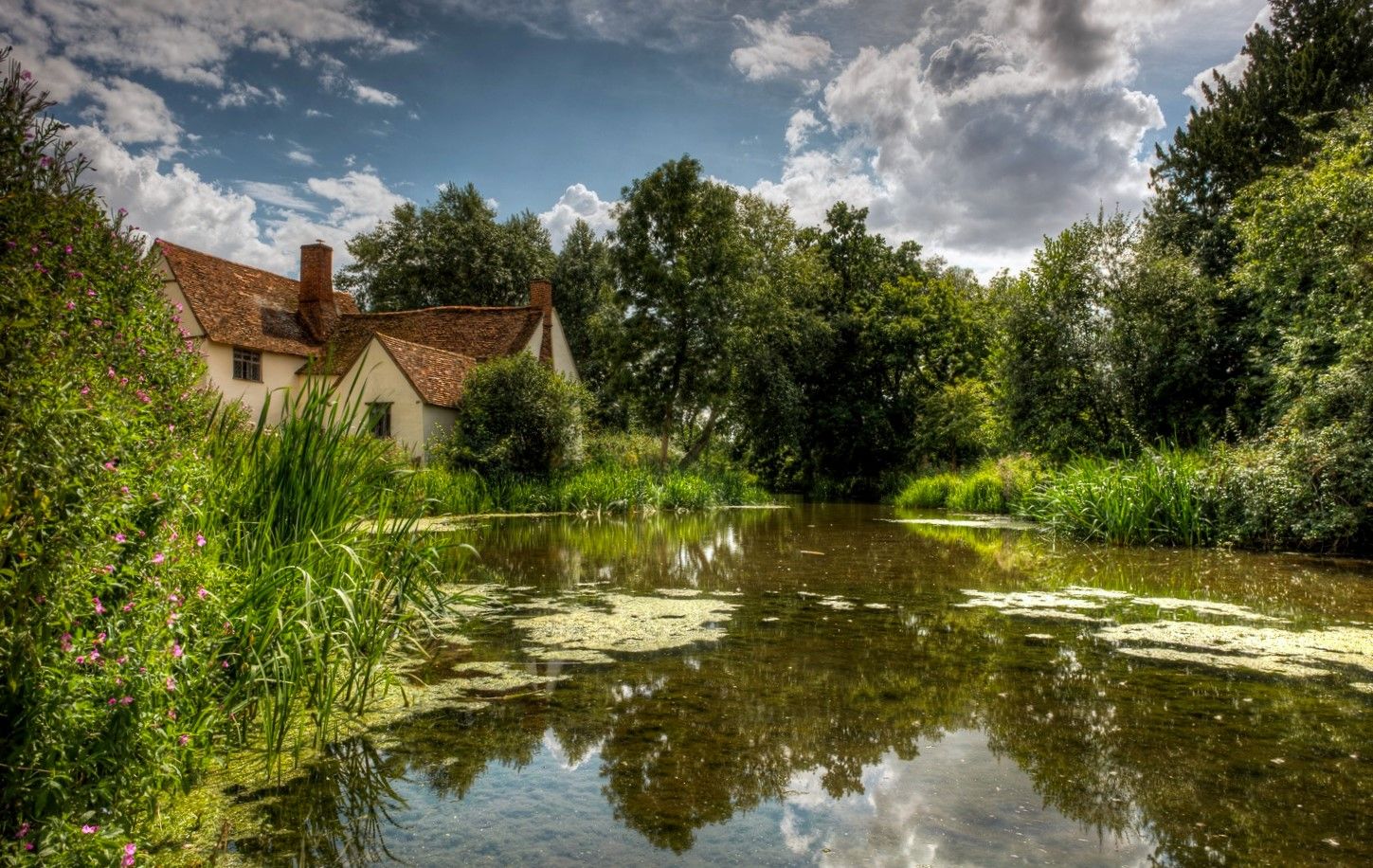
Essex Way — Step into a Romantic painting on a picturesque rural hike
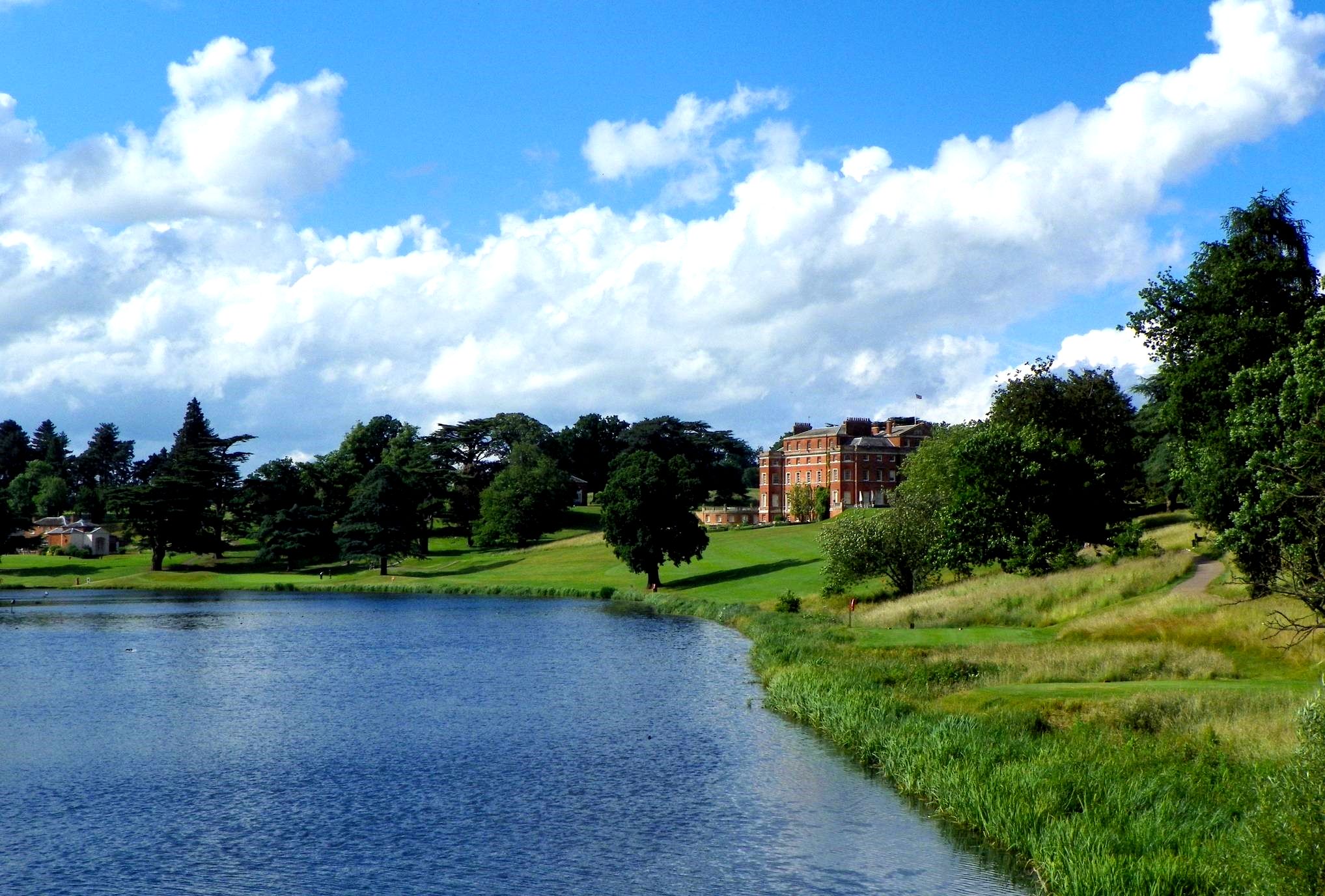
Lea Valley Walk — A riverside ramble from source to Thames
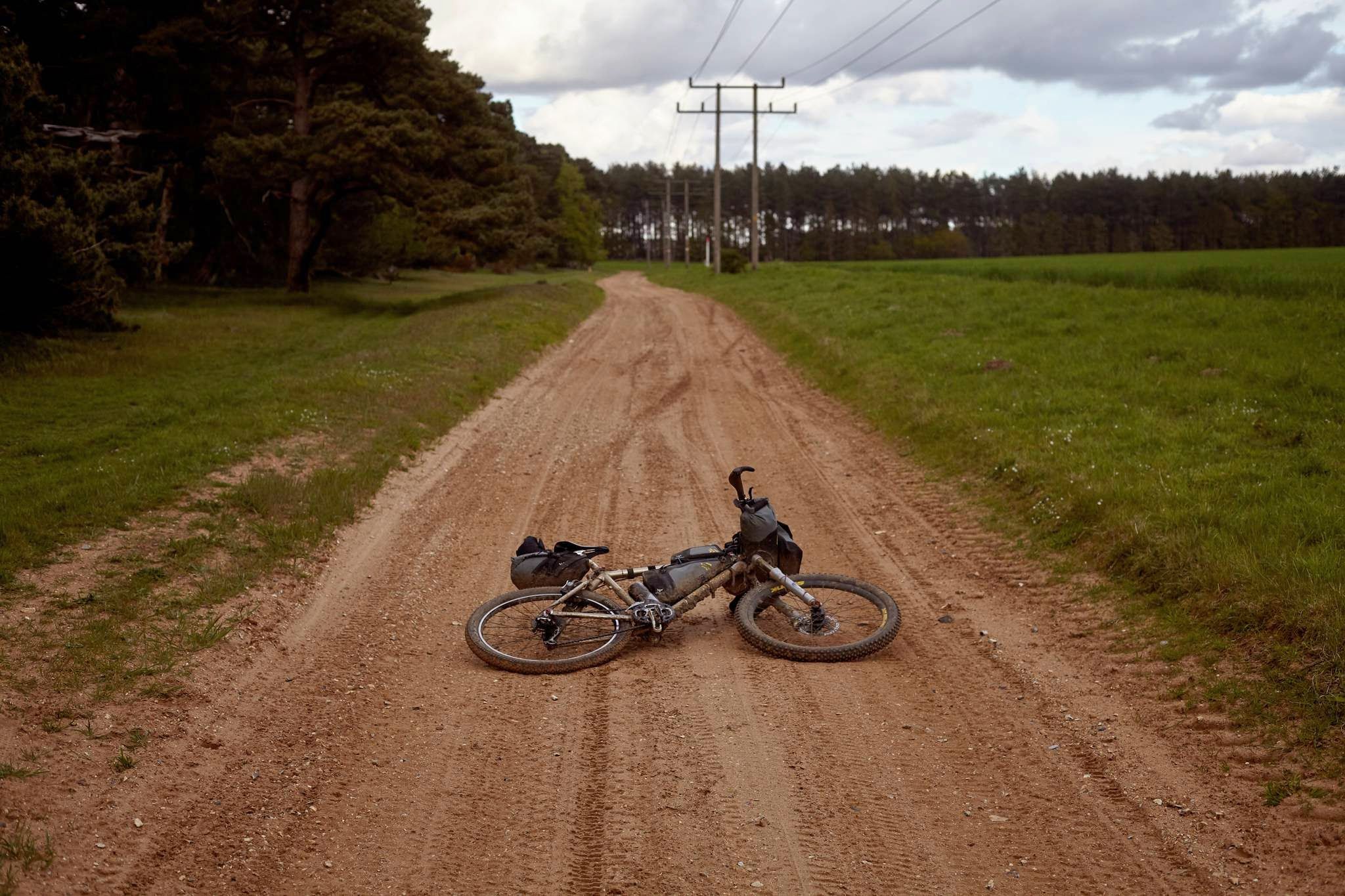
Cycle the Greater Ridgeway Trail — English Channel to North Sea
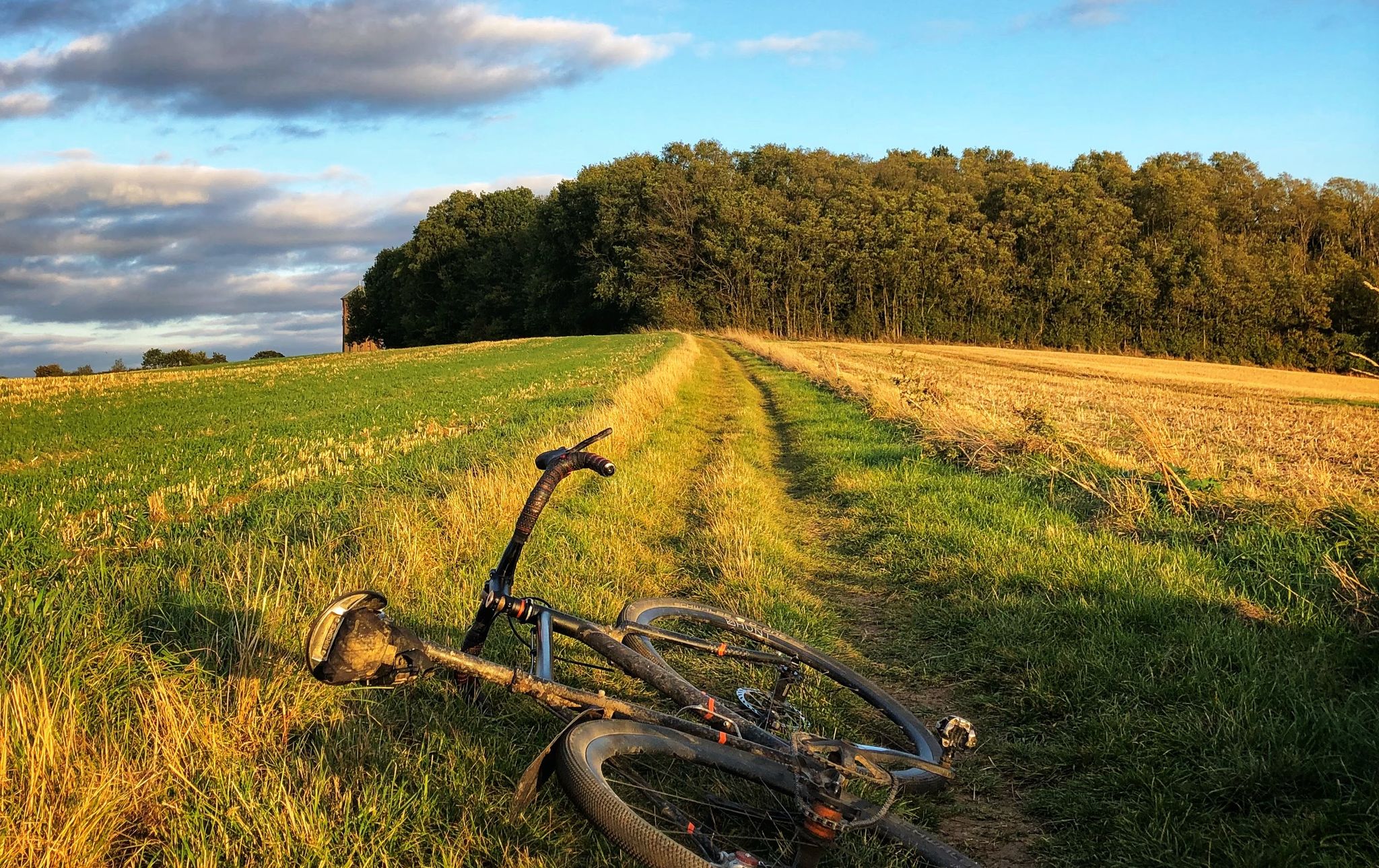
Icknield Way Trail — Ancient bridleways of Central England
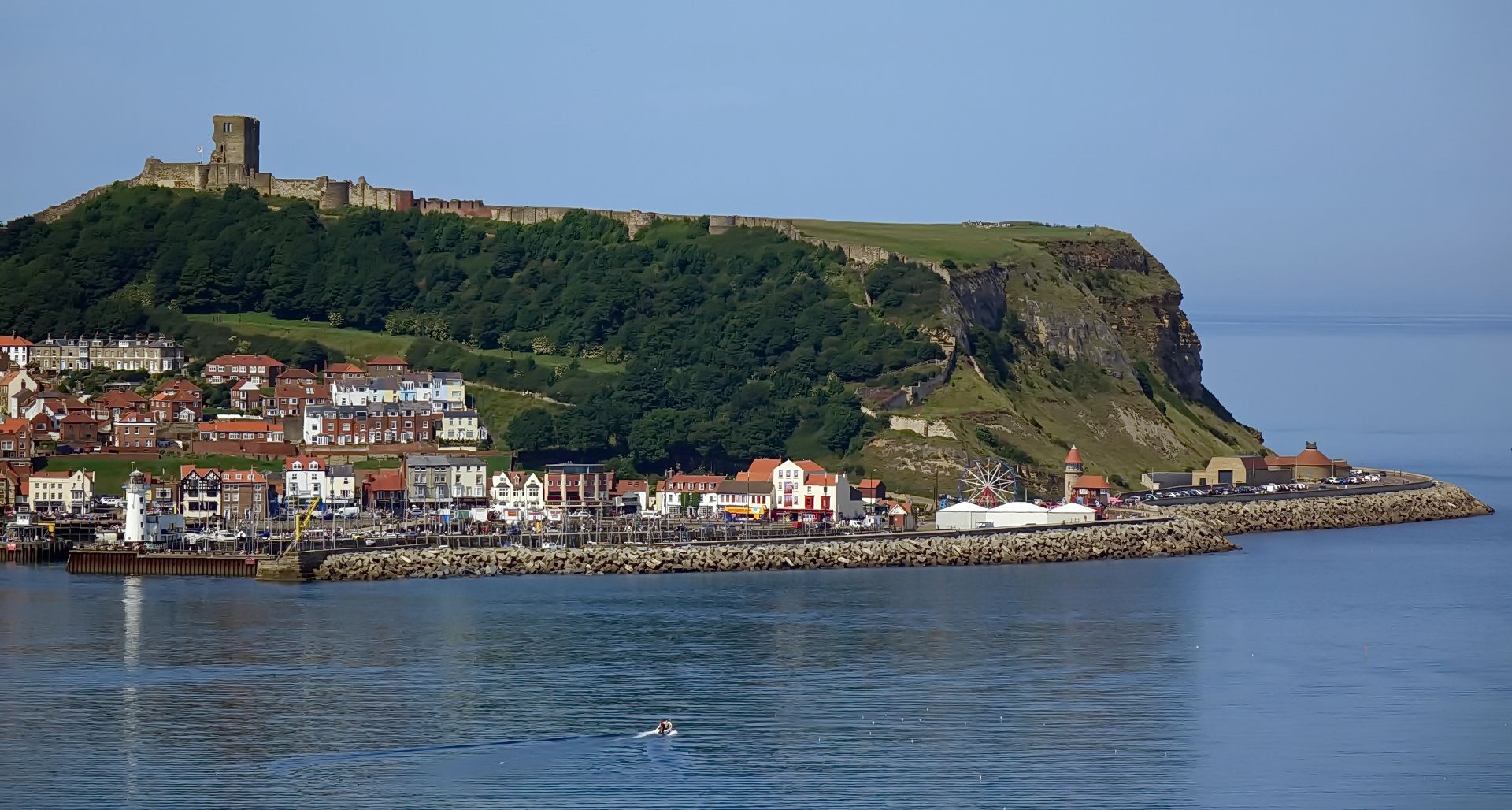
The North Sea Coast Cycle Route — England
Family friendly cycle routes in England
A fantastic journey along Britain’s entire East Coast – NCN 1
Other adventures in Essex


Tips from the Community


Unfortunately you can't see much of the castle from the road. The best views are from further away, as you enter the village, where the top of the keep rises above the trees.
0
0

Fantastic view of Audley End House from Adam Bridge. Audley End is a 17th Century mansion that is known as a prodigy house, meaning that it is extra impressive. Often seen on TV on the likes of Antiques Roadshow, the house used to three times the size, if you can believe it. It's a fabulous view as you cycling past, and worth making a detour out of Saffron Walden for.
0
0

A majestic medieval ruin perched atop a hill with sweeping views of the Essex countryside and the Thames Estuary. Built in the 13th century under the reign of King Henry VIII and played a vital role in defending against potential invasion from the sea. It was strategically positioned to guard the Thames estuary. Excellent views across the countryside.
1
0

Stebbing is a small, historic village dating from at least the 11th century. A medieval motte & bailey castle stood to the east of the village on what is now called 'The Mount: The church is a grade I listed building and boasts one of only three stone rood screens in Europe. There are many timber buildings throughout the village including Prior's Hall, a grand 16th century house.
0
0
You can visit Hadleigh Castle for free and admire the ruins that have succumbed to the soft London clay on which it was built. The castle was first built in the 13th-century, with extensive renovation and expansion in the 14th-century by King Edward III. It's now owned by English Heritage and you can visit their website here https://www.english-heritage.org.uk/visit/places/hadleigh-castle/
1
1
You can’t see the priory buildings from the road but the lanes leading too it are pretty nice!
0
0
An Augustinian Priory until dissolution in 1556 - much of the original buildings still remain. Well worth a stop and walk around the grounds.
0
0
Frequently Asked Questions
Which castles in Essex are particularly family-friendly?
Several castles in Essex offer great experiences for families. Colchester Castle features interactive exhibits, Roman artifacts, and activities like dressing up as a Roman soldier. Mountfitchet Castle provides a unique hands-on living history experience with a reconstructed Norman village, free-roaming animals, and even a toy museum. Hedingham Castle also hosts various family-friendly events throughout the year.
Can I visit castles in Essex with my dog?
While specific dog policies vary by site, many castle grounds and outdoor areas in Essex are dog-friendly. For example, the ruins of Hadleigh Castle are a popular spot for walks with panoramic views, and dogs are generally welcome in the open areas. It's always best to check the individual castle's website for their most current pet policies before your visit.
What historical periods do the castles in Essex cover?
Essex castles span a wide range of historical periods. Colchester Castle is built on Roman foundations and is a significant Norman keep. Hedingham Castle is a prime example of 12th-century Norman architecture. Hadleigh Castle dates back to the 13th century with significant 14th-century expansions. Mountfitchet Castle offers a unique reconstruction of a Norman village from 1066, built on a site with Iron Age, Roman, and Saxon history.
Are there walking trails near the castles in Essex?
Yes, many castles in Essex are situated near scenic walking trails. For instance, Hadleigh Castle offers walks with views of the Thames Estuary. You can find various hiking routes throughout the region, including a moderate 16.5 km loop around Hadleigh Castle, the Thames Estuary & Two Tree Island. For more options, explore the Hiking in Essex guide.
What natural features or viewpoints can I expect to see at Essex castles?
Essex castles often provide stunning natural backdrops and viewpoints. Hadleigh Castle offers panoramic 180-degree views of the Thames Estuary. Hedingham Castle is set within 160 acres of landscaped gardens and woodland. Even the earthworks of Pleshey Castle provide a sense of the historical landscape. Framlingham Castle, though in Suffolk, offers wall-top walks with expansive views of the Suffolk countryside.
What are the opening times and ticket prices for Hedingham Castle?
Hedingham Castle's opening times and ticket prices can vary, especially due to its special events schedule. It is recommended to check their official website directly for the most current information regarding specific dates, hours, and admission fees before planning your visit.
How can I get to Colchester Castle by public transport?
Colchester Castle is located in the town center of Colchester, which is well-served by public transport. Colchester has a main train station with regular services, and the castle is typically within walking distance or a short bus ride from the station. Local bus services also operate throughout the town, with stops conveniently located near the castle.
Are there any 'hidden gem' castles or less-known historical sites in Essex?
Beyond the major castles, Essex has several less-known historical sites that offer a glimpse into its past. Pleshey Castle Earthworks and Brick Bridge, for example, are the remains of a motte and bailey castle, offering a good sense of the original fortification despite only earthworks and a 14th-century bridge surviving. Chipping Ongar Castle also features significant earthworks of a Norman motte and bailey castle.
What outdoor activities can I do near the castles in Essex?
Near the castles in Essex, you can enjoy various outdoor activities, particularly hiking and cycling. For instance, the area around Hadleigh Castle is popular for walks. You can find numerous cycling routes across the region, such as the Colchester Town to Burnt Dick Hill loop, and many hiking trails, including easy hikes in Epping Forest. Explore more options in the Cycling in Essex and Hiking in Essex guides.
What is the best time of year to visit castles in Essex?
The best time to visit castles in Essex generally depends on your preferences. Spring and summer offer pleasant weather for exploring outdoor ruins and grounds, with longer daylight hours. Many castles, like Hedingham Castle, also host special events during these seasons. Autumn provides beautiful foliage, while winter visits can offer a quieter, more atmospheric experience, though some attractions might have reduced opening hours.
Are there castles in Essex that are accessible for wheelchairs?
Accessibility varies significantly between castles due to their historical nature. Modern museums like Colchester Castle often have good accessibility features within their main museum areas. However, older ruins or multi-story keeps like Hedingham Castle may have limited access to upper floors or uneven terrain. It is always best to check the specific castle's website or contact them directly for detailed accessibility information before your visit.
What makes Mountfitchet Castle a unique experience?
Mountfitchet Castle offers a unique, hands-on living history experience as the only medieval castle and Norman village reconstructed on its original site anywhere in the world. Visitors can explore the castle and roam through a Norman village complete with replica buildings and free-roaming animals like deer, goats, and chickens, transporting them back to Domesday England. It also includes a Toy Museum and other attractions.
What is the significance of Framlingham Castle, even though it's in Suffolk?
Framlingham Castle, while located in neighboring Suffolk, is often discussed alongside Essex castles due to its historical importance and accessibility from the region. It's a remarkable medieval fortress known for its vast, well-preserved curtain walls and 13 imposing mural towers. It played a pivotal role in English history, including serving as a refuge for Mary Tudor before she became Queen Mary I. Visitors can enjoy wall-top walks with stunning views of the Suffolk countryside.
Most popular routes in Essex
Most popular attractions in Essex

Get inspired with the komoot mobile app


Didn’t find what you were looking for?
Explore Essex’s best castles region by region:
Explore more
Looking for the best castles somewhere else? Discover other guides in Essex:
