Top 20 Caves in Bourgogne-Franche-Comté
Best caves in Bourgogne-Franche-Comté offer a diverse range of underground experiences, from natural geological formations to historic wine cellars. The region's landscape features significant karst springs and impressive rock formations. These sites provide insights into both natural history and the area's winemaking heritage. Visitors can explore various cave types, including those with waterfalls, underground rivers, and archaeological significance.
Best caves in Bourgogne-Franche-Comté
- The most popular caves is Source de la Loue, a cave that features a steep rock wall 150 meters high, forming a spectacular cirque from which the Loue river springs. It is the largest spring in the karst area, with a flow of almost 7000 liters per second.
- Another must-see spot is Lison Spring, a cave and natural monument. Visitors can find a powerful, perennial waterfall, an accessible converted cave, and a turquoise-blue swimming pool at the foot of a cliff.
- Visitors also love Source du Pontet, a cave and natural monument. This site is known for its powerful waterfall emanating from a deep cave, and its walls and vaults of limestone tuff.
- Bourgogne-Franche-Comté is known for natural geological caves, prehistoric sites, and historic wine cellars. The region offers a variety of underground environments, from monumental cave entrances and karst springs to ancient cellars housing aging wines.
- The caves in Bourgogne-Franche-Comté are appreciated by the komoot community, with over 190 upvotes and 92 photos shared.
Last updated: August 16, 2026
Source de la Loue
Highlight • Cave
The site is easily accessible and is via marked GR trails.
Translated by Google •
Tip by

Sarrazine Cave
Highlight • Cave
Do not hesitate to approach its entrance, if only to measure its proportions. Avoid rushing into this cave, it can be tricky, especially if it has rained the previous days.
Translated by Google •
Tip by
Sign up now to discover places like this
Get recommendations on the best single tracks, peaks, & plenty of other exciting outdoor places.
Sign up for free
Lançot Waterfall
Highlight • Waterfall
Translated by Google •
Tip by

Gouffre du creux Percé
Highlight • Viewpoint
Translated by Google •
Tip by

Arcier Springs
Highlight • River
You will be able to see the castle of Arcier there as well as the ruins of the old Roman aqueduct of Besançon.
=============
A little detour to the source of Arcier, beware of the hikers!
You'll be able to see Arcier's castle and the ruins of Besançon's Roman aqueduct.
fr.wikipedia.org/wiki/Sources_d%E2%80%99Arcier
fr.wikipedia.org/wiki/Aqueduc_de_Besan%C3%A7on
Translated by Google •
Tip by

La Roche Virante
Highlight • Natural Monument
At the bottom of the valley, a rocky peak keeps an enormous block of rock nicknamed the "Roche Branlante" or "Roche Virante" in balance. A legend has it that each year, on December 31, at the stroke of midnight, this enormous block rotates a full turn on itself. Others call it the Mammoth or the Mammoths. Why ? If you look at the bottom site with a little hindsight, the rocky towers then evoke the long parallel proboscis falling to the ground of several mammoths facing you!
Translated by Google •
Tip by

Cave of the Counterfeiters
Highlight • Cave
Translated by Google •
Tip by

Osselle Cave
Highlight • Natural Monument
Translated by Google •
Tip by

Gonvillars Cave
Highlight • Cave
Translated by Google •
Tip by

Bisontin Cave
Highlight • Cave
Translated by Google •
Tip by

Sign up for free to discover even more caves in Bourgogne-Franche-Comté.
Sign up for free
Already have an account?
Start today with a free account
Your next adventure awaits.
Login or Signup
Popular around Bourgogne-Franche-Comté

Triathlon 360 – my journey around the world
European Divide Trail — 7,600 km across the continent
The Grande traversée du Massif Central by gravel bike
The Voie Bleue – Moselle-Saône by bike
Via Allier – The Auvergne cycle route
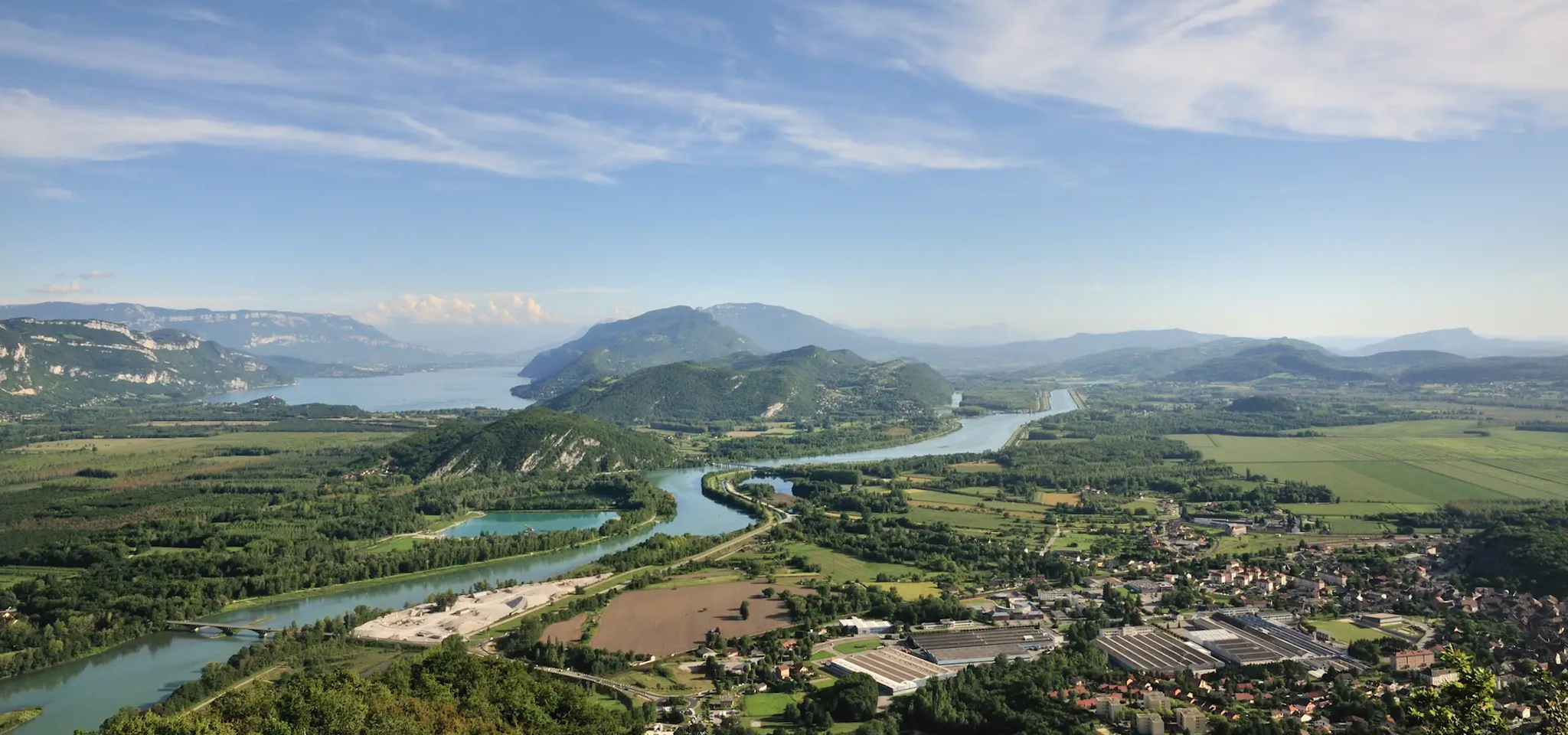
GR 9 from the Jura to the Mediterranean – Crossing contrasts
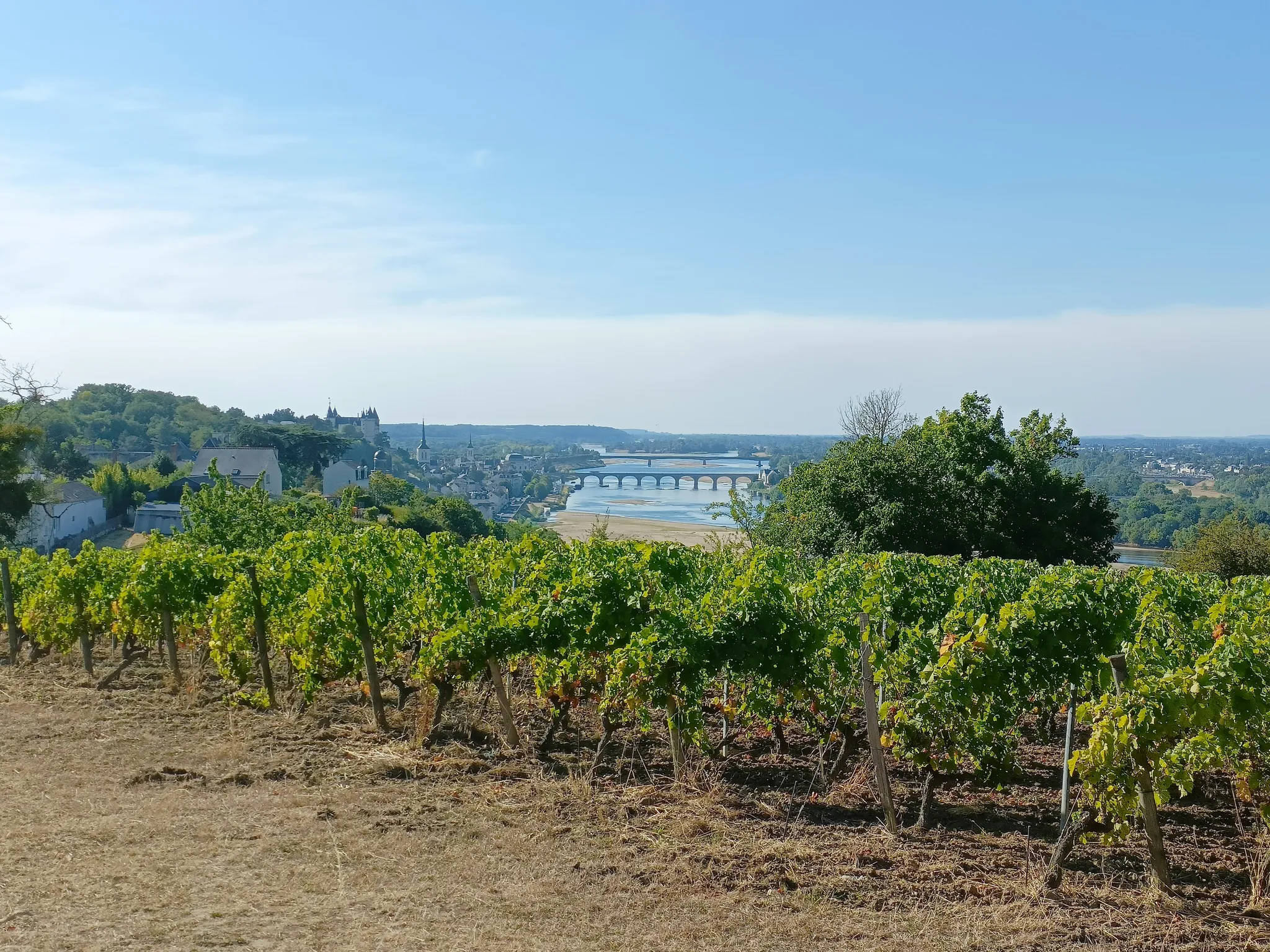
GR3 from the ocean to its source – The Loire, a wild European river
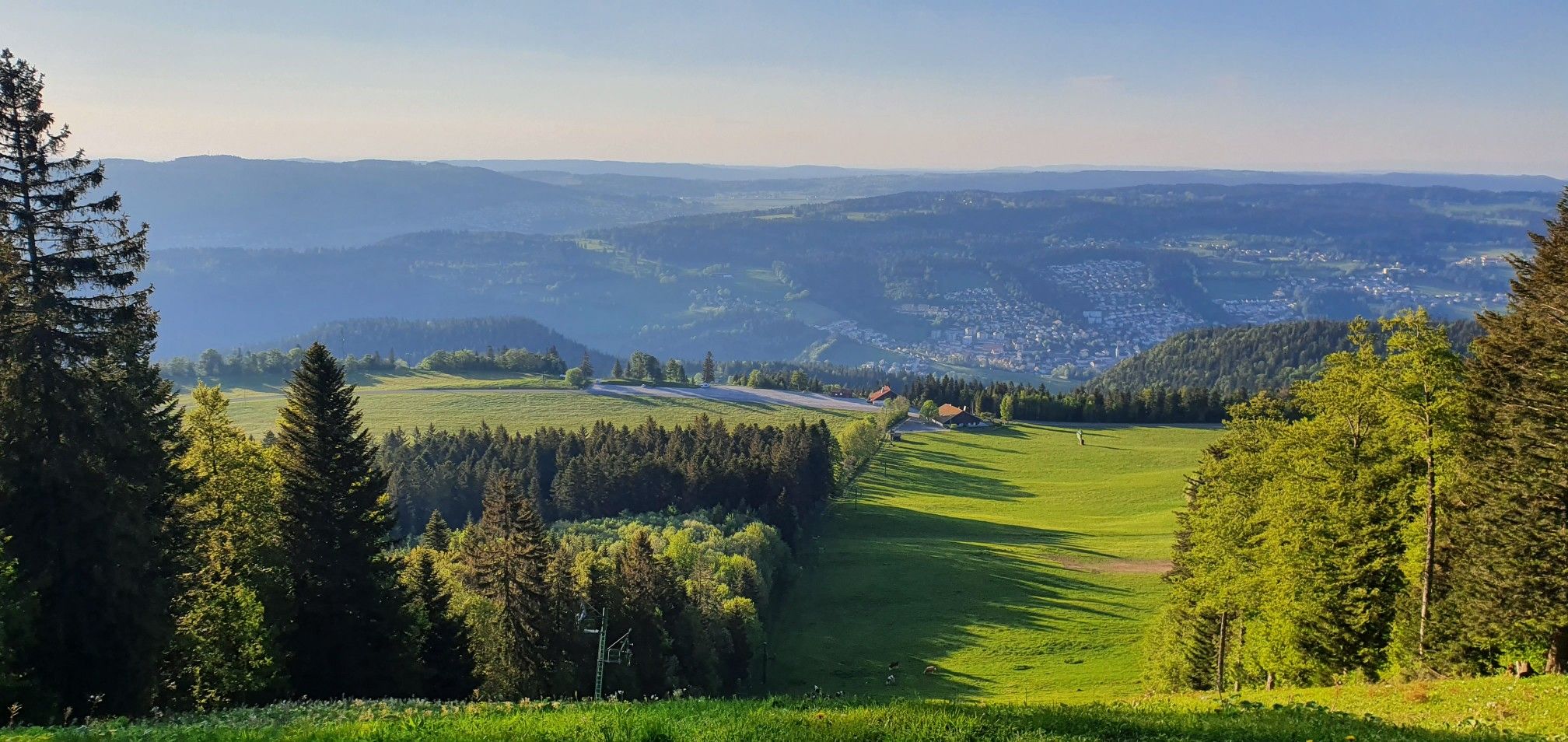
GR 5 – The Europe Trail from the Mediterranean to Germany
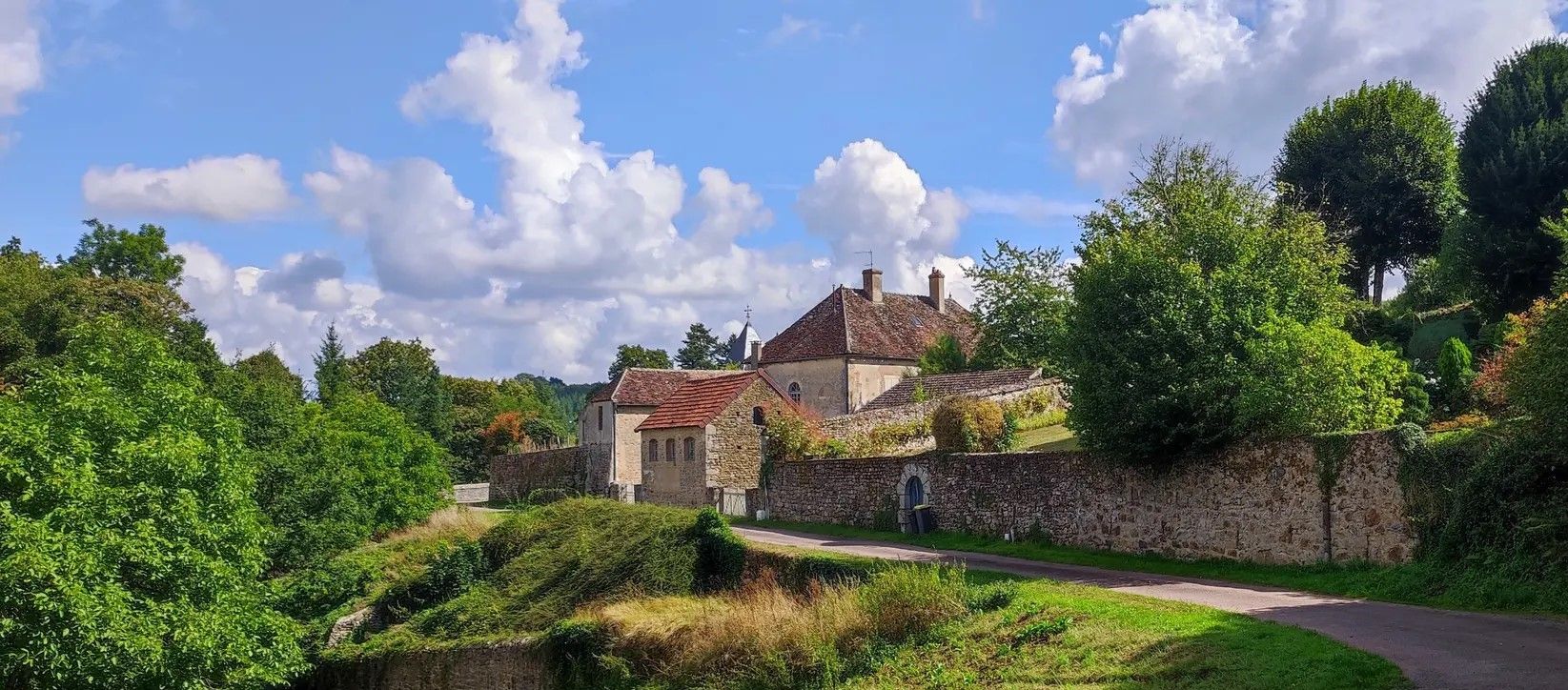
GR 13 from Gâtinais to Morvan — By Fontainebleau and Burgundy
Sentier de l'Europe (GR 5) – Montbéliard to Abreschviller
Other adventures in Bourgogne-Franche-Comté


Tips from the Community

Much more impressive in person than in photos and it's possible to get close to the chasm. Not to be missed
0
0

Very beautiful cave to see at the bend in the main path near Villers sous Saulnot
0
0

Really impressive, you should definitely spend some time there.
1
0

The Creux Percé is an inverted cone-shaped collapsed chasm approximately 60 m deep and with a circumference ranging from 35 to 25 m at the surface. This chasm is primarily known to speleologists. Exploration of this chasm and its lateral networks began in the 19th century. This site has long been a natural icehouse with a bottom that reaches sub-zero temperatures, even in summer. https://www.bourgogne-tourisme.com/ In May 2025, a special outing, supervised by the Dijon Speleo Club, will allow visitors to descend into this crater.
1
0

The source of the Loue River is announced by the rushing water even before you see it. It's impressive and magical to stand beneath the 150-meter-high cliffs and watch the river rush out of its cave.
5
1

According to the listing: Pets welcome https://de.montagnes-du-jura.fr/sit/grotte-dosselle
0
0

Does anyone know if you can go in there with a dog?
0
0

Remember not to venture too far into the cave
0
0
Frequently Asked Questions
What types of caves can I explore in Bourgogne-Franche-Comté?
Bourgogne-Franche-Comté offers a diverse range of underground experiences. You can explore natural geological formations like the impressive Sarrazine Cave with its monumental entrance, or karst springs such as Source de la Loue and Lison Spring. The region is also renowned for its historic wine cellars, offering tours and tastings, and prehistoric sites like Grottes d'Azé.
Are there any family-friendly caves in the region?
Yes, several caves are suitable for families. Lison Spring is noted as family-friendly, featuring a powerful waterfall and an accessible converted cave. Grottes d'Azé, with its archaeological museum and guided tours, also offers an engaging experience for families interested in history and paleontology.
Which caves offer guided tours?
Many caves in Bourgogne-Franche-Comté offer guided tours. Osselle Cave provides guided tours in multiple languages, allowing visitors to explore 1.2 km of its impressive formations. Grottes de Baumes also offers guided tours, delving into its historical and geological depths. For Grottes d'Azé, reservations and guided tours are required, with audio guides available.
What unique geological features can I see in the caves?
The region's caves showcase remarkable geological formations. At Source de la Loue, you'll find a spectacular cirque with a 150-meter high rock wall. Source du Pontet is known for its powerful waterfall emanating from a deep cave and walls of limestone tuff. Osselle Cave is celebrated for its impressive formations, while Sarrazine Cave features a monumental entrance 100 meters high and 30 meters wide.
Can I visit caves with historical or archaeological significance?
Absolutely. Grottes d'Azé is a landmarked prehistoric site with international recognition in paleontology. It features 'the one thousand-bear cave' with a high concentration of bear and rare lion skeletons, Mousterian dwellings, and an archaeological museum. Grottes de Baumes also has a rich history, with exploration dating back to 1610.
What is the best time to visit the caves in Bourgogne-Franche-Comté?
Many natural caves, like Osselle Cave, maintain a constant temperature (e.g., 13 degrees Celsius), making them suitable for visiting year-round. However, some sites like Sarrazine Cave can be tricky to explore after heavy rain. For karst springs like Lison Spring, a visit after a long rainy season can make the waterfalls even more impressive. Wine cellars are generally accessible throughout the year.
Are there any caves where I can see waterfalls?
Yes, several caves feature stunning waterfalls. Lison Spring boasts a powerful, perennial waterfall and a turquoise-blue swimming pool. Source du Pontet is known for its impressive waterfall emanating from a deep cave. You can also find the Lançot Waterfall, a wild romantic basin with a spring waterfall.
What kind of wine cellars can I visit in the region?
Bourgogne-Franche-Comté is famous for its wine cellars, often referred to as 'caves.' You can visit historic houses like Maison Champy in Beaune, the oldest wine house in Burgundy, with 15th-century cellars. Joseph Drouhin offers a labyrinth of cellars that once aged wines for historical figures. Other notable cellars include Maison Prosper Maufoux, La Chablisienne (with VR tours), Domaine de Chanzy, and Château de Meursault with its unique Cistercian-style cellars.
What outdoor activities can I do near the caves?
The region around the caves offers various outdoor activities. You can find easy hikes, such as the 'Les sources du Lison et Verneau, la grotte Sarrazine' loop near Sarrazine Cave. For cycling enthusiasts, there are gravel biking routes like 'Gravel around Dijon' and road cycling routes such as 'Hilly circuit south of Dijon - Canal de Bourgogne.' Explore more options on the Easy hikes in Bourgogne-Franche-Comté, Gravel biking in Bourgogne-Franche-Comté, and Road Cycling Routes in Bourgogne-Franche-Comté guides.
Are there any caves that are dog-friendly?
Yes, Osselle Cave is listed as dog-friendly, allowing you to bring your canine companion to explore its underground wonders.
What should I wear when visiting the caves?
Given that many natural caves maintain a cool, constant temperature (around 13°C), it's advisable to wear layers, even in summer. Comfortable walking shoes with good grip are essential, especially as surfaces can be damp or uneven. For specific cave explorations, check if any specialized gear is recommended by the tour operators.
Where can I find more information about specific cave opening times or booking tours?
For detailed information on opening times, tour availability, and booking for specific caves like Grottes d'Azé, it's best to check their official websites. You can find more information about Grottes d'Azé on burgundy-tourism.com. For wine cellars, resources like beaune-tourisme.fr and bourgogne-tourisme.com can provide guidance.
Most popular routes in Bourgogne-Franche-Comté
Most popular attractions in Bourgogne-Franche-Comté

Get inspired with the komoot mobile app


Didn’t find what you were looking for?
Discover more caves in Bourgogne-Franche-Comté region by region:
Explore more
Extend your search for the best caves by checking out these guides of the top ones in Bourgogne-Franche-Comté:
