Top 20 Natural Monuments in Great East
Natural monuments in Great East offer diverse landscapes, from the rounded peaks of the Vosges Massif to expansive forests and glacial lakes. This region, encompassing former Alsace, Champagne-Ardenne, and Lorraine, features significant geological formations and rich biodiversity. Visitors can explore a variety of natural settings, including vast regional natural parks, ancient rock formations, and serene aquatic reserves. The area provides numerous opportunities to experience its natural heritage through various outdoor activities.
Best natural monuments in Great East
- The most popular…
Last updated: October 13, 2026
Hohenbourg Castle
Highlight • Viewpoint
Translated by Google •
Tip by

Istein Rapids
Highlight • River
Translated by Google •
Tip by

Sign up now to discover places like this
Get recommendations on the best single tracks, peaks, & plenty of other exciting outdoor places.
Altschlossfelsen (Southwest Section)
Highlight • Natural Monument
Translated by Google •
Tip by

Lac Blanc
Highlight • Lake
Translated by Google •
Tip by

Fleckenstein Castle
Highlight • Castle
Translated by Google •
Tip by

Ferme Auberge du Frankenthal
Highlight • Summit
See also: frankenthal.pagesperso-orange.fr/de_accueil.html
Translated by Google •
Tip by

Grand Ballon
Highlight • Summit
Translated by Google •
Tip by

Besucherzentrum Burg Fleckenstein
Highlight • Castle
Translated by Google •
Tip by

Viewpoint
Highlight • Viewpoint
The pass road or the view of the valley is worth a break.
Translated by Google •
Tip by
Lake Lispach
Highlight • Lake
Translated by Google •
Tip by

Sign up for free to discover even more natural monuments in Great East.
Already have an account?
Start today with a free account
Your next adventure awaits.
Popular around Great East
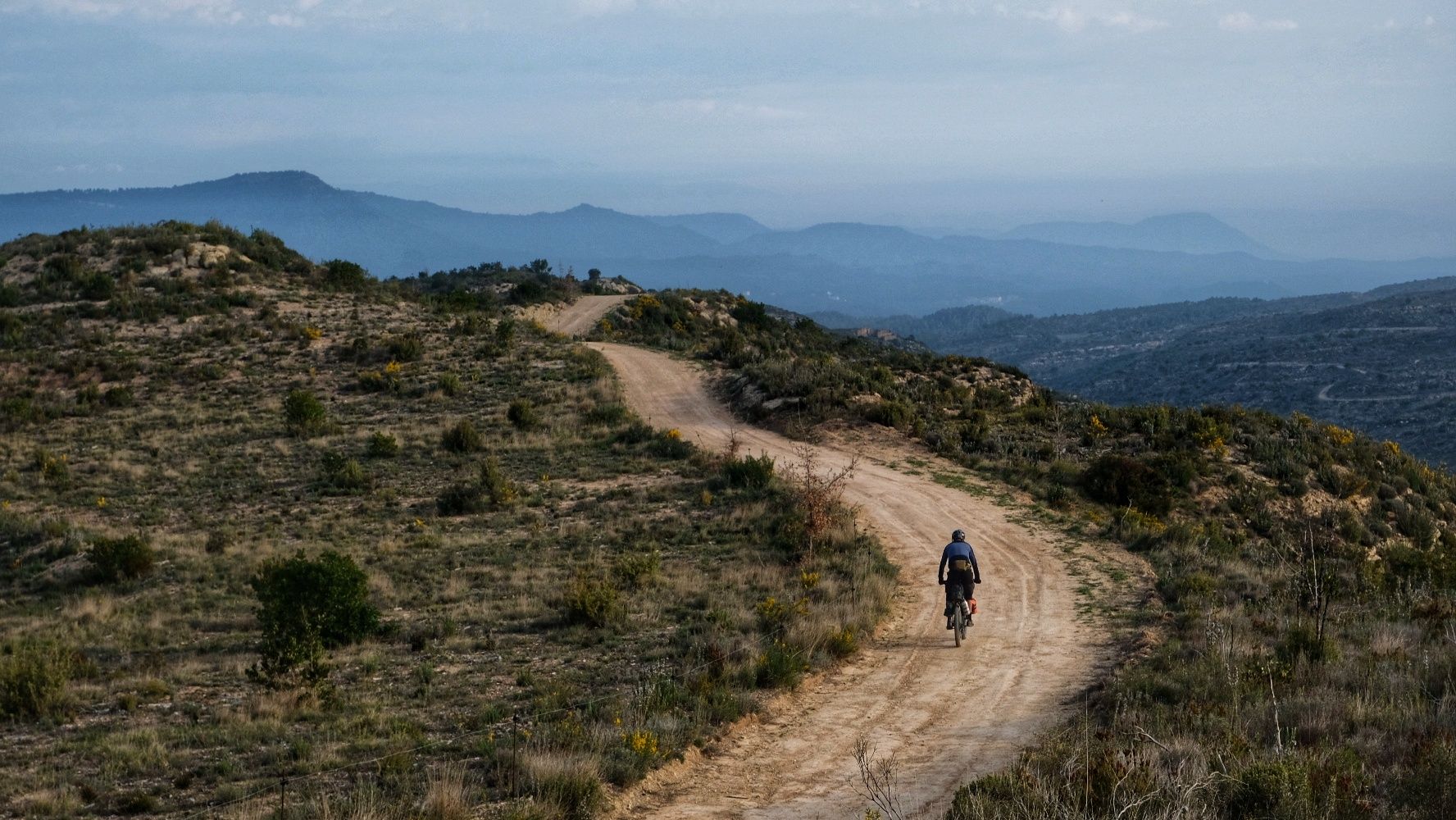
European Divide Trail — 7,600 km across the continent
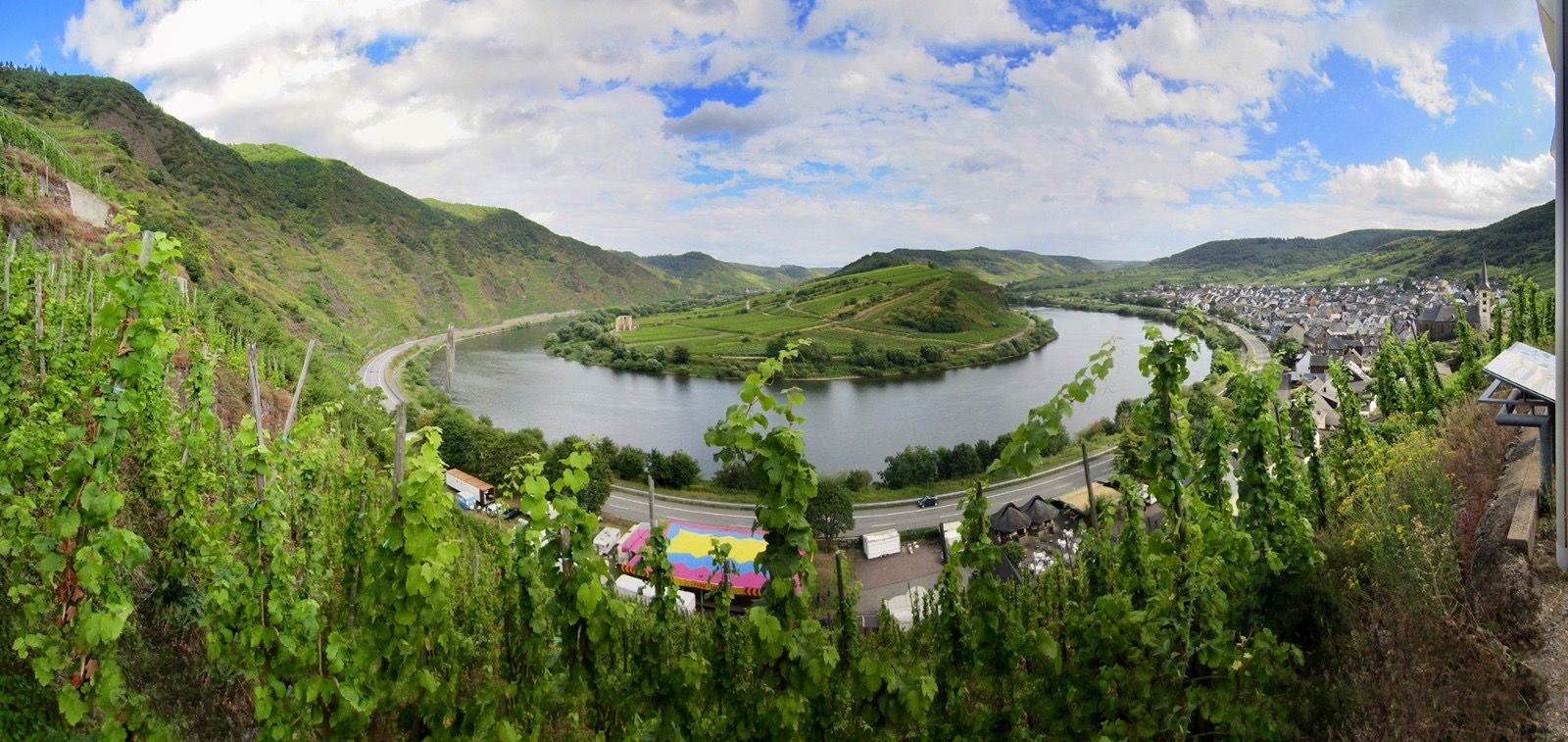
The Moselle cycle path — from the Vosges to the Rhine in 18 stages
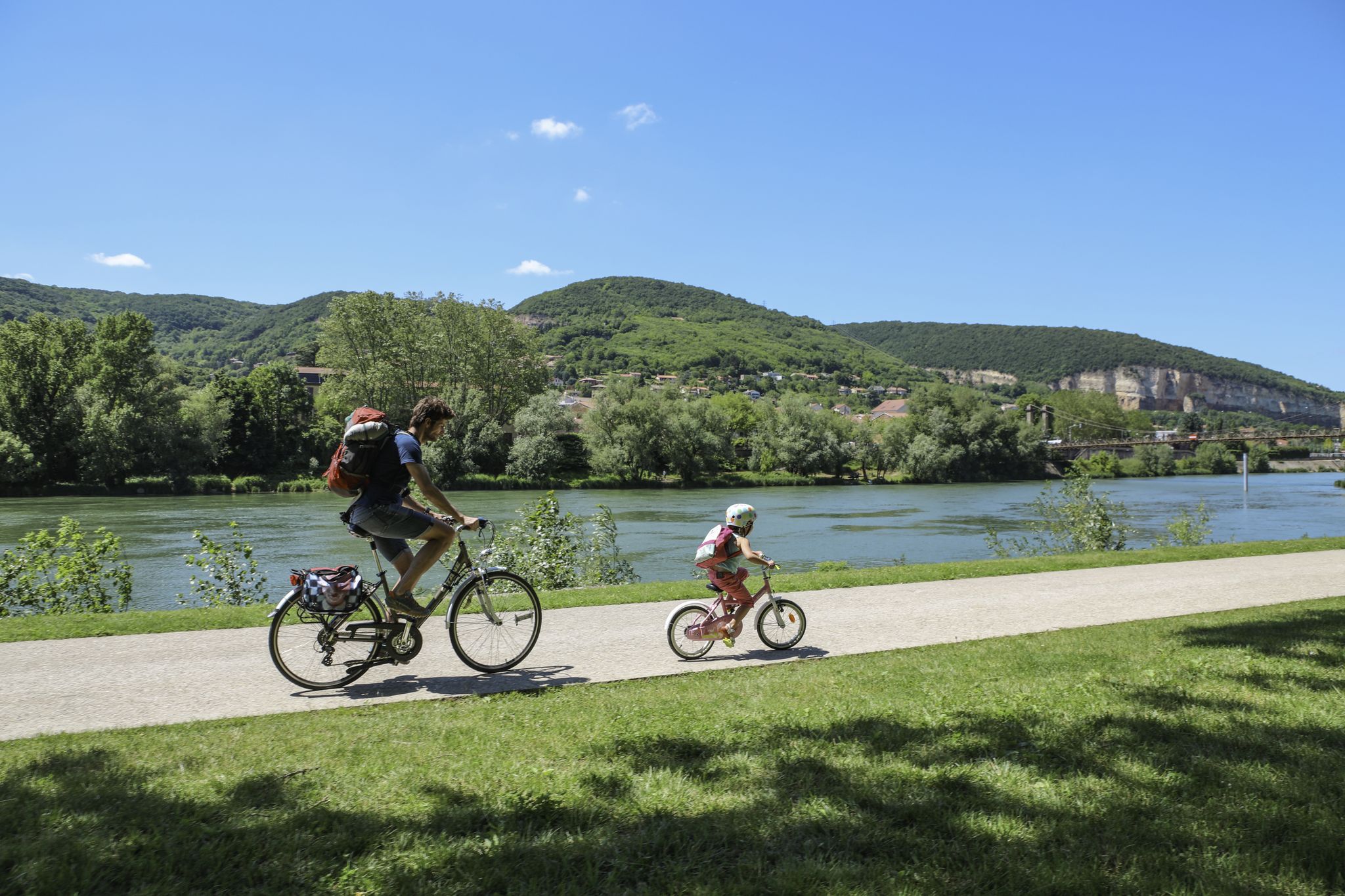
The Voie Bleue – Moselle-Saône by bike
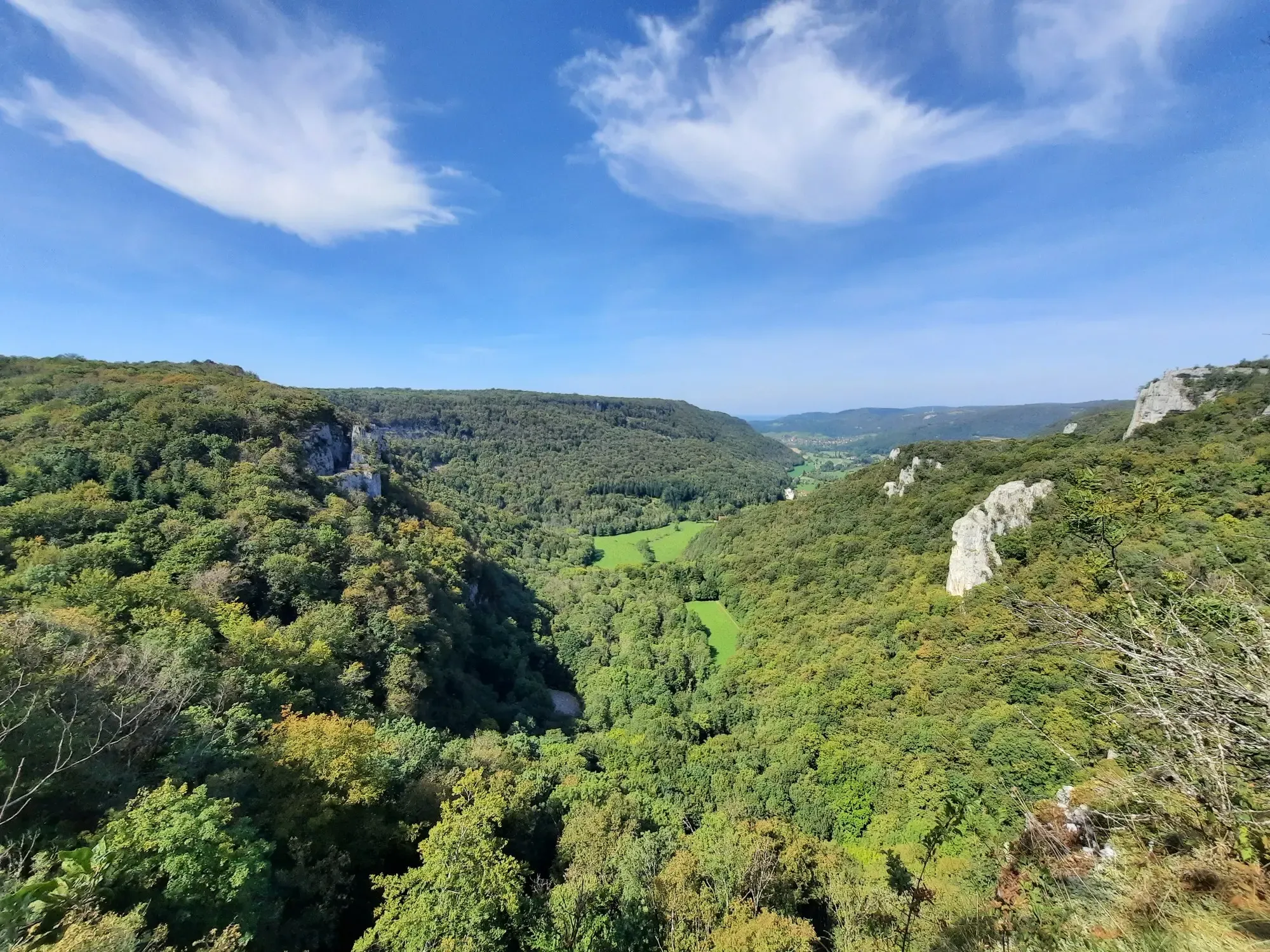
The Ardennes Trail (GR 14) – From Paris to the Belgian border
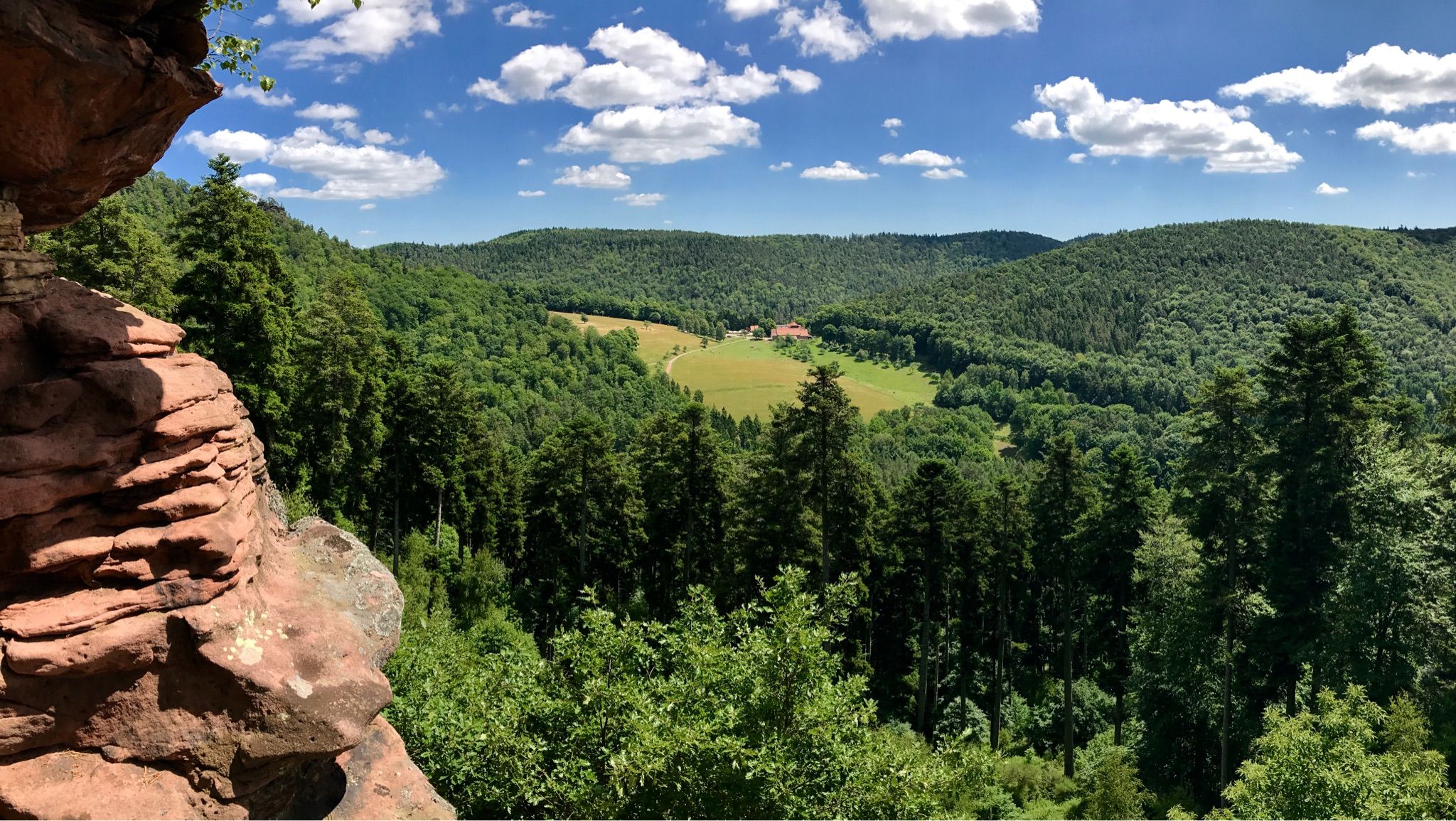
Hike the GR 53 – Explore castles along the Franco-German border
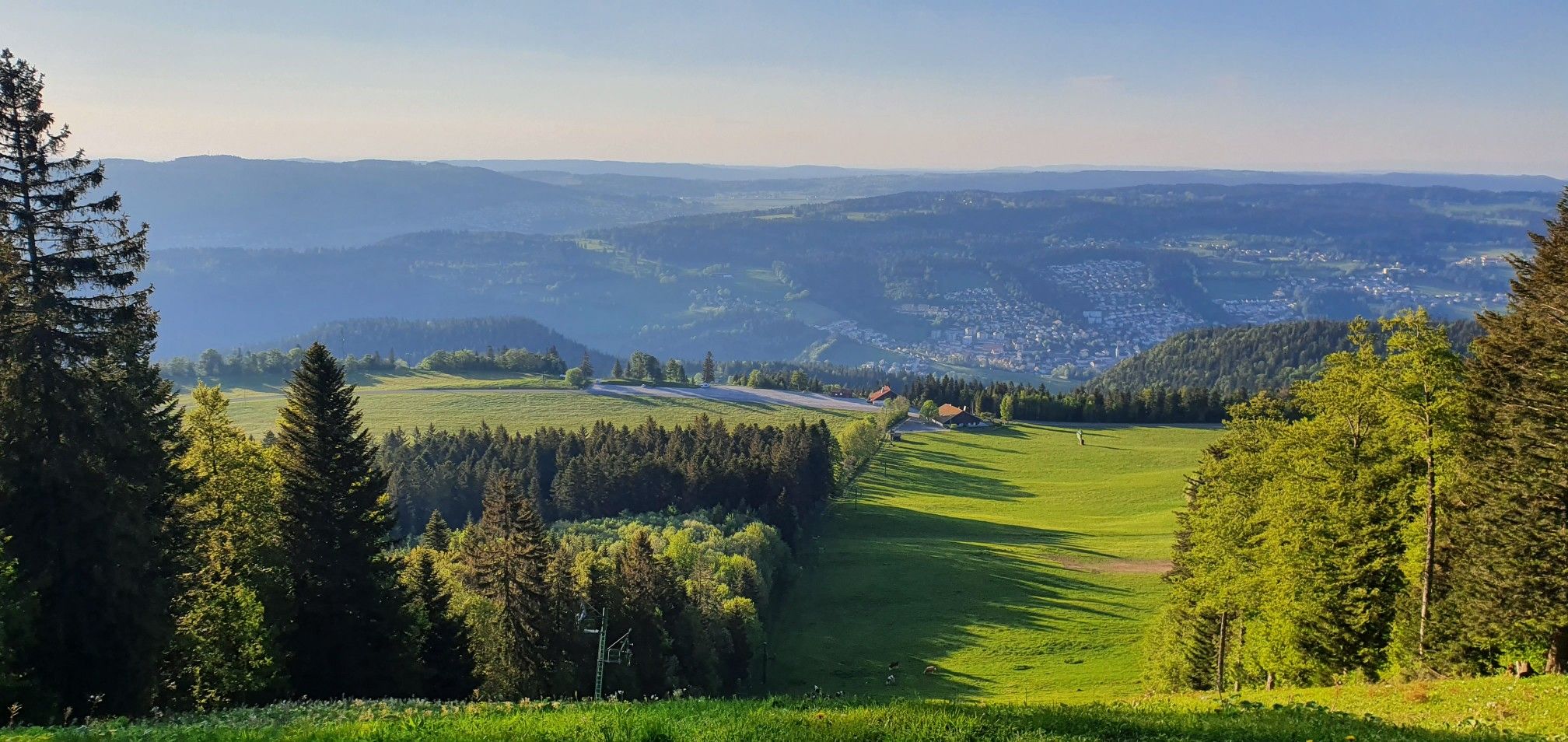
GR 5 – The Europe Trail from the Mediterranean to Germany
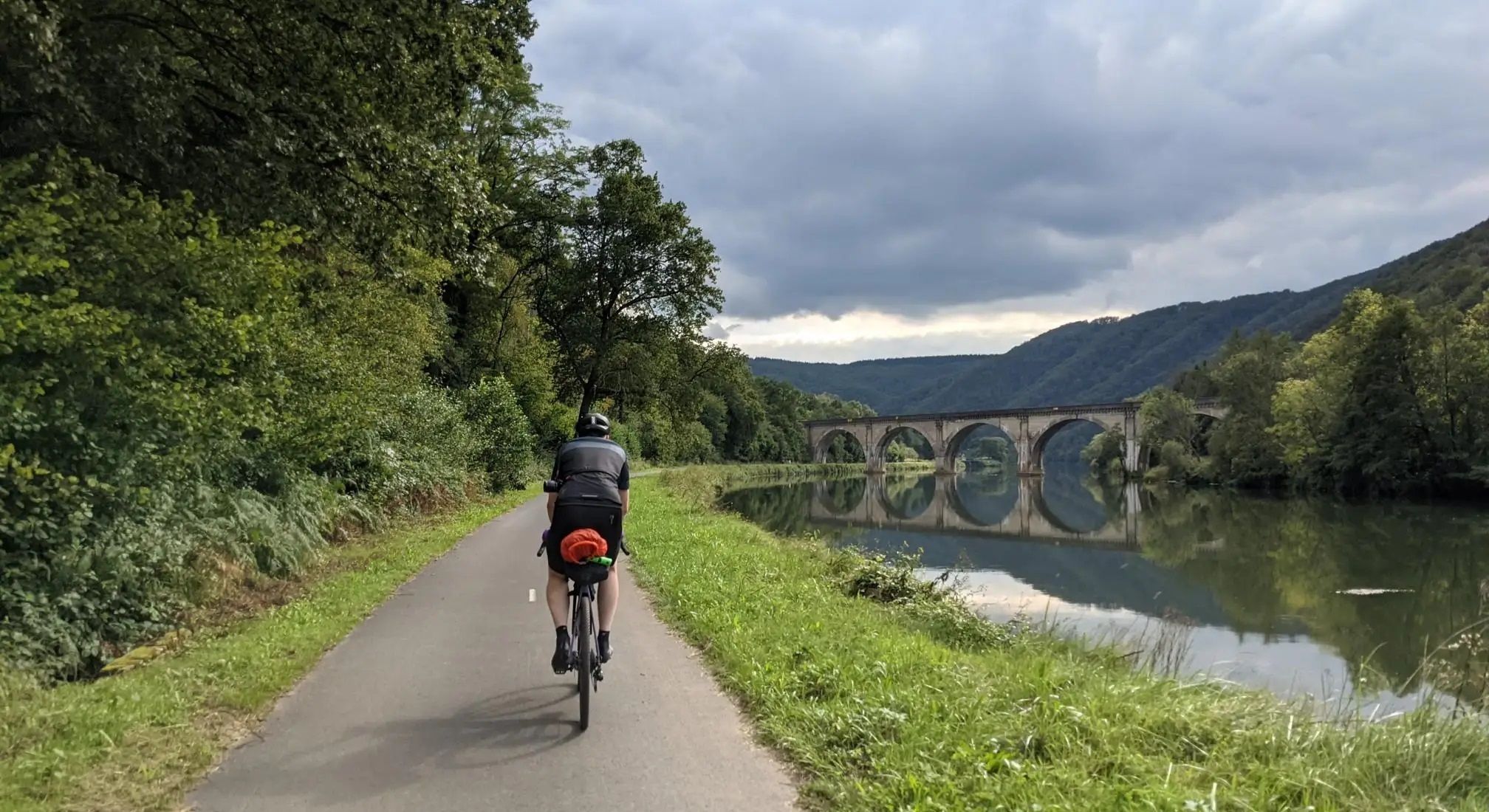
Aachen to Reims – Ardennes, Meuse and Champagne
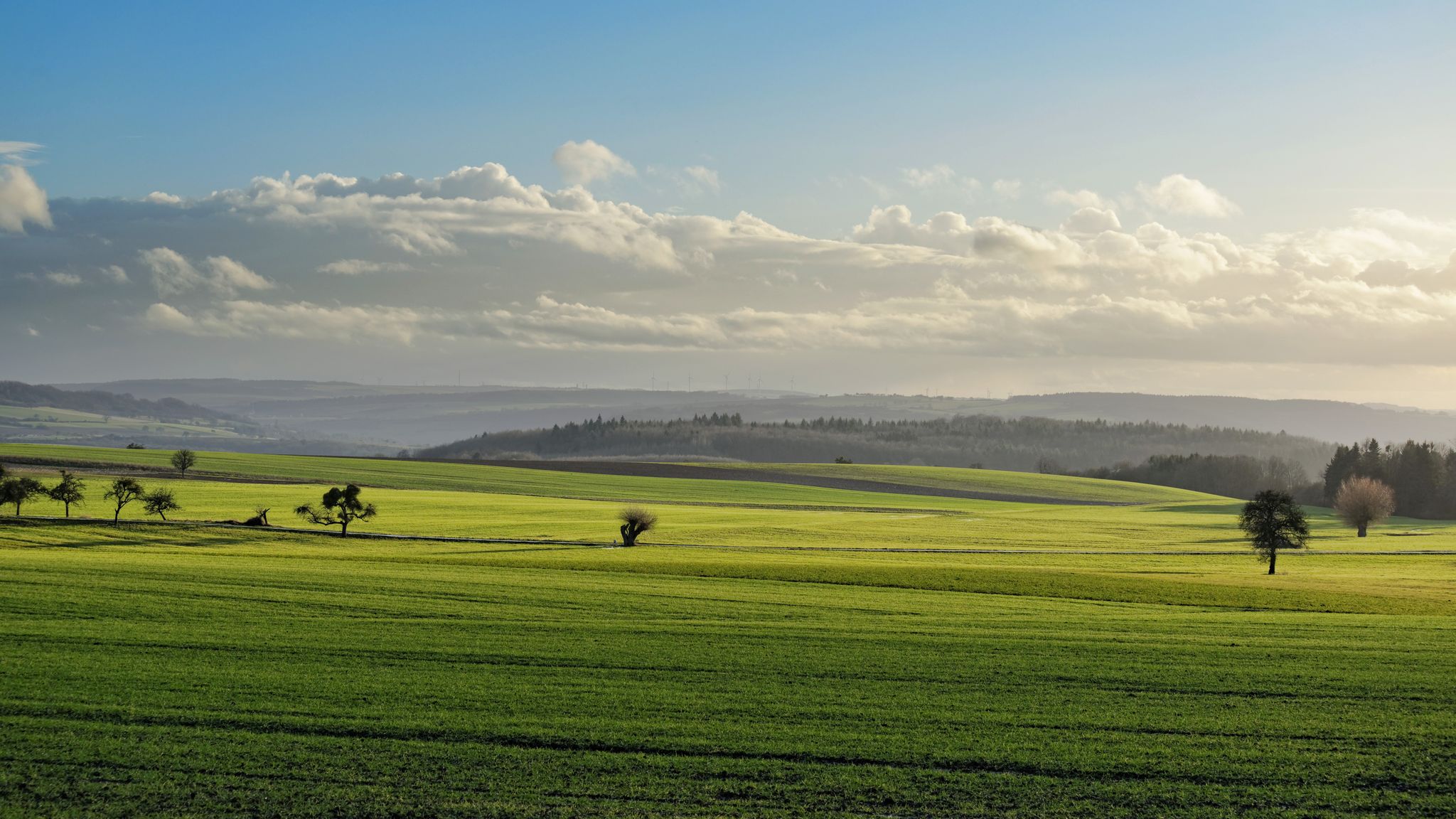
GR5 — The Europe Trail from Abreschviller to Apach
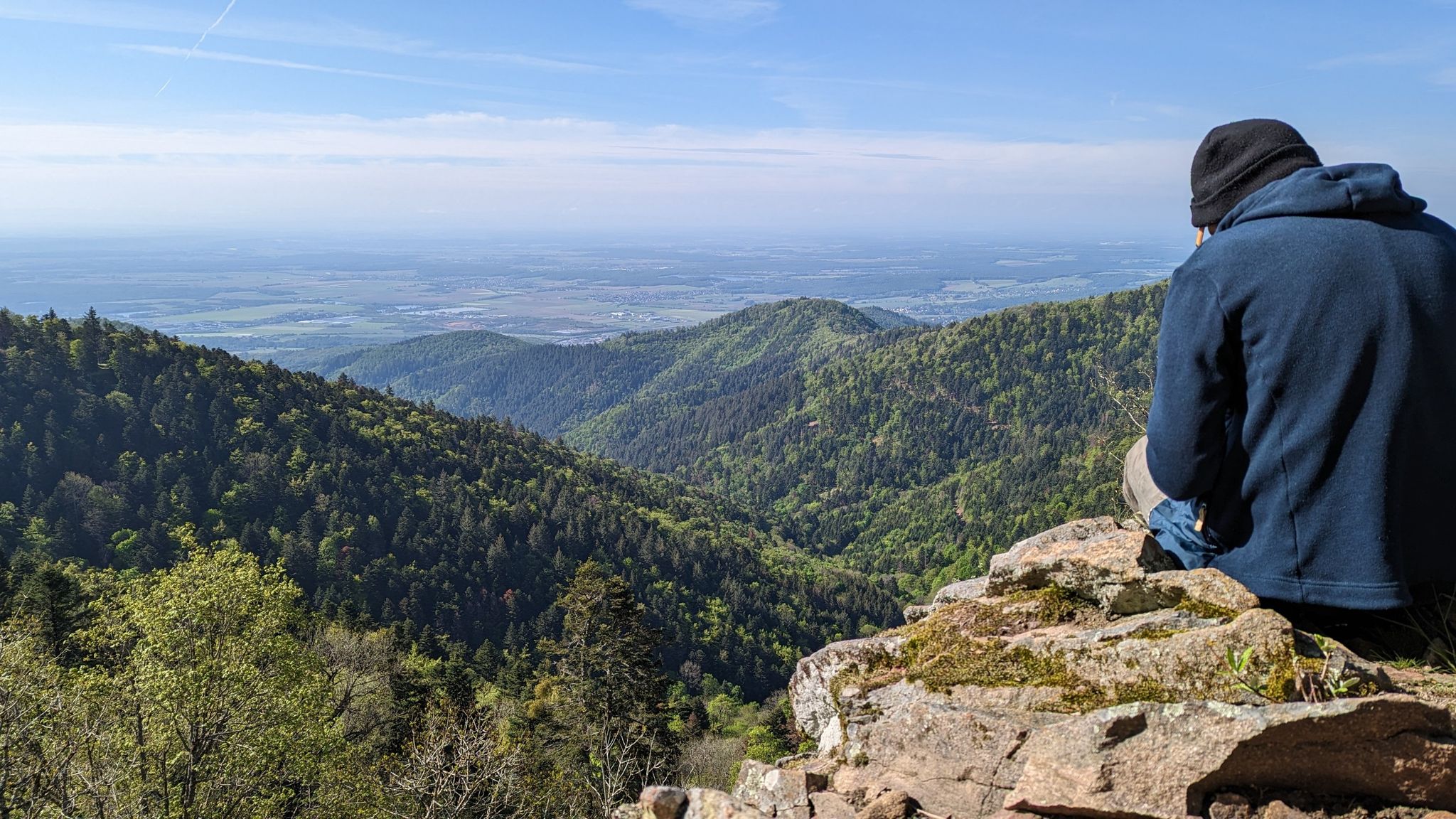
Sentier de l'Europe (GR 5) – Montbéliard to Abreschviller
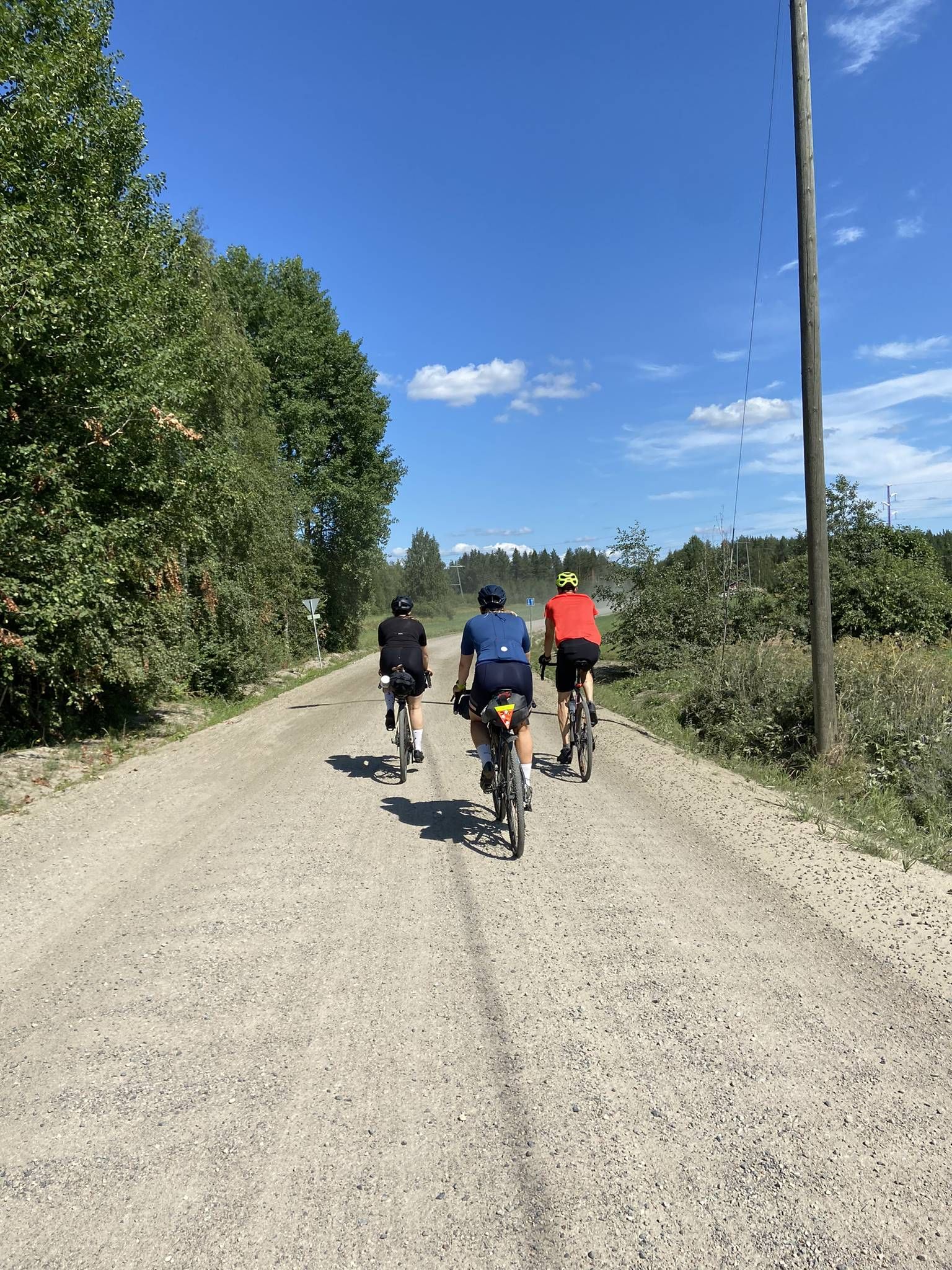
Naples to North Cape — Two friends, one purpose and many scoops of ice-cream
Other adventures in Great East


Tips from the Community


Here you can cycle around the mountain lake on a great single trail.
5
1

Quite well preserved castle with a beautiful view of Fleckenstein Castle and, in the other direction, of Wegelnburg.
9
4
This magnificent castle complex is omnipresent… can be visited for a 5,-
19
2

Nice view at the entrance to Fleckenstein Castle
14
1

Forget the hardships for a moment and enjoy the view.
5
0

A stunningly beautiful lake surrounded by hills. Running around this lake, you'll discover nature in all its serenity.
6
1

From here you have a great view of the castle, a ticket to get into the castle costs 5€
20
0
Frequently Asked Questions
What are some of the most popular natural monuments in Great East?
Visitors frequently enjoy the stunning views from Hohenbourg Castle, which offers panoramic vistas of Fleckenstein Castle and the surrounding landscape. Another favorite is Lake Lispach, a tranquil moorland lake perfect for relaxation. The beautiful Mérelle Waterfall, nestled in a picturesque forest near Gérardmer, is also highly appreciated for its idyllic atmosphere.
Are there family-friendly natural monuments in Great East?
Yes, several natural monuments in Great East are well-suited for families. The Istein Rapids offer a scenic river experience, while Lac Blanc is a beautiful mountain lake with easy access. Fleckenstein Castle and its visitor center (Besucherzentrum Burg Fleckenstein) combine natural beauty with historical exploration, often featuring activities for children. Lake Lispach and Black Lake are also great options for families looking to enjoy nature.
What kind of natural features can I expect to see in Great East?
Great East boasts a diverse range of natural features. You can explore glacial lakes like Lac de Gérardmer, Lac de Longemer, and Lac de Retournemer in the Vosges Massif, or the artificial lakes of Orient Forest Regional Natural Park. The region is also home to impressive waterfalls such as the Mérelle Waterfall and the Tendon waterfalls. Geological formations include the rounded peaks of the Vosges Massif like Grand Ballon and Hohneck, and the striking sandstone cliff of Rocher de Dabo, offering superb panoramic views.
What outdoor activities can I do near these natural monuments?
The natural monuments in Great East are excellent starting points for various outdoor activities. You can find numerous hiking trails, from moderate to difficult, including routes like 'The three lakes' or 'Le sentier des Roches' in the Vosges. For cycling enthusiasts, there are routes around Lac du Der or the Moselle Trail. Many lakes offer water sports like swimming, pedal boating, canoeing, and fishing. You can explore more options for hiking, mountain hikes, and cycling in Great East.
Are there any historical or cultural sites integrated with the natural monuments?
Yes, the region beautifully blends natural beauty with rich history. Hohenbourg Castle and Fleckenstein Castle are prime examples, built into high sandstone spurs and offering historical insights alongside panoramic views. Rocher de Dabo, a significant geological formation, was historically a Celtic place of worship and now features a Romanesque chapel on its summit. The Northern Vosges Regional Natural Park also contains numerous fortified castles and picturesque villages, showcasing a fascinating blend of nature and cultural heritage.
What is the best time of year to visit the natural monuments in Great East?
The best time to visit largely depends on your preferred activities. Spring and autumn offer pleasant temperatures for hiking and cycling, with vibrant foliage in autumn and blooming flora in spring. Summer is ideal for water sports on the lakes and enjoying the high-altitude pastures. Winter transforms the Vosges Massif into a snowy landscape, providing opportunities for skiing and winter walks, particularly around Lac de Gérardmer.
Are there options for food and accommodation near the natural monuments?
Yes, you can find various options for food and accommodation. For instance, Ferme Auberge du Frankenthal is a farmed alpine hut located near the Hohneck, offering great views and local fare. Many towns and villages within or near the regional natural parks, such as those around Lac de Gérardmer or in the Northern Vosges, provide hotels, guesthouses, and restaurants. Black Lake even has a restaurant and cafe directly on site.
Can I bring my dog to the natural monuments and trails?
Generally, dogs are welcome on many trails and in natural areas within Great East, especially in the regional natural parks. However, it's always advisable to keep them on a leash, particularly in areas with wildlife or livestock, and to check specific regulations for protected zones or nature reserves. For example, some sensitive areas around glacial lakes might have specific rules to protect the environment.
What makes the Vosges Massif a significant natural monument?
The Vosges Massif, particularly within the Ballons des Vosges Regional Natural Park, is significant for its diverse landscapes, including rounded mountain peaks ('ballons'), high-altitude pastures, dense forests, and glacial lakes. It's home to rich biodiversity, featuring species like lynx and peregrine falcons. Iconic sites like Grand Ballon, the highest peak, and the 'Pearl of the Vosges,' Lac de Gérardmer, offer exceptional natural beauty and panoramic views, making it a prime destination for outdoor enthusiasts.
What unique features does the Orient Forest Regional Natural Park offer?
The Orient Forest Regional Natural Park is notable for its extensive forests, ponds, and three large artificial lakes: Lac d'Orient, Lac du Temple, and Lac Amance. These lakes form France's third-largest aquatic nature reserve and are a sanctuary for numerous rare bird species, making it a paradise for ornithologists. It offers extensive opportunities for hiking, cycling, birdwatching, swimming, and various water sports, with Lac Amance specifically dedicated to motorized water activities.
Are there any easy hiking trails suitable for beginners or short walks?
Yes, many natural monuments offer easier paths. For instance, a 6 km path circles Lac de Gérardmer, suitable for walking and cycling. Around Lake Lispach, there's a tranquil moorland walk with educational boards. The path around Lac de Retournemer is relatively easy and perfect for serene strolls. The Mérelle Waterfall is also described as beautiful and easy to reach for less experienced hikers.
What are the geological highlights of the Great East region?
The Great East region showcases fascinating geological formations. The Vosges Massif features ancient granite and sandstone formations, sculpted by glaciers into rounded peaks and deep valleys. The striking Rocher de Dabo is a solitary sandstone cliff, formed 200 million years ago, offering a unique geological landmark. The glacial lakes like Lac de Gérardmer, Lac de Longemer, and Lac de Retournemer are also significant geological remnants of past ice ages.
Most popular routes in Great East
Most popular attractions in Great East

Get inspired with the komoot mobile app


Didn’t find what you were looking for?
Find even more amazing natural monuments in Great East by checking out the top Highlights region by region:
Explore more
Extend your search for the best caves by checking out these guides of the top ones in Great East:
