Attractions and Places To See in Kakheti - Top 20
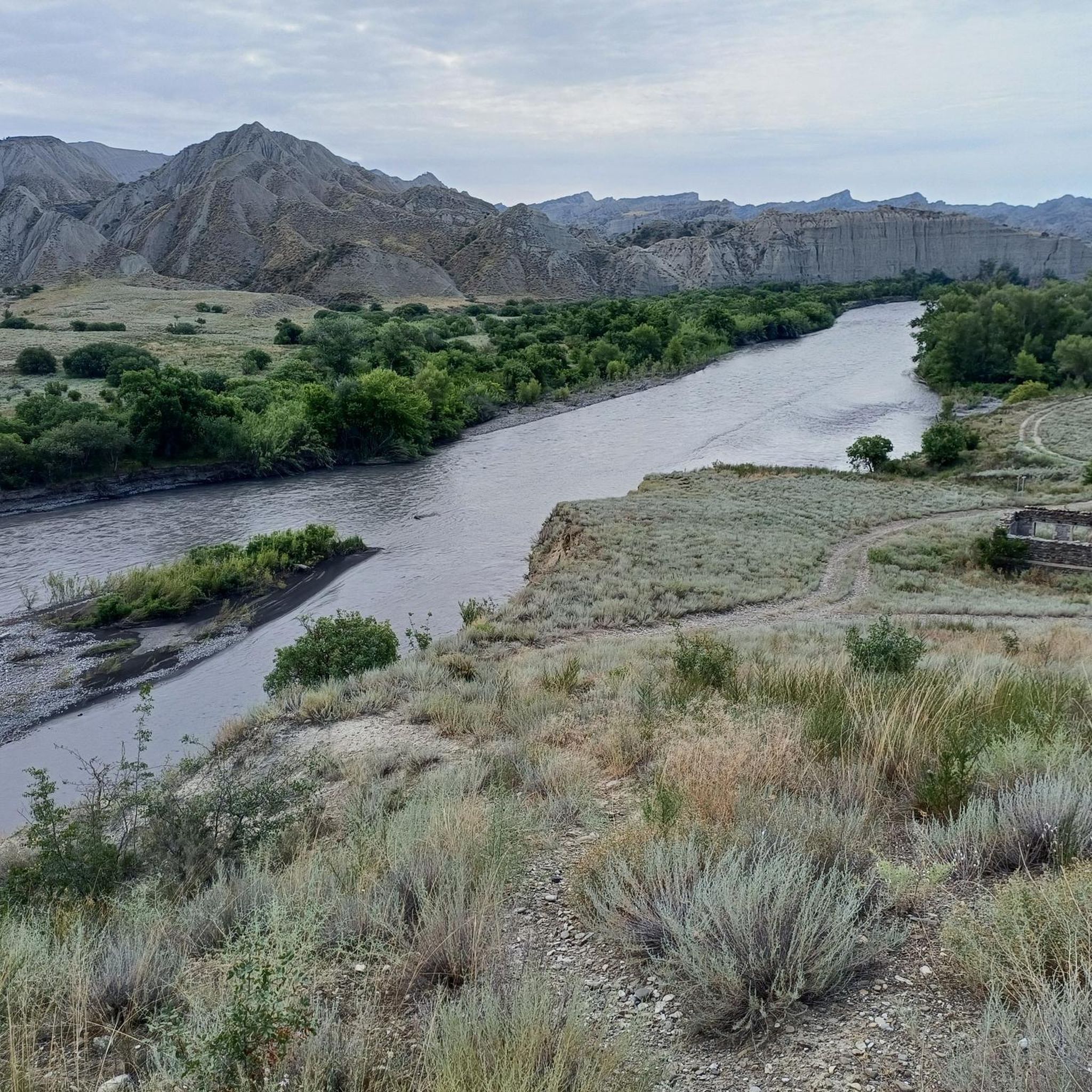
Best attractions and places to see in Kakheti, a region in Georgia, are characterized by diverse landscapes ranging from semi-desert to mountain ranges. This area is known for its ancient winemaking traditions and significant historical and religious sites. Visitors can explore well-preserved medieval monasteries, fortresses, and picturesque towns. Kakheti offers a blend of cultural heritage and natural beauty, making it a destination for exploration.
Best attractions and places to see in Kakheti
- The most popular attractions is David Gareja Lavra Monastery, a religious building that is an impressive rock-hewn monastery complex founded in the 6th century. It is known for its unique cave monasteries and historical significance in the border region of Georgia.
- Another must-see spot is Black Grouse Waterfall Trail Starting Point, a trail that marks the beginning of a path leading to a waterfall. This trail offers a route through varied terrain, with some sections requiring attention.
- Visitors also love Sighnaghi City Walls, a man-made monument featuring well-preserved 18th-century fortifications. These walls, combined with the town's hilltop location, offer panoramic views of the Alazani Valley.
- Kakheti is known for its religious buildings, historical sites, and natural trails. The region offers a variety of attractions to see and explore, from ancient monasteries to scenic viewpoints.
- The attractions in Kakheti are appreciated by the komoot community, with more than 30 upvotes and over 111 photos shared by visitors.
Last updated: August 16, 2026
David Gareja Lavra Monastery
Highlight • Religious Site
The journey from Tbilisi is relatively relaxed by bus and tour guides.
Translated by Google •
Tip by

Sighnaghi City Walls
Highlight • Monument
Translated by Google •
Tip by

Sign up now to discover places like this
Get recommendations on the best single tracks, peaks, & plenty of other exciting outdoor places.
Sign up for free
Bodbe Monastery
Highlight • Religious Site
Source: de.m.wikipedia.org/wiki/Kloster_Bodbe
Translated by Google •
Tip by

Solomon Dodashvili Monument
Highlight • Monument
He was born in Magharo, just about five kilometers southwest of this place.
During his studies in Saint Petersburg, he was inspired by the Decembrists, who in 1825 staged a failed coup against Tsarist Russia. Seven years later, as a convinced republican, he himself participated in an uprising against Russian hegemony, at that time part of the Russian Empire.
He was arrested by the police and deported to Russia. He was held captive in Vyatka and died there of tuberculosis. He was reburied in 1994 in the Mtatsminda Pantheon in Tbilisi.
source: Wikipedia
Showing Translation
Tip by

Bust of Niko Pirosmani
Highlight • Monument
To get a broad overview of his work, you need to visit the National Art Museum in Tbilisi. The reason a bust of the man stands here is because he was born in Marzaani, a village barely 15 kilometers south of Sighnaghi.
Showing Translation
Tip by
Dartlo Village
Highlight • Settlement
Tip by

World War II Memorial
Highlight • Monument
source: wanderlog.com
Showing Translation
Tip by
Traditional wooden balconies in Sighnaghi
Highlight • Monument
Showing Translation
Tip by
Parma Suspension Bridge
Highlight • Bridge
Tip by

Black Grouse Waterfall Trail Starting Point
Highlight • Trail
In general, the path is very well signed and easy to follow.
Tip by

Sign up for free to discover even more attractions in Kakheti.
Sign up for free
Already have an account?
Start today with a free account
Your next adventure awaits.
Login or Signup


Tips from the Community

Opening hours have been shortened: 10 am to 6 pm, with an explicit request to visitors to respect the opening hours. Restoration work is currently underway in the main church. You can indeed enter, but you will only get a limited view of the lush frescoes.
1
0
Like Tbilisi, Signaghi also has many houses with wooden balconies. Compared to the capital, most of the balconies here are well preserved and/or restored AND beautifully painted. Especially the street leading south from the center (i.e. towards the Bodbe monastery) is richly provided with beautiful balconies.
1
0
In 1762, King Erekle II had the city wall built. The toponym 'Sighnaghi' is said to be derived from the Turkish sığınak, meaning a fortified place or shelter, and it was the center of the historical region of Kiziki. Due to the fortifications, necessary against raids by Dagestani peoples, Signagi became, according to the Baltic-German explorer Johann Anton Güldenstädt, the best-defended city in Georgia after Tbilisi and Gori. The fortification consists of a circular wall of cobblestones with bricks, has 23 towers and 6 gates, and covers an area of 40 hectares. Most towers have two stories and are equipped with battlements, and the walls are one and a half meters thick at the bottom and 70-80 centimeters at the top. According to Güldenstädt, in 1772 the city was defended by 84 Armenian princes who lived mainly outside the fortress. source: Wikipedia
2
0
Solomon Dodasjvili (Georgian: სოლომონ დოდაშვილი) (1805 - 1836) was a Georgian philosopher, journalist, historian, grammarian, writer, and enlightener. He was born in Magharo, just about five kilometers southwest of this place. During his studies in Saint Petersburg, he was inspired by the Decembrists, who in 1825 staged a failed coup against Tsarist Russia. Seven years later, as a convinced republican, he himself participated in an uprising against Russian hegemony, at that time part of the Russian Empire. He was arrested by the police and deported to Russia. He was held captive in Vyatka and died there of tuberculosis. He was reburied in 1994 in the Mtatsminda Pantheon in Tbilisi. source: Wikipedia
2
0
The World War II memorial in the center of Sighnaghi is a Soviet-era monument honoring the Georgian soldiers who sacrificed their lives during the Great Patriotic War. The monumentally rendered bas-relief bears the names of the fallen, serving as a poignant reminder of the great loss Georgia suffered during its alliance with Russia against Germany in World War II. source: wanderlog.com
2
0
Nikos Pirosmani (1862-1918) is undoubtedly the best-known Georgian painter. A number of his works, including "Fisher boy" and "Giraffe", have since acquired iconic status. Reproductions are ubiquitous: you'll find them on T-shirts, tote bags, mugs, wine bottles, ... To get a broad overview of his work, you need to visit the National Art Museum in Tbilisi. The reason a bust of the man stands here is because he was born in Marzaani, a village barely 15 kilometers south of Sighnaghi.
2
0

Georgian primitivist painter, orphaned at a young age, was characterized by the naïve, childlike simplicity of his subject matter and technique. He taught himself to paint as a child, creating his own oil for painting, and his specialty was painting directly onto black oil cloth.
1
0
A monument to the famous Georgian philosopher.
1
0
Frequently Asked Questions
What historical and cultural sites can I explore in Kakheti?
Kakheti is rich in history. You can visit the ancient rock-hewn monastery complex of David Gareja Lavra Monastery, known for its unique cave monasteries. The well-preserved 18th-century Sighnaghi City Walls offer panoramic views. Other significant sites include the medieval Alaverdi Monastery, the historical Gremi Fortress, and the sacred Bodbe Monastery, burial place of Saint Nino.
Are there any family-friendly attractions in Kakheti?
Yes, Kakheti offers several family-friendly options. The Bodbe Monastery is a peaceful site suitable for all ages. The Alexander Chavchavadze Palace and Park in Tsinandali features beautiful gardens that families can enjoy. Exploring the charming town of Sighnaghi with its city walls and cobblestone streets is also a pleasant activity for families.
Where can I experience Kakheti's famous winemaking tradition?
Kakheti is the heart of Georgian wine country. You can explore numerous wineries throughout the Alazani Valley, learning about the ancient Qvevri winemaking method and enjoying tastings. Notable wineries include Kindzmarauli Winery, Winery Khareba, Shumi Winery, and Pheasant's Tears Winery. The Tsinandali Estate also features a 19th-century wine cellar.
What natural attractions does Kakheti offer?
Kakheti boasts diverse natural beauty. The scenic Alazani Valley is famous for its vineyards and views of the Caucasus Mountains. Vashlovani National Park, known as the 'Georgian Savannah,' offers unique desert-like landscapes and wildlife. You can also find picturesque waterfalls like Kinchka Waterfalls and serene spots like Karaubani Lake.
Are there hiking opportunities near Kakheti's attractions?
Absolutely. Kakheti offers various hiking trails. For an easy walk, consider the April 9th Park – Bodbe Monastery loop from Sighnaghi or the Sighnaghi City Walls loop. For more moderate options, the Black Grouse Waterfall Trail Starting Point leads to a beautiful waterfall, and you can find other hiking routes in Lagodekhi Protected Areas.
What are some unique experiences or hidden gems in Kakheti?
Beyond the main sites, consider visiting the Ikalto Academy, an ancient monastic complex and educational center with Qvevri for winemaking. The Shuamta Monasteries offer a glimpse into ancient religious history. For a unique cultural experience, explore the Telavi Farmer's Market or stop at local bakeries in villages like Badiauri for traditional Georgian bread.
What is the best time of year to visit Kakheti for sightseeing?
The best time to visit Kakheti for sightseeing is generally during the spring (April-May) and autumn (September-October). During these seasons, the weather is pleasant for exploring historical sites and vineyards, and the autumn harvest season offers a vibrant atmosphere for wine enthusiasts. Summers can be hot, and winters can be cold, especially in mountainous areas.
How can I get around to Kakheti's attractions using public transport?
While public transport options like marshrutkas (minibuses) connect major towns like Telavi and Sighnaghi, reaching more remote attractions like David Gareja Monastery or specific wineries often requires private transport, taxis, or organized tours. Planning your route in advance is recommended.
Are there places to eat or drink near the main attractions?
Yes, you'll find various dining options. Towns like Sighnaghi and Telavi have numerous cafes and restaurants offering local Kakhetian cuisine, including mtsvadi (BBQ). Many wineries also have restaurants or tasting rooms where you can pair local dishes with their wines. The Telavi Farmer's Market is excellent for local produce and snacks.
What are some notable viewpoints in Kakheti?
Sighnaghi, perched on a hilltop, offers breathtaking panoramic views of the Alazani Valley and the Caucasus Mountains from its city walls. The Gombori Pass also provides impressive scenic routes and vistas. Many monasteries, such as Bodbe, are strategically located to offer serene views over the valley.
Can I find dog-friendly activities or places in Kakheti?
While specific dog-friendly policies vary by establishment, many outdoor areas in Kakheti, such as parks, natural trails, and open spaces, are generally suitable for dogs on a leash. Always check with individual attractions or accommodations regarding their pet policies before visiting.
How much time should I allocate to visit the main attractions in Kakheti?
To experience the main highlights of Kakheti, including historical sites, wineries, and natural beauty, it's recommended to allocate at least 2-3 full days. This allows for comfortable travel between locations and sufficient time to explore each attraction without rushing.
What kind of terrain can I expect when exploring Kakheti?
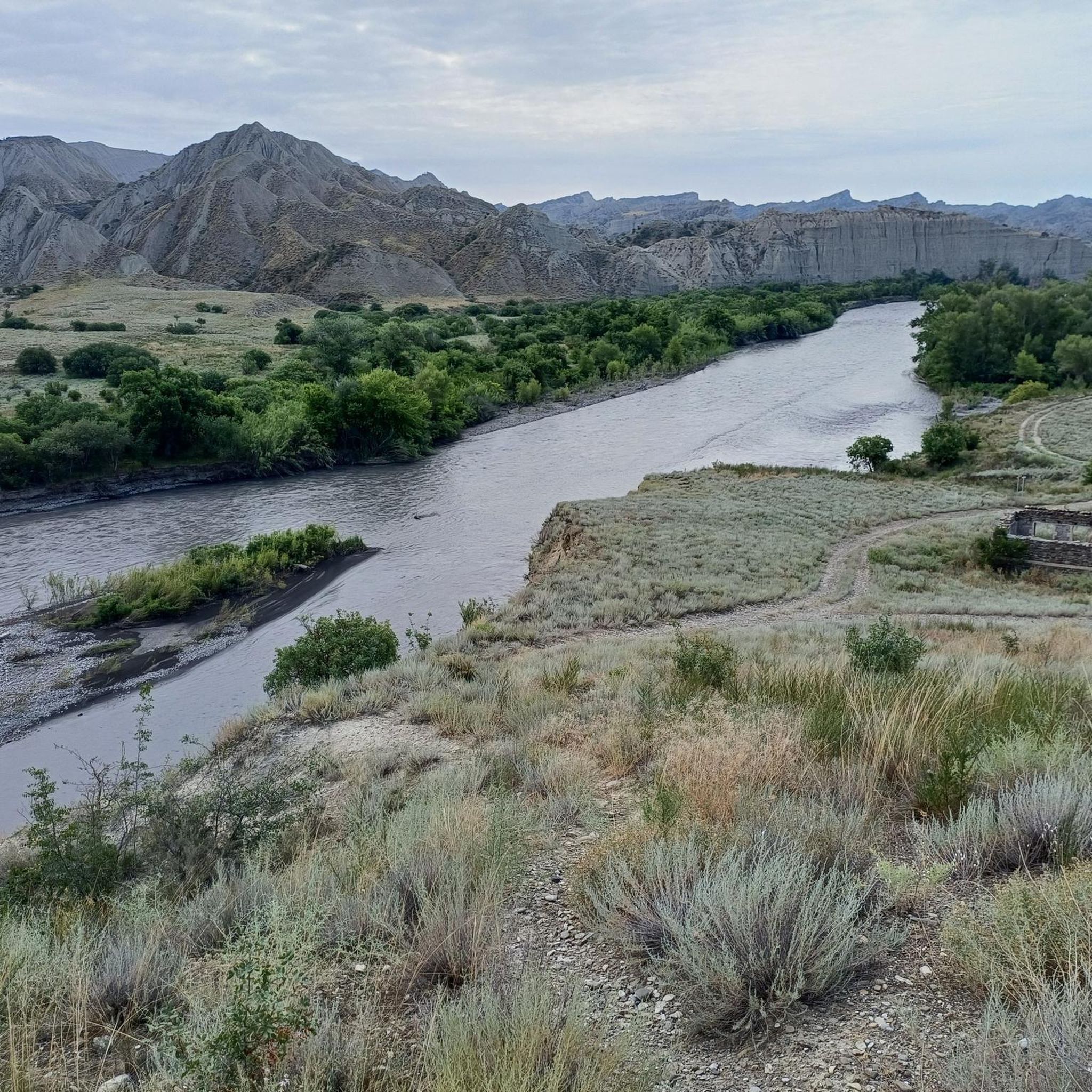
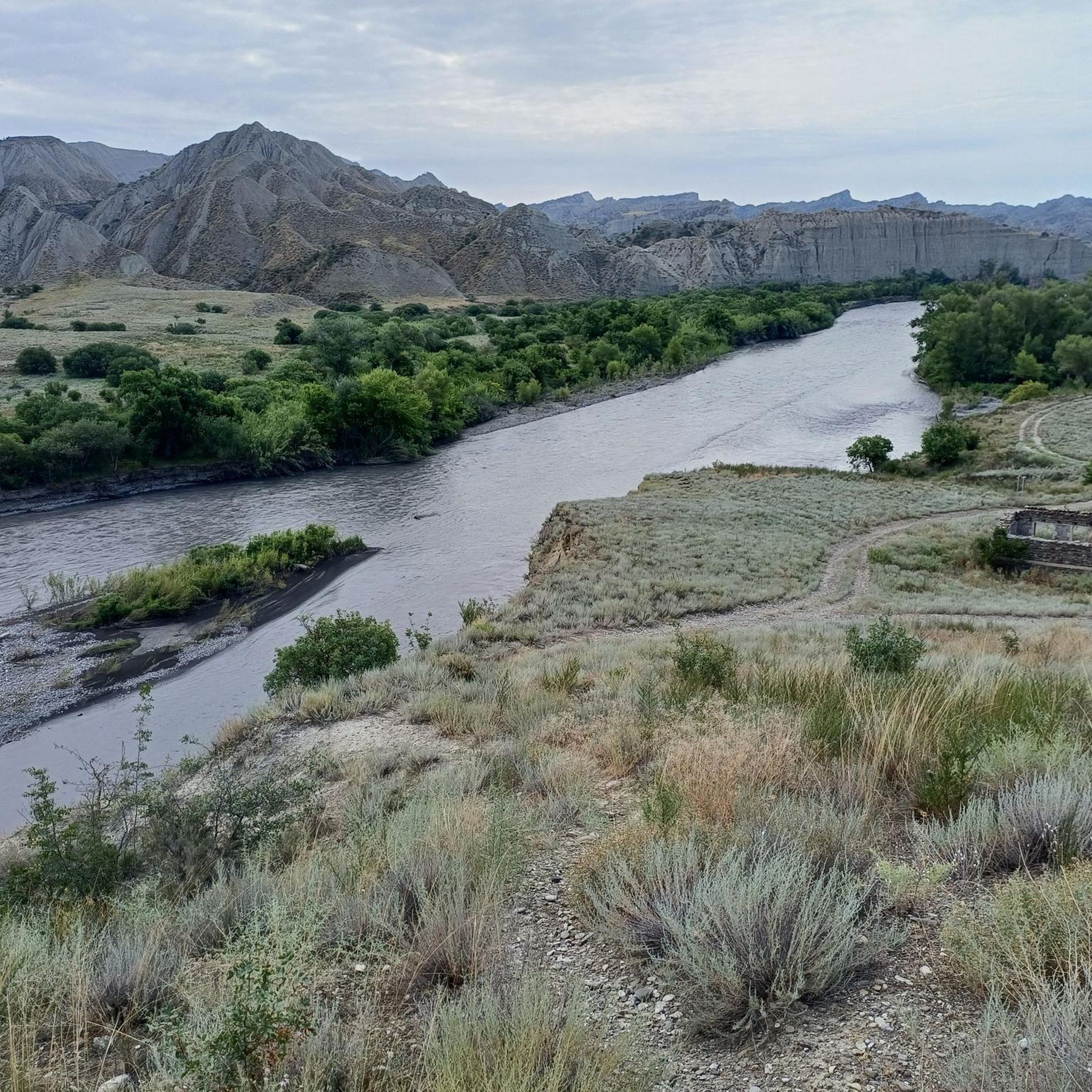
Kakheti's terrain is diverse, ranging from the fertile plains of the Alazani Valley to the semi-desert landscapes of Vashlovani National Park and the mountainous regions of the Gombori range. Expect rolling hills, vineyards, and some rugged paths, especially on hiking trails. Some areas, like the Black Grouse Waterfall Trail, may involve walking alongside rivers on fragile paths.
Are there any specific religious sites of significance in Kakheti?
Kakheti is home to several profoundly significant religious sites. The David Gareja Lavra Monastery is a unique rock-hewn complex. Bodbe Monastery is the burial place of Saint Nino, who brought Christianity to Georgia. Alaverdi Monastery is one of Georgia's largest and most important medieval cathedrals. Additionally, the St. George Church in Tusheti Protected Landscape is a notable site where both Christian and pagan customs are still observed.
Where can I find parking near Kakheti's popular sites, especially wineries?
Many popular attractions and wineries in Kakheti, such as the Alexander Chavchavadze Palace and Park, offer dedicated parking facilities. In towns like Sighnaghi and Telavi, you'll find public parking areas. For smaller, more remote sites, roadside parking might be available, but it's always advisable to check in advance or inquire locally.
Most popular routes in Kakheti
Most popular attractions in Kakheti

Get inspired with the komoot mobile app


Explore more
Still not found the Highlight you’re looking for? See guides of the top attractions in other regions:
