Attractions and Places To See in Luxembourg Canton - Top 20
Best attractions and places to see in Luxembourg Canton include a diverse array of historical landmarks, cultural sites, and natural features. The region is characterized by its impressive fortress architecture, picturesque river valleys, and historic city quarters, including a UNESCO World Heritage site. Visitors can explore a mix of urban attractions and natural landscapes, from dramatic rock formations to serene nature reserves. This canton offers varied points of interest for those seeking to discover its rich heritage and scenic beauty.
…Last updated: August 16, 2026
Grund district, Luxembourg City
Highlight • Settlement
Translated by Google •
Tip by

Grand Ducal Palace
Highlight • Historical Site
At the site of the present-day palace, there …
Showing Translation
Tip by
Sign up now to discover places like this
Get recommendations on the best single tracks, peaks, & plenty of other exciting outdoor places.
Sign up for free
View of the Grund, Luxembourg City
Highlight • Viewpoint
Translated by Google •
Tip by

Pfaffenthal Panoramic Lift
Highlight • Structure
Elevation Drop: 71 meters
Ride Time: Approx. 30 seconds
Capacity: Up to 5 cyclists and 10 pedestrians per ride
Payload: Maximum 5,000 kg
Cost: Use is free.
Translated by Google •
Tip by

Bock Casemates
Highlight • Historical Site
Translated by Google •
Tip by
View of Grund and Luxembourg City's Old Town
Highlight • Viewpoint
Translated by Google •
Tip by
Pétrusse Parks
Highlight • Rest Area
Translated by Google •
Tip by

Notre-Dame Cathedral, Luxembourg
Highlight • Religious Site
Translated by Google •
Tip by

Adolphe Bridge — Cycle and Pedestrian Path
Highlight • Bridge
Tip by

Place d'Armes
Highlight • Monument
As part of the pedestrian zone and surrounded by numerous street cafes and restaurants, the Paradeplatz is the meeting place for young and old, locals and visitors.
The …
Translated by Google •
Tip by
Sign up for free to discover even more attractions in Luxembourg Canton.
Sign up for free
Already have an account?
Start today with a free account
Your next adventure awaits.
Login or Signup
Popular around Luxembourg Canton
Naples to North Cape — Two friends, one purpose and many scoops of ice-cream

RedRock Mountainbike Trails – Fahrspaß durch rote Erde
Running Trails in Luxembourg Canton
Hiking in Luxembourg Canton
Road Cycling Routes in Luxembourg Canton
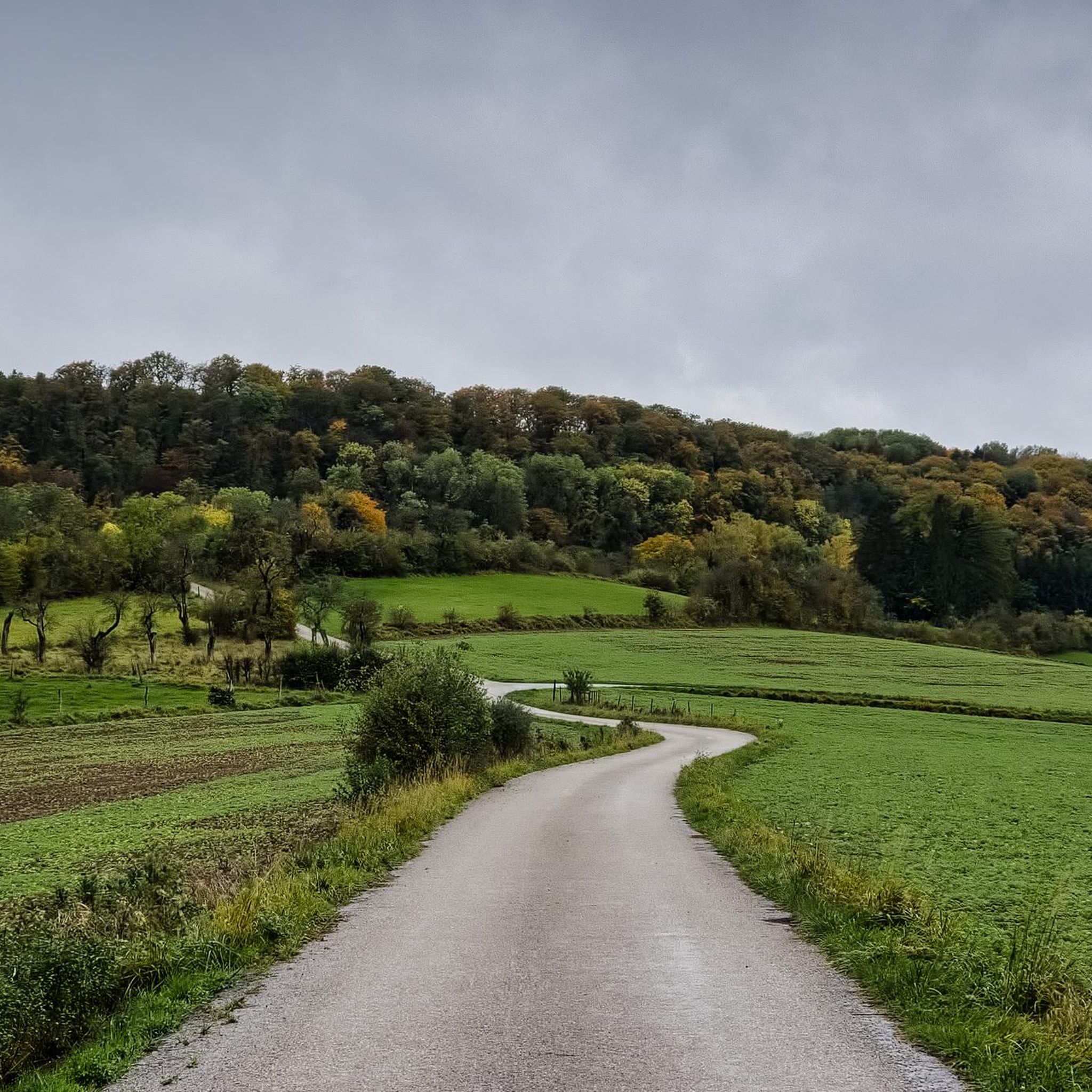
Cycling in Luxembourg Canton
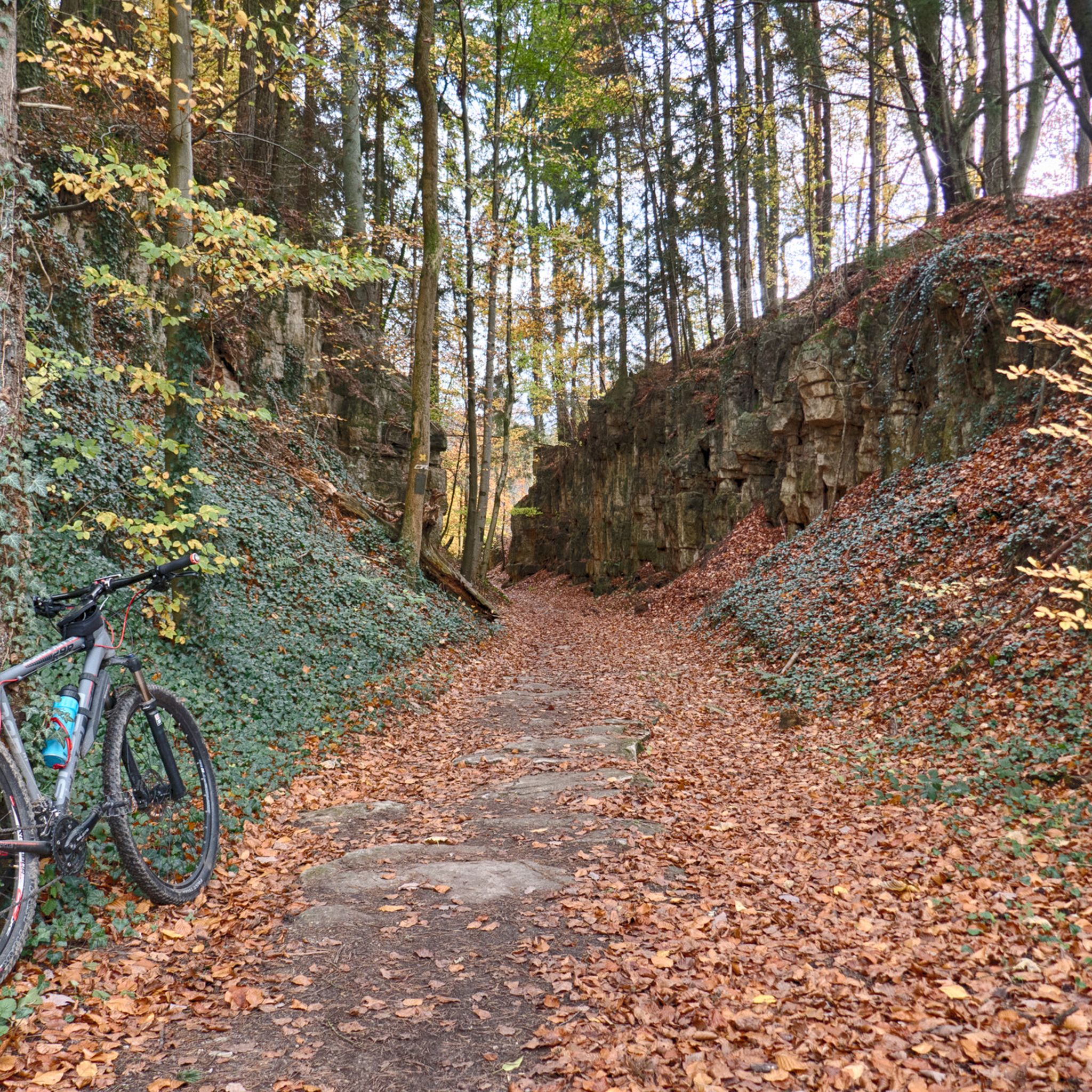
MTB Trails in Luxembourg Canton

Gravel biking in Luxembourg Canton


Tips from the Community

beautiful park in the middle of the city
0
0

The four-meter-wide cycle path, which is also open to pedestrians, runs below the roadway and between the main arches, offering a view of the valley to the side. The path is suspended as a suspension bridge beneath the existing Adolphe Bridge and was opened in 2017.
0
0
Luxembourg boasts many green oases. One of the most beautiful is the Parcs de la Pétrusse, located beneath the Adolphe Bridge. Here, you can enjoy a relaxing stroll, a picnic, or simply lie on the grass and soak up the sun. The park is framed by the so-called Petrusse Casemates, the ruins of a medieval fortress built during the Spanish occupation.
1
0

We didn't know that you could go through underneath, but you can also get onto it via the sidewalk on the bridge.
0
0

Beautiful district with lots of green space, sports fields and playgrounds; a wonderful place to relax
2
0

A lively square in Luxembourg's city center. In addition to some beautiful buildings (such as the City Palace), there is also a drinking fountain and an ice cream parlor for refreshment.
0
0

Once an important parade ground for the army, the square is now a lively and well-used square in the old town of Luxembourg.
0
0

Elevator Features: Elevation Drop: 71 meters Ride Time: Approx. 30 seconds Capacity: Up to 5 cyclists and 10 pedestrians per ride Payload: Maximum 5,000 kg Cost: Use is free. The elevator operates daily, but regular maintenance takes place after 9 a.m. on the first Monday of every month, during which the elevator is out of service. At the top of the elevator is Pescatore Park, while at the bottom is the entrance to the Pfaffenthal district.
50
0
Frequently Asked Questions
What historical sites can I explore in Luxembourg Canton?
Luxembourg Canton is rich in history. You can visit the Grand Ducal Palace, the official residence of the Grand Duke, with origins dating back to 1418. Another significant historical site is the Bock Casemates, a network of underground tunnels that were part of Luxembourg's impressive fortress architecture. The Neumünster Abbey, a Baroque jewel in the Grund district, also offers a glimpse into the region's past.
Are there any family-friendly attractions in Luxembourg Canton?
Yes, several attractions are suitable for families. The Grund district, Luxembourg City, with its picturesque setting, is great for a family stroll. The Pétrusse Parks offer green spaces for relaxation and play, framed by historical ruins. Additionally, the Notre-Dame Cathedral is a beautiful historical site that families can visit.
What natural features or viewpoints should I visit in Luxembourg Canton?
For stunning natural views, consider the Chemin de la Corniche, often called 'Europe's most beautiful balcony,' offering distinctive views of the Alzette River and the Grund neighborhood. The Pfaffenthal Panoramic Lift provides sweeping views of the Pfaffenthal district and Kirchberg Plateau. The Pétrusse Parks also offer good views over the Pétrusse Valley to the Adolphe Bridge.
What outdoor activities can I do near the attractions in Luxembourg Canton?
You can enjoy various outdoor activities. For hiking, explore routes like 'View of the Grund, Luxembourg City – Pfaffenthal Panoramic Lift loop' or 'Forest Paths Near Strassen – Gorge Near the Mamer River.' Find more hiking options in the Hiking in Luxembourg Canton guide. If you prefer cycling, there are road cycling routes such as 'Alzette Cycle Path – Pettingen Castle loop' or 'Ice Tunnel Hovelange – Useldange Castle loop.' Discover more in the Road Cycling Routes in Luxembourg Canton guide.
Are there any wheelchair-accessible attractions in Luxembourg Canton?
Yes, the Pfaffenthal Panoramic Lift is wheelchair accessible, offering a convenient way to connect different parts of the city with panoramic views. Additionally, Adolphe Bridge — Cycle and Pedestrian Path is designed to be accessible for both cyclists and pedestrians, including those using wheelchairs.
What is the best time to visit Luxembourg Canton for outdoor activities?
The best time for outdoor activities in Luxembourg Canton is generally from spring to autumn. During these seasons, the weather is milder and more conducive for exploring the region's hiking trails, cycling routes, and natural parks like the Mullerthal Trail. Summer offers longer daylight hours, while spring and autumn provide pleasant temperatures and beautiful scenery.
Where can I find easy hiking trails in Luxembourg Canton?
For easier hikes, consider trails around Luxembourg City. An example is the 'View of the Grund, Luxembourg – View of the Grund, Luxembourg City loop,' which is rated as easy. Many parks and urban trails offer less strenuous options. You can find more easy routes in the Hiking in Luxembourg Canton guide.
What cultural sites are there beyond the main historical landmarks?
Beyond the major historical sites, Luxembourg Canton offers cultural experiences like the Mudam – Musée d'Art Contemporain, which houses international contemporary art. The Old City of Luxembourg itself is a UNESCO World Heritage site, comprising historic quarters and fortifications. The Musée d'Histoire de la Ville de Luxembourg, located within Fort Thüngen, provides insights into the city's local history.
Are there any unique natural sights or hidden gems in the region?
Absolutely. The Mullerthal Trail, also known as 'Little Switzerland,' is renowned for its dramatic rock formations, micro-canyons, and waterfalls like the picturesque Schiessentümpel. The Huel Lee (Hohllay Cave) features tunnels with visible traces of Roman and medieval stone cutting. The Wolfsschlucht (Echternach Gorge) also presents impressive rock faces up to 50 meters high.
What are some notable castles outside of Luxembourg City?
Outside of the capital, you can visit several impressive castles. Vianden Castle is considered one of Luxembourg's most striking and best-restored medieval fortresses. Bourscheid Castle is the largest and one of the most significant castles in Luxembourg, with construction beginning around 1000 AD. Larochette Castle features evocative medieval ruins surrounded by a picturesque flower garden.
What do visitors enjoy most about the attractions in Luxembourg Canton?
Visitors frequently praise the unique blend of historical richness and natural beauty. The picturesque setting of the Grund district along the Alzette River is often highlighted. Many appreciate the well-preserved historical sites like the Grand Ducal Palace and the fascinating Bock Casemates. The accessibility and panoramic views from the Pfaffenthal Panoramic Lift are also popular points of enjoyment.
How can I get around to different attractions using public transport?
Luxembourg City has an excellent public transport network, including trams and buses, which are free. The Pfaffenthal Panoramic Lift connects the Pfaffenthal district to the Kirchberg Plateau, which is served by the tram, making it easy to access attractions in different parts of the city. For attractions further afield, regional buses connect to many towns and natural sites.
Most popular routes in Luxembourg Canton
Most popular attractions in Luxembourg Canton

Get inspired with the komoot mobile app


Didn’t find what you were looking for?
Are you keen on exploring more awesome places nearby? Browse our guides:
Explore more
Still not found the Highlight you’re looking for? See guides of the top attractions in other regions:
