Attractions and Places To See in Trnava - Top 20
Best attractions and places to see in Trnava include a well-preserved historic center, medieval city walls, and numerous religious sites, earning it the nickname "Little Rome." The city is situated in a region characterized by vineyards and deciduous forests, particularly in the Malé Karpaty Protected Landscape Area. Trnava offers a blend of historical landmarks and natural features for exploration.
Best attractions and places to see in Trnava
- The most popular attractions is Skalica Town Square, a settlement that features Slovakia's oldest surviving building, the 12th-century Romanesque St. George's Rotunda. This historic square is also known as the birthplace of Trdelník, a popular sweet cake.
- Another must-see spot is Velké Moravy Bridge (Kopčany–Mikulčice), a bridge connecting the Moravian municipality of Mikulčice and the Slovak municipality of Kopčany. This steel jetty measures 143 meters in length and shortens routes for pedestrians and cyclists between significant historical monuments.
- Visitors also love Gabčíkovo Dam, a man-made monument with a ship lift. This gigantic dam features locks that open twice daily to generate peak energy levels, and it is a significant engineering structure.
- Trnava is known for its historical sites, religious buildings, and natural areas. Visitors can explore medieval city walls, numerous churches, and parks like Bernolákov Park or the Kamenný Mlyn Recreation Area.
- The attractions in Trnava are appreciated by the komoot community, with 39 upvotes and 18 photos shared by visitors.
Last updated: October 9, 2026
Skalica Town Square
Highlight • Settlement
Translated by Google •
Tip by

Záruby Summit Cross
Highlight • Summit
Translated by Google •
Tip by

Sign up now to discover places like this
Get recommendations on the best single tracks, peaks, & plenty of other exciting outdoor places.
Velké Moravy Bridge (Kopčany–Mikulčice)
Highlight • Bridge
Possible names of the pedestrian bridge were suggested by the public in the first round via social networks and emails of the South Moravian Region and the Trnava Autonomous Region. The regions chose two names from the proposed names, Lávka Velké Morava and Lávka svaté Margéty, for the public to vote on via the regions' social networks. The results were announced by the regions in August 2020, after the name Lávka Velké Moravy won in both votes (86% of votes in the vote of the South Moravian Region and 79% in the vote of the Trnava Autonomous Region).
Translated by Google •
Tip by

Gabčíkovo Dam
Highlight • Monument
Translated by Google •
Tip by

St. Nicholas Basilica (Trnava)
Highlight • Religious Site
With the ribbed vaults in the main and side aisles, the interior of the cathedral still retained its essential effect as a Gothic building. In later centuries, however, it underwent various modifications and additions. Between 1618 and 1630, Cardinal Peter Pázmány had Baroque side chapels added and the furnishings largely redesigned in Baroque style. The richly carved pews were built in the Rococo and in 1798 Josef Zanussi created the classical main altar. The upper storeys are decorated with neo-Gothic paintings. Some frescos from the 15th century have been preserved in the vestibule. In some places the Gothic brick masonry has been made visible again.
Archbishop Imre Eszterházy had the Austrian architect Lucas Hildebrandt add an octagonal baroque chapel with a separate entrance on the north-west side from 1739 to 1741, in which the miraculous image of St. Mary of Trnava (see below) is kept on a columned altar.
After Hungary became largely Turkish in the early 16th century, Nicholas Cathedral became the Hungarian cathedral and seat of the Archbishops of Esztergom from 1543 to 1820. It was then again from 1918 to 1977 the seat of a bishop. When the Archdiocese of Bratislava-Trnava was established in 1977, however, the university church was designated as the seat of the archbishop. In 2008 Pope Benedict XVI. the St. Nicholas Cathedral to the Basilica minor.
(Source: de.wikipedia.org/wiki/Nikolaus-Dom_(Trnava))
Translated by Google •
Tip by

Church of St. Helena
Highlight • Religious Site
(Quelle: vitajtevtrnave.sk/de/register/kirche-der-heiligen-helena)
Tip by
Ruins of Katarínka Monastery and Church
Highlight • Historical Site
The monastery consisted of a church and monastic buildings with a ground plan based on two quadrangles, each with a square courtyard. The smaller courtyard, closer to the church, served as the Paradise Court, around which the monastery buildings were grouped. The larger courtyard was surrounded by outbuildings and the novitiate.
The church tower, with its onion dome and stone statues of four Franciscan saints at its corners, dominated the townscape. These statues have been located at the Pálffy tomb in Smolenice since 1905.
Access to the church was through profiled stone portals, similar to those at the main entrance of the monastery. The simple, mostly smooth facades were articulated by white bands that contrasted with the gray plaster. The roofs were covered with fired tiles.
Translated by Google •
Tip by

Trnava Old Town, Main Square and City Tower
Highlight • Historical Site
City tower, cathedral and many other churches.
More information: de.wikipedia.org/wiki/Trnava#Stadtbild_und_Bauwerke
Translated by Google •
Tip by

Rotunda of St. George in Skalica
Highlight • Religious Site
More information: zahorskemuzeum.sk/rotunda-svateho-juraja and de.wikipedia.org/wiki/Skalica
Translated by Google •
Tip by
Gabčíkovo Reservoir
Highlight • Lake
Showing Translation
Tip by

Sign up for free to discover even more attractions in Trnava.
Already have an account?
Start today with a free account
Your next adventure awaits.

Tips from the Community

Pope John Paul II expressed the following thoughts during the Way of the Cross meditation in the year 2000 at the Colosseum in Rome, which may also be of interest to passers-by here before this wayside cross (crucifix): »‘Did not the Messiah have to suffer these things and enter his glory?’ (Lk 24:26). At the end of the traditional Way of the Cross at the Colosseum, we ask ourselves the same question. (…) Dear sisters and brothers! Today’s man needs to encounter the crucified and risen Jesus! Who, if not the divine condemned man, can fully understand the suffering of one who is unjustly condemned? Who, if not the mocked and humiliated King, can answer the expectations of the many men and women who are without hope and degraded? Who, if not the crucified Son of God, can understand the pain and abandonment of the many people who despair of life because they have no future before them?« (Pope John Paul II.)
0
0

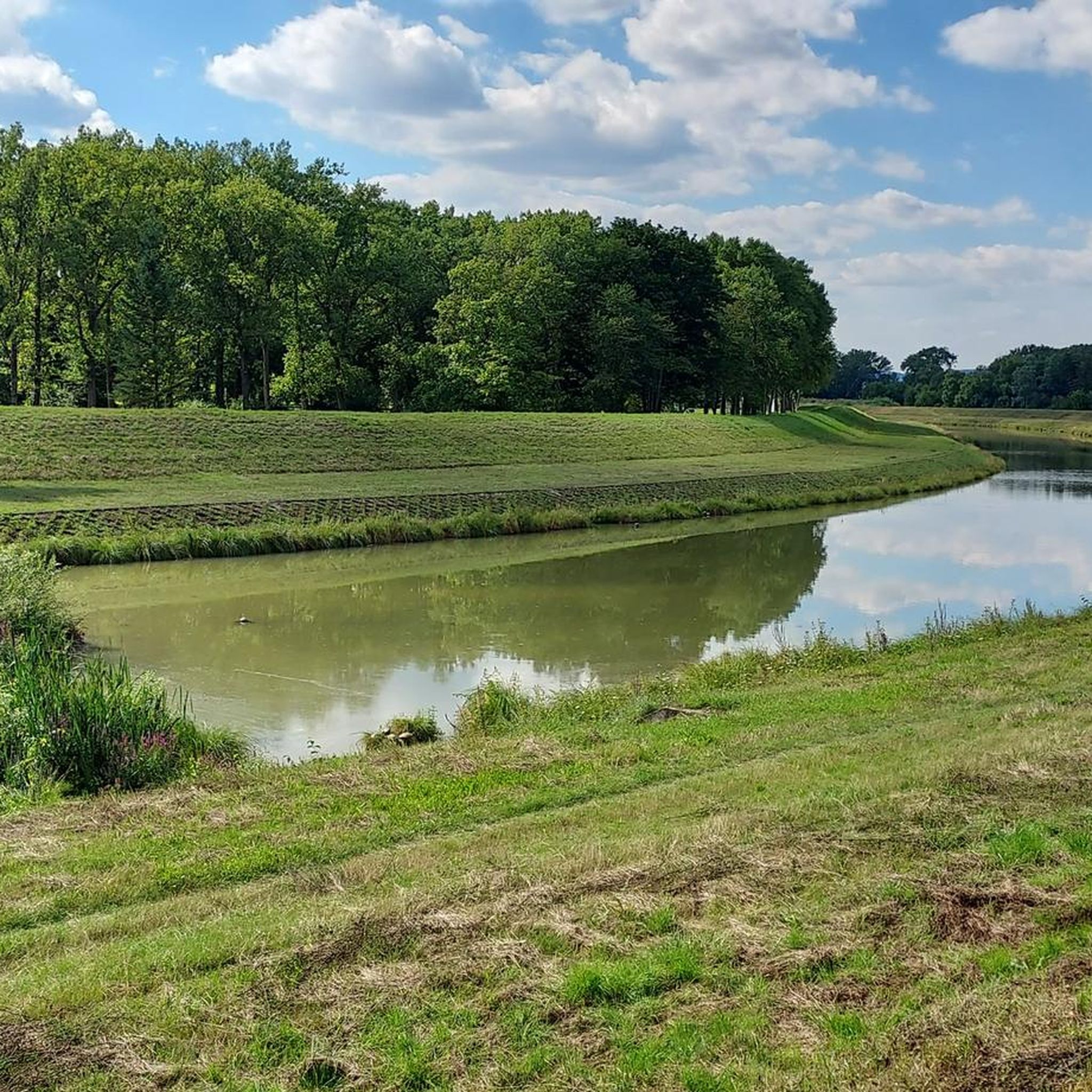
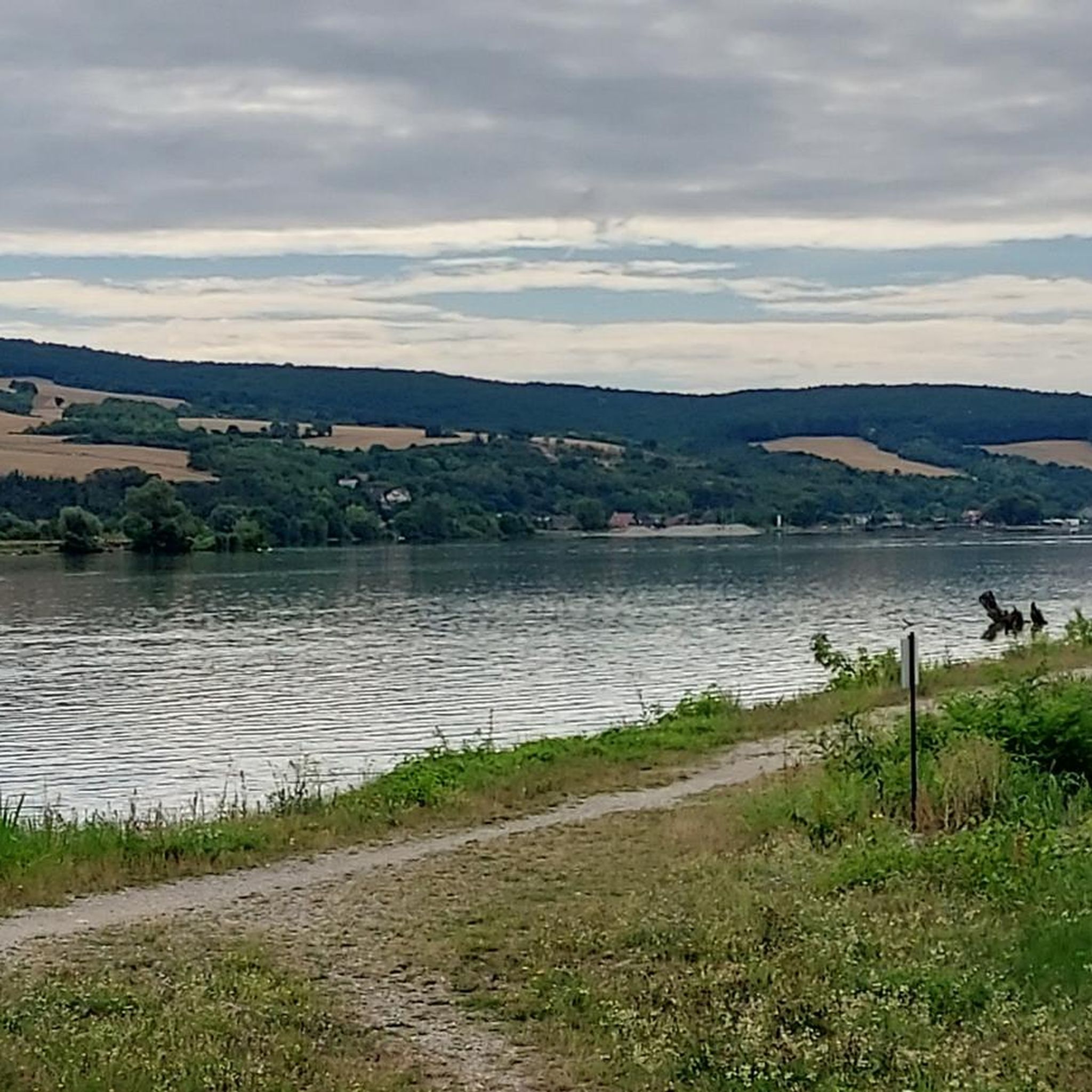
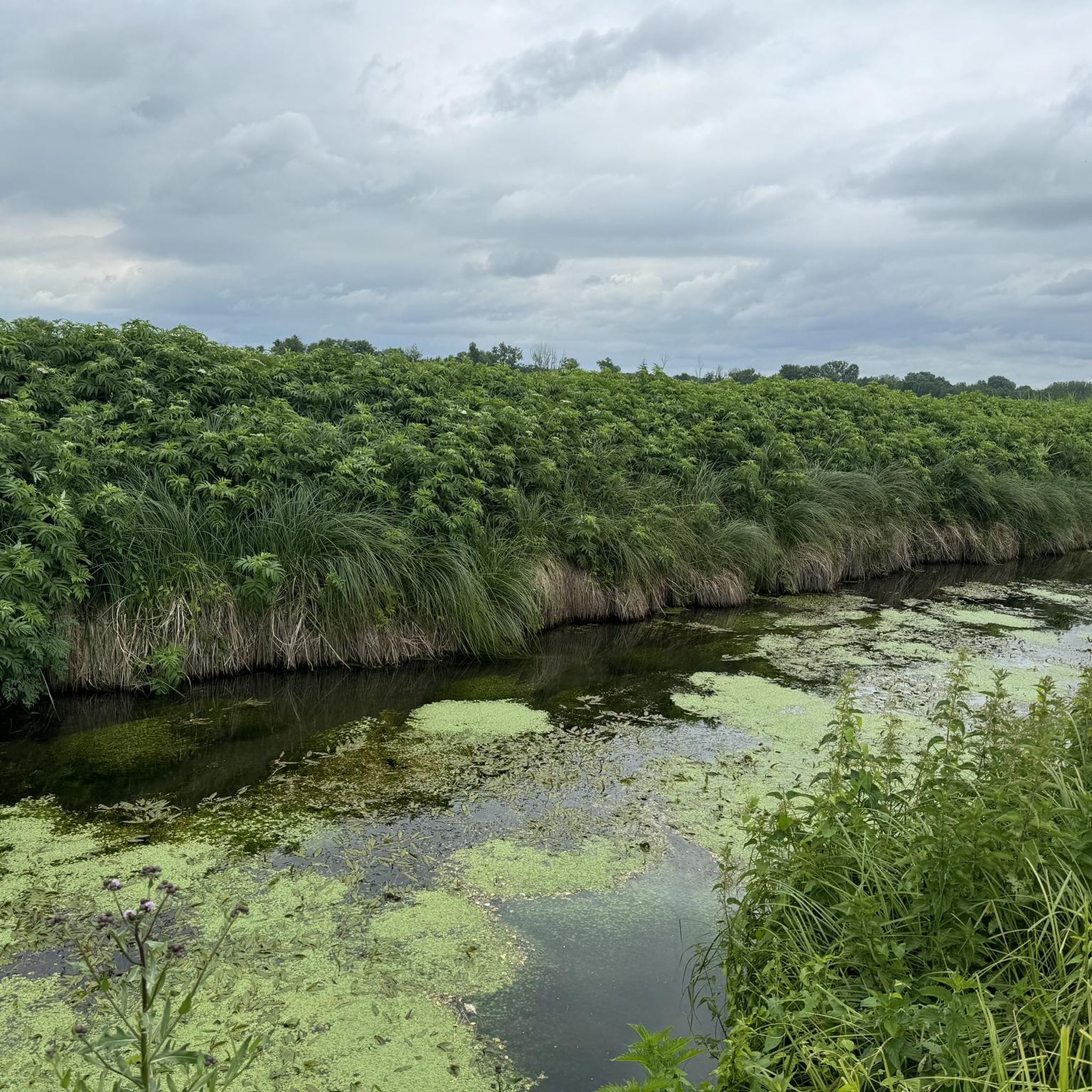
The Gabčíkovo Reservoir (Slovak: Vodné dielo Gabčíkovo) is a colossal hydraulic engineering project on the Danube, which is much more than just a simple lake. It is the scene of one of the longest legal disputes in European history and a technical heavyweight.
1
0

Images from a computer-generated 3D reconstruction of the presumed appearance of the Church and Monastery of St. Catherine during its final construction phase at the end of the 18th century. The monastery consisted of a church and monastic buildings with a ground plan based on two quadrangles, each with a square courtyard. The smaller courtyard, closer to the church, served as the Paradise Court, around which the monastery buildings were grouped. The larger courtyard was surrounded by outbuildings and the novitiate. The church tower, with its onion dome and stone statues of four Franciscan saints at its corners, dominated the townscape. These statues have been located at the Pálffy tomb in Smolenice since 1905. Access to the church was through profiled stone portals, similar to those at the main entrance of the monastery. The simple, mostly smooth facades were articulated by white bands that contrasted with the gray plaster. The roofs were covered with fired tiles.
0
0

A building visible from afar
0
0

On the way to the top of Záruby in the Little Carpathians, you will pass several signposts and crossroads. They are very well marked. The path from the Drina cave to the top of Záruby is quite difficult. We sweated a lot.
3
0
Saint Nicholas, Bishop of Myra, to whom the church in Trnava is dedicated, is - alongside Saint Martin - one of the most popular saints of all. His memorial day, December 6th, is probably known to almost every child in Germany - and far beyond. On the eve of this day, children used to put their shoes or boots - which had of course been carefully polished - in front of the door so that Saint Nicholas could fill them with gifts during the night. In more agricultural areas, it was also customary for children to put out a small gift of food for the donkey, Saint Nicholas's mount (according to another tradition, it was a white horse).
0
0
Saint Helena, to whom the church here in Trnava is dedicated, was the mother of Emperor Constantine the Great (who, after his victory at the Milvian Bridge in front of Rome, recognized Christianity as a religion and ended the long period of persecution with the Edict of Toleration of Milan). In the early fourth century, she made a pilgrimage to the Holy Land (Israel/Palestine) and brought numerous relics back to Europe, including the True Cross on which Jesus Christ was crucified. She is therefore often depicted in paintings or as a statue with a cross as an attribute. According to Catholic tradition, Saint Helena's feast day in the calendar of saints is August 18, but in the Orthodox churches it is March 6 and May 21.
1
0

Dams the Danube to form a small sea. Impressive.
0
1
Frequently Asked Questions
What historical landmarks should I visit in Trnava?
Trnava is rich in history. Explore the well-preserved medieval City Walls and the iconic Trnava City Tower, which offers panoramic views. Don't miss the Trinity Square, a UNESCO World Heritage site, and the historic Town Hall, one of Slovakia's oldest. For a unique experience, visit the Ruins of Katarínka Monastery and Church, a significant historical site.
Are there any family-friendly attractions in Trnava?
Yes, Trnava offers several family-friendly options. The Skalica Town Square is a great place to explore history and enjoy the local Trdelník sweet cakes. The Gabčíkovo Dam, a gigantic man-made monument with a ship lift, is fascinating for all ages. Additionally, the Gabčíkovo Reservoir provides opportunities for outdoor activities.
What natural features and parks can I explore in Trnava?
Trnava offers several natural spots for relaxation and activity. Enjoy peaceful walks in Bernolákov Park or visit the Kamenný Mlyn Recreation Area for hiking and picnics. Ružový Park features historic fountains and cycling paths, while Štrky provides a natural area with a lake and more cycling opportunities. The Malé Karpaty Protected Landscape Area, with its vineyards and forests, is ideal for nature enthusiasts.
What religious sites are prominent in Trnava?
Trnava, known as 'Little Rome,' boasts numerous religious sites. The magnificent Basilica of St. Nicholas is a must-see Gothic cathedral. The Cathedral of St. John the Baptist is Slovakia's first completely Baroque building, known for its elaborate interior. Other notable churches include St. James, St. Helen, and the Holy Trinity Church. In Skalica, the Rotunda of St. George is an early Romanesque symbol of the town.
Are there any cultural attractions or museums in Trnava?
Yes, Trnava has a vibrant cultural scene. The Synagogue – Center of Contemporary Art (Status Quo Ante Synagogue) is a unique gallery housed in a historic Moorish-Byzantine synagogue. The Ján Koniarek Gallery showcases modern and contemporary art. You can also visit the Museum of Western Slovakia, located in a former Clarist monastery, which features regional history and folk art, or the House of Music, dedicated to composer Mikuláš Schneider Trnavský.
What outdoor activities or routes are available near Trnava's attractions?
Near Trnava's attractions, you can find various outdoor activities. For hiking, explore routes like the Záruby Summit Cross loops or the Ostrý Kameň Castle Ruins loop. There are also running trails, such as the City Tower Trnava – Church of St. Helena loop. For more detailed information and routes, you can check the Hiking in Trnava guide or the Running Trails in Trnava guide.
Are there any accessible attractions in Trnava for wheelchair users?
Yes, the Velké Moravy Bridge (Kopčany–Mikulčice) is noted as wheelchair accessible, providing a convenient connection for pedestrians and cyclists between historical monuments. While specific accessibility details for all attractions are not available, the bridge offers an inclusive outdoor experience.
What is the best time of year to visit Trnava?
Trnava is enjoyable throughout the year, but spring and autumn offer pleasant weather for exploring the city's historical sites and parks. The Malé Karpaty Protected Landscape Area is particularly beautiful during these seasons. Summer is also popular, though it can be warmer, while winter brings a festive atmosphere, especially around the city's squares.
Where can I find unique experiences or 'hidden gems' in Trnava?
For unique experiences, consider visiting the Synagogue – Center of Contemporary Art, which offers a blend of history and modern culture in a distinctive architectural setting. The Ruins of Katarínka Monastery and Church provide a serene and historically rich experience slightly outside the immediate city center. Exploring the lesser-known sections of the medieval city walls can also reveal hidden perspectives.
What do visitors enjoy most about Trnava?
Visitors frequently appreciate Trnava's well-preserved historic center, often described as 'Little Rome' due to its numerous churches. The panoramic views from the City Tower are a highlight, as is the unique experience of the Gabčíkovo Dam. The city's blend of historical landmarks, religious architecture, and accessible natural areas like Bernolákov Park are consistently praised.
Can I find cycling paths near Trnava's attractions?
Yes, Trnava offers several cycling opportunities. The Velké Moravy Bridge is designed for cyclists and pedestrians, connecting significant historical sites. Ružový Park and Štrky also feature cycling paths. The Gabčíkovo Reservoir area is another great spot for cycling.
Most popular routes in Trnava
Most popular attractions in Trnava

Get inspired with the komoot mobile app


Didn’t find what you were looking for?
Are you keen on exploring more awesome places nearby? Browse our guides:
Explore more
Still not found the Highlight you’re looking for? See guides of the top attractions in other regions:
