Attractions and Places To See in Çanakkale - Top 20
Best attractions and places to see in Çanakkale include a rich tapestry of historical, cultural, and natural sites. Strategically located on the Dardanelles Strait, Çanakkale serves as a gateway between Europe and Asia. The region is renowned for its deep historical significance, particularly concerning the ancient city of Troy and the World War I Gallipoli Campaign. Its diverse landscape features coastal areas, islands, and forested mountains.
Best attractions and places to see in Çanakkale
- The most popular attractions is Trojan Horse Statue (Troy Movie Prop) – Çanakkale, a man-made monument that is the original prop from the 2004 film "Troy". This iconic structure stands prominently on the city's harbor promenade.
- Another must-see spot is Trojan Coast Bike Path, a cycle way offering scenic views. This path runs along the coastal side of the Troya National Park, connecting the Çanakkale agglomeration and the Troya ruins.
- Visitors also love Troy VI Archaeological Site, a historical site representing an advanced Trojan civilization. This site features mighty city walls with fortifications and large bastions.
- Çanakkale is known for its ancient ruins, significant battlefields, and natural features like the Dardanelles Strait and various islands. The region offers a variety of historical sites, cultural institutions, and natural wonders to explore.
- The attractions in Çanakkale are appreciated by the komoot community, with 19 upvotes and 25 photos shared by visitors.
Last updated: July 7, 2026
Trojan Horse Statue (Troy Movie Prop) – Çanakkale
Highlight • Monument
Tip by

Troy II Pottery Workshops
Highlight • Historical Site
Castle walls of Troy
Troy I was still lying directly on the beach. The citadel Troy II covered an area of approx. 9000 m² (four fire disasters), from Troy IV on the area was doubled, Troy VI had increased to about 50,000 m² to the south and east (not including the “lower town”). The fortress described by the author of the Iliad could be identical with Troy VI (according to another view with VIIa), which was built around the turn of the 14th to the 13th century BC. Chr. Went down. It is uncertain whether the cause was one of the frequent earthquakes or a conquest.
Source: Wikipedia
Translated by Google •
Tip by

Sign up now to discover places like this
Get recommendations on the best single tracks, peaks, & plenty of other exciting outdoor places.
Sign up for free
Odeon of Troy
Highlight • Historical Site
The odeon had a skené of very limited depth, even including the ädikulä. The foundations show how limited the depth of the entire building was. The foundation also shows an irregular spacing of the roof-bearing columns mirrored around the center. The cavea was divided into 5 kerkides. The upper corridor was reached via two flights of stairs. 7 rows of seats have stood the test of time.
One entered the Odeon through entrances to the left and right of the skené and entered the auditorium after passing through a small anteroom.
Source: tuerkei-antik.de/Odeen/troja.htm
Translated by Google •
Tip by
Surp Kevork Armenian Church
Highlight • Religious Site
The building, which was inactive due to the immigration of the Armenian population in Çanakkale, opened as the Çanakkale Archeology Museum in 1934 and served as a museum until 1984. It was restored by the Ministry of Culture in 1984 and opened as the Namık Kemal Theater Hall.
In 1997 it was restored by the Ministry of Culture, organized as the Çanakkale Ethnography Museum in 2000 and relocated to the Çanakkale Onsekiz Mart University in 2005.
During the restorations in 1997, the church was engraved with its inscription on the original cross.
Hrant Dink and Vagarsag Seropyan of the Armenian Patriarchate of Istanbul examined the church in August 2000 and made suggestions. Dink and Seropyan read the inscriptions on some sarcophagi and found that the name of the church was Surp Kevork and the school (now the Manfred Library) was Aramian.
Source: Okur Gezer
Translated by Google •
Tip by
Troy VI Archaeological Site
Highlight • Historical Site
Translated by Google •
Tip by
Çanakkale
Highlight • Settlement
Tip by

Trojan Coast Bike Path
Highlight • Cycleway
Tip by

Troy VII City Walls
Highlight • Historical Site
Troy VIIa was founded around 1300 BC. Built shortly after the destruction of its predecessor Troy VIh. The city continued its earlier cultural traditions and used or restored many earlier buildings. However, the castle walls were topped with new mudbrick entrenchments and a dense residential area filled the previously open courtyards of the citadel. Overseas trade declined, and residents of the citadel buried storage jars in their homes, apparently concerned about impending shortages. Trevor Bryce suggests that Troy VII "was a city that, while still occupied by its former inhabitants, had suffered a severe setback of one kind or another from which it never recovered."
Source: according to de.abcdef.wiki/wiki/Troy_VII
Translated by Google •
Tip by
Trojan Horse of Troy
Highlight • Monument
1. The horse as a battering ram
2. Earthquake caused by Poseidon -> symbol horse
3. Horse as a siege tower with stairs and ladders as a climbing aid
Translated by Google •
Tip by

Troy — Layer 0 archaeological site
Highlight • Historical Site
Here we look back more than 5,500 years in history.
Translated by Google •
Tip by
Sign up for free to discover even more attractions in Çanakkale.
Sign up for free
Already have an account?
Start today with a free account
Your next adventure awaits.
Login or Signup
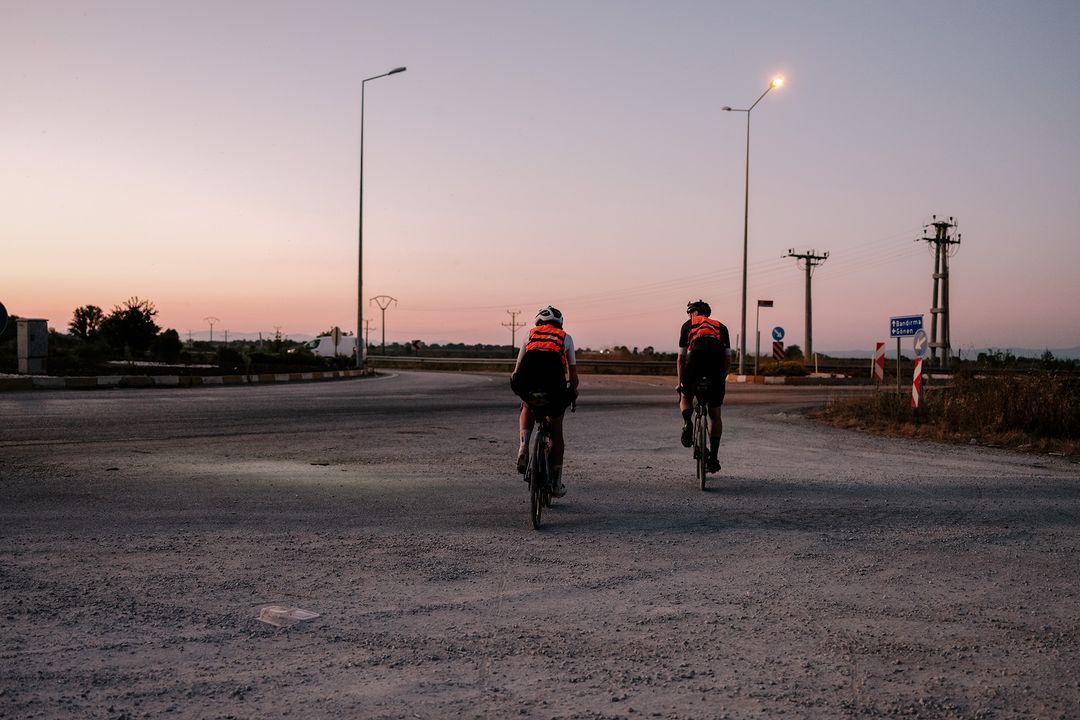
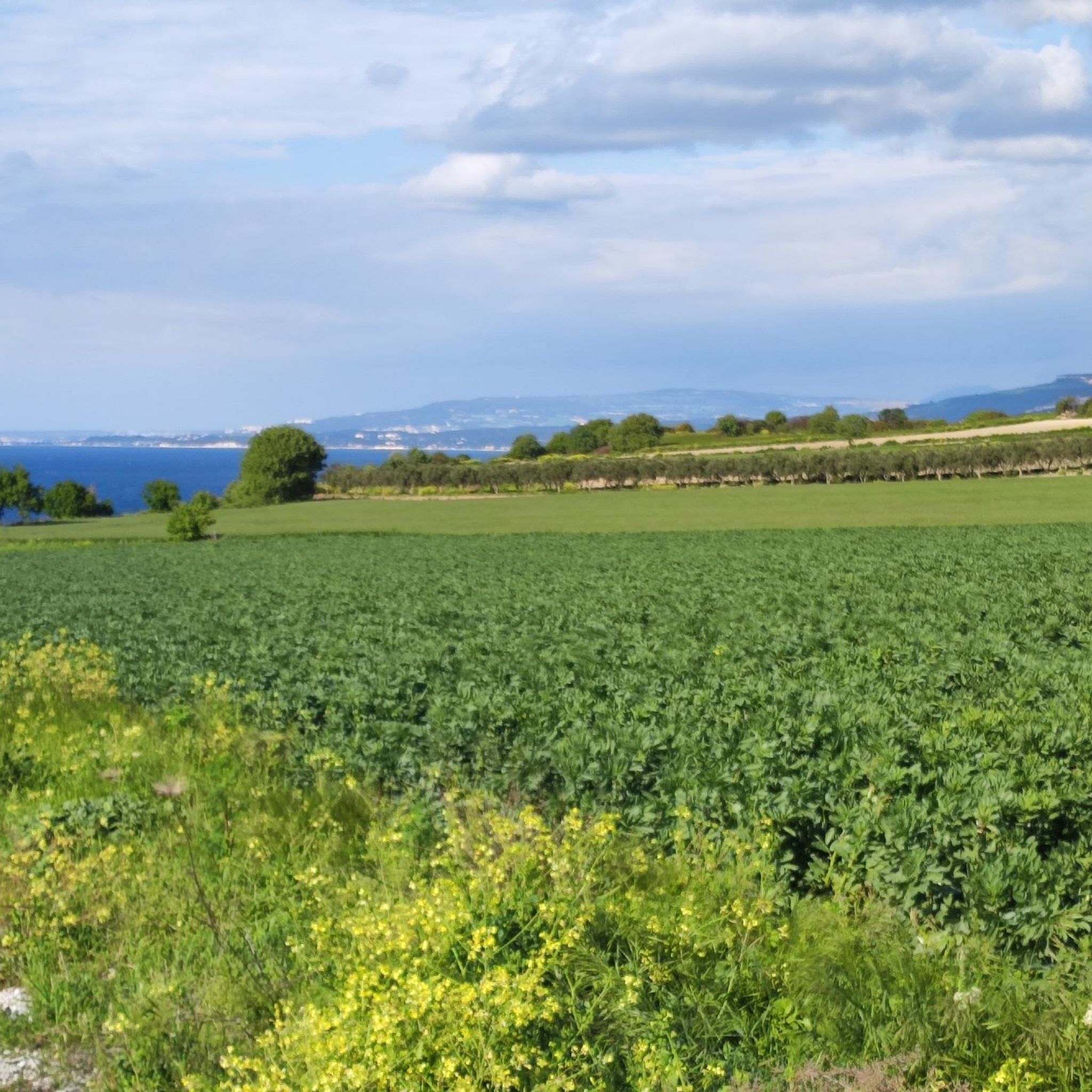
Other adventures in Çanakkale

Tips from the Community

The Trojan Horse is a famous legend from Greek mythology, in which Greek soldiers conquered the city of Troy (near present-day Çanakkale, Turkey) after a 10-year siege through cunning, using a wooden horse. The Trojans pulled the horse, disguised as a gift, into the city, after which hidden warriors freed themselves at night and opened the city gates.
0
0

It even looks a bit more impressive than the horse in Troy... ;)
0
0

This wooden horse can be admired on the coast in the town of Canakkale. Nearby there is also a memorial stone of the cartographer Piri Reis and a museum. There is also a great promenade. Good for cyclists.
0
0


The many churches in the city indicate the many denominations and ethnic groups that have shared the city over the various centuries.
0
0
In the middle of the city's promenade, you can't miss it. This is a film prop, but it makes the story vivid.
0
0
An impressive size...and within walking distance of the old town.
0
1

The Trojan Horse stands proudly towering on the harbor promenade of Canakkale. To be more precise, it is the original prop from the 2004 film adaptation of Troy by Wolfgang Petersen. The location was not chosen by chance, as it is believed that the legendary Battle of Troy took place here. An archaeological roundtrip lets you dive deeper into the history of Troy.
2
0
Frequently Asked Questions
What historical sites should I visit in Çanakkale?
Çanakkale is rich in history. You can explore the ancient ruins of Troy, a UNESCO World Heritage Site, which includes the Troy VI Archaeological Site, Troy II Pottery Workshops, and the Odeon of Troy. Another significant area is the Gallipoli Peninsula, home to the World War I Battlefields and Memorials, including the Çanakkale Martyrs Memorial and ANZAC Cove. Further historical sites include the Alexandria Troas Archaeological Site and the Assos Archaeological Site with its Temple of Athena.
Are there any natural attractions or scenic viewpoints in Çanakkale?
Yes, Çanakkale offers diverse natural beauty. The Dardanelles Strait itself provides scenic views, and you can take ferry rides across it. For lush landscapes, visit Biga Creek or the impressive Mıhlı Falls and Marmaros Falls. The unique Cheese Cliffs offer magnificent views, and Mount Ida (Kazdağı) provides forested slopes for a natural escape. The islands of Bozcaada and Gökçeada are also accessible by ferry, offering charming scenery and a laid-back atmosphere.
What outdoor activities can I do near Çanakkale's attractions?
Çanakkale is great for outdoor enthusiasts. You can enjoy cycling on routes like the Trojan Coast Bike Path, which connects the city to the Troy ruins. There are also numerous road cycling routes, including loops around ANZAC Cove and Kilitbahir Castle. For hikers, easy trails are available around the ancient sites, such as the loop connecting the Odeon of Troy and Troy VI Archaeological Site. You can find more detailed routes for cycling and hiking in Çanakkale on our dedicated guides.
Are there family-friendly attractions in Çanakkale?
Absolutely! Families will enjoy the Trojan Horse Statue (Troy Movie Prop) – Çanakkale, a popular photo opportunity on the city's harbor promenade. The ancient city of Troy itself, with its replica Trojan Horse, can be an engaging educational experience for older children. The city of Çanakkale also offers a lively atmosphere with parks and waterfront areas suitable for families.
What is the best time to visit Çanakkale?
The best time to visit Çanakkale is generally during the spring (April to June) and autumn (September to October) when the weather is mild and pleasant, ideal for exploring historical sites and enjoying outdoor activities. Summers can be hot, especially in July and August, but are popular for beach activities and island visits. Winters are cooler and can be rainy, with fewer tourists.
Are there any museums in Çanakkale that showcase its history?
Yes, Çanakkale has several museums. The Museum of Troy houses a wealth of artifacts from the ancient city of Troy and other regional finds, offering a deep understanding of the UNESCO site. The Çanakkale Archaeological Museum also provides insights into the region's history, with exhibits ranging from prehistoric fossils to Roman sarcophagi. For more recent history, the City Museum (Kent Müzesi) details the city's past.
Can I visit the Gallipoli battlefields and memorials?
Yes, the Gallipoli Peninsula is a significant historical site and is open to visitors. Key sites include the Çanakkale Martyrs Memorial, ANZAC Cove, and the Helles Memorial, all honoring the soldiers of World War I. The area is part of the Gallipoli Peninsula Historical National Park, which is also a UNESCO World Heritage site. Many tours are available to guide you through the various memorials and trenches.
What are some unique cultural sites or points of interest in Çanakkale?
Beyond the major historical sites, Çanakkale offers unique cultural experiences. The Rhapsodos Mozaik is a distinctive site featuring a mosaic exhibition that tells the story of Troy through 43 mosaic pictures. The Çanakkale Wars Living and Sound History Gallery provides immersive exhibits and powerful storytelling about the region's wartime past. You can also visit the Surp Kevork Armenian Church, a historical religious building.
Are there any attractions in Çanakkale that are wheelchair accessible?
Some attractions in Çanakkale offer better accessibility. The Trojan Horse Statue (Troy Movie Prop) – Çanakkale on the harbor promenade is generally accessible. The Piri Reis Monument is also noted as wheelchair accessible. While ancient sites like Troy may have uneven terrain, efforts are often made to provide accessible paths where possible. It's advisable to check specific site conditions beforehand.
How long should I plan for a visit to the Gallipoli battlefields?
To fully appreciate the historical significance and cover the main sites of the Gallipoli battlefields and memorials, it is recommended to allocate at least a full day. Many visitors opt for guided tours that typically last 8-10 hours, covering key locations like ANZAC Cove, Lone Pine, Chunuk Bair, and the various cemeteries and memorials.
What are some lesser-known or 'hidden gem' attractions in Çanakkale?
For those looking beyond the main highlights, consider visiting the Cimenlik Castle (Kala-i Sultaniye), an Ottoman fortress now serving as a military museum, or Kilitbahir Castle, located across the Dardanelles, offering spectacular views. The ancient city of Apollon Smintheion, with its Ionic-style temple, is another fascinating, less-crowded historical site. For nature lovers, the serene Biga Creek and the unique Cheese Cliffs offer peaceful and picturesque experiences away from the crowds.
Most popular routes in Çanakkale

Get inspired with the komoot mobile app


Didn’t find what you were looking for?
Are you keen on exploring more awesome places nearby? Browse our guides:
Explore more
Still not found the Highlight you’re looking for? See guides of the top attractions in other regions:
