Attractions and Places To See in Wyoming - Top 20
Best attractions and places to see in Wyoming encompass a diverse landscape of natural wonders, historical sites, and cultural experiences. The state is characterized by majestic mountain ranges, vast plains, and unique geothermal features, including those found in its renowned national parks. Wyoming's terrain offers a variety of outdoor activities and preserves significant landmarks from westward expansion and Native American heritage.
Best attractions and places to see in Wyoming
- The most popular attractions is Old Faithful Geyser, a natural…
Last updated: September 26, 2026
Old Faithful Geyser
Highlight • Natural Monument
Tip by

Taggart Lake
Highlight • Lake
Translated by Google •
Tip by

Sign up now to discover places like this
Get recommendations on the best single tracks, peaks, & plenty of other exciting outdoor places.
Grand Prismatic Spring
Highlight • Natural Monument
Tip by

Mammoth Hot Springs Terraces
Highlight • Natural Monument
Tip by
Norris Basin
Highlight • Natural Monument
Tip by
Upper Yellowstone Falls
Highlight • Waterfall
Tip by
Lower Yellowstone Falls
Highlight • Waterfall
The Lower Falls of the Yellowstone River are a majestic sight, plunging dramatically into the Grand Canyon of the …
Tip by

Emerald Spring
Highlight • Natural Monument
Tip by

Delta Lake
Highlight • Lake
Tip by
Lower Geyser Basin
Highlight • Natural Monument
Translated by Google •
Tip by

Sign up for free to discover even more attractions in Wyoming.
Already have an account?
Start today with a free account
Your next adventure awaits.
Popular around Wyoming
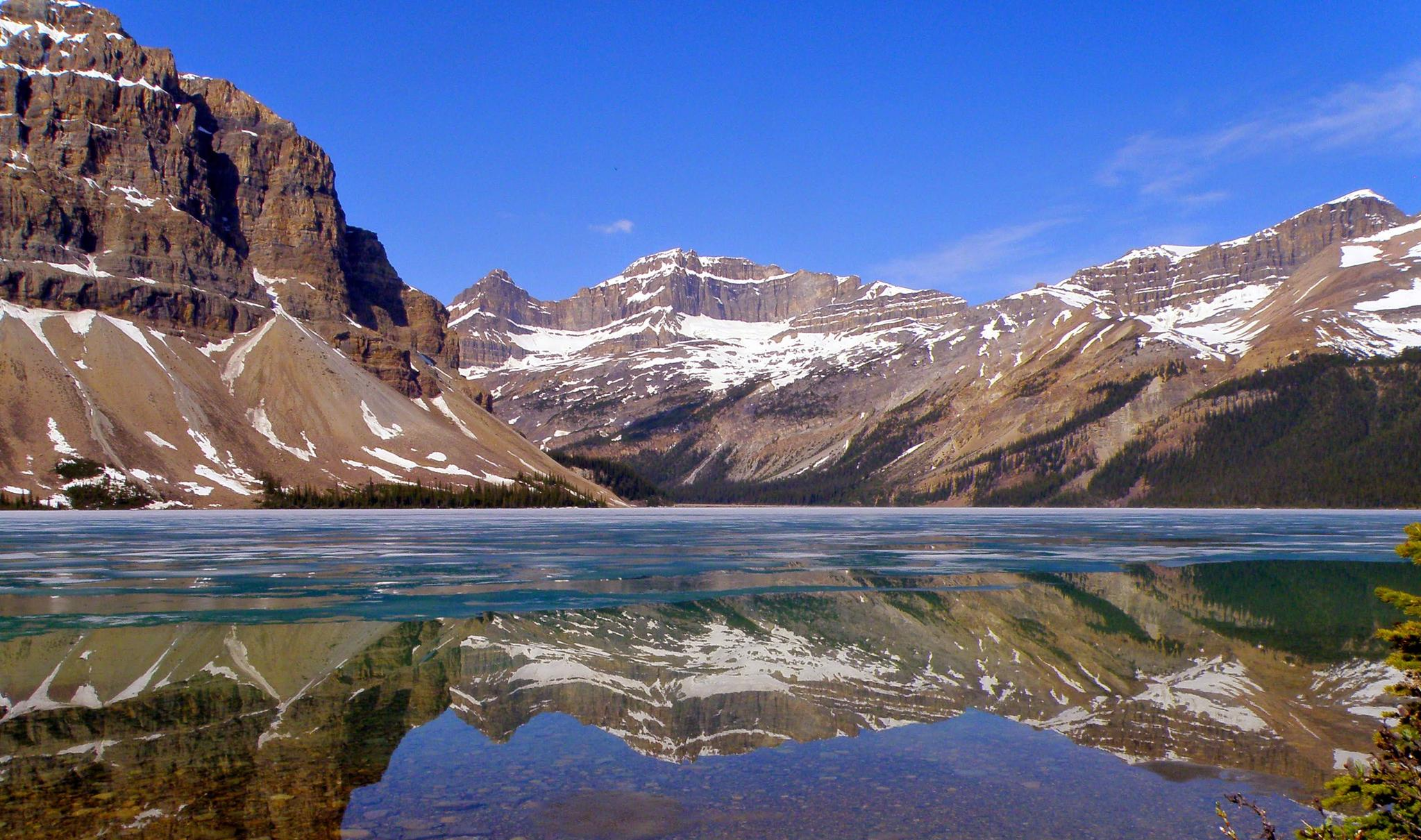
Great Divide Mountain Bike Route — Cycling the spine of a continent
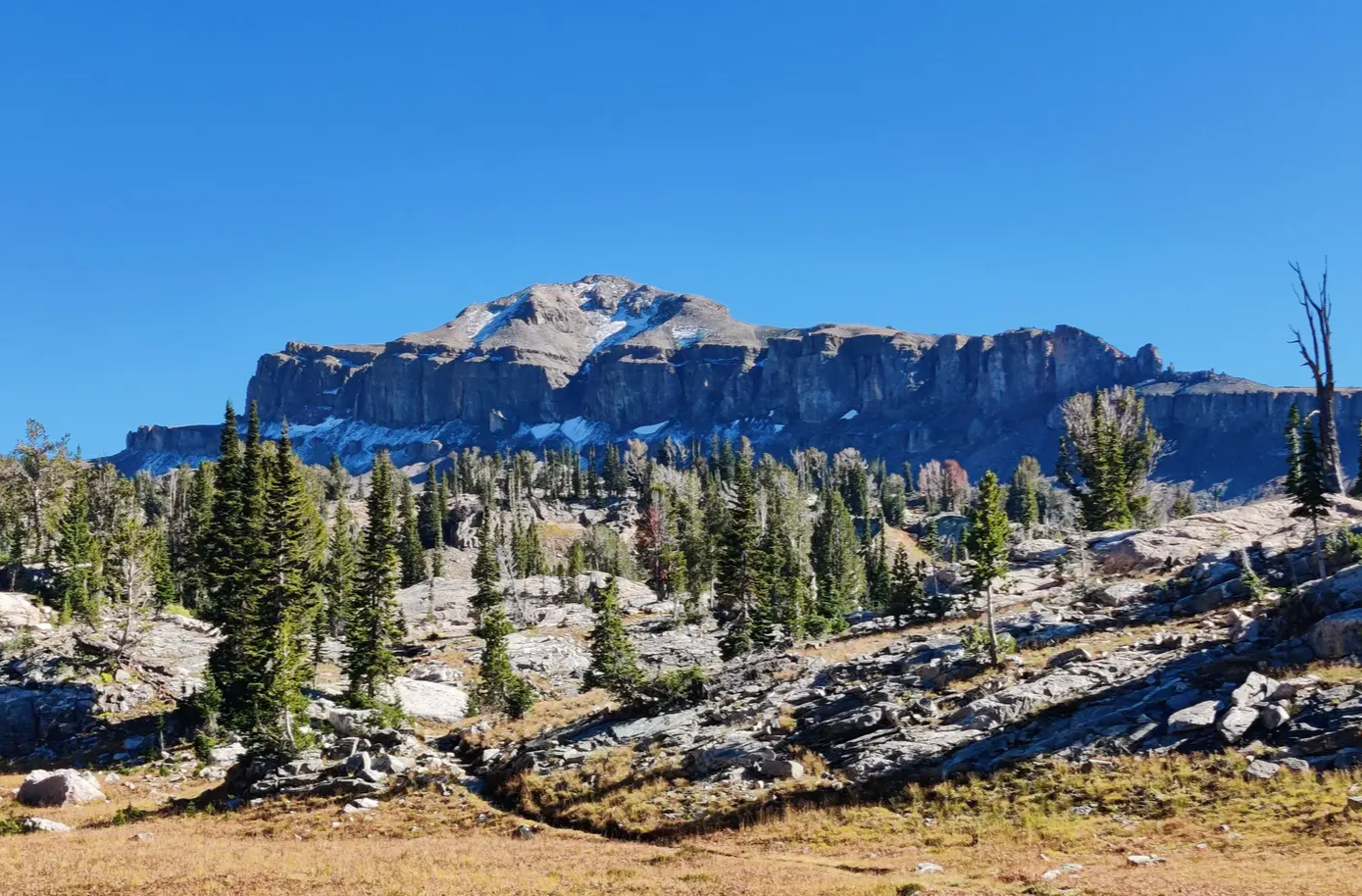
Teton Crest Trail — Exploring the Wild Side of the Grand Tetons
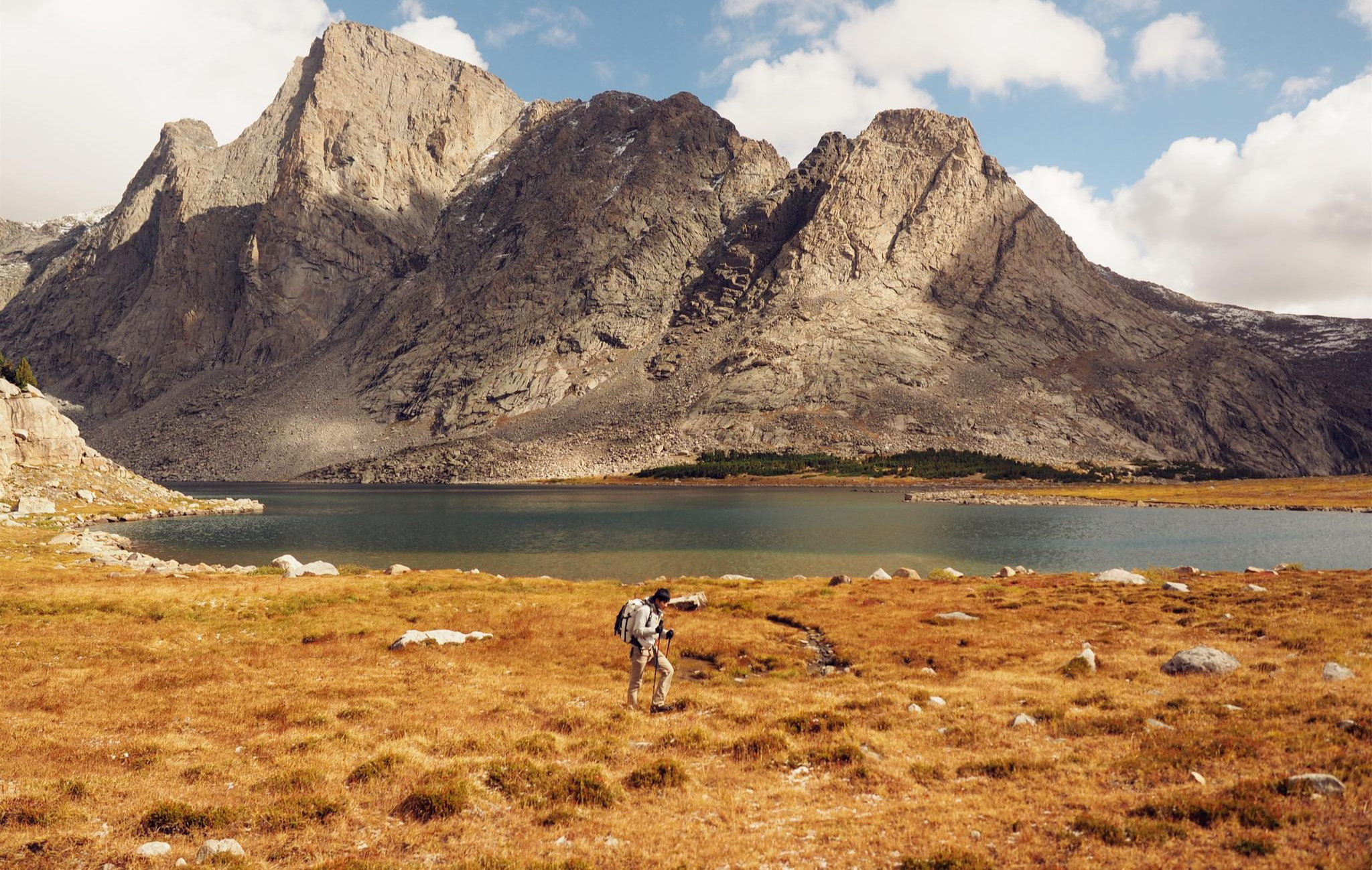
Like in the Wild West – hiking on the Oregon Trail
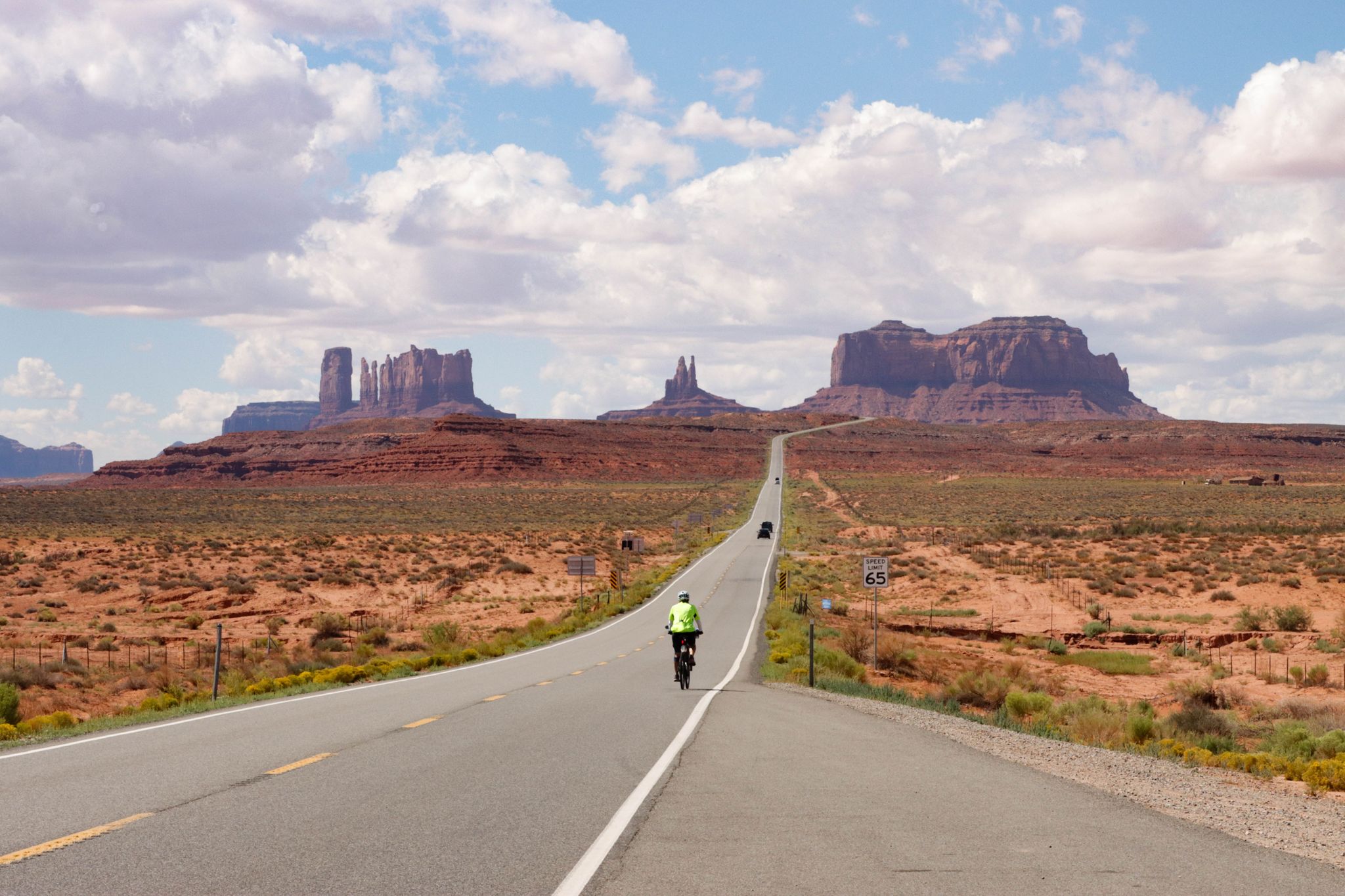
From the Arctic Ocean to the Panama Canal — North American Epic
From the mountain peaks to the prairie – Rocky Mountains and Great Plains
The pristine beauty of the US National Parks
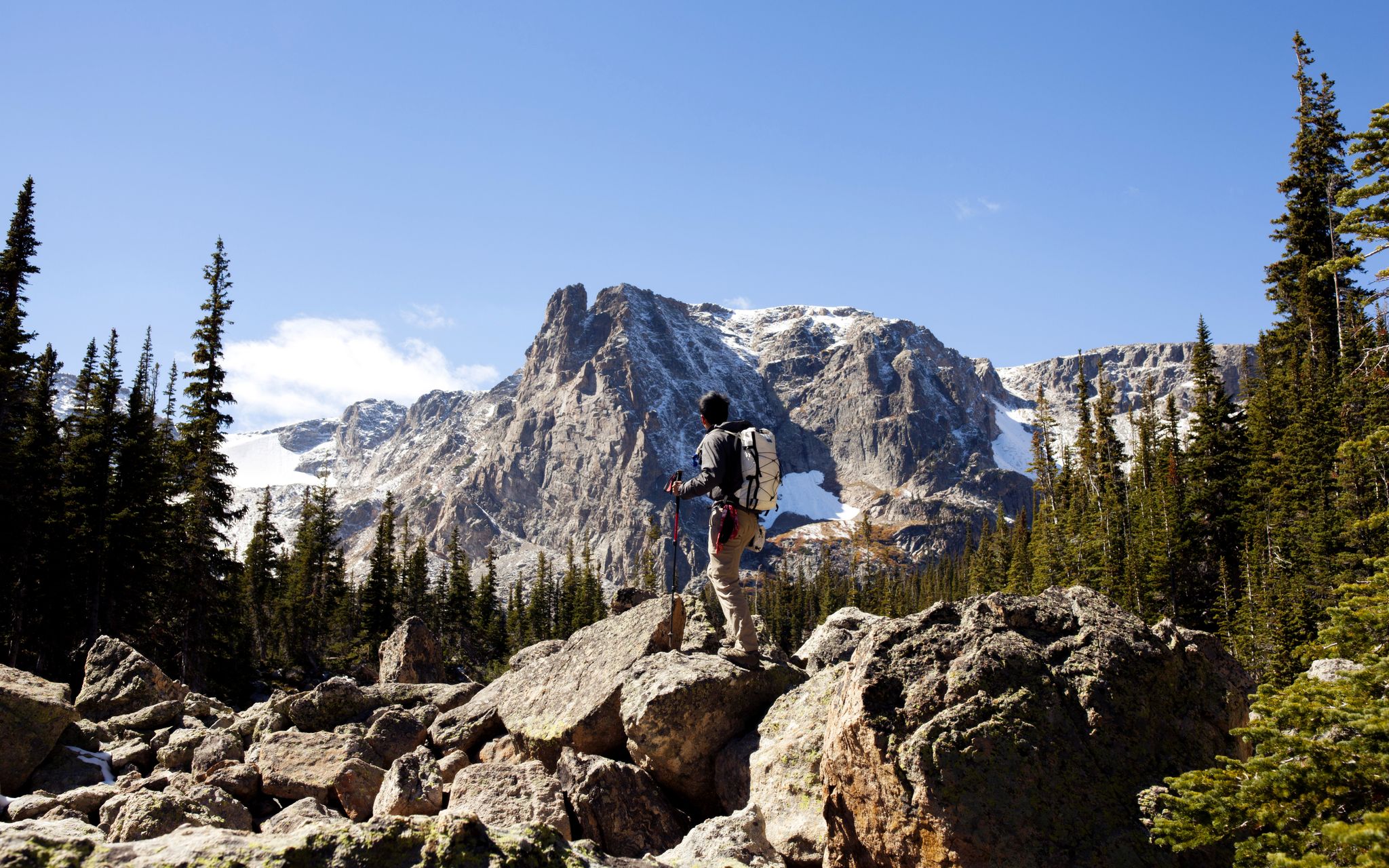
Hiking in Wyoming
MTB Trails in Wyoming
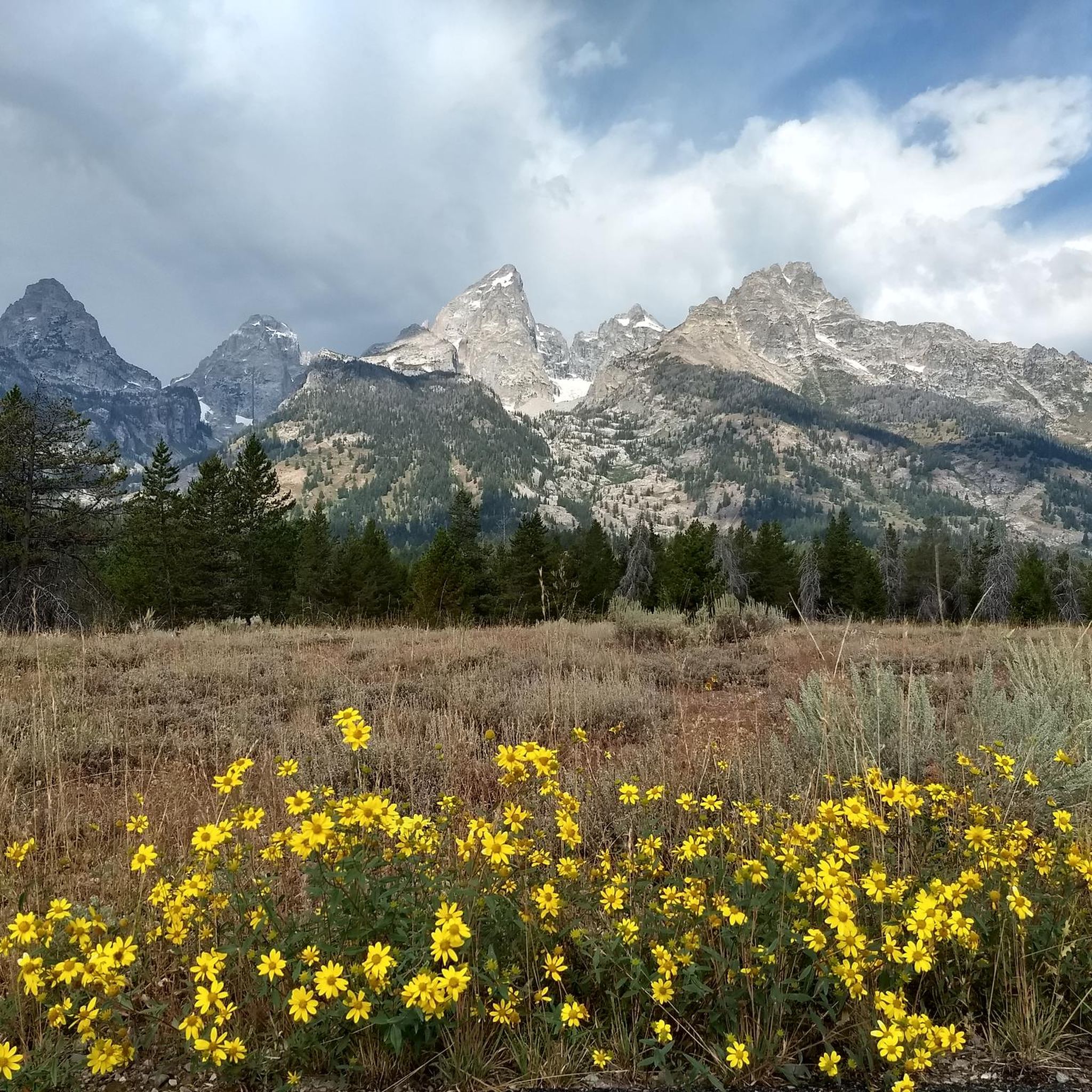
Cycling in Wyoming
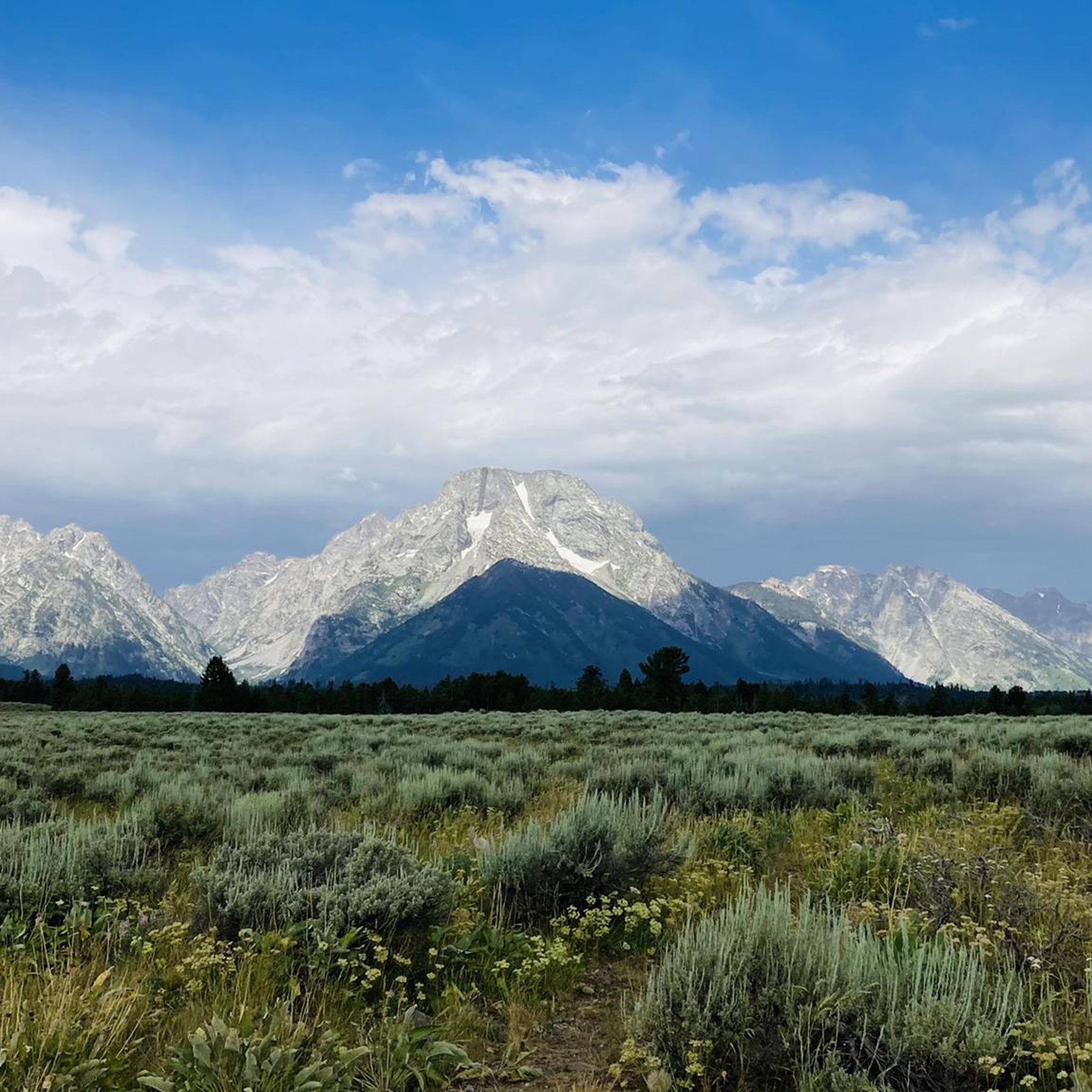
Road Cycling Routes in Wyoming
Other adventures in Wyoming


Tips from the Community

Lower Falls Of The Yellowstone River, Yellowstone National Park, United States 🇺🇸 The Grand Canyon of the Yellowstone stretches for roughly twenty miles and offers some of the most breathtaking vistas in the entire American West. Carved by the power of the Yellowstone River, the canyon walls display a stunning array of colors ranging from deep oranges and reds to brilliant yellows and whites, caused by the chemical weathering of iron compounds in the rhyolite rock. To get the best views of the Lower Falls, visitors should head to Artist Point or Lookout Point, which provide sweeping perspectives of the 308-foot waterfall as it plunges into the canyon below. Timing is essential when planning a visit to this iconic landmark, as the roar of the falls is most thunderous during the late spring and early summer when snowmelt increases the river's volume. It is highly recommended to arrive early in the morning to beat the large crowds and to witness the soft morning light illuminating the canyon walls. For those interested in a closer look, the Brink of the Lower Falls trail offers a steep but rewarding hike that leads directly to the edge of the precipice, allowing you to feel the mist and hear the deafening power of the water. Beyond the main overlooks, travelers should explore the various trails that line both the North and South Rims to find quieter spots for photography and wildlife viewing. The area is home to diverse fauna, including osprey that nest on the towering rock pinnacles and the occasional grizzly bear or elk wandering through the nearby forests. Always carry bear spray and stay on designated paths to protect the fragile geothermal environment. Because Yellowstone is a high-altitude park, it is wise to drink plenty of water and wear layers to accommodate the rapidly changing weather conditions common in the mountains. Faheem Hunarwar
0
0

Lower Falls of the Yellowstone, Yellowstone National Park, United States 🇺🇸 The Lower Falls of the Yellowstone River are a majestic sight, plunging dramatically into the Grand Canyon of the Yellowstone. This iconic waterfall, nearly twice the height of Niagara Falls, is a testament to the raw power of nature and the volcanic forces that shaped this unique landscape. Visitors can marvel at its grandeur from various viewpoints, each offering a distinct perspective on the cascading water and the vibrant hues of the canyon walls. The Grand Canyon of the Yellowstone itself is a geological wonder, carved by the mighty Yellowstone River over thousands of years. Its rhyolite rock, altered by hot water and steam, displays a dazzling array of colors, from fiery reds and oranges to soft yellows and browns. Hiking trails wind along the rim and descend into the canyon, providing opportunities for intimate encounters with this breathtaking natural artistry. Exploring this area offers incredible photographic opportunities and a chance to truly connect with the wild heart of Yellowstone. Remember to stay on marked trails for safety and to protect the delicate ecosystem. Early mornings or late afternoons often provide the best light for photography and fewer crowds, allowing for a more serene experience.
1
0

The Lower Geyser Basin is a geothermal wonderland, offering a short and accessible hike that showcases a variety of features, including geysers, hot springs, mud pots, and fumaroles. Notable sights include the Fountain Paint Pots, Clepsydra Geyser, and Red Spouter. The vibrant colors and unique formations make this trail a must-see for nature enthusiasts and photographers alike. **Gear Needed:** - **Comfortable Footwear:** The trail is mostly flat, but sturdy shoes are recommended for walking on the boardwalk. - **Water:** Stay hydrated, especially during warmer months. - **Sun Protection:** A hat, sunscreen, and sunglasses are essential. - **Camera:** Capture the stunning geothermal features and landscapes. **Timing:** The hike is approximately 0.5 miles long and takes about 30 minutes to complete. It's best to visit early in the morning or late afternoon to avoid crowds and enjoy cooler temperatures. **Key Points:** - The trail is family-friendly and suitable for all skill levels. - The boardwalk provides easy access to the geothermal features, making it wheelchair accessible. - Be mindful of safety guidelines—stay on the boardwalk to protect yourself and the fragile environment. - Wildlife sightings, such as bison or elk, are possible, so keep your distance and respect their space. This hike is perfect for those looking to experience Yellowstone's geothermal beauty without a strenuous trek. The Lower Geyser Basin offers a glimpse into the park's dynamic volcanic activity and is a memorable addition to any Yellowstone itinerary.
0
0

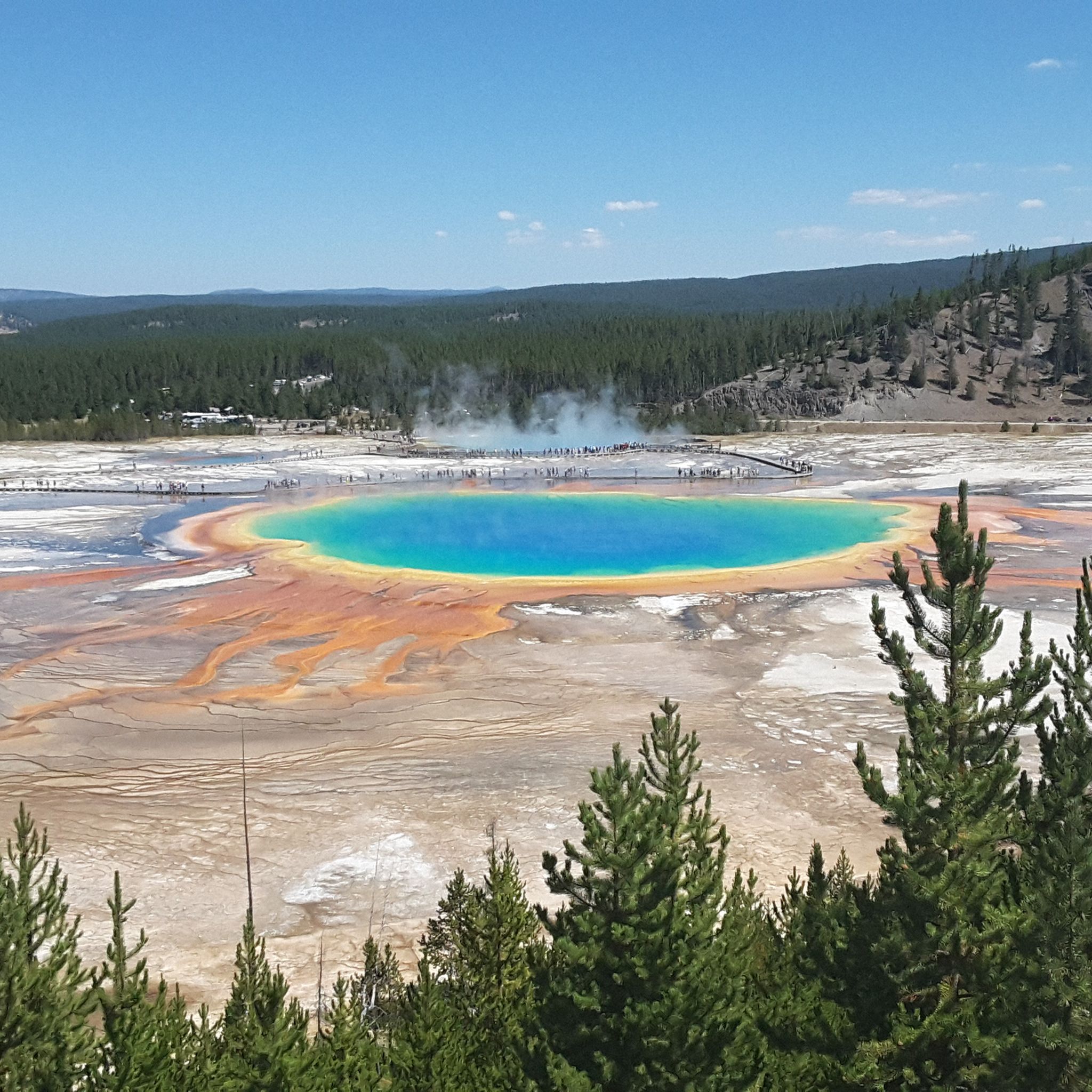
The Midway Geyser Basin is part of the giant Yellowstone Caldera and features two significant geothermal landmark: the Excelsior Geyser (a crater that discharges 4,000 gallons of water per minute into the nearby Firehole River) and the Grand Prismatic Spring (the largest hot spring in the US). A short loop on boardwalks takes you into the basin and along these stunning locations. Come early in the day to avoid the crowds.
2
0

This 110-foot waterfall is only small in comparison to the lower falls, which are almost 330 feet high. Needless to say the upper falls are still magnificent, and the interesting colors in the canyon walls are the result of this region's constant hydrothermal activity.
0
0
You get a great view of Old Faithful from here. This isn't the biggest geyser in the park, nor the one that erupts the most frequently, but it is the biggest geyser that erupts this frequently. Old Faithful is named for its dependable eruptions that usually take place 90 minutes apart, give or take.
0
0

One of the many highlights in Yellowstone NP. A must-see.
0
0
Frequently Asked Questions
What unique natural features can I explore in Wyoming?
Wyoming is renowned for its diverse natural features. You can witness the predictable eruptions of Old Faithful Geyser and marvel at the vibrant colors of Grand Prismatic Spring, both within Yellowstone National Park. Don't miss the striking Morning Glory Pool with its crystal blue waters. Beyond Yellowstone, explore the unique travertine terraces of Mammoth Hot Springs Terraces and the active geothermal area of Norris Basin.
Are there any notable waterfalls in Wyoming?
Yes, Wyoming is home to impressive waterfalls, particularly within Yellowstone National Park. You can visit the powerful Upper Yellowstone Falls and the majestic Lower Yellowstone Falls, which are part of the Grand Canyon of the Yellowstone.
Where can I experience Wyoming's famous hot springs?
Wyoming offers several opportunities to experience its famous hot springs. In Yellowstone National Park, you can see the stunning Grand Prismatic Spring, Morning Glory Pool, and the unique Mammoth Hot Springs Terraces. Outside the national parks, Hot Springs State Park in Thermopolis is known for having the world's largest mineral hot springs, where visitors can soak in therapeutic waters.
What historical landmarks are important to Wyoming's past?
Wyoming is rich in historical landmarks. Devils Tower National Monument, America's first National Monument, holds significant cultural importance. You can also visit sites like Independence Rock State Historic Site and Oregon Trail Ruts State Historic Site, which preserve remnants of westward expansion. Fort Laramie National Historic Site, the Medicine Wheel National Historic Landmark, and the Wyoming State Capitol in Cheyenne are also key historical points.
Where can I learn about Wyoming's cultural heritage?
To delve into Wyoming's cultural heritage, consider visiting the Buffalo Bill Center of the West in Cody, which houses five museums including the Plains Indian Museum and the Buffalo Bill Museum. The Heart Mountain Interpretive Center offers insights into Japanese-American incarceration history. The Wind River Indian Reservation provides a look into American Indian culture, and the Wyoming Territorial Prison State Historic Site in Laramie offers a glimpse into the state's frontier justice.
Are there family-friendly attractions in Wyoming?
Many of Wyoming's natural attractions are family-friendly. The predictable eruptions of Old Faithful Geyser and the colorful Grand Prismatic Spring are easily accessible and captivating for all ages. The Norris Basin and Mammoth Hot Springs Terraces also offer accessible boardwalks and fascinating sights. Additionally, many museums like the Buffalo Bill Center of the West provide engaging experiences for families.
What outdoor activities can I do near Wyoming's attractions?
Wyoming offers a wide range of outdoor activities near its attractions. You can find numerous cycling routes, including easy to moderate trails like the Fountain Freight Road Bike Trail in Yellowstone National Park, or longer routes such as the Jenny Lake & Snake River loop in Grand Teton National Park. For more options, explore the Cycling in Wyoming guide and the Road Cycling Routes in Wyoming guide.
Are there hiking trails near these attractions?
Yes, there are many hiking opportunities near Wyoming's attractions. You can take an easy circular path to Taggart Lake, or explore moderate trails like the Grand Prismatic Hot Spring Overlook and Imperial Geyser Trail in Yellowstone National Park. For more waterfall-focused hikes, check out the Waterfall hikes in Wyoming guide, which includes trails to Terraced Falls and Cave and Bechler Falls.
What do visitors enjoy most about Wyoming's natural monuments?
Visitors frequently express awe at the natural spectacles. For Old Faithful Geyser, the reliable eruption times and the sheer power of the water display are highlights. The vibrant colors of Grand Prismatic Spring, created by microbial mats, are often described as stunning. Many also appreciate the unique beauty of Morning Glory Pool, noting its captivating colors.
What are some less crowded natural attractions in Wyoming?
While national parks draw large crowds, Wyoming offers many other natural wonders. Consider visiting Sinks Canyon State Park, where the Popo Agie River disappears into a cavern. Bighorn Canyon National Recreation Area provides dramatic sandstone walls and scenic beauty. Fossil Butte National Monument preserves ancient life forms, and geological sites like Wind River Canyon, Hell's Half Acre, Ten Sleep Canyon, and Vedauwoo Recreation Area offer unique landscapes away from the main tourist hubs.
What is the best time to visit Wyoming for outdoor activities?
The best time to visit Wyoming for outdoor activities largely depends on the activity. Summer (June to August) is ideal for hiking, cycling, and exploring national parks, offering warm weather and full accessibility. However, it's also the busiest season. Spring and fall provide cooler temperatures, fewer crowds, and beautiful scenery, though some higher elevation areas might still have snow or begin to see early snowfall. Winter offers opportunities for skiing and snowshoeing, particularly in areas like Jackson Hole and Grand Targhee Resort.
Are there any wheelchair-accessible viewpoints in Wyoming?
Yes, several key attractions in Wyoming offer wheelchair accessibility. Old Faithful Geyser is easily accessible from its parking lot. The Norris Basin and Emerald Spring also feature accessible boardwalks, allowing visitors to experience these geothermal wonders. Many national park visitor centers and some viewpoints are designed to be accessible.
Most popular routes in Wyoming
Most popular attractions in Wyoming

Get inspired with the komoot mobile app


Didn’t find what you were looking for?
Are you keen on exploring more awesome places nearby? Browse our guides:
Explore more
Still not found the Highlight you’re looking for? See guides of the top attractions in other regions:
