Breisgau-Hochschwarzwald
Breisgau-Hochschwarzwald
Top 20 Castles in Breisgau-Hochschwarzwald
Best castles in Breisgau-Hochschwarzwald offer a journey through various historical periods and architectural styles, set against the backdrop of the Black Forest and Rhine Valley. This region, centered around Freiburg im Breisgau, features a diverse collection of fortifications, from well-preserved manor houses to evocative ruined castles. Many sites provide panoramic views of the surrounding landscapes, including the Rhine Valley and the Vosges mountains. The castles here reflect the area's strategic importance and rich cultural heritage.
Best castles in Breisgau-Hochschwarzwald
- The…
Last updated: October 9, 2026
View of Bacchus Sculpture and Staufen Castle Ruins
Highlight • Castle
Translated by Google •
Tip by

Staufen Castle Ruins
Highlight • Castle
Translated by Google •
Tip by

Sign up now to discover places like this
Get recommendations on the best single tracks, peaks, & plenty of other exciting outdoor places.
Burkheim Castle Ruins
Highlight • Castle
Translated by Google •
Tip by

Schneeburg Ruins
Highlight • Historical Site
Translated by Google •
Tip by

Zähringen Castle Tower
Highlight • Castle
Translated by Google •
Tip by
Malteser Castle, Heitersheim
Highlight • Castle
Translated by Google •
Tip by

Schwendi Castle Ruins (Burkheim)
Highlight • Castle
Translated by Google •
Tip by

Badenweiler Castle
Highlight • Castle
Translated by Google •
Tip by

Castellberg Tower and Ruins
Highlight • Monument
Translated by Google •
Tip by

Schlossberg Pavilion and the Höhingen Castle Ruins
Highlight • Castle
Translated by Google •
Tip by

Sign up for free to discover even more castles in Breisgau-Hochschwarzwald.
Already have an account?
Start today with a free account
Your next adventure awaits.
Popular around Breisgau-Hochschwarzwald
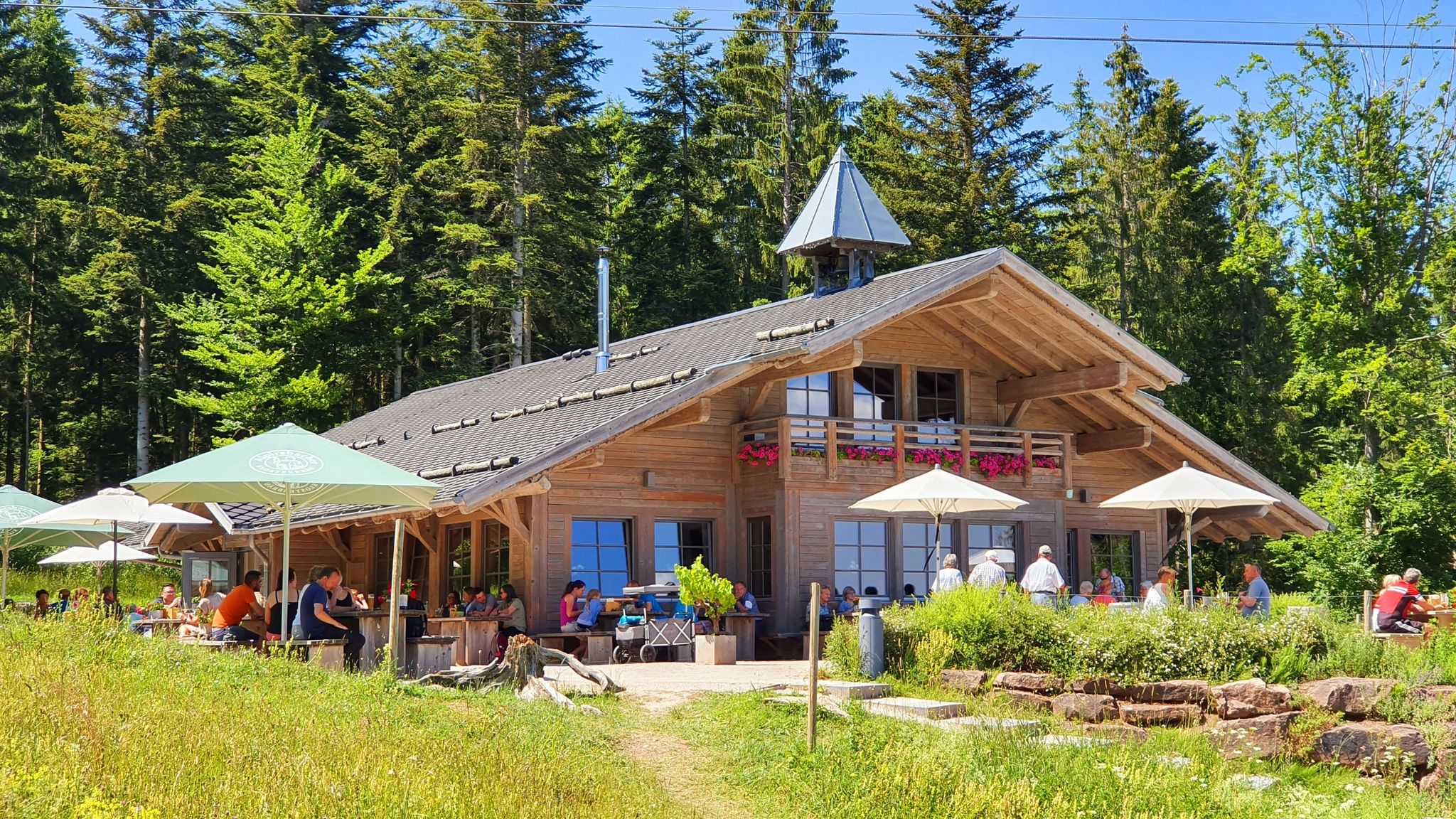
The Black Forest’s huts – moments of enjoyment & relaxation in the forest
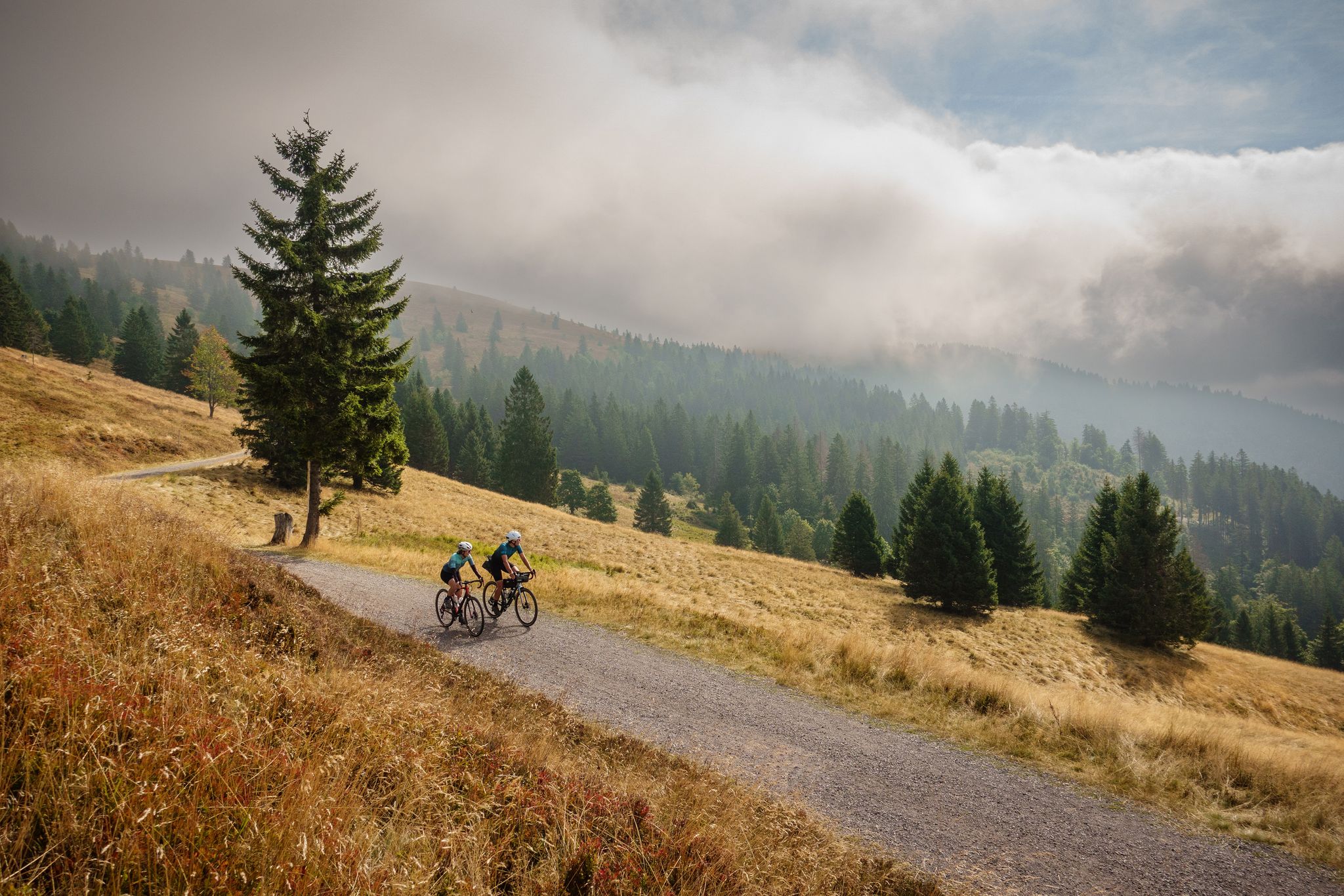
Nature, mountains and freedom – gravel and cycle Tours in the Black Forest
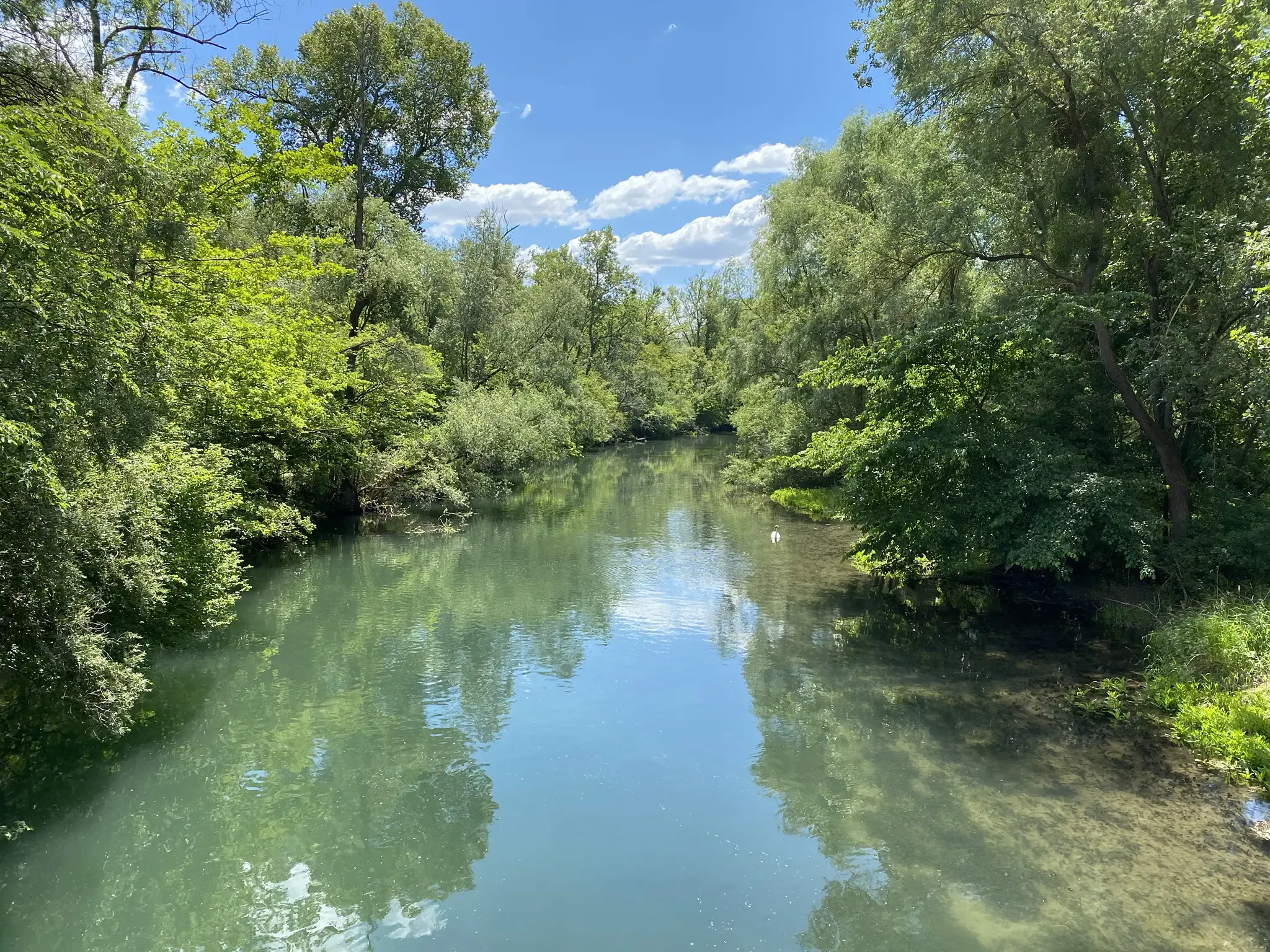
Rheinauenweg hiking path – Jungle tour for water rats
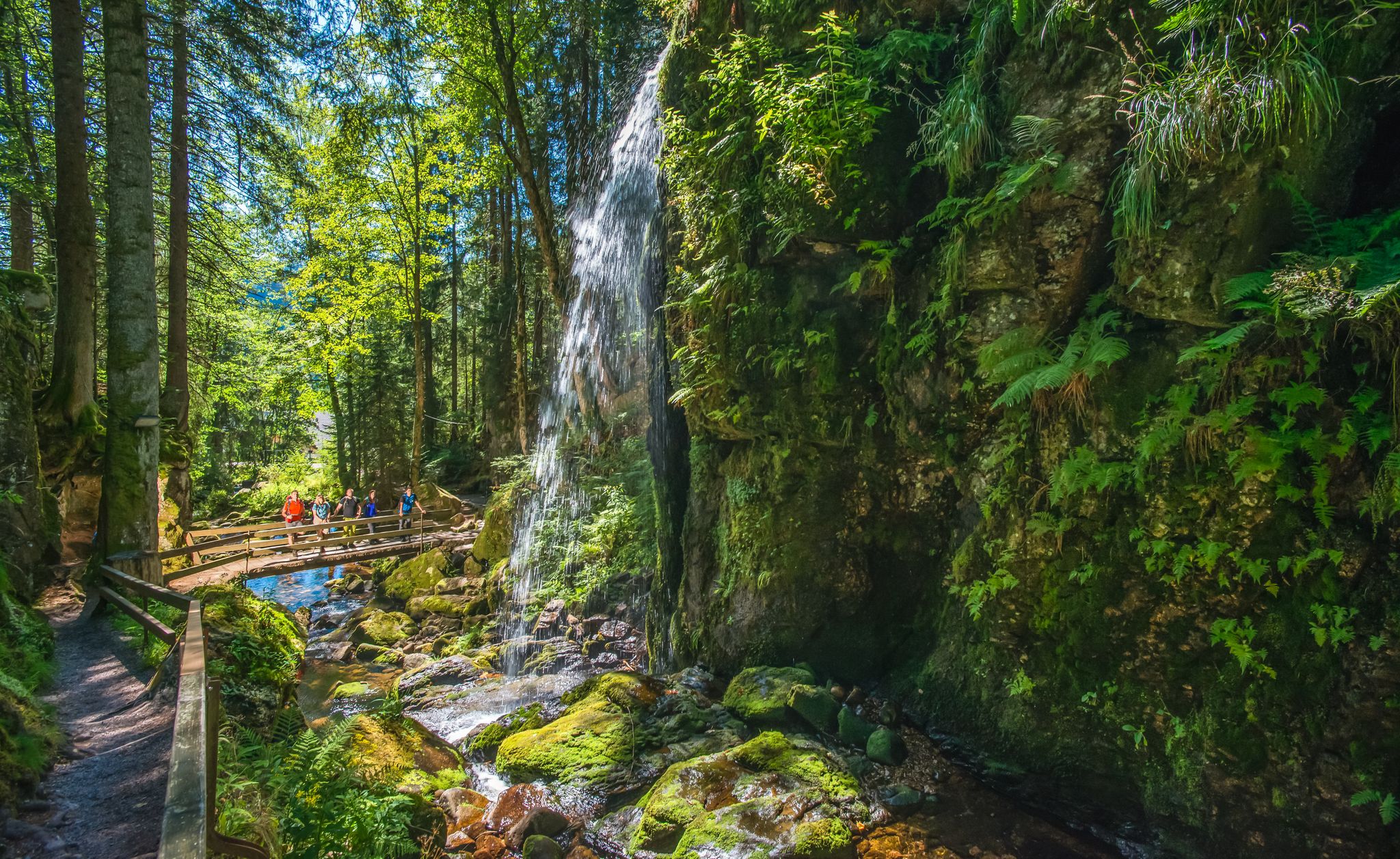
Albsteig Schwarzwald – Hike along the River Alb through the Black Forest in Germany
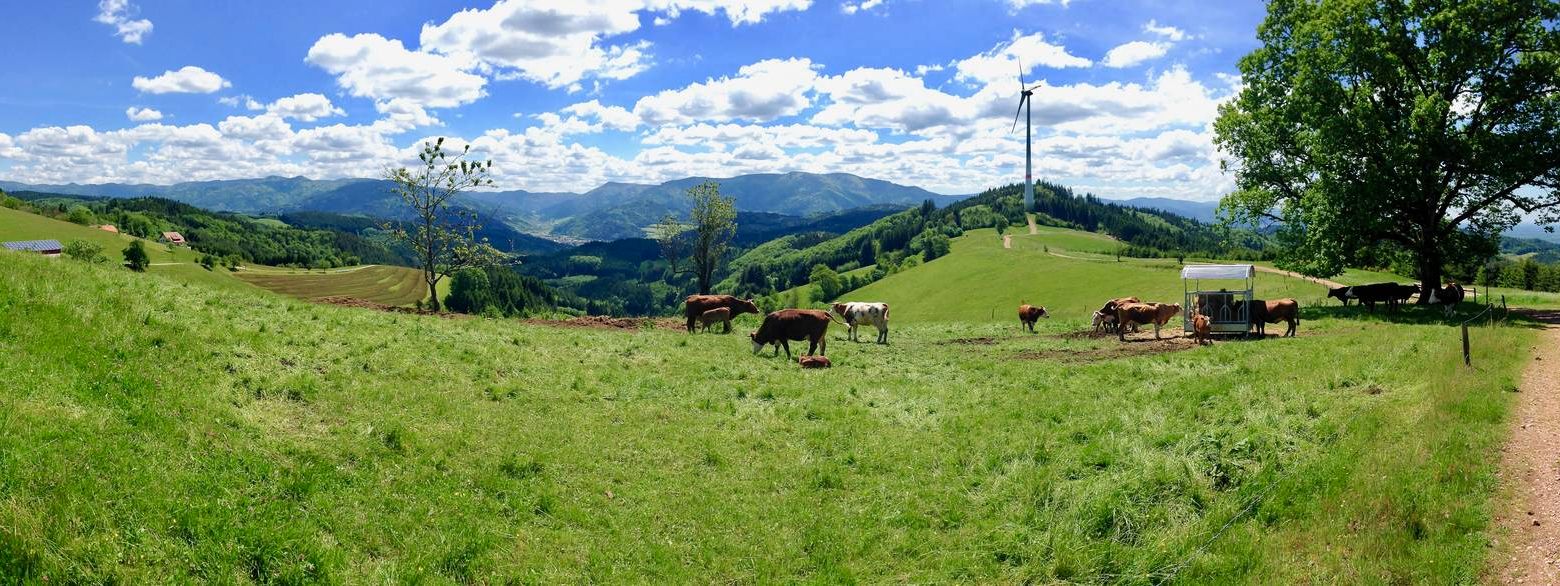
Germany's Kandelhöhenweg — More westerly than the Westweg
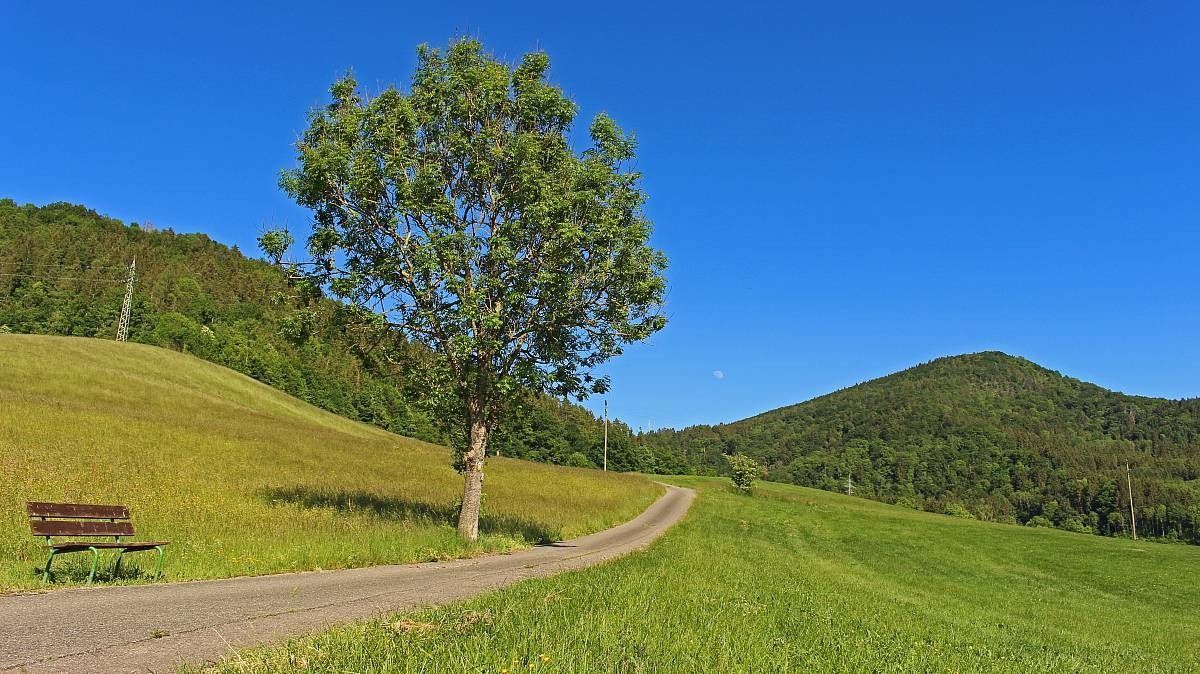
The Freiburg–Lake Constance Black Forest Trail — To the Swabian Sea
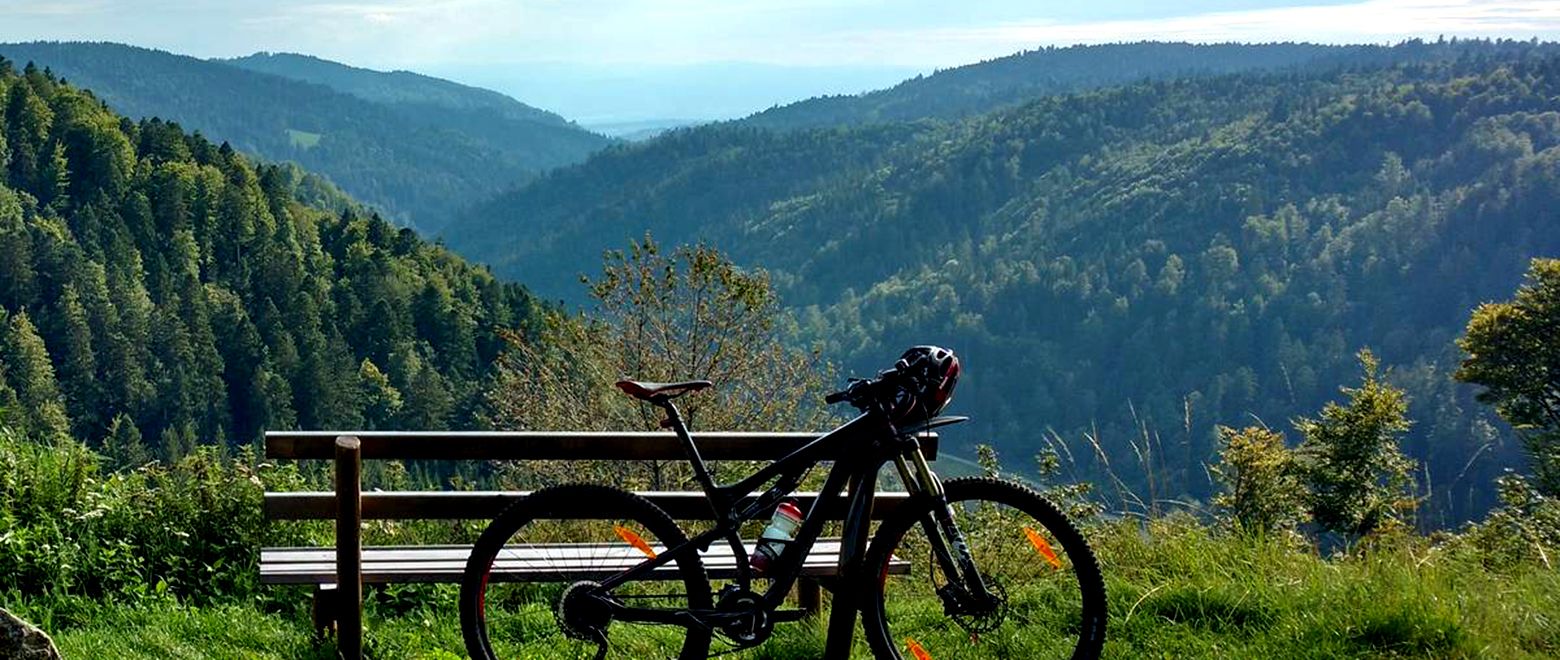
The Black Forest Crossing – From north to south in eight days
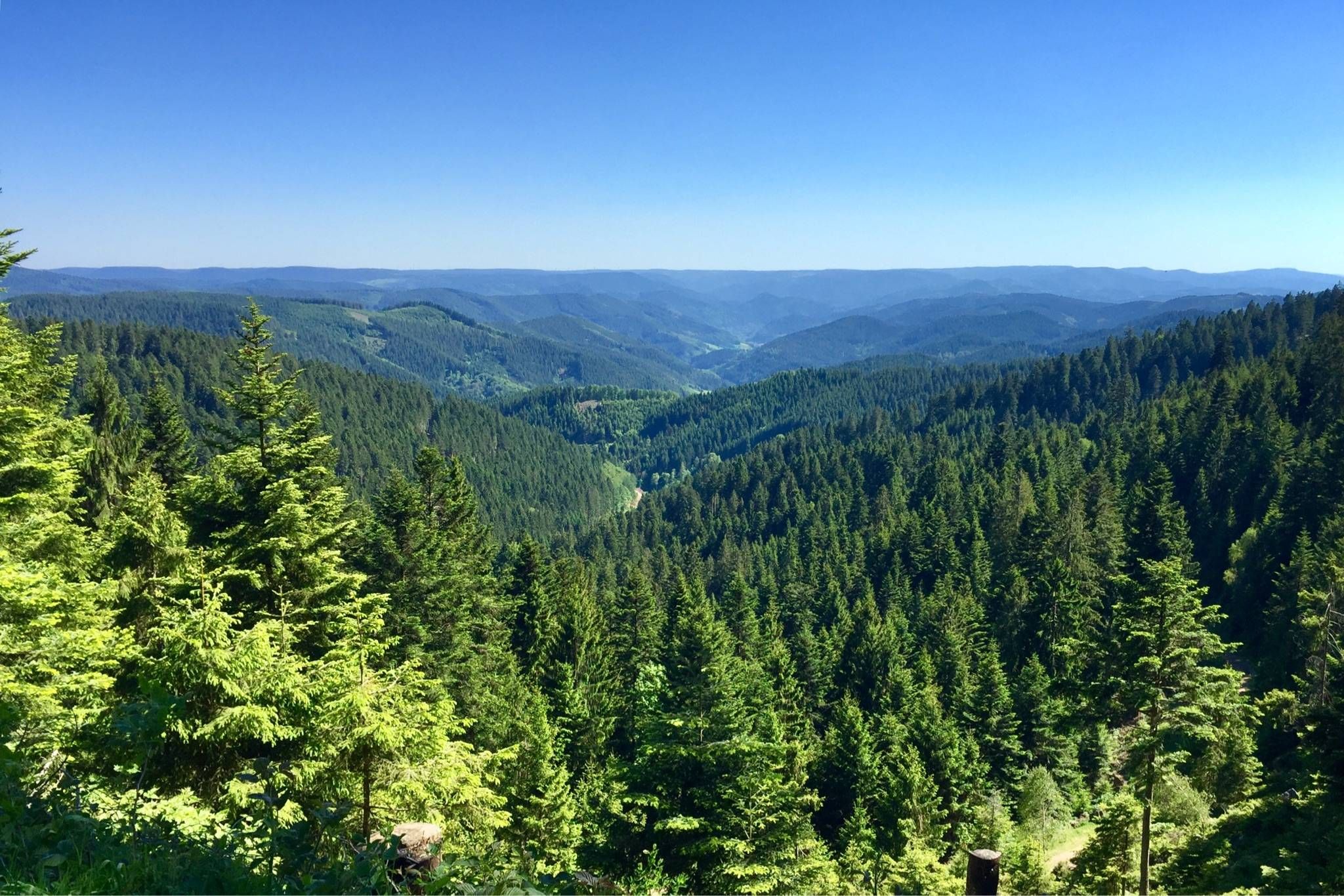
Westweg – Deep forests and bright heights through the Black Forest
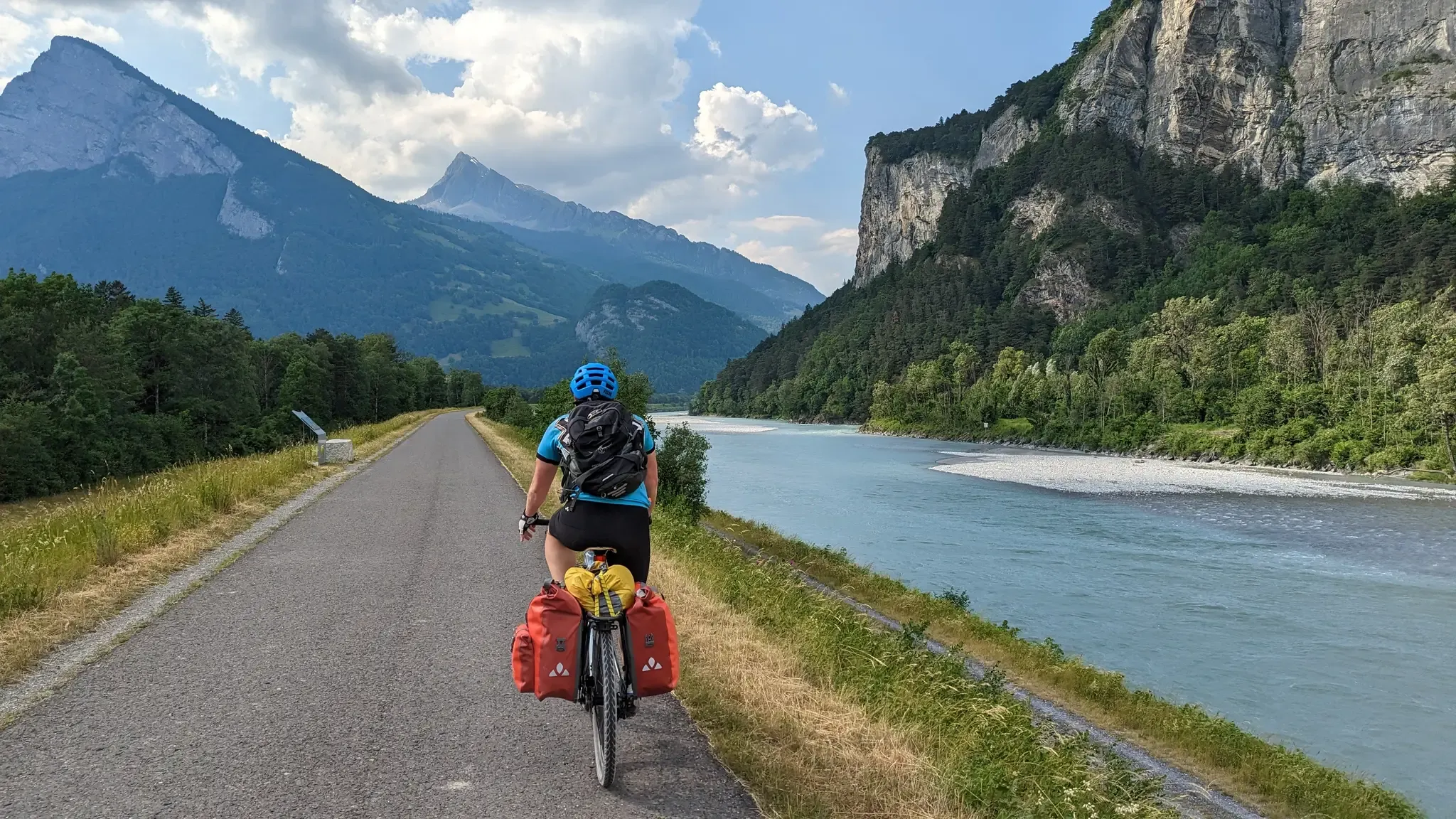
The Rhine Cycle Path — From the source to the North Sea
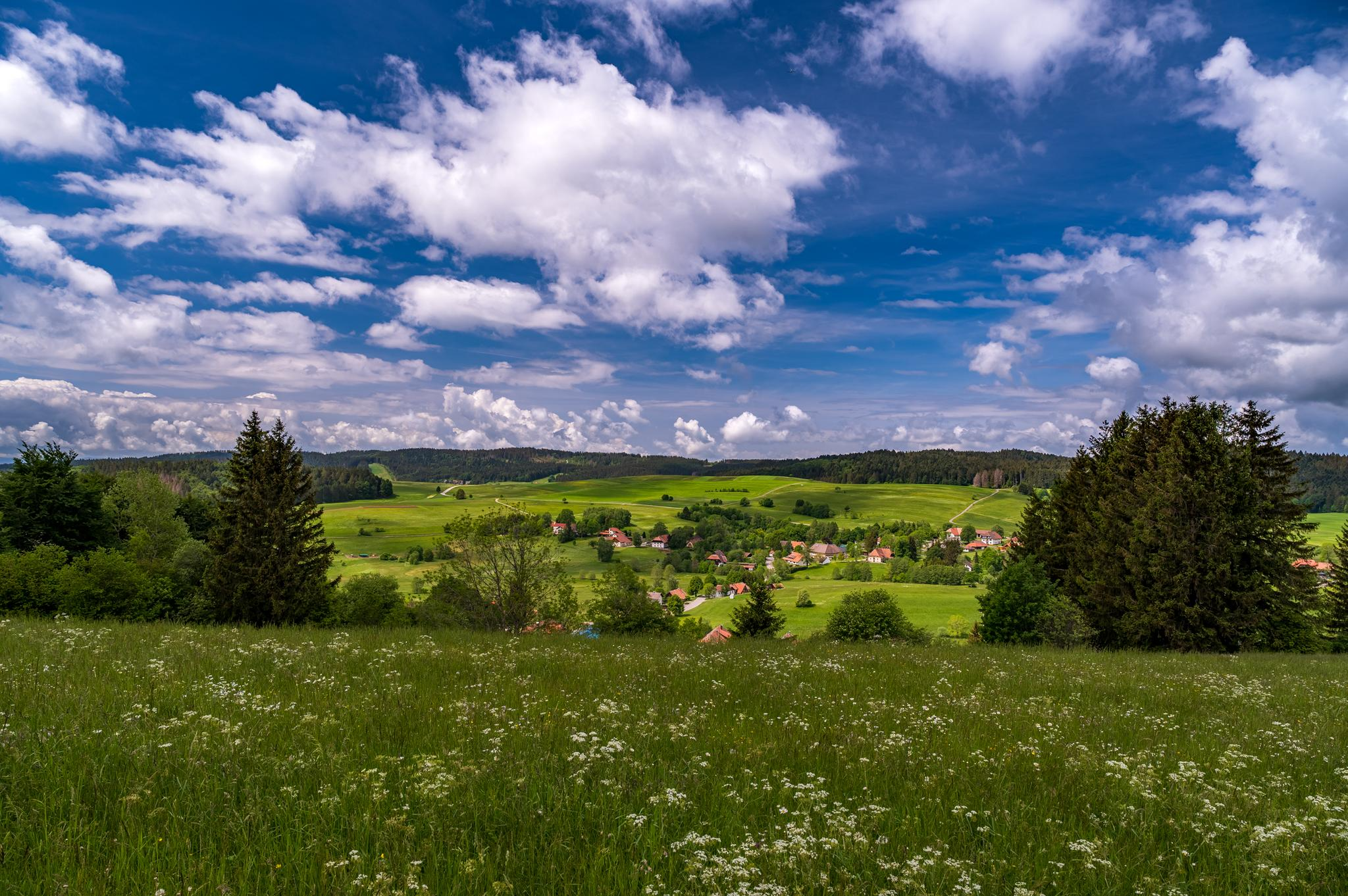
Village getaways in the Black Forest – small towns, great hiking
Other adventures in Breisgau-Hochschwarzwald


Tips from the Community

Fantastic view. Be sure to climb the tower and overcome your fear of heights. It's worth it!
1
0

Unfortunately, the trees around the tower are now so tall that there is no longer any view.
1
0

Nice rest area, nice view. Well attended.
0
0
(4/2024) The castle is now empty and the rooms are gradually being given over to social projects by the city. The former castle or monastery garden was transformed by the city's citizens into a very beautiful community vegetable/ornamental garden. You can now drink coffee in the Villa Artis house next to the Villa Urbana Roman Museum.
1
0

Insect hotel
0
1

Beautiful distant view of the Rhine plain and the Vosges
1
0

Beautiful castle with many buildings and open spaces. The entire complex is an impressive size. Of course with an interesting history, but the present is also exciting and almost resembles a crime thriller or Asterix: In 2019, a private international boarding school was to be built there by a Chinese investor. After strong resistance from citizens, the local council decided at the end of 2021 to make the castle city property. Public and social use is planned, the details of which are yet to be determined. Detailed presentation of the events of the last few years at https://www.bi-malteserschloss.de/
2
0

The tower is not open. According to a sign, keys for the door can be borrowed from the forest restaurant just below.
3
0
Frequently Asked Questions
Which castles offer the most impressive panoramic views?
Many castles in Breisgau-Hochschwarzwald are renowned for their stunning vistas. For example, the Ruins of Neuenfels Castle provide a wonderful view of the Rhine valley, the Kaiserstuhl, and the Vosges mountains. Similarly, Staufen Castle Ruins offer a great perspective of the city, the Black Forest, and the Rhine plain. The Badenweiler Castle Ruins also boast views of the Vosges mountains, overlooking the spa town of Badenweiler.
Are there family-friendly castles to visit in the Breisgau-Hochschwarzwald region?
Yes, several castles in the region are suitable for families. The Staufen Castle Ruins are often highlighted as a great ruin for children, offering beautiful views. While not explicitly listed as 'family-friendly' in all data, many ruined castles provide an engaging historical backdrop for exploration, and the outdoor settings are generally enjoyable for all ages.
What kind of historical or architectural styles can I expect to see among the castles?
The region showcases a diverse range of historical and architectural styles. You can find medieval ruins like the Zähringen Castle Tower, which is the ancestral seat of an influential noble family, or the dramatic Falkenstein Castle ruins guarding a historic trade route. There are also baroque manor houses such as Ebnet Castle, known for its 18th-century artistry, and Renaissance castles like Markgrafenschloss Emmendingen, which now houses a museum.
Are there opportunities for hiking or other outdoor activities near the castles?
Absolutely. Many castles are situated in scenic locations perfect for outdoor enthusiasts. For instance, the Falkenstein Castle ruins are known for their challenging hikes. The Breisgau-Hochschwarzwald region offers numerous routes for various activities. You can find easy hikes, running trails, and gravel biking routes nearby. Explore options like easy hikes in Breisgau-Hochschwarzwald on komoot.com, running trails on komoot.com, or gravel biking on komoot.com.
Which castles offer unique experiences beyond just historical viewing, such as events or special facilities?
Ebnet Castle stands out as an active event venue, hosting Christmas markets, garden shows, theatre performances, and chamber music concerts. It also serves as an exclusive wedding location. For those interested in wine, Schloss Kageneck, a 17th-century castle, now houses a winery. Additionally, the Badenweiler Castle area includes a restaurant and cafe, providing amenities for visitors.
What do visitors enjoy most about the castles in Breisgau-Hochschwarzwald?
Visitors frequently praise the breathtaking panoramic views offered by many castle sites, often extending across the Rhine plain to the Vosges mountains and the Black Forest. The historical significance and the opportunity to explore medieval ruins are also highly valued. The combination of history, nature, and scenic beauty makes these castles a popular destination for both local and international visitors.
Are there any castles that are wheelchair accessible?
While many castles in the region are ruins on hillsides, which can present accessibility challenges, the area around Badenweiler Castle is noted as being wheelchair accessible, offering a more inclusive experience for visitors.
Can I visit castles that have been repurposed into museums or other modern uses?
Yes, the region features castles with new lives. Colombischlössle Freiburg, a Gothic Tudor-style manor house, now hosts the Archaeological Museum. Markgrafenschloss Emmendingen, a Renaissance castle, has been transformed into the Hirsmüller Photography Museum, offering a blend of history and contemporary culture.
Are there any lesser-known or 'hidden gem' castles worth exploring?
While the guide highlights popular spots, the region is rich with smaller, evocative ruins. For example, the Schneeburg Ruins, located on the western foothills of the Schönberg, offer a nice, small ruin with a great view of the Rhine Valley and Freiburg, providing a more secluded experience.
What is the best time of year to visit the castles in Breisgau-Hochschwarzwald?
The castles in Breisgau-Hochschwarzwald can be enjoyed throughout the year, but spring and autumn often offer the most pleasant conditions. Spring brings blooming landscapes, while autumn provides vibrant foliage, enhancing the scenic views. Summer is also popular, though it can be warmer, and winter visits can be magical, especially if there's snow, though some paths might be less accessible.
Which castles are particularly significant for their historical role or unique features?
The Zähringen Castle Tower is historically significant as the ancestral seat of the influential Zähringer family. Falkenstein Castle ruins played a crucial role in guarding the important communication route through the Höllental valley. Ebnet Castle is notable for its well-preserved baroque architecture and local artistry. Each castle offers a unique piece of the region's rich history.
Are there castles with dining options or cafes nearby?
Yes, some castle locations offer convenient dining. Near the Zähringen Castle Tower, there is a restaurant nearby, making it a pleasant destination for an outing. The area around Badenweiler Castle also features a cafe, perfect for a break after exploring the ruins.
Most popular routes in Breisgau-Hochschwarzwald
Most popular attractions in Breisgau-Hochschwarzwald

Get inspired with the komoot mobile app


Didn’t find what you were looking for?
Explore Breisgau-Hochschwarzwald’s best castles region by region:
