Top 17 Castles in Landkreis Offenbach
Castles in Landkreis Offenbach offer a journey through centuries of regional history. This area, situated in the Rhine-Main region, features a mix of historic towns and natural landscapes. The castles here provide insights into past architectural styles and cultural developments, often set amidst picturesque surroundings. Visitors can explore a variety of historical sites, from medieval ruins to Renaissance palaces.
Best castles in Landkreis Offenbach
- The most popular castles is Dreieichenhain: Old Town and Castle Ruins, a historical site that…
Last updated: July 6, 2026
Hayn Castle Ruins
Highlight (Segment) • Castle
Translated by Google •
Tip by

Dreieichenhain: Old Town and Castle Ruins
Highlight • Historical Site
Translated by Google •
Tip by

Sign up now to discover places like this
Get recommendations on the best single tracks, peaks, & plenty of other exciting outdoor places.
Sign up for free
Hayn Castle Ruins (Dreieichenhain)
Highlight • Castle
With its original height of about 30 m …
Translated by Google •
Tip by

Schönborn Castle
Highlight • Castle
Translated by Google •
Tip by

Dreieichenhain Castle Ruins 🚴♂️
Highlight • Castle
Translated by Google •
Tip by

Wasserburg Seligenstadt
Highlight • Castle
Translated by Google •
Tip by

Dreieichenhain Castle Pond
Highlight • Lake
Tip by

Haaner Woog and the Dreieichenhain Castle Ruins
Highlight • Castle
Translated by Google •
Tip by

Hinteres Schlösschen and Bannturm Heusenstamm
Highlight • Castle
The rear castle dates from the 15th and 16th centuries.
The front castle was built in the 17th century.
Translated by Google •
Tip by

Romanesque Palatium (Red Castle), Seligenstadt
Highlight • Historical Site
Translated by Google •
Tip by

Sign up for free to discover even more castles in Landkreis Offenbach.
Sign up for free
Already have an account?
Start today with a free account
Your next adventure awaits.
Login or Signup
Popular around Landkreis Offenbach
Changing habitats – themed cycling in FrankfurtRheinMain

Winter adventures by public transport – hikes for the whole family

By bike and train into the green - cycling Tours around the EUROBIKE

Orchards, vineyards, taverns – hikes in the RMV area

Out into spring – glorious hikes with the RMV
Valleys, meadows, forests — cycling bliss with Germany’s Rhine-Main Transport Network
33 MTB trails through German forests
33 lakes for sunny weekends
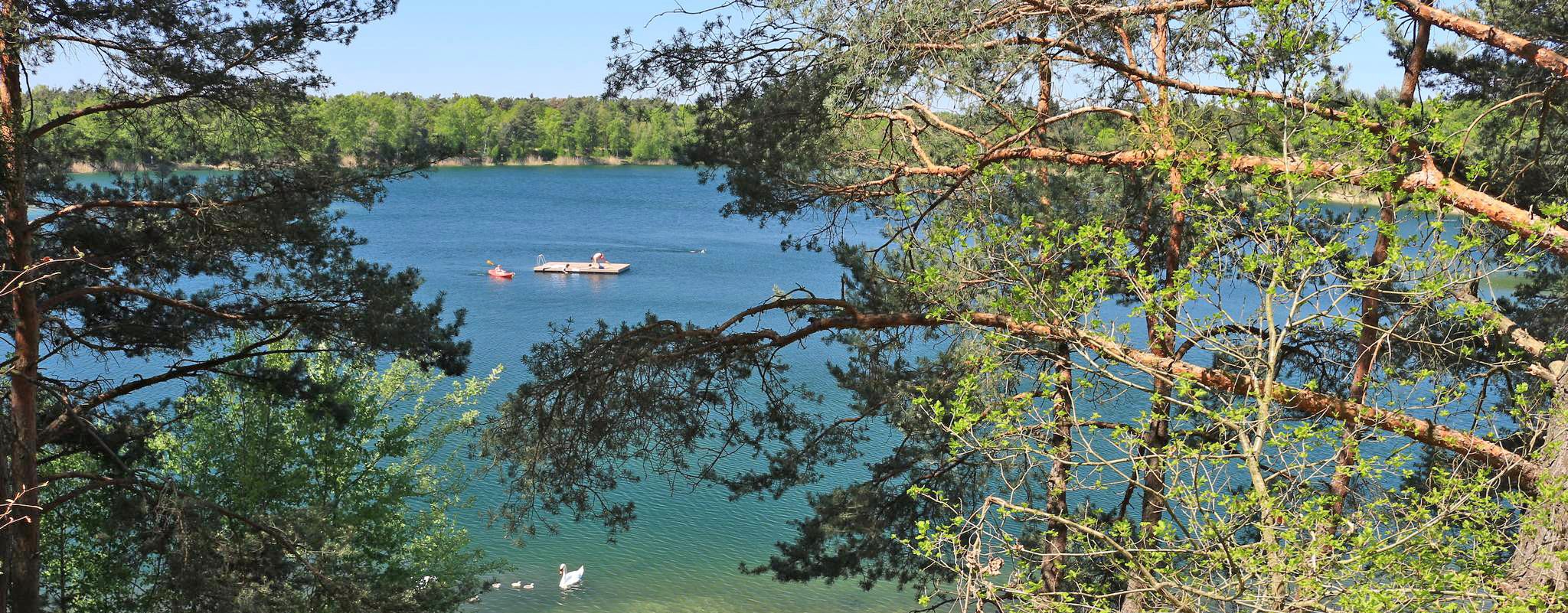
The most popular swimming lakes in Hesse
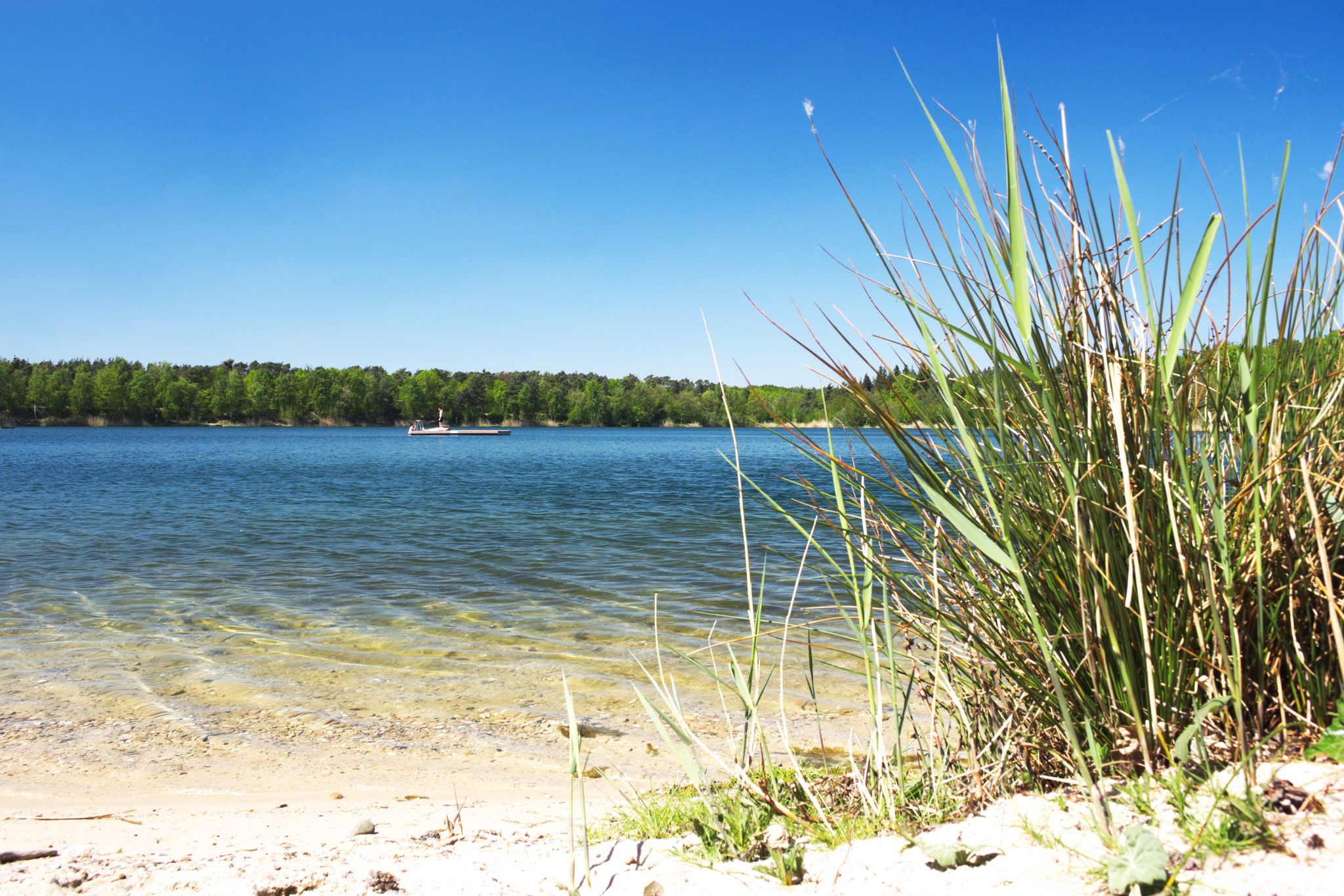
The best swimming lakes around Frankfurt
Other adventures in Landkreis Offenbach


Tips from the Community

The Hintere Schlösschen and the Bannturm form the historical core of Heusenstamm and date back to a medieval moated castle from the 13th century. The Bannturm is the oldest part of the entire complex; it was built as a fortified residential tower made of sandstone and also served as a prison over the centuries. Its current appearance with the large windows was only acquired through renovations in the 19th century. The directly adjacent Hintere Schlösschen was built in the 15th and 16th centuries on the foundations of an even older building. When the Counts of Schönborn later built the magnificent new castle, the Hintere Schlösschen was primarily used for administration and as living quarters for servants. Today, the building has been extensively restored and serves as the town's cultural center: it houses modern event rooms as well as the registry office's wedding chamber and is an integral part of the town hall complex.
0
0

beautiful pond in front of the castle provides relaxation
0
0
You can take a little time to see, marvel, observe, reflect ... in this historical place
1
0

Indispensable as part of an old town walk
1
0
Worth an extra trip
1
0

Be sure to plan a break and walk around.
0
0
Quite ok for a break with a photo opportunity and a short tour.
1
0

Around the year 100 AD, during the reign of the Roman Emperor Trajan, a cohort fort was built on the site of today's Seligenstadt market square and parts of today's old town, the Castrum Selgum. The cohort stationed there was called Cohors I Civium Romanorum equitata and was responsible for the security of the Limes section along the Main (also known as the Upper Germanic Limes). When the Limes fell during the Alemanni storms around the year 260 AD, the fort was abandoned and the Romans retreated back behind the Rhine line. The early medieval settlement of Mulinheim superior, Obermühlheim, was built on the ruins of the former fort and on the current monastery grounds in the valley section of the Breitenbach. The oldest known written mention of Seligenstadt, then known as Obermühlheim, goes back to the donation from Ludwig I to Einhard and, according to a copy of the donation document in the Codex Laureshamensis, dated January 11, 815. The town was founded by Einhard, the biographer of Charlemagne. After he received the Franconian domain of Obermulinheim as a donation from Ludwig the Pious in 815, he founded a Benedictine monastery here. A Count Drogo is mentioned as a previous owner. The bones of the martyrs Peter and Marcellinus, stolen in Rome, were transferred from the basilica in Steinbach in the Odenwald to Obermühlheim in 828, which thus became a place of pilgrimage. The name of the town soon changed from Obermühlheim to Seligenstadt. The bones of the martyrs were initially kept in the Laurentius Chapel on the estate, but this proved to be too small given the influx of believers. Einhard therefore promptly began building the Einhard Basilica, the landmark of the city on the Lower Main, and, as its first lay abbot, founded a Benedictine abbey as his own monastery. Source: Wikipedia
1
0
Frequently Asked Questions
What castles in Landkreis Offenbach are particularly rich in history or architectural significance?
For history and architecture enthusiasts, Isenburg Castle in Offenbach am Main is a prime example of Renaissance architecture. Burg Hayn in Dreieichenhain features impressive medieval fortifications, including one of Germany's largest keeps. Schloss Heusenstamm, also known as Schönborn Castle, showcases architectural evolution from its 15th-century origins to Baroque additions.
Are there family-friendly castles to visit in Landkreis Offenbach?
Yes, several castles are noted as family-friendly. Dreieichenhain: Old Town and Castle Ruins and Hayn Castle Ruins (Dreieichenhain) offer cultural events and a picturesque setting that families can enjoy. Schloss Heusenstamm (Schönborn Castle) is also listed as family-friendly and accessible for external viewing.
What outdoor activities can I do near the castles in Landkreis Offenbach?
The region around the castles offers various outdoor activities. You can find easy hikes, such as the 'Untertor (Lower Gate), Dreieichenhain – Dreieichenhain Castle Pond loop from Dreieichenhain,' or explore more challenging MTB trails like the 'Mönchwald Lake – Lindensee loop from Dreieich-Sprendlingen.' For more options, check out the guides for easy hikes or MTB trails in Landkreis Offenbach.
Which castles host cultural events or festivals?
Burg Hayn (Dreieichenhain) is a vibrant cultural venue, hosting medieval fairs, concerts, and theatrical performances, including the annual Dreieichenhain Castle Festival. Isenburg Castle also regularly hosts events, serving as a cultural hub.
Are there any castles with unique designs or features?
Yes, Wasserburg Seligenstadt stands out as a pleasure palace with a unique design, featuring a moat, drawbridge, and four small corner towers, despite being built in the 18th century. Isenburg Castle is notable for its distinct Renaissance facades, with a relaxed city-facing side and a more fortified river-facing side.
What are the best times of year to visit the castles in Landkreis Offenbach?
The castles can be enjoyed throughout the year. Spring and summer are ideal for outdoor activities and cultural events at places like Burg Hayn. Autumn offers picturesque scenery, while winter visits can provide a quieter, more atmospheric experience, though it's advisable to check specific opening hours for interiors during colder months.
Can I find cafes or restaurants near the castles?
Yes, several castles have amenities nearby. Schönborn Castle in Heusenstamm is listed as having both a restaurant and a cafe. Hayn Castle Ruins in Dreieichenhain are situated in an old town with nice places to stop for refreshments, including an ice cream parlor and other restaurants.
Are there any castles that are difficult to access or have limited public access?
Schloss Philippseich near Dreieich-Götzenhain has limited public access as it is primarily private property. While the castle church is active for local services in summer, general access to the grounds is restricted. It's recommended to inquire about specific events if you wish to visit.
What do visitors enjoy most about the castles in Landkreis Offenbach?
Visitors frequently praise the picturesque scenery and historical ambiance. Highlights like Dreieichenhain: Old Town and Castle Ruins are appreciated for their beautiful old town and serving as nice rest stops. The architectural beauty and historical significance of sites like Schönborn Castle are also highly valued by the komoot community.
Are there any castles that are wheelchair accessible?
Schönborn Castle in Heusenstamm is listed as wheelchair accessible, making it a suitable option for visitors requiring this feature. For other locations, it's advisable to check specific accessibility details beforehand, especially for older ruins.
Can I combine a castle visit with a cycling tour?
Absolutely. The region offers cycling opportunities that pass by historical sites. For instance, the Main Riverside Route offers views of Rumpenheim Castle and the Frankfurt skyline. Additionally, Wasserburg Seligenstadt serves as a starting point for the 'Kurmainzer Herz' cultural cycle path.
Most popular routes in Landkreis Offenbach
Most popular attractions in Landkreis Offenbach

Get inspired with the komoot mobile app


Didn’t find what you were looking for?
Explore Landkreis Offenbach’s best castles region by region:
Explore more
Looking for the best castles somewhere else? Discover other guides in Landkreis Offenbach:
