Top 16 Castles in Osterode am Harz
Best castles in Osterode am Harz are situated in the Harz Mountains, a region known for its historical significance and diverse landscapes. These sites provide insight into the area's past, showcasing various architectural styles and historical functions. The town and its surroundings feature numerous castles and castle ruins, each with distinct characteristics. Exploring these locations offers a direct connection to centuries of regional history.
Best castles in Osterode am Harz
- The most popular castles is Scharzfels Castle Ruins (HWN 151)…
Last updated: September 25, 2026
Scharzfels Castle Ruins (HWN 151)
Highlight • Castle
Translated by Google •
Tip by

Loop around the Scharzfels Ruins
Highlight • Trail
Translated by Google •
Tip by

Sign up now to discover places like this
Get recommendations on the best single tracks, peaks, & plenty of other exciting outdoor places.
Sachsenstein Castle Ruins
Highlight • Castle
Translated by Google •
Tip by

Frauenstein Rock and Medieval Cellar Vaults
Highlight • Historical Site
Translated by Google •
Tip by

Lichtenstein Castle Ruins
Highlight • Castle
Translated by Google •
Tip by

Welfenschloss Herzberg
Highlight • Castle
Translated by Google •
Tip by
Hindenburg Castle Ruins
Highlight • Castle
The ruins were uncovered in 1903 and had already been deserted in the 16th century. The Burgadel is dated to the year 1152.
Translated by Google •
Tip by
König Heinrichs Vogelherd Castle Ruins and Grill Area
Highlight • Castle
Translated by Google •
Tip by

St. Jacobi Castle Church, Osterode
Highlight • Religious Site
As early as the 12th century, a chapel stood in the area of the present church, near which Osterode's oldest market may have been located. Since 1233, a …
Translated by Google •
Tip by

Staufenburg ruins
Highlight • Castle
Translated by Google •
Tip by

Sign up for free to discover even more castles in Osterode am Harz.
Already have an account?
Start today with a free account
Your next adventure awaits.
Popular around Osterode am Harz
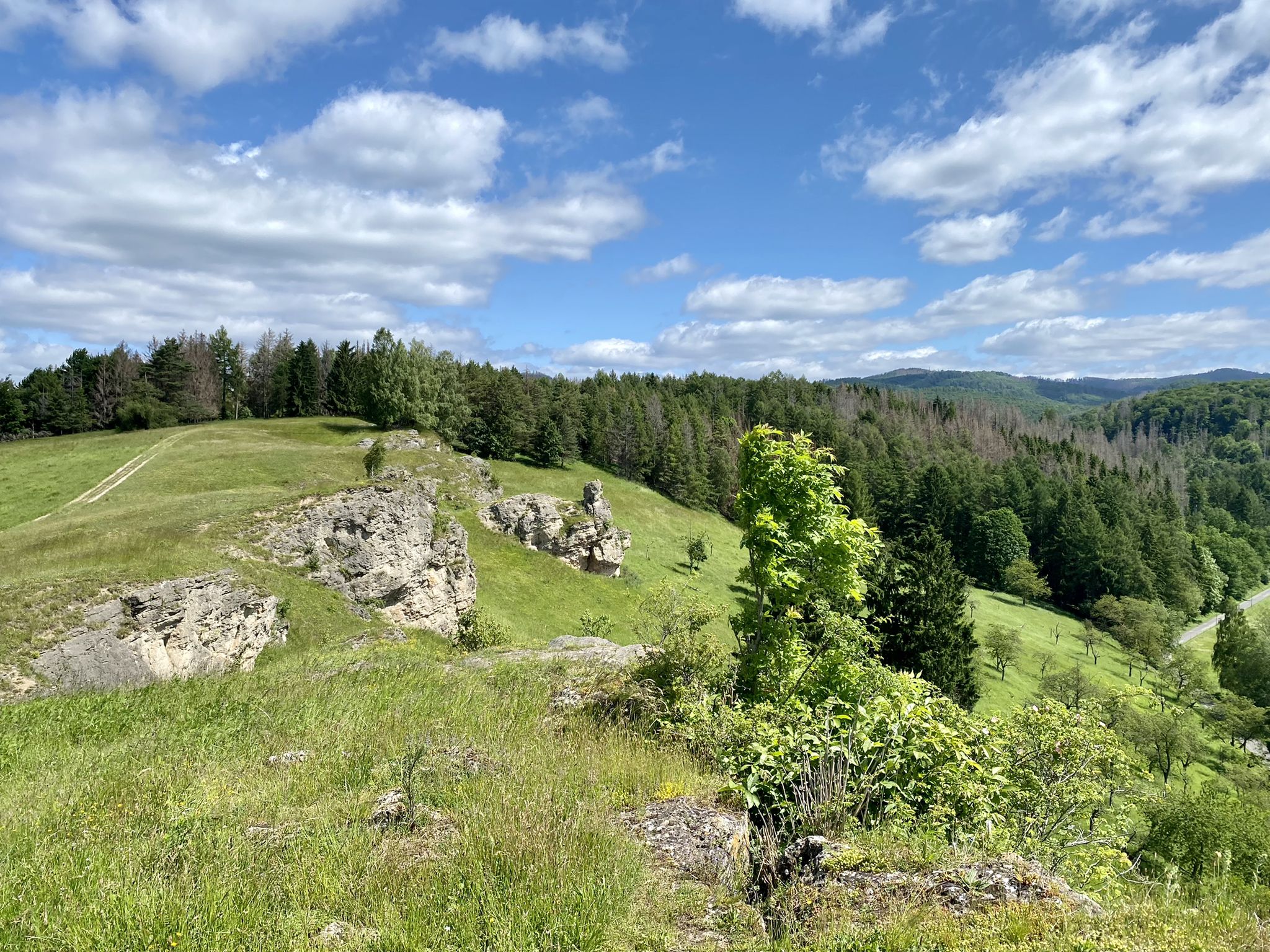
Karst Trail in Germany's Southern Harz Mountains – Where Water Meets Limestone
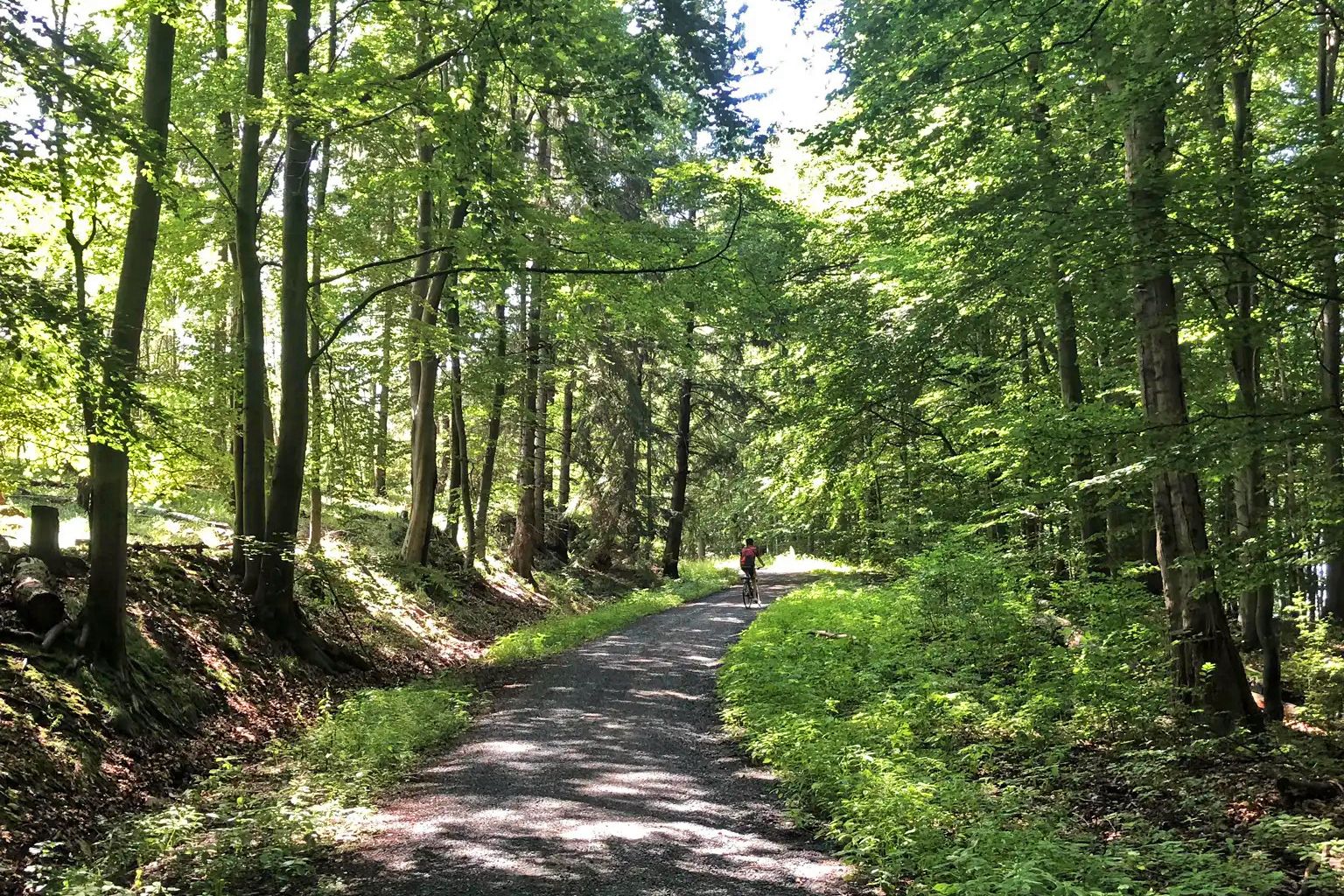
The Harz-Rundweg – once around the low mountain range in the Harz foreland
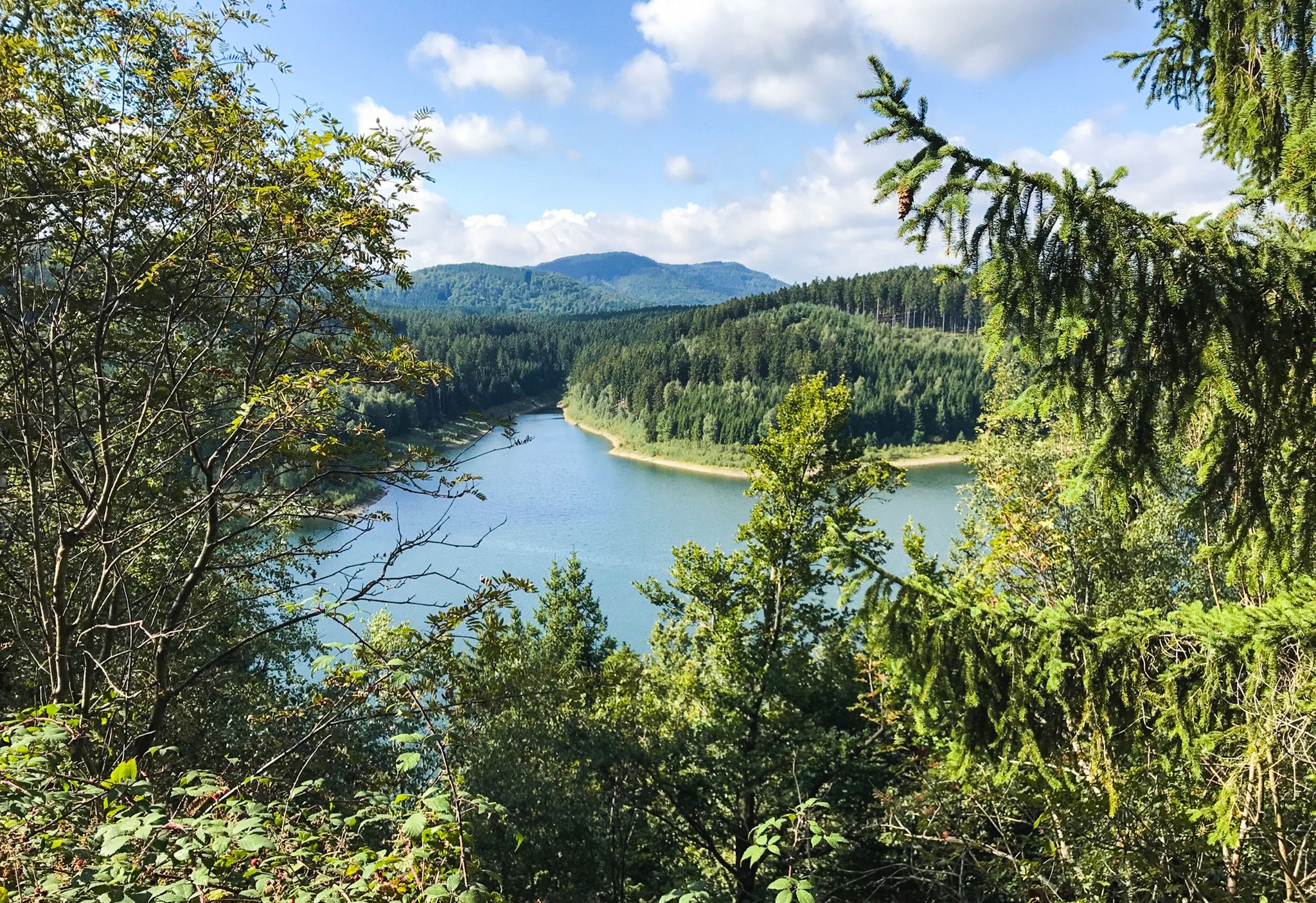
The Harzer Försterstieg trail – in 4 stages through the western Harz
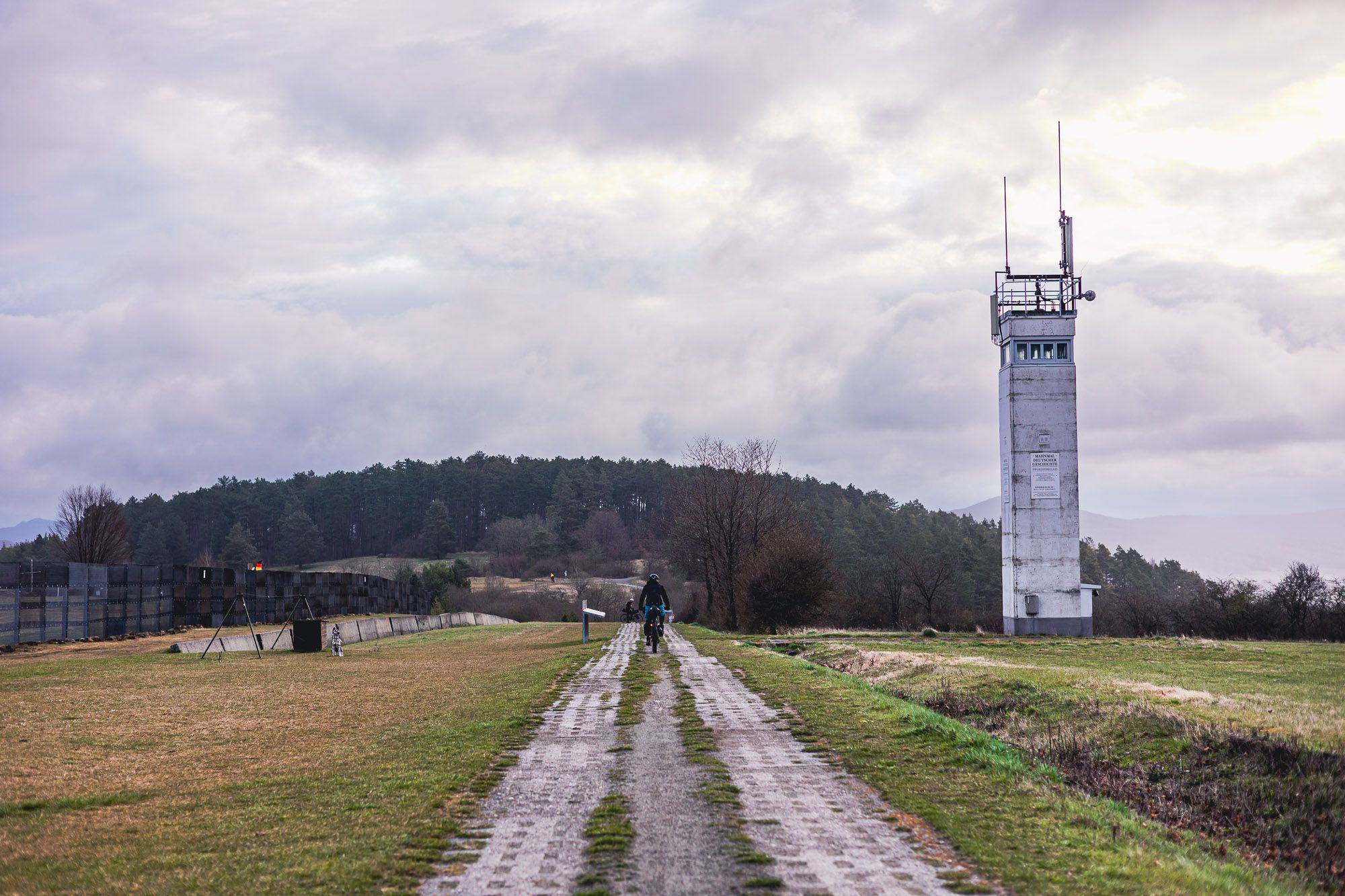
The Baltic Sea to Vogtland – 8 days along Germany's green former border
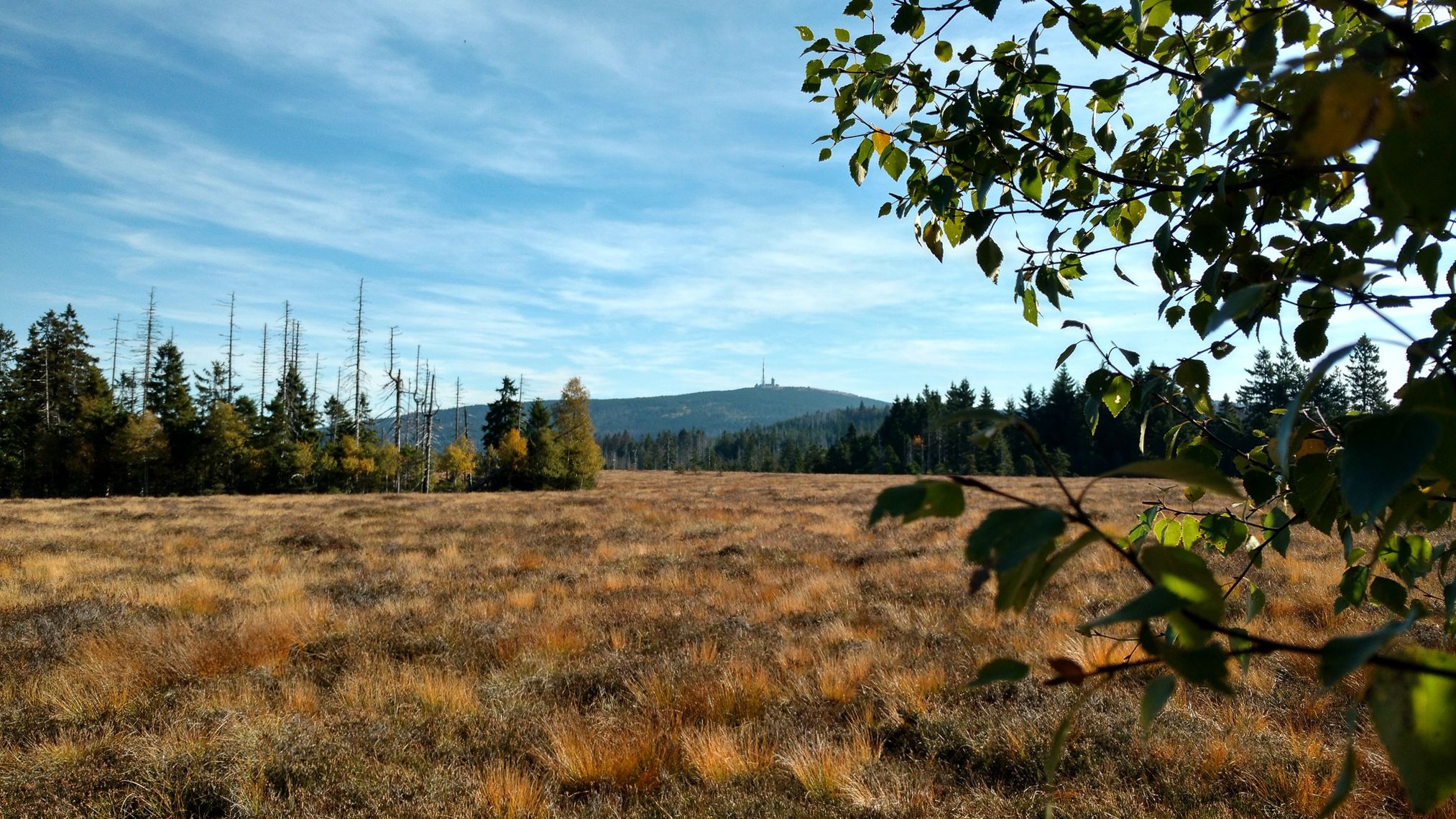
Harz Witches' Trail – A magical journey through Germany
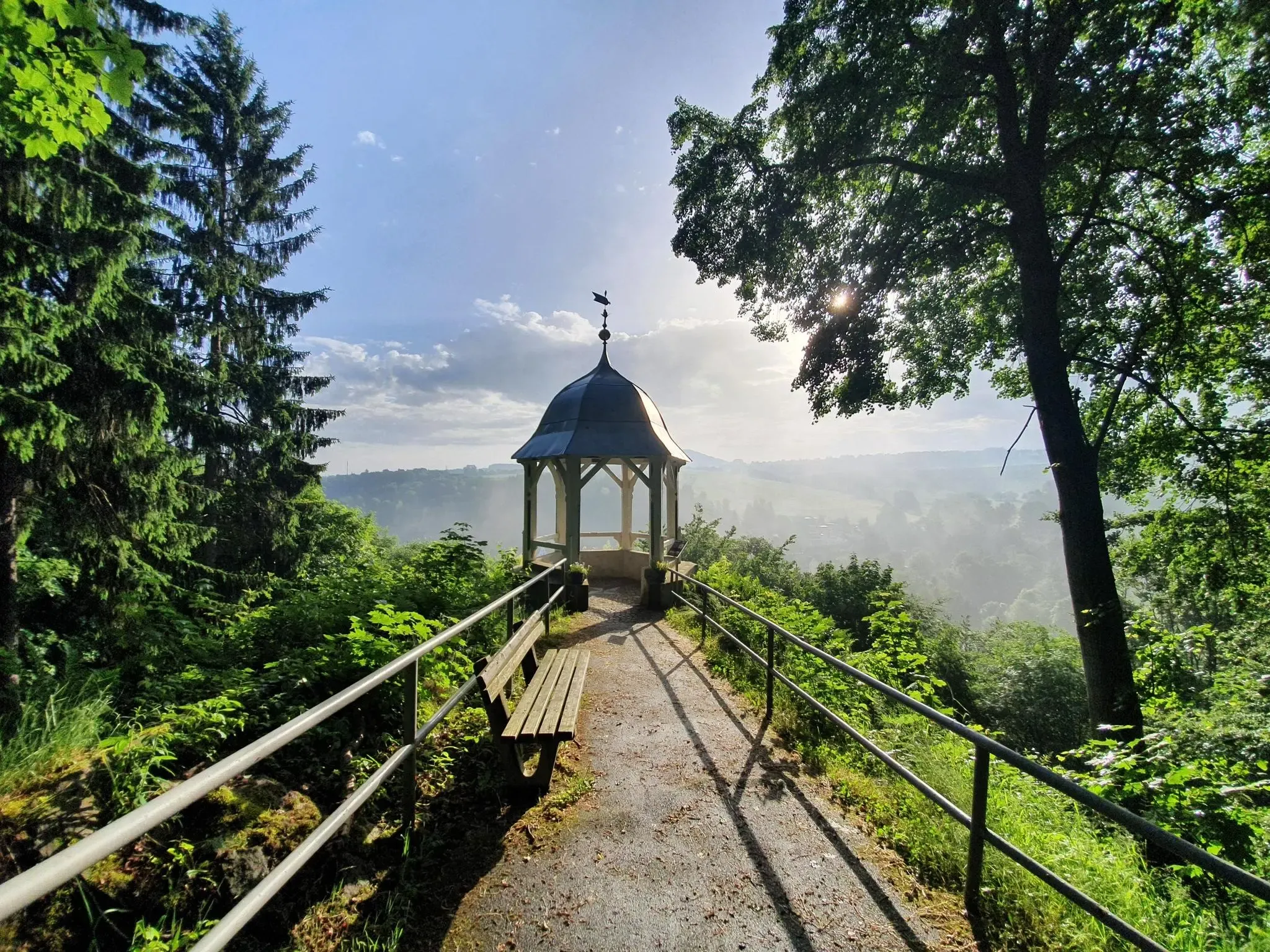
#GoFurther – discover the views of Germany!
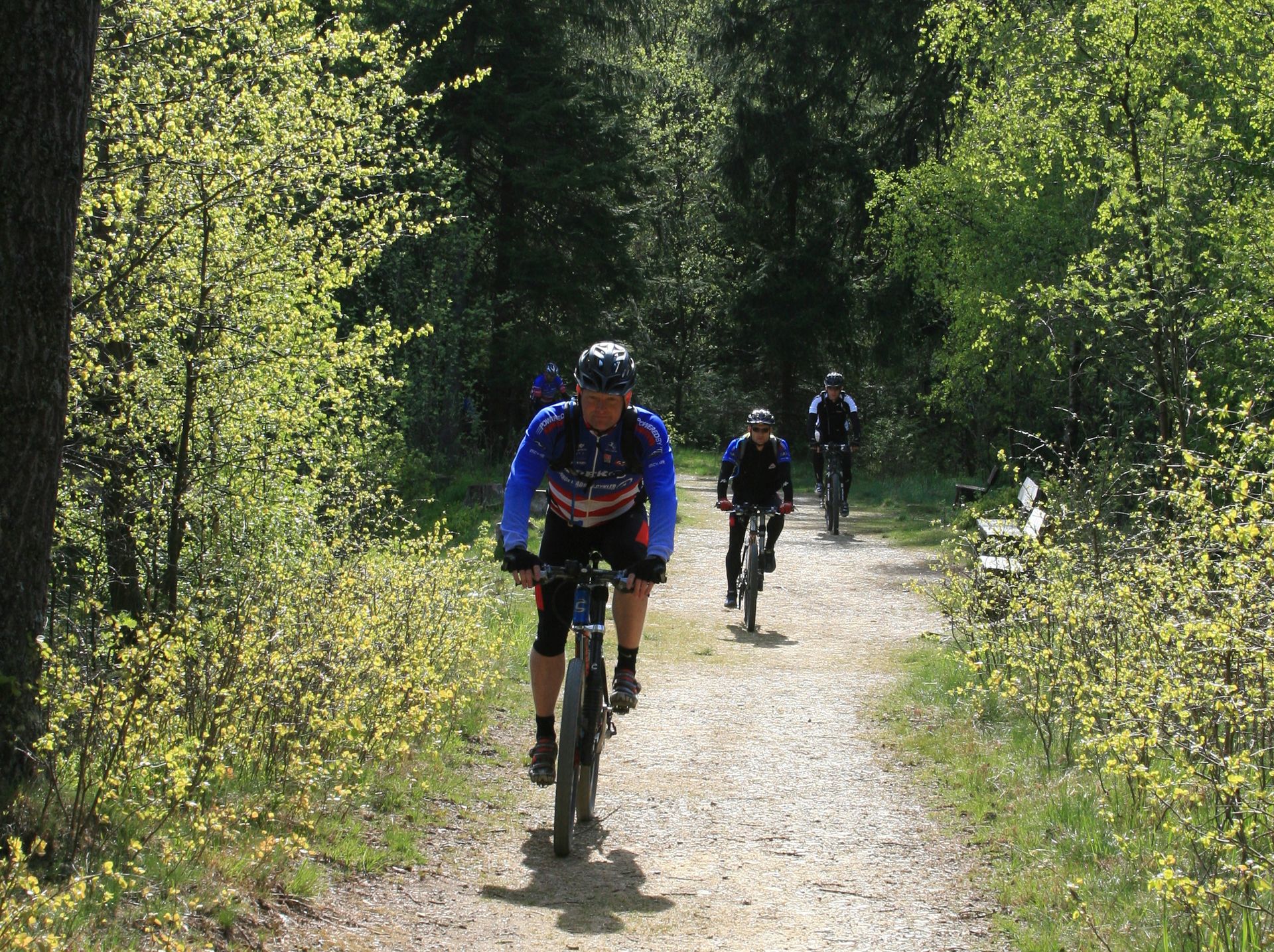
Mountainbike Routes in Nationalpark Harz
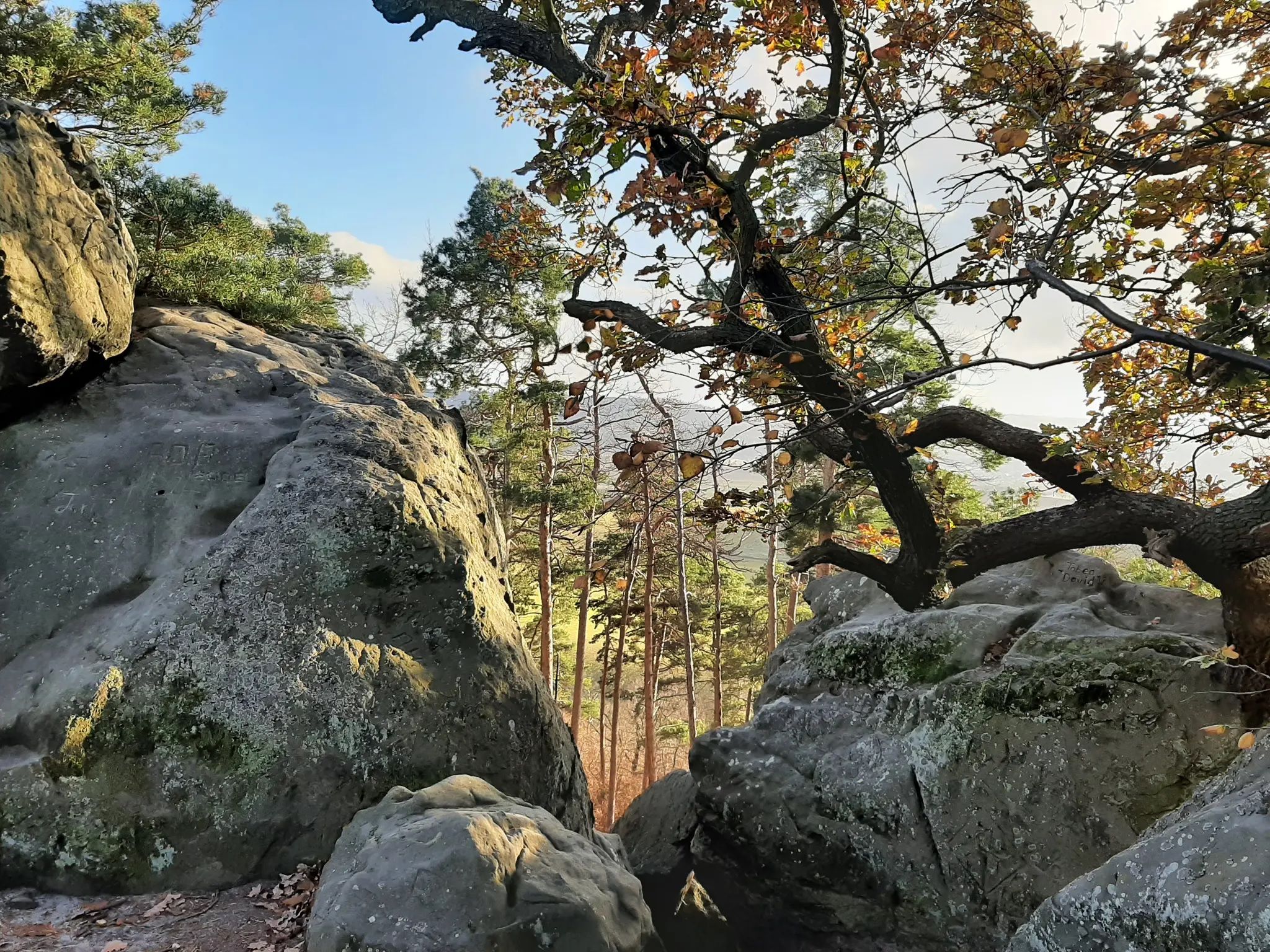
Legendary hikes in the Harz Mountains
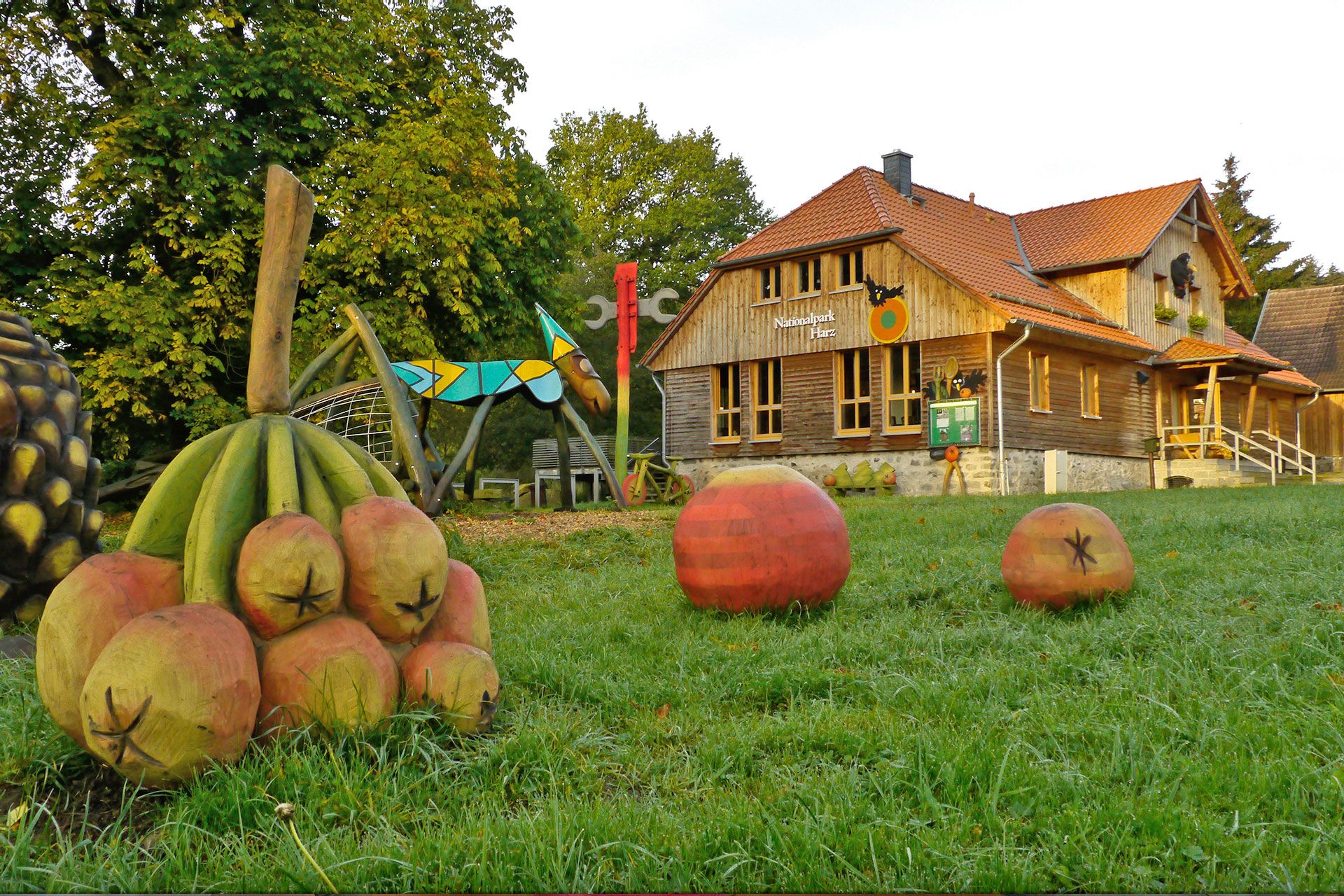
National park facilities in Harz National Park
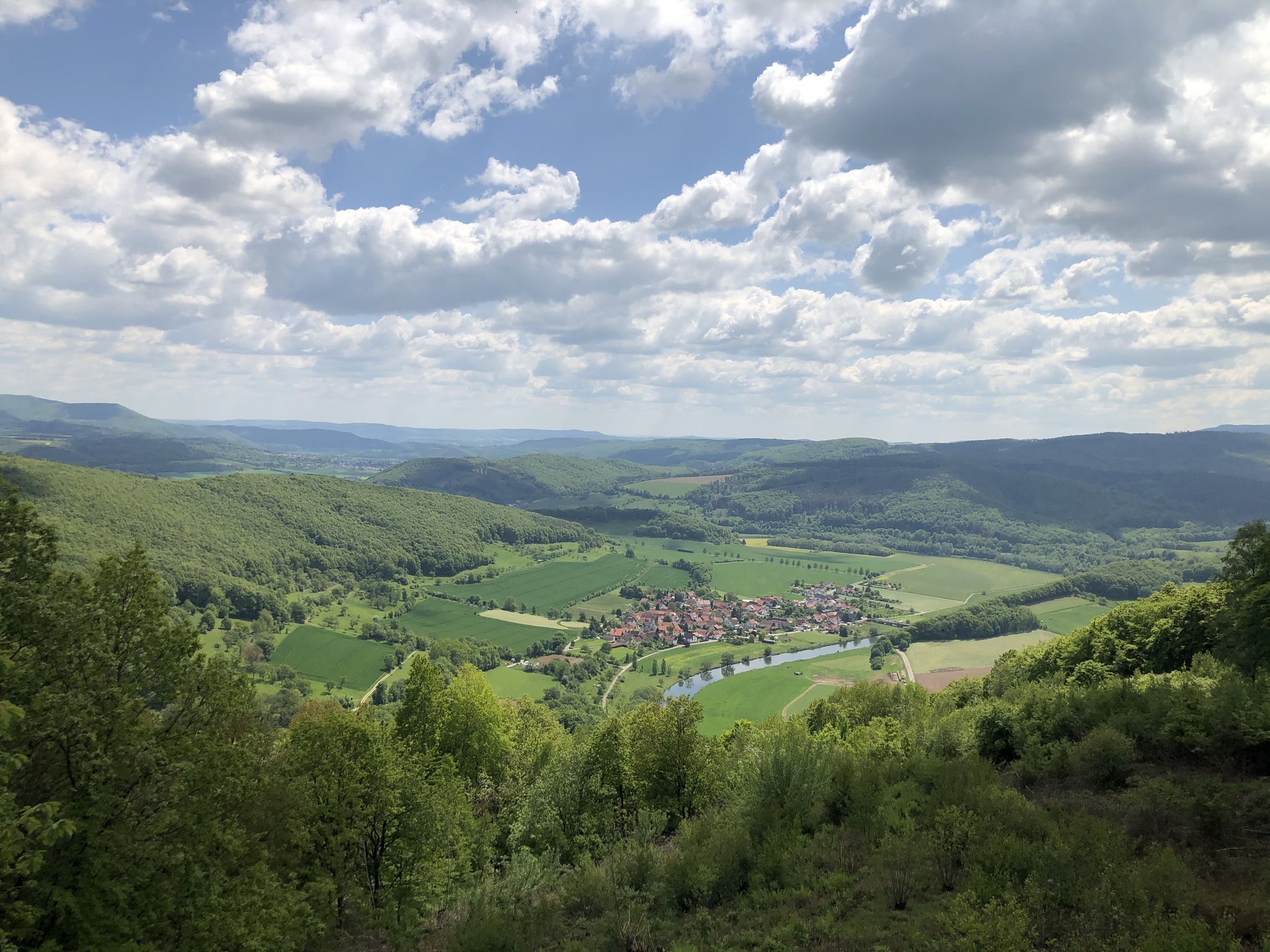
Wonderful Green Band
Other adventures in Osterode am Harz


Tips from the Community

A very beautiful and adventurous path to the secluded spot of the castle. Unfortunately, there are neither views nor information about the former site to enjoy. I either couldn't find the information board for the latter, or it has been removed. The former is not visible due to the very dense forest growth. Nevertheless, it's a worthwhile spot.
0
0

You really can't see much anymore.
0
0
You really can't see much anymore
0
0

There isn't much left to see - but it's still a nice place to take a break.
0
0

Here you will find the last remains of the Hindenburg, located directly on the Karstwanderweg, an information board offers you interesting facts and you will find a place to rest at the top
2
0

Some remains of the Hindenburg castle ruins still stand here.
0
0
Information board of the Hindenburg castle ruins on the Karst hiking trail, just go up the mountain and you're there 🌝
0
0

With its more than 20-meter-high tower, the Castle Church of St. Jacobi is one of the most striking buildings in Osterode. This magnificent church is located in the southeast of the historic center, not far from the city wall. St. Jacobi is considered the oldest church building in Osterode. According to excavations, the building's Romanesque origins date back to the mid-11th century. St. Jacobi Church was first mentioned in a document on May 1, 1217, issued by Emperor Otto IV. In 1230, the building was expanded in the Gothic style. Three years later, a convent was built on the surrounding grounds. The church now served as the spiritual center of the Cistercian nuns working there. This nunnery, St. Mariae et Jacobi, existed until the Reformation, which reached Osterode around 1558. Subsequently, the former monastery grounds, including the church, underwent significant changes. Under Duke Ernst III of Brunswick and Grubenhagen, the complex was converted into a palace starting in 1561. This period also saw the construction of the church's striking west tower, which has since been called the Palace Church. Around 1751, extensive reconstruction and a significant expansion of the church building took place, giving it its present appearance in many respects. The palace had an approximately square floor plan. The impressive complex consisted of four wings, with the church forming the north wing. In the 1890s, both the east and west wings of the palace were demolished. The exterior of the Palace Church of St. Jacobi is freely accessible at all times. You can also explore the interior of the church building on your own every day except Mondays from 9 a.m. to 5 p.m. Please note the times of the Sunday service, which begins at 10 a.m. https://harzlife.de/harzrand/osterode-schlosskirche.html
3
0
Frequently Asked Questions
What is the historical significance of the castles in Osterode am Harz?
The castles in Osterode am Harz offer a deep dive into the region's past, reflecting centuries of history from medieval times to ducal residences. Sites like the Alte Burg, first recorded in 1153, were once owned by figures like Henry the Lion. The Welfenschloss Herzberg served as a residence for the Grubenhagener line of the house Braunschweig-Lüneburg, and the König Heinrichs Vogelherd Castle Ruins are linked to the legend of King Henry I's election as German king.
Which castles in Osterode am Harz offer unique architectural features or construction?
The Scharzfels Castle Ruins are notable for their unique construction, as the castle is said to have "grown together with the rock," a rare design for North German conditions. Visitors can explore passages within the rocks and the rock formations themselves. The Sachsenstein Castle Ruins also showcase former masonry art, including a herringbone pattern.
Are there family-friendly castles or activities near them in Osterode am Harz?
Yes, several castles and their surroundings are suitable for families. The Scharzfels Castle Ruins are family-friendly, offering exploration of rock passages and nearby attractions like the Unicorn Cave. The Welfenschloss Herzberg features a museum with activity stations for children. Additionally, the König Heinrichs Vogelherd Castle Ruins include a grill area, perfect for a family outing.
Which castles offer the best views in the Osterode am Harz region?
For rewarding views, the Scharzfels Castle Ruins provide expansive vistas of the southern Harz foothills and the Thuringian mountains. The Sachsenstein Castle Ruins offer views over a part of the southern Harz region, and the Lichtenstein Castle Ruins, perched on an exposed cliff, boast breathtaking views of the Echaz Valley and the surrounding landscape.
What remains of the Alte Burg in Osterode am Harz?
Of the Alte Burg, a substantial remnant of its bergfried (keep) remains. Originally 33 meters high with walls up to 3.5 meters thick, the preserved section of the tower was extensively repaired between 1995 and 1997. It stands within a cemetery on a hill spur, representing a "lost building tradition." While the ruins cannot be directly entered, access is possible through the surrounding cemetery.
Are there hiking trails near the castles in Osterode am Harz?
Yes, the region around Osterode am Harz is excellent for hiking. You can find numerous trails, including easy hikes, that often lead to or pass by castle ruins. For example, the Lichtenstein Castle Ruins are a designated stamp for the Harz Hiking Needle's karst hiking booklet. You can explore various hiking routes in the area by checking the Easy hikes in Osterode am Harz guide.
Can I visit the castles with my dog?
Many outdoor castle ruins and their surrounding trails in Osterode am Harz are dog-friendly, allowing you to explore with your canine companion. The Scharzfels Castle Ruins are listed as dog-friendly. Always ensure your dog is on a leash and you clean up after them to respect other visitors and wildlife.
What kind of outdoor activities can I do near the castles?
Beyond exploring the castles themselves, the Osterode am Harz region offers a variety of outdoor activities. You can enjoy gravel biking, road cycling, and hiking. Nearby routes include challenging gravel biking trails like the "View of the Brocken – Oderteich Lake and Beach loop" or moderate road cycling routes such as the "Herzberg Castle – Juessee Lake loop." For more options, refer to the Gravel biking in Osterode am Harz and Road Cycling Routes in Osterode am Harz guides.
Are there any castles in Osterode am Harz that are still in use or have been converted?
Yes, the St. Jacobi Castle Church in Osterode is part of what was originally Osterode Castle (Welfenschloss). This site, once a Cistercian nunnery, was converted into a castle and now houses the district court in its south wing. The Jacobi Castle Church itself, fundamentally rebuilt in 1751/1752, remains a highlight with its impressive interior.
When is the best time to visit the castles and ruins in Osterode am Harz?
The castles and ruins in Osterode am Harz can be visited year-round, but each season offers a different experience. Spring and autumn provide pleasant temperatures for hiking and exploring, with vibrant foliage or blooming nature. Summer is ideal for longer days and outdoor activities. Even in winter, a visit can be atmospheric, especially if there's snow, though some paths might be more challenging. Always check local weather conditions before your visit.
Are there any castles with available gastronomy or facilities nearby?
Yes, the Scharzfels Castle Ruins have gastronomy available nearby, making it convenient for visitors. The Welfenschloss Herzberg also features a café and restaurant, providing a comfortable stop during your visit.
Most popular routes in Osterode am Harz
Most popular attractions in Osterode am Harz

Get inspired with the komoot mobile app


Didn’t find what you were looking for?
Explore Osterode am Harz’s best castles region by region:
Explore more
Looking for the best castles somewhere else? Discover other guides in Osterode am Harz:
