Top 20 Natural Monuments around Flémalle
Best natural monuments around Flémalle are found in a municipality within the province of Liège, Belgium, characterized by its diverse natural heritage. The region features a landscape shaped by the Meuse river and its tributaries, offering a mix of forests, former quarries, and protected reserves. These sites provide opportunities for exploring geological formations, observing varied flora and fauna, and engaging in outdoor activities. The natural areas highlight the ecological succession of reclaimed industrial sites and the preservation of unique biotopes.
…Last updated: June 26, 2026
Roche-aux-Faucons Ridge Trail
Highlight (Segment) • Trail
Translated by Google •
Tip by

Parc du Mary
Highlight • Forest
Translated by Google •
Tip by

Sign up now to discover places like this
Get recommendations on the best single tracks, peaks, & plenty of other exciting outdoor places.
Sign up for free
Confluence of the Ourthe and the Meuse
Highlight • River
Tip by
Aux Roches Nature Reserve
Highlight • Natural Monument
Translated by Google •
Tip by

Bois de la Vecquée Arboretum
Highlight • Forest
Translated by Google •
Tip by

Sign up for free to discover even more natural monuments around Flémalle.
Sign up for free
Already have an account?
Start today with a free account
Your next adventure awaits.
Login or Signup
Tips from the Community

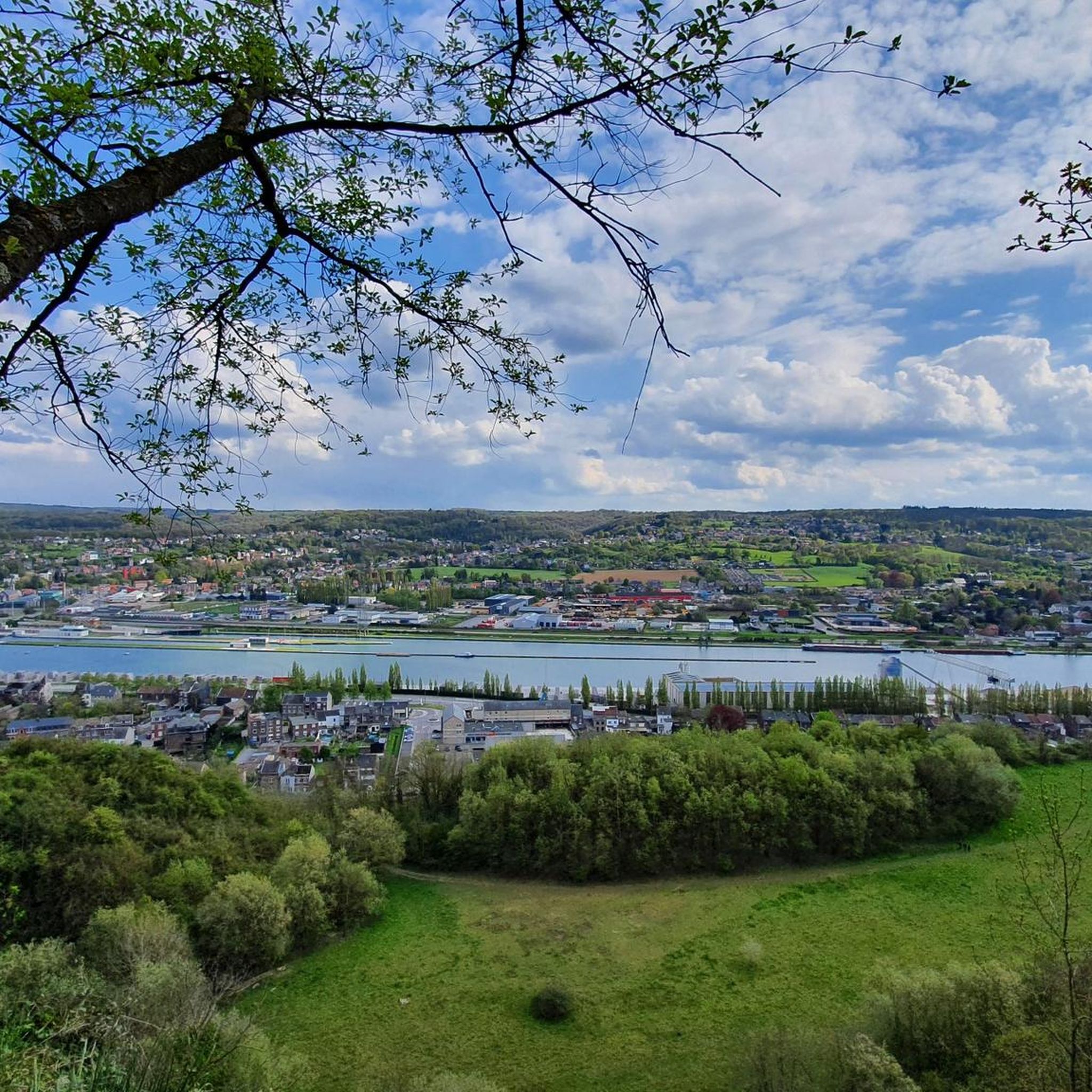
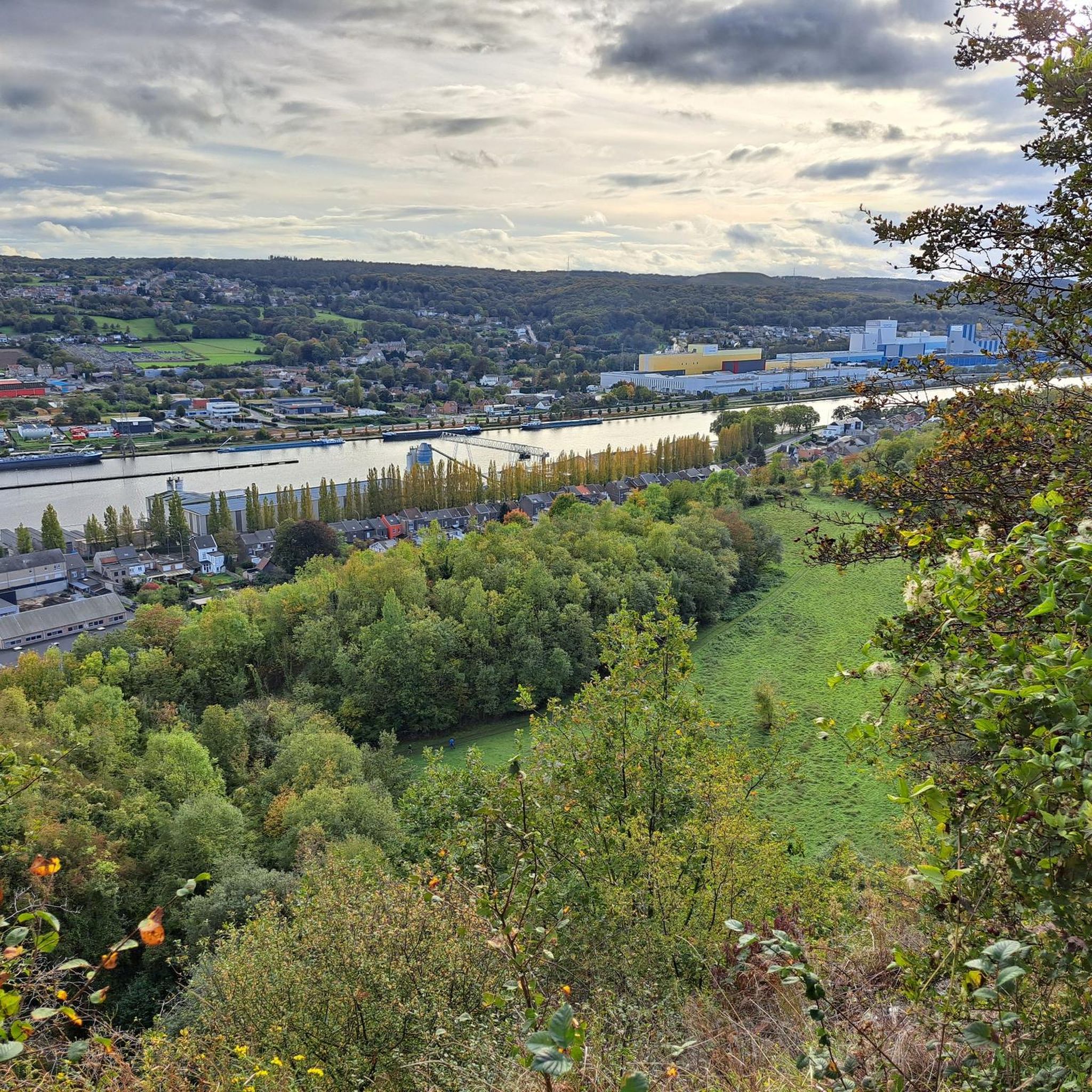
When I was young, I used to climb from the bottom of the cave and we would reach the very top of the site. With a beautiful panorama of the city.
0
0
It's a very beautiful place for a walk. You can start from the Trixhes, go down a small path along the quarry. When you get to the bottom, you arrive at the Carrière des Roches. From there, you pass by two sides with different rocks. If you continue, you arrive in "Houlbouse" street. And finally, at Chokier. Very beautiful hike. To do with dogs and especially children.
0
0

The Seraing Arboretum boasts a rich collection of tree species, including a giant sequoia measuring approximately 38 meters tall with a circumference of 6.60 meters (approximately 2.10 meters in diameter). The giant sequoia is renowned for its ability to withstand impacts (its bark is approximately 3 cm thick) and was used in firebreaks because its moist bark provides good resistance to forest fires. There are also Vancouver firs measuring approximately 51 meters tall, though some have died standing. If you'd like to see for yourself, you can make the "lumberjack's cross," an easy and fun activity. Please respect the trees by not tearing the bark off the sequoia and by staying on the paths. We wish you a pleasant walk.
0
0

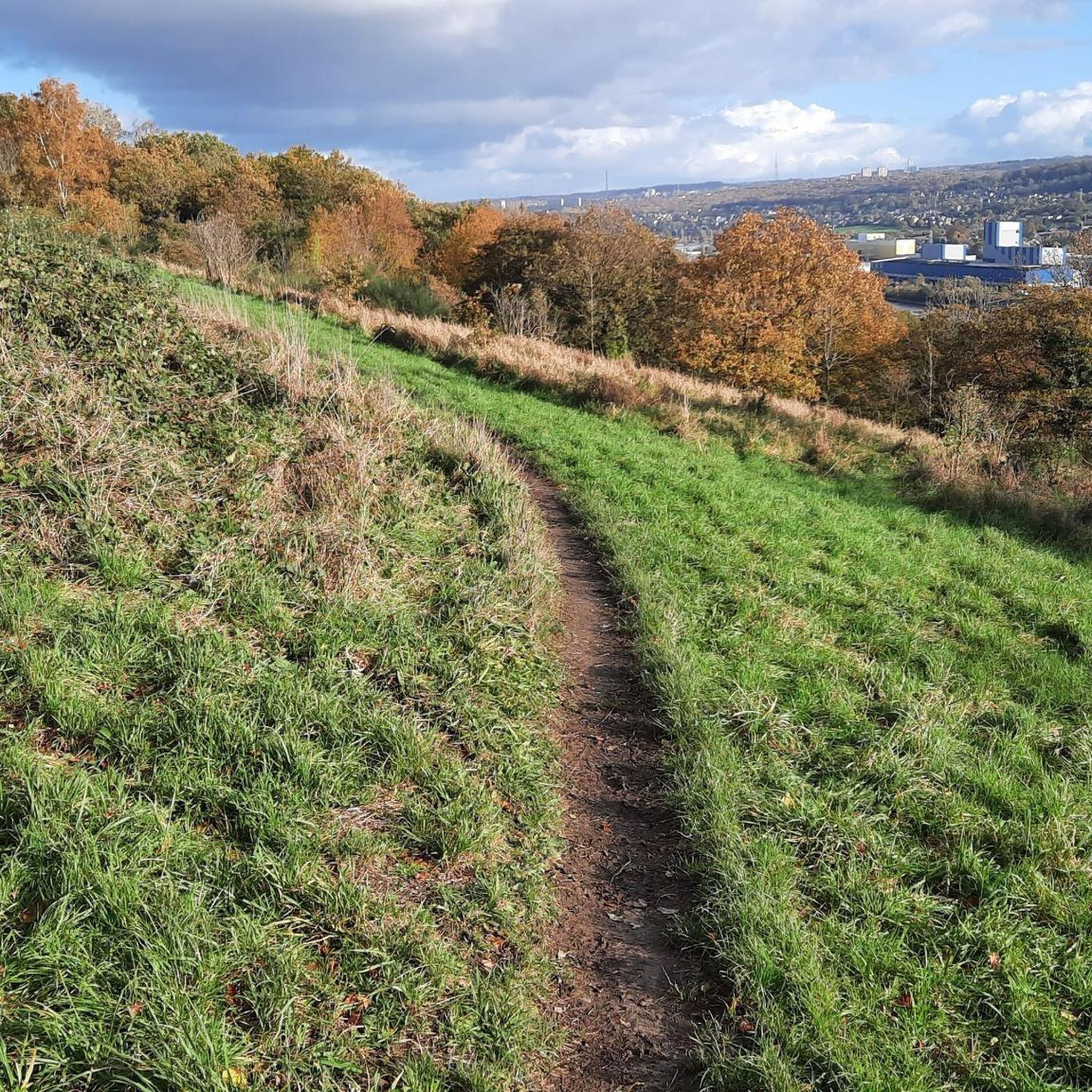
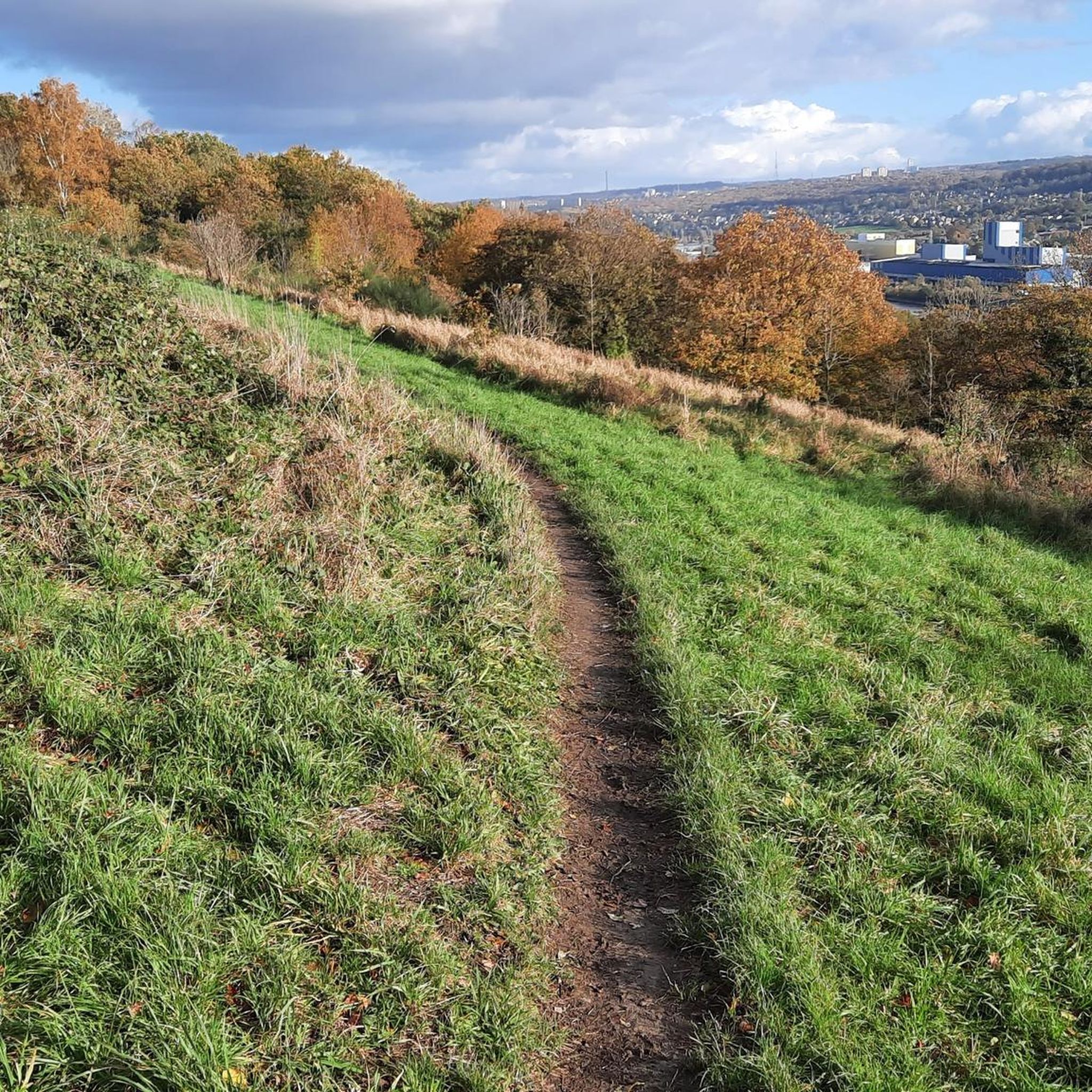
This spectacular ridge walk follows the rocky heights above the Ourthe valley and offers several breathtaking views, including the iconic La Roche aux Faucons. The route winds through forest, over stony paths and past clearings where you can spot lizards and orchids bloom in spring. Along the way you pass three viewpoints, two of which have benches. The paths are well marked but sometimes narrow and uneven – sturdy shoes are recommended!
14
0
Parc du Mary is a vast forest area of approximately 100 hectares on the western slope of the Ourthe valley, within walking distance of the centre of Esneux. The park offers a mix of deciduous forest, ponds, streams and gently sloping paths, ideal for walkers, joggers and nature lovers.
12
0
A quiet, wooded park on the edge of Esneux, ideal for a relaxing walk or trail run. The loop-shaped route of approx. 8 km takes you past majestic trees, ponds and babbling brooks. The path is largely unpaved and offers a mix of serene nature and slight elevation changes
13
0


Very beautiful natural place at the foot of the rocks.
2
0
Frequently Asked Questions
What unique natural monuments can I explore in Flémalle?
Flémalle offers a diverse range of natural monuments. You can visit the Roche-aux-Faucons Ridge Trail, known for its ridge path and valley views of the Ourthe. Another unique spot is the Poudingue d'Ombret Trail, which showcases ancient geological formations from a 395-million-year-old river delta.
Are there any natural monuments in Flémalle with historical significance?
Yes, the Site des grottes Schmerling is highly significant. Although the caves are largely inaccessible, this area is famous as the discovery site of the first Neanderthal fossil ever found. The surrounding landscape features striking red earth contrasting with gray rock walls and lush green ivy, offering a picturesque environment to connect with human prehistory.
Which natural monuments are suitable for families with children?
The Parc du Mary is an excellent choice for families. This quiet, wooded park offers an 8 km loop route through majestic trees, ponds, and babbling brooks, ideal for relaxing walks or trail runs. Additionally, the Bois de la Vecquée Arboretum is a peaceful walking area with a beautiful collection of trees, including a giant sequoia, offering winding paths suitable for all ages.
Where can I find protected nature reserves in Flémalle?
The Réserve Naturelle « Aux Roches », also known as the Carrières de Chokier, is a significant Natura 2000 site. It's a former limestone quarry that now protects rare animal and plant species, including Mediterranean plants. Another protected area is the Réserve Naturelle de Rognac, which features diverse forest environments left to natural evolution, attracting various wildlife.
What kind of outdoor activities can I do near Flémalle's natural monuments?
You can enjoy a variety of outdoor activities. For hiking, explore routes like the 'Walk 7 - Les Roches nature reserve' or the 'Aux Roches Nature Reserve – Aigremont Castle loop'. Cyclists can find routes such as the 'View of Huy Castle – RAVeL Ivoz-Ramet loop'. For more options, you can find detailed guides on hiking, road cycling, and cycling around Flémalle.
Are there any natural monuments that offer climbing opportunities?
Yes, the Ancienne carrière des Awirs (Former Awirs Quarry) is notable for its use as a climbing site. This old limestone quarry has been largely reclaimed by nature and features approximately 120 climbing routes ranging in difficulty, making it a popular spot for climbers.
Can I observe wildlife or unique flora at these natural sites?
Absolutely. The Réserve Naturelle « Aux Roches » is home to nearly 70 bird species, a rich variety of insects, lizards, and smooth snakes. From August to late autumn, you might also see Scottish Blackface sheep grazing. The reserve is also known for its rare calcareous grassland and Mediterranean plant species. The Réserve Naturelle de Rognac attracts amphibians like the rare salamander, aquatic insects, and mollusks due to its water sources.
What is the best time of year to visit the natural monuments in Flémalle?
The natural monuments in Flémalle are enjoyable throughout the warmer months. For observing specific flora, June is ideal for seeing the abundance of red, pink, and white valerian flowers, as well as rockroses, in the Réserve Naturelle « Aux Roches ». From early August to late autumn, you can also see Scottish Blackface sheep grazing there. Summer offers good conditions for hiking and climbing.
Are there any natural monuments that combine nature with educational experiences?
The Préhistomuseum is an excellent choice. While primarily a museum, it is set within a vast 74-acre natural estate, the Forêt de la Grotte de Ramioul woods. It offers a 'Sapiens Experience' that blends nature, culture, and heritage, allowing visitors to explore an 8-km forest walk, a protected cave, and learn about prehistory in a natural setting.
Where can I find scenic viewpoints of the rivers in Flémalle?
The Confluence of the Ourthe and the Meuse is a scenic spot where these two rivers meet and merge. It's a beautiful location to appreciate the waterways that shape the region's landscape. The Roche-aux-Faucons Ridge Trail also offers unmissable views of the Ourthe valley from its forest path.
What are some tips for visiting the natural monuments?
When visiting, sturdy walking shoes are recommended, especially for trails like the Poudingue d'Ombret Trail which can be narrow. For the Réserve Naturelle « Aux Roches », access is available via Rue Houlbouse or Flémalle-Haute train station. Always respect the natural environment by staying on paths and not disturbing wildlife or plants.
Most popular routes around Flémalle
Most popular attractions around Flémalle

Get inspired with the komoot mobile app


Explore more
Extend your search for the best caves by checking out these guides of the top ones around Flémalle:
