Top 5 Caves around Niederbösa
Best caves around Niederbösa are located in the surrounding Thuringian region, which features several impressive and historically significant underground formations. These include natural show caves and unique geological rarities. The area offers opportunities to explore both natural caverns and historical mining cavities, providing diverse experiences for visitors.
Best caves around Niederbösa
- The most popular caves is Barbarossa Cave (Touringen Stamp Point No. 135), a cave that is one of two accessible anhydrite caves in the world and the only…
Last updated: June 26, 2026
Barbarossa Cave (Touringen Stamp Point No. 135)
Highlight • Cave
Translated by Google •
Tip by

Barbarossa Cave
Highlight • Cave
Translated by Google •
Tip by

Sign up now to discover places like this
Get recommendations on the best single tracks, peaks, & plenty of other exciting outdoor places.
Sign up for free
Princes' Cave (Kyffhäuser)
Highlight • Cave
Translated by Google •
Tip by

Steep path to Prinzenhöhle (Prince’s Cave)
Highlight • Trail
Shoes should always fit and provide firm support anyway🥾
Translated by Google •
Tip by

Wippertunnel
Highlight • Structure
Translated by Google •
Tip by
Sign up for free to discover even more caves around Niederbösa.
Sign up for free
Already have an account?
Start today with a free account
Your next adventure awaits.
Login or Signup
Tips from the Community

The cozy restaurant serves Thuringian specialties. There is a snack bar with outdoor seating. Here you can wait with a drink and a little something to eat until the tours of the cave begin.
14
0
The Barbarossa Cave covers 13,000 square meters and is one of only two existing show caves in the world, made of anhydrite rock, making it a geological rarity. The unique charm of this magical subterranean world lies in the uniquely beautiful, multi-layered play of colors of the white to gray rock.
16
0
The Barbarossa Cave was discovered purely by chance. The idea was to revive copper shale mining in the Kyffhäuser region. In 1860, the entrepreneur Wilhelm von Born therefore had a tunnel dug beneath the ruins of the Falkenburg and directly on the old salt road to Bad Frankenhausen. Meter by meter, the miners penetrated further and further into the mountain. And then: after a distance of 178 meters, on December 22, 1865, the mountain suddenly opened up in front of them - they came across natural cavities of impressive size and beauty.
13
0

The Barbarossa Cave was discovered in 1865 by miners searching for copper shale and opened to the public as a show cave two weeks later. A visit is definitely worthwhile, admission costs €9.50.
3
0

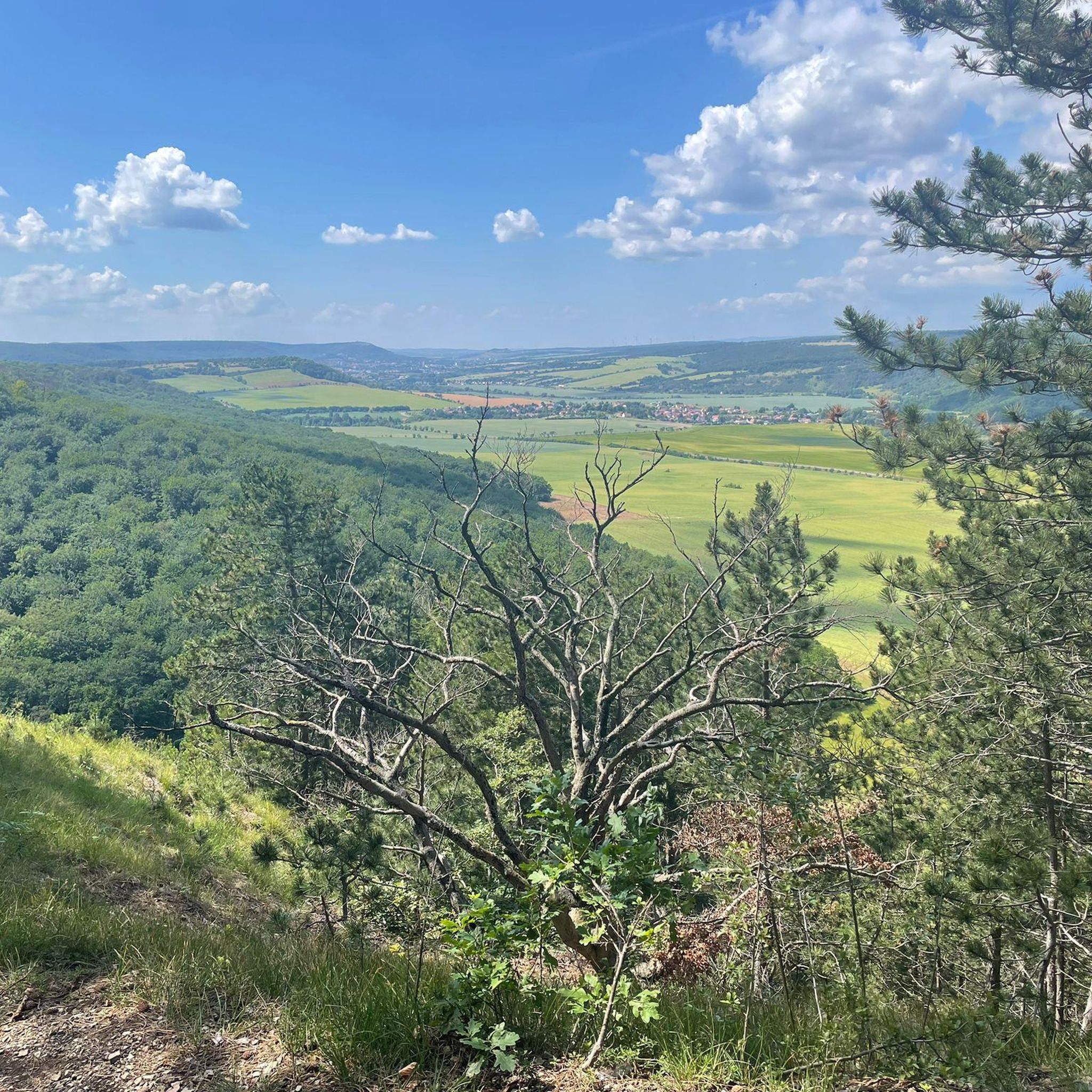
Yes, it is steep there :) The cave is a bit scary, but the view is wonderful.
2
1

The Wippertunnel was first mentioned in a document in 1404. Since water art at the Frankenhausen saltworks is documented as early as the 14th century, the tunnel will be from the same period. The tunnel length is 537 m and the width varies between 0.60 and 1 meter
13
1

In the Prince's Cave you can marvel at Marienglas, in the right light it sparkles like a dream.
20
0

Entrance fees are currently €9.50 with a guided tour
2
0
Frequently Asked Questions
What types of caves can I explore near Niederbösa?
The region around Niederbösa in Thuringia offers a variety of underground experiences. You can find natural show caves, unique geological formations like anhydrite caves, and historical mining cavities. These range from easily accessible tourist attractions to more challenging natural caverns.
What makes the Barbarossa Cave a unique attraction?
The Barbarossa Cave is a geological rarity, being one of only two accessible anhydrite show caves in the world and the only one in Europe. It covers an expansive 13,000 square meters and is known for the beautiful, multi-layered play of colors of its white to gray anhydrite rock. It was discovered by chance in 1865 during an attempt to revive copper shale mining.
Are there other notable show caves in the Thuringian region besides Barbarossa Cave?
Yes, the Thuringian region is home to other impressive caves. The Marienglashöhle, located in the Thuringian Forest, is a blend of natural caverns and historical gypsum mining cavities, famous for its large gypsum crystal druses. The Altensteiner Höhle, also in the Thuringian Forest, is the longest cave in Thuringia and one of Germany's few river show caves, with a rich history of exploration and even concerts.
Are there family-friendly caves near Niederbösa?
Yes, the Barbarossa Cave is considered family-friendly, offering guided tours and a cozy restaurant nearby. The Marienglashöhle also provides guided tours and a constant temperature, making it a comfortable visit for families.
What should I wear when visiting caves in the Niederbösa region?
Caves maintain a constant cool temperature, typically around 8-10° Celsius, regardless of the outside weather. It's advisable to wear warm clothing and sturdy, comfortable shoes, especially if you plan to explore caves with uneven terrain or challenging paths like the Steep path to Prinzenhöhle.
Can I find historical sites related to caves in the area?
Yes, several caves have historical significance. The Barbarossa Cave was discovered during mining attempts, and the Marienglashöhle features historical gypsum and copper mining cavities dating back to 1775. The Wippertunnel is another historical site, a medieval water tunnel first mentioned in 1404.
Are there any challenging cave experiences or trails to caves?
Yes, for those seeking a more challenging experience, the Steep path to Prinzenhöhle (Prince’s Cave) requires sturdy hiking shoes and sure-footedness. Similarly, the Bear Cave is known for its challenging access, though it rewards visitors with views of Windleite and the Rottleben valley.
What kind of geological features can I expect to see in these caves?
The caves in the region showcase diverse geology. The Barbarossa Cave is famous for its unique anhydrite formations. The Marienglashöhle features impressive gypsum crystal druses and visible steeply dipping layers of Buntsandstein and Zechstein. The Altensteiner Höhle highlights the structure of Zechstein reefs.
Are there cafes or restaurants near the caves?
Yes, the Barbarossa Cave has a cozy restaurant nearby that serves Thuringian specialties, where visitors can wait before tours. The Marienglashöhle also has facilities for visitors.
What outdoor activities can I combine with a cave visit near Niederbösa?
The area around Niederbösa offers various outdoor activities. You can find numerous hiking trails, ranging from easy to difficult, such as the 'Brotplatz Bergmann loop' or the 'View of the Kohnstein – Bonnrode Monastery Estate loop'. For more details on hiking, visit the Hiking around Niederbösa guide. There are also road cycling routes available, which you can explore in the Road Cycling Routes around Niederbösa guide.
Is public transport available to reach the caves?
While specific public transport details for each cave vary, the major show caves like Marienglashöhle and Barbarossa Cave are generally accessible from surrounding towns in Thuringia. It is recommended to check local transport schedules for the most up-to-date information when planning your visit.
What is the best time of year to visit the caves?
Caves maintain a consistent temperature year-round, making them a good destination in any season. They offer a cool escape in summer and a sheltered, warmer environment in winter. However, surrounding attractions and hiking trails might be best enjoyed during spring, summer, or autumn.
Most popular attractions around Niederbösa

Get inspired with the komoot mobile app


Explore more
Extend your search for the best caves by checking out these guides of the top ones around Niederbösa:
