Top 20 Natural Monuments around Gaißau
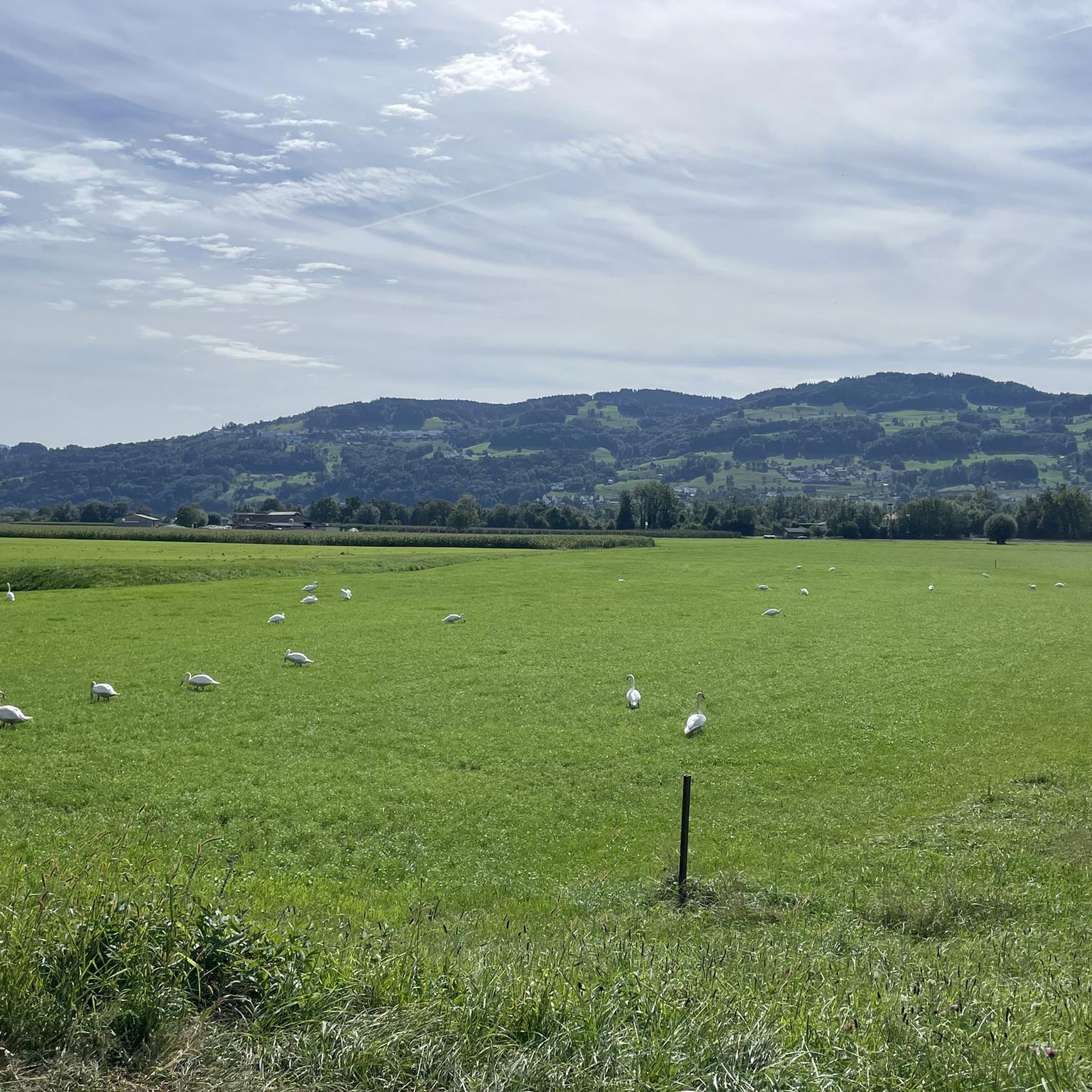
Best natural monuments around Gaißau include the expansive Rheindelta Nature Reserve, a significant wetland area where the Rhine River flows into Lake Constance. This region in Vorarlberg, Austria, is characterized by diverse landscapes such as alluvial forests, wet meadows, and reed beds. It serves as a biodiverse ecosystem, offering various natural attractions and recreational opportunities. The area provides opportunities for outdoor activities like hiking and cycling.
Best natural monuments around Gaißau
- The most popular natural monuments is Schleinsee, a…
Last updated: September 29, 2026
Covered wooden bridge over the Dornbirner Ache
Highlight • Bridge
Translated by Google •
Tip by

Wasserburg Bay - Nonnenhorn
Highlight • Lake
Translated by Google •
Tip by

Sign up now to discover places like this
Get recommendations on the best single tracks, peaks, & plenty of other exciting outdoor places.
Schleinsee
Highlight • Lake
Translated by Google •
Tip by

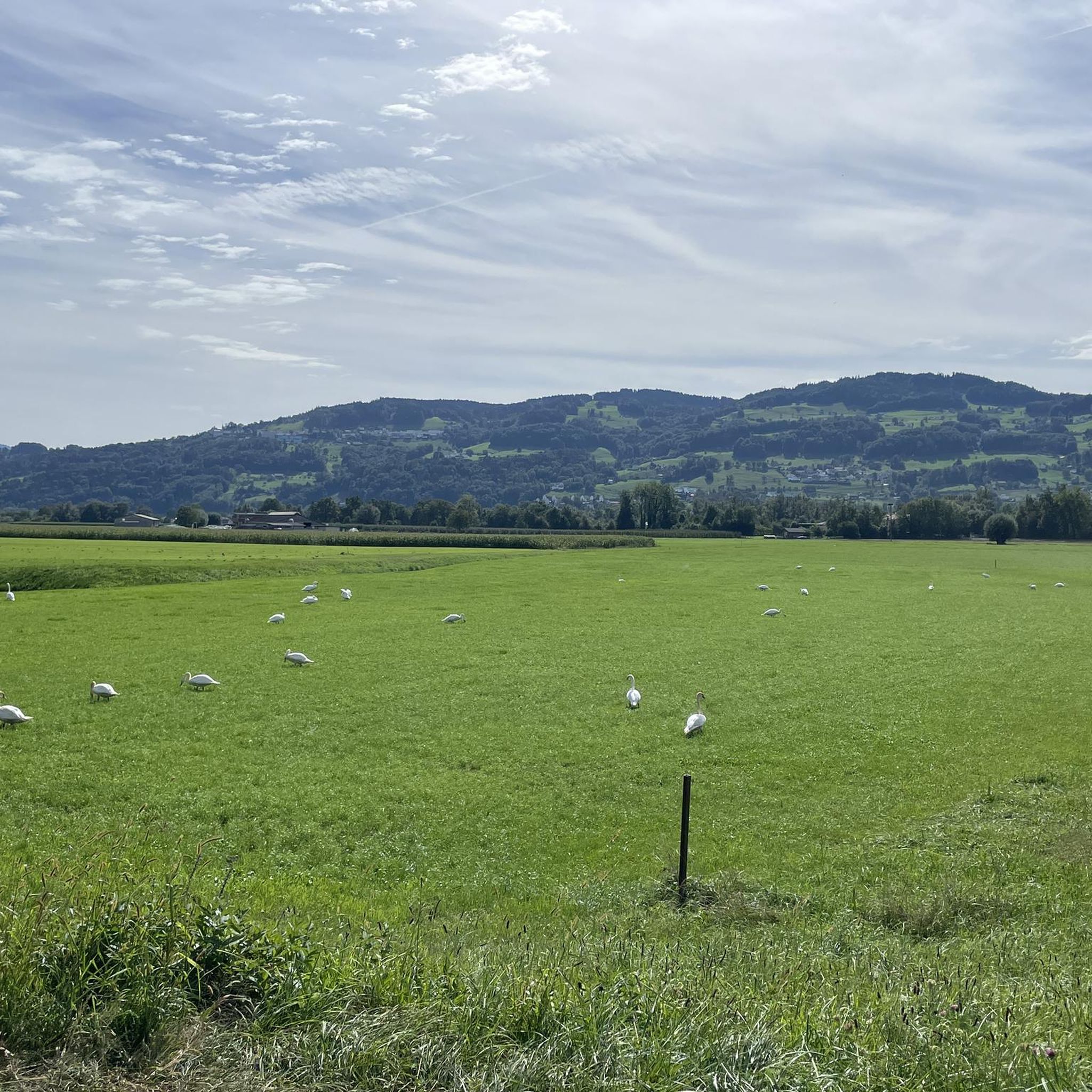
Rhine Delta Nature Reserve
Highlight • Natural Monument
Translated by Google •
Tip by

Giant Sequoia (Sequoiadendron giganteum) planted around 1880
Highlight • Natural Monument
Translated by Google •
Tip by

Sign up for free to discover even more natural monuments around Gaißau.
Already have an account?
Start today with a free account
Your next adventure awaits.

Tips from the Community

In 784 the name “wazzarburuc” appeared for the first time in a document from the monastery of St. Gallen. In the 10th century, this island fortress served as a refuge for the monasteries of St. Gallen. It is believed that between 925 and 955 the Hungarians dared to attack the St. Gallen monastery fortress Wasserburg with fire and sword, but this was possibly repelled despite a fire on the foothills. Traces of the excavations carried out in 1993 indicate this.[7] This document mentions a church of Saint George, which belongs to the monastery of St. Gallen. Until 1280, the Lords of Kisslegg, as ministerials of the monastery, were responsible for the rule of Wasserburg, then the rule went to the Lords of Schellenberg for 500 silver marks. They expanded Wasserburg into a fortress as a St. Gallen fiefdom (until 1826).
8
0

That must be a sequoia tree where seeds were sown under King Wilhelm
3
0

Very nice little place on the Lake Constance cycle path
2
0

Nonnenhorn wine village. Many wineries and distilleries can be found in this place, many offering direct marketing of their products. The direct surroundings impress with many orchards, such as plums, pears and apples as well as grapevines.
4
1

Although lying on the (quiet) district road, it is a beautiful place with a view of the Schleinsee estate with the court chapel and the private Schleinsee. There are also benches above the farm near the water reservoir with a great view of Lake Schlein and Lake Constance, including the Säntis massif.
7
0

Beautiful recreation area. Great for swimming and barbecuing in summer
8
0

Super preserved old architecture. Class shady rest area in summer
6
0

Beautiful and typical wooden bridge, as you often find it in the Alps.
11
1
Frequently Asked Questions
What makes the Rheindelta Nature Reserve a significant natural monument in Gaißau?
The Rhine Delta Nature Reserve is the largest wetland area on Lake Constance, spanning approximately 2,000 hectares. It's recognized as a Natura 2000 protected area and a Ramsar site due to its international importance for waterfowl. This biodiverse ecosystem features alluvial forests like the Rheinholz, wet meadows, reed beds, and sandy beaches, supporting over 330 bird species and around 600 plant species.
Are there good opportunities for birdwatching in the Rheindelta Nature Reserve?
Yes, the Rheindelta is a premier destination for birdwatching, especially during spring and autumn migration. It's home to over 330 different bird species. You'll find observation platforms equipped with privacy screens and informational boards for undisturbed viewing. Bringing binoculars is highly recommended to enhance your experience.
What kind of recreational activities can I do in the natural monuments around Gaißau?
The area offers numerous well-maintained hiking and cycling paths. You can explore loops through the nature reserve, along the Alter Rhein, and towards Rohrspitz. The Lake Constance circular route also passes through parts of the delta. For more specific routes, you can find hiking trails, MTB trails, and running trails around Gaißau.
Are there family-friendly natural monuments or activities in Gaißau?
Many natural monuments in Gaißau are family-friendly. The Rhine Delta Nature Reserve offers easy paths suitable for walks with children. Highlights like Schleinsee and Wasserburg Bay - Nonnenhorn are also noted as family-friendly, providing pleasant spots for breaks and picnics.
Can I bring my dog to the natural monuments in Gaißau?
While the Rheindelta Nature Reserve is a protected area, many paths are accessible for dogs, typically on a leash. It's always best to check local signage for specific regulations within certain zones to ensure you respect the wildlife and environment. There are several hiking routes that are suitable for walks with dogs.
What is the best time of year to visit the natural monuments around Gaißau?
Spring and autumn are ideal for visiting the natural monuments, especially for birdwatching, as these are peak migration seasons. The vibrant colors of nature during these times also offer stunning scenery. Visiting outside of peak summer crowds can provide a more serene experience. However, the area is beautiful year-round for various activities.
Where can I find unique trees or plant life among Gaißau's natural monuments?
The Rheindelta is home to diverse flora, including rare species like Siberian irises and marsh gladioli. You can also find old, gnarled willow trees, particularly in the Rheinholz area. A notable individual tree is the Giant Sequoia (Sequoiadendron giganteum) planted around 1880, a very nicely preserved 140-year-old specimen.
Are there any notable viewpoints among the natural monuments in Gaißau?
Yes, there are several excellent viewpoints. From the benches near Schleinsee, you get beautiful views of the lake and its estate. Wasserburg Bay - Nonnenhorn also offers picturesque views. Additionally, the Covered wooden bridge over the Dornbirner Ache provides an architecturally interesting spot with views of the river and delta.
How can I access the Rheindelta Nature Reserve using public transport?
Public transportation options are available to reach the vicinity of the Rheindelta Nature Reserve. While specific bus routes might vary, services typically connect surrounding towns like Hard or Fußach, from where you can access the delta's trailheads. It's advisable to check local bus schedules for the most current information on routes and stops near the reserve.
Are there specific hiking trails recommended within the Rheindelta Nature Reserve?
Yes, the Rheindelta offers various hiking trails. Popular options include loops through the nature reserve itself, along the Alter Rhein, and towards the Rohrspitz peninsula. For example, you can find routes like the 'Rohrspitz, Lake Constance – Rheindelta Nature Reserve loop' or the 'Reed Beds in Rheinholz – Rheindelta Nature Reserve loop' among the hiking trails around Gaißau.
What kind of unique natural features can I expect to see in the Rheindelta?
The Rheindelta is characterized by a diverse landscape including extensive alluvial forests, particularly the Rheinholz, wet meadows, and vast reed beds. You'll also encounter the unique peninsulas of Rheinspitz and Rohrspitz, which contribute to the delta's distinctive appearance. The interplay of these habitats, shaped by the Rhine's sedimentation, creates a dynamic and ever-changing natural environment.
Where can I find more information about the Rheindelta Nature Reserve?
The Rheindeltahaus serves as an information center for the nature reserve. It provides valuable insights into the ecosystem, biodiversity, and conservation efforts within this internationally important wetland area. Visiting the center can enhance your understanding and appreciation of the delta.
What should I pack for a trip to the natural monuments in Gaißau?
For a comfortable visit, consider packing appropriate footwear for hiking or cycling, weather-appropriate clothing (layers are always a good idea), and sun protection. If you're interested in birdwatching, binoculars are highly recommended. Don't forget water and snacks, especially for longer excursions into the nature reserve.
Most popular routes around Gaißau
Most popular attractions around Gaißau

Get inspired with the komoot mobile app


Explore more
Extend your search for the best caves by checking out these guides of the top ones around Gaißau:
