Top 20 Lakes around Bad Hönningen
Best lakes around Bad Hönningen are situated within the broader Rhineland-Palatinate region, known for its position on the Rhine River. While Bad Hönningen features thermal springs and historical sites, the surrounding landscape offers a variety of natural water bodies. These include volcanic caldera lakes and maars, providing diverse natural beauty and recreational opportunities. The region's geography makes it a destination for exploring different types of lakes.
Best lakes around Bad Hönningen
- The most popular lakes is Rodder Maar, a…
Last updated: November 21, 2026
Laacher Lake
Highlight • Lake
Translated by Google •
Tip by

Rodder Maar
Highlight • Lake
Translated by Google •
Tip by

Sign up now to discover places like this
Get recommendations on the best single tracks, peaks, & plenty of other exciting outdoor places.
Waldschlößchen Pond
Highlight • Lake
Translated by Google •
Tip by

Lake Laach
Highlight (Segment) • Lake
Translated by Google •
Tip by

Laacher See Nature Reserve
Highlight • Natural Monument
Designated 1940
Protected area identifier NSG-7100-025
The Laacher See nature reserve in the Vulkaneifel (Rhineland-Palatinate) is the largest nature reserve in the federal state with a total area of 21 square kilometers.
Showing Translation
Tip by

Sign up for free to discover even more lakes around Bad Hönningen.
Already have an account?
Start today with a free account
Your next adventure awaits.
Popular around Bad Hönningen
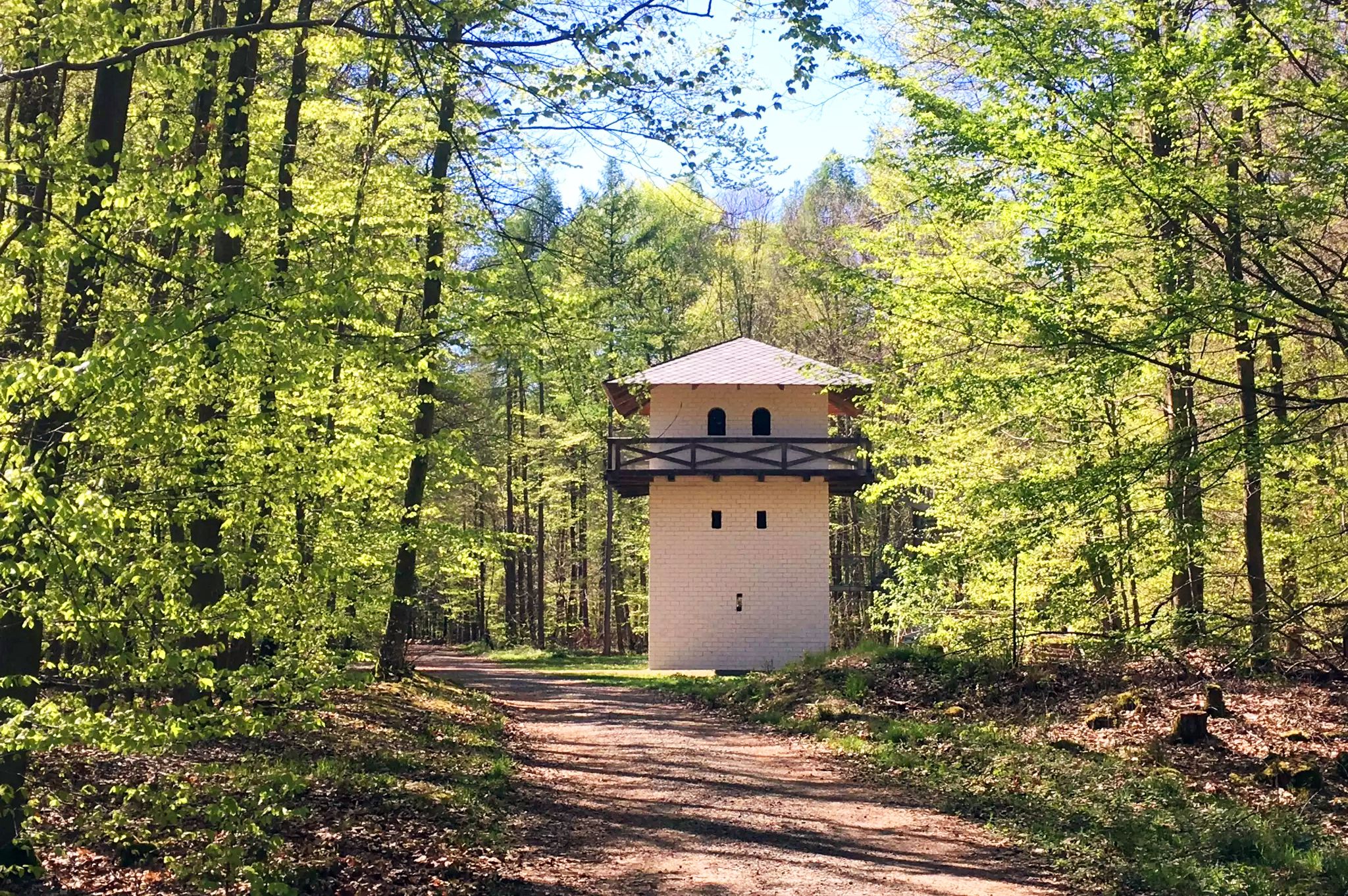
German Limes Cycle Path – Riding from the Rhine to the Danube
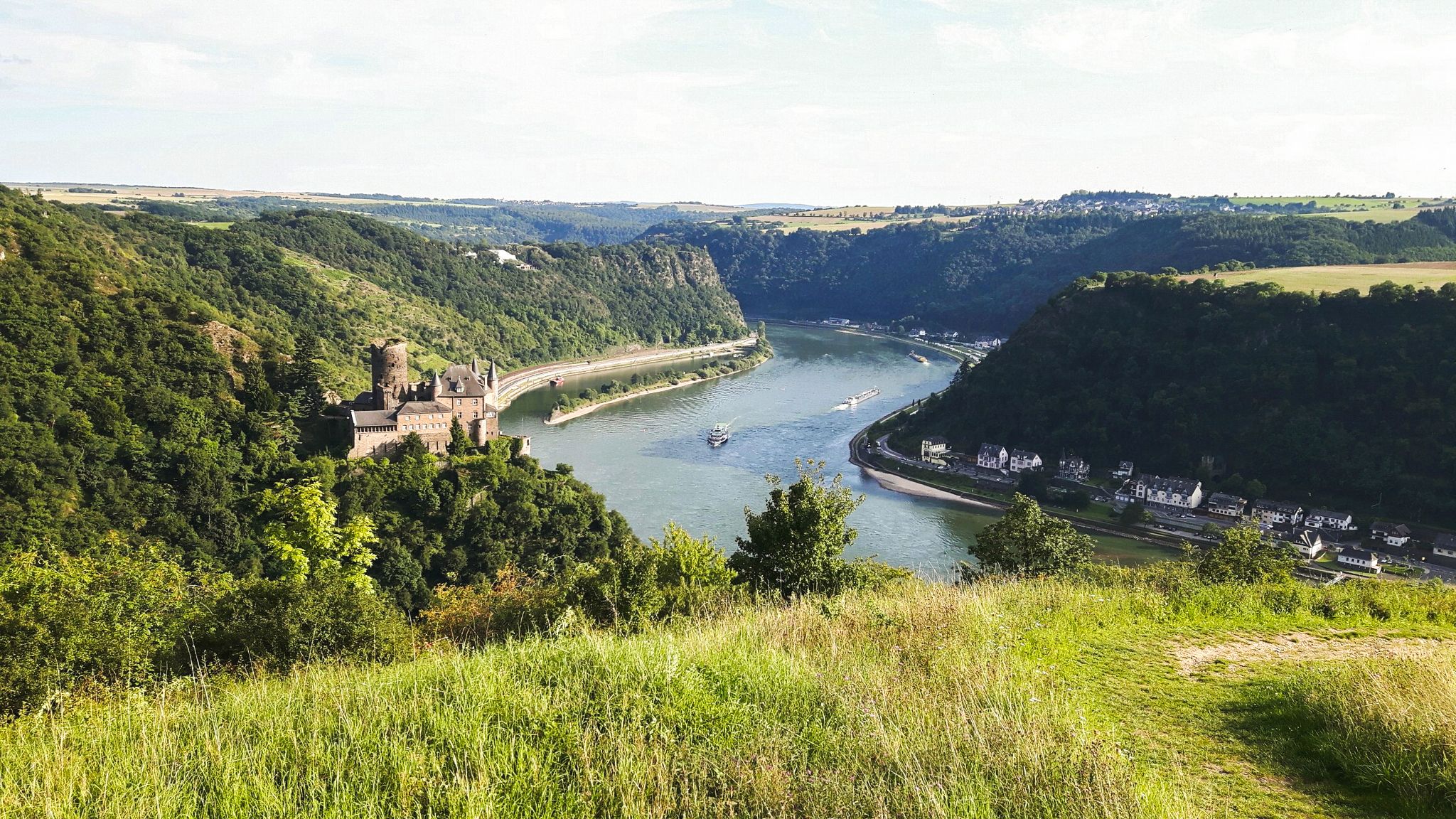
Rheinsteig Trail – The 21 stages along the Rhine
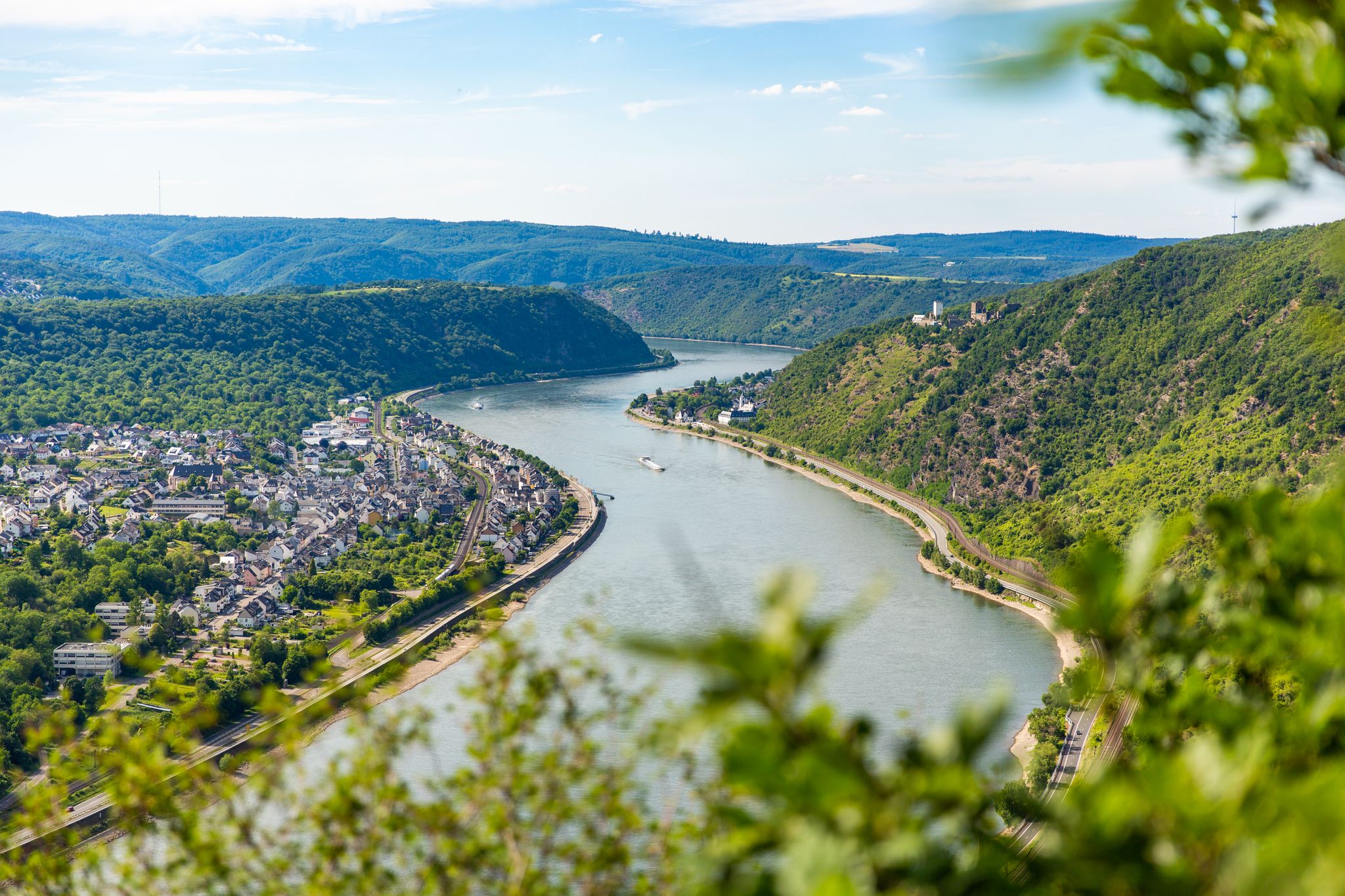
Up and down along the Rhine – adventure on the Rheinsteig
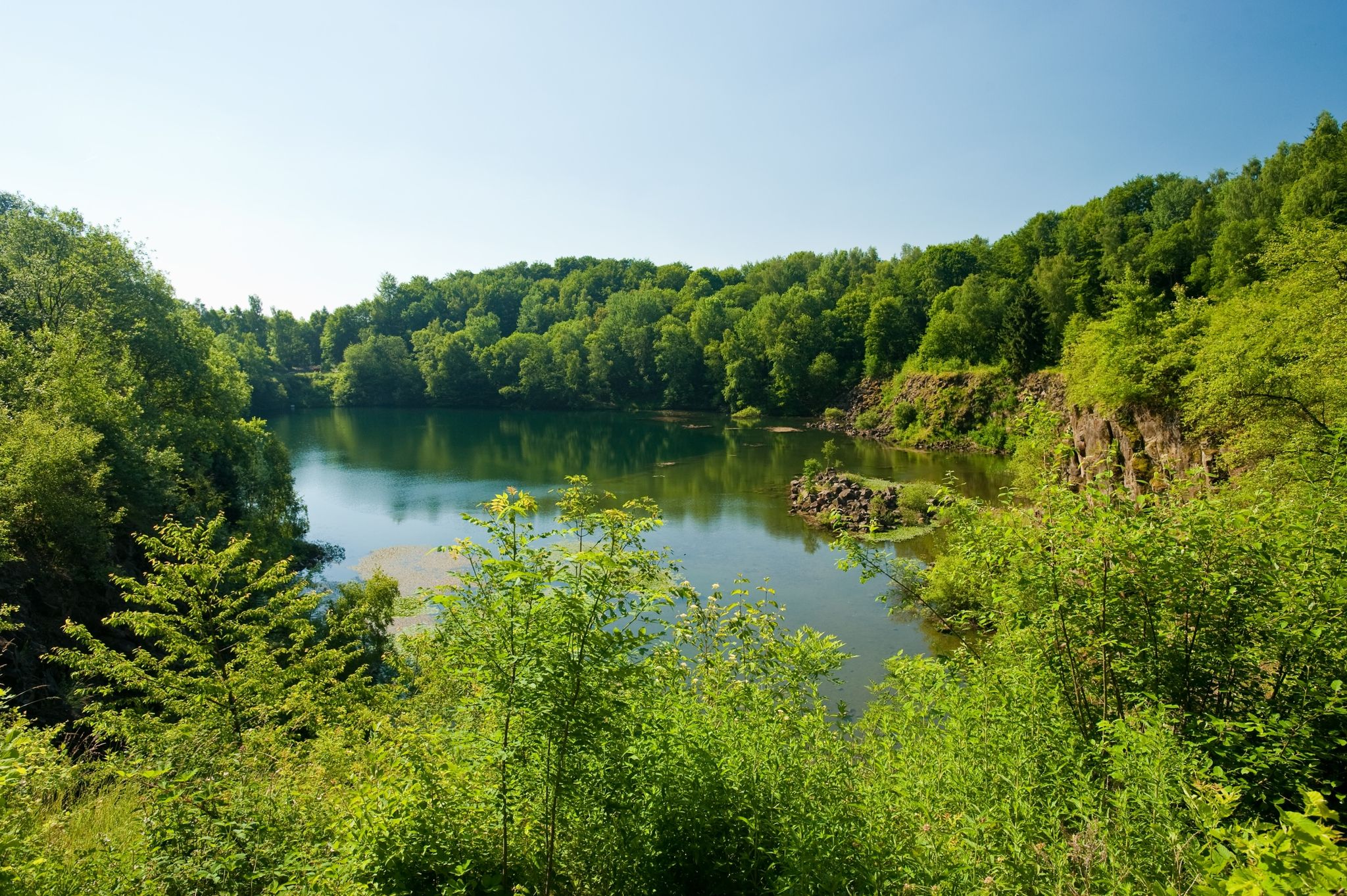
19 short hikes in the Westerwald
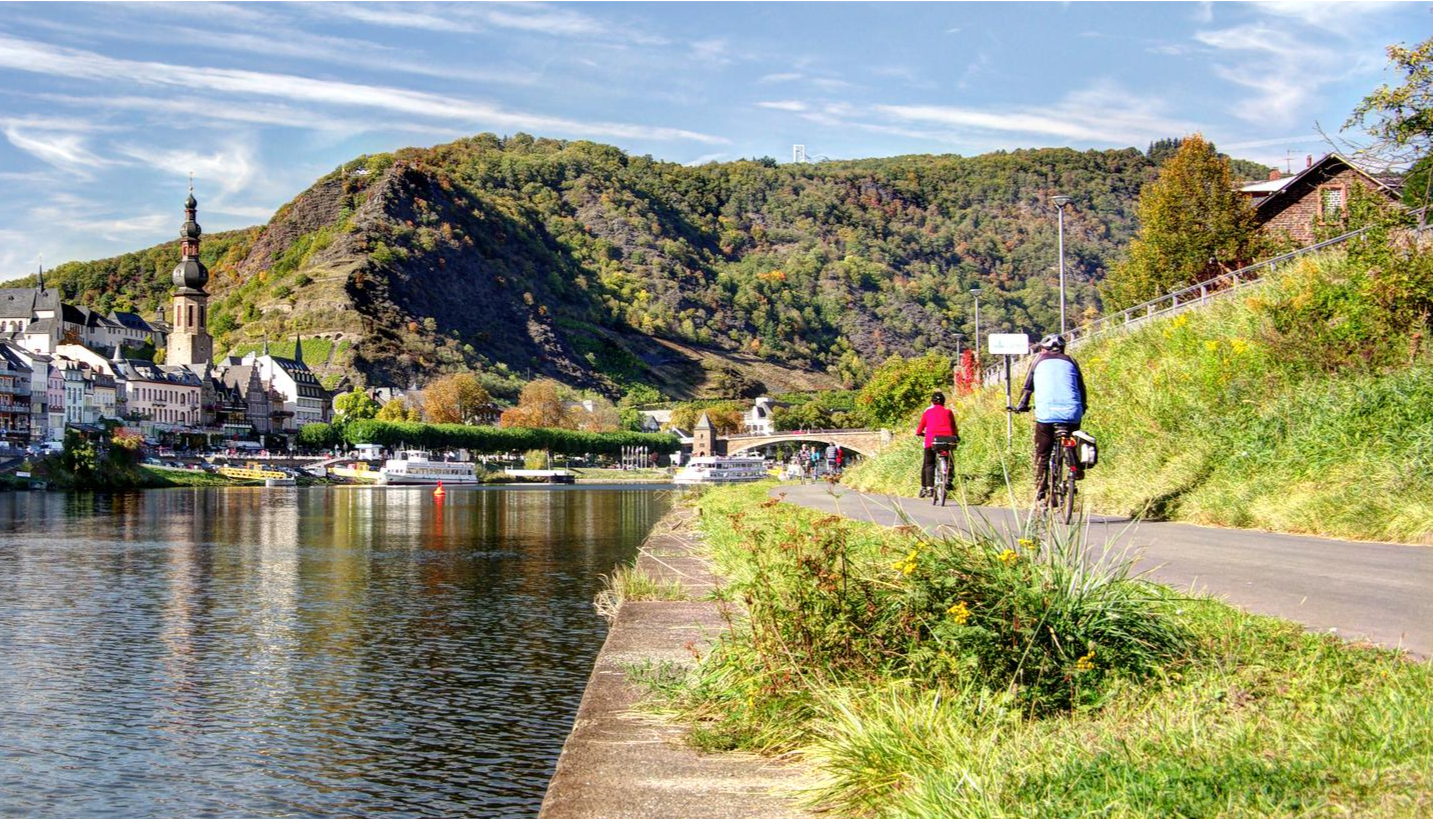
Mehrtagesradtouren in Deutschland und angrenzenden Ländern
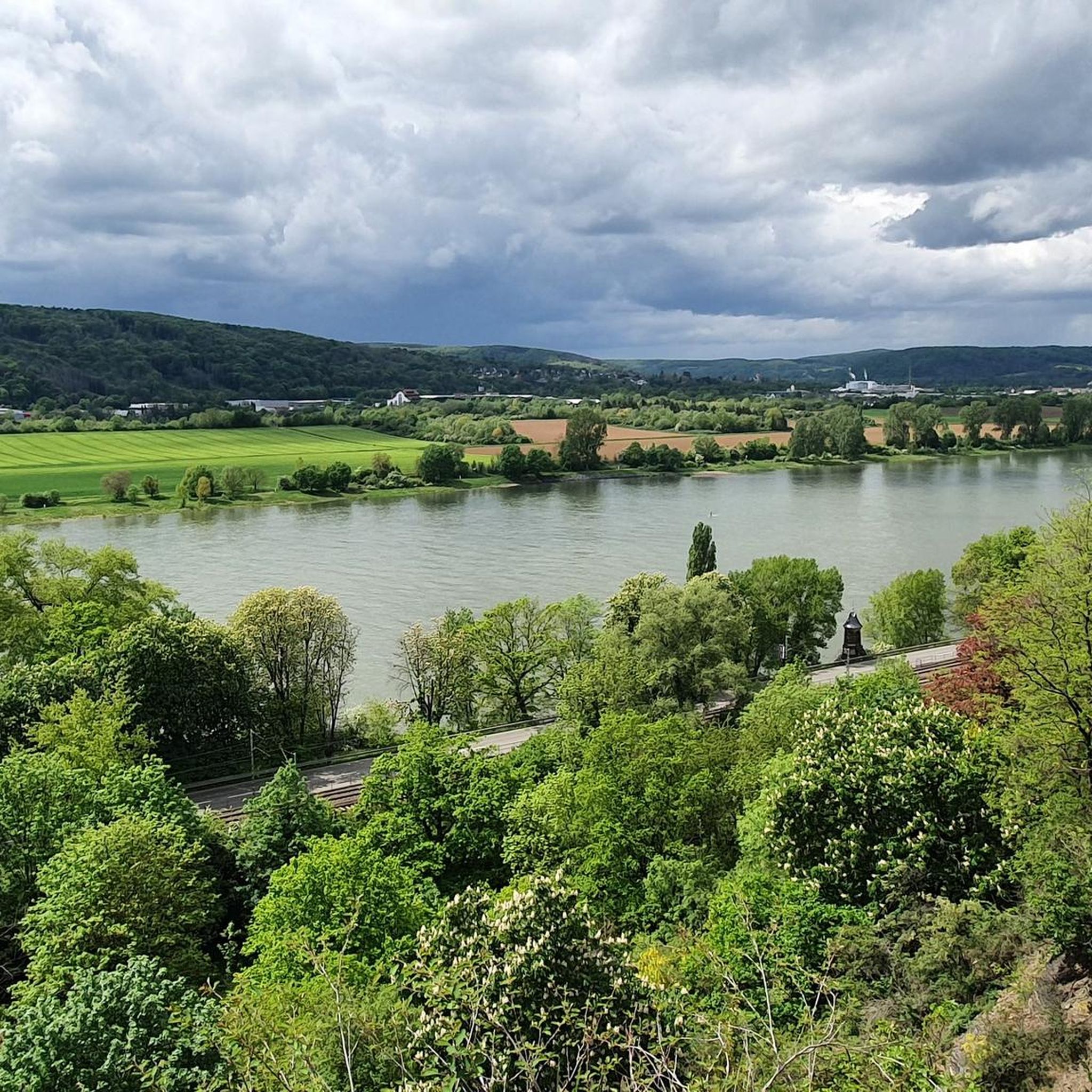
Hiking around Bad Hönningen
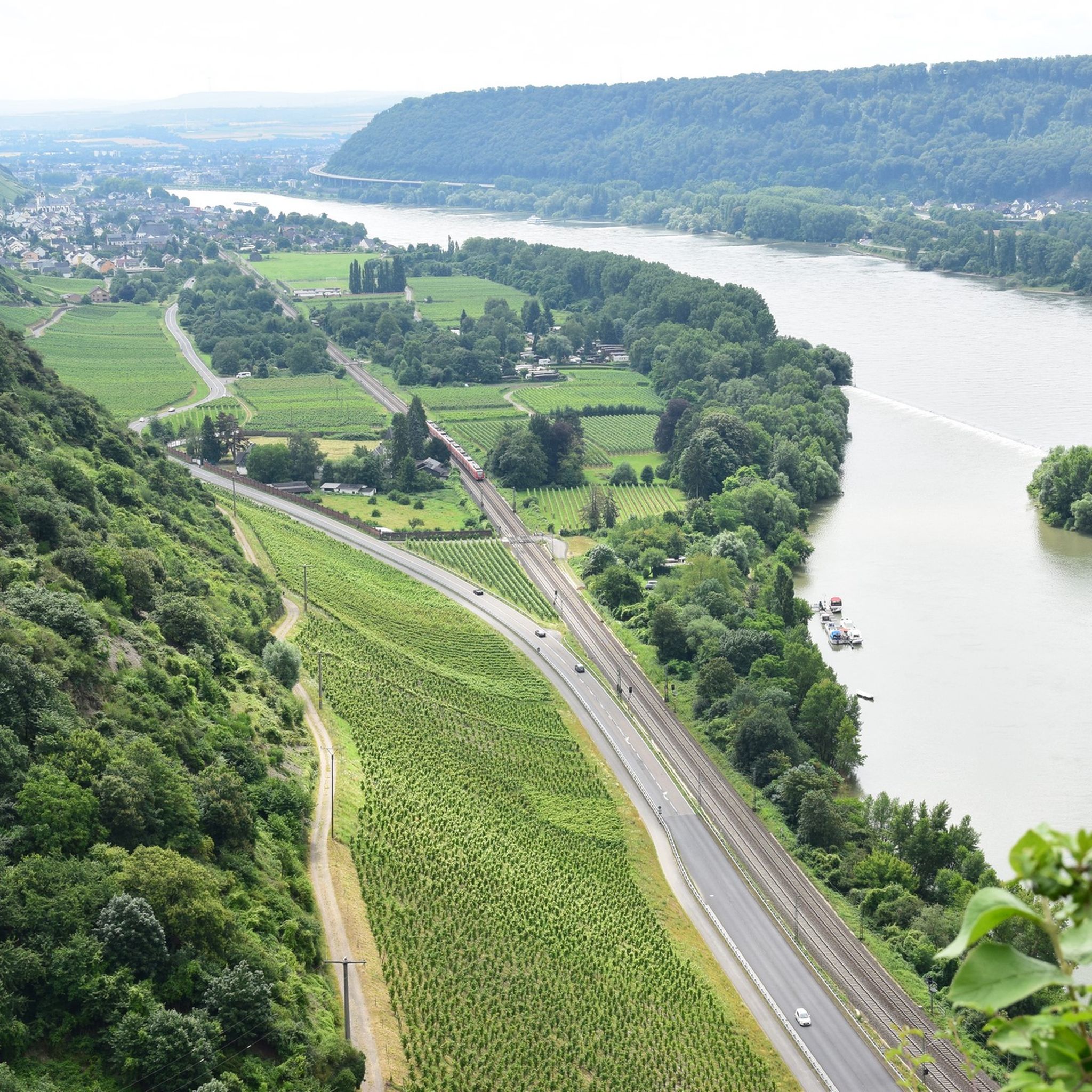
Cycling around Bad Hönningen
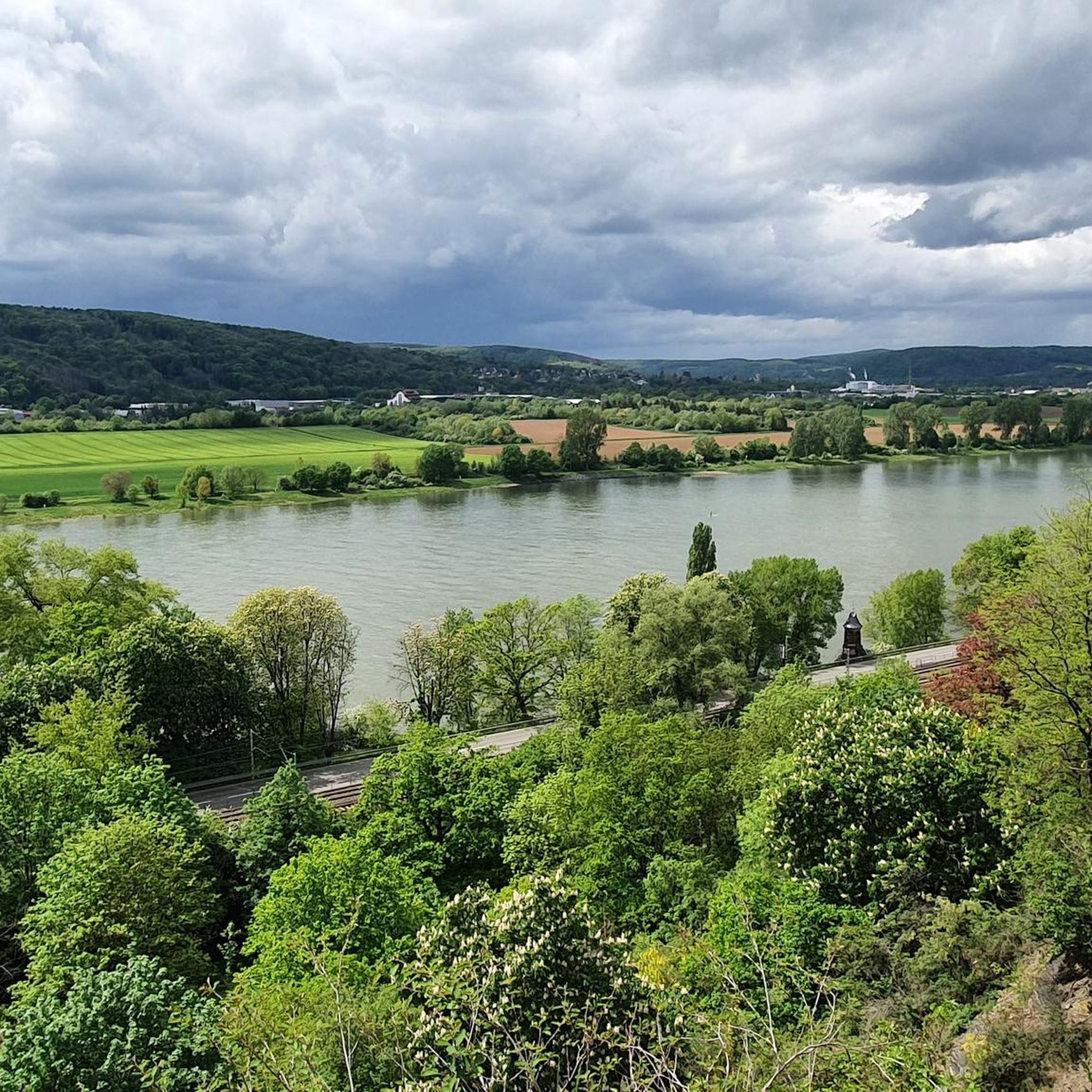
Road Cycling Routes around Bad Hönningen
MTB Trails around Bad Hönningen
Running Trails around Bad Hönningen
Other adventures around Bad Hönningen


Tips from the Community

Size 2,089.7 ha Designated 1940 Protected area identifier NSG-7100-025 The Laacher See nature reserve in the Vulkaneifel (Rhineland-Palatinate) is the largest nature reserve in the federal state with a total area of 21 square kilometers. Area description: The Laacher See, with approx. 330 ha, is the largest of the Eifel maars as well as the largest and most important lake in Rhineland-Palatinate. The age of the Laacher See is estimated to be around 11,000 to 13,000 years, after eruptions of the volcano last occurred in the Alleröd (warm period during the Weichsel Ice Age). Later, the basin of the Laacher See was sealed against the loose pumice by clayey lake deposits. The volcanic activity, which is not long ago by geological standards, can be observed at the lake itself at the mofettes, places where carbonic acid bubbles to the lake surface. Originally, the shore of the lake extended to the monastery walls of the Maria Laach Abbey. However, as early as the 12th century, the monks of the monastery lowered the water level of the lake for the first time. In the 19th century, the lake was lowered again - to its current water level. Since the shores of the lake drop steeply - the deepest point of the Laacher See measures about 51m - a sedimentation zone of reeds and sedges has only formed in the southwestern, shallow-shored area. Otherwise, various types of forest extend right up to the shore. In some places, extensively used grassland areas can still be found within the basin. Extensive floating-leaved plants, mainly water lilies and several pondweed species, are located in front of the reed belt. This is followed by the submerged vegetation zone with submerged pondweeds, milfoil, water crowfoot, and also the carnivorous bladderwort species Utricularia australis and U. minor. The floristic diversity, especially among the floating-leaved and submerged plant communities, is impressive. Many species (including the floating fern - Salvinia natans) have their most significant occurrences in the Laacher See. In contrast, the importance as a breeding area for birds has significantly decreased with the increasingly intensive tourist development of the lake. Currently, the lake is primarily of very high importance as a resting area for migrating waterfowl species. The ensemble character of the culturally and architecturally significant Maria Laach Abbey and the volcanic landscape convey a unique impression of Rhineland-Palatinate landscapes, which can be described as sacred and of unique beauty. Excerpt natura2000-bwp-sb.naturschutz.rlp.de/steckbrief_gebiete.php?sbg_pk=FFH5509-301 Breeding area for waterfowl such as: Great Crested Grebe, Coot, Moorhen, Reed Warbler, Reed Bunting as well as important as a resting and wintering area for water-bound birds, as it only completely freezes over in extremely harsh winters. Common Pochard, Tufted Duck, Grey Heron and Teal can always be observed here in winter. Fish species in the Laacher See include: Eel, Perch, Whitefish, Pike, Carp, Tench. Because the need for protection is lower in summer, the protection period extends from October to March, and the lake can also be used for tourism in summer.
0
0


The path along the eastern shore of the lake is beautifully shady and you pass the impressive mofettes (rising CO2 bubbles in the lake).
2
0

A beautiful place to rest and watch the wildlife. This time we were able to observe two pairs of great crested grebes. Simply a place for the soul.
5
1

A beautiful biotope and a wonderful place for a break.
4
0

Even experts are puzzled about the geological formation of the Rodder Maare. It is certainly not of volcanic origin, so it is not a maar. Because of its circular shape, it could have been formed by a meteorite impact. What is certain is that the Rodder Maar has experienced an interplay of irrigation and drainage, agricultural and forestry use in the course of its history. For a long time it served as a fish pond for the Lordship of Olbrück. During times of need in the 19th century it was drained to grow crops. However, the constantly damp clay soil was neither suitable for arable farming nor for fodder production. Most recently, in the early 1960s, water-draining spruces were planted and the maar was drained. These efforts had not paid off. Source: http://www.ostiefel-aktiv.de/40848/41919.html
8
1

A nice place to take a break. The pond is currently covered with duckweed, the green color gives the pond a mystical touch.
6
0

very nice body of water with aquatic plants and frogs
6
1
Frequently Asked Questions
What types of lakes can I explore around Bad Hönningen?
The region around Bad Hönningen offers a diverse range of lakes. You'll find impressive volcanic caldera lakes like Laacher Lake, unique maars (volcanic crater lakes) in the Volcanic Eifel, and peaceful forest ponds such as Waldschlößchen Pond. There are also man-made lakes like the Dreifelder Weiher in the Westerwald Lake District, originally created for fish farming.
Are there any family-friendly lakes suitable for all ages and accessibility needs?
Yes, Rodder Maar is an excellent choice. It's a nature reserve with a beautiful area that is very easy to walk, even with a stroller and wheelchair. Waldschlößchen Pond is another family-friendly spot, offering a peaceful setting in the forest.
Where can I find the best viewpoints of the lakes?
For stunning panoramas, visit Lydia Tower — View of Lake Laach, which offers a terrific view across Laacher Lake to the Maria Laach Monastery. Another great spot is the general View of Lake Laach, especially along the riverside path where you can enjoy beautiful vistas.
What unique natural phenomena can I observe at the lakes?
At Laacher Lake, you can witness mofettes, which are visible bubbles rising from the lakebed, indicating ongoing volcanic activity. The Maars of the Volcanic Eifel, like Gemündener Maar and Schalkenmehrener Maar, are also unique volcanic crater lakes nestled in dense forests.
Are there opportunities for swimming or water sports at these lakes?
Yes, Laacher Lake offers invigorating waters for swimming, especially near the RCN Lake Laach campsite. Some of the Maars in the Volcanic Eifel, such as Gemündener Maar, have outdoor pools and offer opportunities for swimming and boating. However, for lakes like Dreifelder Weiher, water sports might be restricted due to nature conservation.
What historical or cultural sites are located near the lakes?
The magnificent Maria Laach Benedictine monastery complex is situated directly on the banks of Laacher Lake, offering a peaceful and contemplative atmosphere. You can get a great view of it from Lydia Tower — View of Lake Laach.
Are there hiking trails around the lakes near Bad Hönningen?
Absolutely. Many lakes, including Laacher Lake and the Maars of the Volcanic Eifel, feature scenic circular paths and trails through surrounding forests. The hiking guide for Bad Hönningen provides various routes, including easy options like the Arenfels Castle – Rhine River in Bad Hönningen loop, and more challenging ones like the Linz Town Hall – View of Bad Hönningen loop.
Can I go cycling near the lakes?
Yes, the region offers numerous cycling opportunities. You can find routes that pass by or near some of the lakes. For example, the cycling guide for Bad Hönningen includes routes like the Maria Laach Abbey – Rheinpromenade Andernach loop, which takes you close to Laacher Lake.
What do visitors enjoy most about the lakes around Bad Hönningen?
Visitors frequently praise the natural beauty and tranquility. Many appreciate the easy accessibility of places like Rodder Maar for walks, even with strollers. The panoramic views over Laacher Lake and the unique volcanic features are also highly valued. The komoot community has shared over 1000 photos and given more than 1800 upvotes to these highlights.
Is the Malbergsee accessible for hiking, and what are its features?
The Malbergsee is known for its scenic beauty and is appreciated in the context of hiking trails near Bad Hönningen. It offers fantastic views, including monastery landscapes and steep basalt walls, making it a picturesque spot for nature lovers and hikers.
Are there any hidden gem lakes worth discovering?
While not widely publicized, the Waldschlößchen Pond is a small, peaceful oasis nestled in the forest. It's a lovely spot to rest and enjoy nature, often passed by on trails like the Apollinaris loop and the Rheinhöhenweg.
What is the best time of year to visit the lakes?
The lakes are beautiful year-round. Spring and autumn offer pleasant temperatures for hiking and enjoying the changing foliage. Summer is ideal for swimming and water activities, especially at Laacher Lake and the Maars. Even in winter, the serene landscapes can be quite stunning for a quiet walk.
Most popular routes around Bad Hönningen
Most popular attractions around Bad Hönningen

Get inspired with the komoot mobile app


Explore more
Still not found your perfect lake around Bad Hönningen? Check out the guides of these regions to see even more beautiful places.
