The best walks and hikes in Puszcza Biała
4.7
(28)
121
hikers
31
hikes
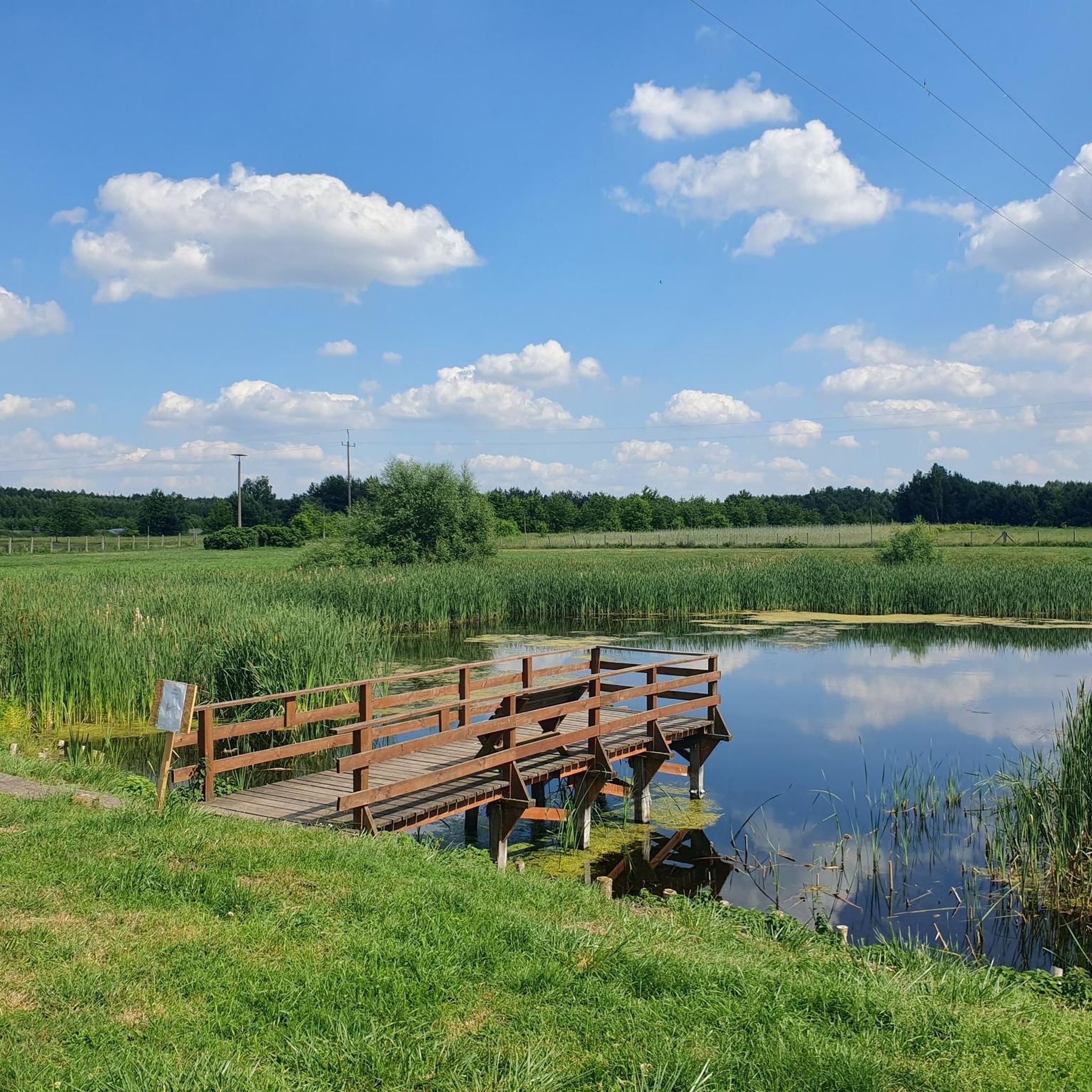
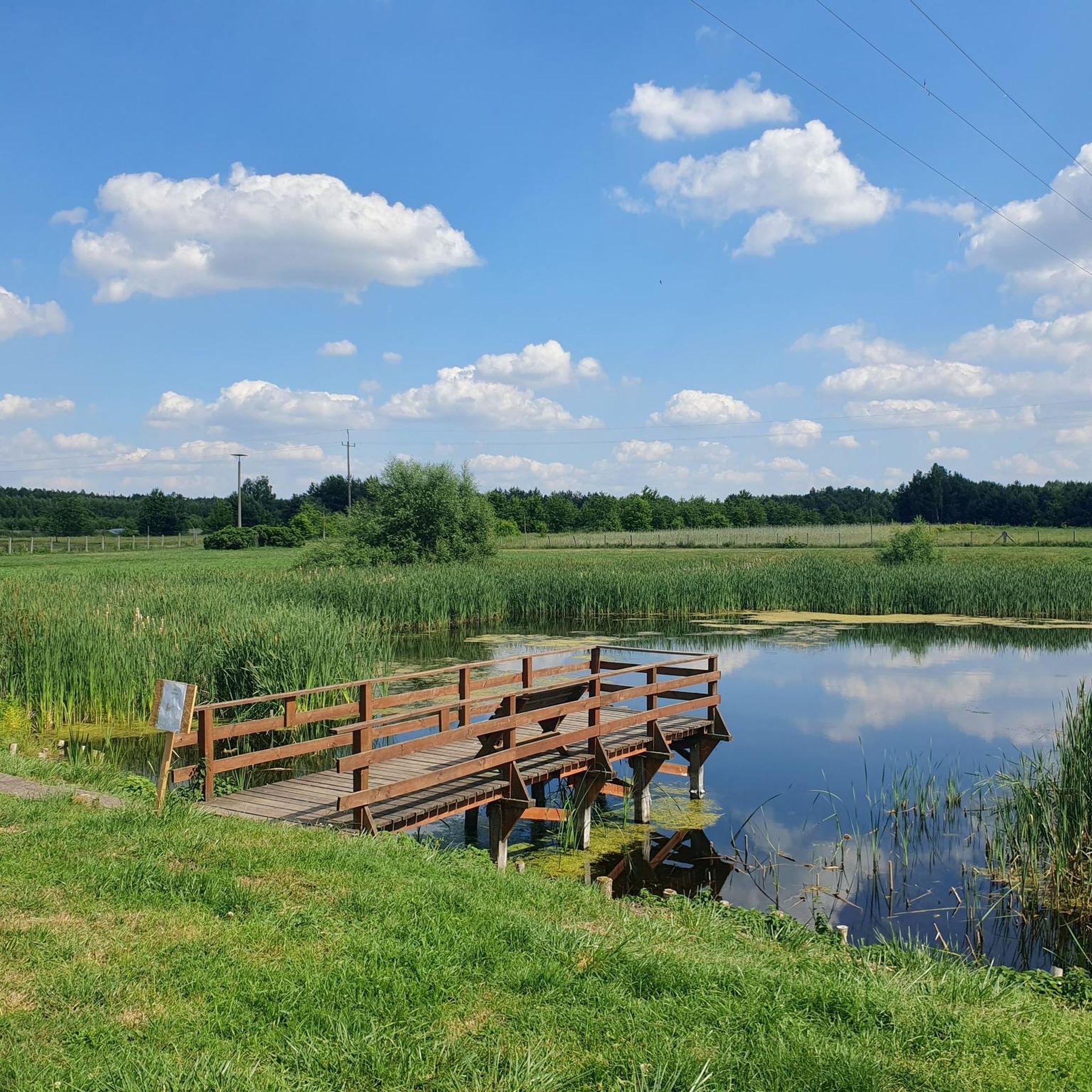
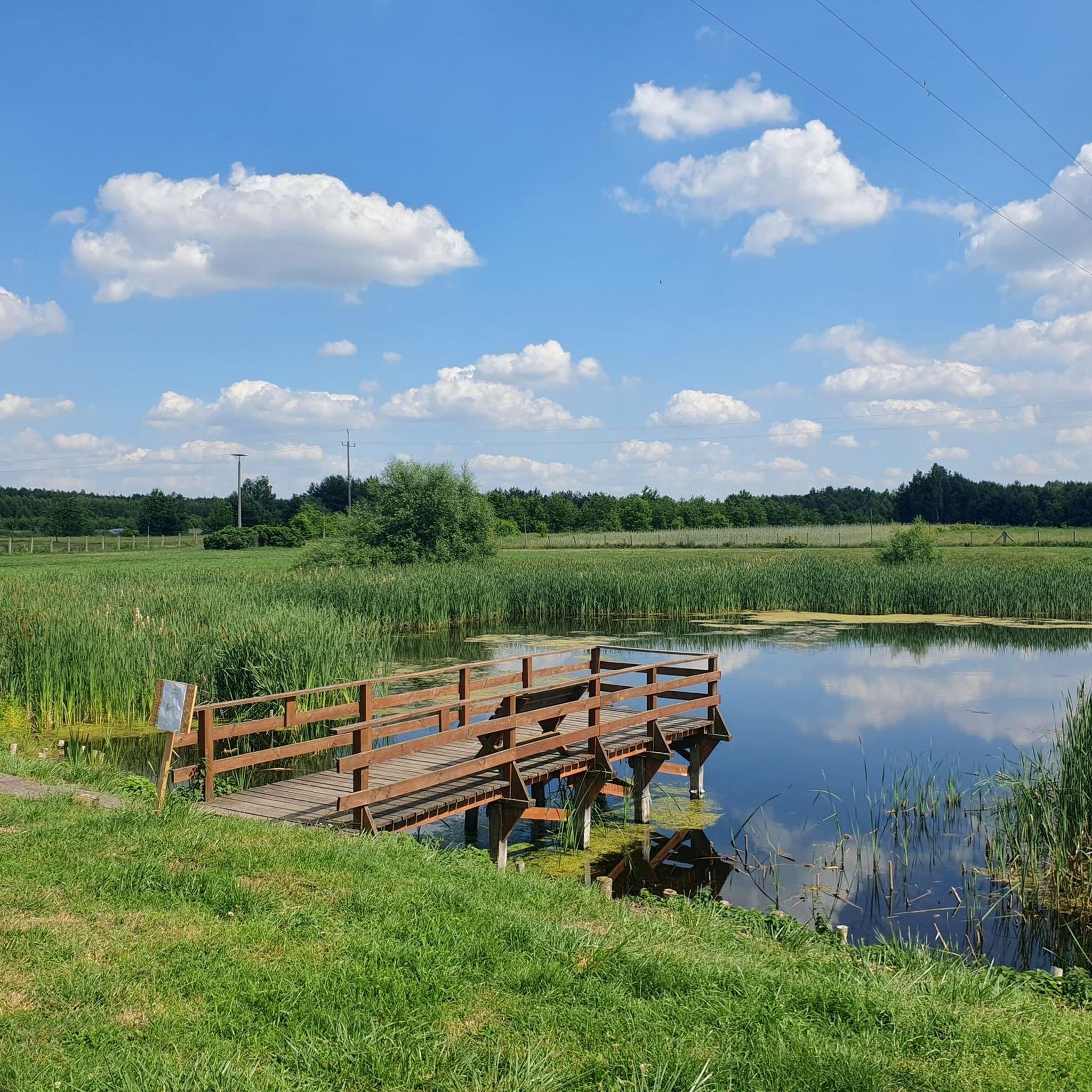
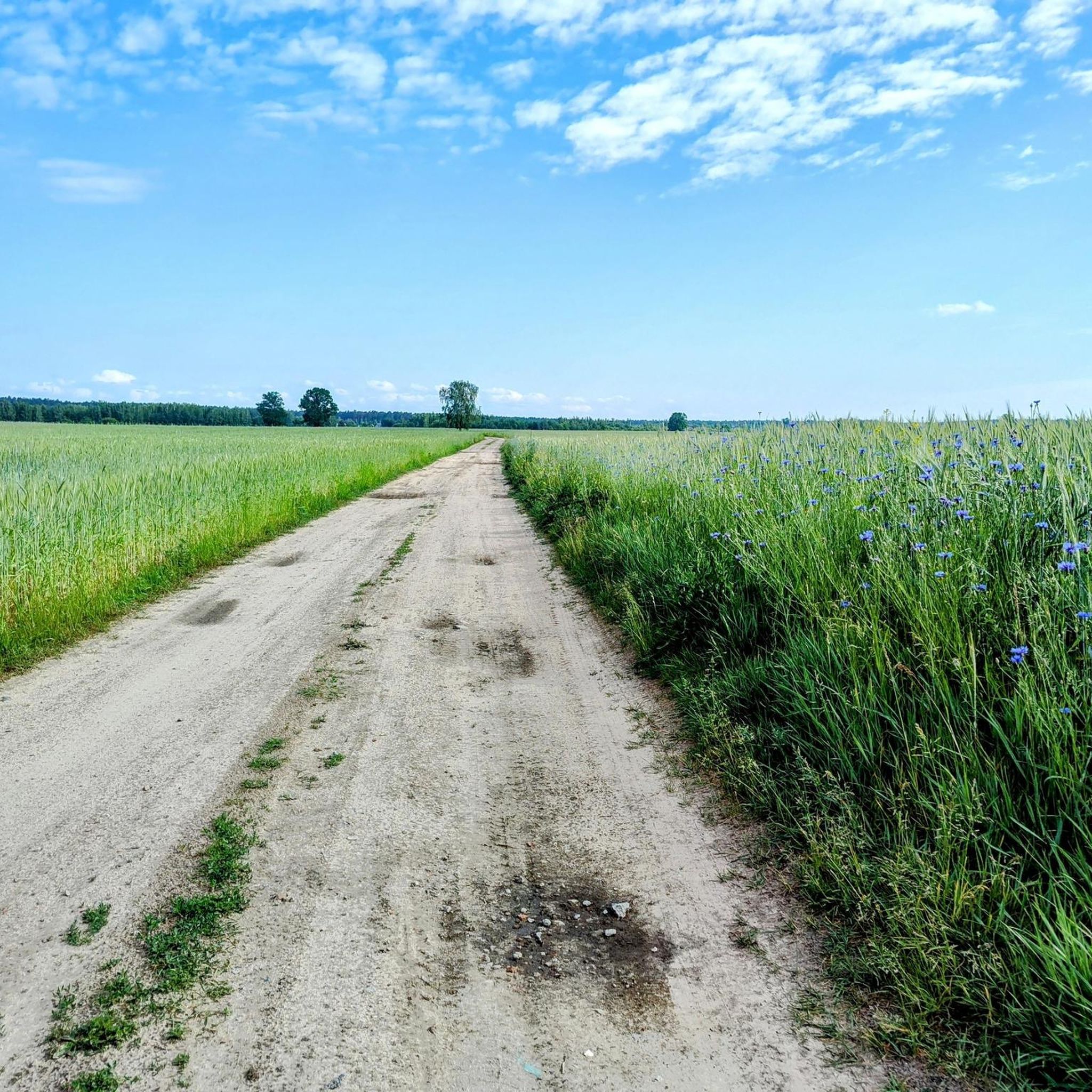
Hiking in Puszcza Biała features a landscape dominated by extensive forests, primarily pine, interspersed with diverse deciduous stands. The region is characterized by its flat terrain, with minimal elevation changes, making it suitable for accessible walks. It is situated between the Narew and Bug rivers, with numerous tributaries and oxbow lakes contributing to its varied natural environment. The area also includes valuable meadow and shrub habitats, adding to the ecological diversity.
Best hiking trails in Puszcza Biała
- The most popular…
Last updated: July 1, 2026
4.8
(4)
5
hikers
11.6km
02:56
30m
30m
Moderate hike. Good fitness required. Easily-accessible paths. Suitable for all skill levels.
4
hikers
10.1km
02:34
20m
20m
Moderate hike. Good fitness required. Easily-accessible paths. Suitable for all skill levels.

Sign up for free
3
hikers
4.75km
01:13
20m
20m
Easy hike. Great for any fitness level. Easily-accessible paths. Suitable for all skill levels.
3
hikers
7.27km
01:51
20m
20m
Easy hike. Great for any fitness level. Easily-accessible paths. Suitable for all skill levels.
4.7
(3)
11
hikers
Moderate hike. Good fitness required. Easily-accessible paths. Suitable for all skill levels.
Get access to more routes and recommendations from other explorers.
Sign up for free
Already have an account?
Our route recommendations are based on thousands of hikes, rides, and runs completed by other people on komoot.
Start today with a free account
Your next adventure awaits.
Login or Signup
Tips from the Community

On top of that, a nice and relatively clean shelter. A natural monument at the entrance.
0
0

A picturesque path along the slopes along the bank of the Bug River. It is located in the Bug Landscape Park.
3
0

Watch out for cars passing by from time to time, especially on the weekend.
1
0

The present church was built on the site of an earlier wooden church, the predecessor of which dates back to 1720.[2] The church was built between 1793 and 1795 and consecrated on July 8, 1798, by Bishop Onufry Kajetan Szembek. In 1884, thanks to the efforts of Rev. J. Szmejter, two chapels were added: the Chapel of the Sacred Heart of Jesus and the Chapel of the Blessed Virgin Mary. The building was damaged during the First World War. On August 18, 1920, an artillery shell shattered the wall of the Chapel of the Blessed Virgin Mary. Panes of glass fell from the sanctuary windows. Retreating Bolshevik troops destroyed the roof of the church. In September 1939, the church was destroyed by a fire caused by the bombing of the city. The church furnishings, such as the pulpit, baptismal font, pews, confessionals, and organ, also fell victim to the fire. The Chapel of the Blessed Virgin Mary and the two oak confessionals were not destroyed. Services were held in this chapel until the end of World War II. This was due to the authorities' unwillingness to renovate the church (Translated from Wikipedia).
4
0

Grab spare pants and jump to the river. Clean and shallow, great for kids to splash in the water.
0
0

Attention! the bridge is quite narrow with no lane for pedestrians and cyclists
0
2

The bridge near the confluence of Liwiec into the Bug. The river is beautiful and wide here. Nice view both sides.
2
0
Frequently Asked Questions
How challenging are the hiking trails in Puszcza Biała?
The hiking trails in Puszcza Biała are generally considered accessible, with a focus on easy to moderate difficulty levels. The region is characterized by its flat terrain and minimal elevation changes, making it suitable for a wide range of hikers. There are currently 12 routes available, with 5 rated as easy and 7 as moderate, and no difficult routes.
What kind of landscapes can I expect to see while hiking in Puszcza Biała?
Puszcza Biała offers diverse landscapes, primarily dominated by extensive pine forests, but also featuring significant areas of oak-hornbeam, ash-alder, and alder forests. You'll encounter riverine environments along the Bug and Narew rivers and their tributaries, complete with oxbow lakes and backwaters. Additionally, about 10% of the area consists of valuable meadow and shrub habitats, adding to the ecological variety.
Are there any notable natural landmarks or protected areas to explore in Puszcza Biała?
Yes, Puszcza Biała is rich in natural landmarks and protected areas. It forms part of the larger Nadbużański Landscape Park and is a significant Natura 2000 site. Several nature reserves protect its most valuable parts, including Bartnia Reserve with its old pine stands, Popławy Reserve featuring pine forest over 180 years old, and Stawinoga Reserve, important for numerous bird species. While hiking, you might encounter the scenic Bug River, as seen on routes like View of the Bug – Witój in Szumin Agritourism loop from Kamieńczyk.
Can I bring my dog on the hiking trails in Puszcza Biała?
Puszcza Biała is generally welcoming to dogs, but it's important to keep them on a leash, especially given the rich wildlife in the area. The forest is home to deer, wild boars, roe deer, wolves, and elk, as well as numerous bird species, so keeping your dog under control helps protect the local fauna and ensures a safe experience for everyone.
Are there family-friendly hiking options in Puszcza Biała?
Yes, Puszcza Biała is well-suited for family outings due to its predominantly flat terrain and numerous easy and moderate routes. The minimal elevation changes make it comfortable for children and those seeking a relaxed walk. Many trails, such as the View of the Bug loop from Szumin, offer shorter distances and gentle gradients perfect for families.
What is the best time of year to go hiking in Puszcza Biała?
Puszcza Biała offers unique experiences throughout the year. Spring brings vibrant greenery and bird activity, while autumn showcases beautiful forest colors. Summer is ideal for longer days and warmer weather, though some areas might be boggy after rain. Winter hiking is also possible, offering a serene, snow-covered landscape, but always check local conditions and dress appropriately.
Are there any circular hiking routes available in Puszcza Biała?
Yes, Puszcza Biała features several excellent circular hiking routes. For example, you can explore the core forest areas on the Puszcza Biała loop from gmina Wyszków, or enjoy river views on the View of the Bug – Zofia and Oskar Hansen House loop from Rafa. These loops allow you to start and end at the same point, offering convenient exploration of the region's natural beauty.
What kind of wildlife can I expect to see in Puszcza Biała?
Puszcza Biała boasts a rich diversity of wildlife. It's a significant area for birds, with over 150 species, including black storks, cranes, grey herons, and nightjars. Mammals such as deer, wild boars, roe deer, wolves, and even elk inhabit the forest. Keep an eye out for these animals, especially during quieter times of the day, but remember to observe from a respectful distance.
Is parking available at the trailheads in Puszcza Biała?
While specific parking facilities vary by trailhead, many popular starting points for hikes in Puszcza Biała, particularly near villages or nature reserves, offer designated or informal parking areas. It's advisable to check the route details on komoot for specific parking recommendations for your chosen trail.
What do other hikers enjoy most about hiking in Puszcza Biała?
The area is highly rated by the komoot community, with an average score of 4.7 stars from over 20 reviews. Reviewers often praise the peaceful and natural environment, the well-preserved forests, and the accessibility of the trails. Many appreciate the opportunity to connect with nature away from crowded areas, enjoying the diverse landscapes and rich biodiversity.
Are there any specific permits required for hiking in Puszcza Biała?
Generally, no special permits are required for hiking on marked trails within Puszcza Biała. However, as parts of the forest are protected within nature reserves and the Nadbużański Landscape Park, it's always important to stick to designated paths and respect local regulations to preserve the natural environment.
How many hiking trails are available in Puszcza Biała?
There are currently 12 hiking routes available in Puszcza Biała on komoot, offering a variety of experiences for different skill levels. These include 5 easy trails and 7 moderate trails, ensuring there's something for everyone to explore in this beautiful region.
Most popular routes in Puszcza Biała

Get inspired with the komoot mobile app


Explore more
Browse the best Hikes in other regions.
