Attractions and Places To See in Unterallgäu - Top 20
Best attractions and places to see in Unterallgäu include a diverse range of historical landmarks, natural landscapes, and cultural sites. This district in Bavaria, Germany, offers opportunities to explore charming towns and magnificent religious architecture. The region is characterized by its blend of historical significance and natural beauty, providing various points of interest for visitors.
Best attractions and places to see in Unterallgäu
- The most popular attractions is Iller Adventure Footbridge and Observation Tower, a bridge that offers an exciting crossing and scenic views. This location provides a combination of nature experience and panoramic vistas.
- Another must-see spot is Iller Suspension Bridge and Observation Tower in Legau, a bridge over the Iller river. It features an 80-meter suspension bridge and a 23-meter high observation deck with views of the Illersteilwand.
- Visitors also love Ottobeuren Market Square and Basilica, a settlement with a 1,500-year history. The market square is surrounded by good localities, and the Basilica of St. Alexander and St. Theodor is a notable Baroque church.
- Unterallgäu is known for its historical sites, natural features, and cultural landmarks. The region offers a variety of attractions to see and explore, from ancient mills to extensive spa parks.
- With over 1100 upvotes and more than 400 photos, the attractions in Unterallgäu are appreciated by the komoot community.
Last updated: August 29, 2026
Ottobeuren Market Square and Basilica
Highlight • Settlement
Probably none of the visitors who stay in Ottobeuren today, for a shorter or longer period of time, can imagine how this approximately 1,500-year-old, historic town was founded.
When visitors arrive in Ottobeuren from all directions by private car, taxi, or bus, their first gaze is usually drawn to the mighty basilica with its monastery buildings.
No one considers that the very ground they have just set foot on was once impassable terrain, moorland, swamp, and densely wooded area.
Nevertheless, a man had dared to gain a foothold here, clear the forest, and establish a human settlement. What Stone Age hunters and fishers had failed to achieve much earlier—namely, to settle here—had become the life's work of a man named Uot. At the site where the market square stands today, the first giant trees soon collapsed under the axe blows of the Uot farmers.
Huts were built from rough beams, livestock was raised, and fields were cultivated. Only a few huts in the middle of the forest housed the Uot clan. Uot, the Swabian, founded Ottobeuren in the 5th century.
Text / Source: Ottobeuren Tourist Office, Marktplatz 14, Ottobeuren
ottobeuren.de/de/marktgemeinde/rathaus/markt-chronik.php
Translated by Google •
Tip by

Former railroad bridge in Illerbeuren
Highlight • Bridge
Translated by Google •
Tip by

Sign up now to discover places like this
Get recommendations on the best single tracks, peaks, & plenty of other exciting outdoor places.
Sign up for free
Bad Wörishofen Spa Park
Highlight • Natural
Source: parks-und-gaerten.de/kurpark-bad-woerishofen
Translated by Google •
Tip by

Iller Adventure Footbridge and Observation Tower
Highlight • Bridge
Translated by Google •
Tip by

Iller Suspension Bridge and Observation Tower in Legau
Highlight • Bridge
On the southern shore, a 23-meter high observation deck provides a view of the nearby Illersteilwand
Translated by Google •
Tip by

Marian Fountain, Mindelheim
Highlight • Monument
Translated by Google •
Tip by

Buxheimer Weiher
Highlight • Lake
Positive was:
Food: Salad very fresh and very well prepared,
Sausage salad was also very good.
View from the beer garden over the pond, very good
with e-bike charging station, great
Negative was:
The service was not only borderline but far beyond it.
She was just complaining and complaining.
At first it wasn't against the guests but against their ordering computer and then against the kitchen when she came out and very loudly and then she started to get upset because our table was very full and she couldn't put her tray down.
So you leave your money there and get bullied for it.
Hey, your job doesn't involve letting your guests' bad moods out.
Translated by Google •
Tip by

Basilica of St. Alexander and St. Theodor, Ottobeuren
Highlight • Religious Site
Translated by Google •
Tip by

Katzbrui Mill
Highlight • Restaurant
Translated by Google •
Tip by
Ludwig Gate, Türkheim
Highlight • Monument
Translated by Google •
Tip by

Sign up for free to discover even more attractions in Unterallgäu.
Sign up for free
Already have an account?
Start today with a free account
Your next adventure awaits.
Login or Signup
Popular around Unterallgäu
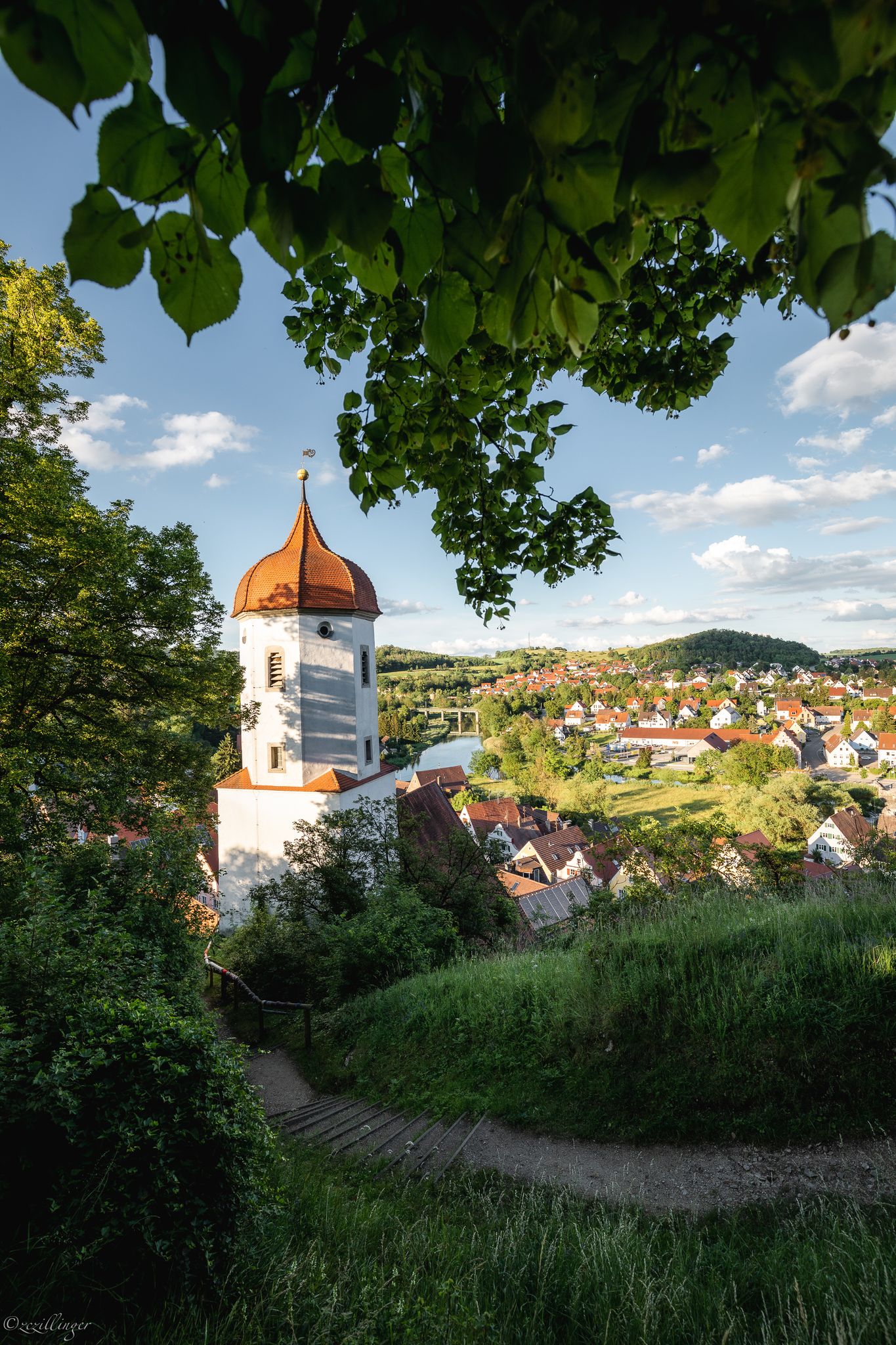
Augsburger Jakobsweg – Through Bavarian-Swabia
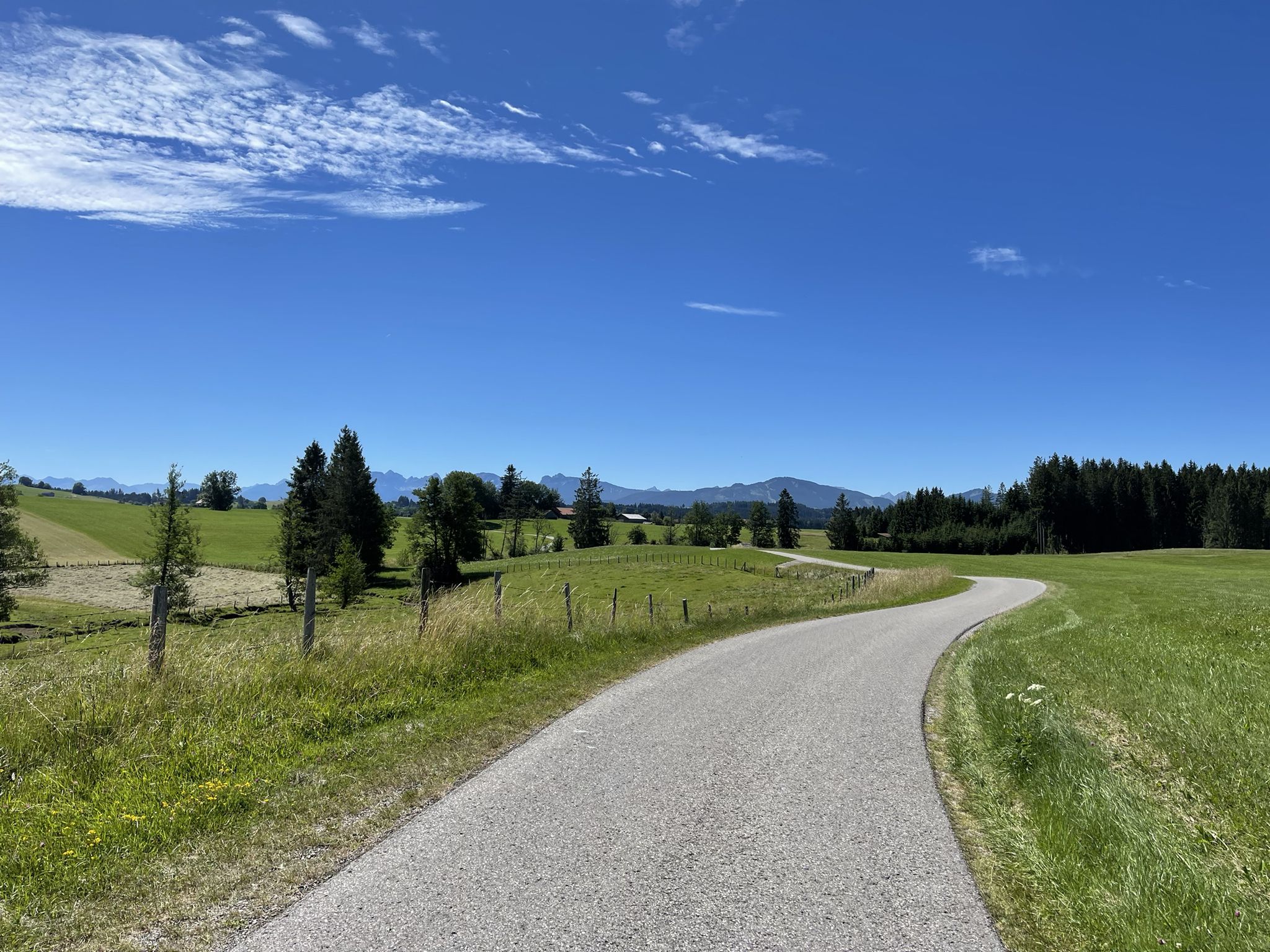
Hike from Augsburg to the Allgäu Alps
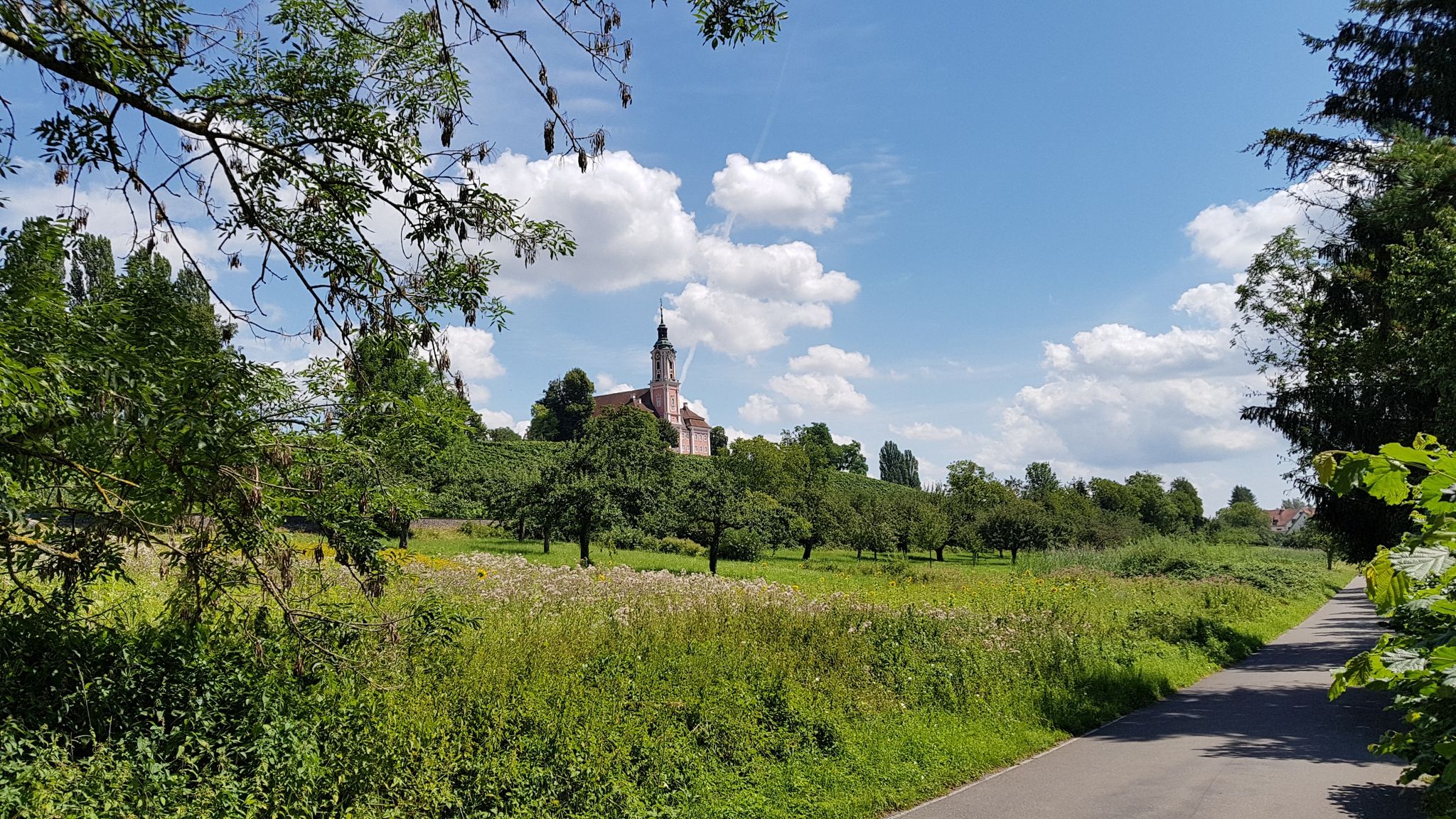
The Bäderradweg — 5 stages of wellness from Lake Constance to Allgäu
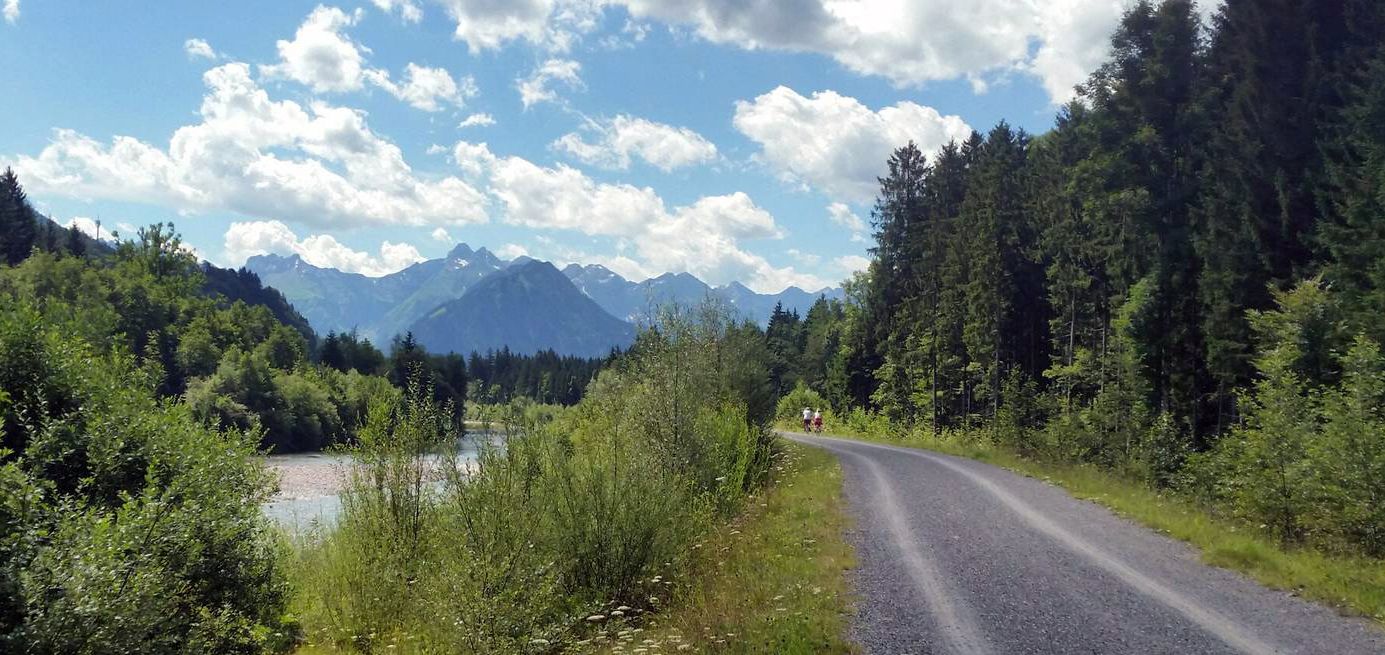
Illerradweg in 3 stages — Water features and alpine views

With Kneipp through nature – Happiness Trails (Glücksweg) in Allgäu
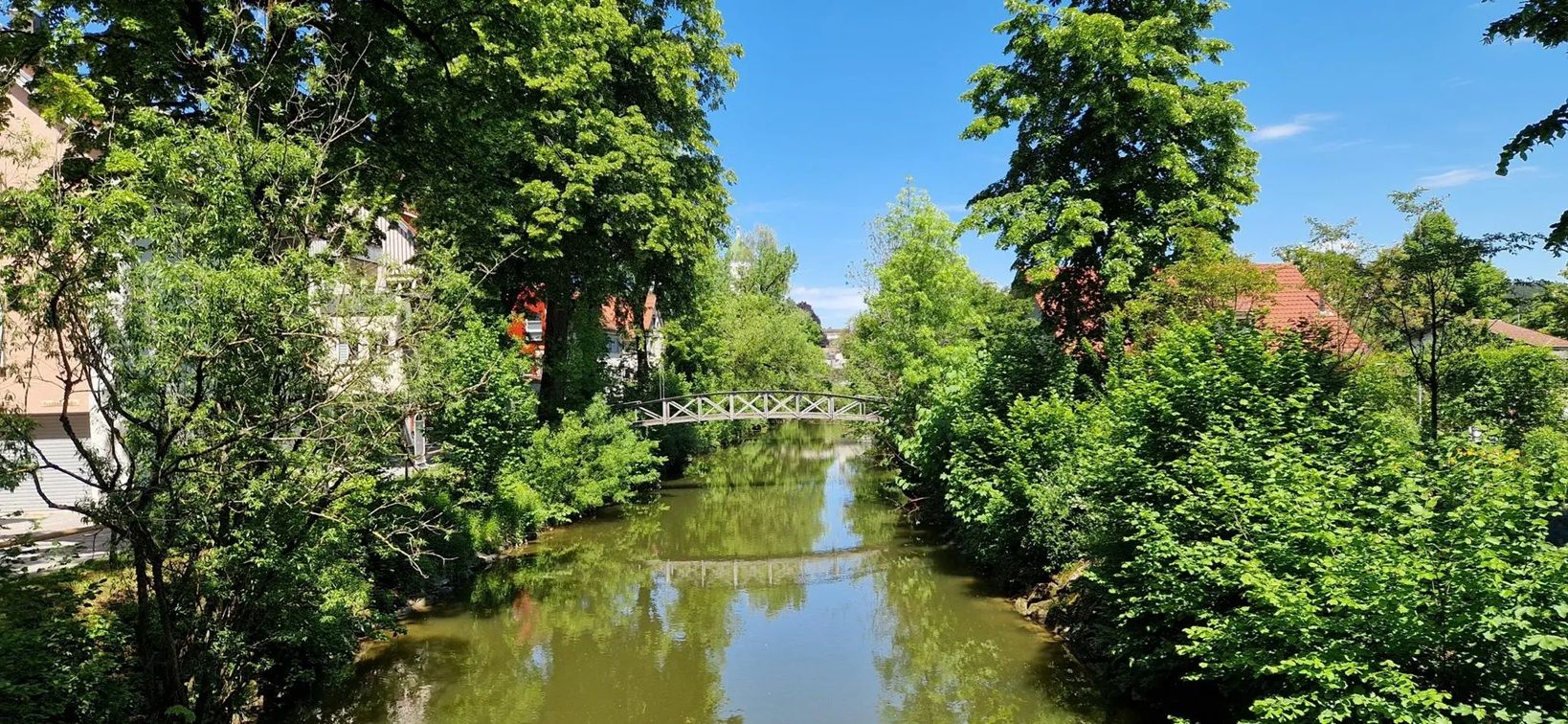
Listen and discover – audio tours to Allgäu's cultural treasures
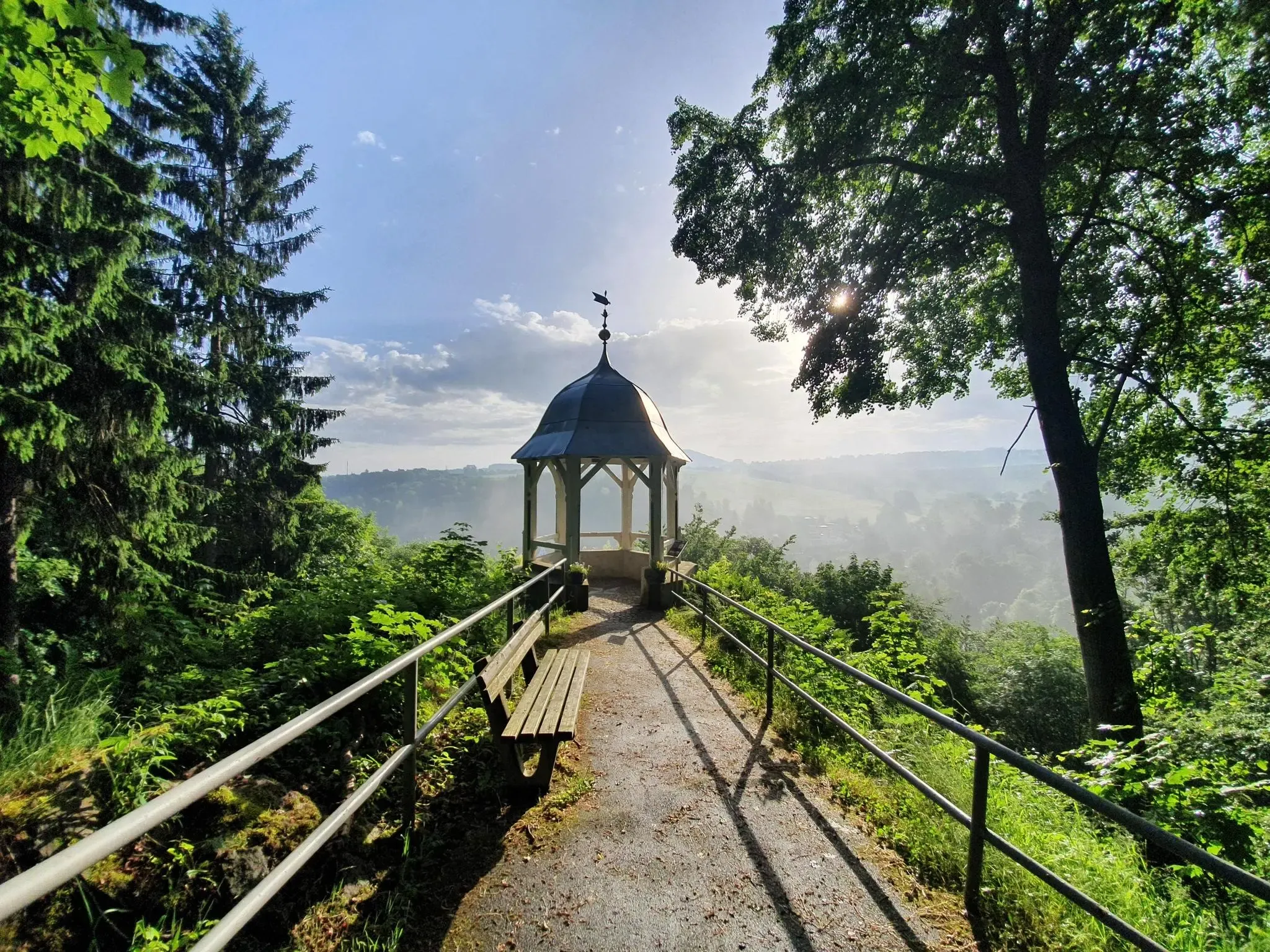
#GoFurther – discover the views of Germany!
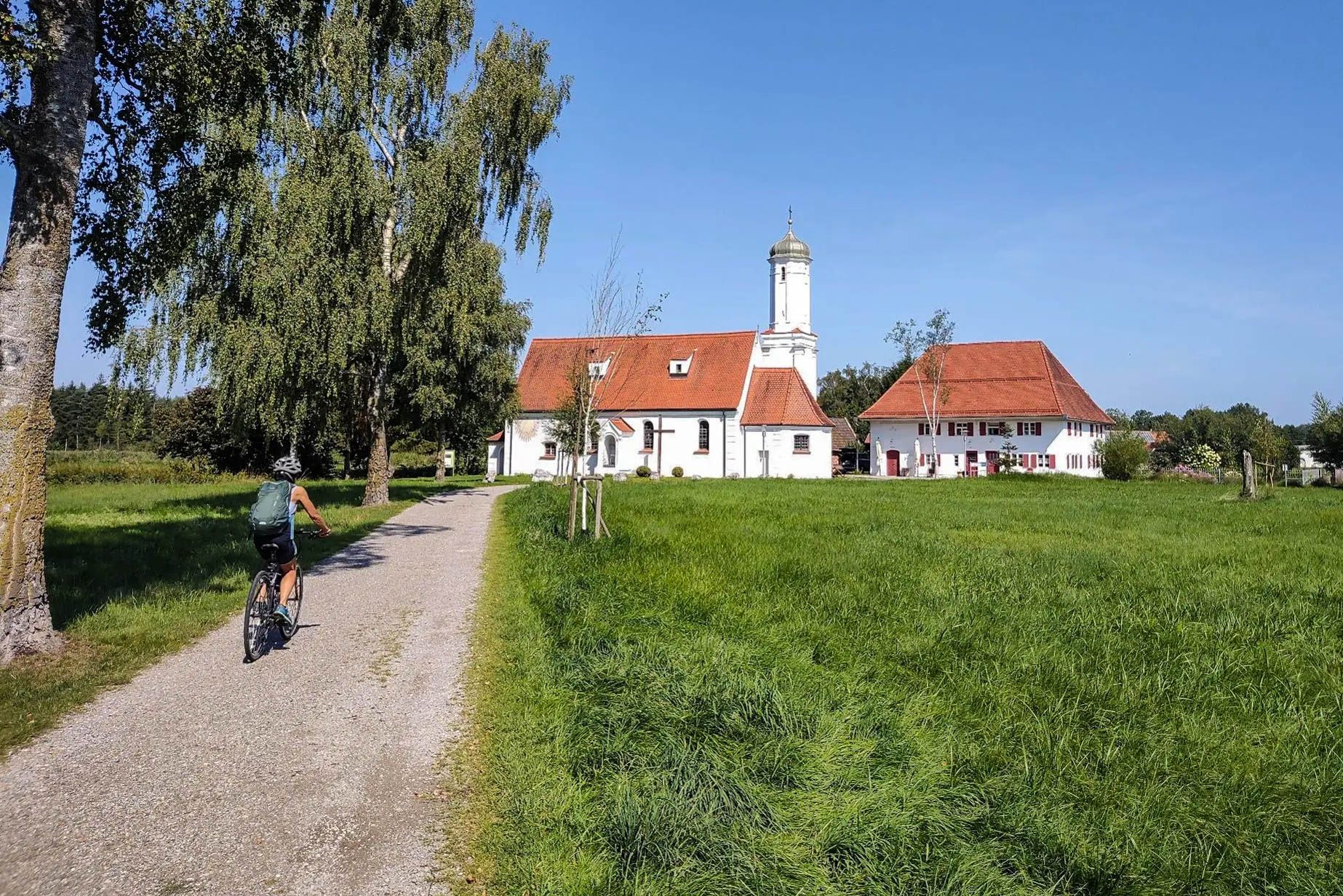
City, country and lake – Munich to Lake Constance by bike
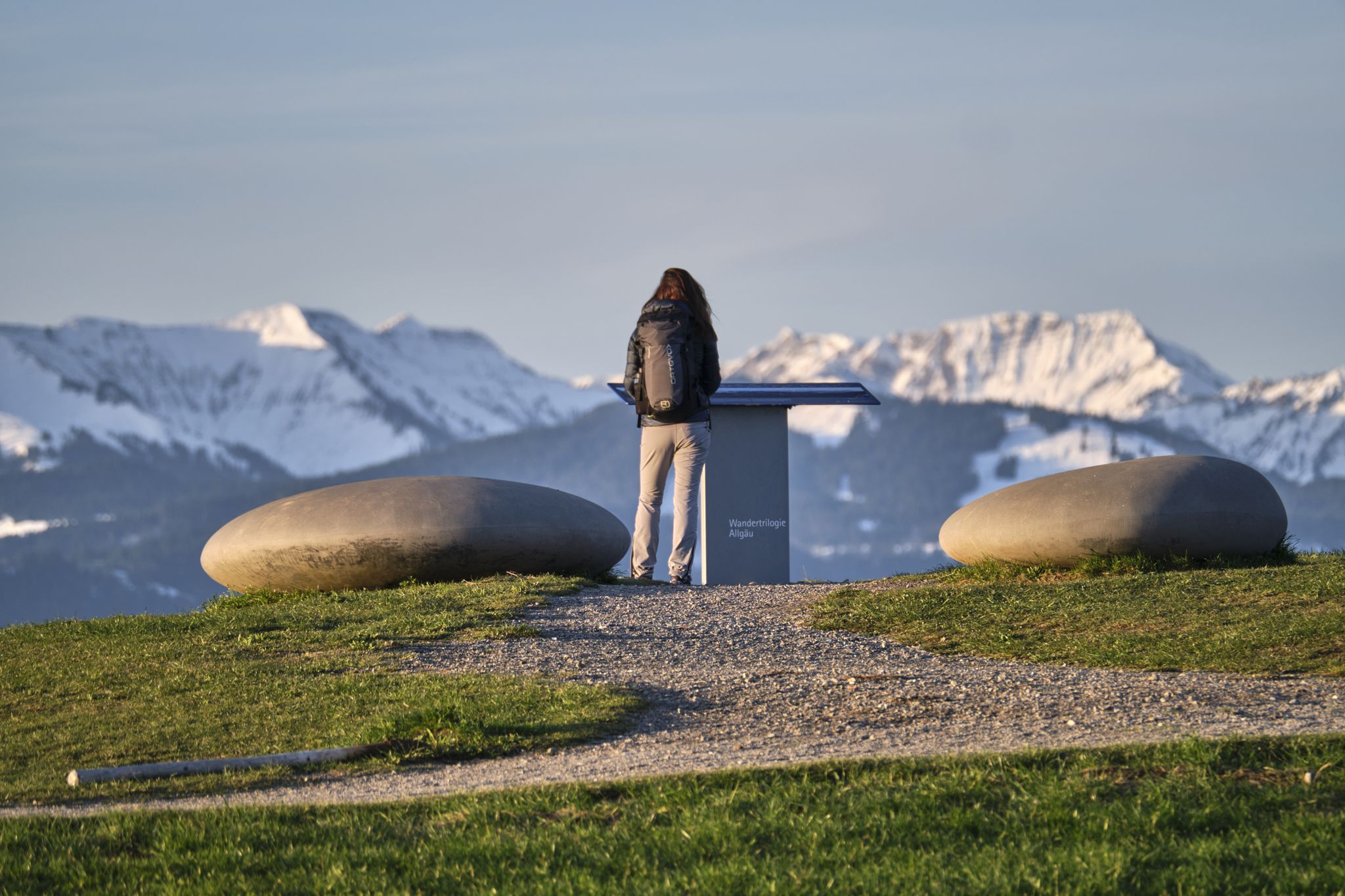
Experience history – hike the Trilogy Tours in Allgäu

Discover the most beautiful road bike Tours in Allgäu
Other adventures in Unterallgäu


Tips from the Community

Beautiful suspension bridge over the Iller with a viewing tower offering a magnificent view. It swings quite a bit in strong winds.
0
0

The suspension bridge and the approximately 20-meter-high observation tower invite visitors to explore. From the tower, you can enjoy a magnificent view of the weir and the idyllic floodplains of the Iller River. A pebble beach is also located nearby, right on the riverbank, perfect for dipping your feet in the cool water.
2
0

The blue suspension bridge spans the river near Rotkreuz and offers an exciting crossing with a gentle sway – a popular photo spot and stop for hikers. Directly next to it is a freely accessible observation tower, from which you can enjoy magnificent views of the Iller and the surrounding landscape. Both locations are easily integrated into a circular hike and offer a beautiful combination of nature experience and views.
7
0

Nice little place. Just relax.
0
0

Very nice cycle route across the Iller.
1
0

Suspension bridge construction & observation tower
1
0

Ottobeuren Market Square / Market Chronicle Probably none of the visitors who stay in Ottobeuren today, for a shorter or longer period of time, can imagine how this approximately 1,500-year-old, historic town was founded. When visitors arrive in Ottobeuren from all directions by private car, taxi, or bus, their first gaze is usually drawn to the mighty basilica with its monastery buildings. No one considers that the very ground they have just set foot on was once impassable terrain, moorland, swamp, and densely wooded area. Nevertheless, a man had dared to gain a foothold here, clear the forest, and establish a human settlement. What Stone Age hunters and fishers had failed to achieve much earlier—namely, to settle here—had become the life's work of a man named Uot. At the site where the market square stands today, the first giant trees soon collapsed under the axe blows of the Uot farmers. Huts were built from rough beams, livestock was raised, and fields were cultivated. Only a few huts in the middle of the forest housed the Uot clan. Uot, the Swabian, founded Ottobeuren in the 5th century. Text / Source: Ottobeuren Tourist Office, Marktplatz 14, Ottobeuren https://www.ottobeuren.de/de/marktgemeinde/rathaus/markt-chronik.php
14
0
Basilica of St. Alexander and St. Theodore, Ottobeuren The magnificent basilica, dedicated to the two Roman martyrs Alexander (162) and Theodore (306), is certainly one of the most beautiful Baroque churches in southern Germany. With its two 82-meter-high onion domes, it stands on a gently rising ridge west of the market square, visible from afar above the valley of the western Günz River. Due to its dominant, free position within the entire building complex, the basilica plays an undeniable presiding role. This concept of placing the church in front of the monastery was not, however, an Ottobeuren invention. Rather, it can be traced back to the famous Swabian architectural theorist Joseph Furtenbach, who published it in 1628 in his work "Architectura Civilis" as the ideal form for a women's monastery. Other monasteries were also built according to this pattern: Kempten in 1651, Seedorf/CH in 1682, Obermarchtal in 1686, Holzen in 1696, Klosterwald in 1714, Sießen in 1716, and Fiecht/Tyrol in 1707. The foundation stone was laid on September 27, 1737, at the present main portal. During the reigns of Abbots Rupert Neß and Anselm Erb, it was built as a monastery church from 1737 to 1766 by Simpert Kraemer (until 1748) and Johann Michael Fischer. The very rich late-Bavarian furnishings include dome and ceiling frescoes and altarpieces by Johann Jakob and Franz Anton Zeiller from Tyrol, stucco figures by Johann Joseph Christian, and stucco work by Johann Michael Feuchtmayer the Younger. It boasts two widely renowned Baroque choir organs by Karl Joseph Riepp: the four-manual Trinity Organ with 47 stops and the two-manual Holy Spirit Organ with 27 stops, both with a French sound. The choir stalls are by Martin Hermann (carpentry) and Johann Joseph Christian (reliefs). The focal point of the church is the Romanesque crucifix (ca. 1220). The church's unusual north-south orientation is due to its location within the overall complex, whose floor plan is in the shape of a cross. In 1926, the monastery church was elevated to a Papal Basilica/Basilica Minor by Pope Pius XI. Text / Source: Benedictine Abbey of Ottobeuren, Sebastian-Kneipp-Str. 1, Ottobeuren https://www.abtei-ottobeuren.de/content/klosteranlage/die-basilika/
14
0
Frequently Asked Questions
What natural attractions and viewpoints can I explore in Unterallgäu?
Unterallgäu offers several natural highlights and scenic viewpoints. You can visit the Iller Adventure Footbridge and Observation Tower for exciting crossings and panoramic views of the Iller River. Another popular spot is the Iller Suspension Bridge and Observation Tower in Legau, featuring an 80-meter bridge and a 23-meter observation deck. The Bad Wörishofen Spa Park provides extensive green spaces, a large pond, and various themed gardens for relaxation. Additionally, the Buxheimer Weiher is a notable natural lake attraction.
Are there historical sites or cultural landmarks to visit in Unterallgäu?
Yes, Unterallgäu is rich in history and culture. The Ottobeuren Market Square and Basilica is a must-see, with the Basilica of St. Alexander and St. Theodor being one of Southern Germany's most beautiful Baroque churches. You can also explore the 500-year-old Katzbrui Mill, which features a freely accessible mill museum. Mindelheim, the district capital, is home to the impressive Mindelburg castle and the Marian Fountain, as well as the Jesuit Church which houses several museums.
What family-friendly activities are available in Unterallgäu?
Many attractions in Unterallgäu are suitable for families. The Iller Adventure Footbridge and Observation Tower and the Iller Suspension Bridge and Observation Tower in Legau offer exciting experiences for all ages. The Bad Wörishofen Spa Park has diverse gardens and a barefoot path. The Kneipp-Aktiv-Park Ottobeuren is an adventure trail designed for families to learn about Kneipp health teachings in a natural setting. The Former railroad bridge in Illerbeuren is also listed as family-friendly.
Where can I experience the Kneipp health teachings in Unterallgäu?
Bad Wörishofen is a central location for experiencing Kneipp health teachings. The Bad Wörishofen Spa Park includes Kneipp facilities, an Osteo-Walk, and medicinal herb gardens. You can also visit the Sebastian Kneipp Museum in Bad Wörishofen, located in a former Dominican convent, to learn about his life and methods. Additionally, the Kneipp-Aktiv-Park Ottobeuren offers an adventure trail focused on these teachings.
Are there opportunities for hiking and cycling in Unterallgäu?
Yes, Unterallgäu is excellent for outdoor activities. The region offers numerous opportunities for hiking and cycling, with several themed routes. For hiking, you can explore trails like the 'Glückszauber' trail near Bad Wörishofen or the 'Glücksheimat' loop near Ottobeuren. Cyclists can enjoy routes such as the 'Great Kneipp Bike Tour' or the 'Iller Bridge at Kellmünz' loop. You can find more details on specific routes in the Hiking in Unterallgäu and Road Cycling Routes in Unterallgäu guides.
What are some unique or lesser-known attractions in Unterallgäu?
For a unique experience, visit the Katzbrui Mill, a 500-year-old mill nestled in a stream valley, offering a museum, mill beer, and local dishes. The Schwäbisches Bauernhofmuseum Illerbeuren (Swabian Farm Museum Illerbeuren) is Bavaria's oldest open-air museum, showcasing over thirty buildings from four centuries and providing insight into rural life and history.
Can I find wheelchair-accessible attractions in Unterallgäu?
Yes, some attractions in Unterallgäu are noted for their accessibility. The Bad Wörishofen Spa Park is listed as wheelchair-accessible, offering a pleasant experience for all visitors. The Marian Fountain in Mindelheim is also indicated as wheelchair-accessible.
What do visitors particularly enjoy about the attractions in Unterallgäu?
Visitors appreciate the diverse range of experiences in Unterallgäu, from historical landmarks to serene natural landscapes. The komoot community has given over 1100 upvotes and shared more than 400 photos for attractions in the region. Highlights like the Ottobeuren Market Square and Basilica are praised for their beauty and historical significance, while the Iller bridges are loved for their exciting crossings and magnificent views.
What is the best time of year to visit Unterallgäu for sightseeing?
Unterallgäu is enjoyable throughout the year, but the best time for sightseeing and outdoor activities is generally from spring to early autumn (April to October). During these months, the weather is mild, making it ideal for hiking, cycling, and exploring the natural parks and historical sites. The spa parks and outdoor museums are particularly pleasant during this period.
Are there attractions related to traditional rural life in Unterallgäu?
Absolutely. The Schwäbisches Bauernhofmuseum Illerbeuren (Swabian Farm Museum Illerbeuren) is dedicated to preserving and showcasing traditional rural life. As Bavaria's oldest open-air museum, it features over thirty historical buildings, providing a comprehensive look into the region's agricultural past and the daily lives of its inhabitants over four centuries.
Where can I find scenic spots along the Iller River in Unterallgäu?
The Iller River is a significant natural feature with several scenic spots. The Iller Adventure Footbridge and Observation Tower near Rotkreuz offers an exciting crossing and views of the river. Further along, the Iller Suspension Bridge and Observation Tower in Legau provides magnificent views of the Iller and the surrounding landscape, including the Illersteilwand. The Iller-Radweg (Iller Cycle Path) also runs along the river, offering numerous picturesque sections.
Are there any running trails available near the attractions in Unterallgäu?
Yes, there are several running trails in Unterallgäu that can be combined with visits to attractions. For example, you can find routes like the 'Ottobeuren Abbey – Ottobeuren Basilica loop' or the 'Forest Pond – The Iller loop from Buxheim'. These trails offer a great way to experience the region's natural beauty while staying active. More running options are available in the Running Trails in Unterallgäu guide.
Most popular routes in Unterallgäu
Most popular attractions in Unterallgäu

Get inspired with the komoot mobile app


Didn’t find what you were looking for?
Are you keen on exploring more awesome places nearby? Browse our guides:
Explore more
Still not found the Highlight you’re looking for? See guides of the top attractions in other regions:
