The best gravel rides around Antoigné
18
riders
5
rides
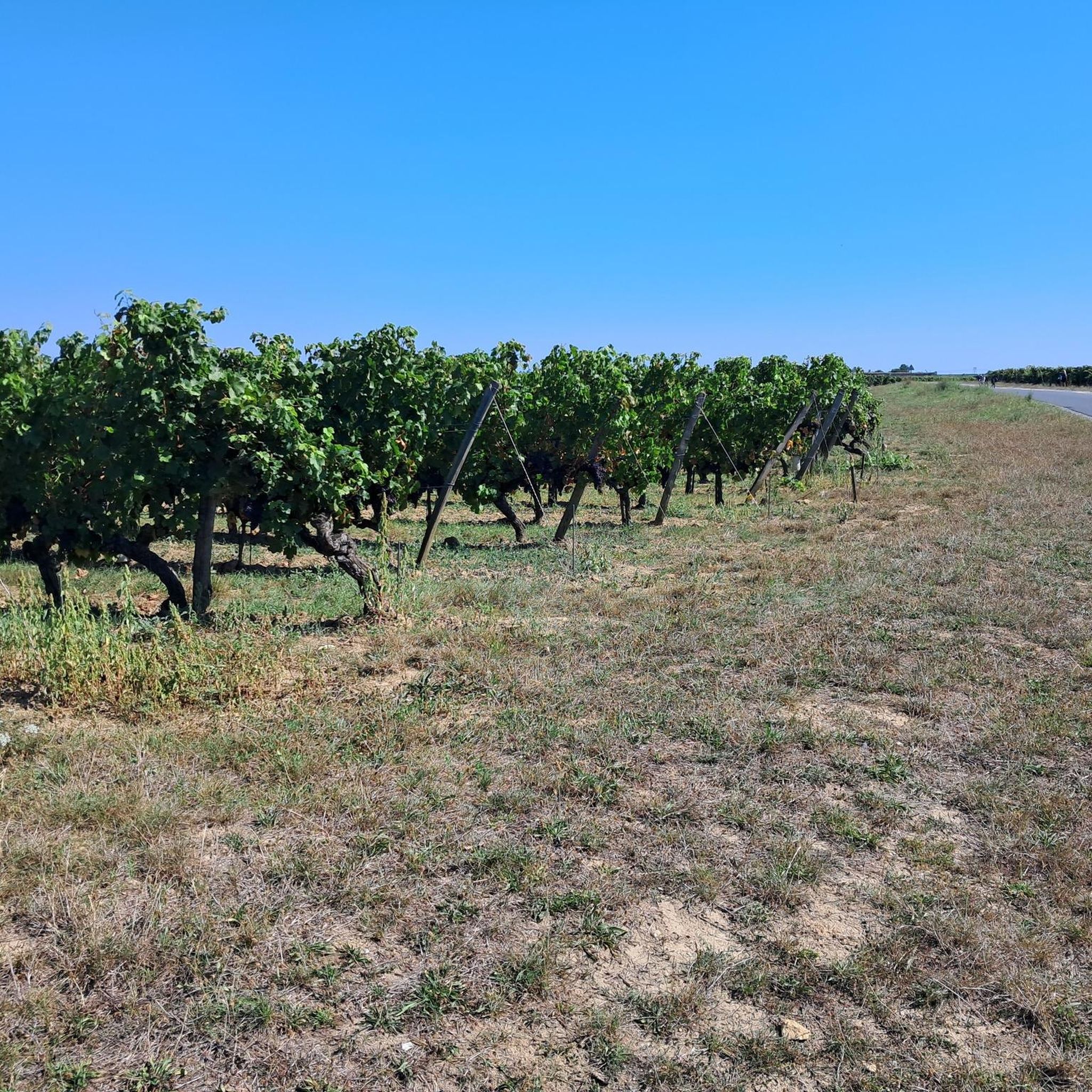
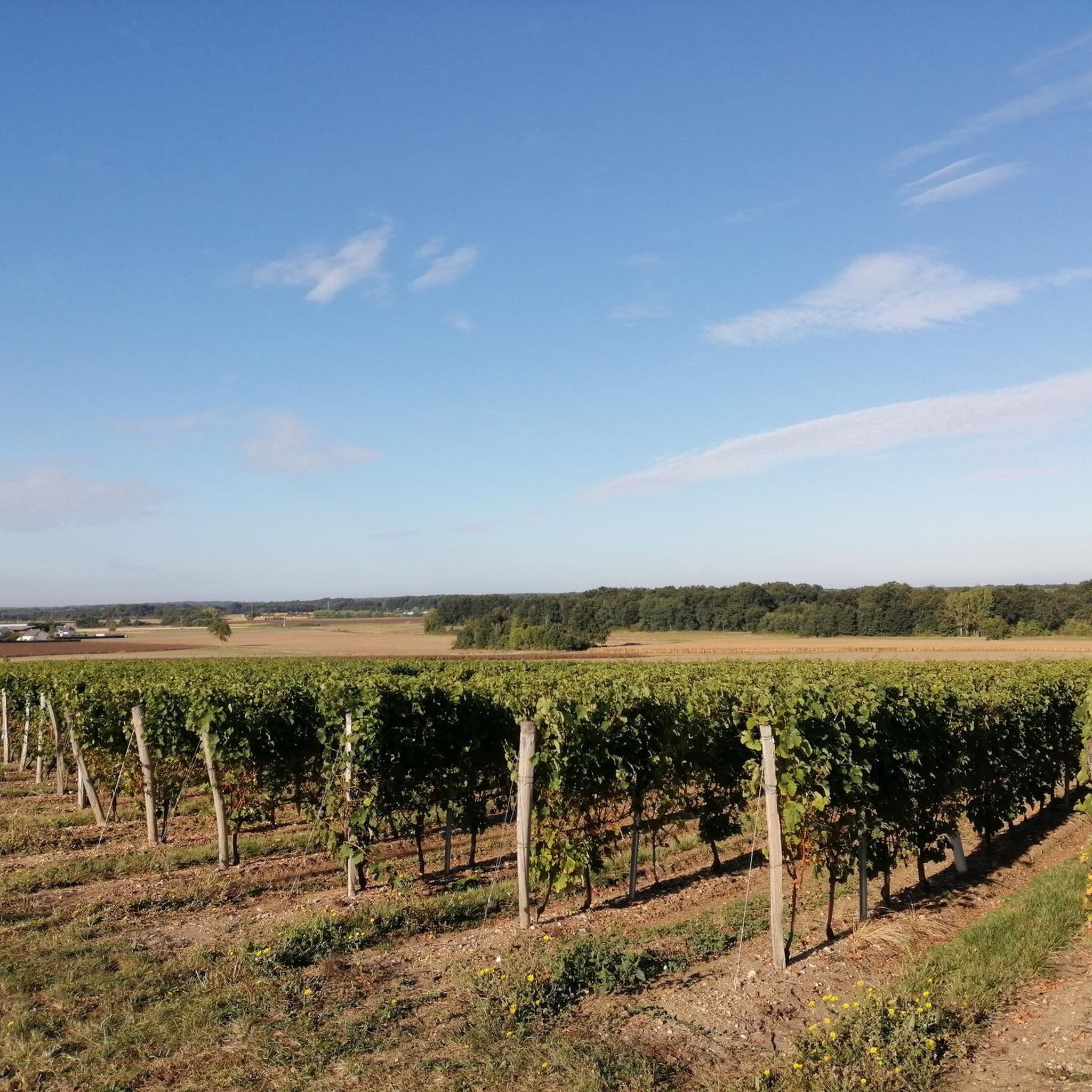
Gravel biking around Antoigné offers a diverse landscape within the Maine-et-Loire department, characterized by the Saumurois region's vineyards and proximity to the Canal de la Dive. The area features varied topography, including dirt roads suitable for gravel exploration. This region provides a mix of agricultural landscapes, waterside paths, and quiet roads. The terrain includes both challenging climbs and scenic trails.
Best gravel bike trails around Antoigné
- The most popular gravel bike trail is Saint-Médard Church of Thouars – Pont des…
Last updated: July 2, 2026
35
riders
Hard gravel ride. Very good fitness required. Mostly paved surfaces. Suitable for all skill levels.
6
riders
Hard gravel ride. Very good fitness required. Mostly paved surfaces. Suitable for all skill levels.

Sign up for free
4
riders
Hard gravel ride. Very good fitness required. Mostly paved surfaces. Suitable for all skill levels.
1
riders
58.4km
03:48
360m
360m
Moderate gravel ride. Good fitness required. Mostly paved surfaces. Suitable for all skill levels.
4
riders
Moderate gravel ride. Good fitness required. Mostly paved surfaces. Suitable for all skill levels.
Our route recommendations are based on thousands of hikes, rides, and runs completed by other people on komoot.
Start today with a free account
Your next adventure awaits.
Login or Signup
Tips from the Community


The Church of Saint-Généroux is a site well worth a visit during a hike. It dates back to the 10th century and is considered one of the oldest churches in France, as it features pre-Romanesque architecture found nowhere else. The church is located on the banks of the Thouet River. You can also admire the Romanesque bridge (13th century).
0
0

The contemporary art center of national interest, La Chapelle Jeanne d’Arc de Thouars, is today a leading venue for contemporary art in the western region. Along with the Château d’Oiron and the Syndicat Mixte de la Vallée du Thouet, which runs a program of public commissions for contemporary works, the art center's work is carried out in partnership across the entire territory of the Pays Thouarsais community of communes and, more broadly, in the northern part of the Nouvelle-Aquitaine region. Within the region, the art center is a recognized player in the Astre plastic and visual arts network. Developing an artistic project that takes into account its geographical location and its architectural envelope, a neo-Gothic chapel, the art center maintains a privileged relationship with the heritage of Thouars. Guest artists, hosted for residencies or exhibitions, appropriate the chapel space by creating an original work designed for the venue. They also bring their perspective to the city, urban planning, landscape, and rural areas of the Thouars region and the Thouet Valley. Since 1993, nearly a hundred artists have been invited for residencies or exhibition projects. In recent years, the art center has paid particular attention to emerging artists from art schools, particularly those from the regional Le Grand Huit network. In addition to its programming, the art center also engages in outreach activities in the form of off-site exhibitions, workshops, and events (meetings, lectures, and workshops). A mobile device, La Mar(g)elle, was created in 2015 by the artist Marie-Ange Guilleminot to offer interventions in partner locations, particularly within schools and structures in the social and medical sectors. For its educational action, the art center benefits from the action of the municipal art school of Thouars, to which it is connected within the visual arts department of the City of Thouars.
0
0

The Royal Abbey of Fontevraud is one of the largest monastic communities in Europe dating back to the Middle Ages. It is a place with a rich history, located in the heart of the Loire Valley and listed as a UNESCO World Heritage Site. The abbey is a unique cultural site! An abbey with a royal destination, a formidable prison is today a place of creation (museum of modern art).
3
0
Brief: The Notre-Dame-de-Pitié chapel, dating from 1579, is remarkable for both its late Renaissance architecture and its interior decoration, which was completely rebuilt in 1871-1872 around the sculpted group of the Virgin of Pitié that it houses (a work that was handed over after thefts in 2003). The foundations of this chapel are historically linked to the officers of the Abbey of Fontevraud and to Abbess Éléonore de Bourbon. It should be noted that the renovation of the chapel after the Franco-Prussian War took place in connection with the Central Prison of Fontevraud, since prisoners contributed to the painted decorations. The chapel is isolated and has not been maintained for decades. Today, it is in a worrying state: the striking elements of the sculpted furniture have disappeared or have been stored to prevent theft. The painted canvas has been altered and shows a general shabby-chic style. The murals are in some places very degraded (flaking, holes), as is the vault with false wainscoting on plaster laths. A restoration of this interior and fixing the furniture in place would be necessary. This would undoubtedly also help to clarify the question of the decor that already existed in the 1871-1872 program. Want to know more? Click on https://gertrude.paysdelaloire.fr/dossier/IA49010716
4
0
Fontevraud-l'Abbaye is located in the natural region of the Loire Valley, listed as a "living cultural landscape" by UNESCO. As its name suggests, the history and present of the municipality are closely linked to the Abbey of Notre-Dame, founded in 1099. The abbey presents the originality of being part of a mixed order, but led by abbesses until the Revolution. was the necropolis of the Plantagenet dynasty. The recumbent figures of Richard the Lionheart, Henry II and Eleanor of Aquitaine are still preserved there. The vast abbey complex was transformed by Napoleon I into a penal colony and then into a "central house". This extraordinary prison closed its doors in 1963. While the abbey church and the various monastic sites were rehabilitated, the entire old abbey has since housed a prestigious cultural centre with, among other things, a renowned art museum, welcoming meetings and artists in residence. Art, history and heritage are highlighted throughout the year.
4
0
Located at the crossroads of Anjou, Touraine and Poitou, welcome to the Fontevraud-l'Abbaye Tourist Office, our travel advisors will welcome you in front of the Saint-Michel church to help you discover the destination. Let us advise you and discover a village full of charm. Formed around the famous royal abbey, the Plantagenets necropolis, it is today a lively village, rich in numerous monuments, shops and craftsmen. The Tourist Office offers you: a privileged welcome - a free wifi hotspot - a shop with a wide choice of regional products, gifts, books and souvenirs - good tips to visit more and spend less when buying your entrance tickets - a complete tourist guide - a website - but also to travel light, by leaving your luggage with us. More information and opening hours at https://www.ot-saumur.fr/nl/sheets/vvv-kantoor-fontevraud-labbaye-5404626/
5
0
The Royal Abbey of Fontevraud is one of the largest monastic communities in Europe dating back to the Middle Ages. It is a place steeped in history, located in the heart of the Loire Valley and listed as a UNESCO World Heritage Site. Let yourself be carried away by the magic of this ancient site and discover the Royal Abbey of Fontevraud, an architectural and historical jewel that will fascinate young and old alike. Thanks to captivating exhibitions, fascinating guided tours and a rich cultural programme, you will immerse yourself in the unique world of this abbey, founded in the 11th century and once a necropolis of the Plantagenets. Every stone, every vault, every corner tells a story... But Fontevraud is much more than a historical site... Broaden your discovery with a visit to the Fontevraud Museum of Modern Art, which houses more than 800 works donated by Martine and Léon Cligman. A prestigious collection that combines ancient and modern art, for an artistic immersion through the ages. Triggered? Find out more at https://www.ot-saumur.fr/en/abbeys-and-religious-heritage/royal-abbey-of-fontevraud-5344942/
4
0
Frequently Asked Questions
How many gravel bike trails are available around Antoigné?
Komoot features a selection of 6 gravel bike trails around Antoigné, offering a mix of moderate and difficult routes to explore the region's diverse landscapes.
What kind of terrain can I expect on gravel bike trails in Antoigné?
The Antoigné area, nestled in the Saumurois region, offers a varied topography. You can expect a mix of vineyard paths, waterside trails along the Canal de la Dive, and dirt roads, often featuring challenging climbs and scenic sections. The routes provide a great way to experience the local viticulture and natural features.
Are there any easy gravel bike trails suitable for beginners or families?
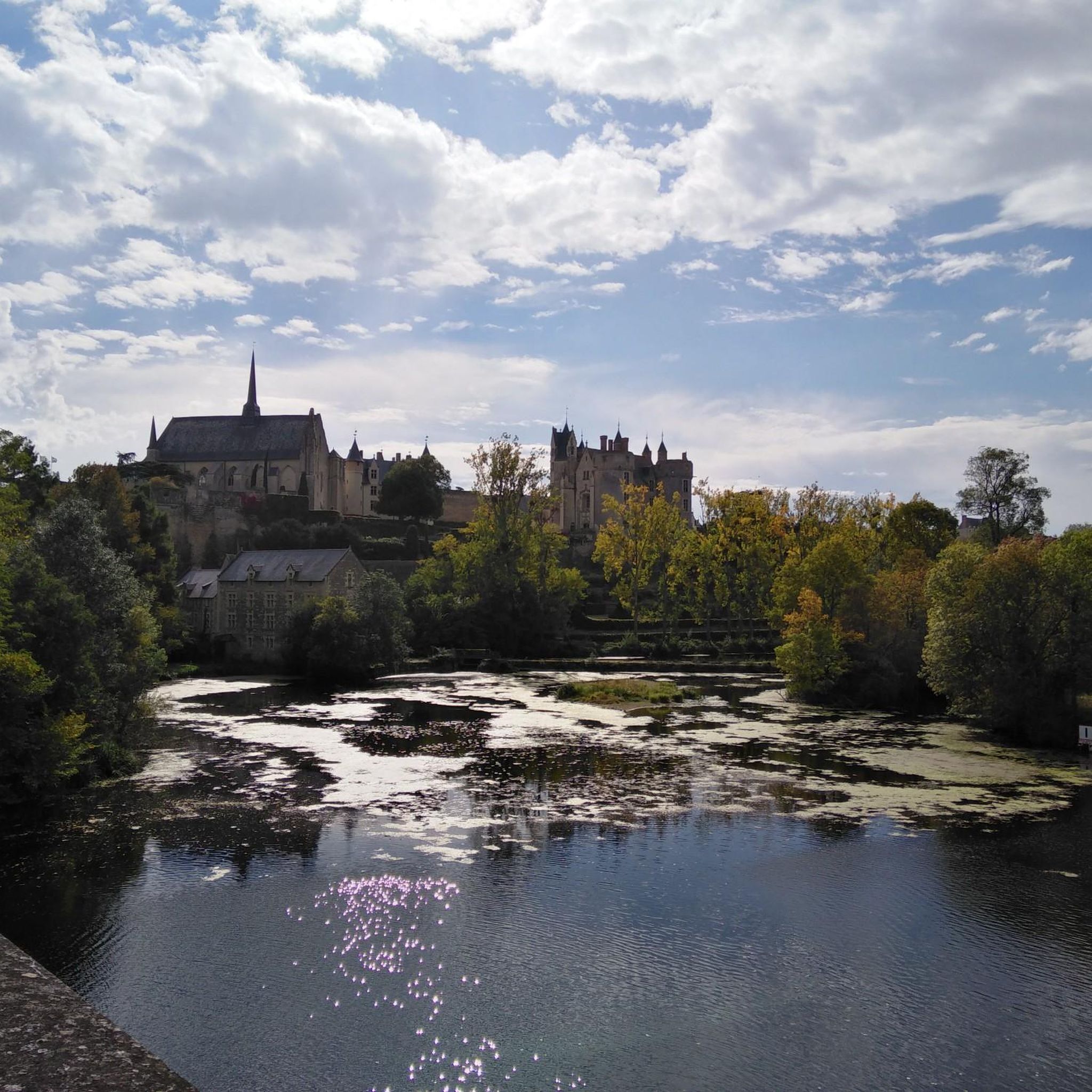
While the region is known for its varied terrain, the current selection of gravel routes around Antoigné tends towards moderate and difficult. For a moderate option, consider the Montreuil-Bellay Castle – Blick aufs Schloss loop from Montreuil-Bellay, which is about 32 km long and explores the countryside around the castle.
What historical sites or landmarks can I see while gravel biking near Antoigné?
Antoigné and its surroundings are rich in history. Many routes pass by or near significant landmarks. For instance, the Montreuil-Bellay Castle – Brézé Castle loop from Saint-Léger-de-Montbrillais connects two impressive castles. You can also explore highlights like the Montreuil-Bellay Castle itself, or the Abbaye d'Asnières.
Are there any circular gravel bike routes around Antoigné?
Yes, many of the gravel routes in the area are designed as loops. For example, the Fontevraud – Fontevraud Royal Abbey loop from Saint-Léger-de-Montbrillais offers a moderate circular ride, allowing you to start and finish in the same location.
What do other gravel bikers say about the trails in Antoigné?
The gravel biking routes around Antoigné are highly rated by the komoot community, with an average score of 4.0 stars. Riders often praise the diverse terrain, the scenic vineyard landscapes, and the opportunities to discover historical sites along the way.
Can I find long-distance gravel routes suitable for bikepacking in this region?
The region around Antoigné is indeed suitable for longer adventures, with some routes extending over significant distances. The Château de Saumur – View of Saumur loop from Berrie is a challenging 132.6 km route, and the Saint-Médard Church of Thouars – Pont des Chouans on the Thouet loop from Sainte-Verge covers 129.4 km, both offering extensive riding for those looking for multi-day options.
Are there any routes that feature waterways or canals?
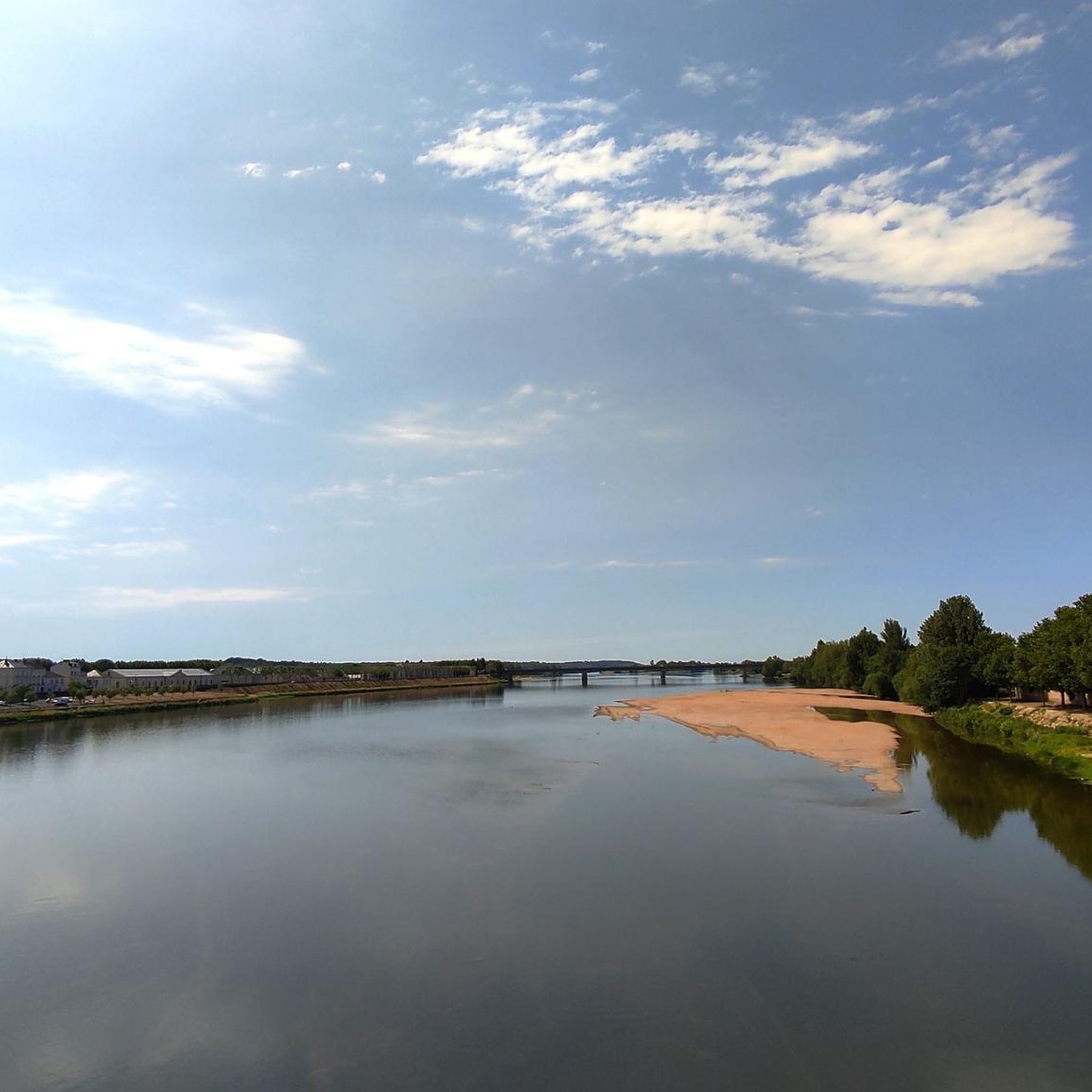
Yes, the area's natural charm includes waterways. The Canal de la Dive runs through the commune, and the broader Anjou area is known for its rivers. You'll find opportunities for cycling alongside water, sometimes through valleys, on routes like the Saint-Médard Church of Thouars – Pont des Chouans on the Thouet loop from Sainte-Verge, which leads through river valleys.
What are some notable natural features to look out for on the gravel trails?
Beyond the vineyards, you'll encounter diverse natural settings. Keep an eye out for the Canal de la Dive, which adds to the waterside scenery. The region's varied topography also means you'll experience different landscapes, from open agricultural fields to more secluded dirt roads, and potentially even views of the Ballastière Pond.
Is Antoigné a good base for exploring the wider Saumur Val de Loire region by gravel bike?
Absolutely. Antoigné's location within the Saumurois region makes it an excellent starting point. Its proximity to areas like Thouars and Montreuil-Bellay means you can easily access routes that explore the wider Saumur area, connecting historical castles and diverse countryside, as seen in tours like the Château de Saumur – View of Saumur loop from Berrie.
Are there any specific routes that highlight the local vineyards?
The Saumurois region is famous for its vineyards, and many gravel paths weave through them. While specific routes aren't exclusively vineyard tours, you'll find that the agricultural landscape, including vineyards, forms a picturesque backdrop for most rides. The Saumur Wine Route highlight indicates the prevalence of wine-related scenery in the area.
Most popular attractions around Antoigné

Get inspired with the komoot mobile app


Explore more
Browse the best Gravel rides in other regions.
