Top 20 Caves in Landkreis Trier-Saarburg
Best caves in Landkreis Trier-Saarburg are located in a region known for its diverse natural landscape, including the Kyll Valley and Eifel Cliffs. This area features a mix of natural rock formations, historical underground sites, and human-modified cave dwellings. The geological composition, primarily sandstone, has led to the formation of various intriguing underground structures. These sites offer insights into both natural history and past human habitation, with evidence of use from the Palaeolithic era through Roman times.
Best caves in Landkreis Trier-Saarburg
- The most popular caves is Klausen Cave (Hermit's Cave), a cave that is a cleft cave with a distinctive pointed arch portal. This 10-meter-long cave was modified by humans and is known for its fascinating faces engraved in the rock.
- Another must-see spot is Genoveva Cave, a natural monument formed over millions of years by erosion, wind, and frost. This shell-shaped cave provided shelter to humans for thousands of years, with archaeological finds indicating its use from the Palaeolithic era through Roman times.
- Visitors also love Roman copper mine and quarry Pützlöcher, a historical site that is one of Germany's largest and oldest Roman mines. Blocks of stone with Roman numerals and inscriptions can still be found here, and stones from this quarry were used for the construction of the Porta Nigra.
- Landkreis Trier-Saarburg is known for natural caves, historical mines, and religious grottos. Visitors can explore a variety of cave types, from shell-shaped natural shelters to human-modified cave dwellings and ancient mining sites.
- The caves in Landkreis Trier-Saarburg are appreciated by the komoot community, with more than 2000 upvotes and over 2100 photos shared by users.
Last updated: October 9, 2026
Genoveva Cave
Highlight • Cave
Translated by Google •
Tip by

Klausen Cave (Hermit's Cave)
Highlight • Cave
Showing Translation
Tip by

Sign up now to discover places like this
Get recommendations on the best single tracks, peaks, & plenty of other exciting outdoor places.
Roman copper mine and quarry Pützlöcher
Highlight • Historical Site
If you come from the Butzenbachtal, you should keep to the left down the mountain if you want the shorter way to Ramstein Castle. If you have more time, follow the designated hiking path up the mountain to the right.
Translated by Google •
Tip by

Silvester Cave
Highlight • Cave
Translated by Google •
Tip by

Nitteler Cliffs Trail
Highlight (Segment) • Trail
Translated by Google •
Tip by

Lourdes Grotto, Greimerath
Highlight • Religious Site
The grotto, built by Matthias Staudt and Matthias Diederich, (1906) after your return from a Lourdes pilgrimage, they recreated the pilgrimage church in Lourdes, which you clearly succeeded in doing. A plaque in front of the Lourdes grotto gives the year 1912 as the construction date. Http://greimerath-hochwald.de/tourismus/sehenswuerdheiten
Translated by Google •
Tip by

Marian Grotto in the Eifel Cliffs
Highlight • Religious Site
"I do not want to be rich, nor gain fame. Nor do I want to shy away from work, toil, and trouble. Only one thing I ask of you; O Holy Mary, let me wander, until my last day."
The first part seems as if someone wants to keep the poor rural population willing to work; we certainly agree with the second passage."
komoot.de/tour/784587473
Translated by Google •
Tip by

Hinkelsgret Shelter
Highlight • Gorge
Translated by Google •
Tip by

Hexenley Rock Formation
Highlight • Natural Monument
Additional information:
kulturdb.de/einobjekt.php?id=23672
Translated by Google •
Tip by

Bruderhäuschen Hermitage (Kauley Cave)
Highlight • Cave
Additional information:
kulturdb.de/einobjekt.php?id=23679
Translated by Google •
Tip by
Sign up for free to discover even more caves in Landkreis Trier-Saarburg.
Already have an account?
Start today with a free account
Your next adventure awaits.
Popular around Landkreis Trier-Saarburg
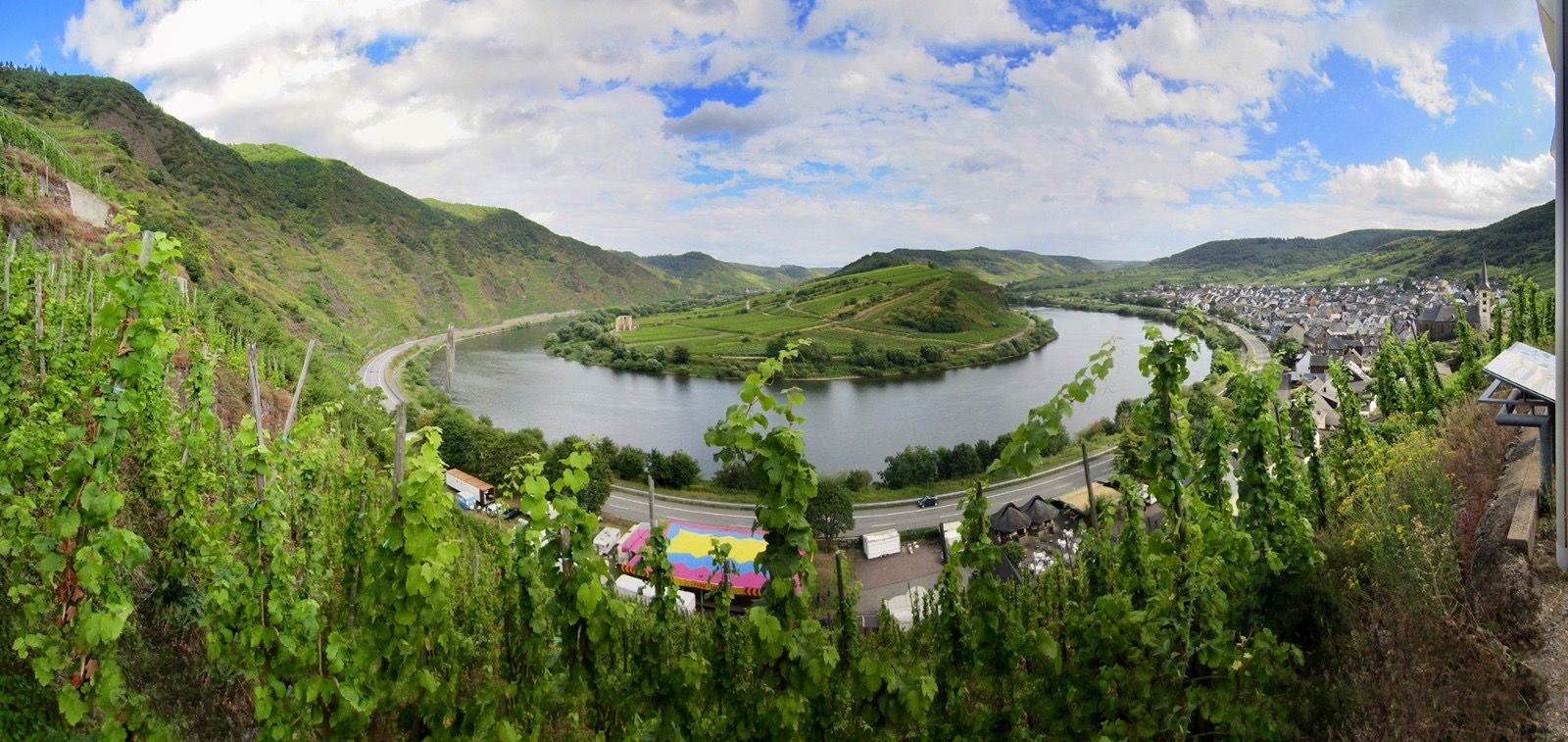
The Moselle cycle path — from the Vosges to the Rhine in 18 stages
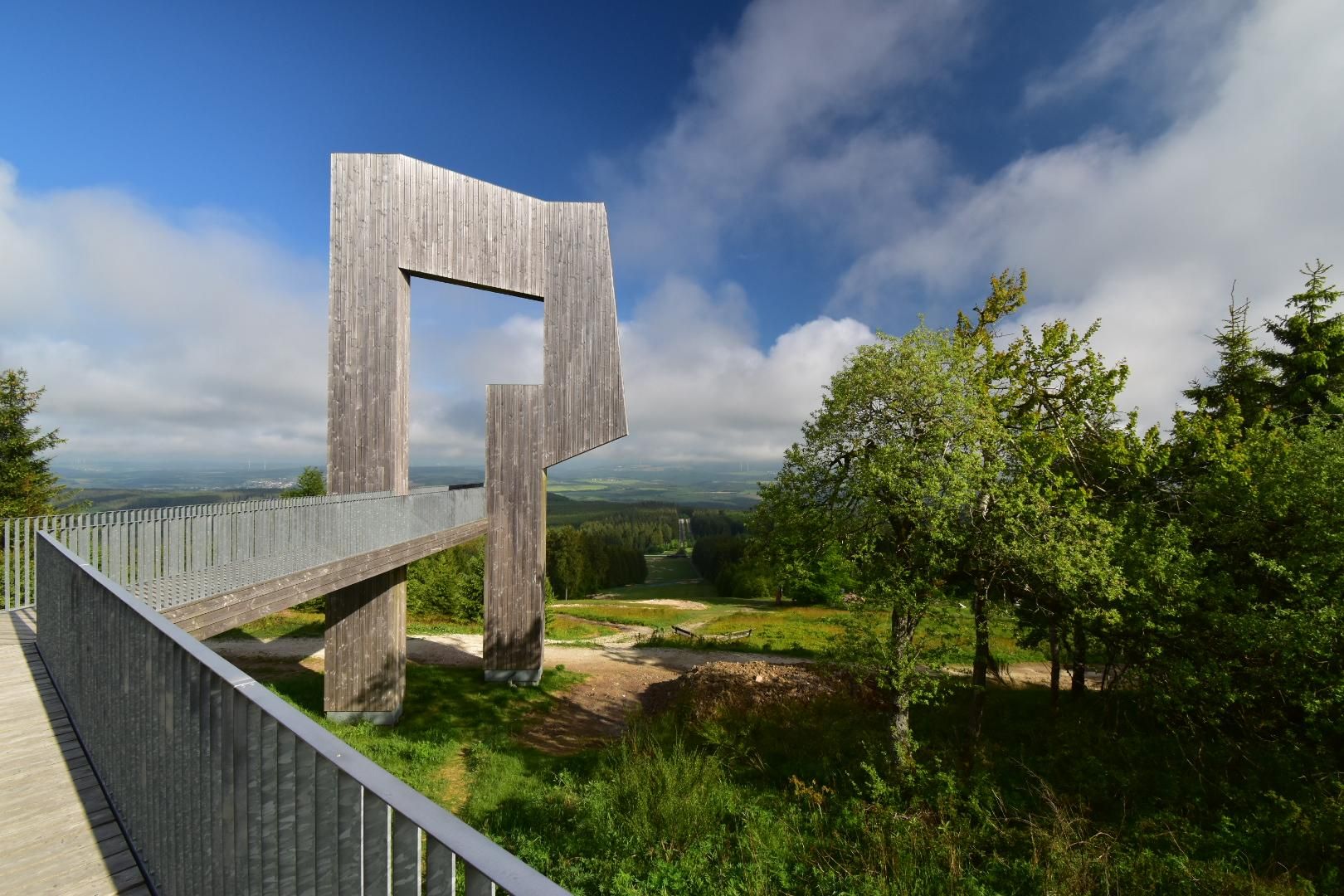
Saar-Hunsrück Climb – Hike in Germany where culture and nature meet
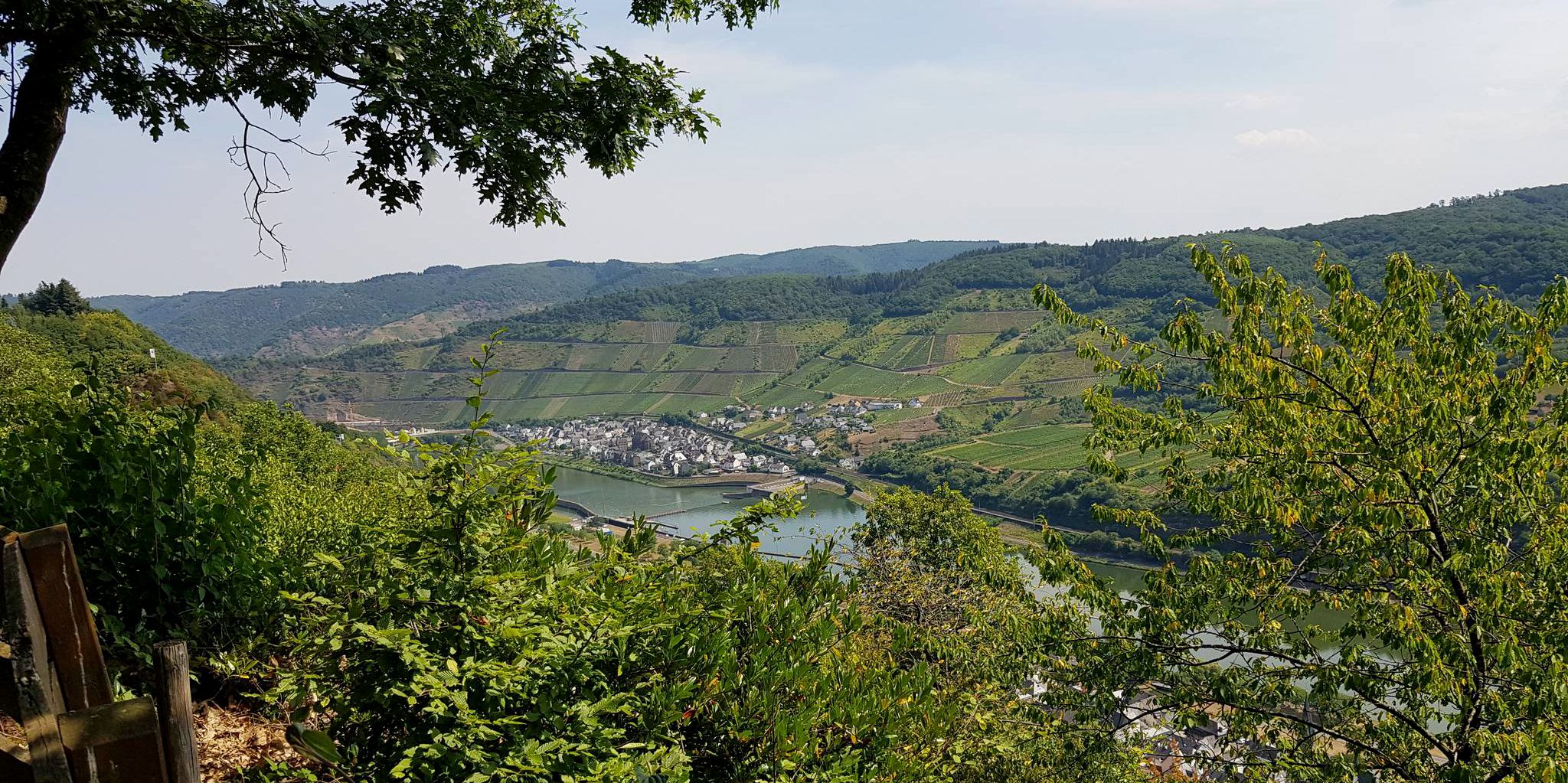
Moselcross — Riding from Trier to Koblenz
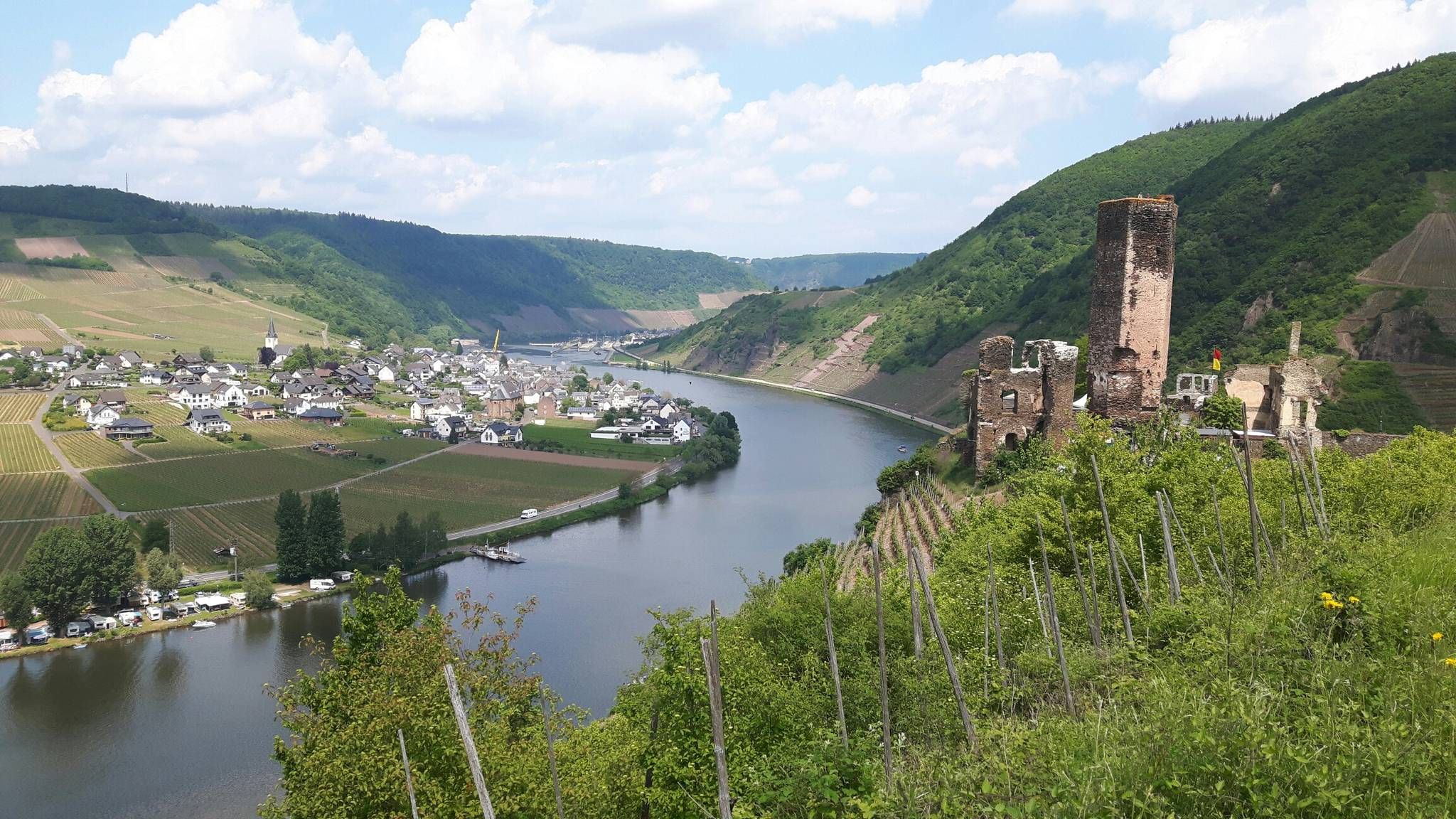
The Moselsteig trail – 24 stages along the sunny Moselle Valley
The National Natural Landscapes in Saarland
The National Natural Landscapes in Rheinland-Pfalz
Dream Loops with great views in the Hunsrück
Enjoy the silence – autumn and winter hiking in Luxembourg
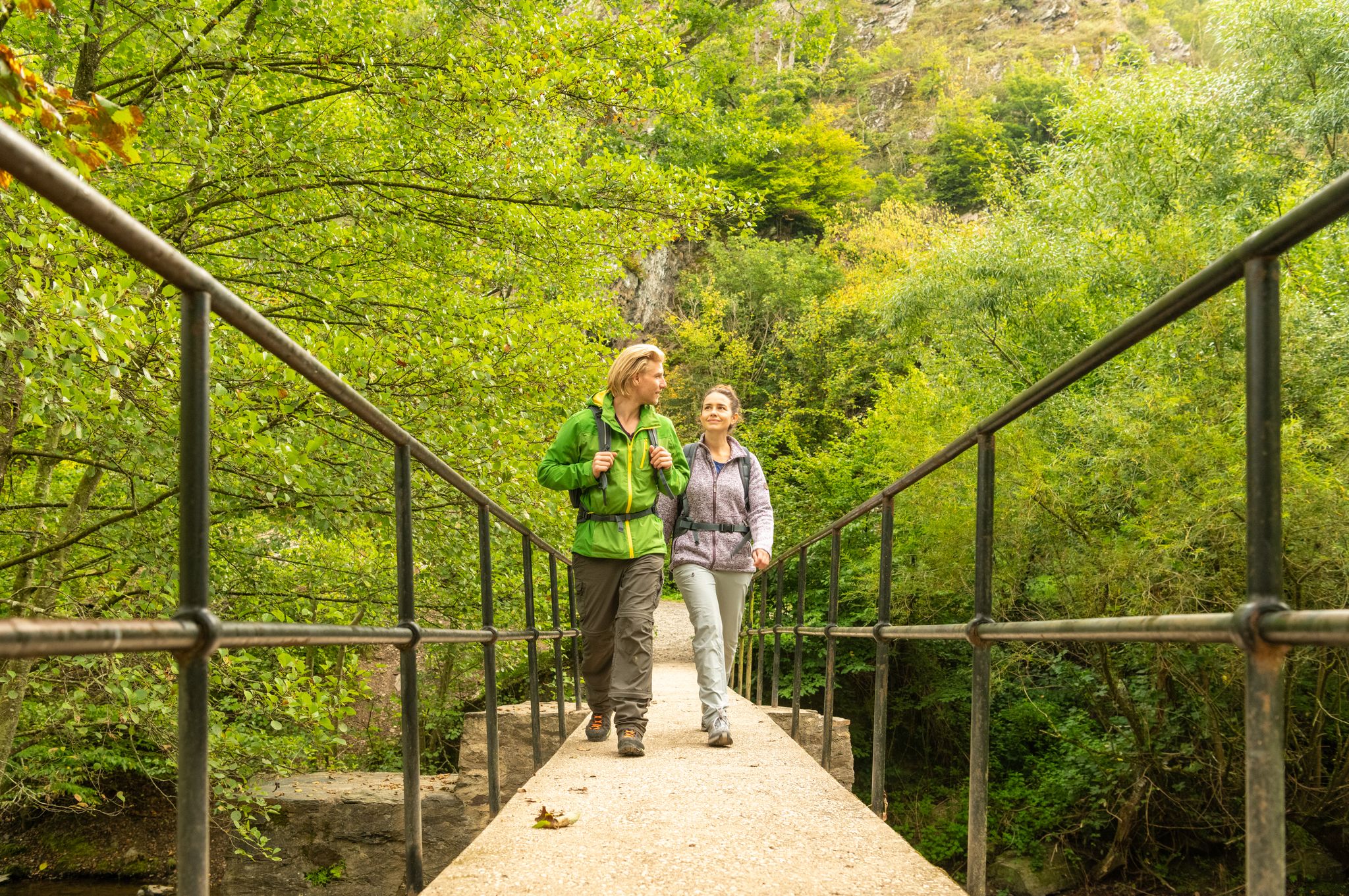
Moselsteig Partner Trails – nature, culture and views
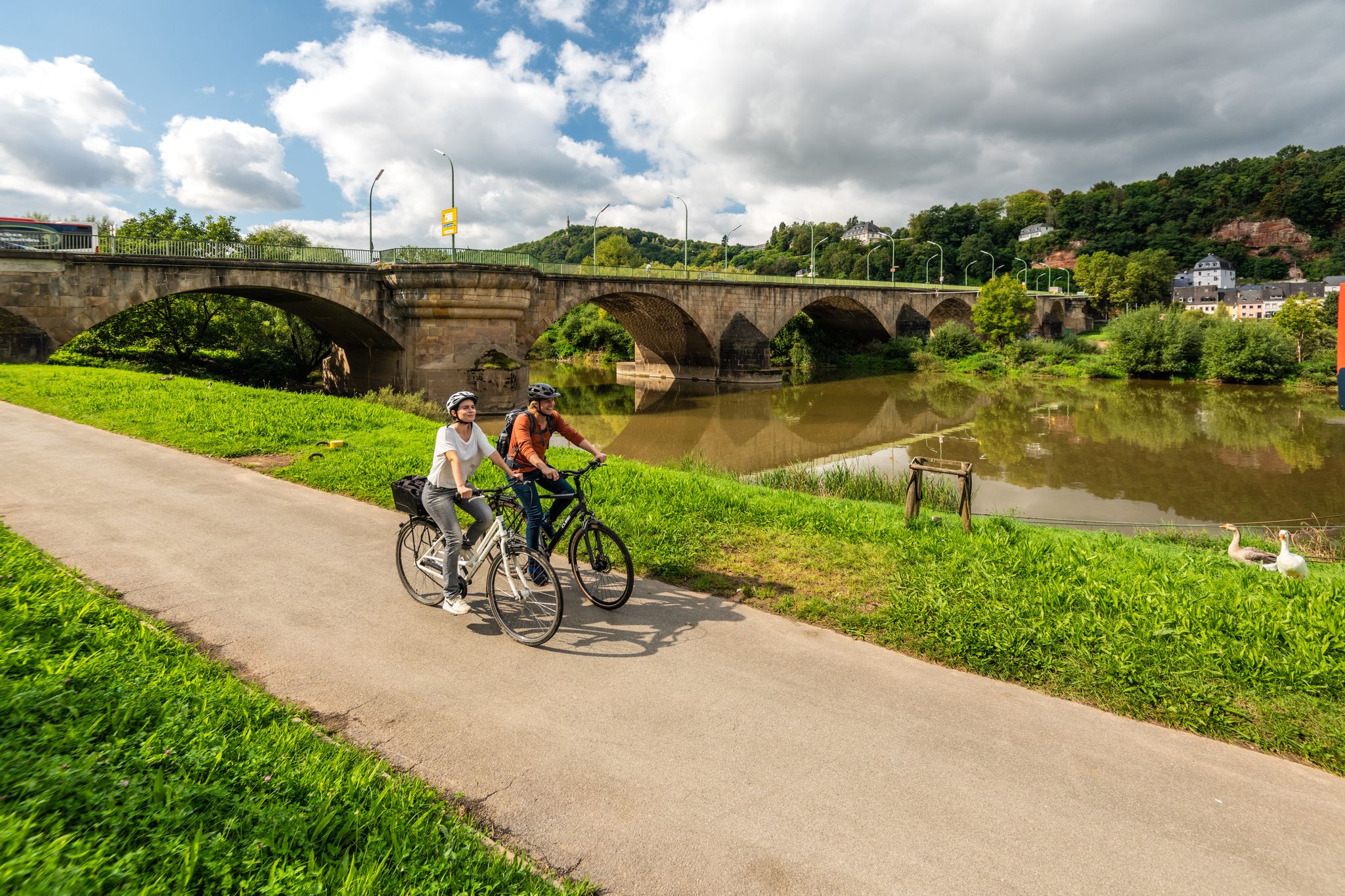
Mosel Cycle Path – in 10 stages from Perl to Koblenz
Other adventures in Landkreis Trier-Saarburg


Tips from the Community

The Klausenhöhle was inhabited in the 18th century by a hermit. Access is via ladders. Particularly impressive is the view through a natural rock opening, which reveals a view of the surrounding landscape. With its exceptional location and special atmosphere, the cave is one of the region's most appealing photo motifs.
44
0
Even today, blocks of stone with Roman numerals and inscriptions can be found in the mine. It is believed that quarrying continued into the 3rd century, as a coin of Emperor Maximinus Thrax was found in the tunnel. Much later, in the 18th century, the search for ore and copper resumed using state-of-the-art blasting techniques, creating new tunnels approximately 114 meters deep. However, the main tunnel collapsed during this process. Source: https://eifelfuehrer.de/touristische-ziele/geschichtliche-zeugnisse/puetzloecher
37
0
The Roman copper mine "Pützlöcher," located between Kordel and Butzweiler, is one of the oldest in Germany and means "waterhole." Here, in the 2nd century, ores such as malachite and azurite were mined at a depth of 20 meters. However, these ores were not found in large deposits, so the Romans later focused on the nearby quarry. The stones from this quarry were used, among other things, for the construction of the Porta Nigra. Source: https://eifelfuehrer.de/touristische-ziele/geschichtliche-zeugnisse/puetzloecher
46
0

Many Matthias brotherhoods from the Lower Rhine pass by here to rest at Ramstein Castle.
3
0

The name comes from New Year's Eve 1982/83 when the Kordel local history society celebrated the completion of the work in the Butzerbachtal.
4
0

Beautiful red sandstone formation above Kordel. The small incisions and caves increase the anticipation of the Klausen and Genoveva caves, which await us on the 15th stage of the Eifelsteig.
2
0
Very nice to look at small cave in the red sandstone rock above Kordel. Certainly one of the highlights on the 14th stage of the Eifelsteig.
2
0

A nice resting place under a rocky outcrop that offers shelter even in a storm. The father's association, which celebrates its festivals here, has existed for 40 years.
7
0
Frequently Asked Questions
What historical insights do the caves in Landkreis Trier-Saarburg offer?
The region's caves provide a fascinating glimpse into history. The Genoveva Cave, for instance, shows evidence of human habitation from the Palaeolithic era through Roman times and the Middle Ages. The Klausen Cave (Hermit's Cave) was modified by humans and legend says it was inhabited by a hermit until the 18th century. Additionally, the Roman copper mine and quarry Pützlöcher is one of Germany's oldest Roman mines, where blocks of stone with Roman numerals can still be found.
Are there any caves in the region known for unique natural formations or legends?
Yes, the Genoveva Cave is a shell-shaped natural monument formed by millions of years of erosion and is steeped in the legend of Count Palatine Siegfried and Genoveva. The Klausen Cave (Hermit's Cave) features a distinctive pointed arch portal and fascinating primitive faces engraved around its entrance and outer wall.
What kind of outdoor activities can I do near the caves in Landkreis Trier-Saarburg?
Many caves in the region are accessible via hiking trails. For example, the Genoveva Cave and Klausen Cave (Hermit's Cave) are easily reached via premium hiking trails like the Eifelsteig and Römerpfad. You can find more hiking routes in the area on the Hiking in Landkreis Trier-Saarburg guide, or explore mountain hikes on the Mountain Hikes in Landkreis Trier-Saarburg guide.
Are there family-friendly caves in Landkreis Trier-Saarburg?
The Silvester Cave is noted as family-friendly. Many of the natural caves, like the Genoveva Cave, are also suitable for families, offering short hikes and interesting historical context that can engage children.
What are some unique features visitors enjoy about the caves in this region?
Visitors often enjoy the historical atmosphere and the natural beauty. For example, at Klausen Cave (Hermit's Cave), many find searching for the engraved faces in the rock fascinating. The Genoveva Cave is appreciated for its sheltering feeling and the opportunity to rest on its rock terraces.
Can I find shelter in the caves during bad weather?
Yes, some caves, particularly the Genoveva Cave, are noted by visitors as providing great shelter in rainy weather due to their large, open structure.
Are there any religious grottos or sites with spiritual significance in the area?
Yes, the region features several religious sites. You can visit the Lourdes Grotto in Greimerath and the Marian Grotto in the Eifel Cliffs, which are both natural monuments with religious significance.
What is the Hexenley Rock Formation?
The Hexenley Rock Formation is a natural monument in the region that includes cave-like features and offers scenic viewpoints.
Is there a cave that served as a refuge during historical conflicts?
Yes, the Hinkelsgret Shelter served as a place of refuge for the Mannebacher and Kümmerner communities during the Thirty Years' War (1618-1648).
Are there any caves that are part of larger trail systems?
Absolutely. The Genoveva Cave and Klausen Cave (Hermit's Cave) are both integrated into popular hiking routes like the Römerpfad. The Nitteler Cliffs Trail also features cave elements as part of its scenic route.
What is the Bruderhäuschen Hermitage (Kauley Cave)?
The Bruderhäuschen Hermitage (Kauley Cave) is another historical cave site in the region, similar to the Klausenhöhle, known for its past use as a hermitage and offering viewpoints.
Most popular routes in Landkreis Trier-Saarburg
Most popular attractions in Landkreis Trier-Saarburg

Get inspired with the komoot mobile app


Didn’t find what you were looking for?
Discover more caves in Landkreis Trier-Saarburg region by region:
Explore more
Extend your search for the best caves by checking out these guides of the top ones in Landkreis Trier-Saarburg:
