Top 20 Natural Monuments around Stavelot
Best natural monuments around Stavelot are found in the heart of the Belgian Ardennes, a region characterized by its diverse natural landscape. The area features significant geographic elements such as the Amblève River, which flows through meadows and forests. Stavelot's surroundings offer a range of natural attractions, including waterfalls, valleys, and riverine environments. These natural features provide opportunities for outdoor exploration and appreciation of the region's geology.
Best natural monuments around Stavelot
- The most popular natural monuments is Trôs Marets…
Last updated: September 29, 2026
Bayehon Waterfall
Highlight • Waterfall
Translated by Google •
Tip by

Trôs Marets Valley
Highlight (Segment) • Gorge
Translated by Google •
Tip by

Sign up now to discover places like this
Get recommendations on the best single tracks, peaks, & plenty of other exciting outdoor places.
Venus' Bath
Highlight • Waterfall
Translated by Google •
Tip by
Coo Waterfall
Highlight • Waterfall
Translated by Google •
Tip by

Hoëgne River
Highlight • River
Translated by Google •
Tip by
Sign up for free to discover even more natural monuments around Stavelot.
Already have an account?
Start today with a free account
Your next adventure awaits.
Popular around Stavelot
From Flanders to the Ardennes — GR 5 in Belgium
A waymarked trail all year round — Ultra Tour des Sources
Unspoilt nature and wide views – hiking in Wallonia
Bikepacking through the Eifel – The Reservoir Loop
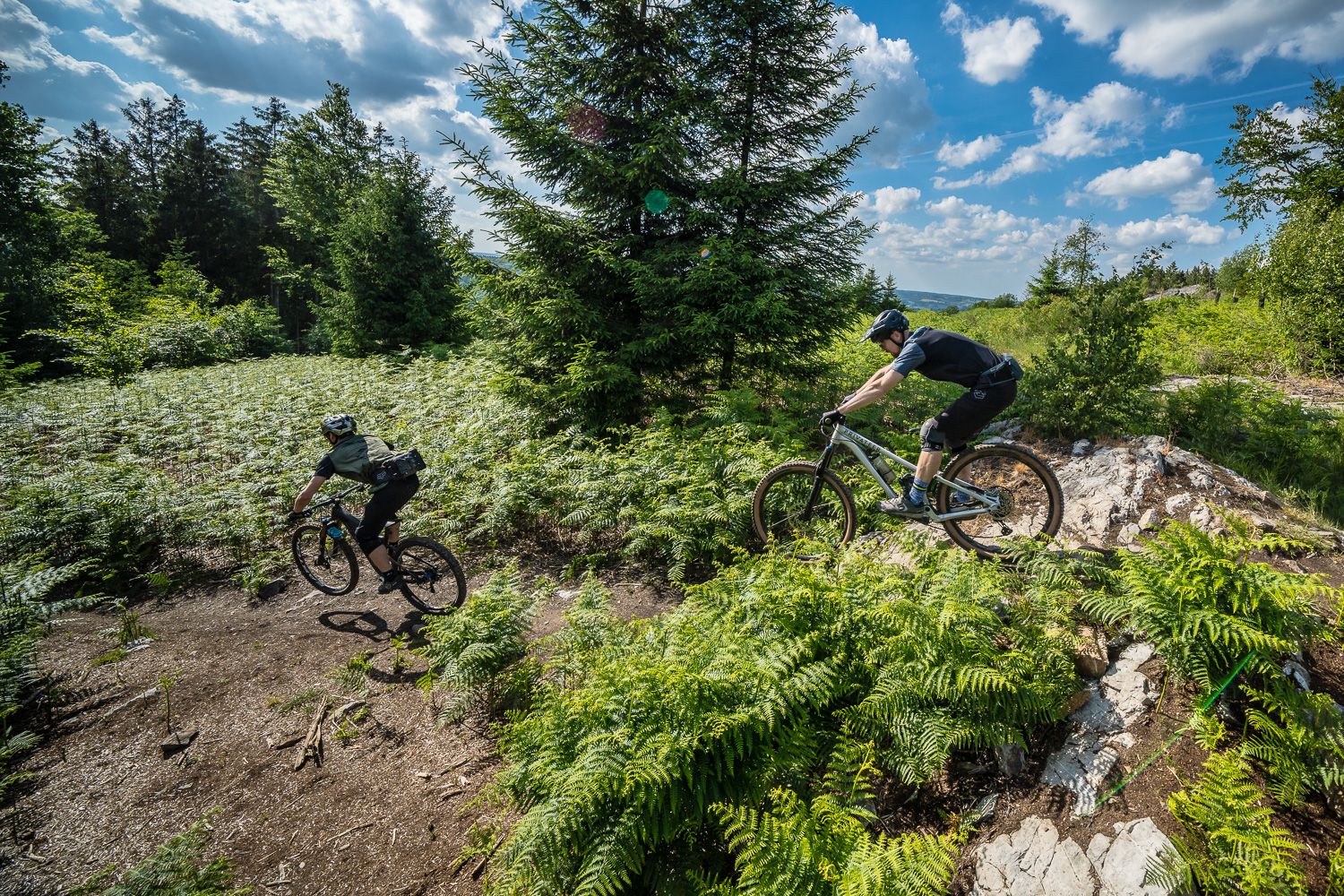
Fries and trails special in the Belgian Ardennes
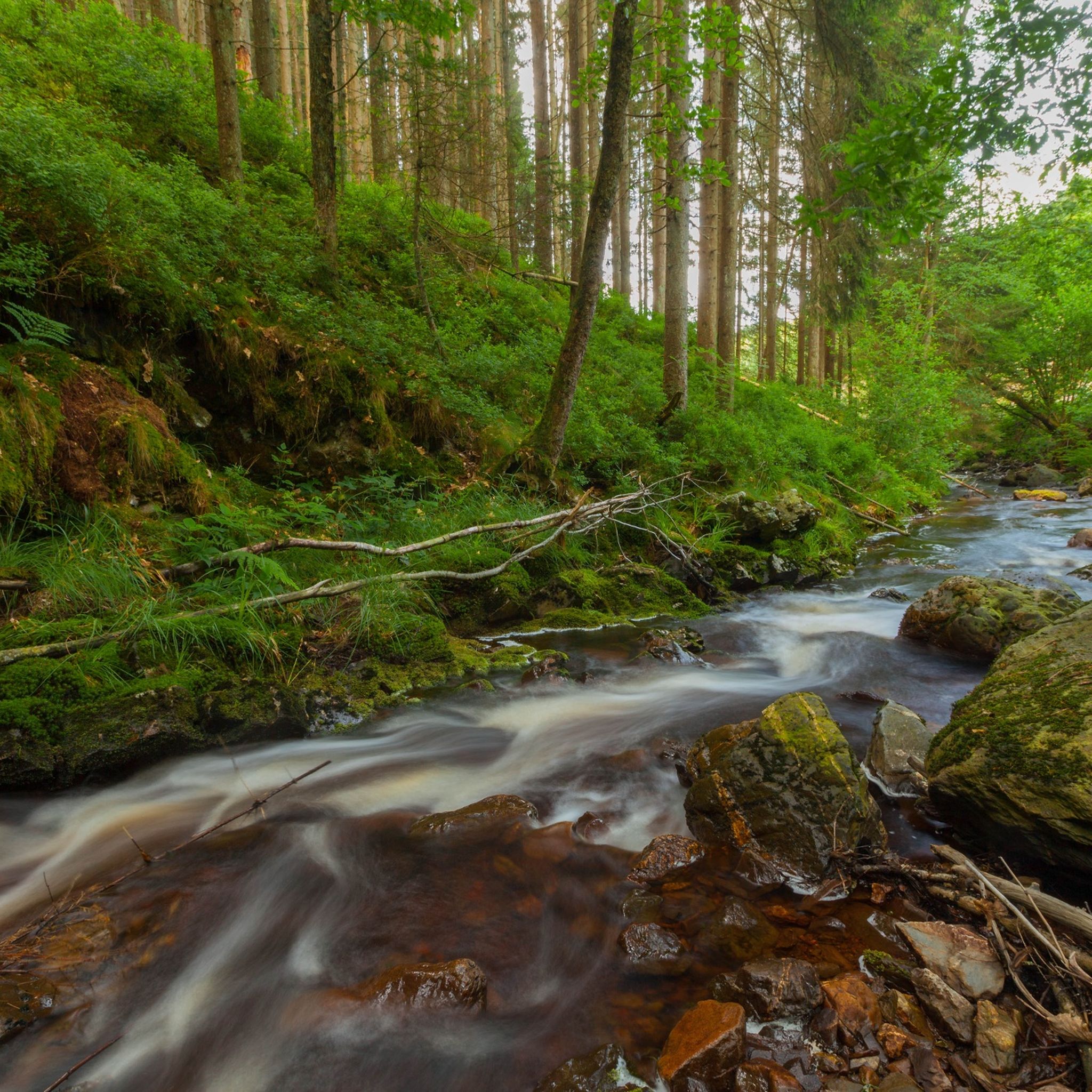
Hiking around Stavelot
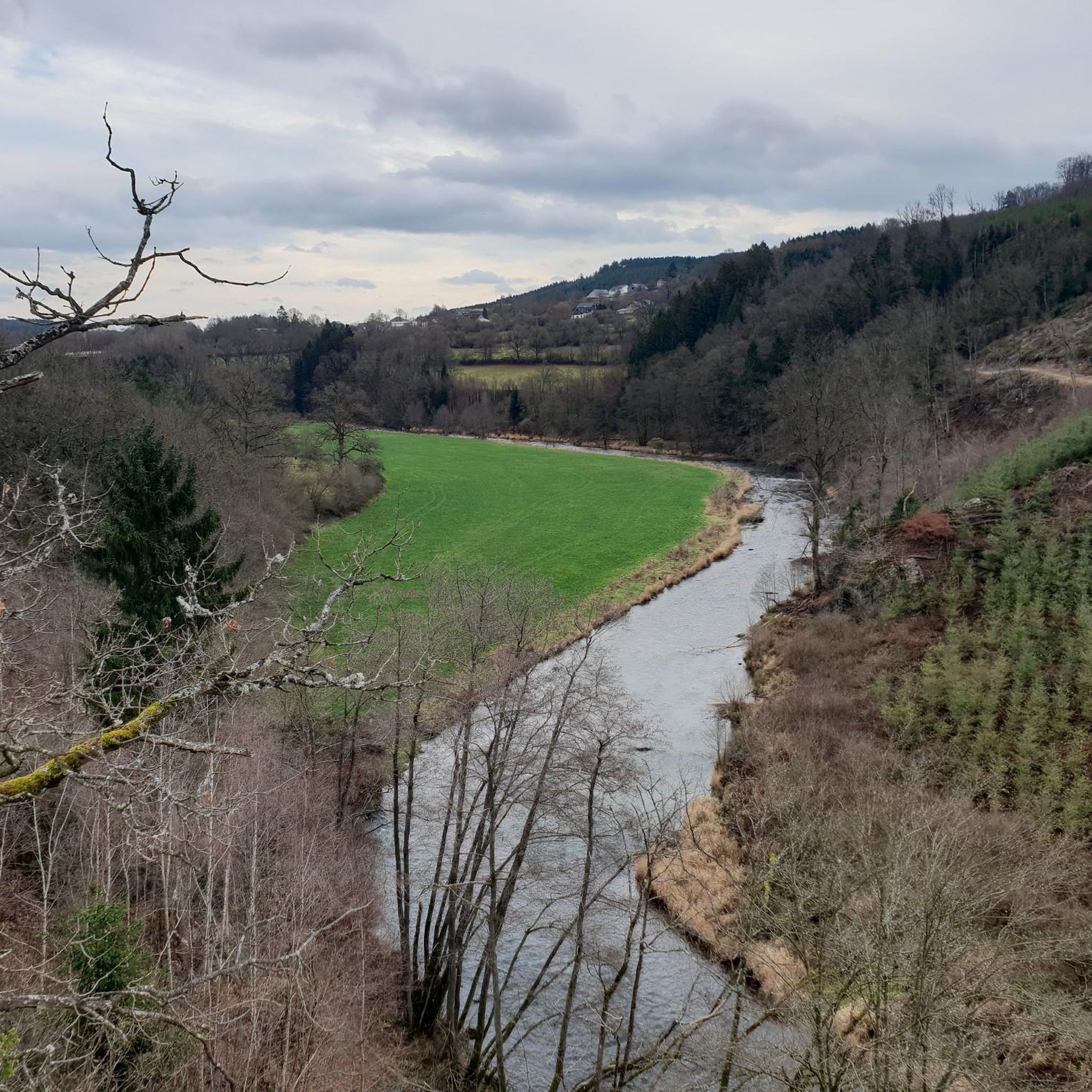
Road Cycling Routes around Stavelot
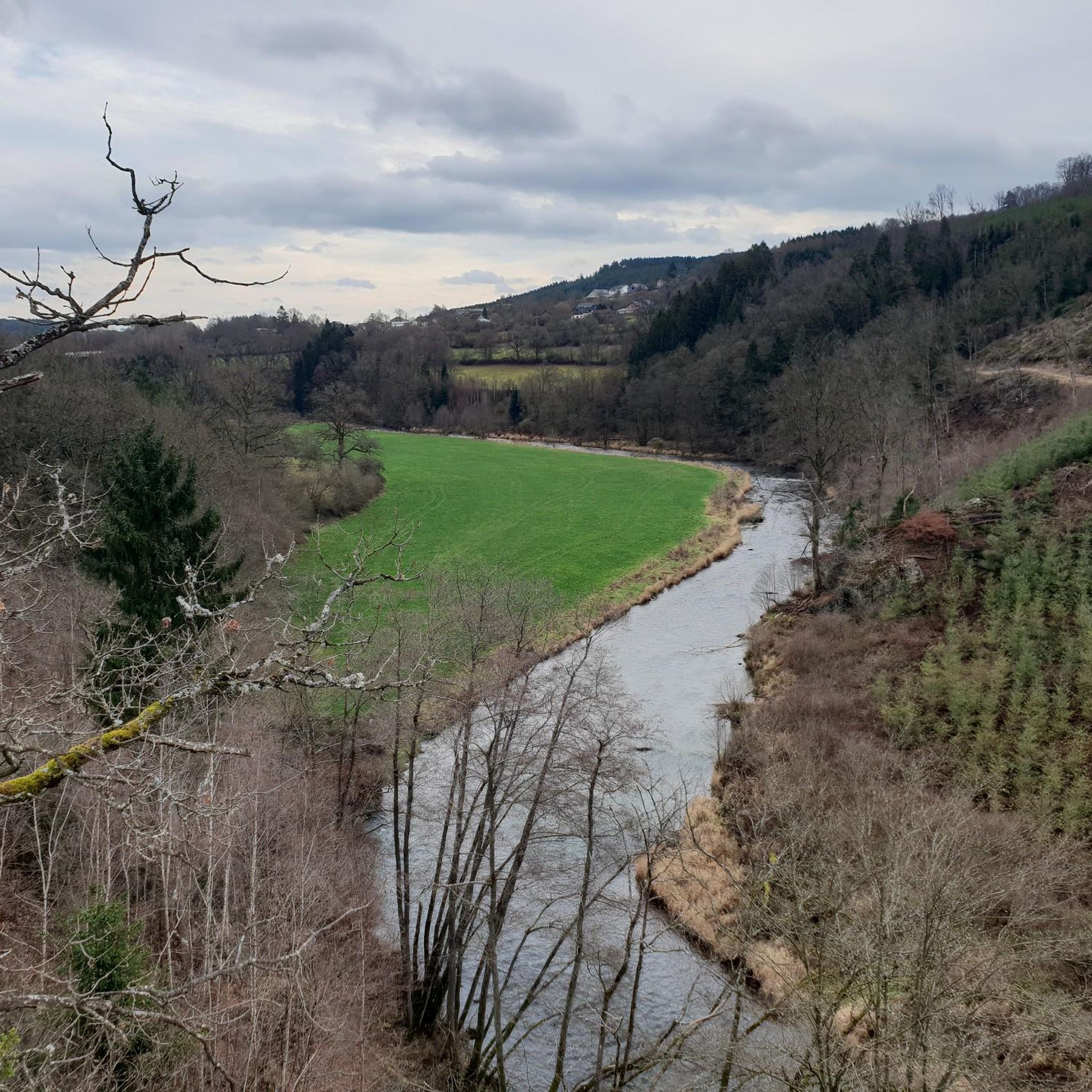
Cycling around Stavelot
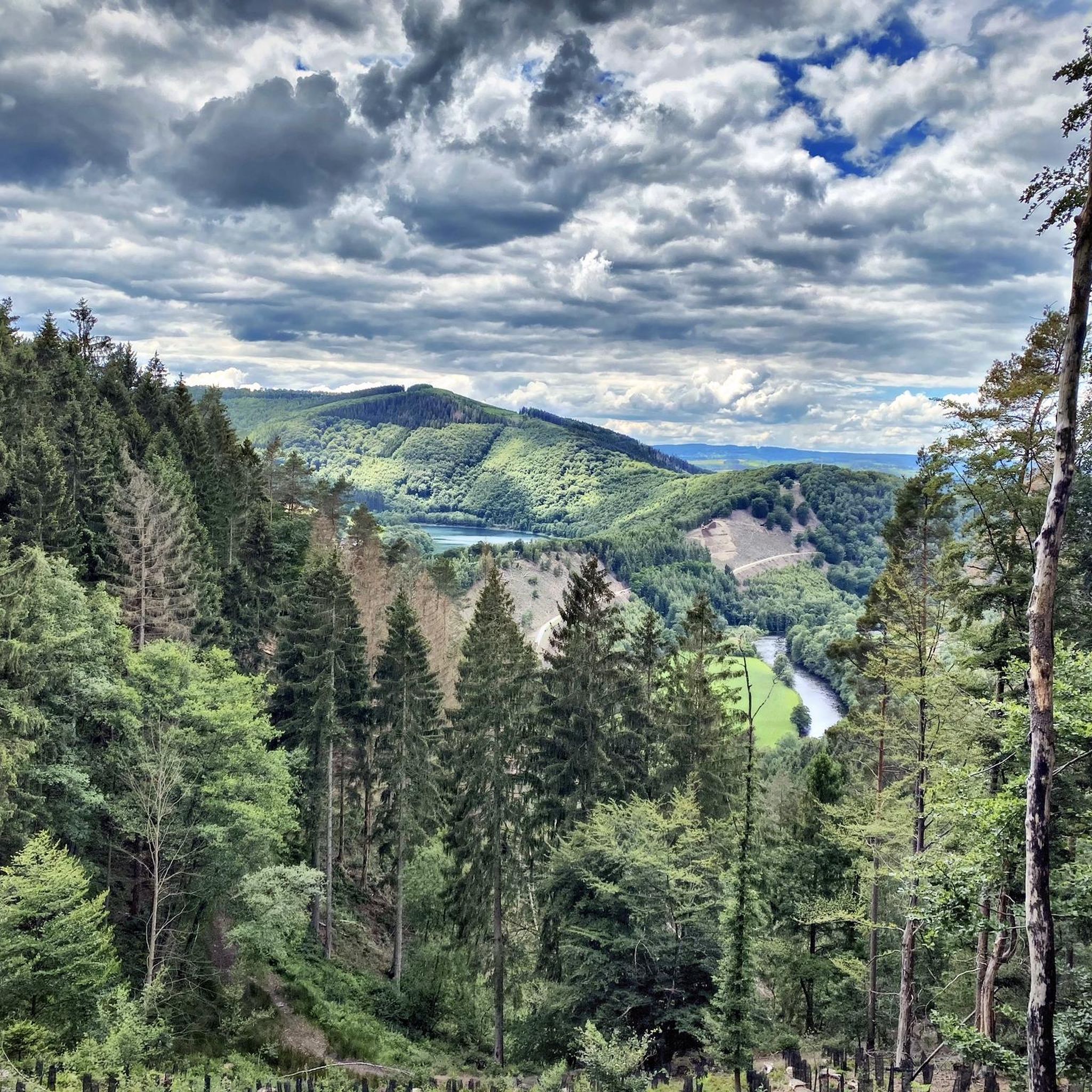
Running Trails around Stavelot
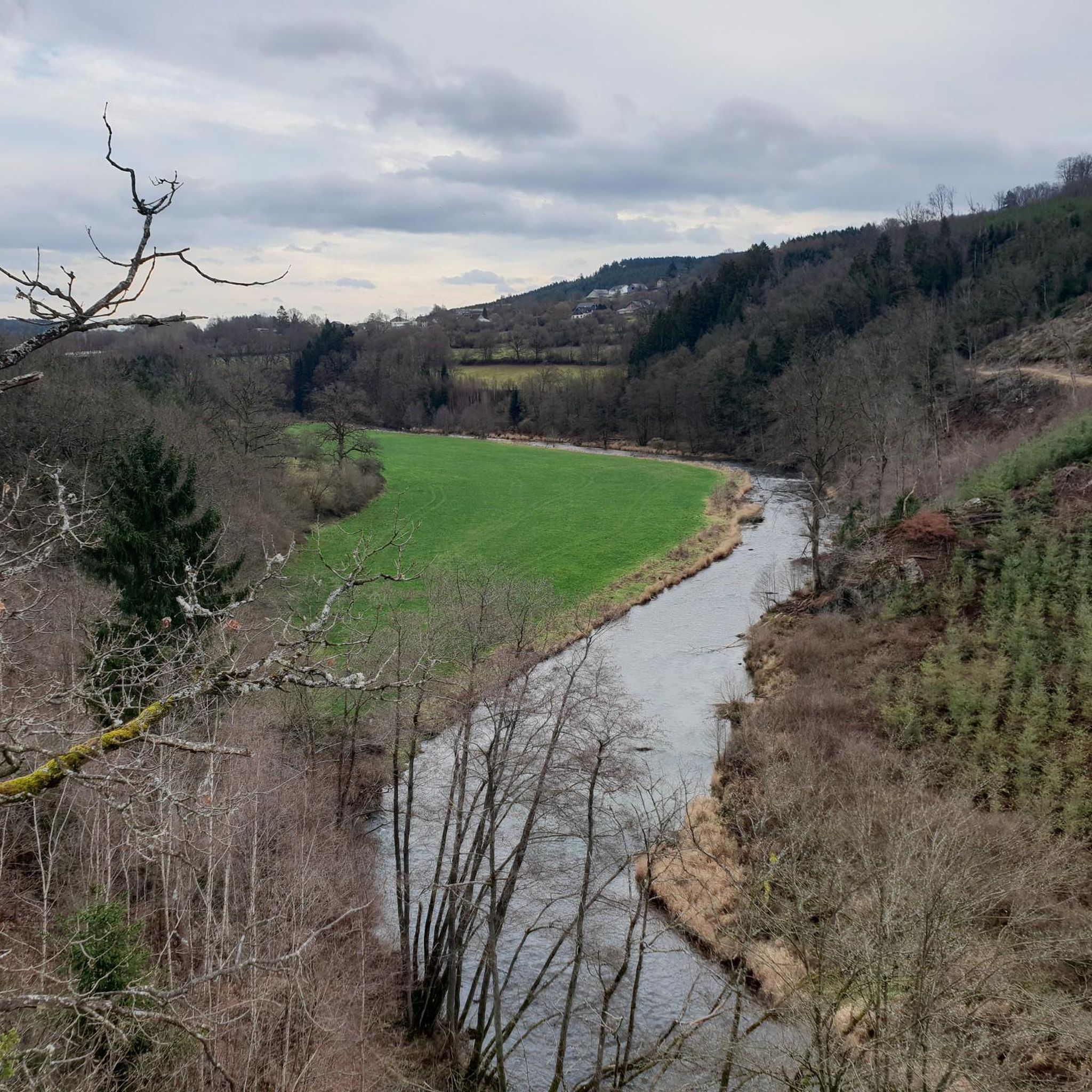
MTB Trails around Stavelot
Other adventures around Stavelot


Tips from the Community

Adventure tours, amusement park, kayaking or just marveling, there can be a lot going on here.
11
0

The Coo waterfall is artificial. Starting from a simple waterfall that appeared in the 15th century, the monks of Stavelot Abbey dug the large waterfall, crossing a meander of the river, to protect the village of Petit-Coo. The fact remains that it is very impressive and at its height of 15 meters is the pride of Belgium.
1
0

This valley is a wonderful walking adventure...
9
0
The wonderful sound of rippling water can always be heard...
12
0

This "bathtub" shows very well what the water can do with its natural power over the millennia.
10
0
One of the highlights of the Ninglinspo Valley is this beautiful waterfall.
9
0


The earliest mention of the town of Coo, under the Latin form “collo”, dates back to 1307. A mill, whose existence is documented from 1483, was fed by the water of the Amel. It is very likely that the monks of Stavelot Abbey created a meander along the river to feed the mill and not to create a waterfall, but it is likely that the water sometimes had to overflow and spread over the nearby rocks … Source: http://tourismestavelot.be/de/wasserfall-von-coo
36
1
Frequently Asked Questions
What types of natural monuments can I explore around Stavelot?
The Stavelot region, nestled in the Belgian Ardennes, offers a diverse range of natural monuments. You can discover impressive waterfalls like the Coo Waterfall and Bayehon Waterfall, dramatic gorges such as the Trôs Marets Valley, and serene river environments like the Amblève River and Stavelot Beach. The area is characterized by its varied landscapes, including forests, rivers, and unique geological formations.
What makes the Bayehon Waterfall a unique natural monument?
The Bayehon Waterfall stands out due to its distinctive reddish water, a phenomenon caused by the oxidation of iron as the stream flows over rocks and through peat bogs rich in iron. This roughly nine-meter-high cascade is the second-largest waterfall in Belgium and the highest in the Ardennes, flowing through a deep, wooded gorge that offers picturesque hiking trails.
What can I expect when visiting Coo Waterfall?
The Coo Waterfall is one of Belgium's highest, with a 15-meter drop. The area around the falls is a vibrant recreational hub, offering activities like kayaking and a chairlift with panoramic views of the Amblève valley. It's also very family-friendly, with an amusement park (Plopsa Coo) and restaurants nearby.
Are there challenging hiking trails associated with the natural monuments?
Yes, the Trôs Marets Valley is renowned for its adventurous and challenging hiking experience. It features narrow, rocky paths, wooden bridges crossing the wild river, and varying views of forests and small waterfalls. The terrain requires sturdy shoes and sure-footedness, especially in wet conditions. For more hiking options, you can explore the Hiking around Stavelot guide.
Are there family-friendly natural monuments or trails around Stavelot?
Absolutely. The Coo Waterfall area is particularly family-friendly, with an amusement park and various recreational activities. The Bayehon Waterfall is also easily accessible via the nearby Moulin de Bayehon watermill, making it appealing for families. Many trails in the Trôs Marets Valley are also suitable for families with children and dogs, offering a mix of adventure and natural beauty.
What is the best time of year to visit the natural monuments around Stavelot?
The natural monuments around Stavelot are beautiful year-round. Spring and autumn offer vibrant colors and pleasant temperatures for hiking. Summer is ideal for enjoying recreational activities around Coo Waterfall and relaxing at Stavelot Beach. Even in winter, the coniferous forests of the Trôs Marets Valley provide color, though paths can be slippery and colder temperatures should be expected, especially in higher elevations like the High Fens.
What other outdoor activities can I do near Stavelot's natural monuments?
Beyond hiking, the region offers a variety of outdoor activities. Near Coo Waterfall, you can enjoy kayaking and paragliding. The Amblève River, which flows through the region, is popular for sport fishing. For cycling enthusiasts, there are numerous routes available; check out the MTB Trails around Stavelot and Road Cycling Routes around Stavelot guides for detailed options.
Are there any serene natural spots near Stavelot for relaxation?
Yes, Stavelot Beach, a natural site along the Amblève River, is perfect for unwinding and enjoying the riverside scenery. Its close proximity to Stavelot's historical center makes it easily reachable for a tranquil natural escape without venturing far. The Amblève River itself, flowing through meadows and forests, offers a peaceful environment.
What geological features are prominent in the natural monuments around Stavelot?
The region's geology is characterized by the Amblève River carving its way through the landscape. In the Trôs Marets Valley, you'll find imposing blocks of quartzite and sandstone. The Bayehon Waterfall's reddish water is a result of iron oxidation from peat bogs. The Venus' Bath highlight also mentions basins formed by river erosion over thousands of years, showcasing the power of water on rock.
Can I find places to eat or drink near the natural monuments?
Yes, particularly around the more developed sites. The area around Coo Waterfall is a recreational center with several cafes and restaurants. While other natural monuments like the Trôs Marets Valley are more remote, the nearby villages and towns, including Stavelot itself, offer various dining options.
How accessible are the natural monuments around Stavelot?
Accessibility varies by location. Coo Waterfall and Stavelot Beach are easily accessible, with the latter being just a short distance from Stavelot's town center. The Bayehon Waterfall is also easily reached via the Moulin de Bayehon watermill, which offers parking. More remote areas like the Trôs Marets Valley require hiking on natural, sometimes challenging, paths.
What do visitors particularly enjoy about the natural monuments in Stavelot?
Visitors frequently praise the wild and untouched beauty of the region. The dramatic scenery of the Trôs Marets Valley, the unique reddish water of the Bayehon Waterfall, and the impressive cascade of Coo Waterfall are often highlighted. The opportunity to reconnect with nature, the variety of landscapes, and the rewarding hiking experiences are also highly valued by the komoot community.
Most popular routes around Stavelot
Most popular attractions around Stavelot

Get inspired with the komoot mobile app


Explore more
Extend your search for the best caves by checking out these guides of the top ones around Stavelot:
