The best gravel rides around Portescusi/Portoscuso
4.5
(2)
26
riders
7
rides
Gravel biking around Portescusi/Portoscuso offers routes that traverse coastal landscapes and historical pathways. The terrain features a mix of coastal roads, cliffs, and former railway lines, providing varied surfaces for gravel cyclists. The region's geography includes both flat sections and areas with moderate elevation changes, suitable for different skill levels.
Best gravel bike trails around Portescusi/Portoscuso
- The most popular gravel bike trail is Capo Sandalo Lighthouse – Capo Sandalo Lighthouse loop from Pàize/Carloforte, a 23.0 miles (37.1 km) trail…
Last updated: July 8, 2026
6
riders
33.1km
02:14
590m
590m
Hard gravel ride. Very good fitness required. Mostly paved surfaces. Suitable for all skill levels.
4
riders
151km
10:50
2,280m
2,280m
Hard gravel ride. Very good fitness required. Mostly paved surfaces. Suitable for all skill levels.

Sign up for free
3
riders
38.5km
02:28
550m
550m
Hard gravel ride. Very good fitness required. Mostly paved surfaces. Suitable for all skill levels.
5.0
(1)
4
riders
26.3km
01:53
450m
450m
Hard gravel ride. Very good fitness required. Mostly paved surfaces. Suitable for all skill levels.
4
riders
57.9km
03:42
390m
390m
Moderate gravel ride. Good fitness required. Mostly paved surfaces. Suitable for all skill levels.
Get access to more routes and recommendations from other explorers.
Sign up for free
Already have an account?
Our route recommendations are based on thousands of hikes, rides, and runs completed by other people on komoot.
Start today with a free account
Your next adventure awaits.
Login or Signup
Popular around Portescusi/Portoscuso
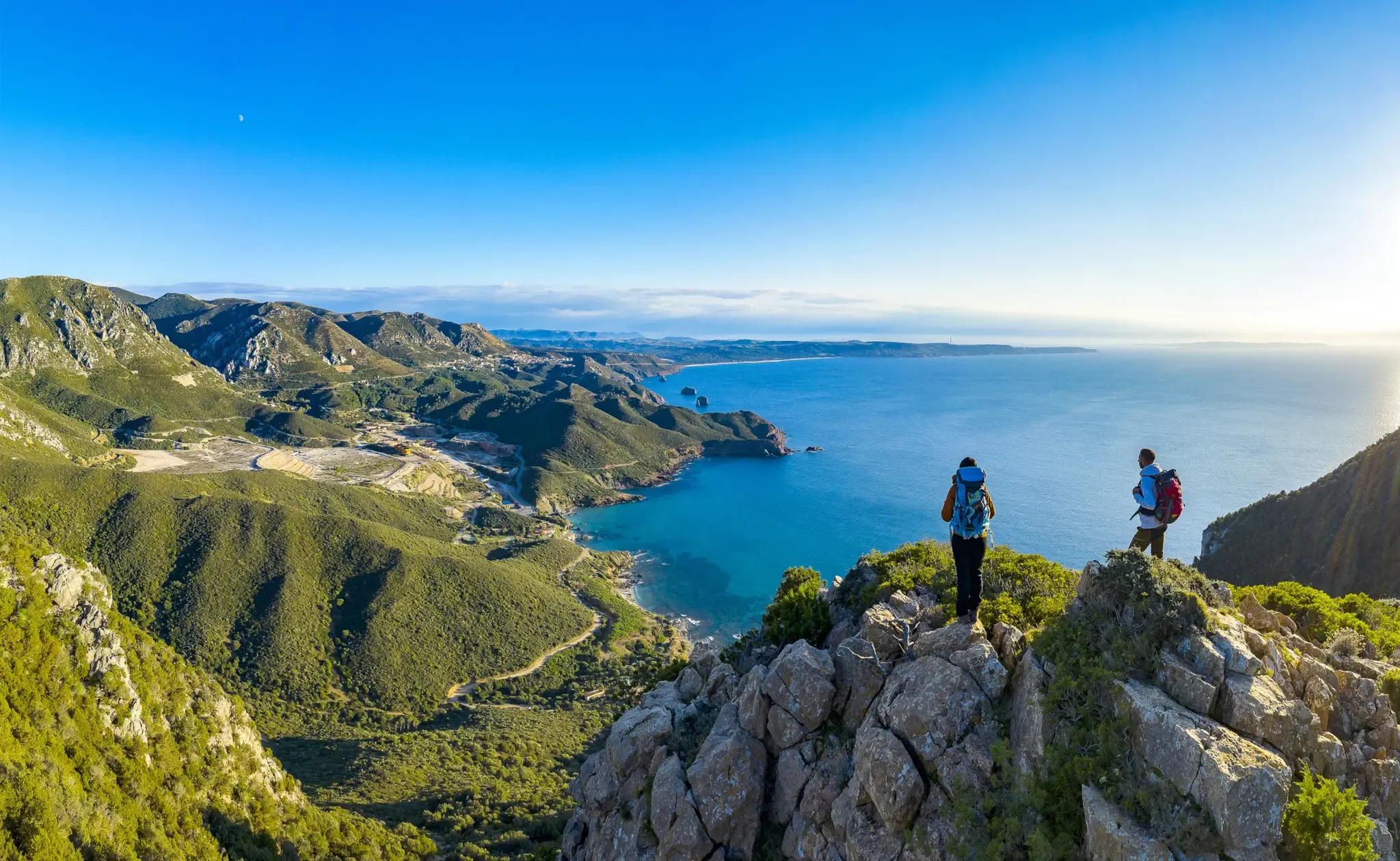
Cammino Minerario di Santa Barbara – memories of ancient Sardinia
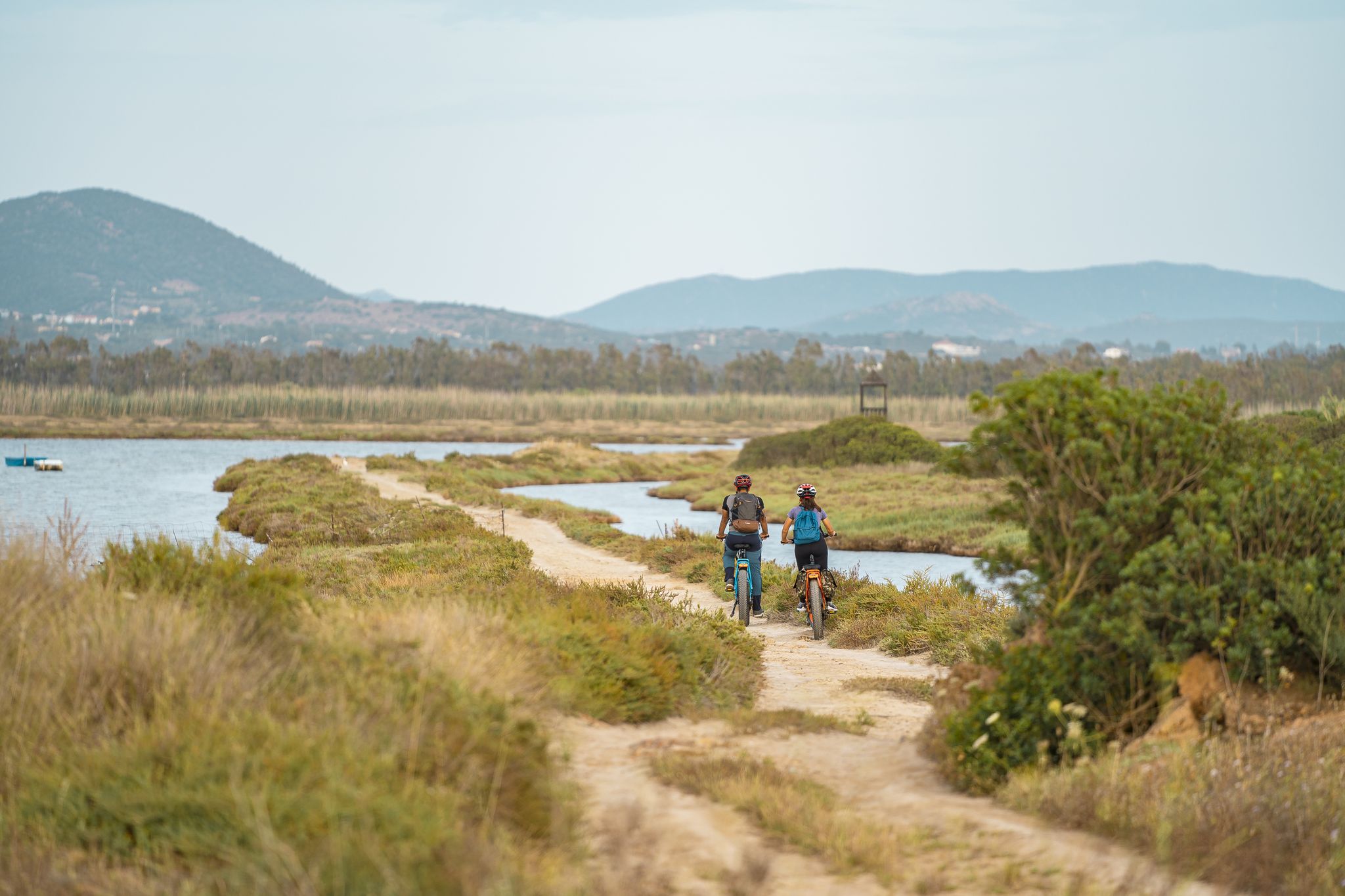
Ciclovia del Cammino Minerario di Santa Barbara
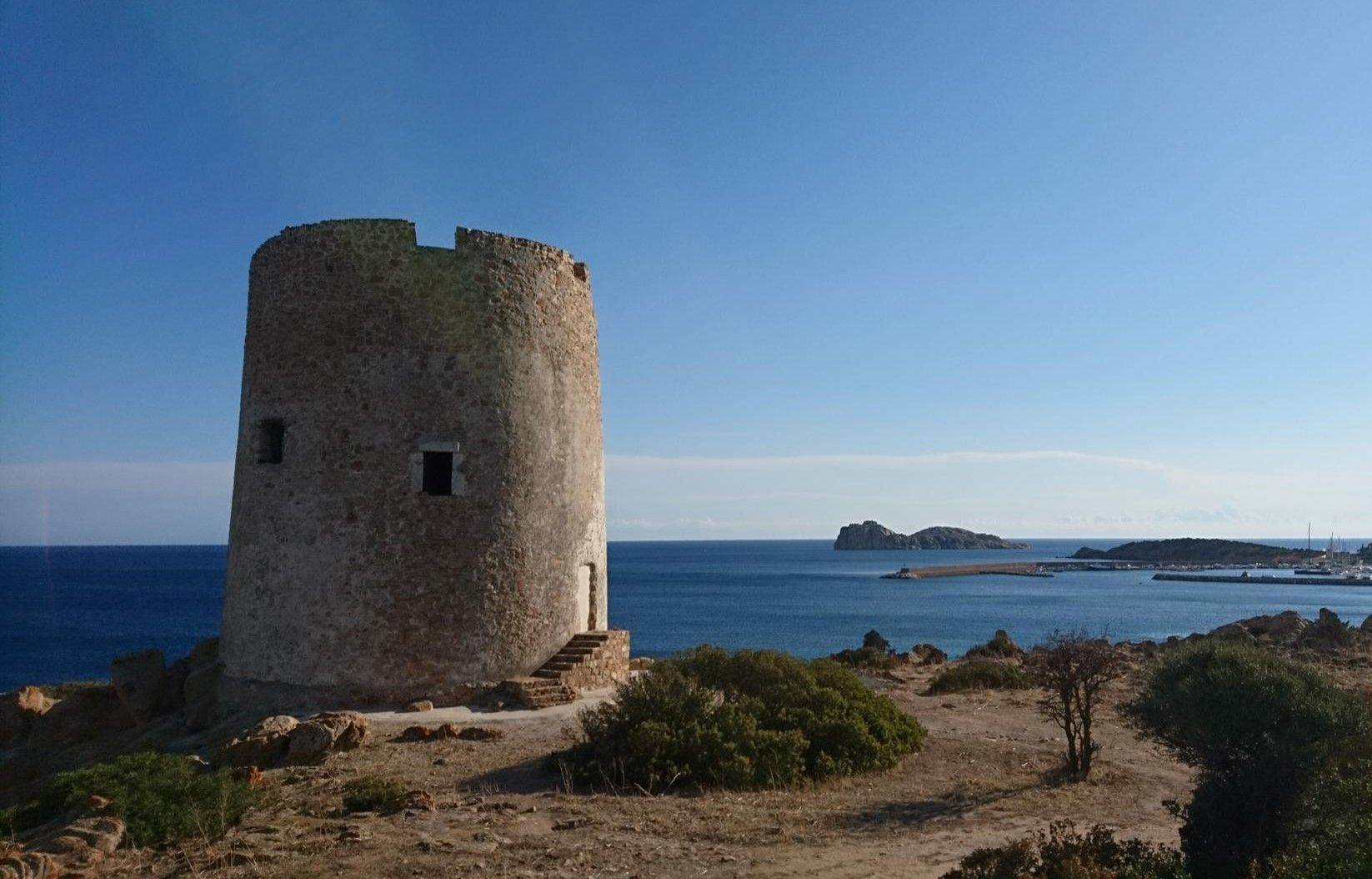
Portoscuso to Cagliari on the Via del Martirio – Cammino 100 Torri
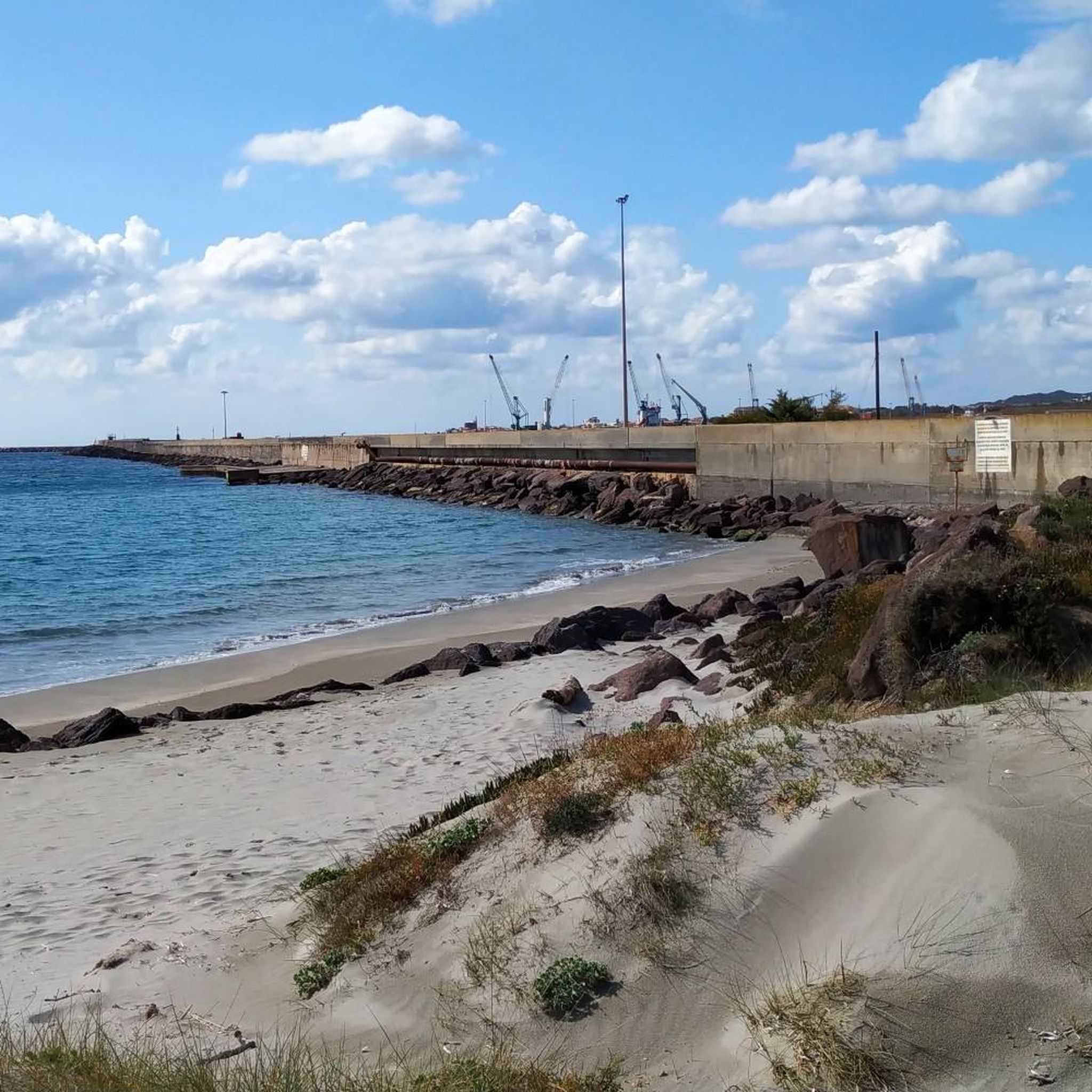
Road Cycling Routes around Portescusi/Portoscuso
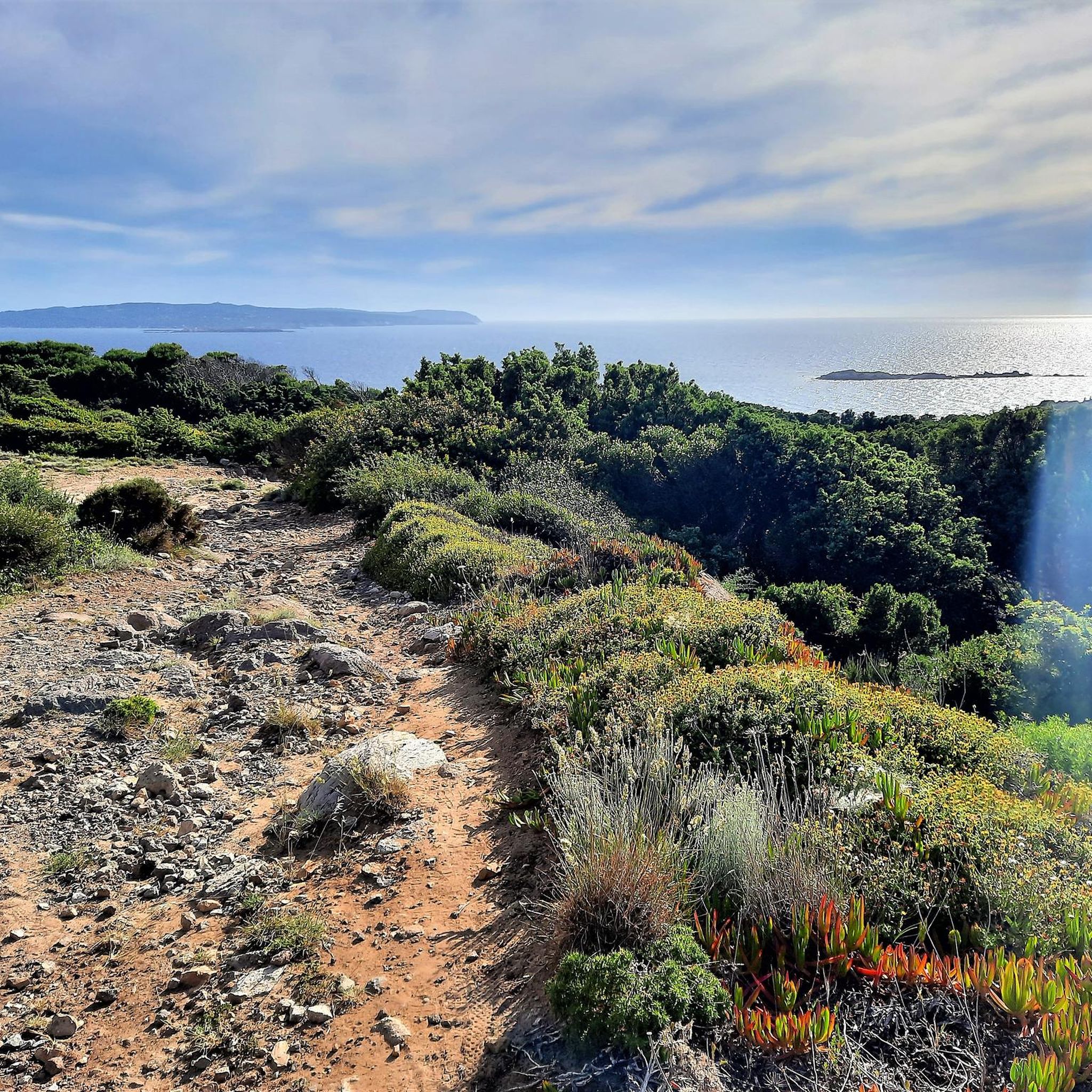
Hiking around Portescusi/Portoscuso
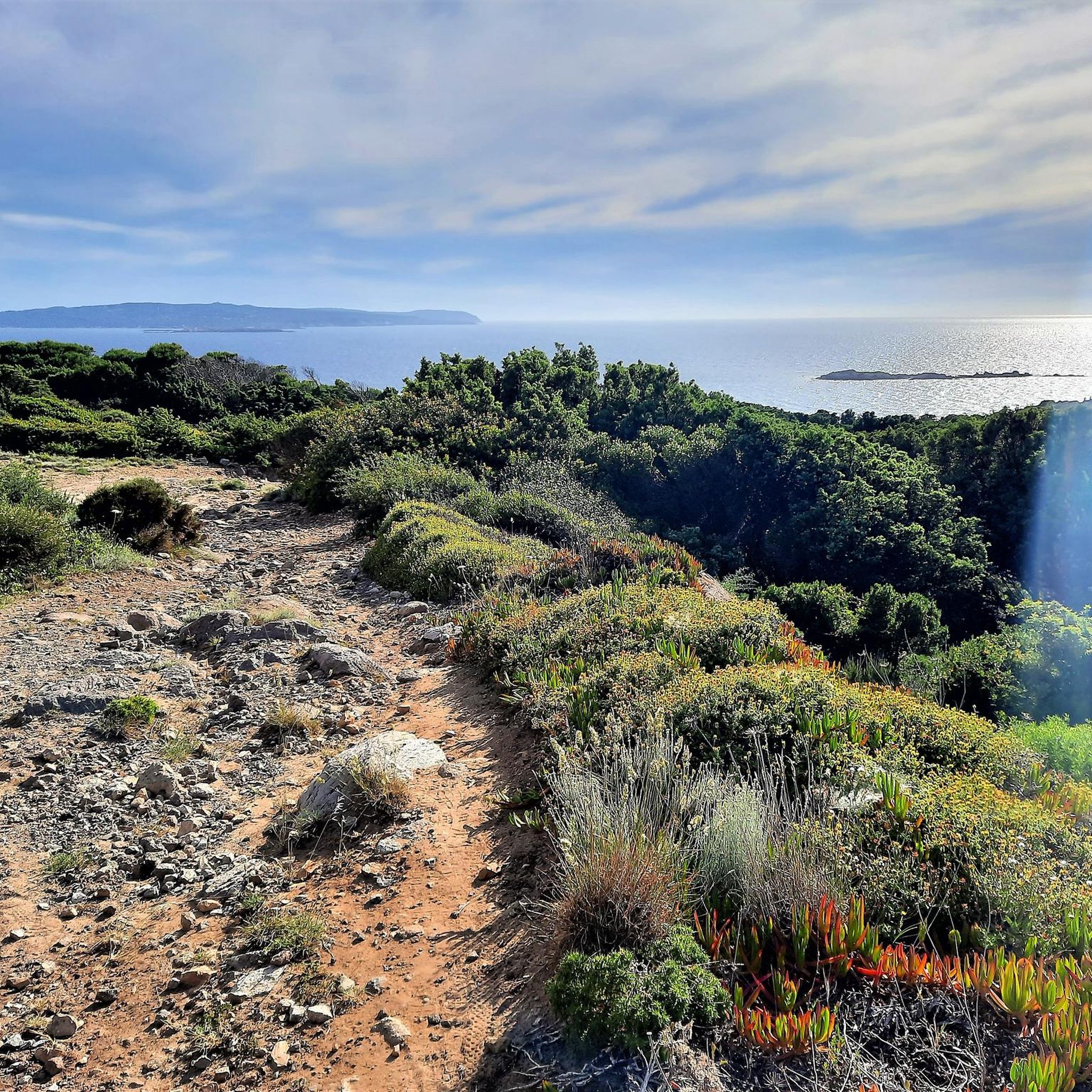
MTB Trails around Portescusi/Portoscuso
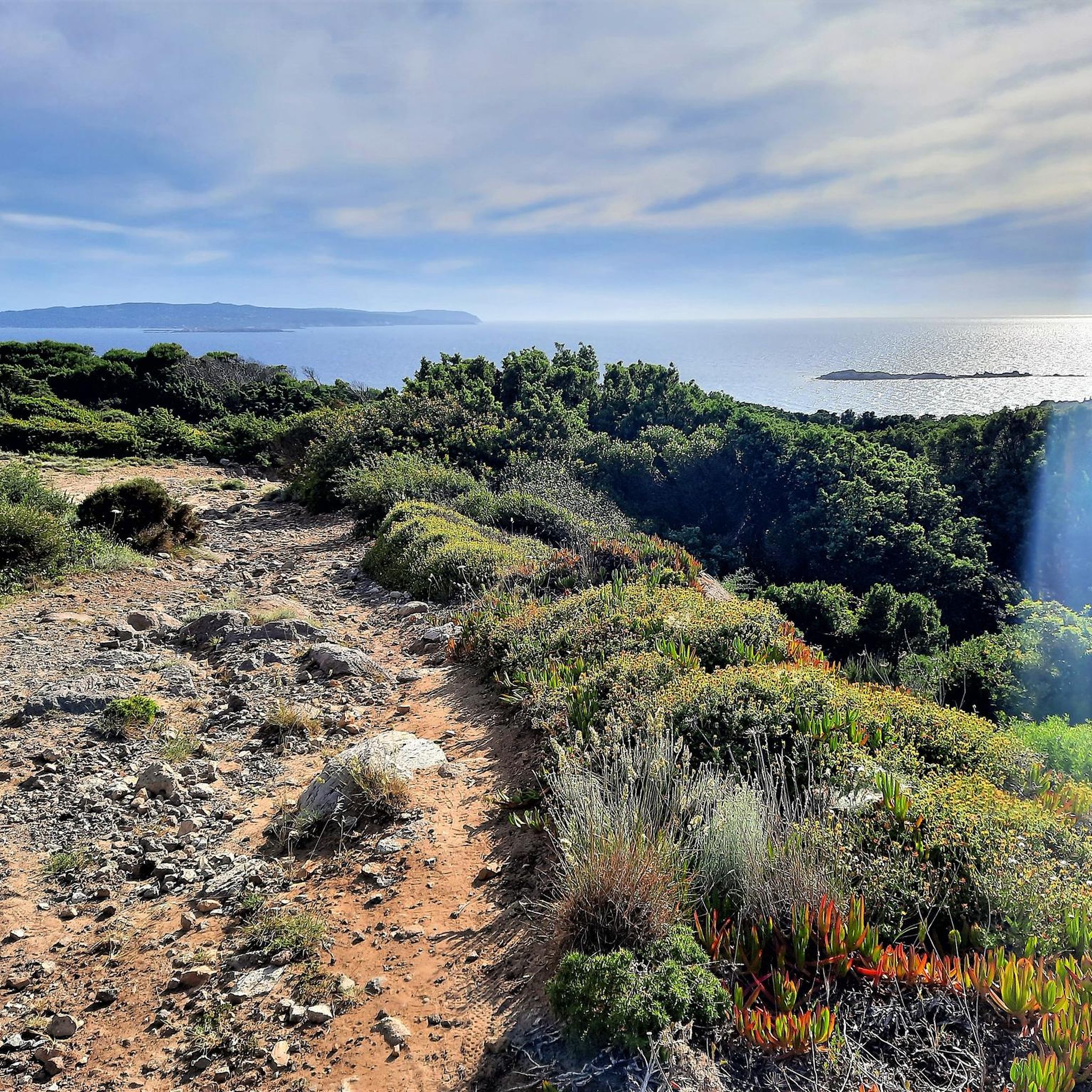
Cycling around Portescusi/Portoscuso
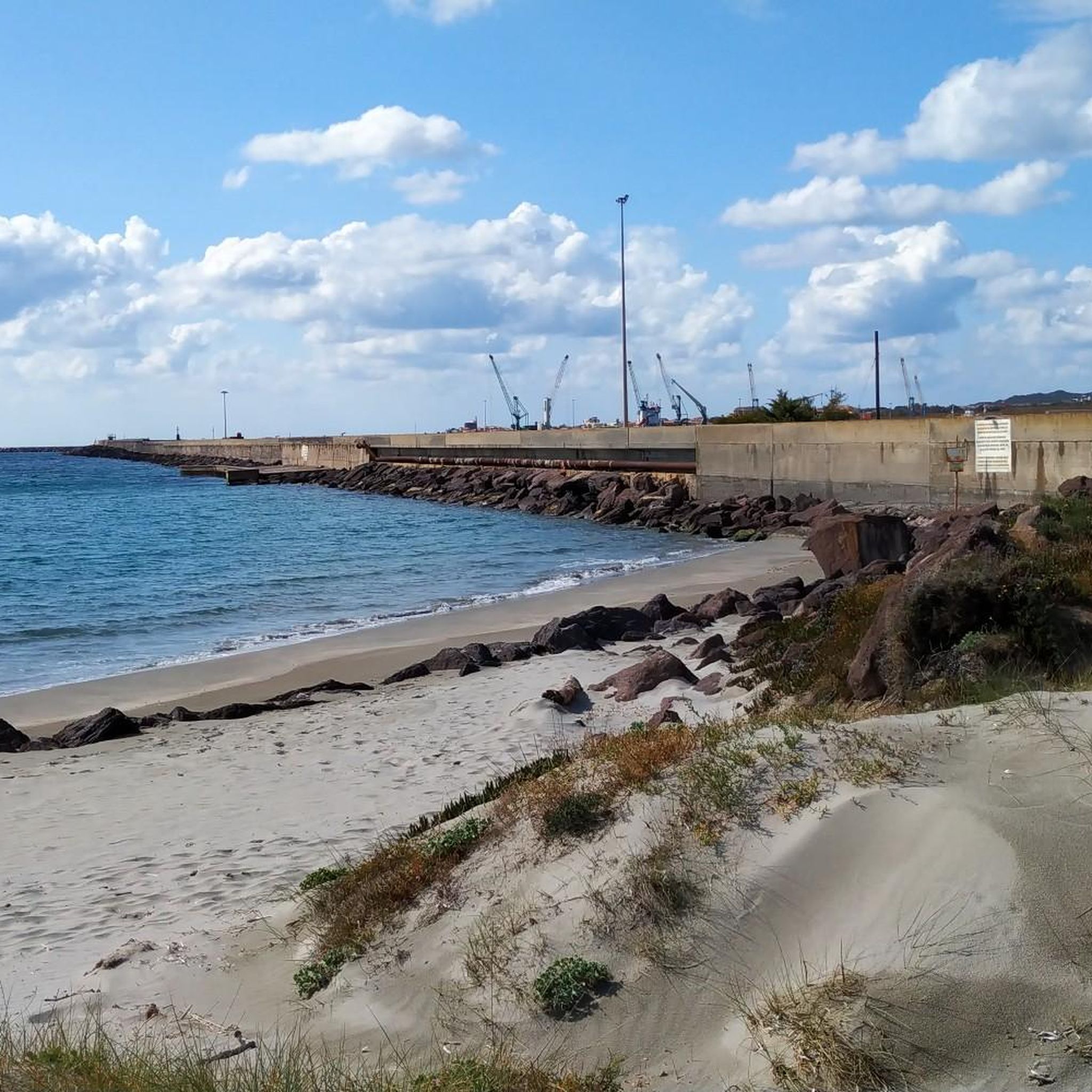
Running Trails around Portescusi/Portoscuso
Other adventures around Portescusi/Portoscuso


Tips from the Community

The position of the town of Buggerru is quite unique, it has its own gulf
0
0
The climb is very hard but it's totally worth it, it feels like you're in the middle of a sea of rocks
0
0

Carloforte, still closely linked to Pegli and Genoa, is the island's only center, with 6,000 inhabitants. It enchants with its many narrow streets rising up a gentle slope, its colorful corners and sea views, its small harbor, and its former defenses, of which watchtowers and sections of walls with forts can still be seen, including La Porta del Leone. Among the architectural highlights of this town, which is included in the Club of the Most Beautiful Towns in Italy, are U Palassiu, dating from the early 20th century and now the Giuseppe Cavallera Cinema, and the Church of the Madonna del Naufrago, which houses the wooden statue venerated by the Tabarkin people, a symbol of the faith and solidarity of the community.
5
0
Buggerru is an old mining town. Not only the workers but also the company executives lived here.
4
0
The journey takes a relaxing 45 minutes.
3
0
You really have to put in the effort here. The scenery is very charming.
3
0

The Carloforte Tonnara is one of the last active tuna fisheries in the Mediterranean, testifying to a fishing tradition rooted in the island's history. Every spring, the "mattanza" (tuna slaughter) takes place, the traditional method of catching tuna, passed down for centuries and still practiced today using historic techniques. The tonnara, with its buildings overlooking the sea and ancient work tools, tells an important chapter in the island's economic and cultural history.
0
0
A site of industrial archaeology right on a beautiful coastline. Buggerru was founded in 1864 as a mining village. Today it is a holiday resort with around 1,000 inhabitants, a fifth of what it had at the beginning of the 20th century. The present village, with the parish church dedicated to St. John the Baptist, consists of fan-shaped houses where the valley of Monte Caitas flows into the sea, a channel that gave its name to the Malfidano mine, the most important mine during the mining era from the second half of the 19th century to the beginning of the 20th century. It was active until 1979: in just over a century, Buggerru, already known for its silver in Roman times, produced more than 1 million tons of zinc and 200,000 tons of lead. Its modern small port lies beneath the exit of the Henry Tunnel, now an open-air museum, once a railway tunnel for the transport of extracted minerals.
2
0
Frequently Asked Questions
How many gravel bike trails are available around Portescusi/Portoscuso?
The Portescusi/Portoscuso region offers around a dozen gravel bike trails, providing a variety of options for exploring the coastal landscapes and historical pathways. These routes are highly rated by the komoot community, with an average score of 4.6 stars.
Are there any easy gravel bike trails in Portescusi/Portoscuso for beginners or families?
While the region features many moderate and difficult routes, there are no trails specifically categorized as 'easy' in our current selection. However, routes like the View of the Cliffs – Calasetta Old Town and Cliffs loop from Câdesédda/Calasetta, which is moderate, offers a manageable 20.3 miles (32.7 km) path exploring coastal cliffs and the old town of Calasetta, which might be suitable for more experienced families or beginners looking for a challenge.
What are some of the more challenging gravel bike routes in the area?
For experienced gravel bikers seeking a challenge, routes like the Capo Sandalo Lighthouse – Capo Sandalo Lighthouse loop from Pàize/Carloforte offer significant elevation changes over 23.0 miles (37.1 km). Another demanding option is the Cliffs of Calasetta – View of the Cliffs loop from Câdesédda/Calasetta, which covers nearly 40 km with substantial climbing.
Are there any circular gravel bike routes around Portescusi/Portoscuso?
Yes, many of the gravel bike routes in the region are designed as loops. For instance, the Capo Sandalo Lighthouse – Capo Sandalo Lighthouse loop from Pàize/Carloforte is a popular circular trail offering coastal views.
What kind of natural sights or landmarks can I expect to see along the gravel bike trails?
The gravel bike trails around Portescusi/Portoscuso offer stunning coastal scenery and historical points of interest. You can encounter highlights such as the Nebida Belvedere Walk, the dramatic View of the Pan di Zucchero Cliffs, and the historic La Marmora Ore Washing Plant. Coastal coves like Porto Corallo Cove and Portu Ferru are also accessible.
Are there any historical sites or archaeological parks accessible by gravel bike?
Yes, the region is rich in history. You can explore the Monte Sirai Archaeological Park, which offers insights into ancient civilizations, or visit the impressive La Marmora Ore Washing Plant, a significant industrial heritage site, both of which can be incorporated into your gravel biking adventures.
What is the best season for gravel biking in Portescusi/Portoscuso?
Given its coastal location, Portescusi/Portoscuso generally offers pleasant conditions for gravel biking during the spring and autumn months, when temperatures are milder and the landscapes are vibrant. Summer can be hot, but early mornings or late afternoons can still be enjoyable. Winters are typically mild, making year-round riding possible, though some trails might be affected by rain.
Are there gravel bike trails that follow old railway lines?
Yes, the region is known for utilizing former railway lines for cycling. The View of the SP83 Coastal Road – Old Railway of Iglesias loop from Nebida is a prime example, offering a unique riding experience along a disused railway, combined with coastal road sections.
What do other gravel bikers say about the trails in Portescusi/Portoscuso?
The gravel biking routes in Portescusi/Portoscuso are highly regarded by the komoot community, holding an impressive average rating of 4.6 out of 5 stars from numerous reviews. Riders often praise the diverse terrain, from coastal paths with stunning views to historical railway lines, and the overall scenic beauty of the region.
Are there any viewpoints along the gravel bike routes in Portescusi/Portoscuso?
Absolutely. The coastal nature of the region means many routes offer spectacular viewpoints. Highlights include the Nebida Belvedere Walk and Cape Altano, both providing panoramic vistas of the sea and rugged coastline.
Are there any less crowded gravel biking options for a more peaceful ride?
While specific crowd levels vary, exploring routes that venture slightly inland or those that are longer and more challenging tend to be less frequented. The trails utilizing old railway lines, such as the one near Iglesias, can offer a more secluded experience away from the busiest coastal areas.
Most popular routes around Portescusi/Portoscuso
Most popular attractions around Portescusi/Portoscuso

Get inspired with the komoot mobile app


Explore more
Browse the best Gravel rides in other regions.
