The best gravel rides around Area Marina Protetta di Torre Guaceto - Zona C (riserva parziale)
4.5
(6)
20
riders
2
rides
Gravel biking around Area Marina Protetta di Torre Guaceto - Zona C (riserva parziale) offers routes through a coastal protected area in Puglia, Italy. The terrain is generally flat, characterized by white roads, olive groves, and Mediterranean scrubland. Routes often feature views of the Adriatic Sea and pass through areas with historical watchtowers. The region provides a mix of unpaved tracks suitable for gravel bikes, connecting coastal stretches with inland agricultural landscapes.
Best gravel bike trails around Area Marina Protetta…
Last updated: July 7, 2026
4
riders
Moderate gravel ride. Good fitness required. Mostly paved surfaces. Suitable for all skill levels.
4.0
(5)
7
riders
Easy gravel ride. Great for any fitness level. Mostly paved surfaces. Suitable for all skill levels.

Sign up for free
2
riders
Moderate gravel ride. Good fitness required. Mostly paved surfaces. Suitable for all skill levels.
5.0
(1)
8
riders
Moderate gravel ride. Good fitness required. Mostly paved surfaces. Suitable for all skill levels.
Our route recommendations are based on thousands of hikes, rides, and runs completed by other people on komoot.
Start today with a free account
Your next adventure awaits.
Login or Signup
Popular around Area Marina Protetta di Torre Guaceto - Zona C (riserva parziale)
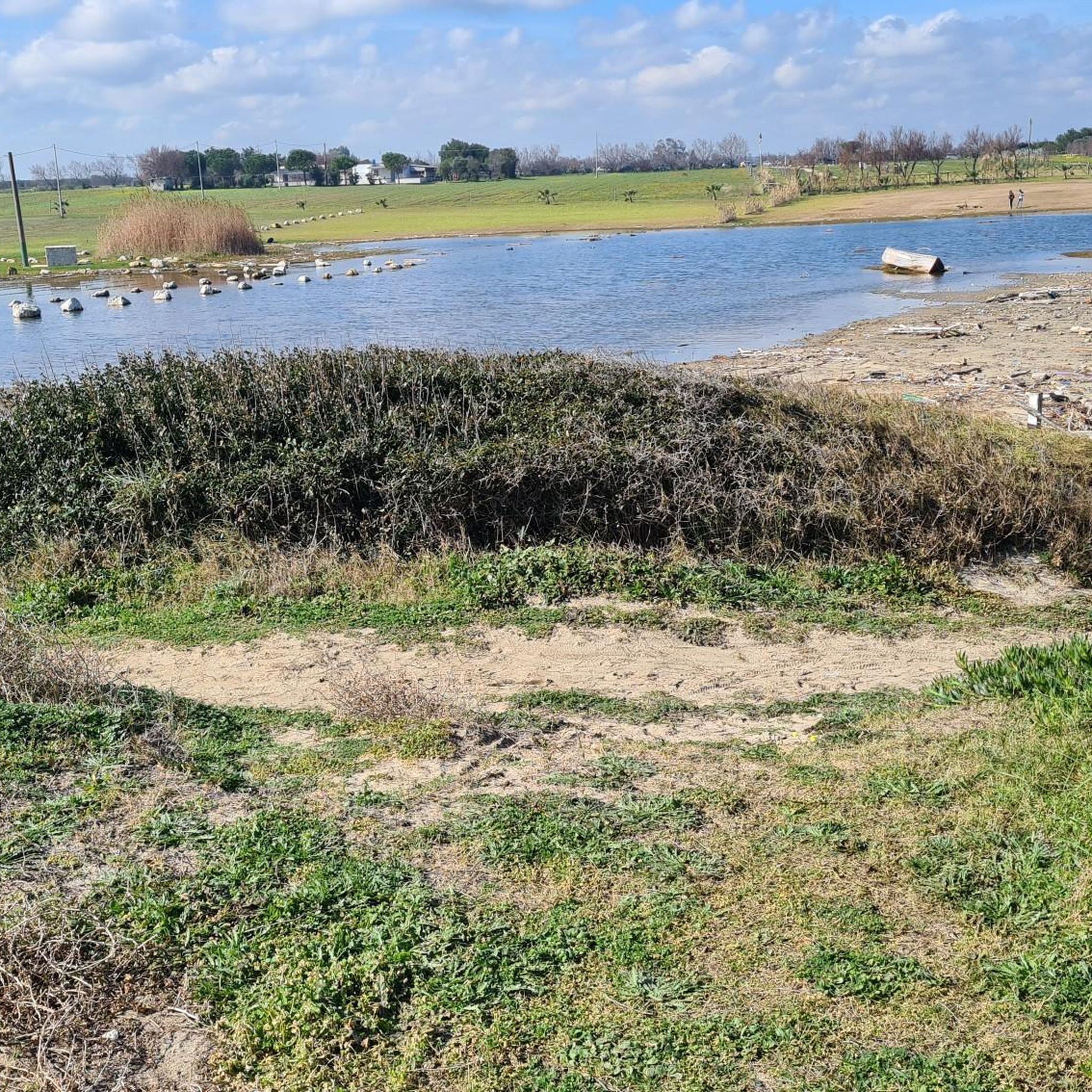
Hiking around Area Marina Protetta di Torre Guaceto - Zona C (riserva parziale)
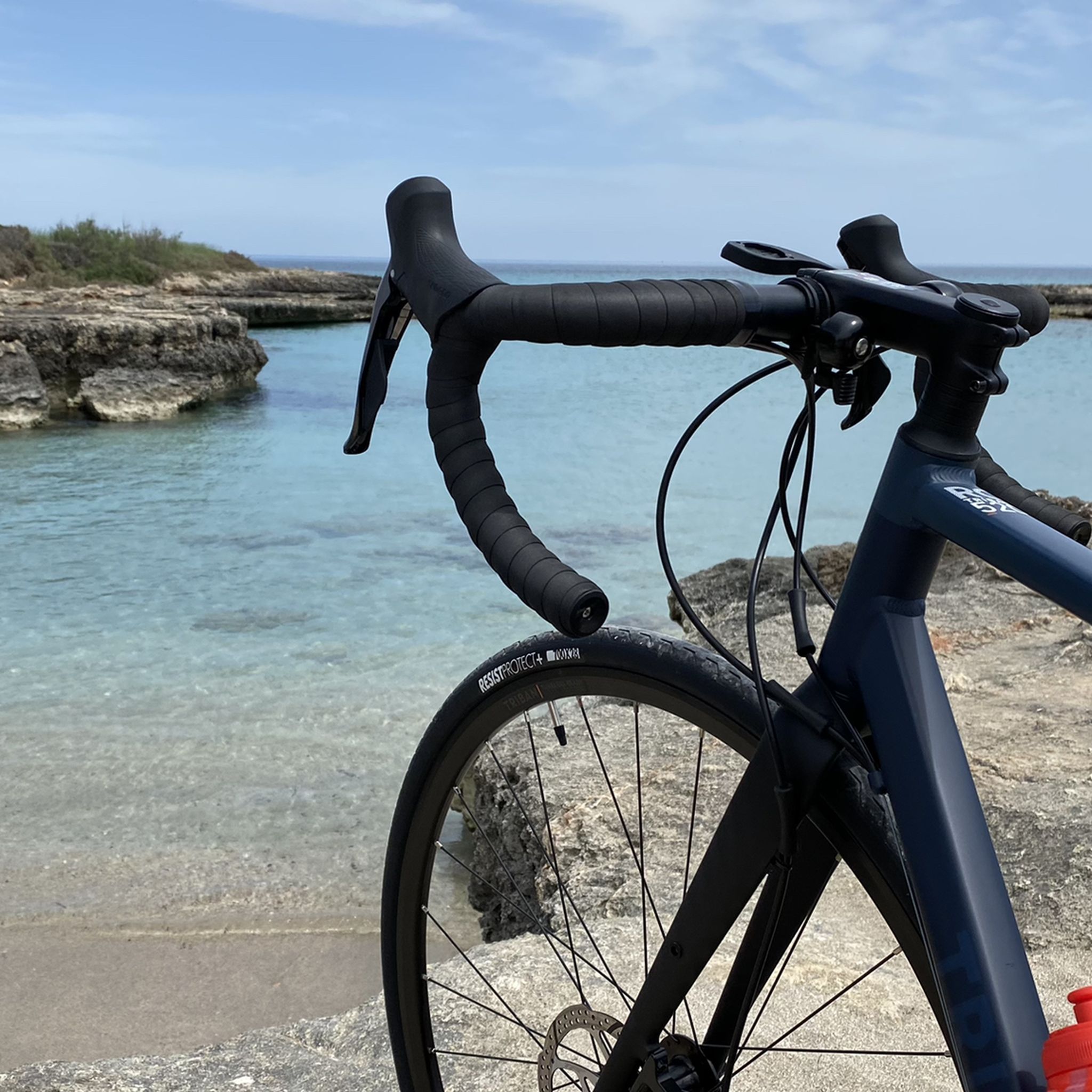
Road Cycling Routes around Area Marina Protetta di Torre Guaceto - Zona C (riserva parziale)
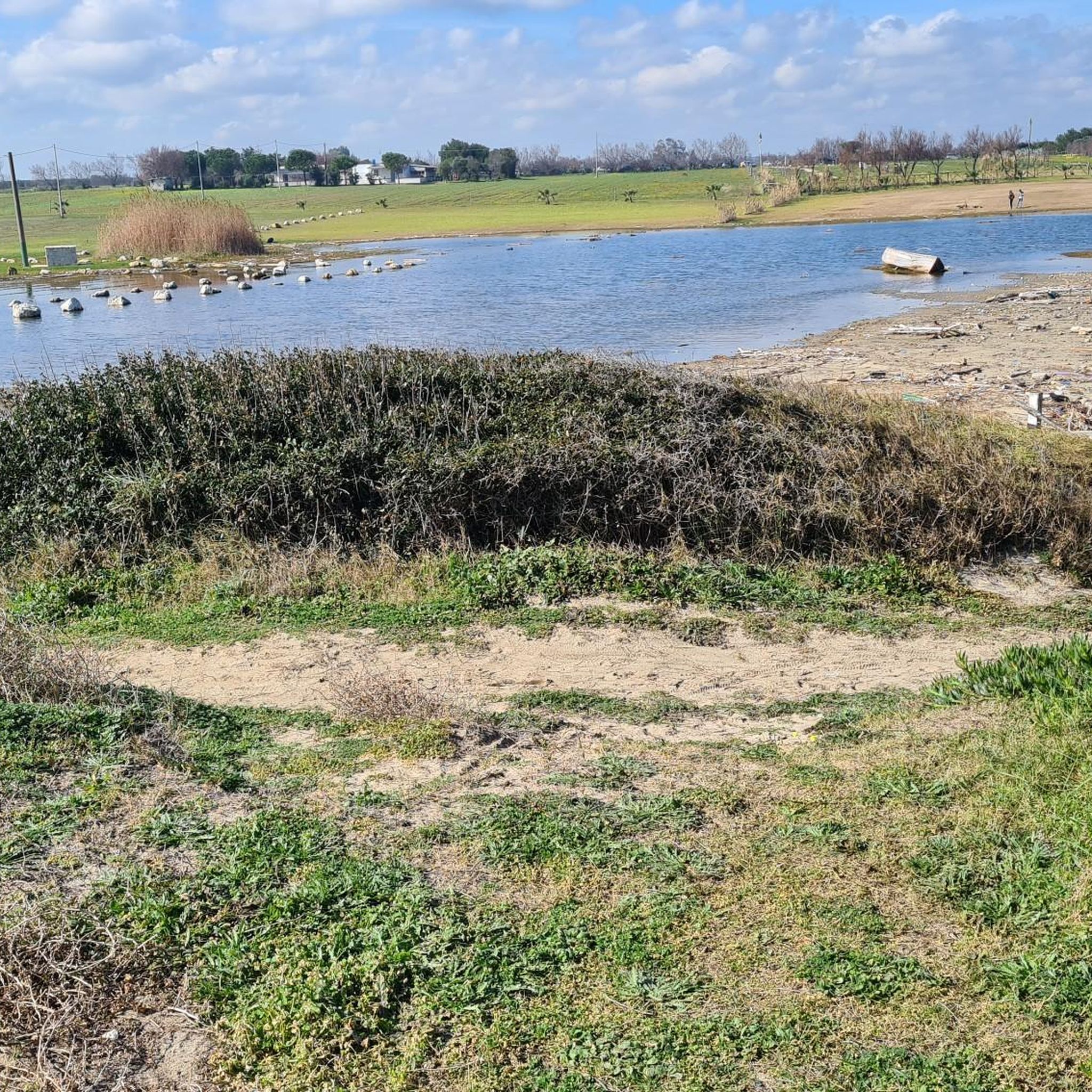
Running Trails around Area Marina Protetta di Torre Guaceto - Zona C (riserva parziale)
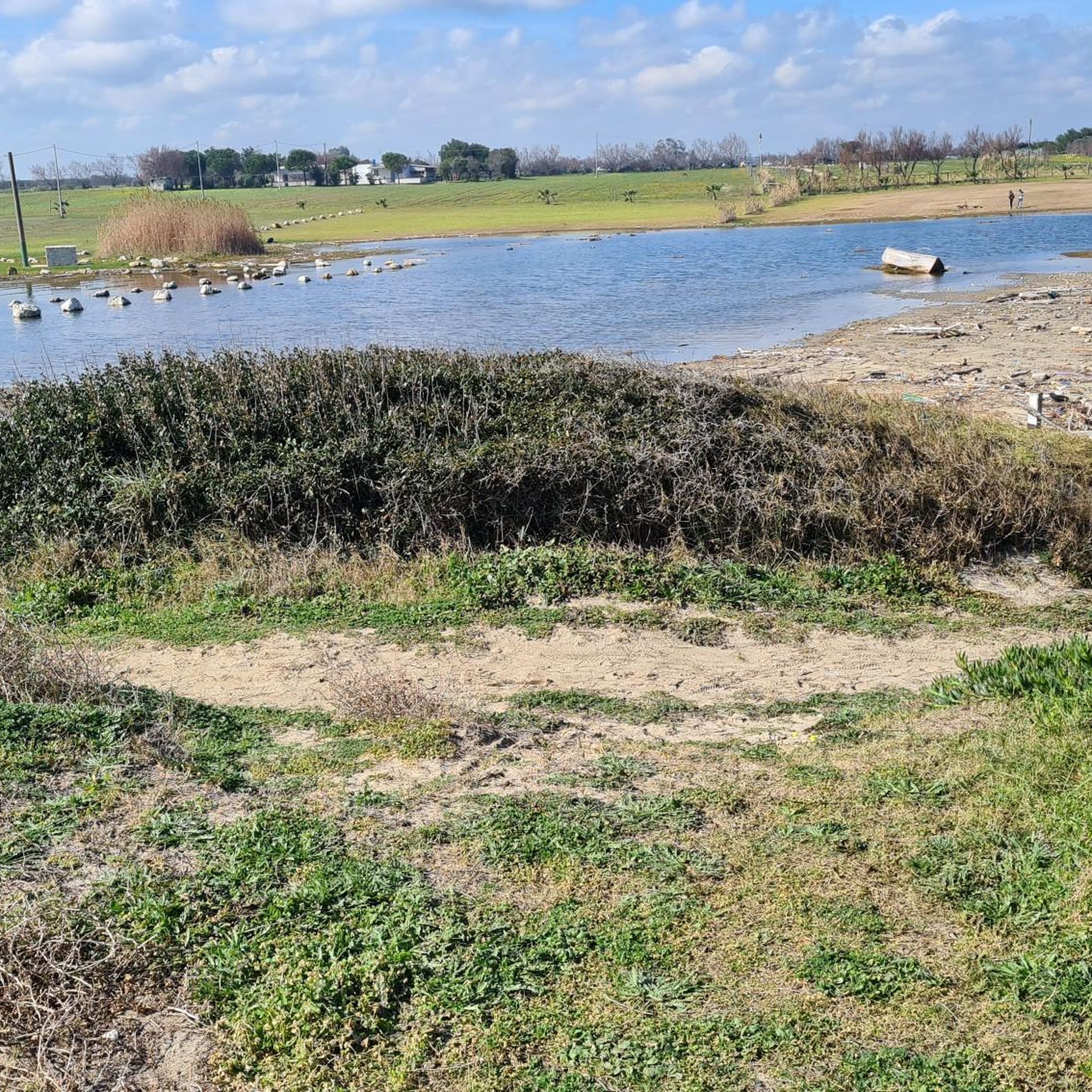
Cycling around Area Marina Protetta di Torre Guaceto - Zona C (riserva parziale)
MTB Trails around Area Marina Protetta di Torre Guaceto - Zona C (riserva parziale)
Tips from the Community

Small village church in Serranova, dedicated to St. Mary Goretti. Its simple construction and serene atmosphere make it a typical example of rural religious architecture in Puglia. A peaceful place to pause during a walk or bike ride in the area.
1
0

A stroll along the seafront in the center of the Villanova marina
1
0

In 1278 the walls of Villanova were built, and about 20 years later the castle was built by the Angevins, who took over the domination of Ostuni from the Swabian-Normans, who were responsible for the intensification of olive cultivation. From surviving documents, demonstrating its strategic importance, it appears that around the 15th century the castle was a fully active defensive structure. In fact, the city of Ostuni under Aragonese domination, thanks also to the castle and the small port of Villanova, managed to maintain the status of a state city, therefore free from feudal duties. Due to the various destructions over time, little remains of the original 14th-century construction. Currently the castle is made up of three bodies that act as square towers with a sloped base. Around the building, at the height of the first floor, runs a tubular torus and from the roof of the building rises a turret modeled on the prototype of a lighthouse. Ref. https://fondoambiente.it/luoghi/castello-del-porto-turistico-di-villanova-ostuni
4
0
it is a tourist port protected by two piers: the eastern pier 70 m long with quayside and bollards and the western pier 280 m long. Inside the dock there are some docks reserved for pleasure boats
4
0


It's difficult to ride a bike on the beach, especially on gravel
0
0

Nice here, but in some sections it may be necessary to get off the bike and push if the sand gets too soft.
1
0
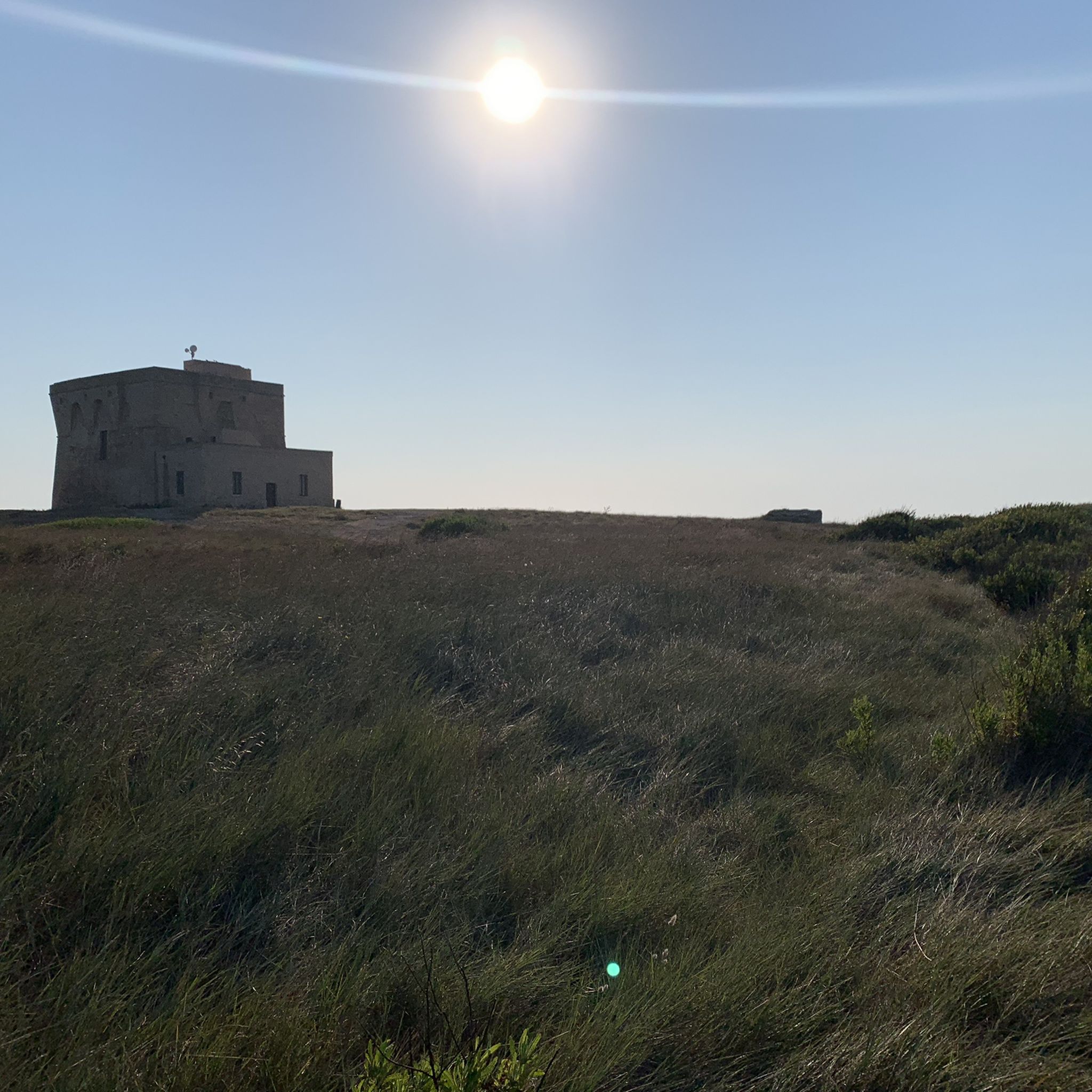
The natural oasis Torre Guaceto stands for beautiful sea and lots of nature. The landmark is this Aragonese tower Torre Guaceto
0
0
Frequently Asked Questions
What is the general difficulty level of gravel bike trails in Area Marina Protetta di Torre Guaceto?
The gravel bike trails in Area Marina Protetta di Torre Guaceto are primarily considered moderate. The terrain is generally flat, characterized by white roads, olive groves, and Mediterranean scrubland, making them accessible for riders with some experience.
Are there any beginner-friendly gravel bike routes in the protected area?
While most routes are rated moderate, the generally flat terrain and well-maintained white roads make many trails suitable for beginners looking for a slightly longer ride. For instance, the Torre Guaceto Tower – White Road to Torre Guaceto loop from San Vito dei Normanni offers a good introduction to the area's gravel biking, covering 38.9 km with minimal elevation gain.
What kind of scenery can I expect along the gravel bike routes?
You can expect diverse coastal and rural scenery. Routes often feature stunning views of the Adriatic Sea, pass through ancient olive groves, and wind through Mediterranean scrubland. You'll also encounter historical watchtowers, such as the iconic Torre Guaceto, which adds a cultural element to your ride.
Are there any circular gravel bike routes available?
Yes, many of the gravel bike routes in Area Marina Protetta di Torre Guaceto are designed as loops. For example, the White Road to Torre Guaceto – Torre Santa Sabina loop from Litoranea Santa Lucia is a popular circular option that allows you to start and end in the same location.
What is the best time of year to go gravel biking in Torre Guaceto?
The best time to go gravel biking in Torre Guaceto is typically during the spring (April-May) and autumn (September-October). During these seasons, the weather is pleasantly mild, and the natural landscape is at its most vibrant. Summers can be very hot, making early morning or late afternoon rides preferable if visiting then.
Are there any places to stop for refreshments or cafes near the trails?
While the protected area itself is largely natural, you'll find cafes and restaurants in the nearby coastal towns and villages such as Pantanagianni, Torre Santa Sabina, or San Vito dei Normanni, which often serve as starting points for the routes. It's advisable to carry sufficient water and snacks, especially when riding within the reserve.
What are the typical lengths and durations of gravel bike routes in this region?
The gravel bike routes in Area Marina Protetta di Torre Guaceto typically range from approximately 38 km to 47 km in length. Most rides can be completed within 2.5 to 3.5 hours, depending on your pace and stops. For instance, the Torre Guaceto Tower – White Road to Torre Guaceto loop from Pantanagianni is about 47 km and takes around 3 hours 24 minutes.
What do other gravel bikers enjoy most about riding in Area Marina Protetta di Torre Guaceto?
The area is highly rated by the komoot community, with an average score of 5.0 stars. Reviewers often praise the unique combination of coastal views, the tranquility of riding through olive groves, and the historical elements like the watchtowers. The well-maintained white roads and generally flat terrain also contribute to an enjoyable experience.
Are there any specific viewpoints or landmarks to look out for?
Absolutely. The most prominent landmark is the Torre Guaceto itself, an ancient coastal watchtower that offers historical context and often serves as a focal point for many routes. Additionally, the various stretches along the Adriatic coast provide numerous scenic viewpoints, especially where the trails run close to the sea.
Is it possible to find parking near the gravel bike trailheads?
Yes, parking is generally available in the small towns and coastal areas that serve as common starting points for the routes. For example, you can often find parking near Litoranea Santa Lucia, Pantanagianni, or San Vito dei Normanni, which are popular access points for the protected area's trails.
Can I combine gravel biking with wild swimming in the area?
Given the coastal location within a marine protected area, there are opportunities for wild swimming. Many routes offer glimpses of the Adriatic Sea, and you can find accessible spots along the coast, particularly outside the most strictly protected zones. Always be mindful of local regulations and environmental guidelines when swimming in a protected area.
Are there any advanced gravel bike routes for experienced riders?
The routes within Area Marina Protetta di Torre Guaceto are predominantly rated as moderate due to the flat terrain. While there aren't specific 'advanced' routes in terms of technical difficulty or steep climbs, experienced riders can challenge themselves by combining multiple loops or extending their rides to cover longer distances, such as the 46.4 km Torre Guaceto Tower – White Road to Torre Guaceto loop from San Vito dei Normanni.
Most popular routes around Area Marina Protetta di Torre Guaceto - Zona C (riserva parziale)

Get inspired with the komoot mobile app


Explore more
Browse the best Gravel rides in other regions.
