The best walks and hikes around Dun-Sur-Meuse
4.7
(35)
114
hikers
28
hikes
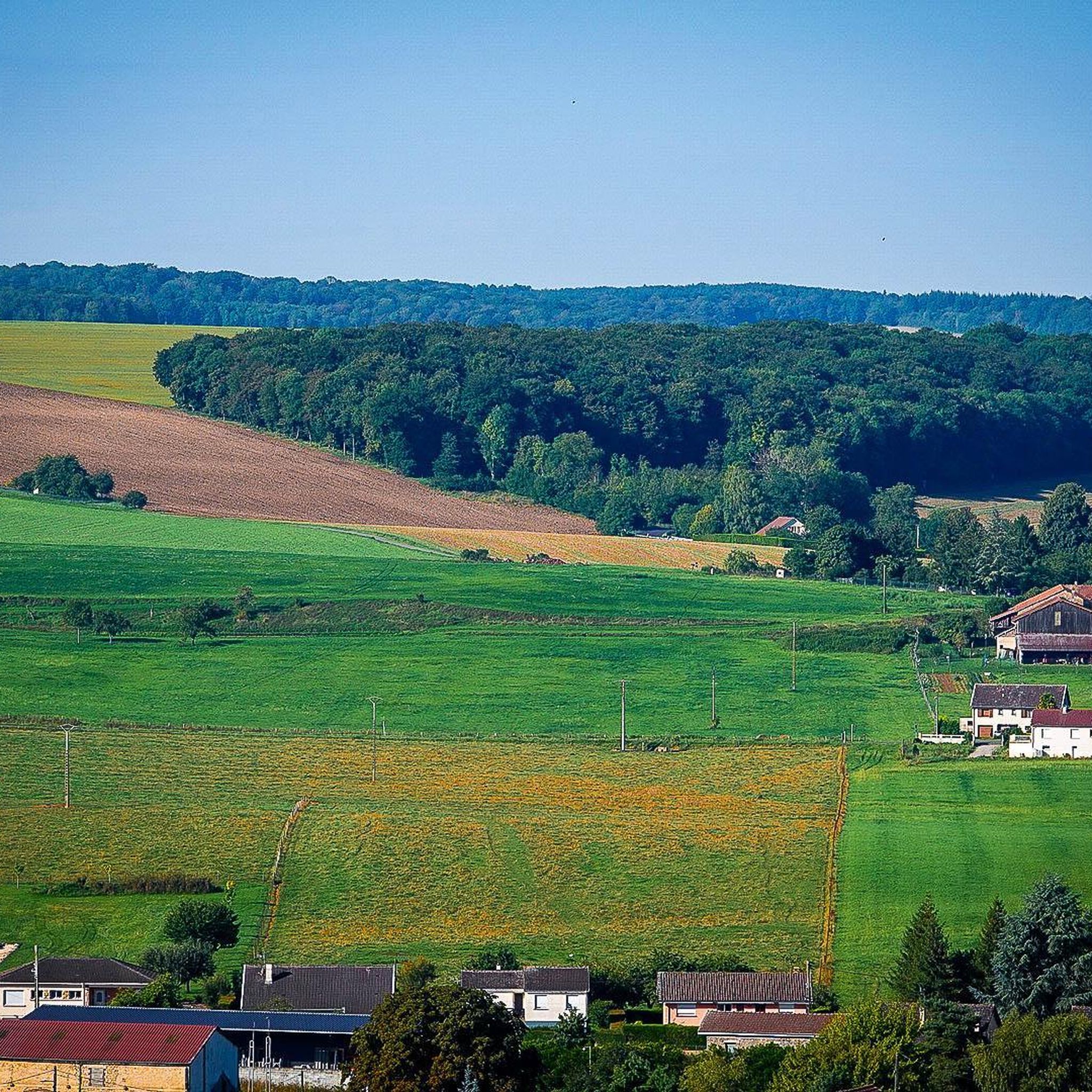
Hiking around Dun-Sur-Meuse offers a variety of trails through the Meuse river valley, characterized by rolling hills, dense woodlands, and open fields. The region provides opportunities to explore both natural landscapes and historical sites. Many routes follow the Meuse River, offering views of the water and surrounding countryside.
Best hiking trails around Dun-Sur-Meuse
- The most popular hiking route is Hiking loop from Dun-sur-Meuse, a 7.5 miles (12.1 km) moderate trail that takes 3 hours 20 minutes to complete. This…
Last updated: November 2, 2026
4.3
(8)
19
hikers
11.2km
03:00
130m
140m
Moderate hike. Good fitness required. Easily walkable paths.
4.5
(2)
11
hikers
4.28km
01:18
150m
150m
Easy hike. Easily walkable paths.

5.0
(1)
4
hikers
8.69km
02:25
150m
150m
Moderate hike. Good fitness required. Easily walkable paths.
5.0
(2)
5
hikers
3.97km
01:00
10m
10m
Easy hike. Easily walkable paths.
5.0
(2)
5
hikers
18.5km
05:23
470m
470m
Hard hike. Very good fitness required. Easily walkable paths.
Get access to more routes and recommendations from other explorers.
Already have an account?
Our route recommendations are based on thousands of hikes, rides, and runs completed by other people on komoot.
Start today with a free account
Your next adventure awaits.

Tips from the Community

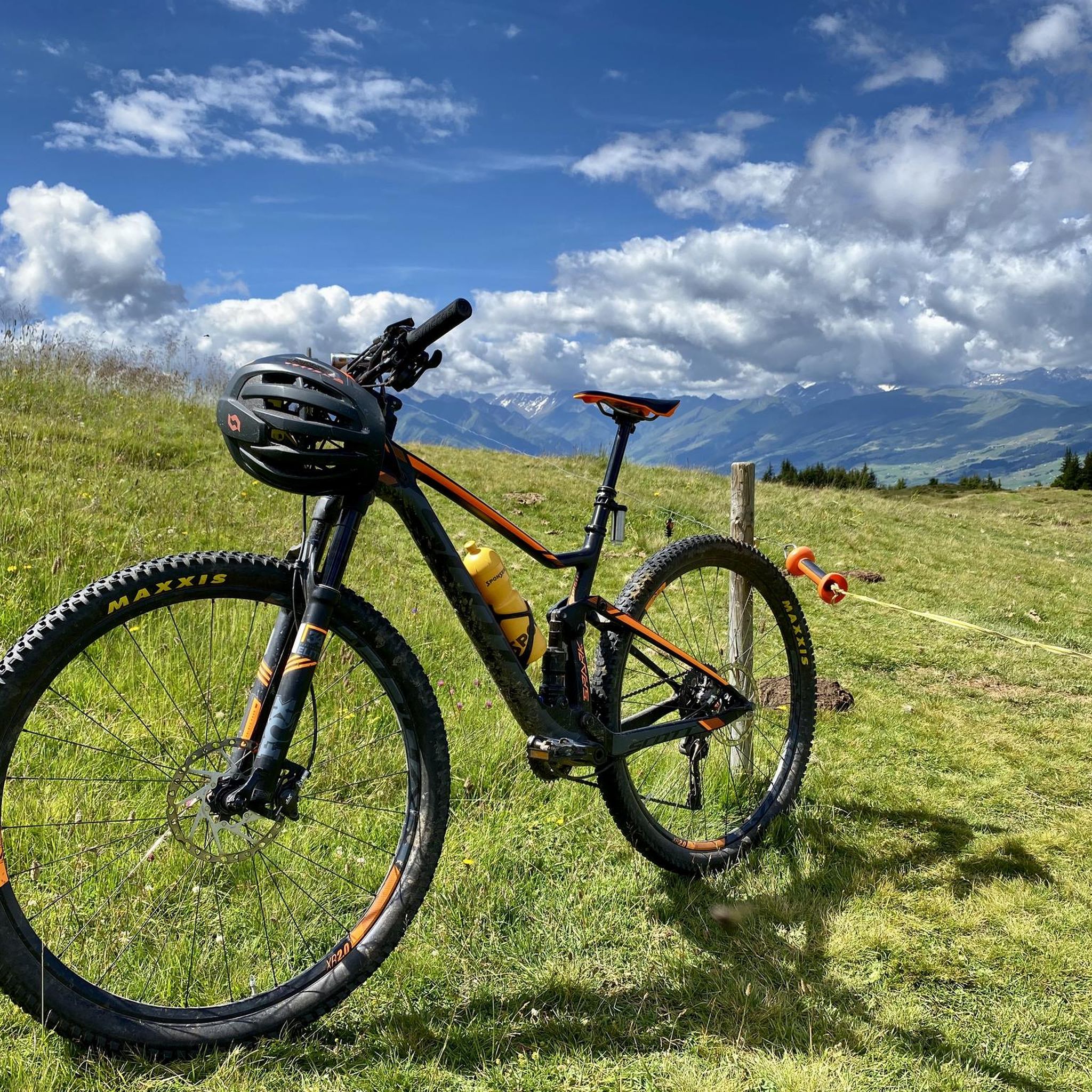
To get up here you have to master a very steep climb. With the bike, full saddlebags and at the end of the day not without. But the view of the city and the surrounding area is worth the effort.
0
0

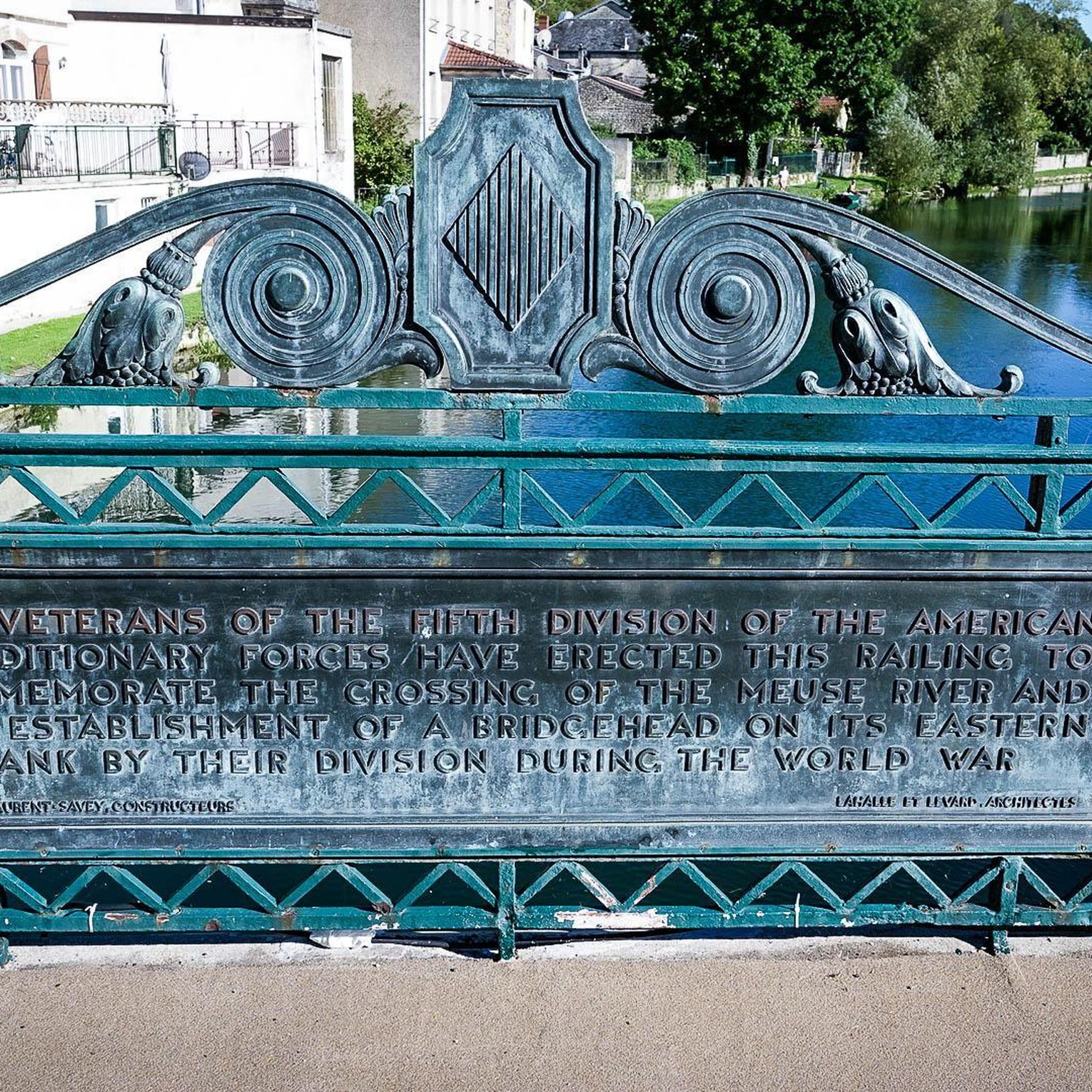
Dun-sur-Meuse is a French commune in the Meuse department, in the Lorraine region. During the First World War, the upper city was largely destroyed. This bridge over the Meuse is one of the most beautiful monuments of this type in France. There are bronze balustrades on both sides of the bridge, with designs in the center and engraved plaques. It reminds French citizens and others, who will cross the bridge for years to come, of the passage of the Meuse. The crossing of the Meuse by the 5th Division was commanded by General John Pershing.
6
0
Located within the fortification built from the 10th century overlooking the town, this massive church was built in 1346 by the Lords of Apremont. After centuries of conflict, it remains today the only surviving monument in the upper town. Classified as a historical monument, this jewel of ogival architecture has an organ case and rich 18th century furniture, as well as two masterful sculptures by the contemporary artist Ipoustéguy: the "Death of Bishop Neumann" and the "Christ" . This building is part of the European “Open Churches” network.
5
0
It was built in 1346 in the upper town and has been listed as a monument since 1920. It is in the radiant gothic style. The church contains furniture also classified as a historical monument: a tombstone on the north wall (classified MH in 1913), a wooden organ case from the 17th century, badly damaged during the First World War (classified as M.H. in 1913), an 18th-century wooden altarpiece, located in the Chapel of the Dead in the south wall; a Virgin and Child is set up in the central niche and we also see a pelican opening its belly to feed its young (listed as M.H. in 1913), an 18th century wooden pulpit (classified M.H. in 1936). a marble and bronze sculpture of Ipoustéguy Death of Bishop John Neumann, created in 1976 and installed in 2001.
6
0
It was built in 1346 in the upper town and has been listed as a historical monument since 1920. It is in the Gothic Rayonnant style. The church contains furnishings that are also listed as historical monuments: a tombstone on the north wall (listed as a historic monument in 1913), a wooden organ case from the 17th century, badly damaged during the First World War (listed as a historic monument in 1913), a wooden altarpiece from the 18th century, located in the Chapel of the Dead in the south wall; a Virgin and Child is installed in the central niche and we can also see a pelican opening its belly to feed its young (listed as a historic monument in 1913), a wooden pulpit from the 18th century (listed as a historic monument in 1936). a marble and bronze sculpture by Ipoustéguy Death of Bishop John Neumann, created in 1976 and installed in 2001.
2
0

Dun-sur-Meuse is a French commune located in the department of Meuse, in the Lorraine region. The upper town was largely destroyed during the First World War. This bridge over the Meuse is one of the most beautiful monuments of this type in France. There are bronze balustrades on both sides of the bridge, with designs in the center and inscribed plaques. It reminds French citizens and others, who will cross the bridge for years to come, of the passage of the Meuse. The crossing of the Meuse by the 5th Division was commanded by General John Pershing. It was one of the most brilliant military exploits of the American army on French territory.
2
0
Frequently Asked Questions
How many hiking trails are available around Dun-Sur-Meuse?
There are over 20 hiking trails in the Dun-Sur-Meuse region, offering a diverse range of experiences from easy strolls to more challenging routes through woodlands and along the Meuse River.
Are there easy hiking trails suitable for beginners in Dun-Sur-Meuse?
Yes, the region offers 8 easy hiking trails perfect for beginners or those looking for a relaxed walk. An excellent option is the Lac Vert loop from Dun-sur-Meuse, which is 3.3 miles (5.3 km) long and features minimal elevation gain.
What are the typical durations for hikes around Dun-Sur-Meuse?
Hikes around Dun-Sur-Meuse vary in length and duration. Many popular routes, like the Au bois de Halles loop from Saulmory-Villefranche, take around 2 hours 15 minutes to complete. Longer trails can extend to over 3 hours, while shorter, easy walks might be an hour or less.
Are there any circular walks in the Dun-Sur-Meuse area?
Yes, many of the trails around Dun-Sur-Meuse are circular, allowing you to start and end at the same point. For example, the Au bois de Halles loop from Halles-sous-les-Côtes is a moderate 5.5 miles (8.9 km) circular route through varied terrain.
What kind of natural landscapes can I expect to see on hikes in Dun-Sur-Meuse?
The hiking trails in Dun-Sur-Meuse are characterized by the picturesque Meuse river valley, featuring rolling hills, dense woodlands, and open fields. Many routes follow the river, providing scenic views of the water and surrounding countryside.
What do other hikers enjoy most about the trails in Dun-Sur-Meuse?
The trails in Dun-Sur-Meuse are highly rated by the komoot community, with an average score of 4.6 stars. Hikers often praise the quiet woodlands, the peaceful river views, and the well-maintained paths that make for an enjoyable outdoor experience.
Are there any interesting landmarks or places to explore near the hiking trails?
Yes, the region offers several points of interest. You can explore historical sites like the Pershing Bridge of Dun-sur-Meuse or the Meuse-Argonne American Cemetery. The Church of Our Lady of Good Guard is also a notable local landmark.
What is the best time of year to go hiking in Dun-Sur-Meuse?
Spring and autumn are generally considered the best times for hiking in Dun-Sur-Meuse. The weather is typically mild, and the natural scenery is vibrant with spring blossoms or rich autumn colors. Summer also offers pleasant conditions, especially for shaded forest trails.
Are there any trails that offer good viewpoints in the Dun-Sur-Meuse area?
Many routes in the region traverse gentle hills and open areas, providing pleasant views of the Meuse river valley and the surrounding countryside. While specific named viewpoints are less common, the varied terrain ensures numerous scenic vistas along the way.
Are there any hidden gem walks or less-known trails in Dun-Sur-Meuse?
Beyond the more popular routes, the region has many smaller paths that wind through local villages and lesser-trafficked woodlands. Exploring trails around smaller settlements like Mouzay can reveal charming, quieter sections of the Meuse countryside.
Is parking available near the hiking trailheads in Dun-Sur-Meuse?
Yes, parking is generally available in or near the towns and villages that serve as starting points for the hiking trails. For routes beginning directly from Dun-sur-Meuse, you'll find parking options within the town.
Are the hiking trails in Dun-Sur-Meuse suitable for families with children?
Yes, many of the easier and moderate trails are suitable for families. The gentle terrain and well-marked paths make for an enjoyable experience for all ages. Consider shorter, less strenuous loops for younger children.
Most popular attractions around Dun-Sur-Meuse

Get inspired with the komoot mobile app


Explore more
Browse the best Hikes in other regions.
