The best cycling routes in Justin P. Wilson Cumberland Trail State Park
25
riders
5
rides
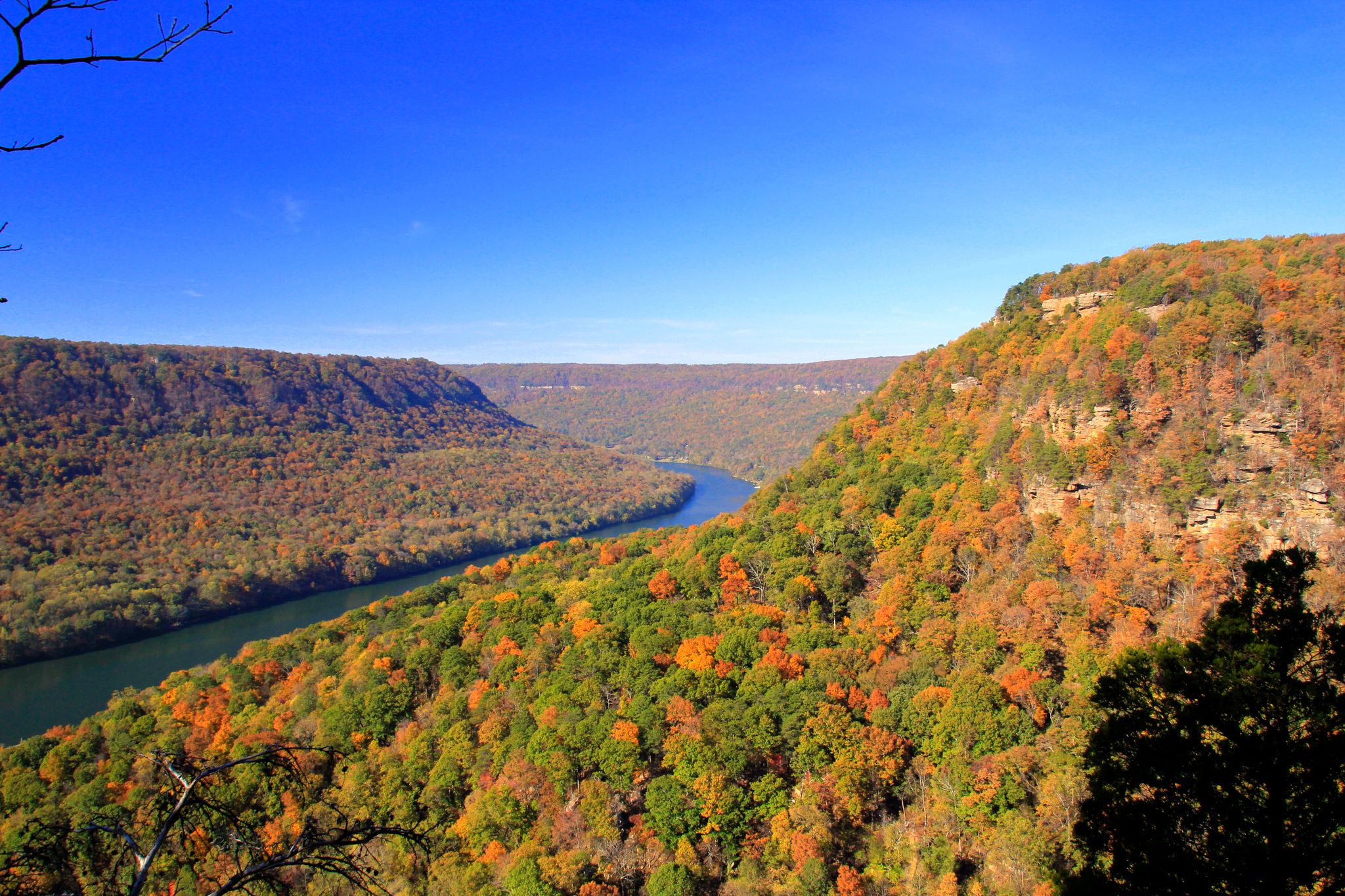
Touring cycling routes in Justin P. Wilson Cumberland Trail State Park navigate a landscape characterized by the eastern escarpment of the Cumberland Plateau. The region features rugged terrain with ridge lines, deep gorges, and dense forests. Cyclists can expect varied ecosystems and geological formations, including karst topography. The area offers a mix of elevation changes suitable for different touring cycling experiences.
Best touring cycling routes in Justin P. Wilson Cumberland Trail State Park
- The most popular touring cycling route is Bike loop from Falling Water Falls 110, a 17.3 miles (27.8 km) trail that takes 1 hour 53 minutes to complete. This moderate route features a total elevation gain of 1,335 feet (407 meters).
- Another top favourite among local touring cyclists is Bakewell Mountain loop from Northend Ball Park, a difficult 35.6 miles (57.3 km) path. This route offers significant climbs through the region's varied terrain.
- Local touring cyclists also love the Connor Toll House loop from Mountain Friendship Church, a 23.5 miles (37.8 km) trail leading through forested areas and featuring notable elevation changes, often completed in about 2 hours 29 minutes.
- Touring cycling in Justin P. Wilson Cumberland Trail State Park is defined by forested hills, river valleys, and the escarpment of the Cumberland Plateau. The network offers options for different ability levels, from moderate to difficult.
- The guide includes highly-rated routes that showcase the best of the region's landscape. More than 15 touring cyclists have used komoot to explore Justin P. Wilson Cumberland Trail State Park's varied terrain.
Last updated: August 22, 2026
2
riders
57.4km
03:45
730m
730m
Hard bike ride. Very good fitness required. Mostly paved surfaces. Suitable for all skill levels.
2
riders
35.6km
02:21
480m
480m
Hard bike ride. Very good fitness required. Mostly paved surfaces. Suitable for all skill levels.

Sign up for free
36.6km
02:27
510m
520m
Hard bike ride. Very good fitness required. Mostly paved surfaces. Suitable for all skill levels.
20
riders
56.5km
04:03
750m
750m
Hard bike ride. Very good fitness required. Mostly paved surfaces. Suitable for all skill levels.
1
riders
17.4km
01:05
150m
150m
Moderate bike ride. Good fitness required. Mostly paved surfaces. Suitable for all skill levels.
Our route recommendations are based on thousands of hikes, rides, and runs completed by other people on komoot.
Start today with a free account
Your next adventure awaits.
Login or Signup
Popular around Justin P. Wilson Cumberland Trail State Park

Other adventures in Justin P. Wilson Cumberland Trail State Park

Tips from the Community

Connor Toll House is a small but meaningful historical stop tucked along Anderson Pike. Built in the early 1900s, the house played a role as a strategic point for the Union Army and was later used as part of the development of a transportation network across Walden’s Ridge. It also served as a toll gate for travelers making their way up the mountain. Today, the house is not open to visitors, but you can still see the old wooden building contrasting with the modern homes in the neighborhood. It’s worth passing by for a closer look from the outside.
0
0

Ruby Falls is a mesmerizing waterfall in Lewis County, Washington, where the water plunges 21 feet over a bridge and then plunges another 31 feet into a deeper pool. This layered structure gives the waterfall an impressive sense of depth and power. What makes Ruby Falls truly special is the visual spectacle it creates when sunlight or artificial spotlights strike the falls. The spray catches the light and creates a dazzling play of reddish hues and pearlescent sheens—an effect that truly lives up to the name "Ruby."
2
0

The Bluff View Sculpture Garden in Chattanooga, Tennessee, is a small but striking outdoor gallery perched above the Tennessee River. Tucked into the Bluff View Art District, the garden features a rotating collection of contemporary sculptures set among landscaped paths, flowering trees, and dramatic cliffside views. It’s free to wander and makes a great add-on to a visit to the nearby Hunter Museum of American Art, which shares the bluff. Whether you're into art or just looking for a quiet place to sit and look out over the river, the garden offers a peaceful, visually rich spot to pause.
0
0


Chattanooga is a historic city along the Tennessee River. It played a crucial part in the Civil War and the city is still full of historical artifacts from this time. The city is also a popular place for cycling, both on the cycle paths that criss-cross the city and in the surrounding areas.
0
0
Ross's Landing is a beautiful, riverside park. It has a natural amphitheater, a river pier, and a large green space. A section of the Tennessee Riverwalk that is cyclable passes by Ross's Landing.
0
0

Pedestrian and cycle bridge connecting the city to the Northshore in Coolidge Park
0
0

Clear Creek is a main tributary to the Obed River, both designated as a National Wild and Scenic River and maintained by the National Park Service. The area offers plenty of recreational opportunities, such as whitewater paddling, fishing, and rock climbing on the park's sandstone bluffs.
0
0
Frequently Asked Questions
Are touring bikes allowed on the main trails within Justin P. Wilson Cumberland Trail State Park?
No, the Justin P. Wilson Cumberland Trail State Park's primary feature, the Cumberland Trail, is specifically designed and managed for foot-traffic-only hiking. Bicycles, including touring bikes, are not permitted on these main trails. The touring cycling routes mentioned in this guide are located in the broader Cumberland region, near the park, but not directly on the Cumberland Trail itself.
What kind of terrain can I expect on touring cycling routes in the Cumberland region near the park?
The touring cycling routes in the broader Cumberland region feature a landscape characterized by the eastern escarpment of the Cumberland Plateau. You can expect rugged terrain with ridge lines, deep gorges, and dense forests. The area offers a mix of elevation changes, from moderate climbs to more significant ascents, suitable for various touring cycling experiences.
How many touring cycling routes are available in this guide for the Cumberland region?
This guide features 6 touring cycling routes in the Cumberland region. These routes offer a variety of experiences, with 3 classified as moderate and 3 as difficult, catering to different skill levels.
What are some of the more challenging touring cycling routes in the area?
For experienced touring cyclists seeking a challenge, routes like Bakewell Mountain loop from Northend Ball Park offer significant climbs over its 35.6 miles (57.3 km). Another difficult option is the Connor Toll House loop from Mountain Friendship Church, which covers 23.5 miles (37.8 km) through forested areas with notable elevation changes.
Are there any moderate touring cycling routes suitable for a less strenuous ride?
Yes, for a moderate touring cycling experience, you could consider the Bike loop from Falling Water Falls 110. This route is 17.3 miles (27.8 km) long with a total elevation gain of 1,335 feet (407 meters), making it a popular choice for those looking for a balanced ride.
What natural features or landmarks can I explore near the touring cycling routes?
While the main Cumberland Trail is for hikers, the broader region offers access to stunning natural features. You can find spectacular overlooks and panoramic vistas, dramatic waterfalls, and dense forests. Notable natural areas include Laurel-Snow State Natural Area and North Chickamauga Creek Gorge State Natural Area. Some attractions accessible for hikers near the cycling routes include Hogskin Branch Waterfall and Laurel Falls.
Are there any viewpoints along or near the touring cycling routes?
The rugged terrain of the Cumberland region features numerous ridge lines with strategic routes to breathtaking views. While specific viewpoints might require a short walk off the cycling path, nearby highlights include Dunn Overlook and Leggett Point Overlook, offering panoramic vistas of the landscape.
What is the best time of year for touring cycling in the Cumberland region?
The Cumberland region offers pleasant cycling conditions during spring and fall when temperatures are mild and the foliage is vibrant. Summer can be warm and humid, while winter can bring colder temperatures. Always check local weather forecasts before planning your ride.
Are there any loop touring cycling trails in the area?
Yes, several routes in this guide are designed as loops, allowing you to start and end at the same point. Examples include the popular Bike loop from Falling Water Falls 110 and the more challenging Clear Creek loop.
What other state parks in the broader Cumberland region offer cycling opportunities?
While the Justin P. Wilson Cumberland Trail State Park is for hiking, other state parks in the vicinity do offer cycling. For instance, Cumberland Mountain State Park in Crossville has dedicated mountain biking trails. Cove Lake State Park offers a 3.5-mile paved trail suitable for biking, and Fall Creek Falls State Park provides both paved and mountain bike trails.
What should I know about parking for touring cycling routes in the Cumberland region?
Parking availability varies by route starting point. Many routes begin near local parks or community areas, such as Northend Ball Park for the Bakewell Mountain loop, where parking facilities are typically available. It's advisable to check the specific route details on Komoot for information regarding parking at your chosen starting point.
Are there any family-friendly touring cycling options in the area?
While the routes in this guide are rated moderate to difficult, the broader Cumberland region offers some paved or multi-use trails in other state parks that might be more suitable for families. For example, Cove Lake State Park has a 3.5-mile paved trail, and Fall Creek Falls State Park offers 3 miles of paved bike trails, which are generally more family-friendly.
Most popular routes in Justin P. Wilson Cumberland Trail State Park
Most popular attractions in Justin P. Wilson Cumberland Trail State Park

Get inspired with the komoot mobile app


