Attractions and Places To See in Vorderland - Top 20
Best attractions and places to see in Vorderland encompass a diverse range of historical landmarks, natural features, and cultural sites, spanning parts of Appenzellerland and towards Vorarlberg. The region offers varied landscapes, from scenic summits providing views of Lake Constance and the Alpstein to historical town centers. Visitors can explore a mix of preserved buildings, unique natural monuments, and well-maintained trails suitable for various outdoor activities. This area provides opportunities to engage with local history and enjoy natural surroundings.
Best…
Last updated: July 6, 2026
Grub Suspension Bridge
Highlight (Segment) • Bridge
The Grub-Grub pedestrian suspension bridge between Grub Appenzell and Grub St. Gallen is one of the solid, down-to-earth suspension bridges. Without frills …
Showing Translation
Tip by

Kaienspitz Summit Grill and Picnic Area
Highlight • Summit
Translated by Google •
Tip by

Sign up now to discover places like this
Get recommendations on the best single tracks, peaks, & plenty of other exciting outdoor places.
Sign up for free
Trail Along the Stream
Highlight • Trail
unique for Appenzell, I also like to remember other things ...
Translated by Google •
Tip by

Heiden Town Centre
Highlight • Settlement
The area of the later communities Heiden, Wolfhalden and Lutzenberg originally belonged to Hof Thal SG, which was a fiefdom of the …
Translated by Google •
Tip by
Mysterious Chindlistei
Highlight • Natural Monument
Translated by Google •
Tip by

Rorschach–Heiden Mountain Railway
Highlight • Structure
Translated by Google •
Tip by

Chastenloch Restaurant
Highlight • Restaurant
rest-chastenloch.ch
Translated by Google •
Tip by

Albrecht von Graefe Memorial
Highlight • Monument
Medically, von Graefe is considered the true founder of the field of ophthalmology. In 1866, himself the son of an ophthalmologist, he became director of …
Showing Translation
Tip by
Wolfhalden Local Museum
Highlight • Historical Site
Translated by Google •
Tip by

Abendroth House
Highlight • Historical Site
In 1891, a composer chose the Appenzell spa town of Heiden as his second home. With the mysterious house «Abendroth», he built his summer residence and …
Showing Translation
Tip by
Sign up for free to discover even more attractions in Vorderland.
Sign up for free
Already have an account?
Start today with a free account
Your next adventure awaits.
Login or Signup
Popular around Vorderland
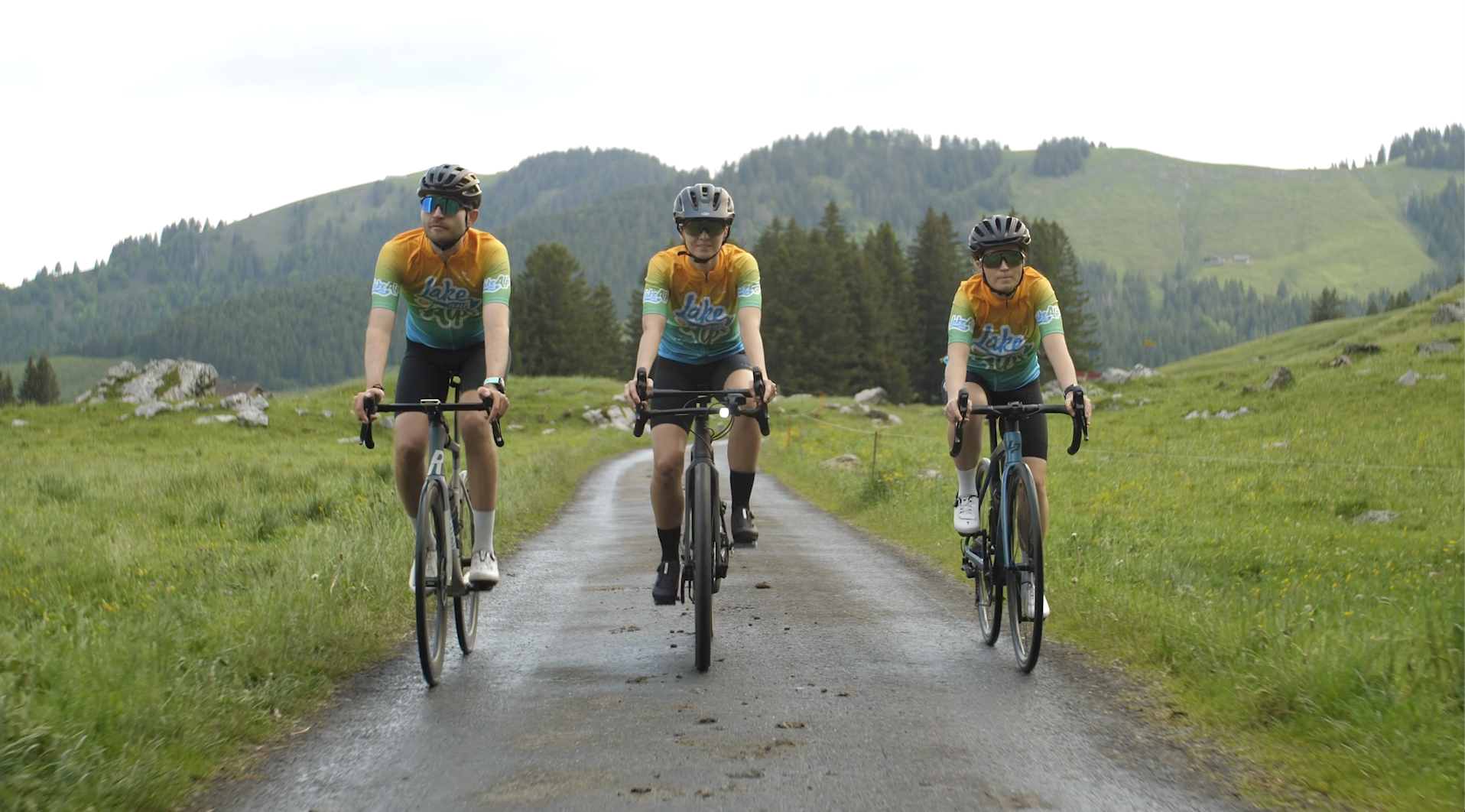
Lake and Alps Adventure – explore 100 dreamy places in our cycling region!
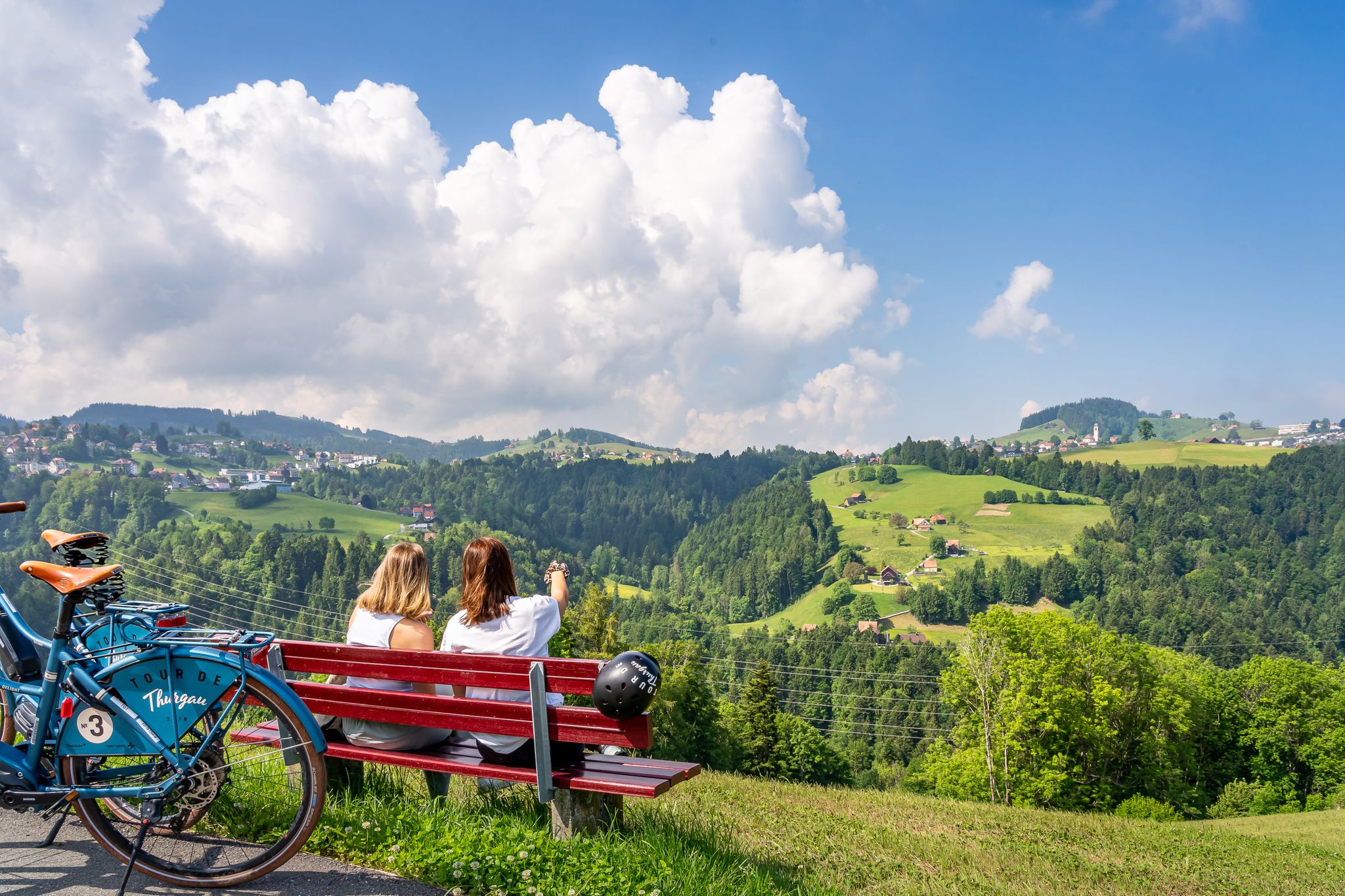
Lake Constance Velo-Rallye
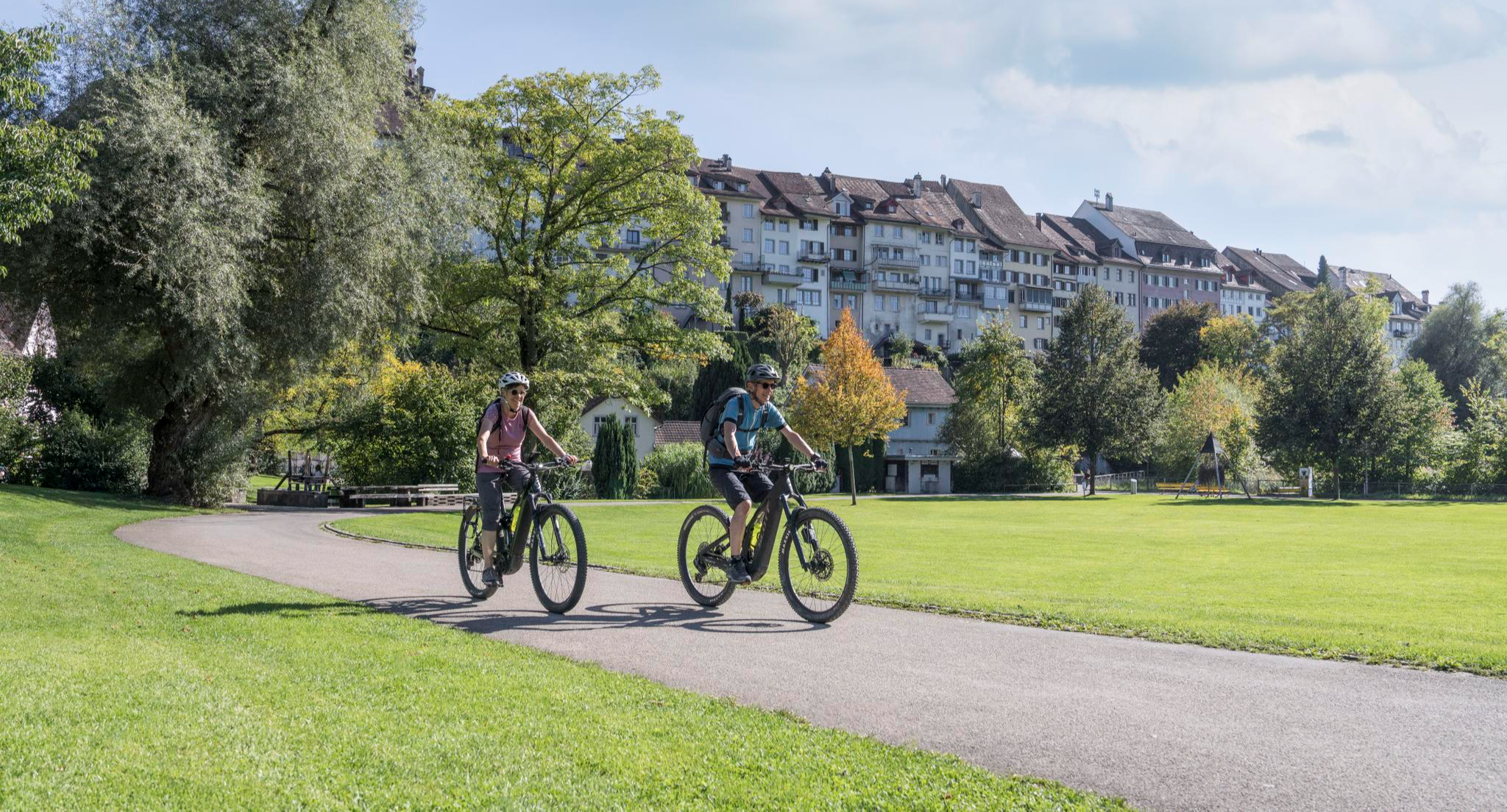
E-Bike-Touren für jedes Niveau in der Region St.Gallen-Bodensee
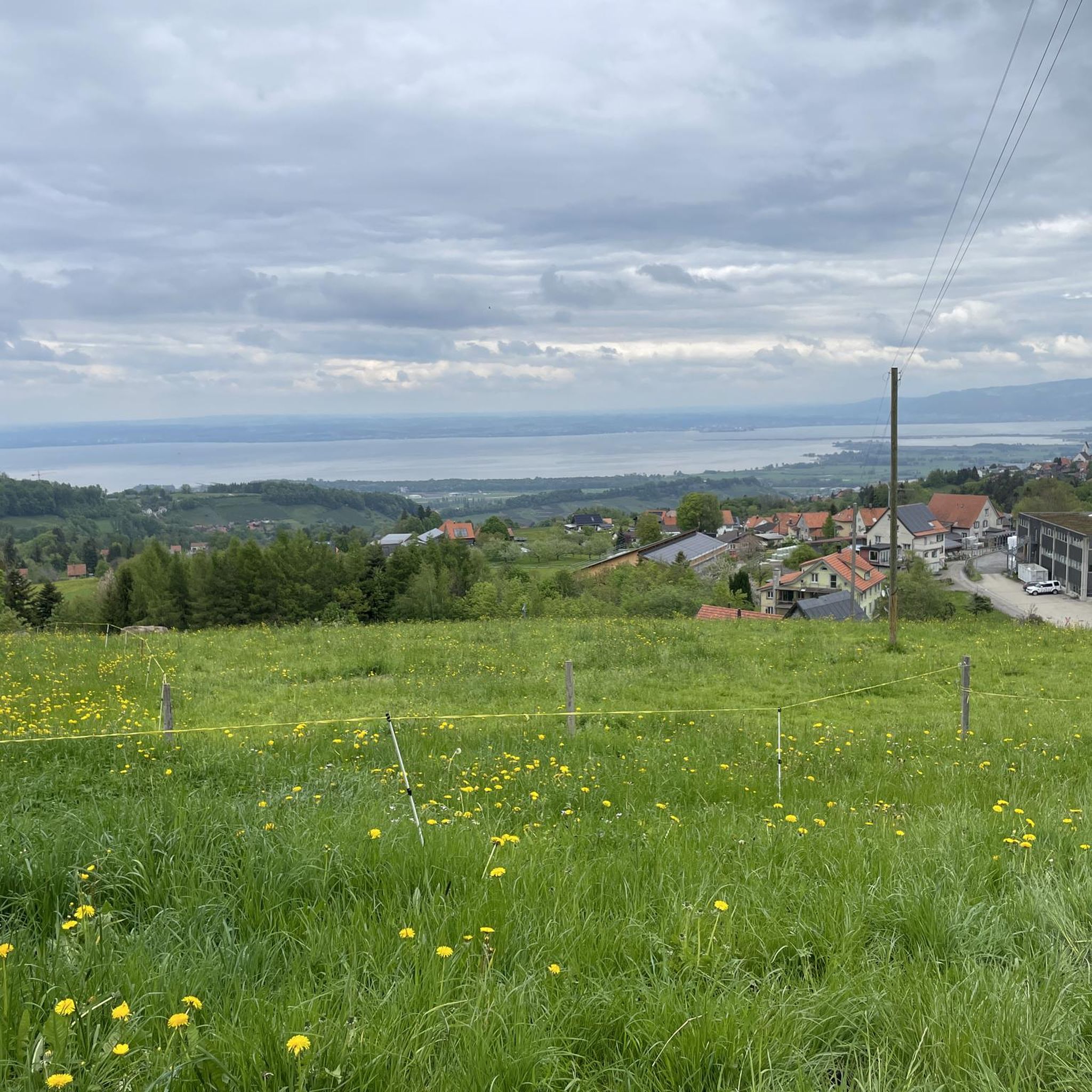
Hiking in Vorderland
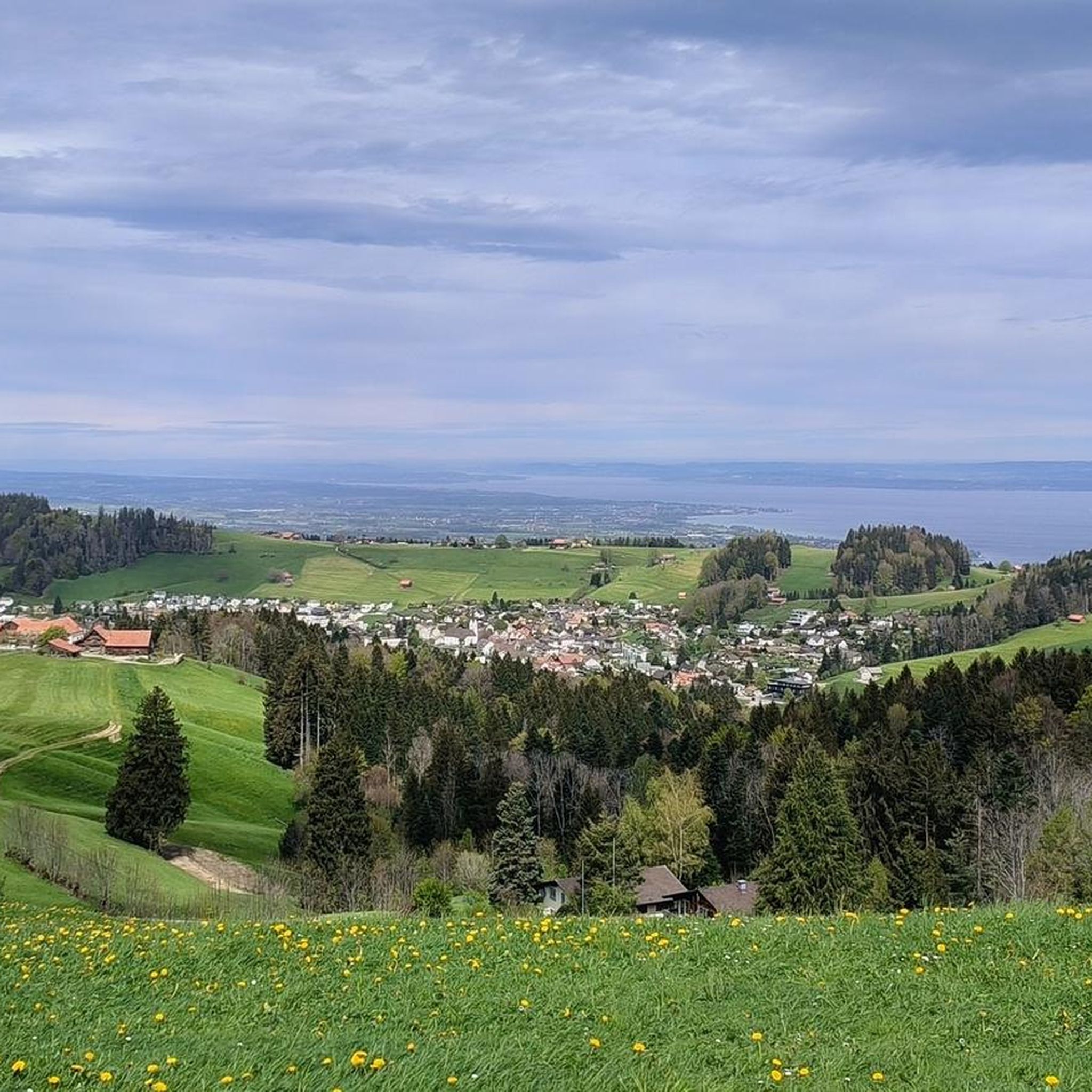
Cycling in Vorderland
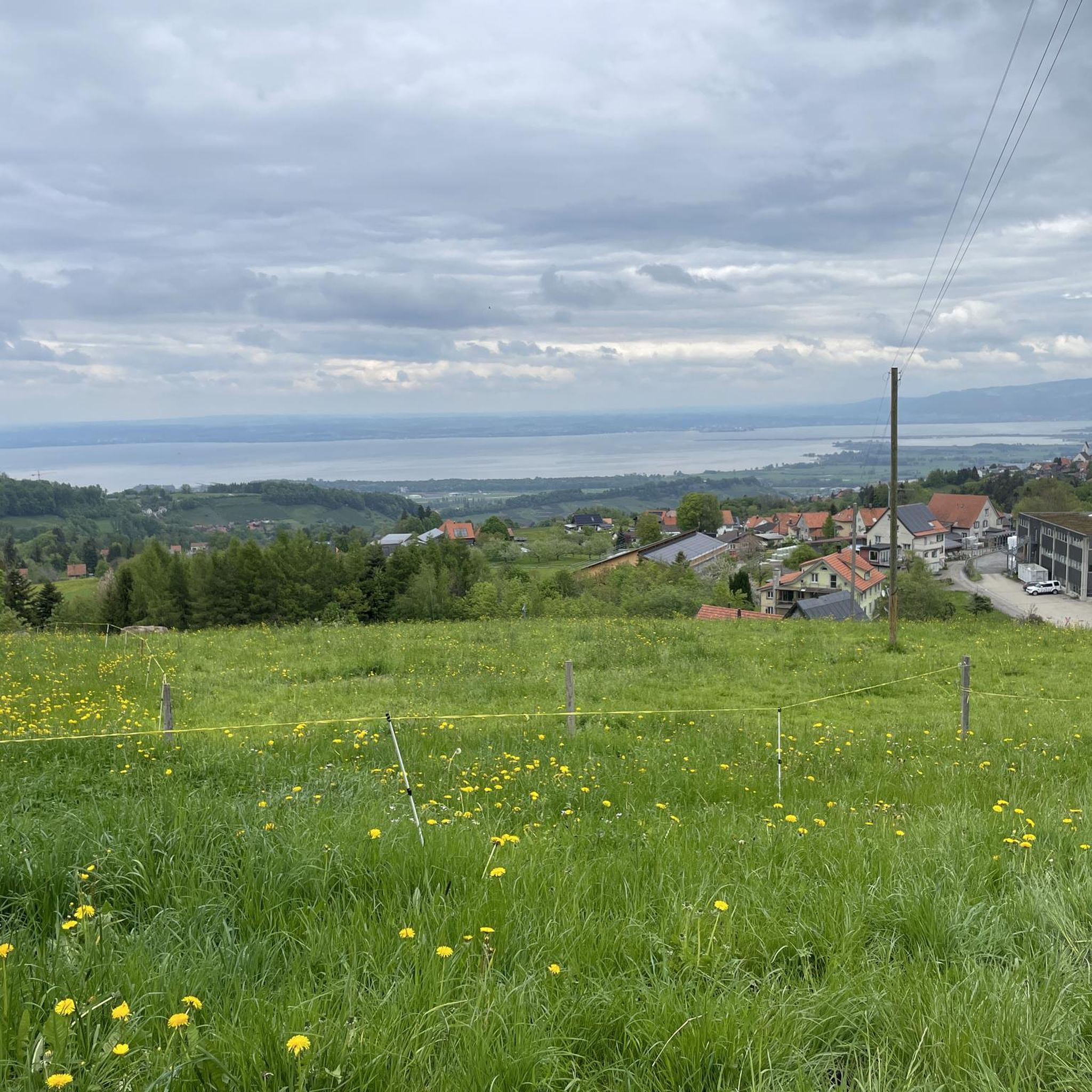
Road Cycling Routes in Vorderland
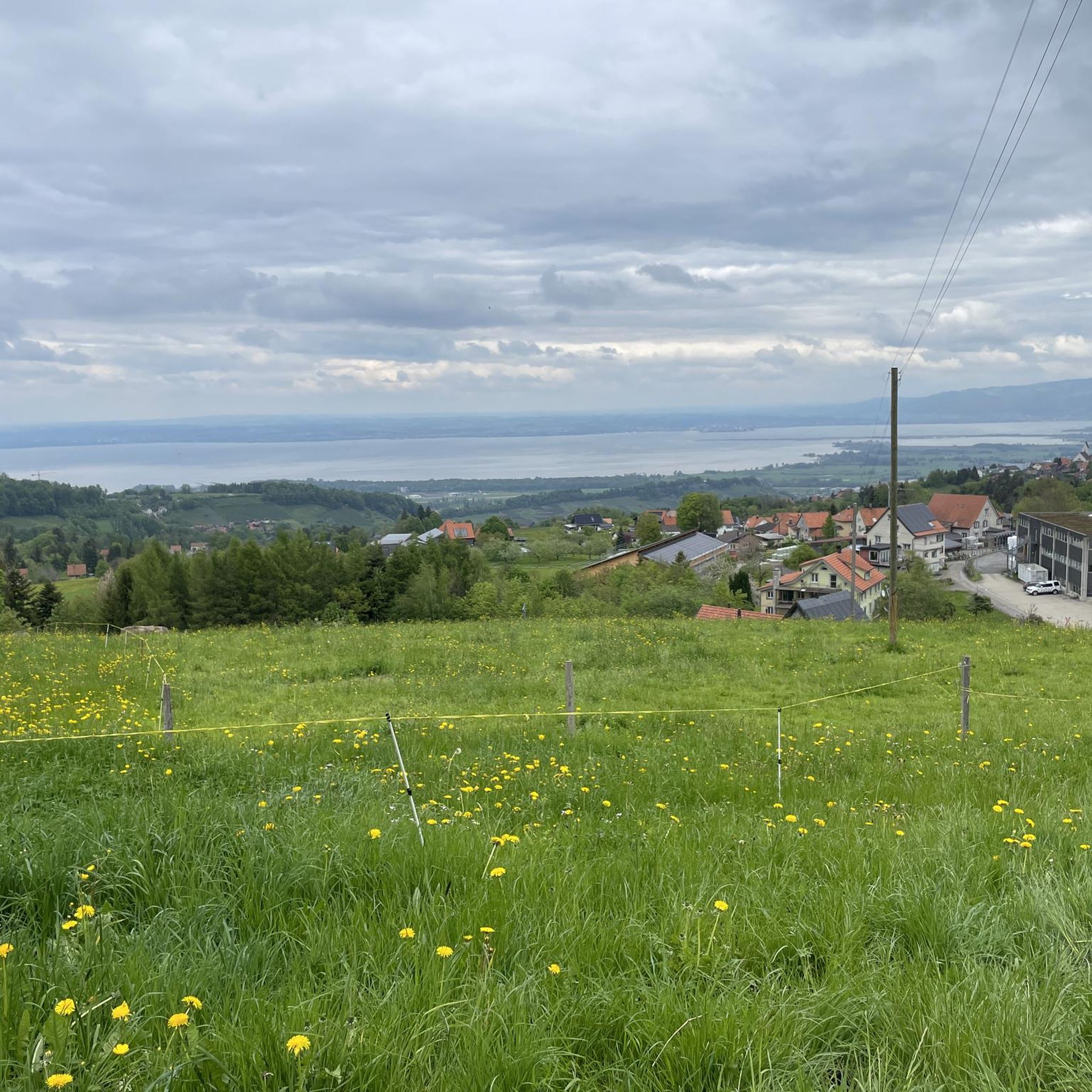
MTB Trails in Vorderland
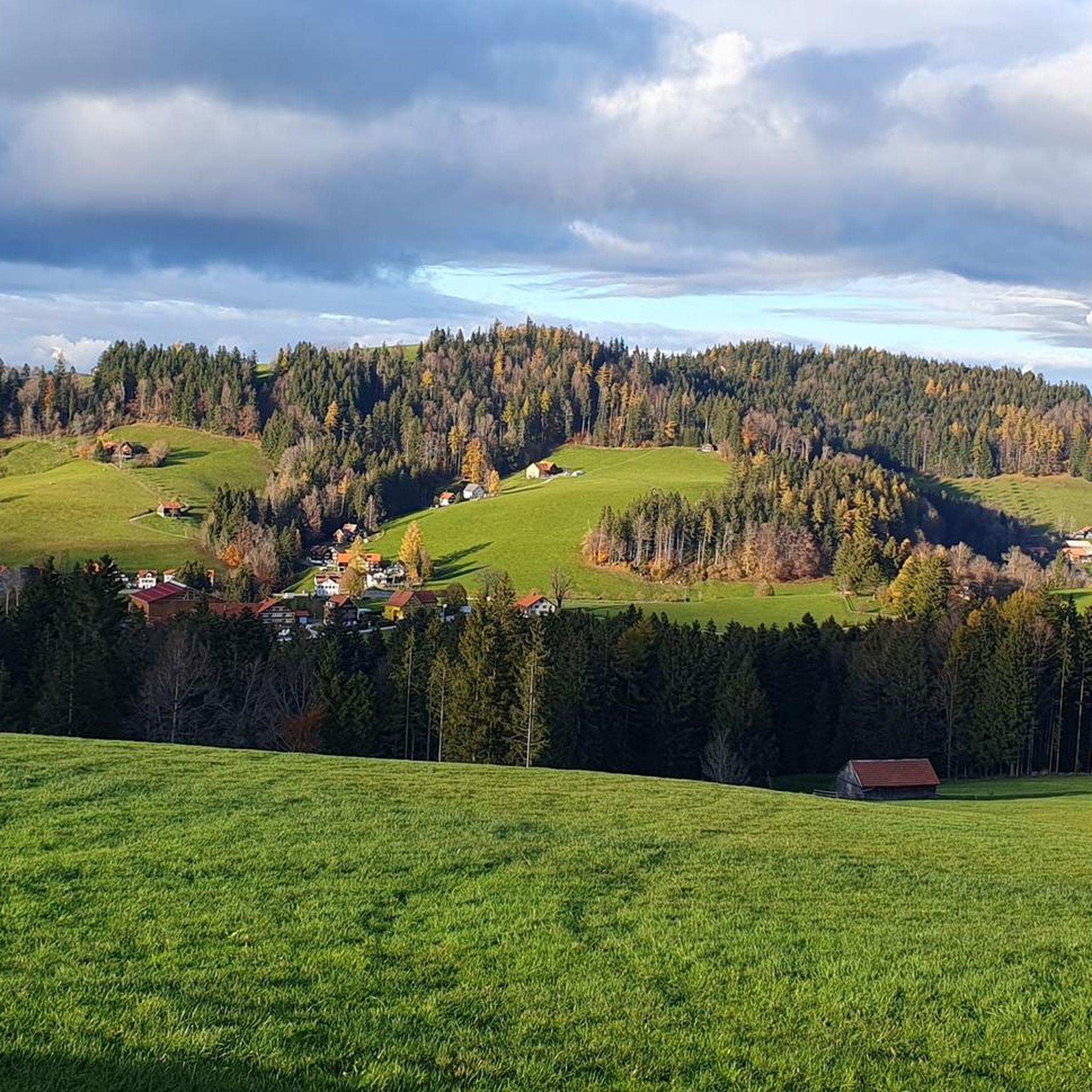
Running Trails in Vorderland
Gravel biking in Vorderland

Mountain Hikes in Vorderland
Other adventures in Vorderland


Tips from the Community

Mattenbach Suspension Bridge, Grub AR to Grub SG The Grub-Grub pedestrian suspension bridge between Grub Appenzell and Grub St. Gallen is one of the solid, down-to-earth suspension bridges. Without frills and with two anchorages on each side, the bridge still swings enough to feel the real suspension bridge experience. With a walkway width of just 65cm, it is one of the narrowest suspension bridges in Switzerland. Because the side cladding was attached conically, the width at "backpack height" is still sufficient for careful crossing. The bridge is a welcome shortcut for locals between the two villages. Since the bridge, opened in April 2019, was also mentioned in the Swiss press and on television, it is also known regionally. On beautiful weekend days, there can be quite a few people at the bridge. It is 180 meters long, the new attraction in the Appenzeller Vorderland. Since April 2019, the two villages Grub AR and Grub SG have been connected again by an attractive, 180-meter-long suspension bridge over the Mattenbach. A very popular hiking trail across the cantonal border from Frauenrüti Grub AR to the Grünau area Grub SG is thus continuously accessible again. The bridge is only for the sure-footed. The highest point of the bridge is around 40 meters above the gorge. Text / Source: haengebruecken.com/grub-grub https://www.haengebruecken.com/grub-grub-kantonsverbindend-haengebruecke/
14
0
Albrecht von Graefe (1828–1870), Heiden Medically, von Graefe is considered the true founder of the field of ophthalmology. In 1866, himself the son of an ophthalmologist, he became director of the ophthalmology department at the Charité in Berlin. He invented iridectomy for the treatment of glaucoma, and various other technical terms bear his name, such as Graefe's syndrome, Graefe's spot, or Graefe's reflex. His surgical skill was legendary, his creativity immense. Graefe studied medicine, mathematics, physics, and chemistry in Berlin. He wrote his dissertation in Latin in 1847. Afterwards, he was an assistant physician in Prague, where he began to dedicate himself entirely to ophthalmology. He continued his studies in Paris, Vienna, and London and returned to Berlin in 1852, where he completed his habilitation and opened a private eye clinic with 120 beds, which soon enjoyed worldwide fame in both practice and research. Graefe was exceptionally socially minded in his treatment, making no distinction based on social class – not least for this reason, his student Julius Hirschberg called him an "apostle of suffering humanity" in an obituary. Two years later, in 1854, he founded the first ophthalmological journal, the "Archiv für Ophthalmologie." In 1866, Graefe became director of the ophthalmology department at the Charité and was particularly successful in treating glaucoma and strabismus. He is said to have performed more than 10,000 eye operations. Various technical terms bear the name of the physician, such as "Graefe's syndrome," "Graefe's spot," or "Graefe's reflex." The consistent use of the ophthalmoscope developed by Helmholtz also goes back to Graefe. In 1851, Albrecht von Graefe came to Heiden for the first time; the young Berlin doctor had tuberculosis and wanted to benefit from the high-altitude climate. From 1860 onwards, he settled in Heiden every summer, operated at the «Freihof», and initiated the construction of a new spa hotel because his skill attracted so many patients that the hotel capacities were quickly insufficient. Whey cures and eye medicine helped the town to flourish, a prosperity that is still visible in the village today. von Graefe died in 1870 at the young age of 42 from pulmonary tuberculosis. Text / Source: Heiden Municipal Administration, Kirchplatz 6 / Postfach 64, 9410 Heiden https://www.heiden.ch/geschichte/13103
14
0
The house "Abendroth", Heiden In 1891, a composer chose the Appenzell spa town of Heiden as his second home. With the mysterious house «Abendroth», he built his summer residence and composed his most important late works in a magnificent location. After his death, the veil of oblivion descended upon Heinrich von Herzogenberg (1843-1900). Herzogenberg discovered Heiden, then a famous spa town and meeting place for world celebrities, in 1891. As the climate seemed to benefit his heart condition, he began building the house «Abendroth» in the autumn as a summer residence and retirement home for himself and Elisabeth. The unexpected death of his wife – she died shortly before moving in in 1892 at the age of 44 from heart failure – thwarted these plans. For the first anniversary of her death, he wrote the moving German Requiem "Todtenfeier" for soloists, choir, and orchestra op. 80. The loss of his wife Elisabeth, who was also admired by Johannes Brahms, shaped his creative work in the 1890s, and there was an increased focus on church music works. During the summer months of 1892 to 1899, the composer regularly stayed in the villa "Abendroth". Here, his major late works were created, including the two-hour oratorio "Die Erntefeier" op. 104, the cantata on the chorale "Gott ist gegenwärtig" op. 106, the Liturgical Songs op. 81, and the Christmas Oratorio "Die Geburt Christi" op. 90. Many prominent figures came and went, including the music researchers and theologians Philipp and Friedrich Spitta, the famous violinist Joseph Joachim, the musician and song researcher Dr. h.c. Alfred Tobler, and the playwright Ernst von Wildenbruch. A year after Herzogenberg's death, the poet Ernst von Wildenbruch (1845-1909), grandson of Prince Ferdinand of Prussia and a widely performed playwright of the Wilhelminian era, visited the abandoned "Abendroth". An excerpt from his travel novella "Das tote Haus am Bodensee" reflects the deep emotion he felt while walking through the closed-up house: Text / Source: Internationalen Herzogenberg-Gesellschaft IHG https://www.herzogenberg.ch/haus.htm
14
0

Added to the collection: https://www.komoot.com/de-de/collection/3600632/-naturdenkmaeler-besondere-baeume-und-weitere-schaetze-der-natur
0
0

Located in the heart of Appenzellerland, the Wolfhalden Museum invites you on a journey into the region's past. Housed in a 17th-century farmhouse, it vividly depicts life in earlier times, influential figures, and the tradition of home weaving. Visitors can expect exciting permanent and special exhibitions, as well as carefully selected artifacts. For opening hours, visit: https://museumwolfhalden.ch/.
2
0


The suspension bridge built between Grub AR and Grub SG is already five years old. During this time, thousands have ventured across the narrow, 180-meter-long footbridge that runs 46 meters above the Mattenbach. Despite having the same place name, the two communities on the Vorderland border waters of Mattenbach were once mortal enemies due to their different religious beliefs.
4
1
Thousands have ventured across the narrow footbridge: Five years of the suspension bridge between the two Grub In 2019, the 180-meter-long footbridge over the Mattenbach was inaugurated. It led to a revival of tourism in the Vorderland communities.
4
1
Frequently Asked Questions
What are some notable historical landmarks to visit in Vorderland?
Vorderland boasts several significant historical sites. You can explore the Heiden Town Centre, which was rebuilt in a classical-Biedermeier style after a devastating fire in 1838. The Heiden Reformed Church, originally built in the 19th century, is another key landmark. Further historical interest can be found at the Wald Church (Appenzell Ausserrhoden), dating back to 1686/1687, and the Wolfhalden Local Museum, housed in a 17th-century farmhouse.
Where can I find the best panoramic views in Vorderland?
For breathtaking vistas, head to the Kaienspitz Summit Grill and Picnic Area. This spot offers extensive views of the Lake Constance area and the Alpstein mountains. The Grub Suspension Bridge also provides a unique perspective and is known for its solid construction and scenic surroundings.
Are there family-friendly attractions or activities in Vorderland?
Yes, Vorderland offers several family-friendly options. The Grub Suspension Bridge is an exciting experience for all ages. The Trail Along the Stream is officially signposted for both bikers and hikers, offering a varied and enjoyable route through a forest alongside a babbling brook. Additionally, the Wolfhalden Local Museum provides an engaging look into the region's past.
What kind of outdoor activities can I do in Vorderland?
Vorderland is ideal for various outdoor activities. You can find numerous trails for hiking, cycling, mountain biking, gravel biking, and running. Popular hiking routes include the 'Chindlistei Trail' and the 'Suspension bridge, Kaienspitz and lake view' route. For more detailed information and routes, explore the Hiking in Vorderland guide. Cyclists can check out the Cycling in Vorderland guide, and gravel biking enthusiasts can refer to the Gravel biking in Vorderland guide.
Are there any unique natural features or monuments in the region?
Absolutely. The Mysterious Chindlistei is a mystical natural monument and a popular spot to linger. The Kaienspitz Summit itself is a significant natural feature offering stunning views. The region also features the UNESCO Site Vorder Au, an archaeological site known for its Early Bronze Age pottery and pile footings.
What is the best time of year to visit Vorderland attractions?
The best time to visit Vorderland attractions largely depends on your preferred activities. Spring and autumn offer pleasant temperatures for hiking and cycling, with vibrant natural scenery. Summer is ideal for enjoying outdoor activities and the barbecue facilities at places like the Kaienspitz Summit Grill and Picnic Area. While some trails might be accessible in winter, many outdoor activities are best enjoyed during the warmer months.
Where can I experience local culture and history in Vorderland?
Beyond the historical buildings, you can delve into local culture at the Wolfhalden Local Museum, which showcases past life and home weaving traditions. In Trogen, the historic Landsgemeindeplatz is surrounded by notable buildings like the Town Hall and Cantonal Library, reflecting a rich literary tradition with active reading societies.
Are there any charming towns or old quarters to explore?
Yes, Feldkirch's Old Town, though just outside the immediate Vorderland area, is a captivating destination with romantic pergolas, quaint streets, historic buildings, and charming fountains. It's an excellent place for leisurely strolls, shopping, and dining. The Heiden Town Centre also offers a unique classical-Biedermeier layout worth exploring.
What are some unique or 'hidden gem' attractions in Vorderland?
The Mysterious Chindlistei is considered a mystical place to linger, offering a unique natural experience. The Trail Along the Stream, while signposted, offers a particularly charming and varied singletrack experience next to a babbling brook, which many visitors find delightful.
What do visitors enjoy most about the attractions in Vorderland?
Visitors frequently praise the stunning views, especially from the Kaienspitz Summit Grill and Picnic Area, often described as 'legendary.' The unique experience of crossing the Grub Suspension Bridge is also highly rated. Many appreciate the well-maintained trails and the diverse natural beauty, from forests to lake views, making the region perfect for outdoor exploration.
Are there options for dining or refreshments near the attractions?
Yes, you can find dining options in the region. For example, the Chastenloch Restaurant is one such establishment. The Kaienspitz Summit Grill and Picnic Area provides a beautifully maintained barbecue area with wood and tables, perfect for a self-catered meal with a view. Feldkirch's Old Town also offers a variety of restaurants and bars.
Most popular routes in Vorderland
Most popular attractions in Vorderland

Get inspired with the komoot mobile app


Didn’t find what you were looking for?
Are you keen on exploring more awesome places nearby? Browse our guides:
Explore more
Still not found the Highlight you’re looking for? See guides of the top attractions in other regions:
