The best gravel rides in Riserva Naturale Regionale Oasi Wwf Calanchi Di Atri
4.3
(3)
21
riders
2
rides
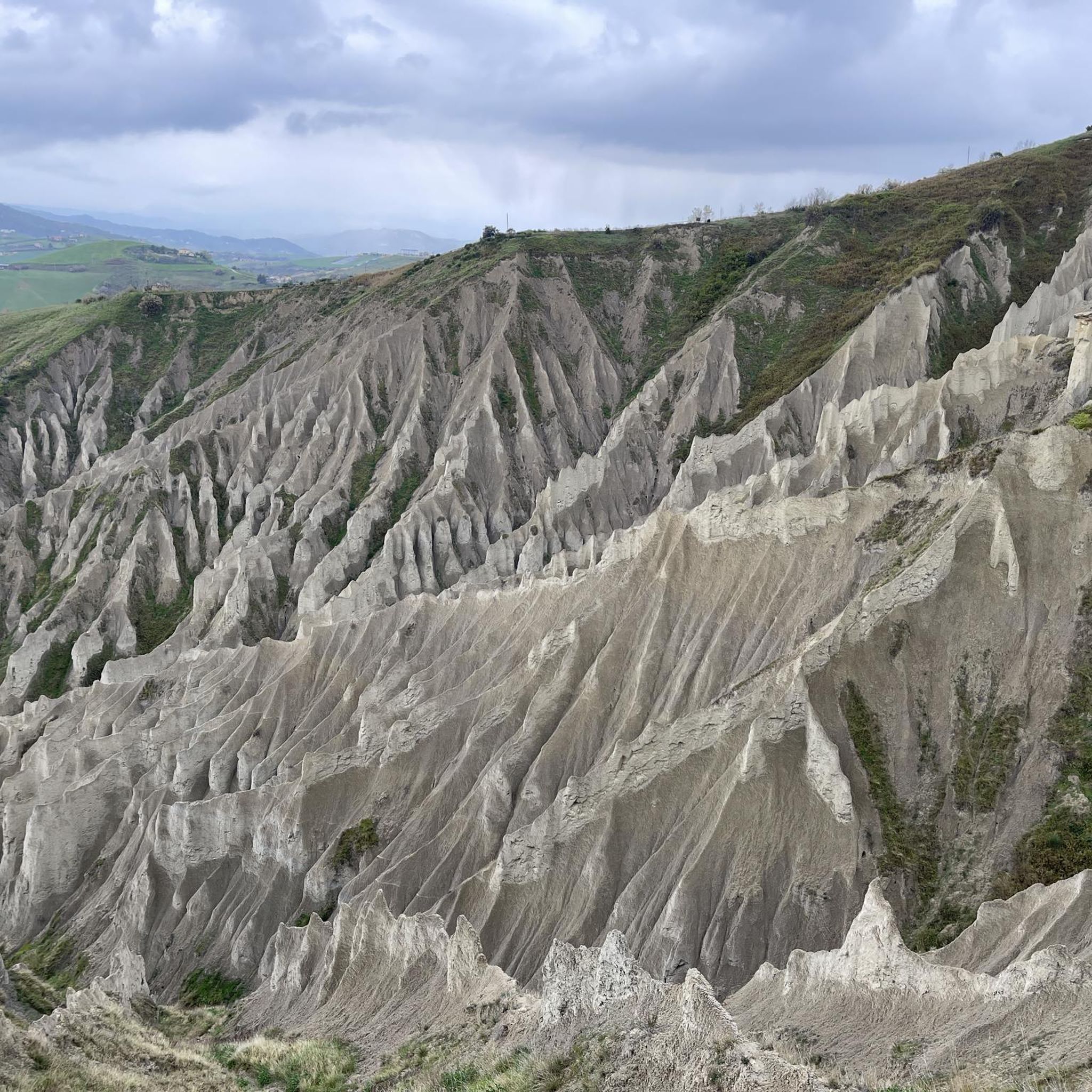
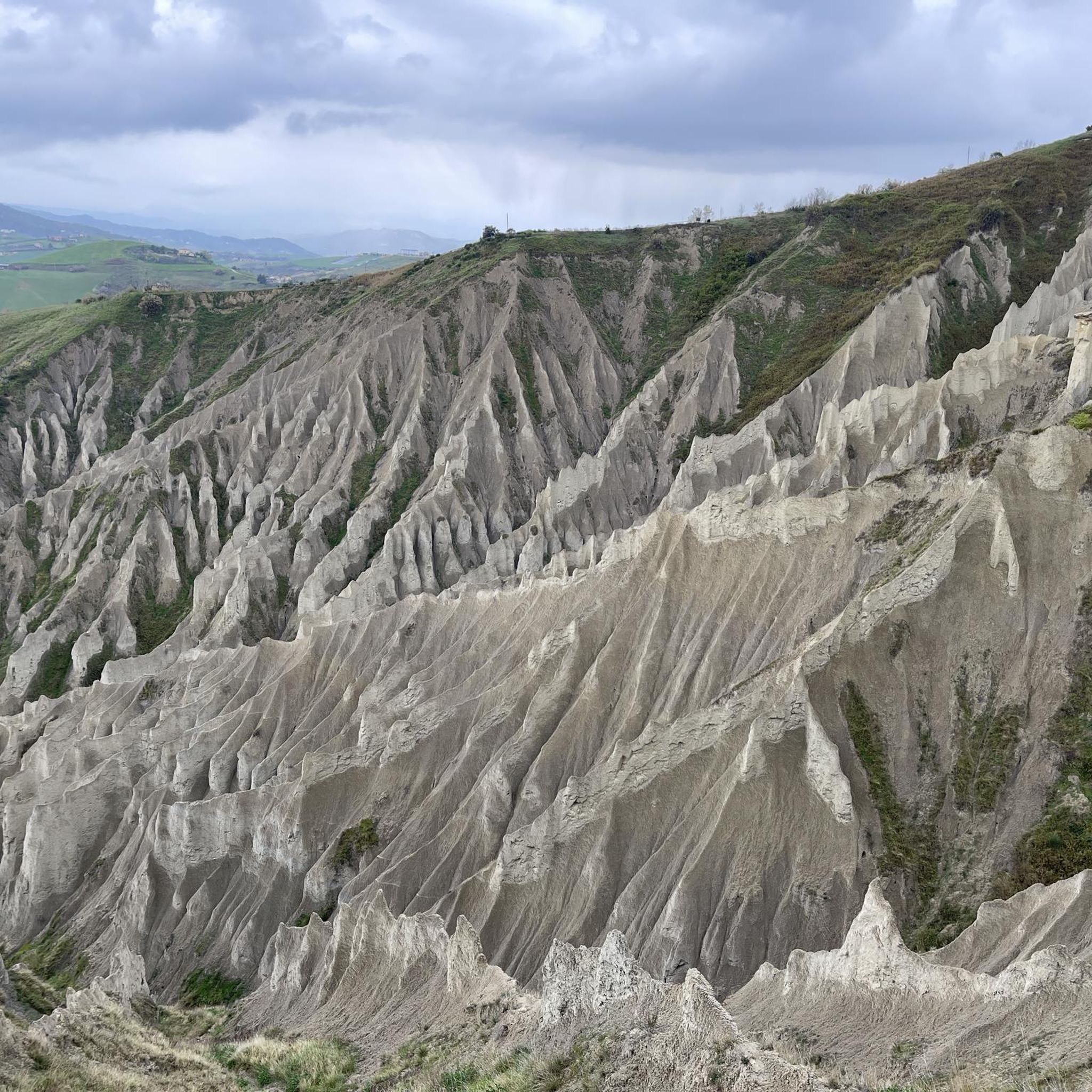
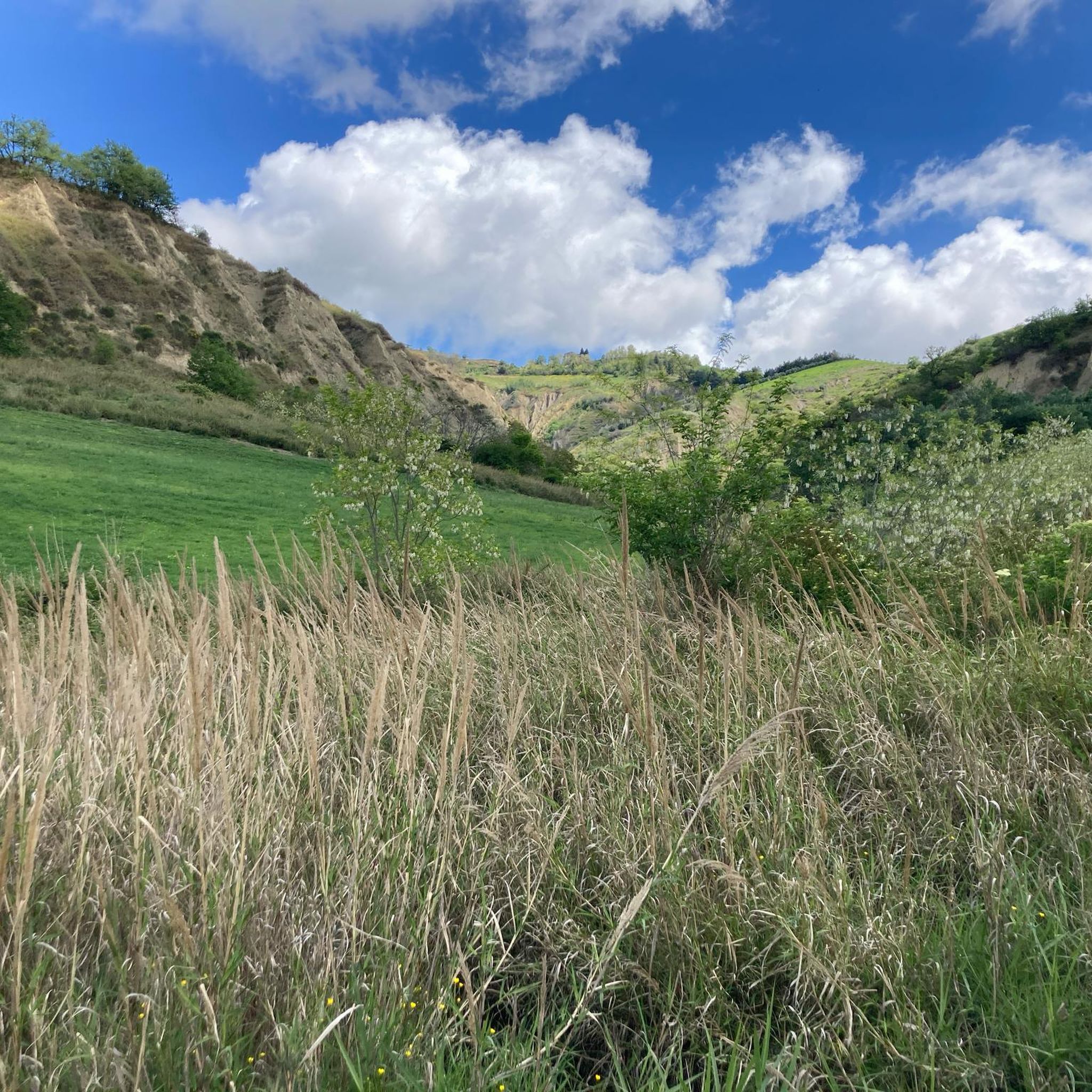
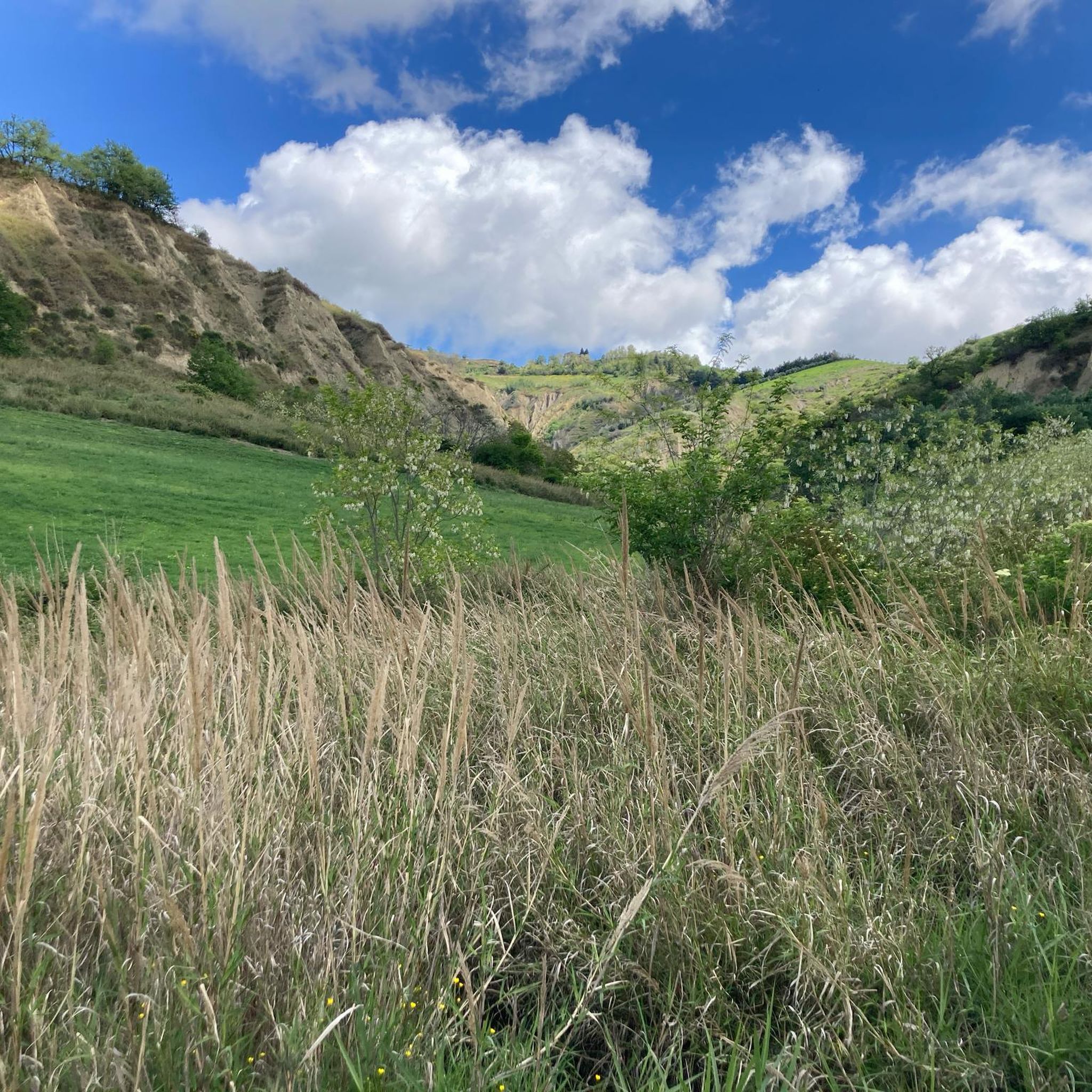
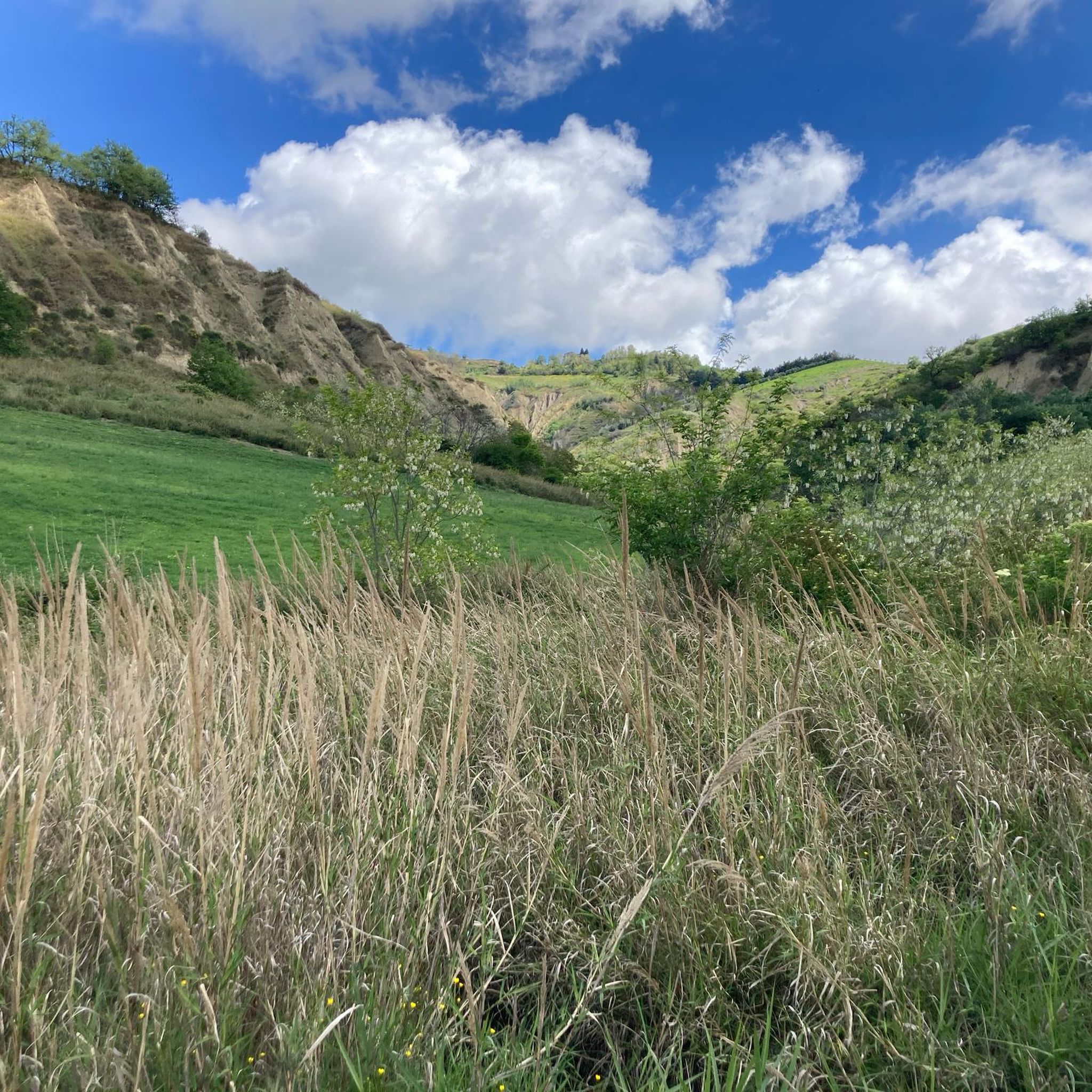
Gravel bike trails in Riserva Naturale Regionale Oasi Wwf Calanchi Di Atri traverse a distinctive landscape characterized by "calanchi" geological formations. These eroded clay and marly soils create deep furrows and arid ridges, forming a unique terrain often described as lunar-like. The region features a mix of unpaved dirt roads and secondary asphalt roads, with varied elevation changes. Routes often provide panoramic views extending from the Adriatic Sea to the surrounding mountains, alongside wooded areas and cultivated fields.
Best gravel…
Last updated: July 10, 2026
5.0
(1)
2
riders
34.3km
02:21
710m
720m
Hard gravel ride. Very good fitness required. Mostly paved surfaces. Suitable for all skill levels.
2
riders
22.8km
01:47
620m
620m
Hard gravel ride. Very good fitness required. Mostly paved surfaces. Suitable for all skill levels.

Sign up for free
3.0
(1)
4
riders
46.9km
03:14
970m
970m
Hard gravel ride. Very good fitness required. Mostly paved surfaces. Suitable for all skill levels.
5
riders
28.5km
02:02
610m
610m
Hard gravel ride. Very good fitness required. Mostly paved surfaces. Suitable for all skill levels.
5.0
(1)
2
riders
27.3km
02:11
630m
630m
Hard gravel ride. Very good fitness required. Mostly paved surfaces. Suitable for all skill levels.
Our route recommendations are based on thousands of hikes, rides, and runs completed by other people on komoot.
Start today with a free account
Your next adventure awaits.
Login or Signup
Popular around Riserva Naturale Regionale Oasi Wwf Calanchi Di Atri
Running Trails in Riserva Naturale Regionale Oasi Wwf Calanchi Di Atri
MTB Trails in Riserva Naturale Regionale Oasi Wwf Calanchi Di Atri
Hiking in Riserva Naturale Regionale Oasi Wwf Calanchi Di Atri
Road Cycling Routes in Riserva Naturale Regionale Oasi Wwf Calanchi Di Atri
Cycling in Riserva Naturale Regionale Oasi Wwf Calanchi Di Atri
Tips from the Community

ATTENTION the bridge connecting Tortoreto Lido with Giulianova is closed due to structural collapse. The alternative route is on the very busy SS16 Adriatica. Bridge reopening forecast end of July 2026 (MAYBE::::)
0
0

The Cathedral of Santa Maria Assunta (the Duomo of Atri) is one of the most important and impressive religious monuments in the Abruzzo region. This co-cathedral was built between 1260 and 1305 on the foundations of an older Romanesque church and even older Roman baths. Open daily in the morning from 09:00 - 12:30
4
0
Torre del Cerrano is one of the best-preserved coastal watchtowers on the Adriatic coast and an icon of Pineto. The current tower dates from 1568 and was part of the defensive line that Emperor Charles V had built to protect the coast against attacks by Ottoman and Saracen pirates. The location, however, has a much older history. In Roman times, the port of Atri was located here, the remains of which still lie underwater off the coast today. Nowadays, the tower is the visitor center of the Torre del Cerrano protected marine area and is surrounded by a beautiful pine forest. A visit combines history, nature, and one of the most beautiful spots along the Abruzzo coast.
6
0
Cathedral with ceramic plates! On Piazza Duomo, the Basilica di Santa Maria Assunta will surely catch your eye immediately. If you look closely, you will see that the tower of the Gothic cathedral from 1300 is decorated with ceramic plates in various colors, which change throughout the day with the position of the sun. Incidentally, the shape of the tower, an octagon with a pyramid on top, is unique for the time when the cathedral was built. The funny thing is that you also see this reflected in other churches in Atri and in other villages and towns in Abruzzo. The story goes that the architect of the cathedral applied it here first, after which the idea was adopted by other builders. Underground church and water reservoirs Around 300 BC, on the spot where the cathedral now stands, there was a large square with baths and reservoirs underneath to store rainwater. Only then was the cathedral built on top of it, after which the reservoirs were converted into an underground church. Triggered? Want to know more, click through to https://ciaotutti.nl/reizen-door-italie/abruzzen/atri-een-levendige-stad-vol-geschiedenis/
3
0
Plate to enjoy panoramic views. On the left you see the mountains and on the right you have a beautiful view of the sea.
6
0
Nice route for walking or cycling. Sharing the path, each at their own pace. Historical context: this beautiful pine forest was planted from 1923 onwards by the visionary Luigi Corrado Filiani and even gave the town its name. Today you walk in the shade of thousands of umbrella pines, with the Adriatic Sea always nearby. A quiet and atmospheric route where nature, history and coastal experience come together perfectly.
6
0
The historic center of Atri is one of the oldest, best-preserved, and most atmospheric hilltop towns in the Abruzzo region. Situated on a hilltop, the town offers spectacular views of both the Adriatic Sea and the peaks of the Gran Sasso. As the town existed long before Roman times (then known as Hatria), you are literally walking through three thousand years of history here. Main attractions: Piazza Duomo & the Cathedral: the central heart of the town. Besides the imposing Cattedrale di Santa Maria Assunta with its famous frescoes, you'll find cozy cafes and historic palazzi here. Palazzo Ducale (Palazzo Acquaviva): this robust 14th-century palace on Piazza Duca d'Acquaviva was the seat of the powerful Dukes of Atri. Today, it partly serves as the town hall. Be sure to take a look at the beautiful courtyard. Teatro Comunale: located opposite the Palazzo Ducale. This 19th-century theater is horseshoe-shaped inside and is also called the "Little Scala of Abruzzo" due to its perfect acoustics and lavish decorations. The Roman Cisterns: beneath the historic center lies a vast network of underground passages, Roman mosaics, and water storage facilities dating back to antiquity. Chiese Storiche: walking through the narrow streets, you'll encounter beautiful old churches, such as the Chiesa di San Francesco with its impressive baroque external staircase and the Chiesa di San Domenico.
6
0
The Cattedrale di Santa Maria Assunta (Duomo di Atri) is one of the most important and impressive religious monuments in the Abruzzo region. This co-cathedral was built between 1260 and 1305 on the foundations of an older Romanesque church and even older Roman baths. Daily open in the morning from 09:00 - 12:30.
5
0
Frequently Asked Questions
What kind of terrain can I expect on gravel bike trails in Riserva Naturale Regionale Oasi WWF Calanchi Di Atri?
The trails primarily feature a mix of unpaved dirt roads and secondary asphalt roads. You'll encounter varied elevation changes and ride through landscapes dominated by the unique 'calanchi' geological formations, which are eroded clay and marly soils creating deep furrows and arid ridges. The routes also pass through wooded areas and cultivated fields, often offering panoramic views from the Adriatic Sea to the surrounding mountains.
Are there any easy or moderate gravel bike trails suitable for beginners in the Calanchi Di Atri area?
While many routes in the region are considered difficult due to significant elevation changes, there are options like the Adriatic Cycle Path – Vomano Cycle Bridge loop from Pineto-Atri. This 30.5 km route is rated as moderate and leads through coastal areas and along the Vomano river, making it a good choice for those looking for a less strenuous ride.
What are the most challenging gravel bike routes in Riserva Naturale Regionale Oasi WWF Calanchi Di Atri?
For experienced gravel bikers seeking a challenge, routes like the Adriatic Cycle Path – View of Montepagano loop from Pineto-Atri offer significant elevation gain over 50.5 km. Another demanding option is the Torre del Cerrano Beach – Pine Grove loop from Pineto-Atri, which covers 50.21 km with substantial climbing.
What unique geological features will I see while gravel biking in the reserve?
The most striking features are the 'calanchi' themselves. These are majestic natural sculptures formed by the erosion of clay and marly soils, creating a lunar-like landscape of deep furrows and arid ridges. They are sometimes called 'Dante's bolgia' or 'devil's scratches' and are a result of water action on exposed clay soils. You might also spot marine fossils brought to light by the erosion processes, indicating the area was once submerged by the sea.
What is the best time of year for gravel biking in Riserva Naturale Regionale Oasi WWF Calanchi Di Atri?
The Mediterranean climate suggests that spring and autumn would be ideal for gravel biking, offering pleasant temperatures and avoiding the intense heat of summer or the potentially wet and cooler conditions of winter. These seasons allow for comfortable exploration of the exposed calanchi landscapes.
Are there any loop trails for gravel biking in the region?
Yes, many of the gravel bike routes in the area are designed as loops, allowing you to start and end at the same point. Examples include the Medieval Village of Appignano loop from Castiglione Messer Raimondo, which traverses varied terrain, and the South Beach of Giulianova – Vomano Cycle Bridge loop from Scerne di Pineto, offering coastal views.
What do other gravel bikers say about their experience in Riserva Naturale Regionale Oasi WWF Calanchi Di Atri?
The area is highly rated by the komoot community, with an average score of 4.3 stars from over 9 reviews. Cyclists often praise the unique calanchi formations, the varied terrain, and the panoramic views that stretch from the Adriatic Sea to the mountains. The network offers options for different ability levels, from moderate to difficult.
Are there any family-friendly gravel biking options in the Calanchi Di Atri area?
While many routes involve significant elevation changes, families with older children or those using e-bikes might find the moderate routes more accessible. The Adriatic Cycle Path – Vomano Cycle Bridge loop from Pineto-Atri, for instance, is a moderate 30.5 km route that follows coastal areas and a river, which could be suitable for families looking for a less challenging ride.
Where can I find parking for gravel biking in Riserva Naturale Regionale Oasi WWF Calanchi Di Atri?
Specific parking areas are not detailed in the route descriptions, but given the starting points of many tours like Pineto-Atri or Castiglione Messer Raimondo, you would typically find parking available in or near these towns. It's advisable to check local parking regulations upon arrival or consult maps for designated parking zones close to your chosen trailhead.
Are there any regulations or permits required for cycling within the Riserva Naturale Regionale Oasi WWF Calanchi Di Atri?
The reserve generally allows access to its paths for outdoor activities like hiking and cycling. While specific permits for cycling are not mentioned, it's always good practice to respect the natural environment and follow any posted regulations within the WWF Oasis. For detailed information on reserve rules, you may consult the official website of the Riserva Naturale Regionale Oasi WWF Calanchi Di Atri.
What kind of wildlife might I encounter while gravel biking in the reserve?
Despite the seemingly inhospitable calanchi, the reserve is home to diverse flora and fauna. You might spot diurnal and nocturnal birds of prey, various passerines, and reptiles like the four-lined snake and grass snake. Mammals such as hares and mustelids are present, and even wolves and porcupines (the symbol of the Reserve) have been sighted, particularly in the more secluded areas.
Can I reach the gravel biking trails in Calanchi Di Atri using public transport?
The region is served by local public transport, but direct access to specific trailheads within the reserve might be limited. Towns like Pineto-Atri, which serve as starting points for several routes, are generally accessible by public transport. From there, you might need to cycle a short distance to reach the beginning of the gravel trails.
Most popular routes in Riserva Naturale Regionale Oasi Wwf Calanchi Di Atri

Get inspired with the komoot mobile app


Explore more
Browse the best Gravel rides in other regions.
