The 16 Most Amazing Peaks around Diedorf/Rhön
Best mountain peaks around Diedorf/Rhön are situated within the Rhön mountains, a Biosphere Reserve known as the "Land of Open Distances." This region offers a landscape of rolling hills and mountains with notable elevations and scenic viewpoints. It features a blend of natural beauty and historical significance, including remnants of ancient settlements and medieval castles. The area provides numerous opportunities for exploring its diverse natural environment.
Best mountain peaks around Diedorf/Rhön
- The most popular mountain peaks is Noah's Segel Observation…
Last updated: October 10, 2026
Noah's Segel Observation Tower on the Ellenbogen
Highlight • Viewpoint
Translated by Google •
Tip by

Gläserberg Summit and Dermbach Hut
Highlight • Summit
Translated by Google •
Tip by

Sign up now to discover places like this
Get recommendations on the best single tracks, peaks, & plenty of other exciting outdoor places.
Baier (714 m)
Highlight • Summit
Translated by Google •
Tip by

Habel Village and Habelberg
Highlight • Settlement
Translated by Google •
Tip by

Stoffelskuppe Summit and Basalt Boulder Field
Highlight • Summit
Translated by Google •
Tip by

Sign up for free to discover even more peaks around Diedorf/Rhön.
Already have an account?
Start today with a free account
Your next adventure awaits.
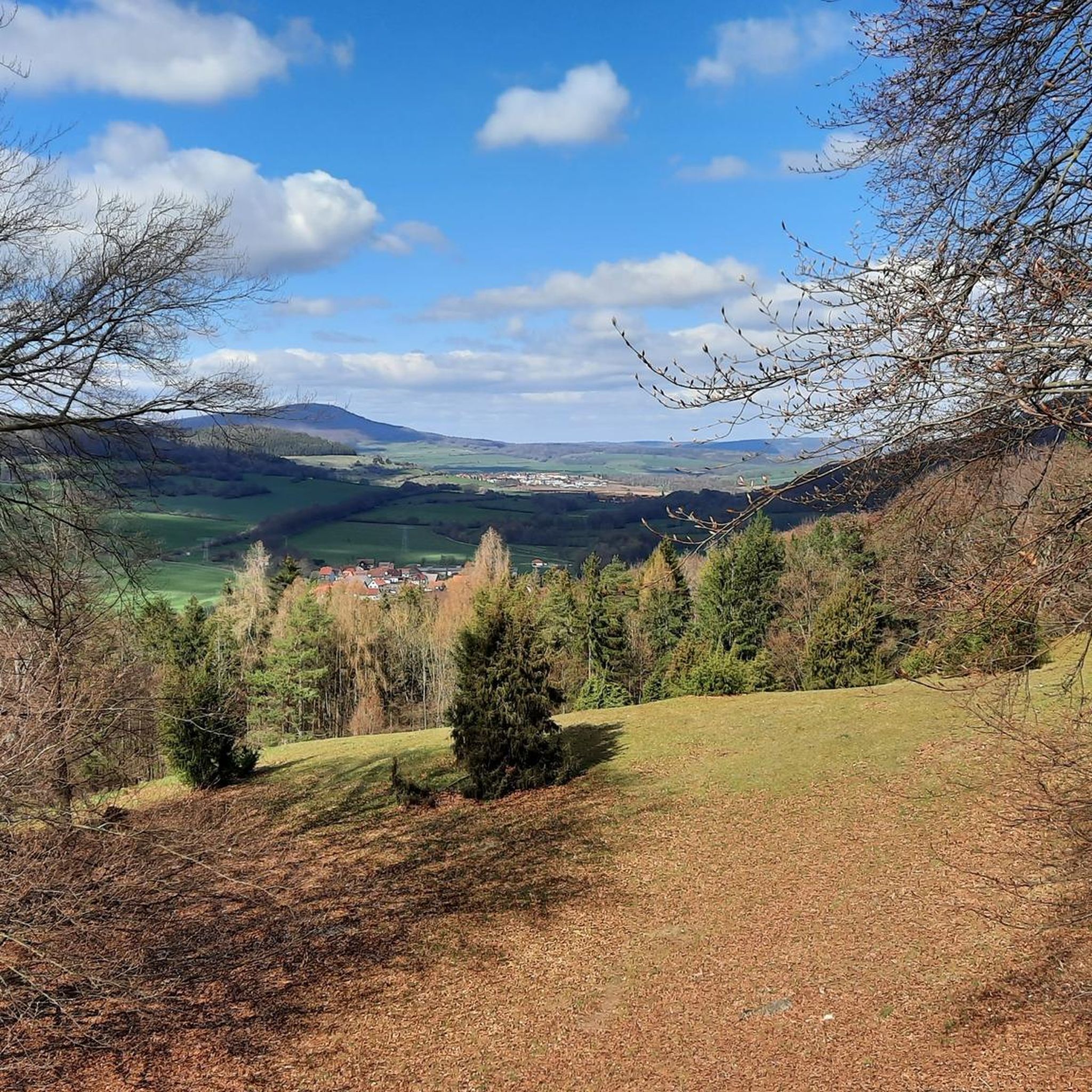
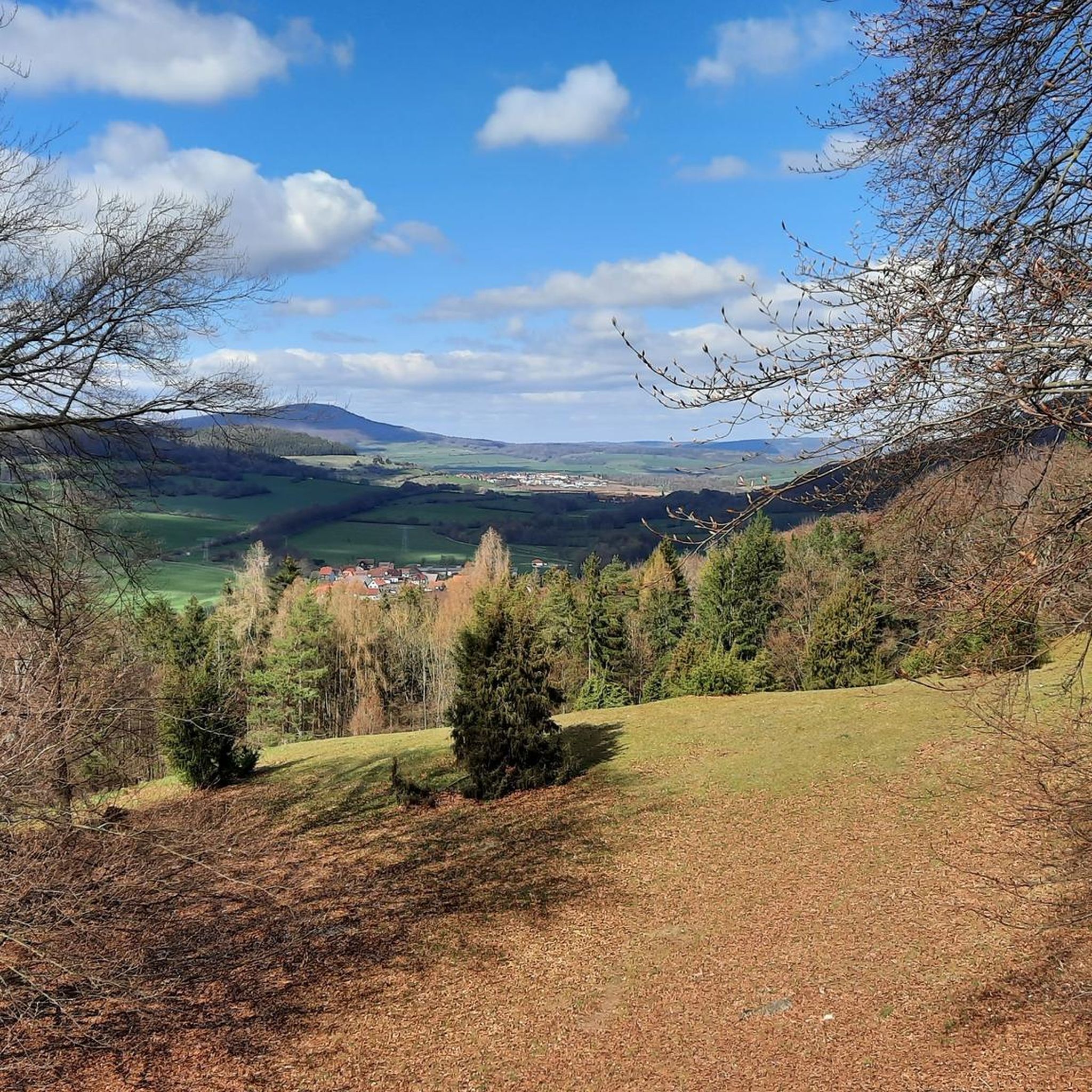
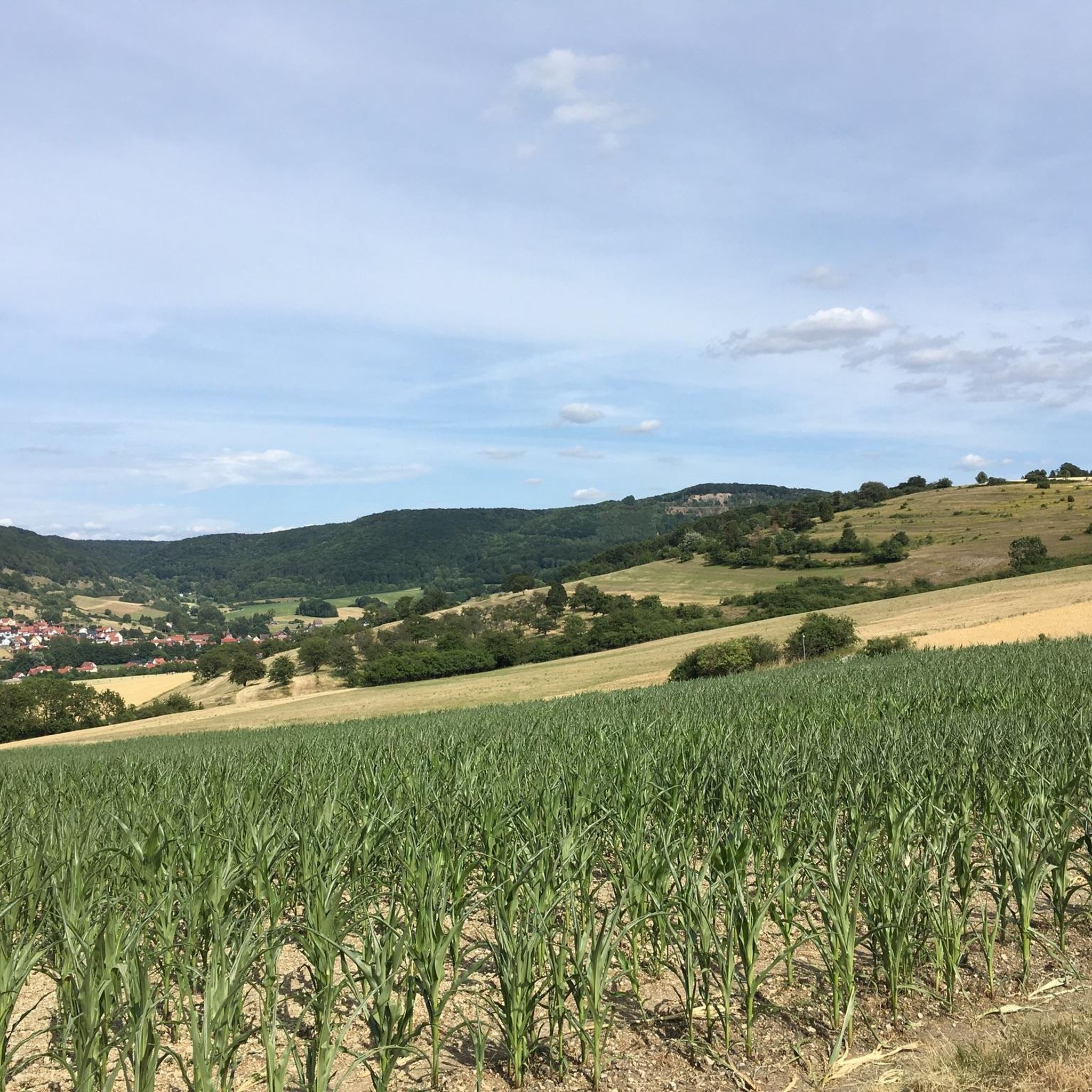
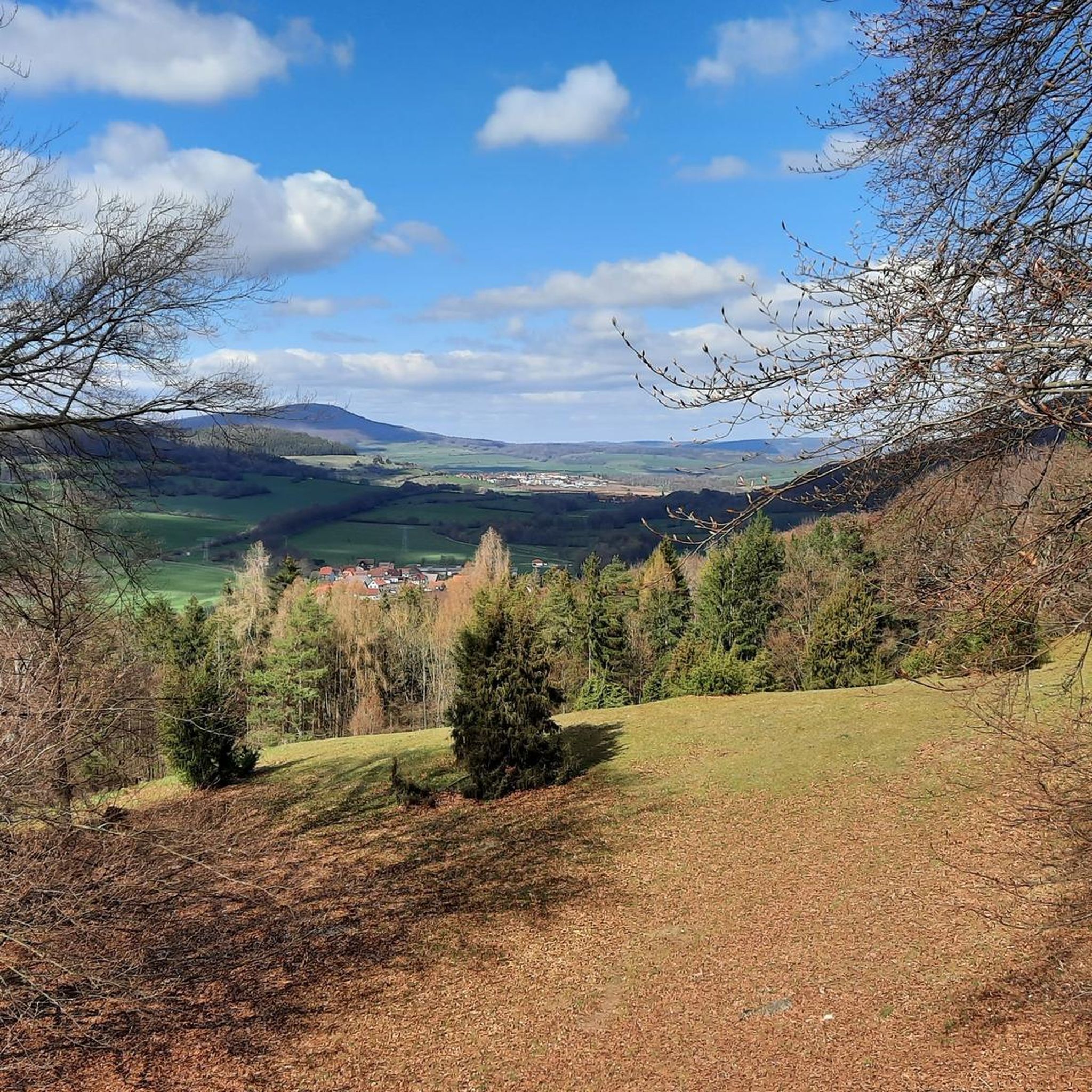
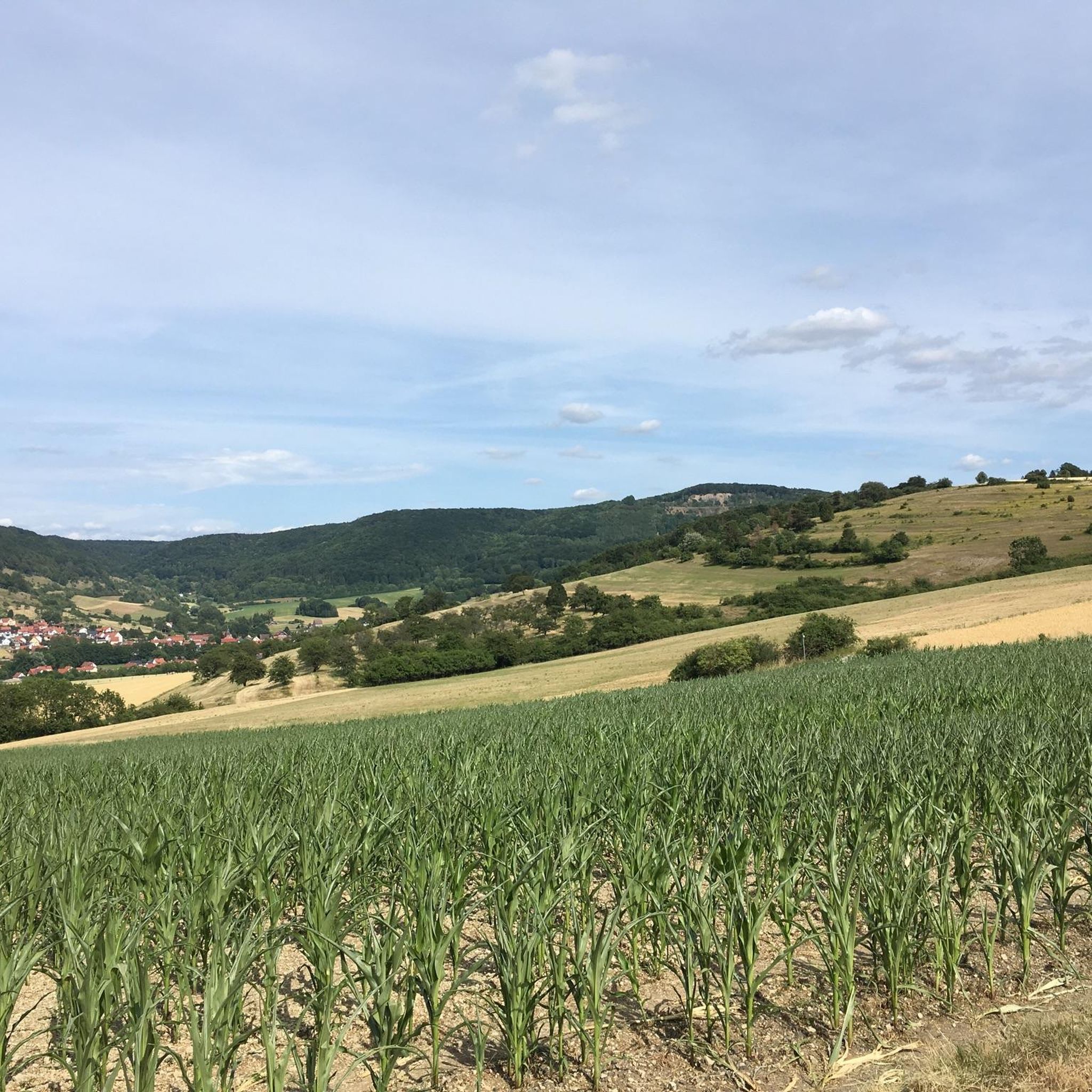

Tips from the Community

The climb was more difficult than expected, lots of nettles, burrs, blackberry bushes... and stones. But it's nice and quiet up here you can enjoy the view to the west on a bench 👉🏻 Bunker (type SBK) border observation post of the 5th Mühlhausen reconnaissance battalion of the GSSD (demolished/ruin) 📜https://www.sachsenschiene.net/bunker/bun/bun_984.htm
1
0

This view is unparalleled and makes hikers pause in awe on the summit of the Gläserberg. No tree, no bush obscures the view from the bare mountaintop, which greets visitors from afar. Anyone who has managed the climb to the 671-metre-high Gläserberg is rewarded with a fantastic panoramic view. A panorama that stretches far beyond the borders, with the Wartburg (34 km) in the north, the Schneekopf (47 km) in the east, the Heidelstein (26 km) in the south and the Rößberg (14 km) in the west at the hiker's feet. A beautiful spot on earth, which was sung about in the Gläserlied long ago with the words: "Happy hikers will flock from all over the wide Rhön to look out into the distant lands from your proud heights!" Source:https://www.rhoenforum.de/tourismus-tipps/wanderh%C3%BCtten/dermbacher-h%C3%BCtte-gl%C3%A4serberg/
13
1

Thuringia Forest "Why we see what we see" information board No. 15
10
0

Wonderful view of the Thuringian Rhön.
14
2
Great view of the Rhön.
10
0
There is a beautiful view at the back.
1
0

Demanding uphill and good resting place at the top with a view to the west
1
0
Great foresight. The investment of 2€ to get on the sail is worth it. 🔭
10
0
Frequently Asked Questions
What are some of the most popular mountain peaks and viewpoints to visit around Diedorf/Rhön?
Among the most popular spots are Noah's Segel Observation Tower on the Ellenbogen, which offers expansive views across Thuringia, Bavaria, and Hesse. Another favorite is Gläserberg Summit and Dermbach Hut, known for its panoramic views over the Rhön to the Thuringian Forest. Visitors also appreciate Baier (714 m), the most powerful basalt summit of the Thuringian Rhön, recognized for its diverse flora, fauna, and impressive boulders.
Are there any family-friendly mountain peaks or viewpoints in the Diedorf/Rhön area?
Yes, several locations are considered family-friendly. Noah's Segel Observation Tower on the Ellenbogen is a great option, offering easy access to stunning views. The Gläserberg Summit and Dermbach Hut is also suitable for families, providing a rewarding view and a hut for refreshments. Additionally, the Baier (714 m) summit is noted as family-friendly, offering a chance to explore unique natural features.
What kind of views can I expect from the mountain peaks in Diedorf/Rhön?
The Rhön region, known as the 'Land of Open Distances,' offers broad, unobstructed views. From Noah's Segel Observation Tower, you can enjoy a fantastic panoramic view of the entire region, stretching across Thuringia, Bavaria, and Hesse. The Gläserberg Summit provides a wonderful vista over the Rhön to the Thuringian Forest and Rennsteig, with a display board describing distant mountains and sights. Even historical sites like Burgruine Auersburg offer views extending to Milseburg and Wasserkuppe.
Are there historical sites or ruins associated with the mountain peaks in Diedorf/Rhön?
Absolutely. The Höhn mountain, located directly above Diedorf, is significant for its historical relevance, with Celtic artifacts and remnants of the medieval Fischburg castle found on its slopes. The Habelberg also features a 300 m long ring wall from Celtic times. Additionally, the Burgruine Auersburg, a castle ruin near Diedorf/Rhön, features a climbable tower that offers both historical exploration and panoramic views.
What unique natural features can I find on the mountain peaks of Diedorf/Rhön?
The Rhön is a Biosphere Reserve, offering diverse natural beauty. The Baier (714 m) is a powerful basalt summit featuring impressive boulders and a variety of flora and fauna. The Stoffelskuppe Summit is known for its mystical rocks and basalt boulder field, often described as a 'basalt stone sea,' providing a unique geological experience.
What outdoor activities can I do near the mountain peaks in Diedorf/Rhön?
The region offers numerous opportunities for outdoor activities. You can find various running trails, such as the 'View of Ibengarten – View of Baier loop' or 'View of Neidhartshausen – Zella Station loop' from Diedorf. There are also gravel biking routes like the 'Felda Rail Trail – Hohe Asch Summit loop'. For more details on these activities, you can explore the Running Trails around Diedorf/Rhön and Gravel biking around Diedorf/Rhön guides.
Are there hiking opportunities near the mountain peaks in Diedorf/Rhön?
Yes, the Rhön region is well-known for its hiking trails. You can find a range of options, from easy walks like the 'Bat Trail' or 'Educational fruit meadow trail' to more challenging routes. Many trails lead to or pass by prominent peaks and viewpoints. For a comprehensive list of hiking options, refer to the Easy hikes around Diedorf/Rhön guide.
What is the best time of year to visit the mountain peaks in Diedorf/Rhön?
The Rhön region is beautiful year-round, but the best time depends on your preferred activities. Spring and summer offer lush greenery and pleasant temperatures for hiking and cycling. Autumn provides stunning fall foliage, enhancing the scenic views. While winter hiking is possible, be prepared for colder conditions and potential snow, especially at higher elevations like the Ellenbogen, where a 'snow tubing facility' might open.
Are there any facilities or places to rest near the mountain peaks, like huts or cafes?
Yes, you can find facilities to rest and refuel. The Dermbach Hut, located at the Gläserberg Summit, is a popular stop for hikers, open on Sundays and public holidays. Near Noah's Segel Observation Tower, if there's enough snow for the tubing facility, coffee, cake, or mulled wine might be available. The region also has various guesthouses and cafes in nearby villages.
What do visitors particularly enjoy about the mountain peaks around Diedorf/Rhön?
Visitors frequently praise the stunning panoramic views and the peaceful, open landscapes. The combination of natural beauty with historical elements, such as ancient settlements and castle ruins, is also highly appreciated. Many enjoy the well-maintained hiking trails and the opportunity to explore the unique basalt formations and diverse ecosystems within the Biosphere Reserve. The community has shared over 1300 photos and given more than 1100 upvotes, highlighting the area's appeal.
What is the significance of the Rhön region as a Biosphere Reserve?
The Rhön is recognized as a Biosphere Reserve, often called the 'Land of Open Distances.' This designation highlights its unique landscape of rolling hills and mountains, which supports a rich diversity of flora and fauna. The reserve status means the area is managed to balance conservation with sustainable human development, offering visitors a chance to experience unspoiled nature and learn about ecological preservation through activities like guided hikes.
Can I find circular hiking routes around the Diedorf/Rhön mountain peaks?
Yes, the Rhön region offers various circular hiking routes. For example, a route starting from the Bernshausen hiking car park follows the Rhönrundweg 2, passing the Bernshäuser Kutte and leading to the south slope of the Stoffelskuppe. This route is approximately 8.5 km long and offers beautiful mixed forest and open field landscapes. Shorter circular options are also available.
Most popular routes around Diedorf/Rhön
Most popular attractions around Diedorf/Rhön

Get inspired with the komoot mobile app


Explore more
See even more amazing summits around Diedorf/Rhön with these guides:
