Top 15 Castles around Flarchheim
Best castles around Flarchheim are found in the surrounding Thuringia region, offering a glimpse into medieval history. While Flarchheim itself is known for the Battle of Flarchheim in 1080, the nearby areas feature significant historical fortifications. Visitors can explore well-preserved medieval city walls and impressive castle ruins. The region provides a historical landscape for those interested in Germany's past.
Best castles around Flarchheim
- The most popular castles is Frauentor, Rabenturm and the City Wall of Mühlhausen, a historical site…
Last updated: June 23, 2026
Frauentor, Rabenturm and the City Wall of Mühlhausen
Highlight • Historical Site
Translated by Google •
Tip by

Mühlhausen City Walls
Highlight • Monument
Translated by Google •
Tip by

Sign up now to discover places like this
Get recommendations on the best single tracks, peaks, & plenty of other exciting outdoor places.
Sign up for free
Haineck Castle Ruins
Highlight • Castle
Translated by Google •
Tip by

Seebach Bird Protection Station
Highlight • Structure
Monday - Thursday 8:00 a.m. - 3:30 p.m.
Friday 8:00 a.m. - 12:00 p.m.
from May to October
Guided tours on Saturdays, Sundays and public holidays at 2 p.m.
Translated by Google •
Tip by

Berka Castle
Highlight • Castle
Translated by Google •
Tip by

Sign up for free to discover even more castles around Flarchheim.
Sign up for free
Already have an account?
Start today with a free account
Your next adventure awaits.
Login or Signup
Popular around Flarchheim
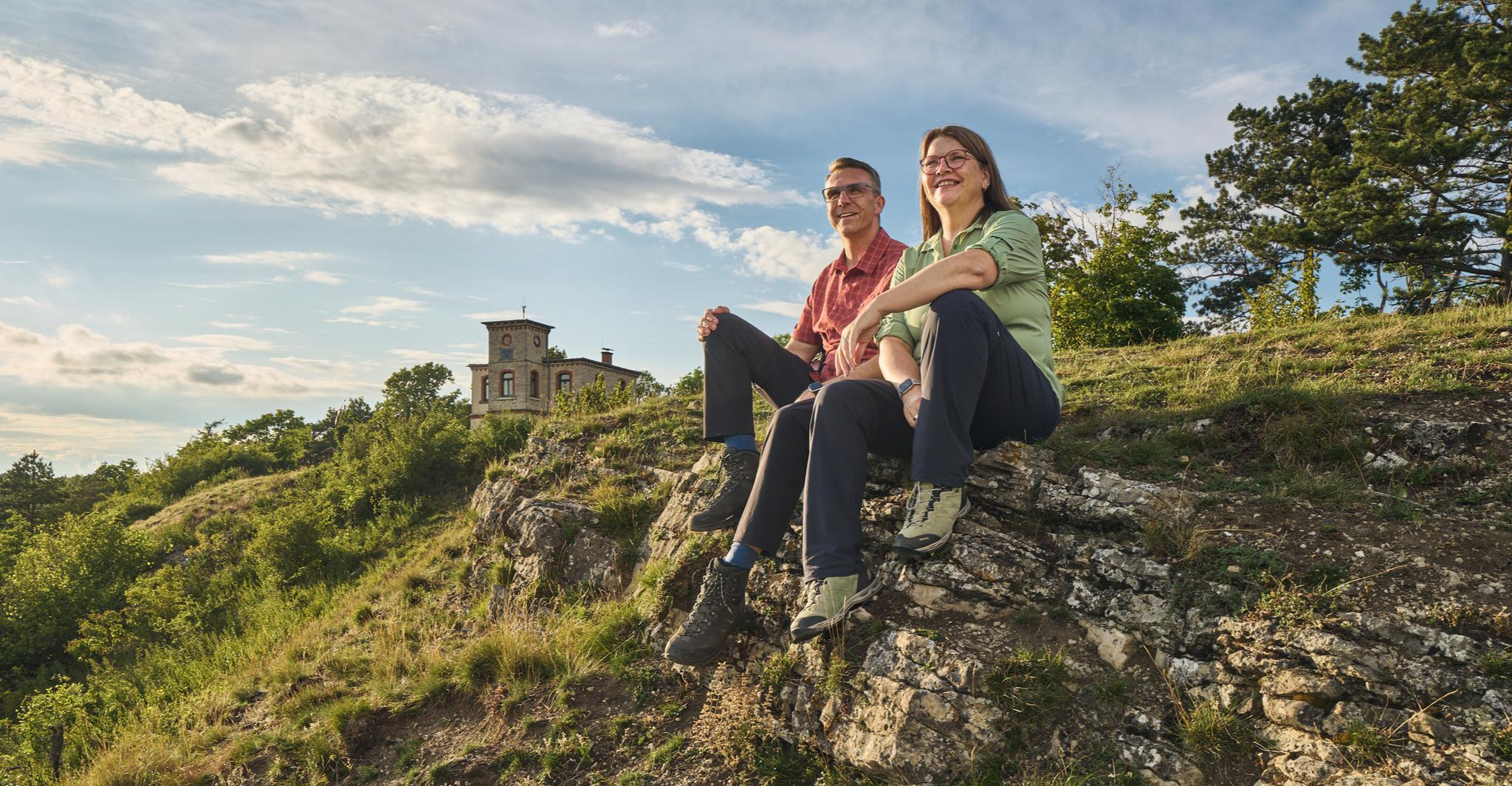
Autumn Hiking with a view – 7 WOW Tours between Wartburg and Hainich
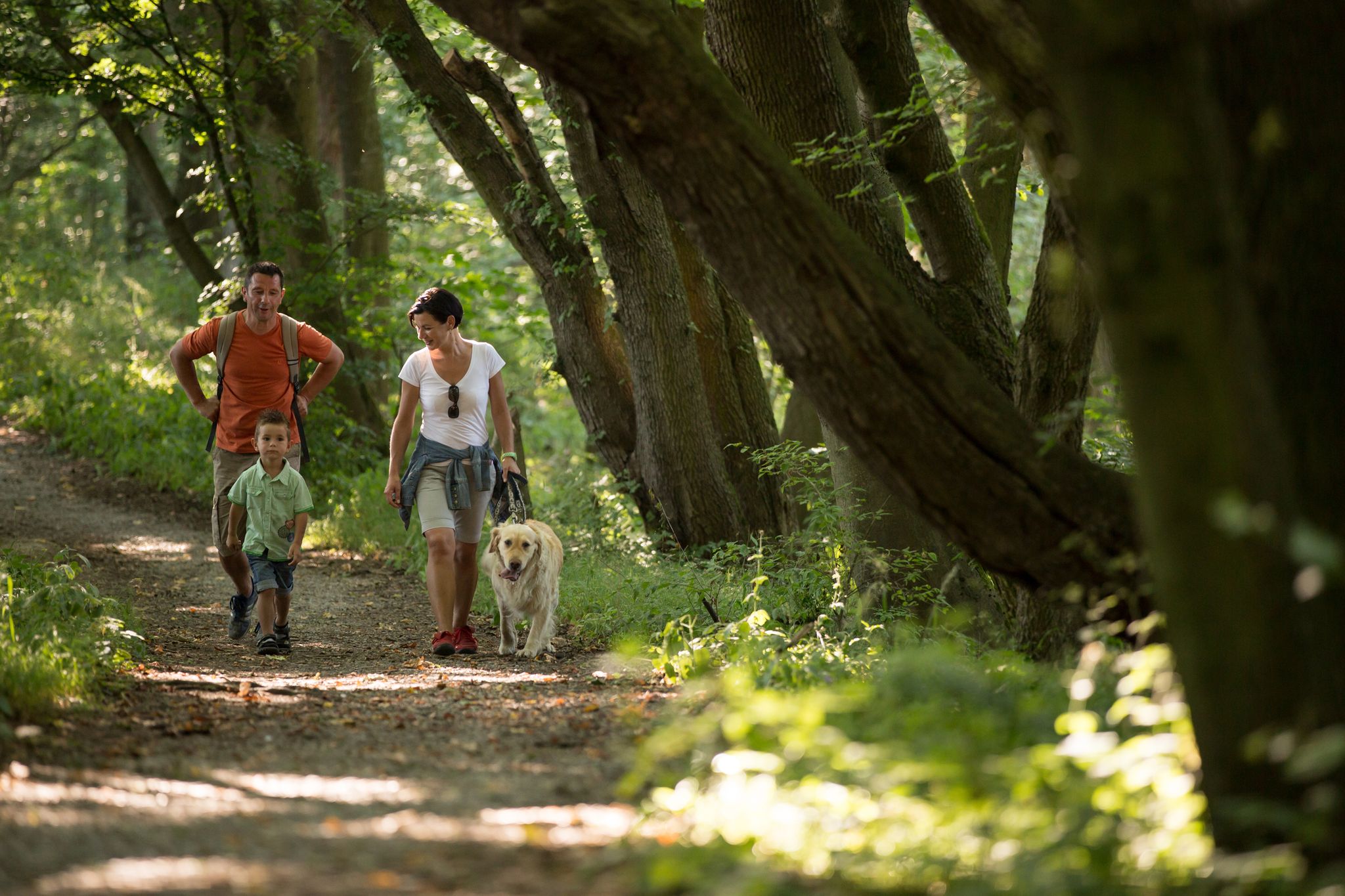
Hiking tips for Hainich National Park
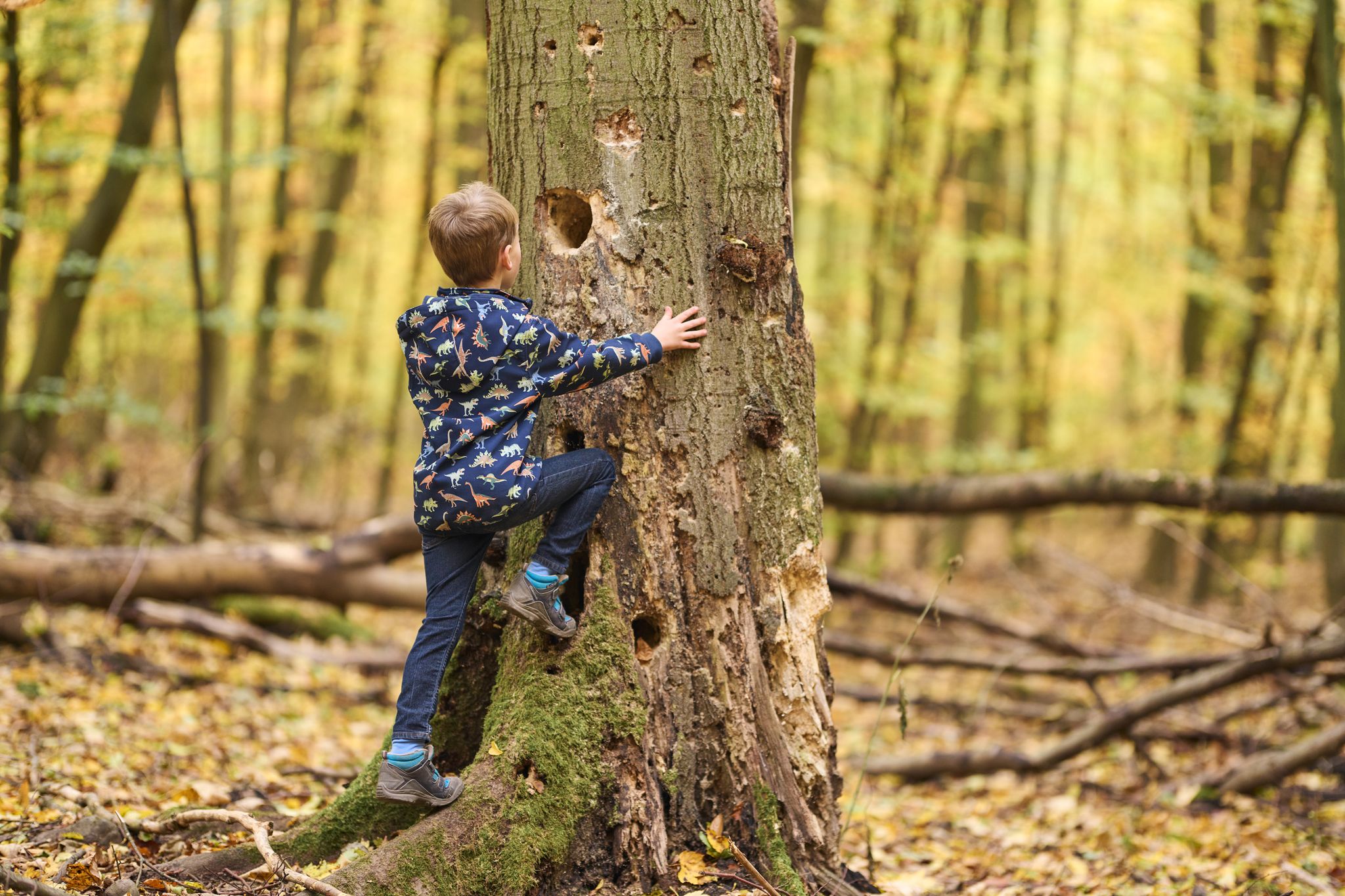
The most beautiful family hikes through the jungle
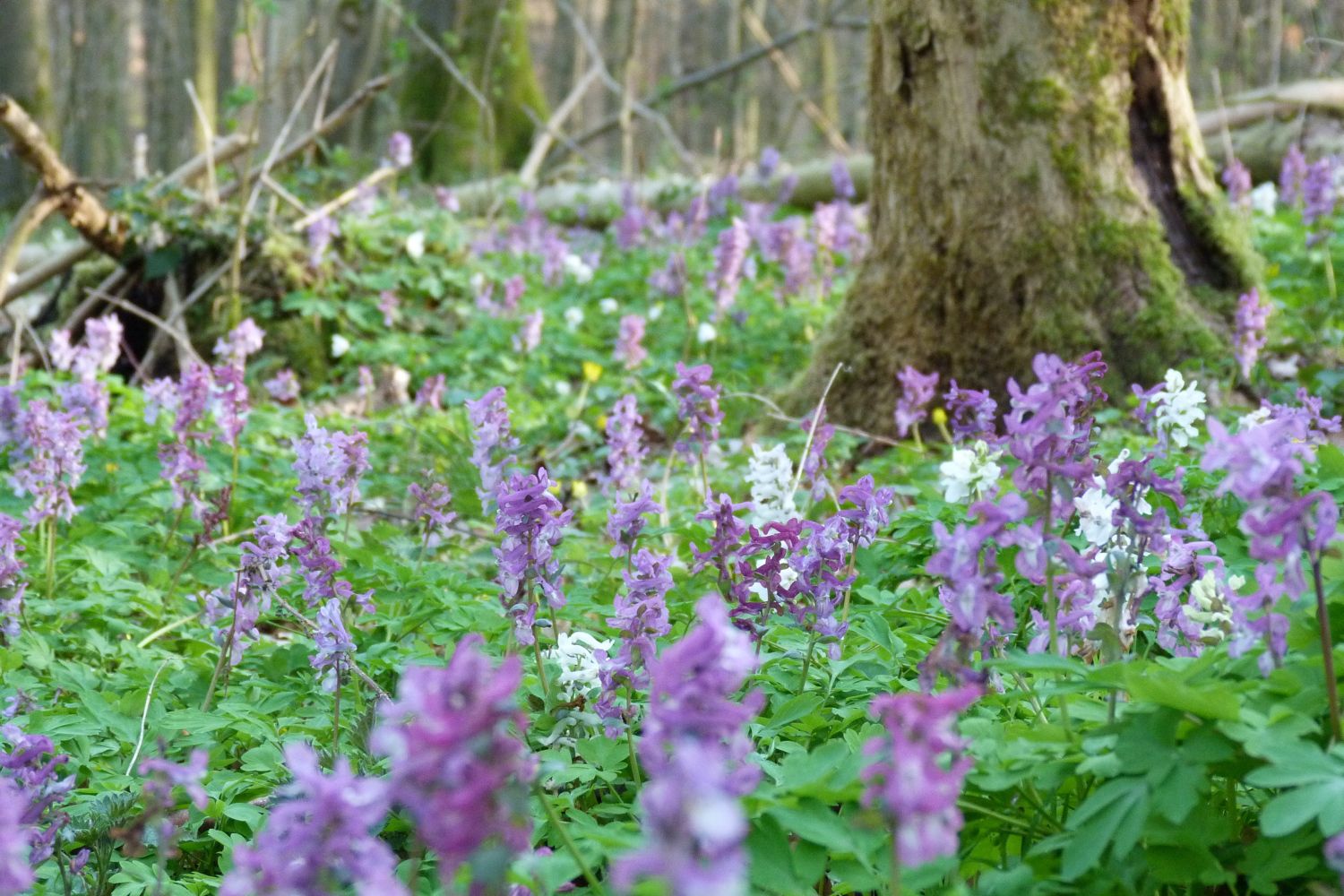
Spring in the Primeval Forest - on the trail of the flower carpet
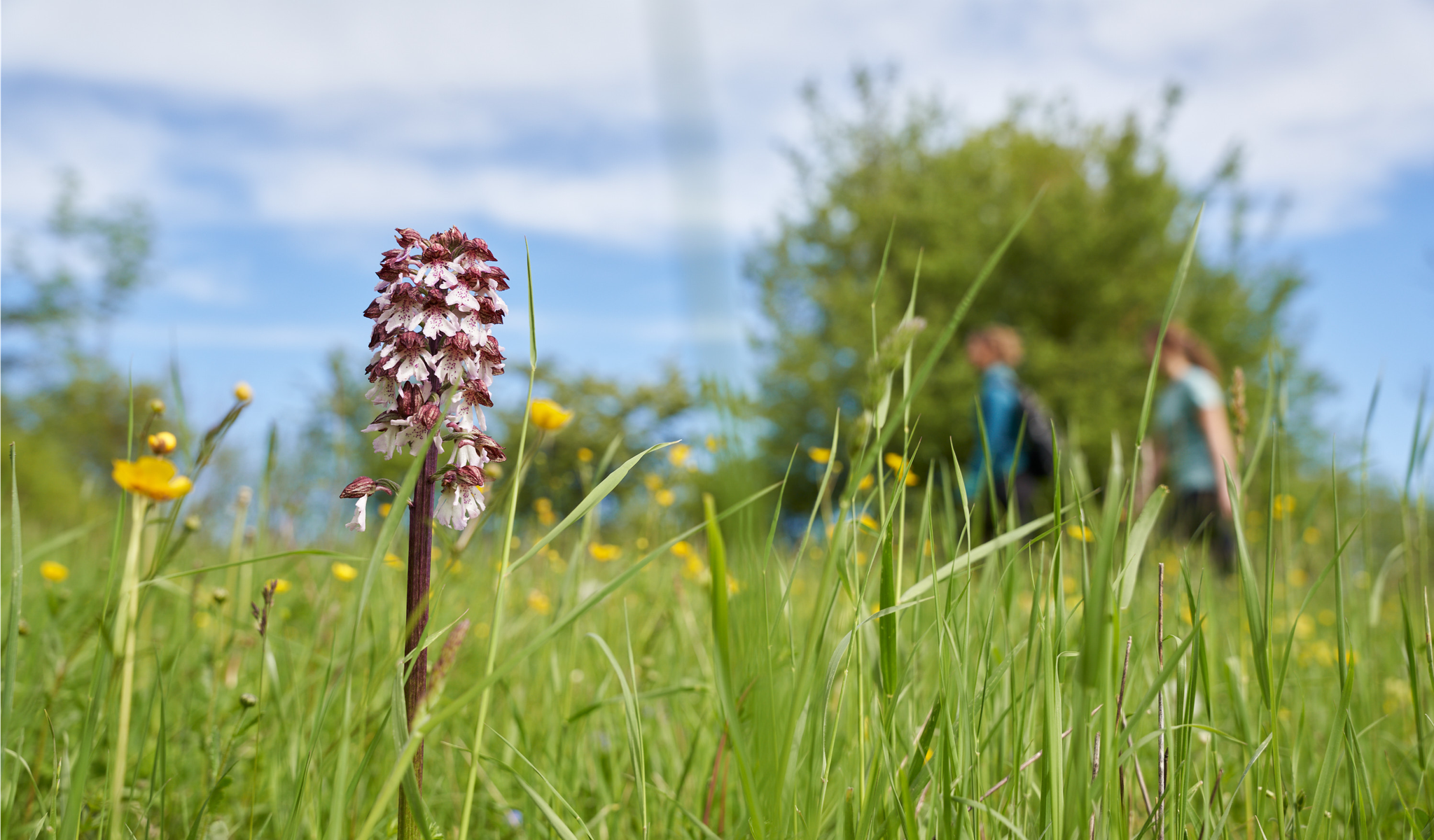
Hier blüht dir was – Blühende Vielfalt auf unseren Wanderwegen
Hiking around Flarchheim
Cycling around Flarchheim
MTB Trails around Flarchheim
Road Cycling Routes around Flarchheim
Running Trails around Flarchheim
Other adventures around Flarchheim


Tips from the Community

The inner, oldest city wall of Mühlhausen was almost 2.8 kilometers long (of which 2.2 kilometers are preserved to this day) and enclosed an area of around 50 hectares. This area had the shape of a slightly rounded and not entirely regular rectangle, whose maximum east-west extent is almost twice as long (1000 meters) as its maximum north-south extent (500 meters). Its original structure included the four main gates, namely the Görmartor in the northeast, the Erfurter Tor in the southeast, the Felchtaer Tor in the southwest, and the Frauentor, named after the Marienkirche (=Frauenkirche), in the northwest, as well as probably four posterns: the Eselspforte and the Burgpforte on the north side, and the - unnamed - postern at the exit of Brunnenkreßstraße and another, only inferred, postern to Spielbergstraße on the south side. It is unclear whether the original main access to the castle via Breitenstraße was already closed with the construction of the wall between the castle and the city before 1251 or only after the demolition of the castle from 1256 onwards. As material for the inner (and later also outer) city wall, including the gates and towers, the travertine found in Mühlhausen and quarried here was used, a geologically young freshwater limestone. The inner city wall was constructed as a double-shell masonry. Its thickness up to the height of the rampart varies between approximately 1.5 meters and - reached only exceptionally - a maximum of 2 meters. Source: https://www.muehlhausen.de/tourismus/erkunden/sehenswuerdigkeiten/besondere-baudenkmaeler/stadtmauer/
1
0

A very beautiful facility that you can visit. The exhibition in the bird sanctuary is extremely interesting and very educational.
0
0

A beautiful piece of contemporary history! Highly recommended!
1
0

A visit to the historic fortifications is particularly worthwhile for families. The climb up the Rabenturm is rewarded with a beautiful panoramic view of the city and the surrounding area.
1
0
The 2.2 km long city wall illustrates the defensive strength and importance of the former Free Imperial City. Mühlhausen thus has an almost completely preserved defense system. At the same time, it is also one of the oldest non-Roman city walls in the German-speaking world, as some of its components date back to the early 13th century. This inner fortification surrounds an area of 49 hectares, which is the second largest area monument in Thuringia after Erfurt's old town. Of the four city gates, the inner Frauentor from 1655 has survived to this day. The other entrances (the Erfurt and Felchta gates as well as the Görmartor) were demolished in the 19th century to make way for wider road access to the city center. The inner wall can currently be explored over a length of 370 meters. Some of the numerous defense towers and rondelles were later converted into pavilions. They house themed rooms on the historical use of the complex and on hazard prevention in the urban environment. The viewing platform of the Rabenturm (34.2 m) offers an impressive panoramic view of Mühlhausen and the surrounding area. Today, only the slender tower of the outer Frauentor from the 15th century remains of the original 5.6 km long outer city fortifications, which enclosed the suburbs and a total area of 182 hectares.
1
0

A well-restored and well-maintained castle ruin. Everything is secure, the tower is accessible via a staircase and there is even a toilet. The view from the tower is very beautiful.
6
0

A stork nests on the roof.
0
0

If you're already doing the tour here, you should choose the old town option, although I lost the signs somewhere due to the many construction sites. Nevertheless, it is better because at least you can see something of the beautiful, venerable former imperial-free city.
1
0
Frequently Asked Questions
What historical fortifications can I explore near Flarchheim?
While Flarchheim itself is known for the Battle of Flarchheim in 1080, the surrounding region in Thuringia offers impressive medieval sites. You can visit the well-preserved Frauentor, Rabenturm and the City Wall of Mühlhausen, which features a walkable section of medieval defenses. Another significant site is the Haineck Castle Ruins, an impressive medieval ruin with an accessible tower offering scenic views.
What makes Mühlhausen's city wall a significant historical site?
Mühlhausen boasts one of Germany's most complete medieval city wall systems. The Frauentor is the sole remaining original city gate of the inner wall, and a significant portion of the wall, approximately 370 meters, is accessible for visitors to walk along. The Rabenturm, part of the fortifications, offers a wonderful panoramic view of Mühlhausen and the surrounding area from its 34.2-meter-high viewing platform.
What is the history behind Haineck Castle Ruins?
Haineck Castle Ruins is believed to be one of the last medieval castles constructed in Thuringia, built around 1392 by Landgrave Balthasar. Its strategic purpose was to protect against raids and secure the northwestern border of the Landgraviate of Thuringia. Today, its elevated position provides picturesque views, and the ruins are open to the public, offering a tangible link to medieval conflict and territorial control.
Are there other notable castles or historical buildings in the Flarchheim area?
Yes, beyond Mühlhausen and Haineck, you can also explore Berka Castle. Originally a moated castle from the 12th century, its current building has been adapted over centuries and now serves as a municipal administration, though its foundations date back to medieval times. The region offers a variety of historical structures, from defensive fortifications to former moated castles.
Can I walk along the medieval city walls in Mühlhausen?
Yes, a significant portion of Mühlhausen's inner city wall, approximately 370 meters, is accessible to visitors. You can walk along the ancient battlements, gaining a unique perspective on the city's medieval defenses. The Rabenturm, accessible from the wall, also offers expansive views.
Are there hiking opportunities around Haineck Castle Ruins?
Absolutely. Haineck Castle Ruins is situated on a ridge of the Hainich and is directly located on the Hainichland Trail and the Haineck cycle path, making it easily accessible for hikers and cyclists. The area offers various routes with some steep but mostly moderate climbs, providing fantastic views in all directions from the castle tower.
What outdoor activities are available near the castles around Flarchheim?
The region around Flarchheim offers a variety of outdoor activities. You can find numerous hiking trails, including easy options like the 'Quick trip to Huenenteich' or the 'Germanic Cult Path'. For cyclists, there are touring bicycle routes, and mountain biking enthusiasts can explore trails such as the 'Totenkopf Shelter – Hainichbaude at Craulaer Kreuz loop'. You can find more details on these activities in the easy hikes around Flarchheim guide, cycling around Flarchheim guide, and MTB Trails around Flarchheim guide.
Are the castles near Flarchheim suitable for families?
Yes, several historical sites in the area are considered family-friendly. The Frauentor, Rabenturm and the City Wall of Mühlhausen offers an engaging walk along medieval defenses. Haineck Castle Ruins is also family-friendly, with an accessible tower and a well-maintained site. Berka Castle is another option for families interested in history.
Can I visit the castles near Flarchheim with my dog?
While specific dog policies can vary for indoor areas or specific sections of historical sites, outdoor areas like the walkable sections of the Mühlhausen City Wall and the grounds around Haineck Castle Ruins are generally accessible for dogs, often on a leash. It's always advisable to check local regulations or specific site information before your visit.
What is the best time of year to visit the castles around Flarchheim?
The spring and autumn months typically offer pleasant weather for exploring the outdoor historical sites and enjoying the surrounding nature. Summer can also be a good time, though it might be busier. Visiting in winter can offer a unique, quieter experience, especially if you enjoy crisp air and potentially snow-dusted landscapes, but some facilities or access might be limited.
How can I get to the castles near Flarchheim by public transport?
Public transport options to the castles around Flarchheim, particularly to Mühlhausen, are available. Mühlhausen is a larger town with better connections. For more remote sites like Haineck Castle Ruins, public transport might be less direct, often requiring a combination of bus services and a walk. It's recommended to check local bus schedules for the Unstrut-Hainich-Kreis region prior to your trip for the most up-to-date information.
Are there good viewpoints near the castles in the Flarchheim area?
Yes, there are excellent viewpoints. The Rabenturm in Mühlhausen offers a fantastic panoramic view of the city and its surroundings from its 34.2-meter-high platform. Similarly, the accessible tower at Haineck Castle Ruins provides beautiful vistas over the surrounding landscape, including the Hainich region.
Most popular routes around Flarchheim
Most popular attractions around Flarchheim

Get inspired with the komoot mobile app


Explore more
Looking for the best castles somewhere else? Discover other guides around Flarchheim:
