The best road cycling routes around La Chapelle-D'Angillon
68
riders
9
rides
Road cycling routes around La Chapelle-D'Angillon traverse the natural regions of Sologne and Berry, offering diverse landscapes. The terrain is characterized by lush green meadows and significant forest cover, with the Petite Sauldre river flowing through the area. Routes often feature gentle gradients, passing by natural features such as the Etang des Barres.
Best road cycling routes around La Chapelle-D'Angillon
- The most popular road cycling route is Béthune Castle loop from La Chapelle-d'Angillon, a 7.8 miles (12.6 km) trail…
Last updated: July 2, 2026
14
riders
12.6km
00:35
150m
150m
Easy road ride. Great for any fitness level. Mostly well-paved surfaces and easy to ride.
6
riders
Moderate road ride. Good fitness required. Mostly well-paved surfaces and easy to ride.

Sign up for free
4
riders
41.3km
01:43
240m
240m
Moderate road ride. Great for any fitness level. Some segments of this route may be unpaved and difficult to ride.
4
riders
47.0km
02:03
370m
370m
Moderate road ride. Good fitness required. Mostly well-paved surfaces and easy to ride.
8
riders
45.9km
02:17
470m
470m
Moderate road ride. Good fitness required. Mostly well-paved surfaces and easy to ride.
Get access to more routes and recommendations from other explorers.
Sign up for free
Already have an account?
Our route recommendations are based on thousands of hikes, rides, and runs completed by other people on komoot.
Start today with a free account
Your next adventure awaits.
Login or Signup
Popular around La Chapelle-D'Angillon

Tips from the Community

Priory-rectory dependent on the abbey of Saint-Satur. The church was rebuilt from the end of the 15th century, starting with the tower forming a bell tower-porch, which can be attributed to a certain Hélias Ruellé, while the coat of arms appearing on the keystones of the nave vault indicate the participation of Guillaume de Ménipeny, abbot of Saint-Satur attested until 1527. The date of 1533 is shown on a keystone. The renovation of the church was probably completed around 1535. The first church was built in the 13th century, of which some remains and perhaps the bell tower-porch remain. The current construction dates mainly from the 16th century and represents one of the rare Renaissance religious buildings in this department. The renovation of the choir and the chevet (capitals) and the construction of the sacristy date from the 19th century. Keystone dated 1533 with the Rochechouart coat of arms.
0
0
15th century church renovated in the 19th century. This 19th century restoration consisted of the addition of two chapels to the north and south, which thus form two side aisles. The western bay and the bell tower also date from this restoration.
0
0

magnificent little church, inside which are remains of medieval frescoes as well as furniture from the Sainte Chapelle de Bourges. Remarkable elements also present on the beams. if the church is closed, go and ask for the keys from Mr Turpin, winemaker on the church square.
0
0

Castle built during the Renaissance by Robert Stuart then Louise de Keroualle, Duchess of Aubigny and Porsmouth. Only the facade and one of the two wings exist today. It is one of the major witnesses to the historical presence of the Scots in this city of character. It can be visited and is worth a look, notably with the ceiling of its large room which is all made of wood, shaped like the hull of an upside-down boat. Good to know: Franco-Scottish festivals take place every year in July.
0
0
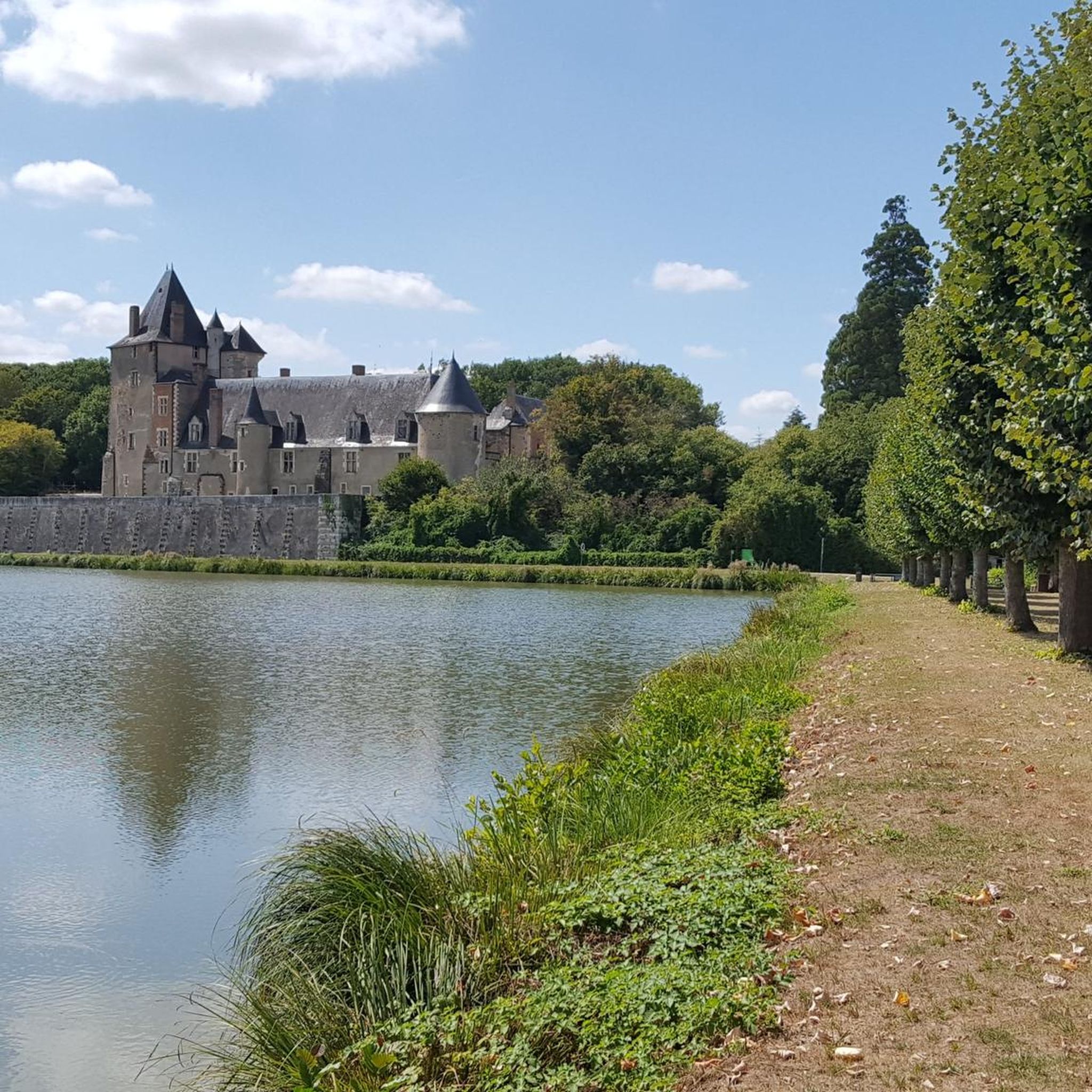
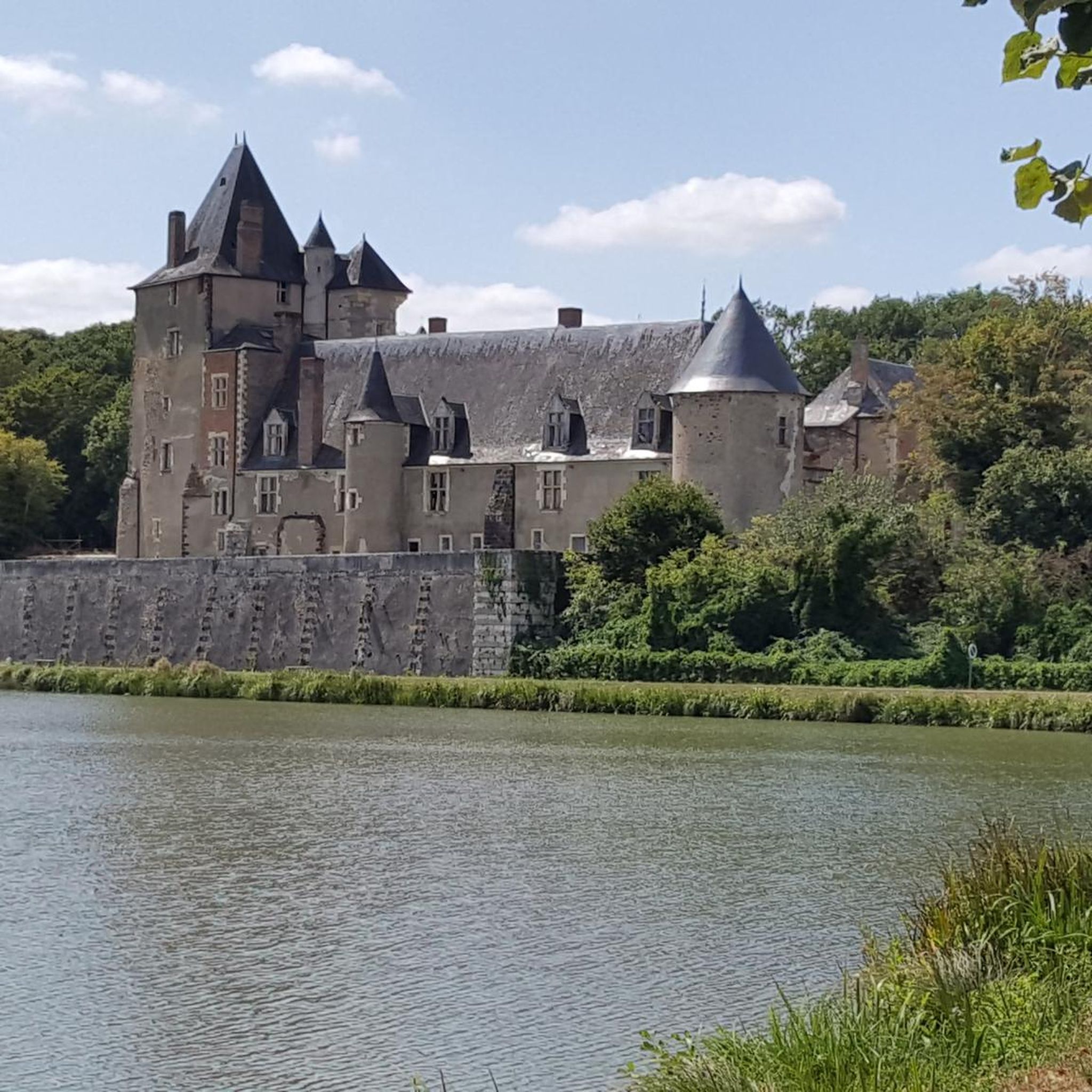
From this bridge over the Petite Sauldre, you can admire the Château de la Chapelle D'Angillon, also known as Château de Béthune, on the other side of the body of water. It was initially a keep dating from 1050, one of the oldest in the region, then several buildings were added over the centuries to form the castle that we discover today. Two cathedral builders lived there, as well as the princes of Boisbelle. In addition to collections of weapons, embroidery and costumes from the 18th century, you will find a museum dedicated to Alain-Fournier, the author of Grand Meaulnes, and the Royal Albanian Foundation.
0
0
If you are a ceramist or an enlightened pottery lover, La Borne will surely mean something to you. Indeed, this village is a mecca for ceramic creation in France and internationally. La Borne being close to a large sandstone deposit, there are traces of this activity since the 12th century and it has continued to develop over time. In the 15th century, potters acquired mastery of cooking local clay. In the 17th century, the creation of the town of Henrichemont increased demand and concentrated the workshops in the hamlet, halfway between the quarries and the town. Then in the 19th century, at its peak, 21 workshops operated there. Unlike many pottery villages, La Borne has been able to resist the new materials of the 20th century with the revival of pottery in the form of art. Today, nearly 80 craftsmen and artists of twelve different nationalities work in the surrounding area and there are two museums in the village. In the former Saint-Jean-Baptiste chapel, the Pottery Museum was created with a rather traditional and historical approach and in which we find works by renowned potters such as the Talbot family, Vassil Ivanoff and Jean Linard. Then you will find the La Borne Contemporary Ceramic Center which has occupied the village's former girls' school since 1971 as well as a glass gallery more than 600 meters long inaugurated in 2010. Every year around October you can participate in the Grands Feux, an event allowing you to discover how the hamlet's wood-fired ovens work.
0
0
Castle built during the Renaissance by Robert Stuart then Louise de Keroualle, Duchess of Aubigny and Porsmouth. Only the facade and one of the two wings exist today. It is one of the major witnesses to the historical presence of the Scots in this city of character. It can be visited and is worth a look, notably with the ceiling of its large room which is all made of wood, shaped like the hull of an upside-down boat. Good to know: Franco-Scottish festivals take place every year in July.
2
0

This charming castle, with its remarkable architecture and vast grounds, invites you to explore the opulence of the past and the beauty of the present. The castle's grandiose façade is matched only by the breathtaking gardens and tranquil lake that surround it. Inside you will find a museum which traces the history of the castle and the glassworks that were once there. The picturesque setting and fascinating exhibits make Château de la Verrerie a destination that offers both cultural enrichment and a serene escape to the heart of the French countryside.
2
0
Frequently Asked Questions
How many road cycling routes are available around La Chapelle-D'Angillon?
You can find approximately 8 road cycling routes around La Chapelle-D'Angillon on komoot, offering a variety of experiences for different skill levels. These routes traverse the diverse landscapes of Sologne and Berry.
What kind of terrain can I expect on road cycling routes in La Chapelle-D'Angillon?
The terrain around La Chapelle-D'Angillon is characterized by lush green meadows and significant forest cover. Routes often feature gentle gradients, making for a pleasant ride through the natural regions of Sologne and Berry. The Petite Sauldre river also flows through the area, adding to the scenic beauty.
Are there any easy road cycling routes suitable for beginners in the area?
Yes, there are several easy road cycling routes. For instance, the Béthune Castle loop from La Chapelle-d'Angillon is an easy 12.6 km trail with minimal elevation gain, perfect for a relaxed ride. Another easy option is the Béthune Castle – Stuart Castle loop from La Chapelle-d'Angillon, which is 40.6 km and leads through verdant countryside.
What are some notable landmarks or attractions I might see along the cycling routes?
Many routes offer views of historic châteaux and natural features. You might pass by the Béthune Castle or the Château de la Verrerie. The serene Etang des Barres is also a prominent natural feature often visible from cycling paths, with the historic Château de La Chapelle-D'Angillon situated on its west bank.
Is there a specific route related to the author Alain-Fournier?
Yes, a particularly noteworthy cycling attraction is the "In the footsteps of Alain Fournier" loop. This 27 km route connects La Chapelle-D'Angillon to Ivoy-le-Pré, allowing you to explore the region associated with the celebrated French author who was born in the village.
Are there any longer or more challenging road cycling routes?
For those seeking a moderate challenge, the Château de la Verrerie – Notre Dame du Noyer Church loop from Château de la Verrerie is a moderate 48.9 km path offering varied scenery. Another moderate option is the Château des Stuarts loop from Ennordres, which covers 47 km.
What do other road cyclists say about the routes in La Chapelle-D'Angillon?
The road cycling routes in La Chapelle-D'Angillon are highly rated by the komoot community, with an average score of 5.0 stars. Cyclists often praise the lush meadows, historic châteaux, and the serene Etang des Barres that define the area's cycling experience.
Are there any circular road cycling routes available?
Yes, many of the routes around La Chapelle-D'Angillon are designed as loops. Examples include the Béthune Castle loop from La Chapelle-d'Angillon and the Château de la Verrerie – Notre Dame du Noyer Church loop from Château de la Verrerie, providing convenient starting and ending points.
What is the best time of year for road cycling in La Chapelle-D'Angillon?
The region's lush green landscapes suggest that spring, summer, and early autumn would be ideal for road cycling. During these seasons, you can best enjoy the verdant scenery, comfortable temperatures, and the full beauty of the Petite Sauldre river and Etang des Barres.
Are there options for family-friendly road cycling?
Given the presence of easy routes with minimal elevation gain, such as the Béthune Castle loop from La Chapelle-d'Angillon, the area offers suitable options for families looking for a relaxed cycling experience. The picturesque and generally gentle terrain is conducive to family outings.
Where can I find parking for road cycling routes in La Chapelle-D'Angillon?
While specific parking locations for each route are not detailed here, La Chapelle-D'Angillon is a rural commune. You can typically find parking in village centers or near popular attractions like the Château de La Chapelle-D'Angillon or the Etang des Barres, which serve as common starting points for local routes.
Most popular attractions around La Chapelle-D'Angillon

Get inspired with the komoot mobile app


Explore more
Browse the best Road cycling routes in other regions.
