Top 20 Caves around Moorgrund
Best caves around Moorgrund are found within the Thuringia region, offering diverse subterranean experiences. While Moorgrund itself may not feature extensive cave systems, the surrounding area provides access to notable geological formations. This region is characterized by its natural landscapes, including forests and valleys, which often conceal these unique underground attractions. Visitors can explore a variety of caves, from natural grottoes to former mining sites.
Best caves around Moorgrund
- The most popular caves is Fairy grotto, a waterfall that…
Last updated: September 25, 2026
Fairy grotto
Highlight • Waterfall
Translated by Google •
Tip by

Ludwigsklamm and Ludwig Grotto Waterfall
Highlight (Segment) • Gorge
Translated by Google •
Tip by

Sign up now to discover places like this
Get recommendations on the best single tracks, peaks, & plenty of other exciting outdoor places.
Path to Elias Cave
Highlight • Trail
Translated by Google •
Tip by

Elias Cave
Highlight • Cave
Translated by Google •
Tip by

Hochwald Grotto
Highlight • Cave
Translated by Google •
Tip by

Sign up for free to discover even more caves around Moorgrund.
Already have an account?
Start today with a free account
Your next adventure awaits.
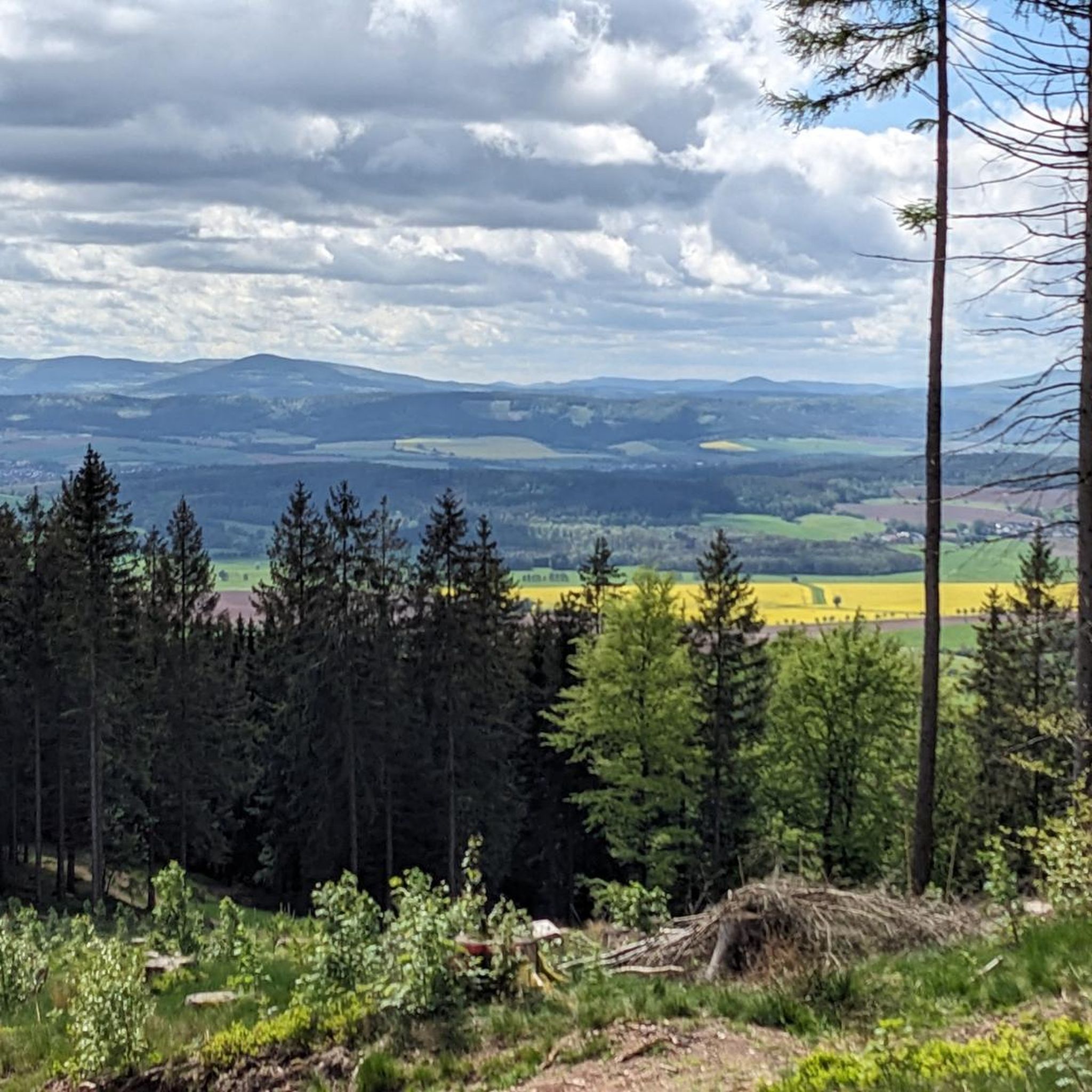
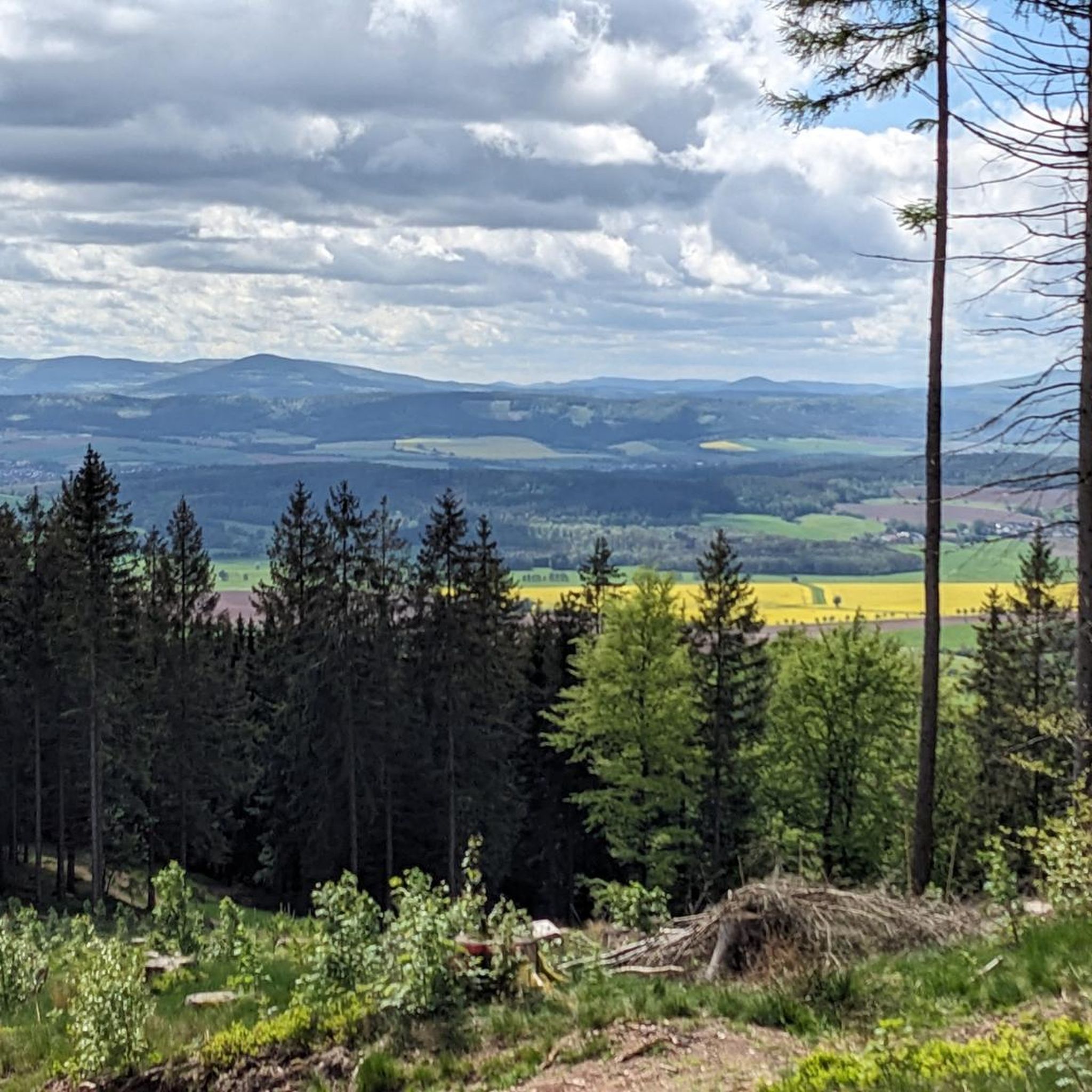
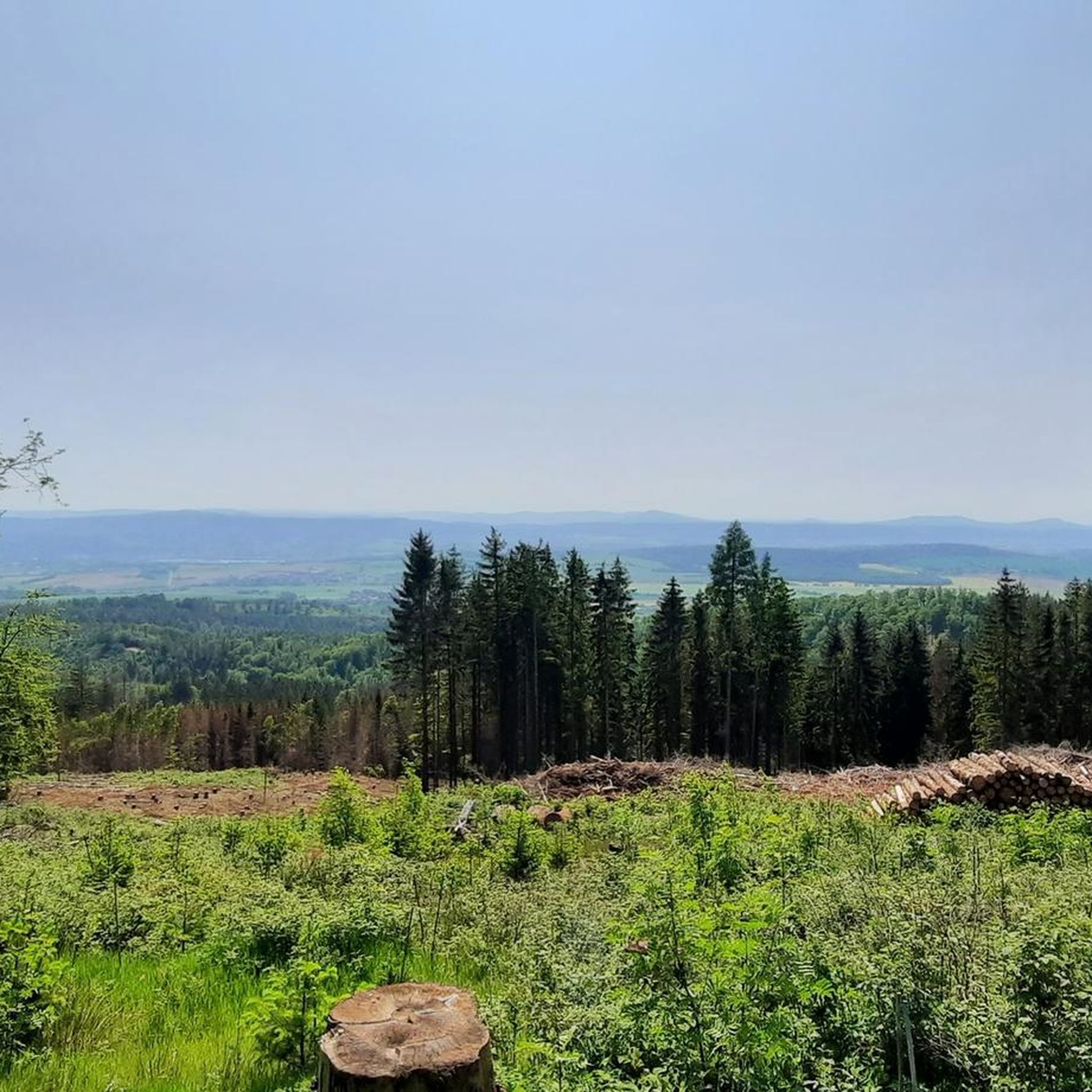
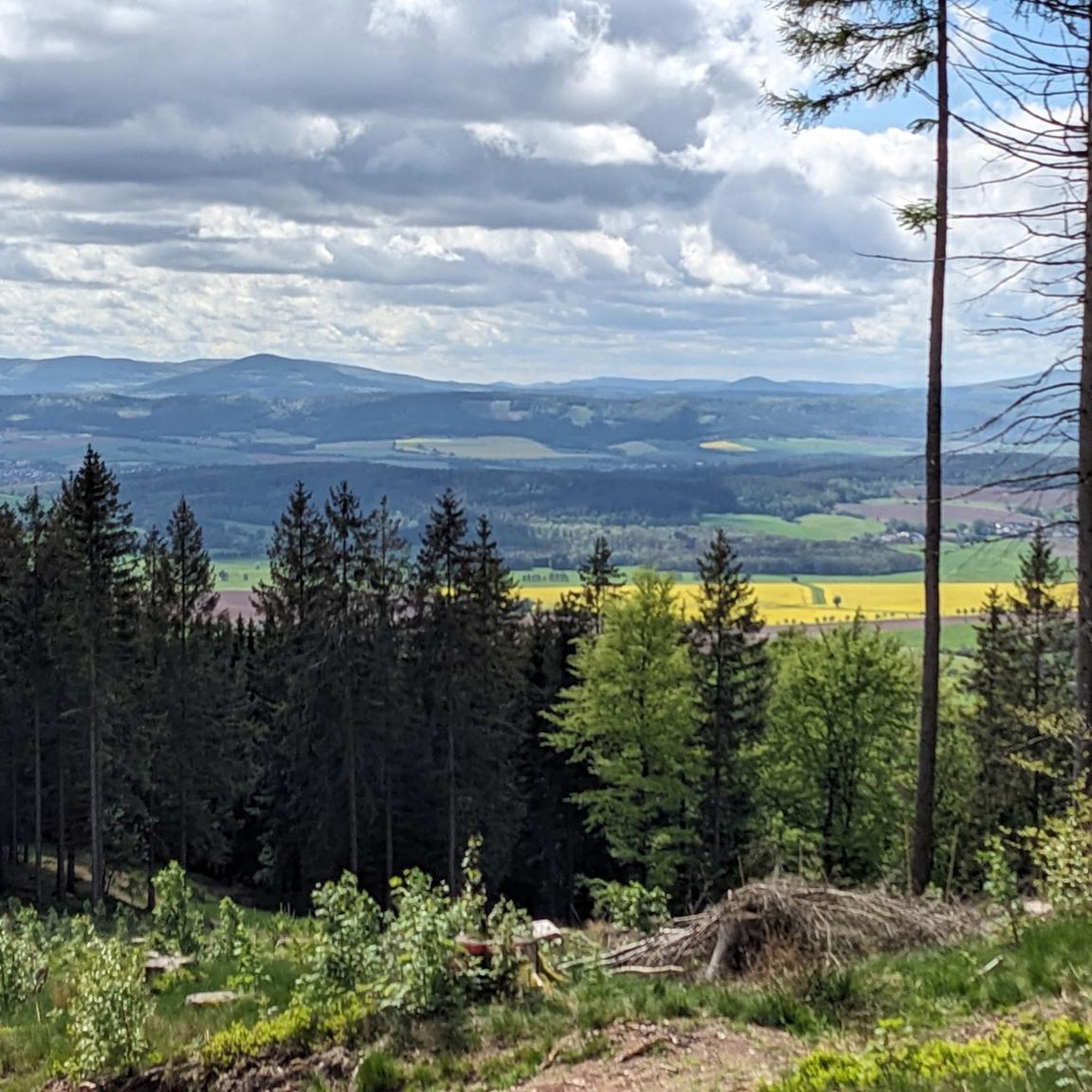
Tips from the Community

Without rain it is a gentle trickle, with heavy rain it also becomes a waterfall.
0
0


https://www.youtube.com/watch?v=MX0reQB_WGc Hochwaldgrotte Eisenach 🏞️
0
0
https://www.youtube.com/watch?v=N4LMSjUro58 Hochwaldgrotte Eisenach 🏞️
0
0

Simply beautiful, nothing more can be said.
2
0

Beautiful green lung of Eisenach
3
0

A beautiful path leads through the gorge, which provides cooling even at high temperatures. It is particularly beautiful in the area of the small waterfall.
4
0

Unfortunately, I couldn't admire the waterfall due to the persistent drought. But the gorge is just a force even without it. Absolute peace and a beautiful forest pure relaxation. There could be a few more seats to relax. And the tour is described as easy, it is also for the experienced hiker, but please think of sturdy shoes. Have fun hiking
4
0
Frequently Asked Questions
What types of caves can I explore near Moorgrund?
The Moorgrund area, within the broader Thuringia region, offers a diverse range of subterranean experiences. You can find natural grottoes, fissure caves, and former mining sites. These include unique geological formations like the Fairy grotto, known for its waterfall and fern sea, and the Ludwigsklamm and Ludwig Grotto Waterfall, an idyllic gorge with a cave-like widening.
Are there family-friendly caves around Moorgrund?
Many of the natural grottoes and accessible cave areas near Moorgrund can be enjoyed by families. For instance, Luise's Grotto offers a pleasant spot for a break with rippling water, suitable for a relaxed visit. When planning, always check the specific trail difficulty for each location, as some paths may require surefootedness.
What unique geological features can I find in the caves near Moorgrund?
The region is home to several caves with distinct geological characteristics. The Marienglashöhle, located in the Thuringian Forest, is famous for one of Europe's largest and most beautiful gypsum crystal druses. The Saalfeld Fairy Grottoes are recognized for their vibrant, colorful mineral formations, earning them the title of the 'most colorful cave in the world'.
Do the caves near Moorgrund have historical significance?
Yes, several caves in the wider Thuringian region have historical roots. The Marienglashöhle originated from historical gypsum and copper mining activities, with its gypsum historically used for church decorations. Similarly, the Saalfeld Fairy Grottoes were originally slate mines before mineral deposits transformed them into their current colorful state.
What is the difficulty level for exploring caves near Moorgrund?
The difficulty varies depending on the specific cave or grotto. Some, like the path to Elias Cave, are described as adventurous hiking trails that require surefootedness due to narrow sections and impressive rock formations. Always check the trail descriptions for individual highlights to assess suitability.
What is the best time to visit the caves near Moorgrund?
Caves generally maintain a consistent cool temperature year-round, making them a good destination in any season. However, access trails and surrounding natural areas are often best enjoyed during spring, summer, and early autumn when the weather is milder and daylight hours are longer. Guided tours for show caves like Marienglashöhle are available year-round.
What should I wear when exploring caves?
It's advisable to wear sturdy, comfortable shoes with good grip, as paths can be uneven or damp. Even in summer, caves are cool, so bring a light jacket or sweater. If you plan to explore less developed grottoes, a headlamp or flashlight can be useful.
Are there hiking trails near the caves around Moorgrund?
Yes, the area around Moorgrund offers numerous hiking opportunities that often lead to or pass by these caves. You can find a variety of trails, from easy strolls to more challenging routes. For more detailed information on hiking routes, explore the Hiking around Moorgrund guide.
What other outdoor activities can I do near the caves?
Beyond cave exploration, the Moorgrund region provides excellent opportunities for various outdoor activities. You can find numerous routes for cycling, mountain biking, and more hiking. Check out the Cycling around Moorgrund guide for ideas on bike tours.
Where can I find the most colorful caves in the region?
For the most colorful cave experience, visit the Saalfeld Fairy Grottoes (Feengrotten) in Saalfeld, Thuringia. These former slate mines are renowned for their vibrant mineral formations, displaying rich reddish, green, and golden hues, and are recognized as the 'most colorful cave in the world'.
Are there caves with unique crystal formations nearby?
Yes, the Marienglashöhle, located between Friedrichroda and Bad Tabarz in the Thuringian Forest, is famous for its impressive gypsum crystal druses. These colorless and transparent gypsum crystals, historically known as Marienglas, are a significant natural feature of the cave.
What do visitors enjoy most about the caves near Moorgrund?
Visitors frequently praise the natural beauty and unique atmosphere of the caves. Highlights like the Fairy grotto are appreciated for their fairytale-like appearance and refreshing oasis feel. The Ludwigsklamm and Ludwig Grotto Waterfall are loved for their idyllic, moss-covered settings and quiet trails, offering a peaceful alternative to busier gorges.
Most popular routes around Moorgrund
Most popular attractions around Moorgrund

Get inspired with the komoot mobile app


Explore more
Extend your search for the best caves by checking out these guides of the top ones around Moorgrund:
