Top 20 Natural Monuments around Kasterlee
Best natural monuments around Kasterlee offer diverse natural landscapes in the Kempen region of Belgium. The area features a mix of forests, heathlands, and unique geological formations like land dunes and fens. These natural landmarks provide opportunities to explore varied ecosystems and historical sites. Kasterlee's natural areas are characterized by their serene environments and distinct natural features.
Best natural monuments around Kasterlee
- The most popular natural monuments is Kapucienenberg Land Dunes, a natural monument characterized by sandy hills formed…
Last updated: June 26, 2026
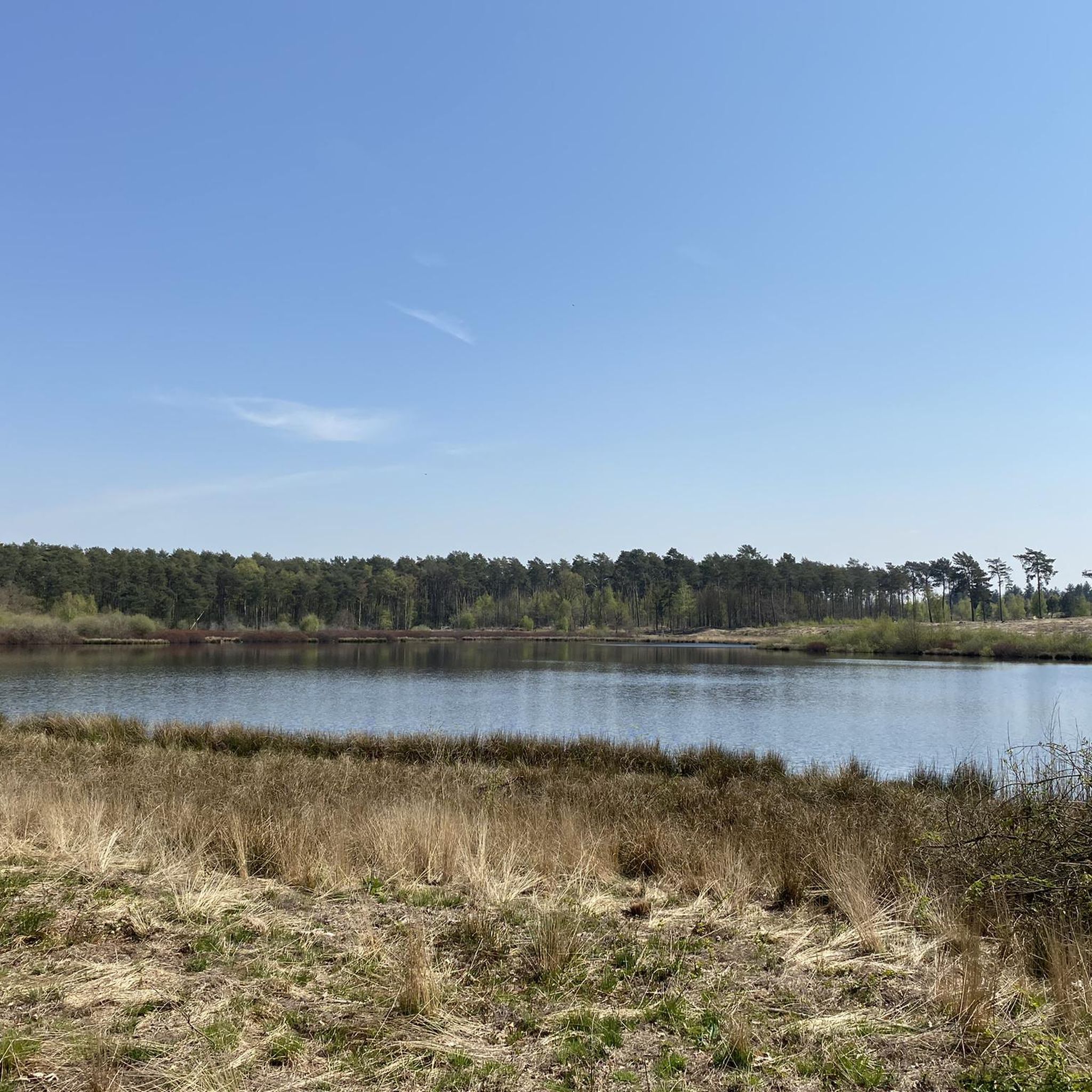
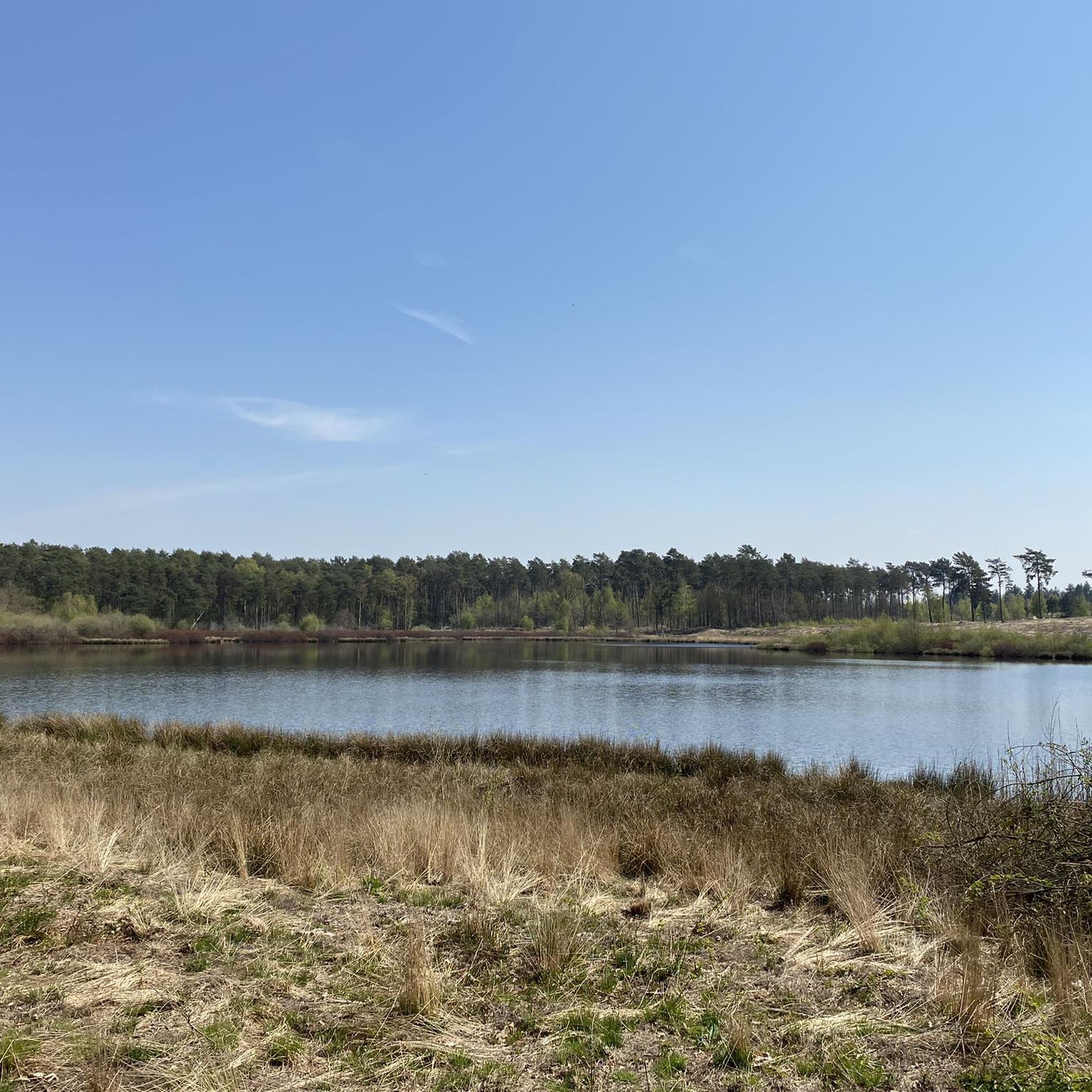
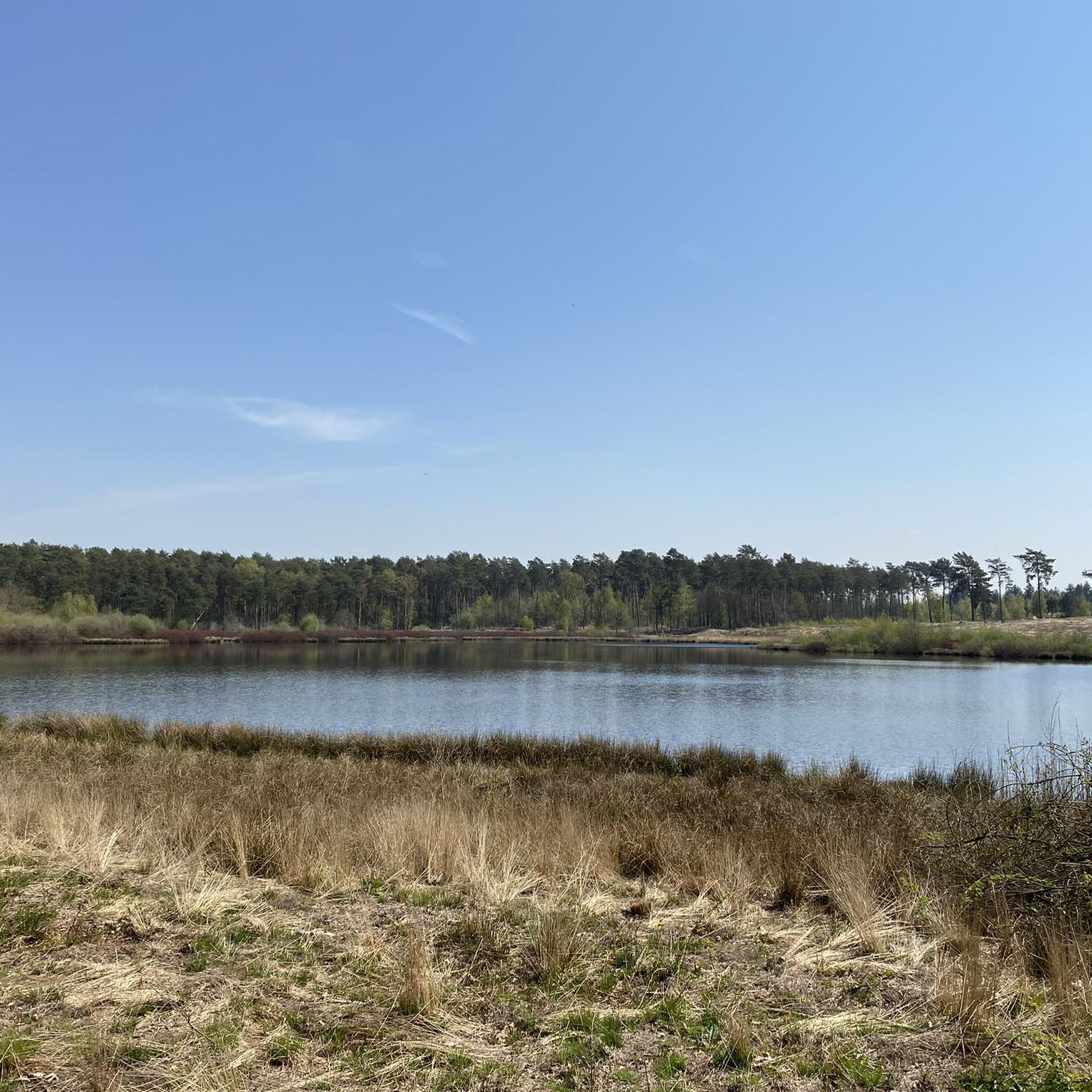
The Zwart Water
Highlight • Lake
Translated by Google •
Tip by

Kapucienenberg Land Dunes
Highlight • Natural Monument
Translated by Google •
Tip by
Sign up now to discover places like this
Get recommendations on the best single tracks, peaks, & plenty of other exciting outdoor places.
Sign up for free
De Hoge Mouw with its sleeping giant
Highlight • Monument
Translated by Google •
Tip by

Devil's Pit Pond
Highlight • Lake
Translated by Google •
Tip by

Achtzaligheden Tree
Highlight • Natural Monument
Translated by Google •
Tip by

Sign up for free to discover even more natural monuments around Kasterlee.
Sign up for free
Already have an account?
Start today with a free account
Your next adventure awaits.
Login or Signup
Popular around Kasterlee
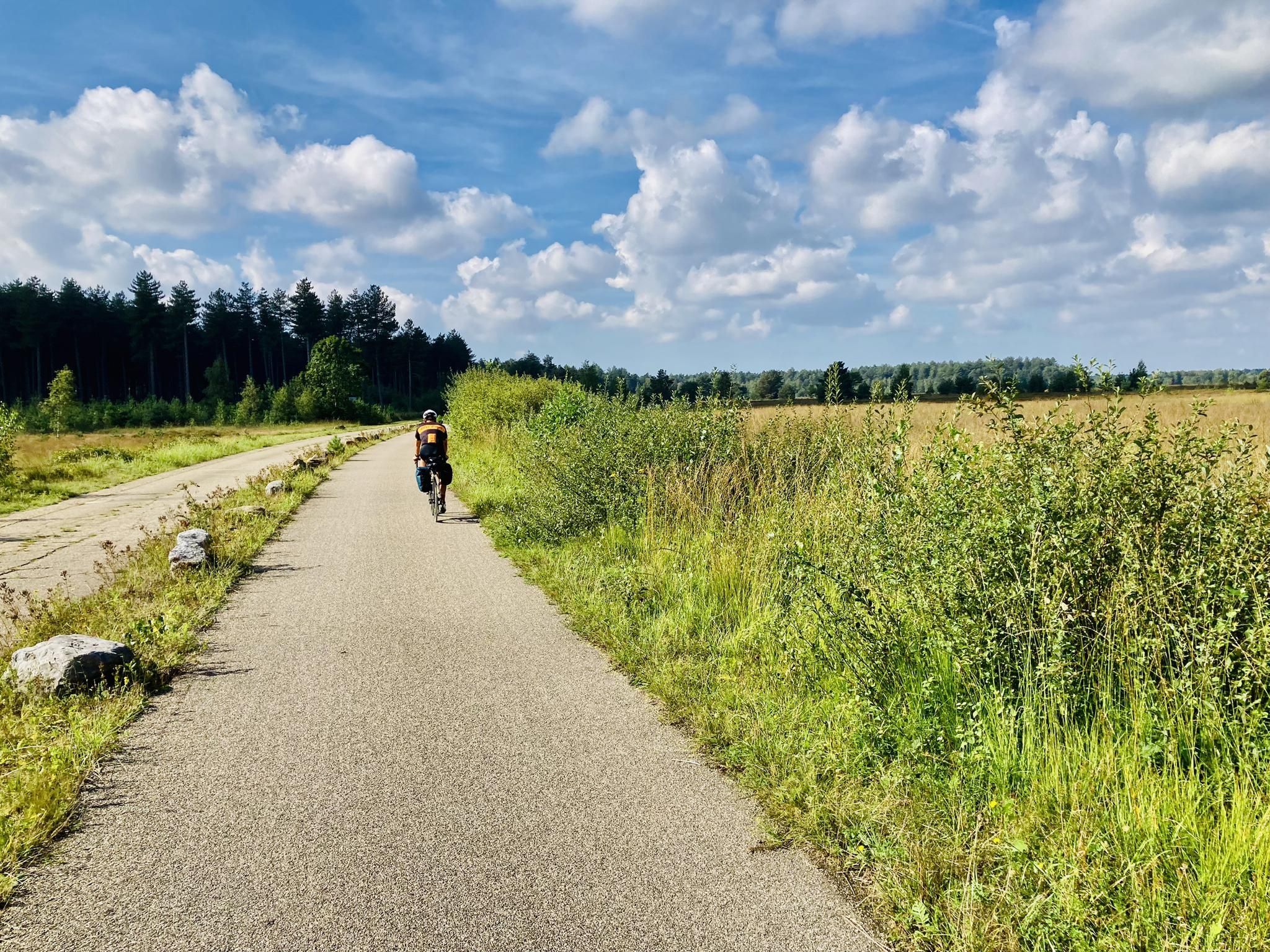
Explore the Kempen – a three-day cycling adventure on the Kempen Route
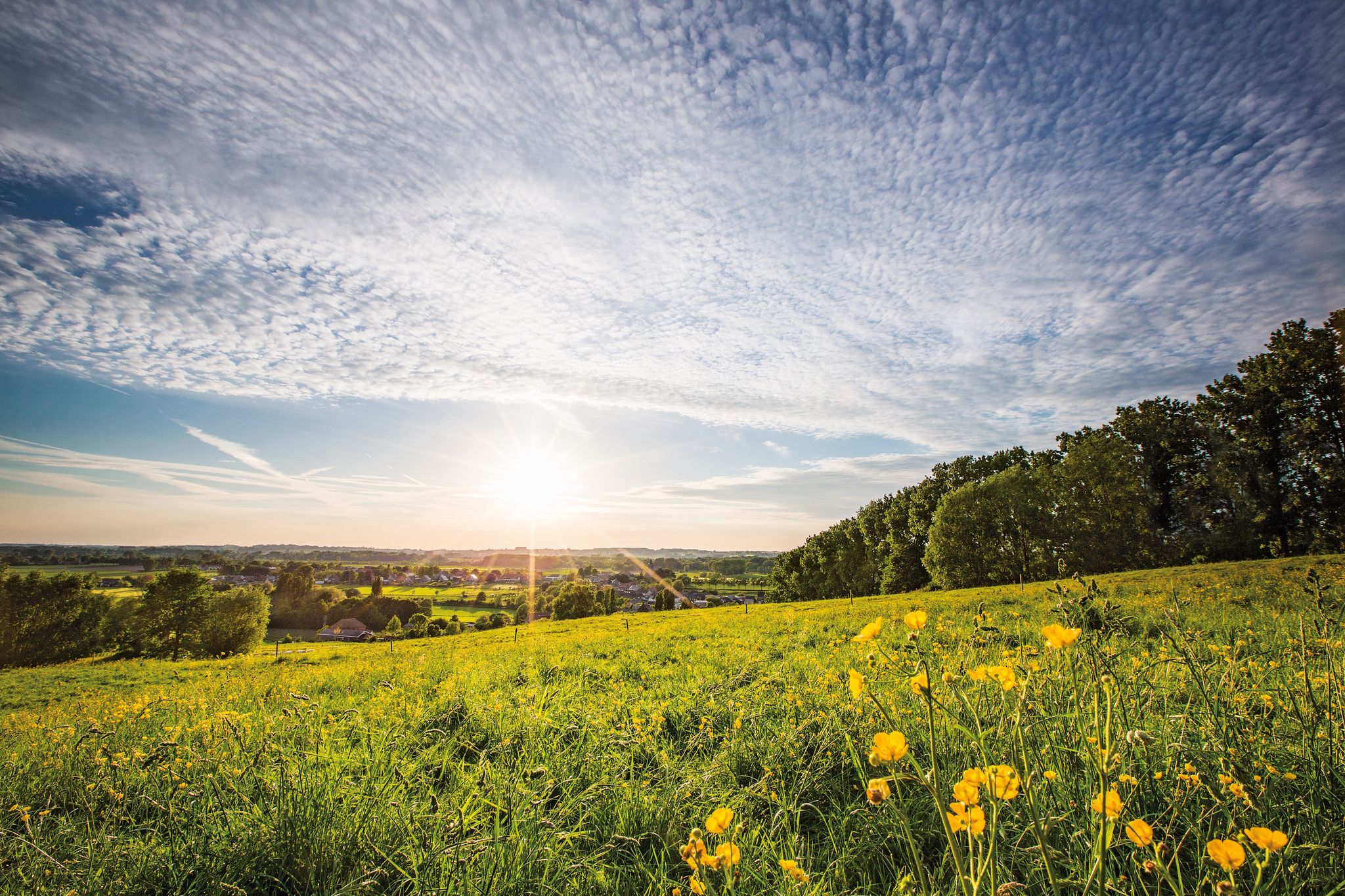
Belgium's best – the most beautiful hiking routes in Flanders
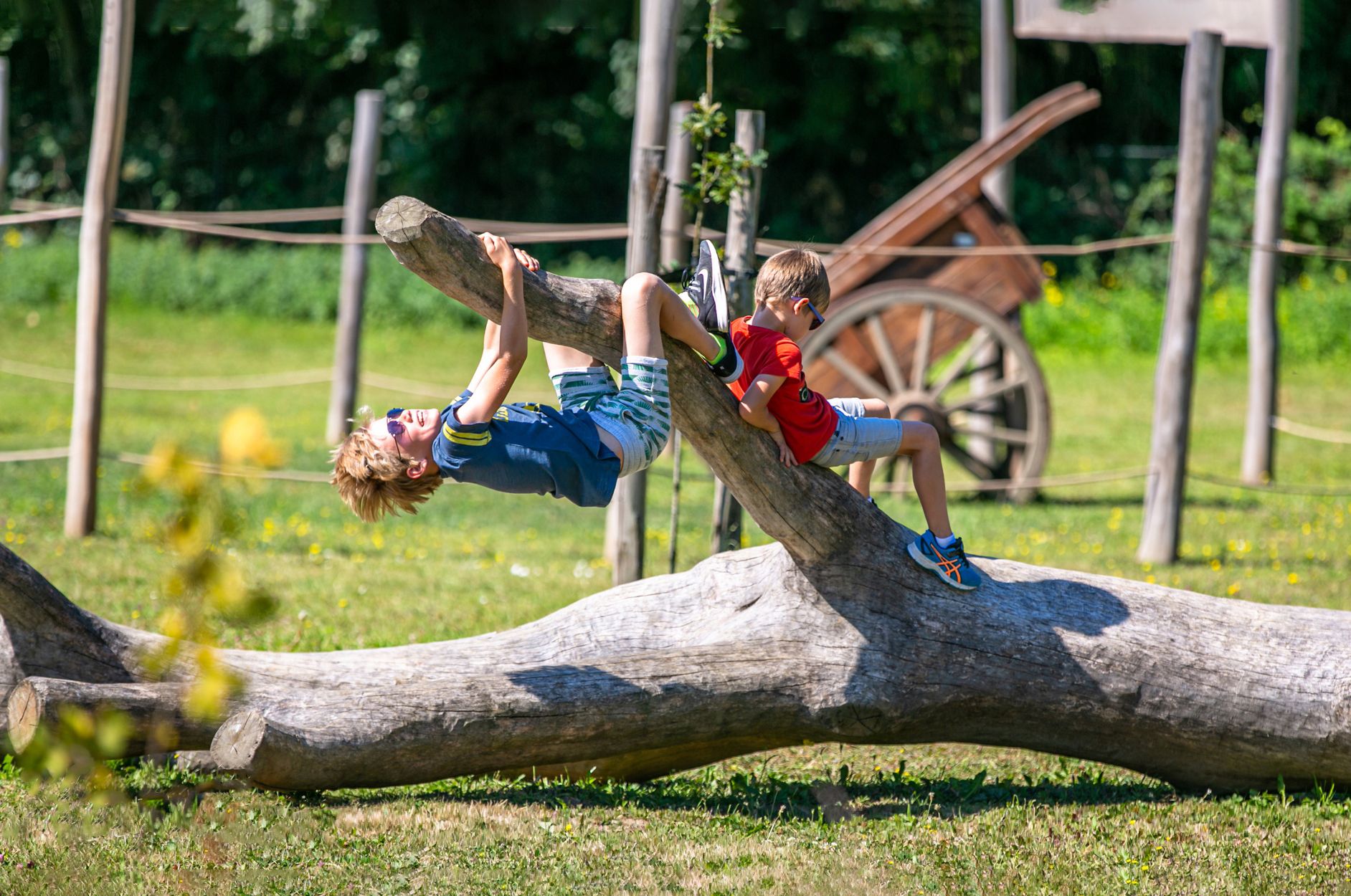
Tours for little adventurers and heroes in Flanders
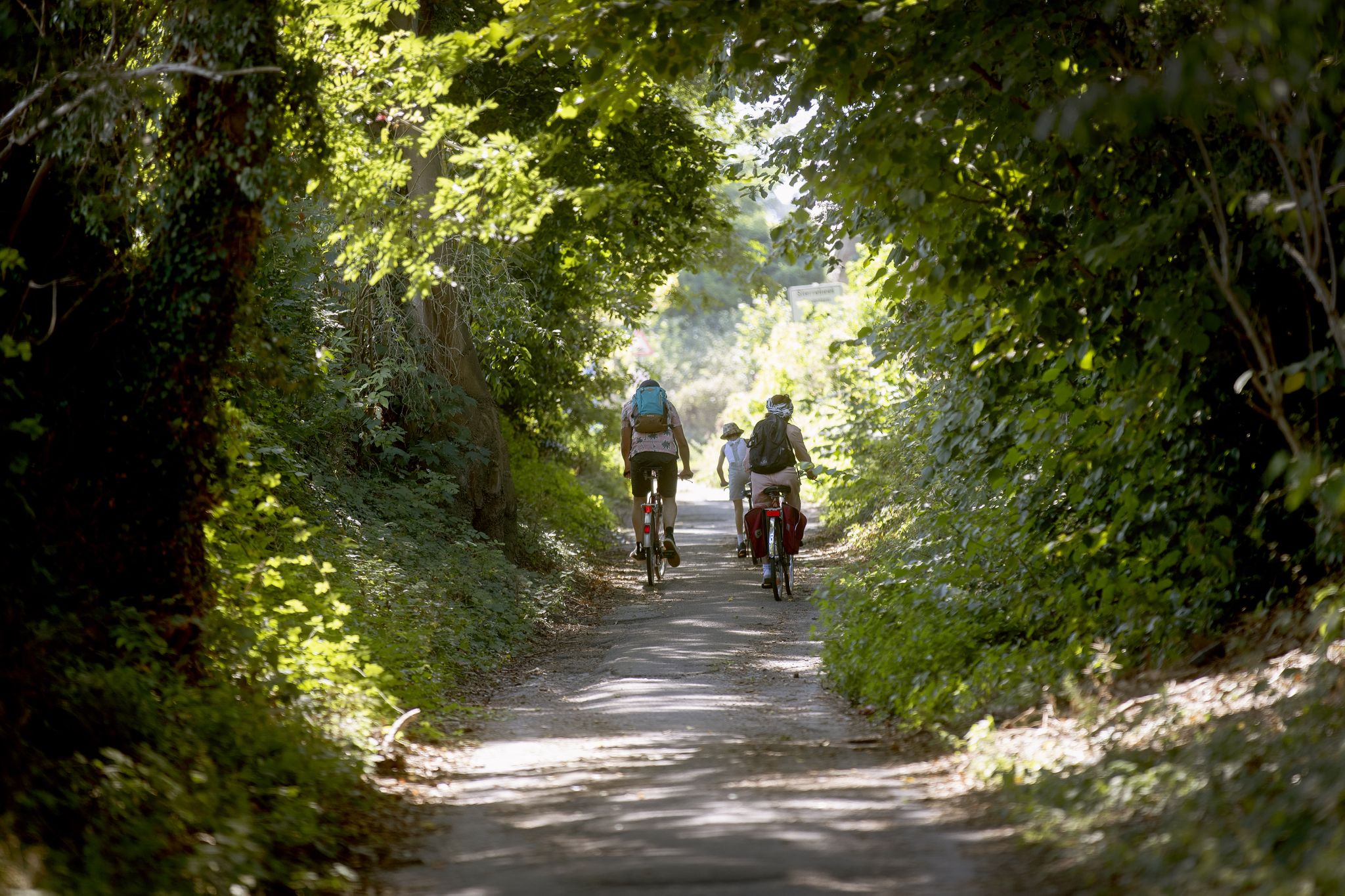
Flanders by bike: Cycling through nature
Hiking around Kasterlee
Road Cycling Routes around Kasterlee
Running Trails around Kasterlee
Cycling around Kasterlee
MTB Trails around Kasterlee

Gravel biking around Kasterlee
Other adventures around Kasterlee


Tips from the Community

Many captivating stories have been written about this well (not just any well). The first probably dates back to 1571, when Lieske Coolbonders committed suicide by drowning herself in the well while the devil himself was pursuing her. Lieske was the illegitimate daughter of Katrien Coolbonders, who was raped by a Spanish nobleman. The nobleman was murdered by Katrien's husband. The body was first dumped in the Devil's Well. Later, it was buried somewhere nearby. (Efkesweg.be)
5
0
Viewed from above, with a little imagination, the Kempen Ridge's relief can be seen as if a giant were sleeping beneath the landscape. Because of the vegetation on the sand dunes, they no longer move, and the giant's slumber is not disturbed. In 2018, Gijs Van Vaerenbergh's artwork, "A Giant Sculpture," was unveiled. It was placed on the 30-meter-high summit of the Hoge Mouw sand dune. (Efkesweg.be)
7
0

This tree was once magnificent. Now it seems to be dying... 😟
1
0

In a thunderstorm, it is best not to touch it, a lightning strike can be dangerous. Inside it is a Faraday cage and you are safe, but what if you touch the corten steel at the moment that lightning strikes? Still, stay away from this beautiful work of art in a thunderstorm!?
4
0

Beautiful resting place in the heath
2
0

Fun to spin the wheel here and listen to the story around this mysterious pool...
5
1

A special one... you must see it
5
1

Het Zwart Water is a nature reserve southwest of the town of Lichtaart, which is part of the Antwerp municipality of Kasterlee, located near Lavendelweg 1-3. The area is managed by the Agency for Nature and Forests. The area is located on the Kempense Heuvelrug and consists of a fen that used to be in a drifting sand and heathland area, but was largely forested with conifers during the 19th century. On the edge of the fen you will find bog myrtle thickets, willow swamp forest and poor grassland. There is a floating dome in the fen that forms a safe resting place for birds. The forest is gradually being transformed into more mixed forest. In addition, there are remnants of heathland.
8
0
Frequently Asked Questions
What kind of natural features can I expect to see around Kasterlee?
Kasterlee's natural monuments offer a diverse landscape, including unique land dunes, expansive heathlands, dense woodlands, and serene fens. You'll find areas like the sandy hills of Kapucienenberg Land Dunes, the fen and surrounding woods of The Zwart Water, and the shifting dunes of De Hoge Mouw.
Are there family-friendly natural monuments in Kasterlee?
Yes, several natural monuments are suitable for families. De Hoge Mouw with its sleeping giant is popular for its artwork and soft sand, ideal for children to play. The whimsical Kapucienenberg Land Dunes also offer areas where children can explore. Additionally, the De Kabouterberg (Gnome Mountain) is known for its enchanting trails and gnome sculptures, making it a perfect family destination.
What outdoor activities can I do near Kasterlee's natural monuments?
The area around Kasterlee offers a variety of outdoor activities. You can explore numerous hiking trails, enjoy road cycling, or tackle mountain biking routes. For instance, there are several road cycling routes like the 'Kleine Nete Towpath – Albertkanaal Riverside Path loop', and MTB trails such as 'The Black Water – Singletrack in the Forest loop'. For runners, running trails like 'Aerial Roots of the Kabouterberg – Zandplek Play Area loop' are available.
Are there any historical or cultural sites within the natural monuments?
Yes, some natural monuments in Kasterlee also hold historical significance. The Hoge Mouw Hills feature prehistoric burial mounds, blending nature with history. The Achtzaligheden Tree is a natural monument with a rich local history and legends dating back to the 17th century.
What is the best time of year to visit Kasterlee's natural monuments?
Kasterlee's natural monuments can be enjoyed year-round, with each season offering a different experience. Spring brings fresh greenery, while summer is ideal for longer days outdoors. Autumn showcases beautiful fall colors, especially in the woodlands. The heathlands, particularly in De Liereman, are stunning when the heather blooms in late summer to early autumn. Even in winter, the serene landscapes offer peaceful walks.
Can I observe wildlife in Kasterlee's natural monuments?
Yes, the natural monuments are home to diverse wildlife. The Zwart Water is known as a true bird paradise, featuring a floating platform for resting and nesting birds, and a bird-watching hut. De Liereman Nature Reserve is also excellent for birdwatching and observing grazing animals like Konik horses, Shetland ponies, sheep, and Galloways.
What kind of terrain should I expect on hiking trails?
The terrain around Kasterlee is varied. You can expect sandy paths, especially in areas like the Kapucienenberg Land Dunes and De Hoge Mouw, which are characterized by sandy hills and former shifting dunes. Trails also wind through dense woodlands, heathlands, and along fens, offering a mix of soft forest floors and potentially damp areas, particularly in reserves like De Liereman and Het Zwart Water.
Are there any viewpoints offering panoramic views?
Yes, the Hoge Mouw Hills are known for offering panoramic views of the surrounding landscape. Other natural monuments like Kapucienenberg Land Dunes and Achtzaligheden Tree are also listed as viewpoints, providing scenic spots to appreciate the natural beauty.
What makes The Zwart Water a unique natural monument?
The Zwart Water is a unique fen with surrounding woods, known for its dark-colored water due to peat development. It features a floating platform in the middle of the water that birds use for resting and nesting, making it a significant bird sanctuary. The area was once an open dune landscape, and its current formation is a result of sand accumulation and subsequent peat development.
What is special about the Kapucienenberg Land Dunes?
The Kapucienenberg Land Dunes are sandy hills formed after the last ice age by blowing sand. This landscape features extensive coniferous forests, beautiful heather areas, and sweeping sand drifts. It's a testament to a distant past and supports a special flora and fauna, including digging wasps, sand bees, and sand-race beetles.
Are there any nature reserves with visitor centers in the area?
Yes, De Liereman Nature Reserve, recognized as the first official sanctuary in the Kempen, features an informative visitor center. This center enhances the experience by offering insights into its unique ecosystems, which include heathlands, woodlands, and wetlands.
Are dogs allowed on trails in Kasterlee's natural monuments?
Generally, dogs are welcome in many natural areas around Kasterlee, but it's important to keep them on a leash, especially in nature reserves to protect wildlife and other visitors. Specific rules may vary by location, so always look for signage at the entrance to a particular monument or reserve.
Most popular routes around Kasterlee
Most popular attractions around Kasterlee

Get inspired with the komoot mobile app


Explore more
Extend your search for the best caves by checking out these guides of the top ones around Kasterlee:
