Top 5 Castles around Torrita Di Siena
Best castles around Torrita Di Siena are found in a charming hilltop town in Tuscany, historically a fortified castle hamlet. The town itself is encircled by well-preserved medieval walls, attesting to its strategic importance as a defensive stronghold. These fortifications offer panoramic views of the surrounding Valdichiana landscape, characterized by olive groves and cultivated fields. The area provides an immersive historical experience, allowing visitors to explore ancient structures and understand the region's past.
Best castles around Torrita Di Siena
- The…
Last updated: May 23, 2026
Spedaletto Castle
Highlight • Castle
Source: artsandculture.google.com/entity/castle-of-spedaletto/g11b5m68f7b?hl=en
Translated by Google •
Tip by

San Giovanni d'Asso Historic Village
Highlight • Settlement
Translated by Google •
Tip by
Sign up now to discover places like this
Get recommendations on the best single tracks, peaks, & plenty of other exciting outdoor places.
Sign up for free
Massaini Castle
Highlight • Castle
Source: palazzomassaini.com
Translated by Google •
Tip by

Scrofiano
Highlight • Settlement
Translated by Google •
Tip by

Spedaletto Old Post House
Highlight • Castle
Showing Translation
Tip by

Sign up for free to discover even more castles around Torrita Di Siena.
Sign up for free
Already have an account?
Start today with a free account
Your next adventure awaits.
Login or Signup
Popular around Torrita Di Siena

Other adventures around Torrita Di Siena

Tips from the Community

From a simple place of hospitality, it was transformed into a "grancia", a fortified farm that served as an agricultural center and warehouse for the storage of grain and foodstuffs from the area, always under the control of Santa Maria della Scala. It was during this period that the walls, the antiporta, and the defensive towers were added. The castle presents a massive quadrangular plan. Its most evident features are: - The towers: A tower rises from each of the four corners (the northwestern one still has the original battlements). - The courtyards: The main entrance leads into a first courtyard where there is a small Gothic church with a rose window, dedicated to San Niccolò. A second door leads to the inner courtyard, the true heart of the fortification. - The defensive walls: The curtain wall and the corbels (the protruding architectural elements) testify to its past defensive function.
0
0
L'Antica Posta di Spedaletto, more commonly known as Castello di Spedaletto or Grancia di Spedaletto, is an extraordinary fortified architectural complex located in the heart of the Val d'Orcia, in the municipality of Pienza (Siena). Here is its history and main characteristics: Origins: A refuge on the Via Francigena Built in the 12th century (it is already known in 1191, when King Philip II Augustus of France stopped there on his return from the Third Crusade), it was originally born as a "spedale", i.e. a hospice and resting place to welcome pilgrims and travelers who traveled the Via Francigena, one of the most important communication arteries of medieval Europe. The complex belonged to the powerful Spedale di Santa Maria della Scala of Siena. The transformation into a fortified "Grancia" During the 15th century (around 1446), the complex underwent important renovation works that modified its original appearance.
0
0

Very cool place for water refilling. Nice artwork.
0
0

A small paradise in the Tuscan hills, in the heart of the Val d'Orcia, just a few minutes from Pienza....
0
0

The Castello di Spedaletto is a remarkable castle located in the Val d'Orcia, right along the road that leads from Pienza to Bagno Vignoni. This old castle, which was extensively rebuilt in the Middle Ages, has been fortified and provided with a walled enclosure. The walled front door dates from 1446. It is now an agriturismo, run by Laura and her family, offering an unforgettable stay in the heart of the Val d'Orcia.
1
0

Very nice as an agriturismo and recommended! "La grancia di Spedaletto"
1
0

The castle houses a wonderful hotel (Relais Il Mastio di Spedaletto) with an excellent breakfast and a large lawn with a spa. In addition to other agritourisms, the property also houses the Mulino Val d'Orca with a well-stocked shop (wholemeal flour, pici pasta, wine, olive oil, etc.) and a restaurant that serves homemade pasta dishes (open only at lunchtime).
0
0

In the heart of Tuscany, San Giovanni d'Asso offers spectacular views of the Crete Senesi. It is part of the municipality of Montalcino, located near the Asso stream.
1
0
Frequently Asked Questions
What historical features define the fortified town of Torrita di Siena?
Torrita di Siena is essentially a fortified castle hamlet, with its historic center encircled by well-preserved medieval walls dating back to the 12th and 13th centuries. Key features include the high city walls, the four historic gates (Porta Gavina, Porta a Pago, Porta a Sole, and Porta Nuova), the central Piazza Matteotti, the 13th-century Palazzo Comunale, and the Romanesque Church of Sante Flora and Lucilla, which houses art attributed to Donatello.
Which castles offer the best panoramic views in the region?
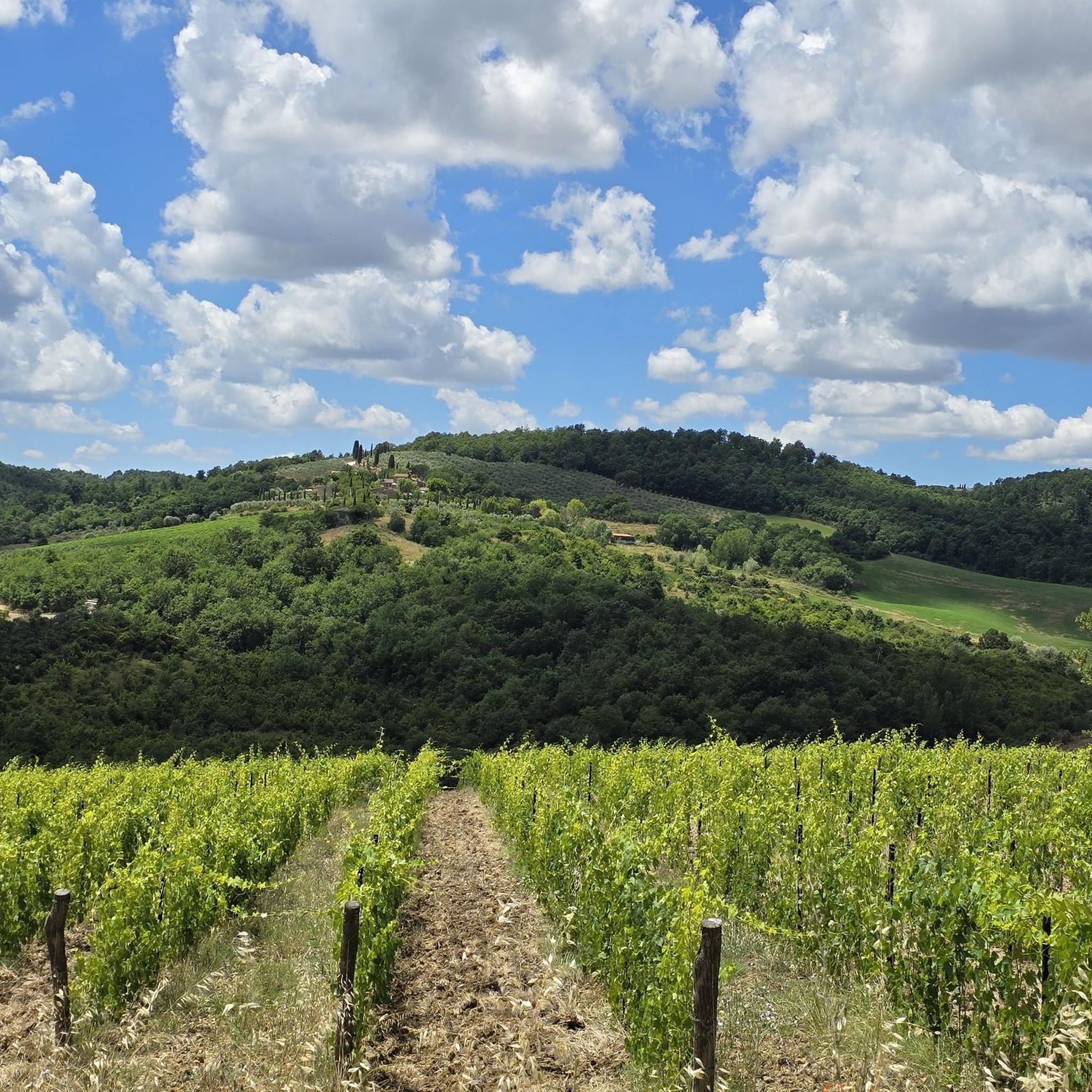
For stunning panoramic views, visit San Giovanni d'Asso Historic Village, which is located in an elevated position and offers spectacular views of the Crete Senesi. Additionally, Massaini Castle provides a nice glance on the hill amidst vineyards and olive groves, and the ancient Porta Gavina in Torrita di Siena offers gorgeous views across the Valdichiana.
Are there family-friendly castles or historical sites to visit?
Yes, several sites are family-friendly. Spedaletto Castle is a fortified complex that now operates as an agriturismo, offering a unique stay. San Giovanni d'Asso Historic Village is also noted as family-friendly and wheelchair accessible, with a children's playground nearby. While Castello di Gallico is private, the scenic road leading to it is suitable for families to enjoy the views.
What kind of outdoor activities can I do near these castles?
The area around Torrita di Siena offers various outdoor activities. You can explore hiking trails, including routes like the Montefollinoco loop from Torrita di Siena. For those who enjoy running, there are running trails such as the Church of San Biagio – Piazza Grande of Montepulciano loop. Gravel biking is also popular, with routes like the Montepulciano – View of the Tuscan Countryside loop.
What is the best time of year to visit the castles and fortified towns in this region?
The best time to visit is generally during the spring (April-May) and autumn (September-October) months. During these periods, the weather is pleasant for exploring the medieval towns and enjoying outdoor activities without the intense heat of summer. The landscapes are also particularly beautiful, with spring blooms or autumn colors.
Can I find historical sites beyond the main fortified town?
Yes, beyond Torrita di Siena's main fortifications, you can visit other significant historical sites. Scrofiano is a medieval village and Ghibelline fortress, offering a glimpse into the Sienese Valdichiana's past. San Giovanni d'Asso Historic Village is another characteristic settlement with deep historical roots.
What makes the fortified walls of Torrita di Siena unique?
The fortified town walls of Torrita di Siena are notable for their largely intact 12th and 13th-century construction, rebuilt in 1528. They have an elliptic shape that still defines the historic center. Historically, these walls evolved from defensive structures to being incorporated into shops and dwellings, showcasing centuries of adaptation and resilience.
Are there any castles that offer accommodation or dining options?
Yes, Spedaletto Castle is a prime example. This extensively rebuilt medieval castle now functions as an agriturismo, offering accommodation and dining in the heart of the Val d'Orcia, providing an immersive historical experience.
What cultural experiences can I expect in Torrita di Siena?
Torrita di Siena offers a rich cultural experience with its well-preserved medieval atmosphere. You can explore its labyrinthine streets, visit the Palazzo Comunale and the Church of Sante Flora and Lucilla, and experience local traditions. The town also hosts annual events like the 'Palio dei Somari' (donkey race) and a Blues Festival, adding to its vibrant cultural appeal.
What is the significance of Porta Gavina in Torrita di Siena?
Porta Gavina is considered the oldest and most important gate of Torrita di Siena. It once featured towers and an *antiporto*, with visible traces remaining today. A restoration in 1622 added depictions of coats of arms from prominent families like the Medici, Siena, and Torrita within a fresco in its lunette, making it a significant historical and artistic landmark.
Are there any castles that are privately owned and not open to the public?
Yes, Castello di Gallico is a private structure. While the castle itself is not open to the public, the beautiful panoramic white road leading up to it is accessible and offers scenic views.
Most popular routes around Torrita Di Siena
Most popular attractions around Torrita Di Siena

Get inspired with the komoot mobile app


Explore more
Looking for the best castles somewhere else? Discover other guides around Torrita Di Siena:
