Attractions and Places To See around Liscia - Top 3
Best attractions and places to see around Liscia, a small mountain village in the Province of Chieti, Abruzzo, known for its medieval character. The area combines mountain and maritime scenery, with the Trigno river flowing nearby and the Treste valley offering natural beauty. Visitors can explore historical sites, religious sanctuaries, and natural viewpoints within this region.
Best attractions and places to see around Liscia
- The most popular attractions is Torre della Fara, a historical site located near the Trigno…
Last updated: November 3, 2026
Torre della Fara
Highlight • Historical Site
Translated by Google •
Tip by

San Michele Arcangelo Cave in Liscia
Highlight • Cave
The Grotta di San Michele Arcangelo (also known as the Eremo di San Michele) is a unique and ancient sanctuary in a …
Showing Translation
Tip by

Sign up now to discover places like this
Get recommendations on the best single tracks, peaks, & plenty of other exciting outdoor places.
Convento di Sant'Antonio
Highlight • Religious Site
The Convento di Sant'Antonio is located in an idyllic, quiet spot just outside the hilly village of San Buono, deep in the hinterland …
Showing Translation
Tip by
Monte Sorbo Summit
Highlight • Summit
Tip by

Lentella Village
Highlight • Settlement
Translated by Google •
Tip by


Tips from the Community

Spiritual rock sanctuary hidden in a green valley. The Grotta di San Michele Arcangelo (also known as the Eremo di San Michele) is a unique and ancient sanctuary in a rock just outside the village of Liscia. The church is built around a natural karst cave about 10 meters deep. According to local legend, the archangel Michael himself stopped in these woods around Monte Sorbo before travelling on to the famous Monte Sant'Angelo in Puglia. Inside the serene, rocky hollow, a small spring flows along the stone walls. The water collected here in a stone basin has been considered sacred and healing by pilgrims since ancient times. The combination of the white limestone facade, the rugged nature of the Treste valley, and the spiritual silence makes this one of the most fascinating hidden treasures of the Abruzzese hinterland.
2
0
Centuries-old Franciscan monastery hidden in the greenery. The Convento di Sant'Antonio is located in an idyllic, quiet spot just outside the hilly village of San Buono, deep in the hinterland of the province of Chieti. This Franciscan monastery complex was originally built in 1575 on the orders of the local prince Giovannantonio Caracciolo. The church immediately stands out with its monumental stone architecture and characteristic double bell tower. What makes this place so unique for outdoor enthusiasts is its serene and calming location. Inside the complex, there is a beautiful, authentic cloister (chiostro) with a central well. Today, the complex houses, among other things, the local art and archaeology museum. The spacious, shaded front courtyard is ideal for parking your bike and enjoying a well-deserved break in nature.
2
0

The Torre della Fara is located in Torre della Fara in the municipality of Celenza sul Trigno in the province of Chieti. The tower is located near the Trigno river and the Ateleta-Biferno sheep track and was in visual connection with neighboring towns and with the monastery of Santa Maria del Canneto of Roccavivara (Molise). (Source Wikipedia.)
1
0

The Torre della Fara is located in Torre della Fara in the municipality of Celenza sul Trigno in the province of Chieti. The tower is located near the Trigno river and the Ateleta-Biferno tratturo and was in visual connection with neighboring towns and with the monastery of Santa Maria del Canneto in Roccavivara (Molise). The tower dates back to the 12th century.[1] Even if the toponym recalls the Longobard fara, it is, however, difficult to identify the period of construction of the site.[ The tower has a cylindrical structure and is made of stone[1], but stone fragments are also used to frame the openings and loopholes[2]. The tower is 15 meters high and 6 meters in diameter. The tower has no scarp walls and, at a third of the height there is an opening which, probably, is a raised entrance. Furthermore, inside there are the holes where the beams used to support the various levels. The roof inside is vaulted with a lowered cap. The use of mortar in the Torre della Fara decreases with height[1] just as the thickness of the walls decreases with increasing height
0
0

Lentella is a small town that is part of the Medio Vastese mountain community. You can admire various testimonies of the Bronze Age and the Middle Ages, such as the Manno Castle.
1
0
According to oral tradition, it seems that San Michele, who left from the East to defeat paganism, stopped in a wood near Liscia before arriving on the Gargano; this wood is located around Monte Sorbo, an area that in ancient times had a high anthropic density, as can be seen from the remarkable archaeological material found here and coming from Italic tombs. Still on the subject of legend, it is said that a man from Palmoli, a village in the upper Vasto bordering Liscia, intent on grazing cows near the Treste river, noticed that a young bull got lost every day and then returned in the evening. One day, however, the farmer, intrigued by this mysterious behavior, decided to follow his animal and saw that the vegetation opened up, as if by magic, as it passed, as if to indicate a direction to follow; this strange path led him to a cave where he saw the bull kneeling in front of a wooden image of St. Michael the Archangel, which miraculously made water gush out so that man could quench his thirst and recover from the discovery to witness this event supernatural. In memory of these events that occurred in Liscia, the Marquesses of Avalos, in the eighteenth century incorporated the cave inside a small church, perhaps, to regulate the large influx of pilgrims who are here recalled by popular devotion to the Archangel Michael, a cult that is lost in the mists of time.
1
0

Beautiful convent, surrounded by oak woods. There is also a picnic area.
0
0

If you follow our path, the last bit before the top is not marked. Therefore one needs to follow the gradient through not so friendly vegetation. Bring long hiking trousers and boots. Way back was all marked though.
0
0
Frequently Asked Questions
What historical sites can I visit around Liscia?
Liscia and its surroundings are rich in history. You can explore the 12th-century Torre della Fara, a cylindrical stone tower near the Trigno river. The village of Lentella also offers testimonies from the Bronze Age and the Middle Ages, including the Manno Castle. Don't miss the historic center of Liscia itself, which retains its medieval structure.
Are there any significant religious sites in the area?
Yes, the region features several notable religious sites. The San Michele Arcangelo Cave in Liscia is a unique spiritual rock sanctuary, an 18th-century church built around a natural karst cave with a spring believed to have healing properties. Additionally, the Convento di Sant'Antonio, a centuries-old Franciscan monastery in San Buono, is set in an idyllic, quiet spot and houses an art and archaeology museum.
What kind of natural attractions are there near Liscia?
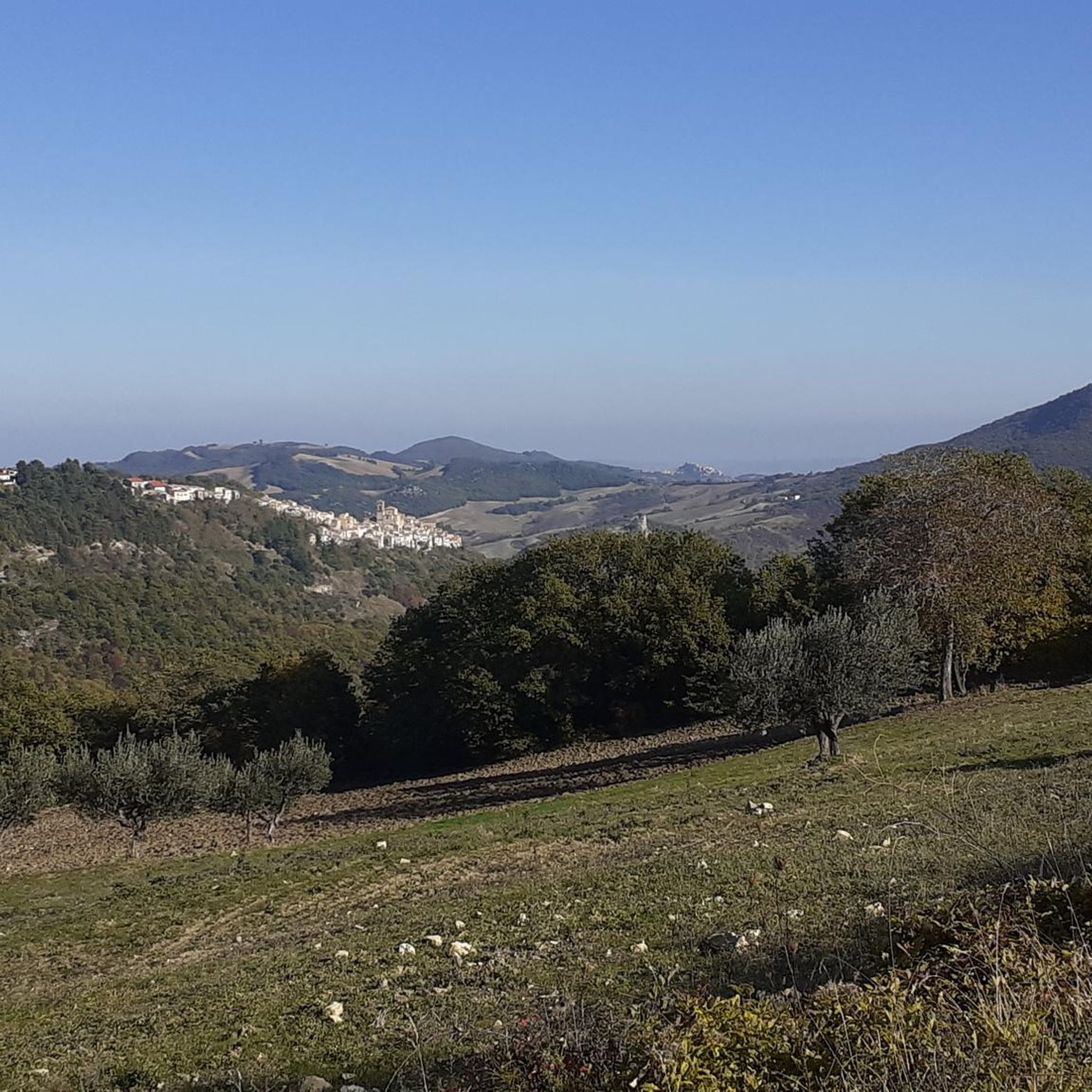
Beyond the historical sites, you can experience the natural beauty of the Abruzzese hinterland. The San Michele Arcangelo Cave is nestled in the rugged nature of the Treste valley. For panoramic views, hike up to the Monte Sorbo Summit, which offers vistas over nearby villages and distant mountains.
Are there family-friendly activities or places to visit?
The Convento di Sant'Antonio is considered family-friendly, offering a peaceful setting with a beautiful cloister and a picnic area, perfect for a relaxing break. Exploring the medieval historic centers of Liscia or Lentella Village can also be an engaging experience for families.
What outdoor activities can I do around Liscia?
The area around Liscia is excellent for various outdoor activities. You can find numerous routes for road cycling, mountain biking, and traffic-free bike rides. For detailed routes and difficulty levels, explore the Road Cycling Routes around Liscia, MTB Trails around Liscia, and Traffic-free bike rides around Liscia guides.
Are there hiking trails near these attractions?
Yes, there are hiking opportunities, particularly around Monte Sorbo Summit. While the summit itself is forested, nearby openings provide views. Be prepared for varied terrain; some paths might require long hiking trousers and boots. You can find more specific hiking routes and details in the various cycling and general outdoor guides for the region.
What is the best time of year to visit Liscia's attractions?
The region offers attractions year-round. Spring and autumn are ideal for hiking and outdoor activities due to milder temperatures. Summer brings local festivals, such as the porchetta festival in August, and celebrations for San Michele Arcangelo in May and September, offering cultural experiences alongside sightseeing.
What local cuisine can I try in Liscia?
When visiting Liscia, you can savor traditional Abruzzese dishes. Look for specialties like porchetta (roasted pork), ventricina (a type of cured sausage), and 'pizz e foj' (a crumbled corn pizza with seasonal vegetables, sardines, and fried dried peppers).
Are there any hidden gems to explore near Liscia?
The San Michele Arcangelo Cave in Liscia is often described as one of the most fascinating hidden treasures of the Abruzzese hinterland. Its serene, rocky hollow and spiritual significance make it a unique discovery.
What are the main cultural experiences in Liscia?
Beyond historical sites, Liscia offers a vibrant cultural scene through its festivals and local traditions. The village celebrates with events throughout the year, including festivities in honor of San Michele Arcangelo on May 8th and September 29th, often featuring traditional parades. The porchetta festival in August is another highlight with food stands and dancing.
Is there parking available for attractions?
While specific parking details vary by attraction, many sites like the Convento di Sant'Antonio offer spacious, shaded courtyards suitable for parking. For village visits, street parking or designated village car parks are typically available.
Most popular routes around Liscia

Get inspired with the komoot mobile app


Explore more
Still not found the Highlight you’re looking for? See guides of the top attractions in other regions:
