The best cycling routes around Park Dendrologic Simeria
4.5
(5)
55
riders
7
rides
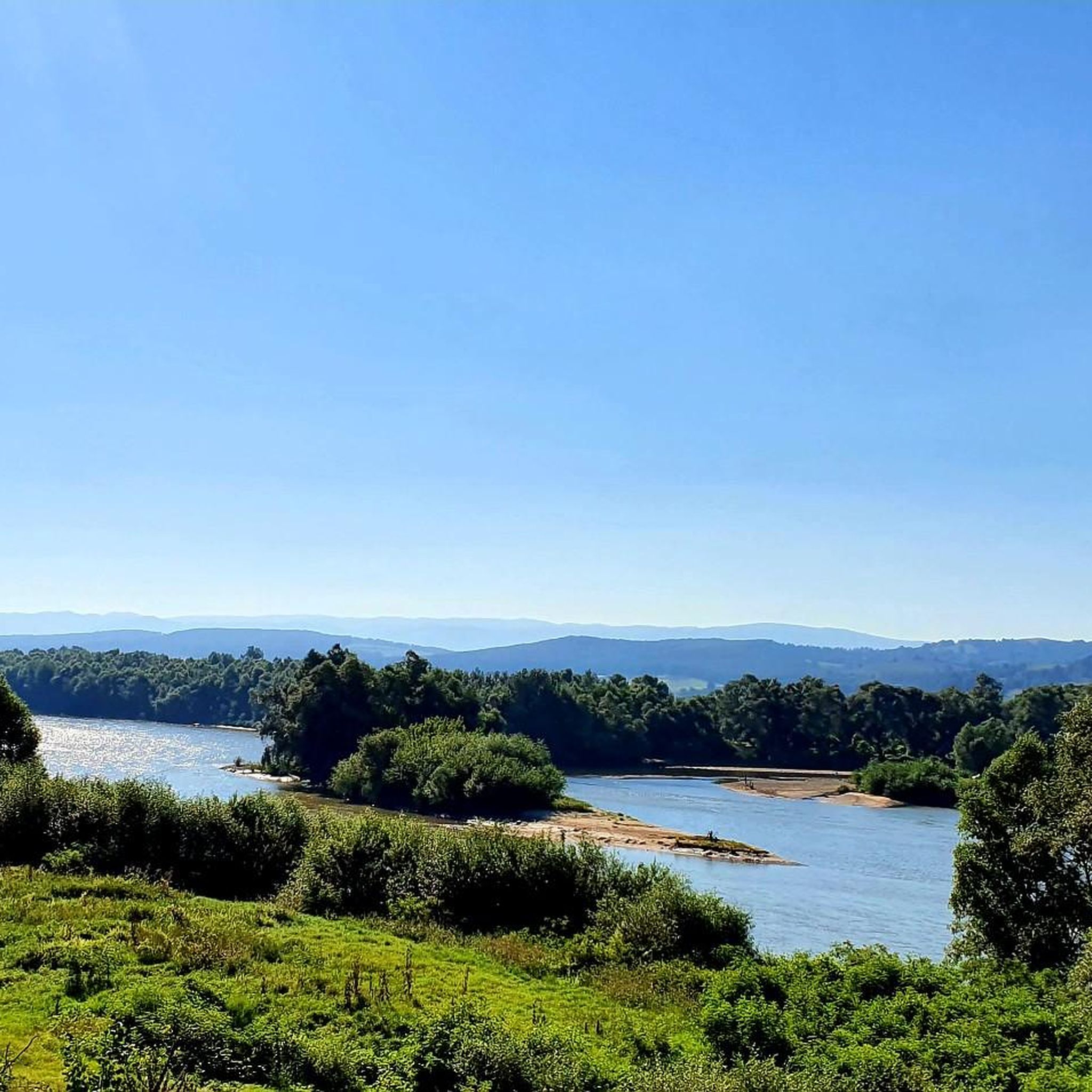
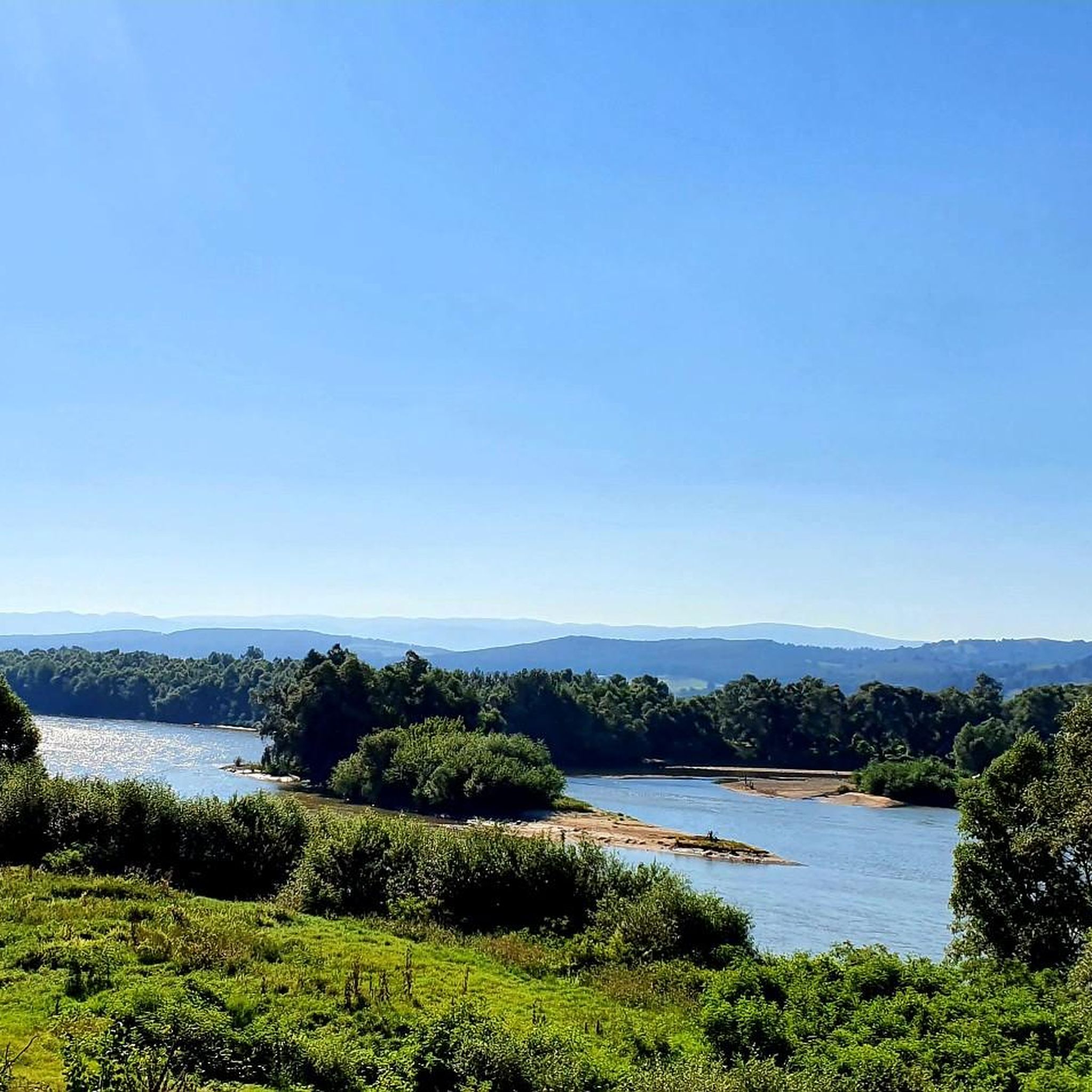
Touring cycling around Park Dendrologic Simeria offers routes through a natural reserve spanning 70 hectares, recognized for its rich biodiversity and serene atmosphere. The area features a diverse array of natural elements, including meadows, copses, intricate alleys, several lakes, and springs. The park's design incorporates varied topography with land arranged on two terraces connected by a slope, and paths that adapt to this natural contour, with the Mureș River flowing nearby.
Best touring cycling routes around Park Dendrologic Simeria
- The…
Last updated: May 23, 2026
5.0
(1)
9
riders
125km
07:14
570m
570m
Hard bike ride. Very good fitness required. You may need to push your bike for some segments of this route.
4
riders
44.9km
03:04
670m
670m
Hard bike ride. Very good fitness required. Mostly paved surfaces. Suitable for all skill levels.

Sign up for free
13
riders
32.5km
02:01
350m
350m
Moderate bike ride. Good fitness required. Mostly paved surfaces. Suitable for all skill levels.
4.0
(3)
12
riders
45.8km
02:43
200m
200m
Moderate bike ride. Good fitness required. Mostly paved surfaces. Suitable for all skill levels.
8
riders
64.7km
03:42
190m
190m
Moderate bike ride. Good fitness required. Mostly paved surfaces. Suitable for all skill levels.
Get access to more routes and recommendations from other explorers.
Sign up for free
Already have an account?
Our route recommendations are based on thousands of hikes, rides, and runs completed by other people on komoot.
Start today with a free account
Your next adventure awaits.
Login or Signup
Popular around Park Dendrologic Simeria
Tips from the Community

We can only recommend the restaurant
0
0

The Via Principalis was the main road connecting the two main gates of the ancient Roman castrum of Apulum, to the north and south. The road ran in front of the "Principia" of the Roman fort, the headquarters of the 13th Gemina Legion. Carts transporting salt, oil, wine, and military equipment for the camp's inhabitants drove along the stone-paved road. The remains of the road, along which the Roman soldiers walked, were uncovered during the fort's renovation. The Roman-era slabs can be seen here, as well as the masonry canal beneath the road's longitudinal axis, which was intended to ensure its drainage.
8
0
The bell depicts scenes from the three Romanian principalities of Transylvania, Wallachia, and Moldavia. As a whole, it is a monument to the unity of Greater Romania since 1918.
7
0
The National Museum of the Union (Muzeul Național al Unirii) is housed in Alba Iulia's largest Romantic-style building, built between 1851 and 1853. It once housed the Habsburg army in the citadel. Its residents were recruited from across the Habsburg Empire, and it was said that "all the languages of the world" were spoken here. Hence, locals called the building the "Babylon Building." With its thick walls and over 100 rooms, it resembles a fortress within a fortress. After the union of 1918, the Romanian army moved in. It wasn't until November 28, 1968, that the National Museum of the Union opened in the building, one of Romania's most famous museums, both culturally and scientifically.
9
1

Rectangular, with a gate on each side and main roads connecting the gates on opposite sides. This is how a Roman Castrum Apulum was planned by the engineers and architects of the Roman Empire almost two millennia ago. In Alba Iulia, a section of the Via Principalis can be seen. It was the road that connected the main gates of the castrum, the southern and the northern. The Via Principalis passed by the "Principia" of the Roman castrum, the headquarters of the 13th Legion, Gemina. Part of the 1800-year-old building can be seen in the Principia Museum. On the stone-paved road, carts carrying salt, oil, wine, or even military equipment needed by the inhabitants of the castrum passed by daily. The remains of the road, once trodden by Roman soldiers, were unearthed during the restoration of the Alba Iulia Citadel. ... The central section of the road was flanked by two rows of stone slabs with carved edges, designed to prevent the carts that supplied the military camp with food and equipment from slipping. The restoration team also highlighted sections of the side channels built by the Romans to ensure rainwater drainage, as well as some of the columns of the portico, the covered gallery that protected the road on both sides. Source: https://albaiuliaqr.ro/via-principalis
2
0
The museum has two buildings with historical monument value. The “Babilon” building was built between 1851 and 1853 in the spirit of romantic architecture. It was used as a living pavilion for officers and was converted into a museum room in 1967–1968. The Sala Unirii was built between 1898 and 1900 and was originally intended as a military casino. It was restored in 1922 and between 1967 and 1968. The union of Transylvania with Romania was voted on in this building. The museum in Alba Iulia was inaugurated in 1888 on the initiative of the Society for History, Archeology and Natural Sciences of the Lower Alba District under the direction of the renowned archaeologist Adalbert Cserny (1842 - 1916). In 1929 it was organized as the Unirii Museum under the auspices of ASTRA. Valuable pieces of modern Romanian history have been added to the rich archaeological collections. ... Source: Wikipedia
3
0
Its shape is said to be identical to the bell donated by King Ferdinand to the Reunification Cathedral (minus the crack in it). It represents a personal and modern interpretation of the union of the three Romanian principalities.
3
0

100m more and then right, fixed my bike straight away and was very helpful!
0
0
Frequently Asked Questions
How many touring cycling routes are available around Park Dendrologic Simeria?
There are 7 touring cycling routes available around Park Dendrologic Simeria. These routes offer a diverse range of experiences, from easy rides to more challenging explorations of the region's varied landscapes.
What are the difficulty levels of touring cycling routes near Park Dendrologic Simeria?
The touring cycling routes around Park Dendrologic Simeria cater to various skill levels. You'll find 1 easy route, 4 moderate routes, and 2 difficult routes, ensuring options for both casual riders and experienced cyclists seeking a challenge.
Can I cycle inside Park Dendrologic Simeria itself?
While the broader region around Park Dendrologic Simeria is excellent for cycling, the arboretum itself is primarily designed for leisurely walks through its extensive network of alleys and paths. These paths, with their varied topography and serene atmosphere, could be suitable for a very leisurely touring cycling experience, but dedicated cycling paths within the park are not explicitly highlighted. The surrounding area offers more structured touring cycling routes.
What natural features and landmarks can I expect to see on touring cycling routes around Simeria?
The touring cycling routes around Simeria offer a rich tapestry of natural beauty. You can expect to see diverse flora, including oaks, acacia trees, poplars, and magnolias, as well as tranquil lakes and springs. The routes often feature varied topography, with land arranged on terraces and paths adapting to natural contours. The nearby Mureș River also plays a role in the landscape. For example, the difficult route Deva Fortress – Bicycle Workshop on DN7 loop from Bârcea Mică offers panoramic views of the surrounding area, including the historic Deva Fortress.
Are there any family-friendly touring cycling routes near Park Dendrologic Simeria?
Yes, there is an easy touring cycling route suitable for families near Park Dendrologic Simeria. The Deva Fortress loop from Deva is a 16.1 km (10 miles) trail that takes approximately 57 minutes to complete, offering a pleasant ride with minimal elevation changes.
What do other touring cyclists enjoy most about cycling in this area?
The touring cycling routes around Park Dendrologic Simeria are highly rated by the komoot community, with an average score of 4.5 stars from over 4 reviews. Cyclists often praise the diverse flora, tranquil lakes, and varied topography that define the region's cycling experience. The area is appreciated for offering options across easy, moderate, and difficult ability levels.
What is the longest touring cycling route available?
The longest touring cycling route in the area is Via Principalis – Union Bell loop from Simeria. This challenging route spans 124.4 km (77.3 miles) and typically takes around 7 hours and 13 minutes to complete, offering extensive exploration of the region's varied landscapes.
Are there any routes that offer significant elevation changes for a more challenging ride?
Yes, for cyclists seeking significant elevation changes, the Deva Fortress – Bicycle Workshop on DN7 loop from Bârcea Mică is a difficult 44.9 km (27.9 miles) path that features substantial ascents and descents, providing panoramic views and a rewarding challenge.
Can I find moderate touring cycling routes around Park Dendrologic Simeria?
Absolutely. There are 4 moderate touring cycling routes available. An example is the Bicycle Workshop on DN7 loop from Deva, a 32.5 km (20.2 miles) trail that leads through varied topography and natural features, often completed in about 2 hours and 1 minute.
What kind of natural environment will I experience on these touring cycling routes?
The routes traverse a rich natural environment characterized by meadows, copses, and intricate alleys. You'll encounter several lakes and springs, and the arboretum's remarkable chromatic variety throughout the seasons, featuring diverse tree species. The landscape incorporates varied topography, with paths adapting to natural contours, and the Mureș River flowing nearby, contributing to a serene and picturesque cycling experience.
Is there a touring cycling route that starts from Deva?
Yes, several routes are accessible from Deva. For example, the Deva Fortress – Bicycle Workshop on DN7 loop from Deva is a moderate 46 km (28.6 miles) route that offers a good exploration of the area starting from Deva.
Most popular routes around Park Dendrologic Simeria

Get inspired with the komoot mobile app


Explore more
Browse the best Cycling routes in other regions.
