Top 10 Castles around Feldbrunnen-St. Niklaus
Best castles around Feldbrunnen-St. Niklaus provide a journey through history amidst the scenic Solothurn region. The area features a mix of well-preserved castles and ancient ruins, set within picturesque landscapes. Schloss Waldegg stands out as a prominent Baroque castle directly within Feldbrunnen-St. Niklaus, offering cultural insights. Visitors can explore historical sites that reflect the region's rich past and architectural heritage.
Best castles around Feldbrunnen-St. Niklaus
- The most popular castles is Waldegg Castle, a castle that served as the summer…
Last updated: October 7, 2026
Balmfluh Castle Ruins
Highlight • Castle
Translated by Google •
Tip by

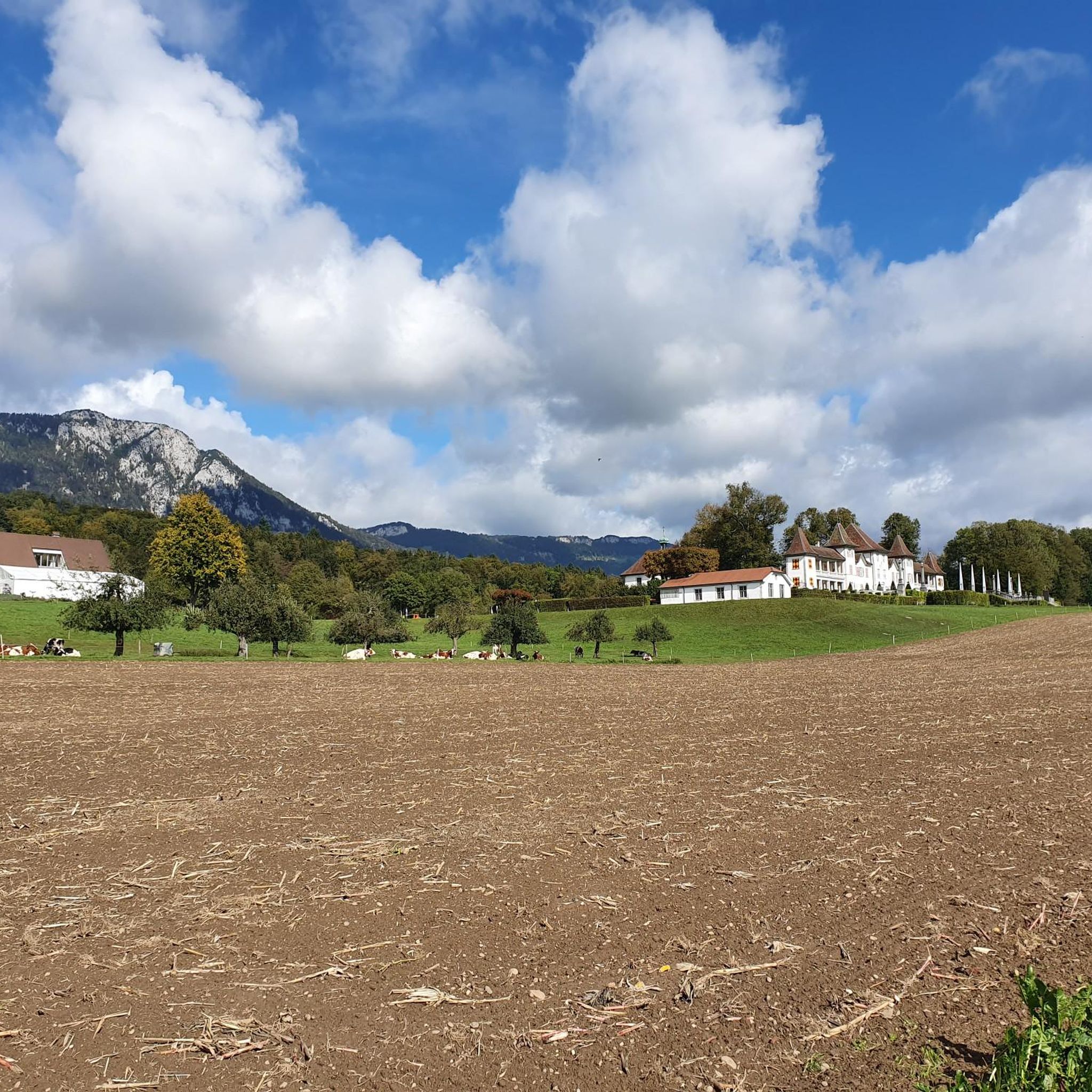
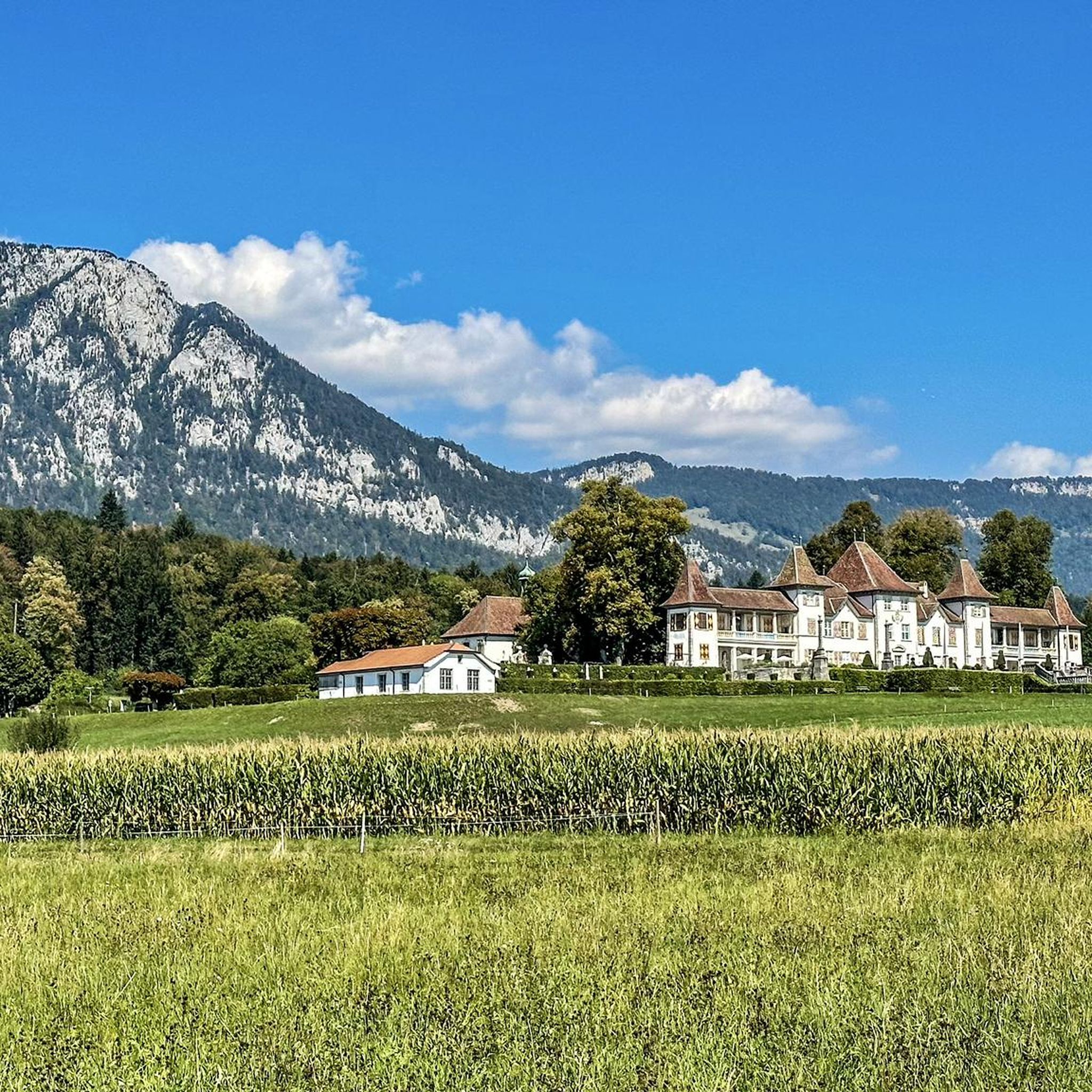
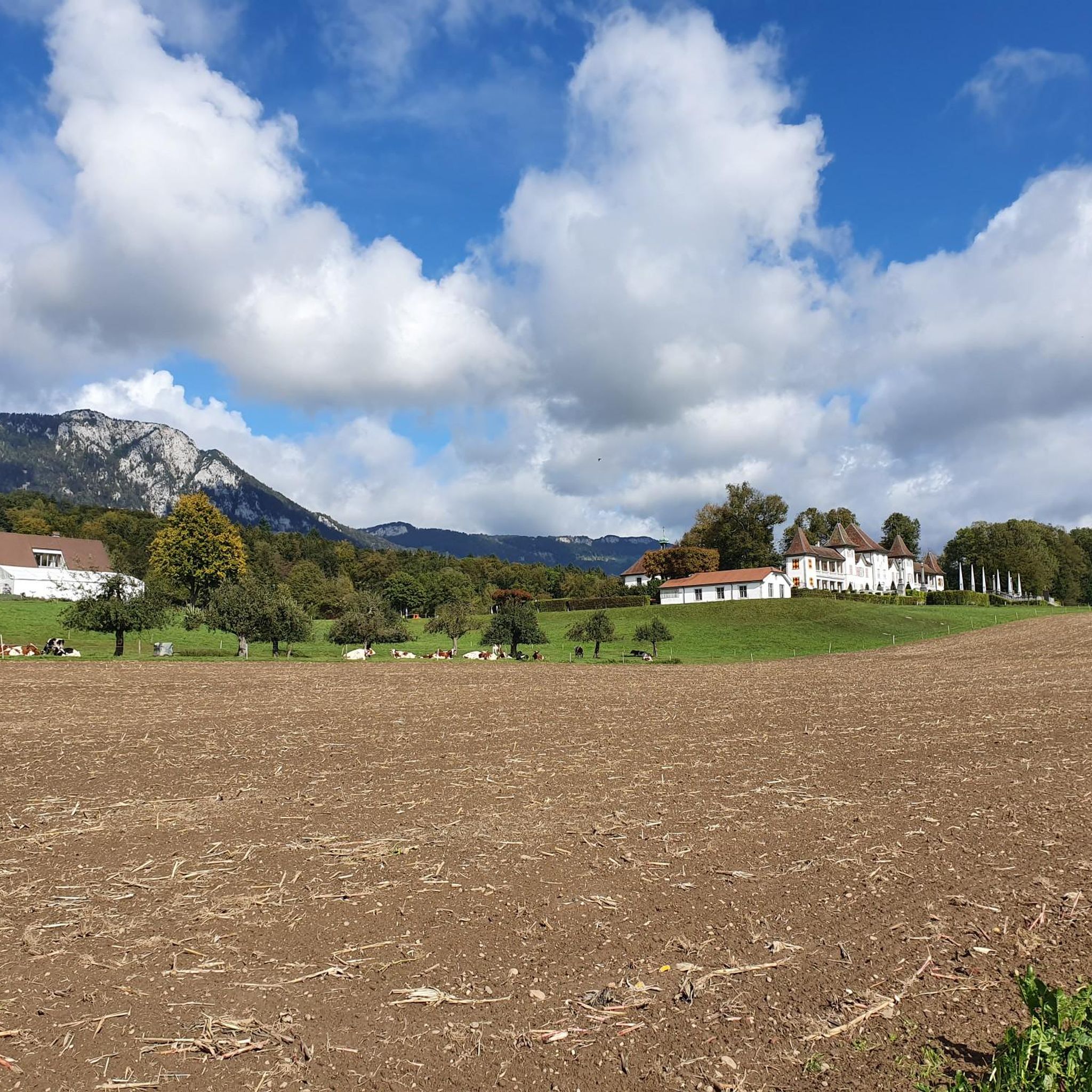
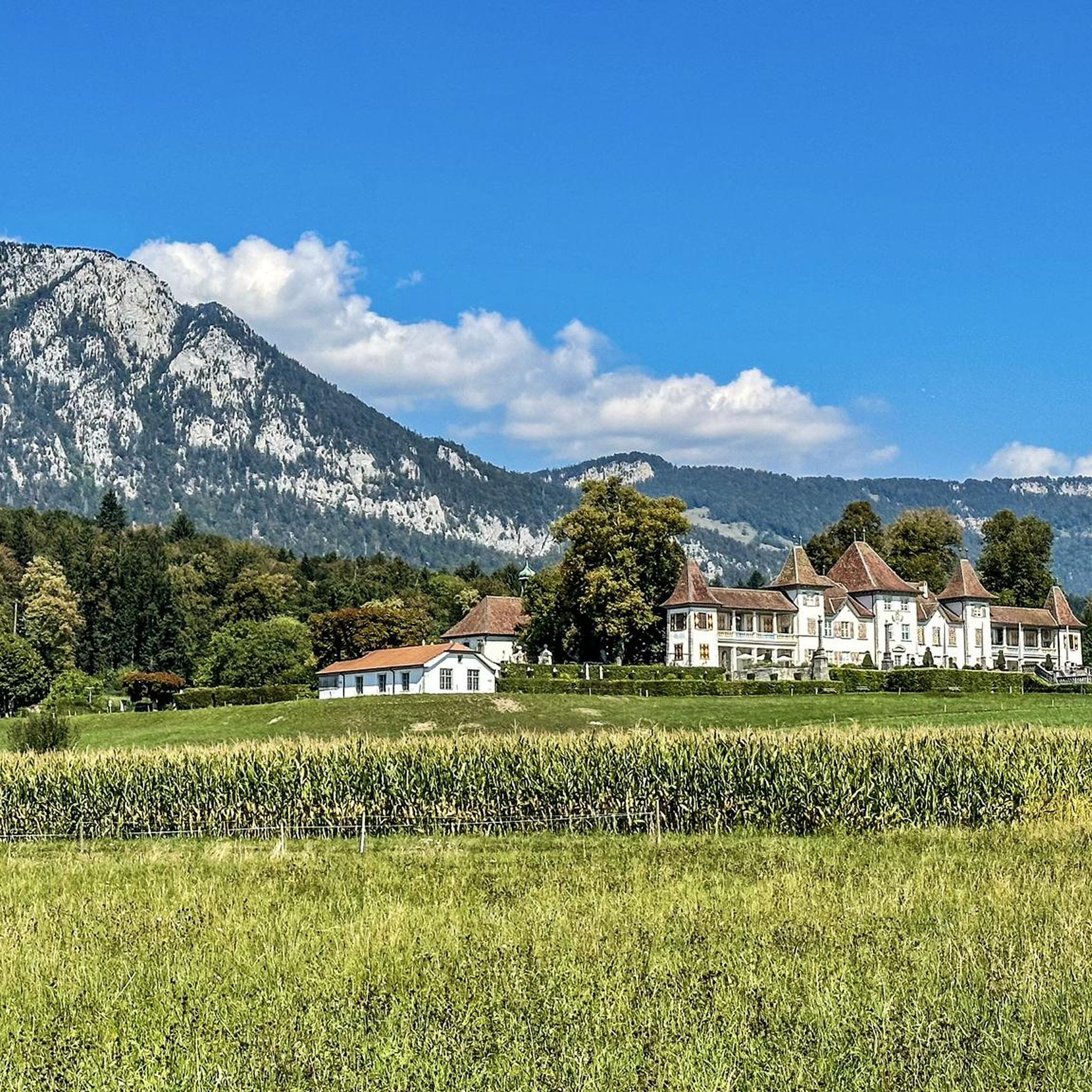
Waldegg Castle
Highlight • Castle
Translated by Google •
Tip by

Sign up now to discover places like this
Get recommendations on the best single tracks, peaks, & plenty of other exciting outdoor places.
Buchegg Castle
Highlight • Castle
Translated by Google •
Tip by

Riedholzschanze fortifications, Solothurn
Highlight • Historical Site
In 1667, the Schanzenbau in Solothurn started laying the foundation stone of the Riedholzschanze. The suburban hills followed from 1685/1686 (Fig. 1). First the three bastions …
Translated by Google •
Tip by

Balm Ruins
Highlight • Historical Site
Tip by

Sign up for free to discover even more castles around Feldbrunnen-St. Niklaus.
Already have an account?
Start today with a free account
Your next adventure awaits.
Popular around Feldbrunnen-St. Niklaus
Cycling around Feldbrunnen-St. Niklaus
Road Cycling Routes around Feldbrunnen-St. Niklaus
Running Trails around Feldbrunnen-St. Niklaus
MTB Trails around Feldbrunnen-St. Niklaus
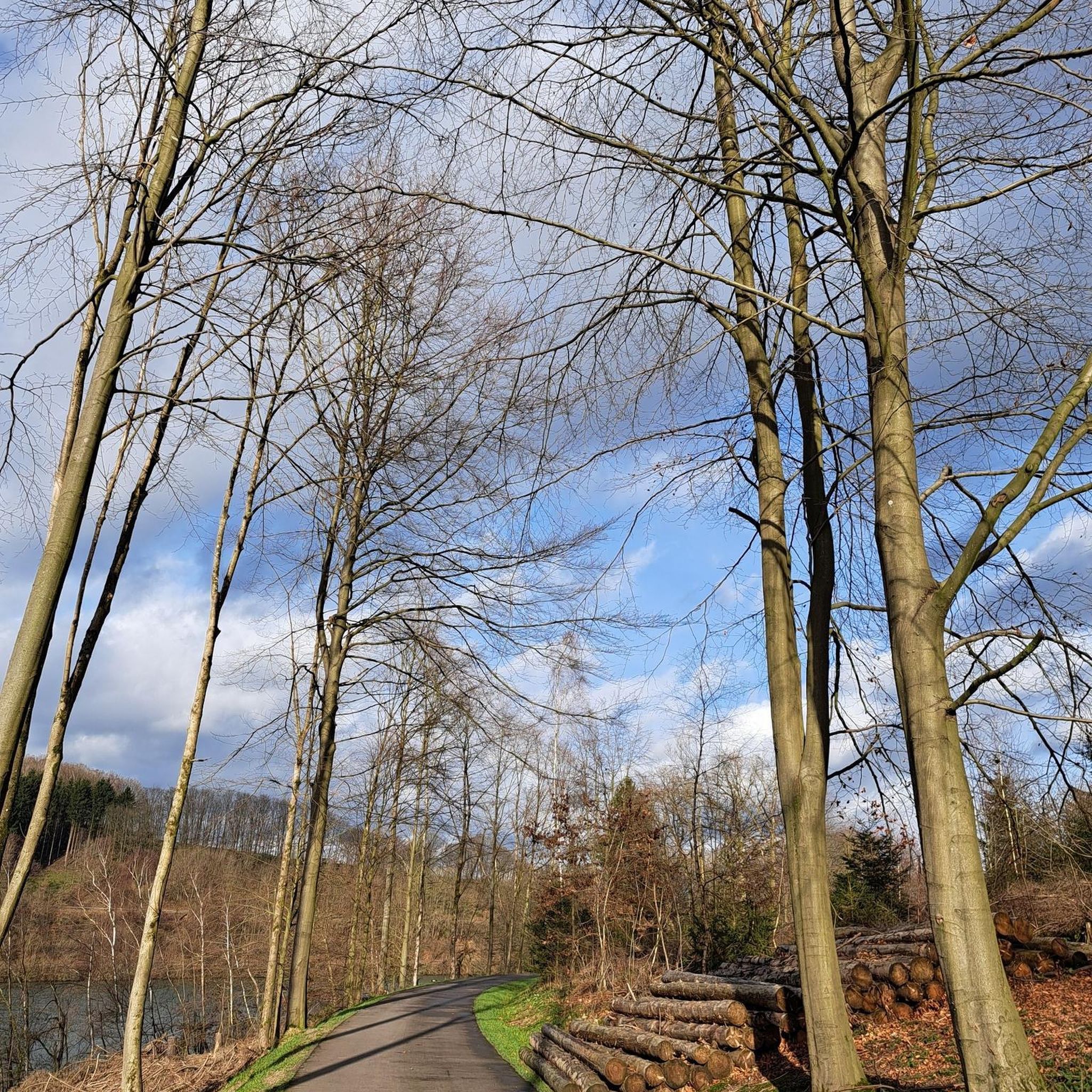
Gravel biking around Feldbrunnen-St. Niklaus

Mountain Hikes around Feldbrunnen-St. Niklaus
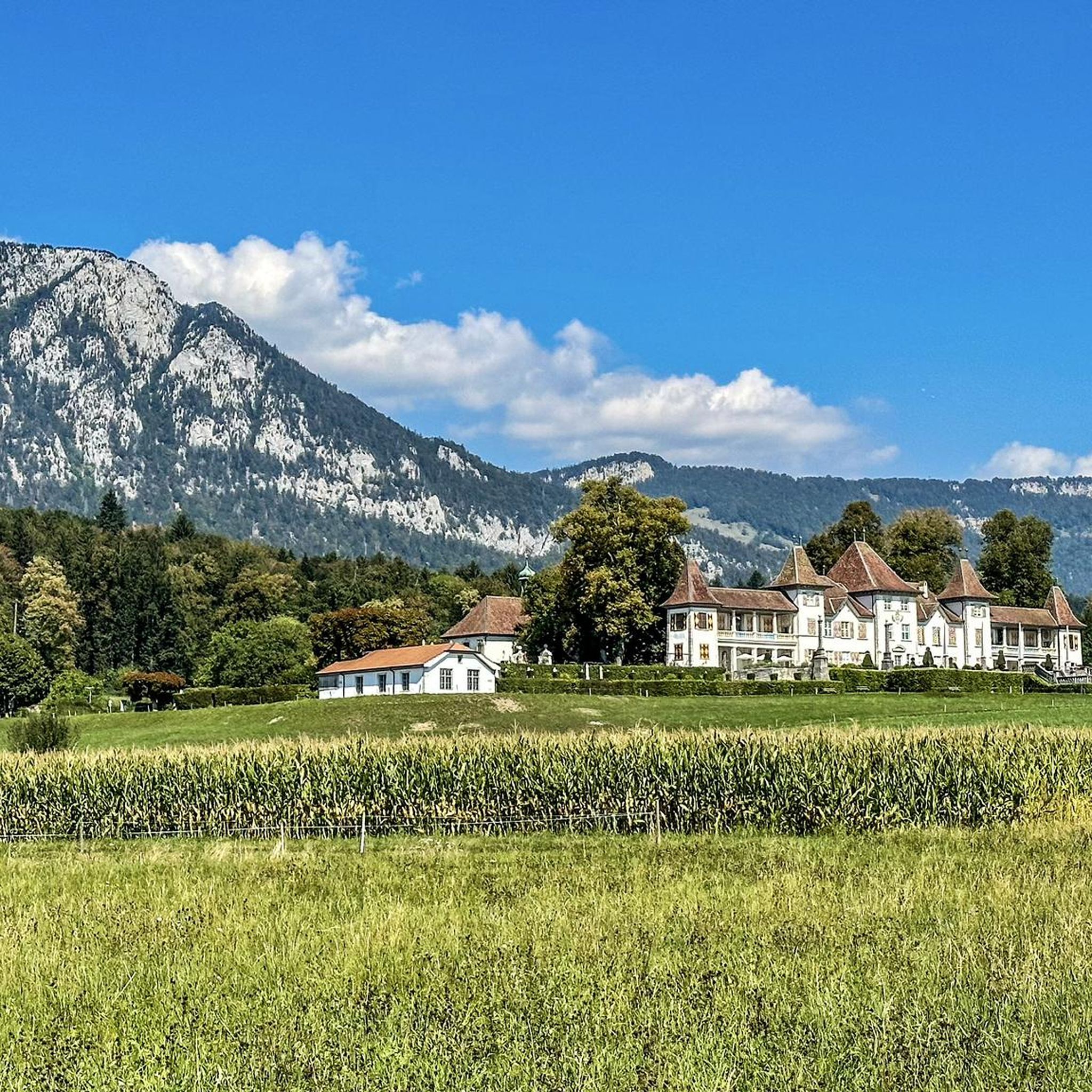
Hiking around Feldbrunnen-St. Niklaus
Tips from the Community

The Buchegg Castle Foundation Founded in 1938, the Stiftung Schloss Buchegg is the owner of the Buechischlössli, a tower built in 1546 that served, among other things, as a prison for 250 years. The Buechischlössli stands on the grounds of a medieval castle complex. In addition to its core tasks – care and maintenance of the tower and castle grounds – the foundation promotes culture and art, operates the Bucheggberg district archive, and awards a cultural and recognition prize. It also maintains the Bucheggberg circular hiking trail. More information: https://www.schlossbuchegg.ch/
0
0


The beautiful garden can also be visited during the castle's opening hours (afternoons). https://schloss-waldegg.so.ch/praktische-informationen/oeffnungszeiten/
1
0

From the ruins, there are two possible routes to the Balmberg. 1. The old Balmberg road, a fairly steep dirt road. 2. Follow cycle path 44 through forest and paved roads to the top of the pass.
0
0

The Balmfluh castle ruins are clearly visible from the trail. It's worth getting off your bike for a moment and taking a look at the old walls.
1
0


The beautiful Waldegg Castle was built at the end of the 17th century. Back then, it served as the summer residence of the mayor, Johann Viktor I von Besenval. Today, the castle is a kind of "living museum." You can visit the exhibition there from April to October. Further information can be found at https://schloss-waldegg.so.ch.
1
0

Enjoyed an easy DH via the old Balmbergstrasse
0
0
Frequently Asked Questions
What is Schloss Waldegg known for?
Schloss Waldegg is a magnificent Baroque castle, considered one of Switzerland's most striking secular buildings. It features splendid gardens, an orangery, and serves as a museum and cultural center. Visitors can explore richly decorated salons with 17th- to 19th-century art and furniture, offering insights into Solothurn's 'golden age' and its ruling families. It's also a hub for cultural events like concerts and theater performances. You can learn more about its history and offerings at Waldegg Castle.
Are there family-friendly castles to visit in the area?
Yes, several castles in the region are family-friendly. Waldegg Castle offers digital and analog family trails, children's birthday parties, and special events. Buchegg Castle also welcomes families, and Landshut Castle, with its surrounding park and waterways, is another great option for families.
Can I bring my dog to the castles around Feldbrunnen-St. Niklaus?
Yes, Waldegg Castle is dog-friendly, particularly its extensive gardens. For other castles, it's advisable to check their specific policies regarding pets, especially for indoor museum areas. Many outdoor areas and trails around the castles are generally dog-friendly.
What are the best times of year to visit the castles?
The castles are generally enjoyable year-round. However, the period from April to October is particularly recommended as Waldegg Castle's museum and gardens are fully open during these months. Spring and autumn offer pleasant weather for exploring the outdoor grounds and nearby trails, while summer allows for full enjoyment of the gardens and cultural events.
How can I reach Schloss Waldegg by public transport?
Schloss Waldegg is located in Feldbrunnen-St. Niklaus, near Solothurn. It is accessible by public transport, though specific routes and schedules should be checked with local transport providers. The castle's scenic location makes it a pleasant destination to reach from Solothurn.
Are there hiking opportunities near the castles?
Absolutely. The region around Feldbrunnen-St. Niklaus offers numerous hiking trails. For example, you can combine a visit to Waldegg Castle with a hike through the nearby Verena Gorge and hermitage. There are also various hiking routes available, such as the 'Waldegg Castle loop from Zuchwil' or the 'Verenaschlucht and Hermitage – King's Pond loop from Feldbrunnen'. You can find more hiking options in the Hiking around Feldbrunnen-St. Niklaus guide.
Where can I find food or drinks near the castles?
Waldegg Castle has a cafe on-site. Near Buchegg Castle, you'll find the Schloss Buchegg restaurant with a garden, ideal for a relaxing break. Landshut Castle also features a cafe. For other options, the nearby town of Solothurn offers a wider selection of cafes and restaurants.
What kind of historical insights can I gain from visiting these castles?
The castles offer a deep dive into the region's history. Waldegg Castle showcases Solothurn's 'golden age' and the French-oriented lifestyle of its patriciate. Buchegg Castle houses a local museum detailing its history from the early Middle Ages. Balmfluh Castle Ruins provide a glimpse into ancient settlement history, with evidence of use since the Azilian period. The Riedholzschanze fortifications in Solothurn illustrate 17th-century baroque town defenses.
Are there any castle ruins to explore in the region?
Yes, the Balmfluh Castle Ruins are a notable historical site. Built 20 meters above ground in a natural cave, these ruins are clearly visible from nearby trails and offer a fascinating look into ancient settlement history. They are a popular spot for visitors interested in exploring historical remnants.
How long should I plan for a visit to the castles in the Feldbrunnen-St. Niklaus area?
For a comprehensive visit to a single major castle like Waldegg Castle, including its museum and gardens, plan for 2-3 hours. If you wish to explore multiple castles or combine your visit with hiking or other activities, you could easily spend a full day or even a weekend in the region.
Is there parking available at the castles?
Parking is generally available at the main castles. For Waldegg Castle, there are designated parking areas. Buchegg Castle also has parking facilities. For ruins or less developed sites, parking might be more limited, often requiring parking in a nearby village and walking.
What makes Buchegg Castle unique?
Buchegg Castle has a history dating back to the early Middle Ages. The present tower, built in 1546, served as a prison and later for agricultural purposes. Today, it houses a local museum, offering insights into the region's past. Visitors also appreciate the castle for its nice views of the Limpachtal and the Bernese Mittelland, including the alpine mountain range on clear days.
Are there cycling routes that pass by these castles?
Yes, the area around Feldbrunnen-St. Niklaus is popular for cycling. You can find routes like the 'Waldegg Castle – Erratic boulder "Pyramide" loop from Feldbrunnen' for mountain biking, or the 'Emme River – Old Town Burgdorf loop from St. Katharinen' for touring bicycles. Many routes incorporate scenic views and historical sites. Explore more options in the Cycling around Feldbrunnen-St. Niklaus guide.
Most popular routes around Feldbrunnen-St. Niklaus
Most popular attractions around Feldbrunnen-St. Niklaus

Get inspired with the komoot mobile app


Explore more
Looking for the best castles somewhere else? Discover other guides around Feldbrunnen-St. Niklaus:
