The best mountain hikes in the Ebro Delta
5.0
(1)
8
hikers
3
hikes
Mountaineering routes in the Ebro Delta region are primarily found in the adjacent Montsià Massif, which provides a contrast to the delta's characteristic flat, wetland landscape. This area features varied terrain, including forested slopes and rocky outcrops, offering elevation gains suitable for mountain hiking. The region's topography is shaped by the Ebro River, but the routes described here ascend the higher ground bordering the delta.
Best mountaineering routes in the Ebro Delta
- The most popular mountaineering route is Bassa del…
Last updated: July 3, 2026
5
hikers
Moderate mountaineering route. Good fitness required. Easily-accessible paths. Suitable for all skill levels.
2
hikers
9.60km
03:44
530m
530m
Moderate mountaineering route. Good fitness required. Mostly accessible paths. Sure-footedness required.

Sign up for free
5.0
(1)
1
hikers
7.43km
02:51
500m
500m
Moderate mountaineering route. Good fitness required. Easily-accessible paths. Suitable for all skill levels.
Our route recommendations are based on thousands of hikes, rides, and runs completed by other people on komoot.
Start today with a free account
Your next adventure awaits.
Login or Signup
Popular around Ebro Delta
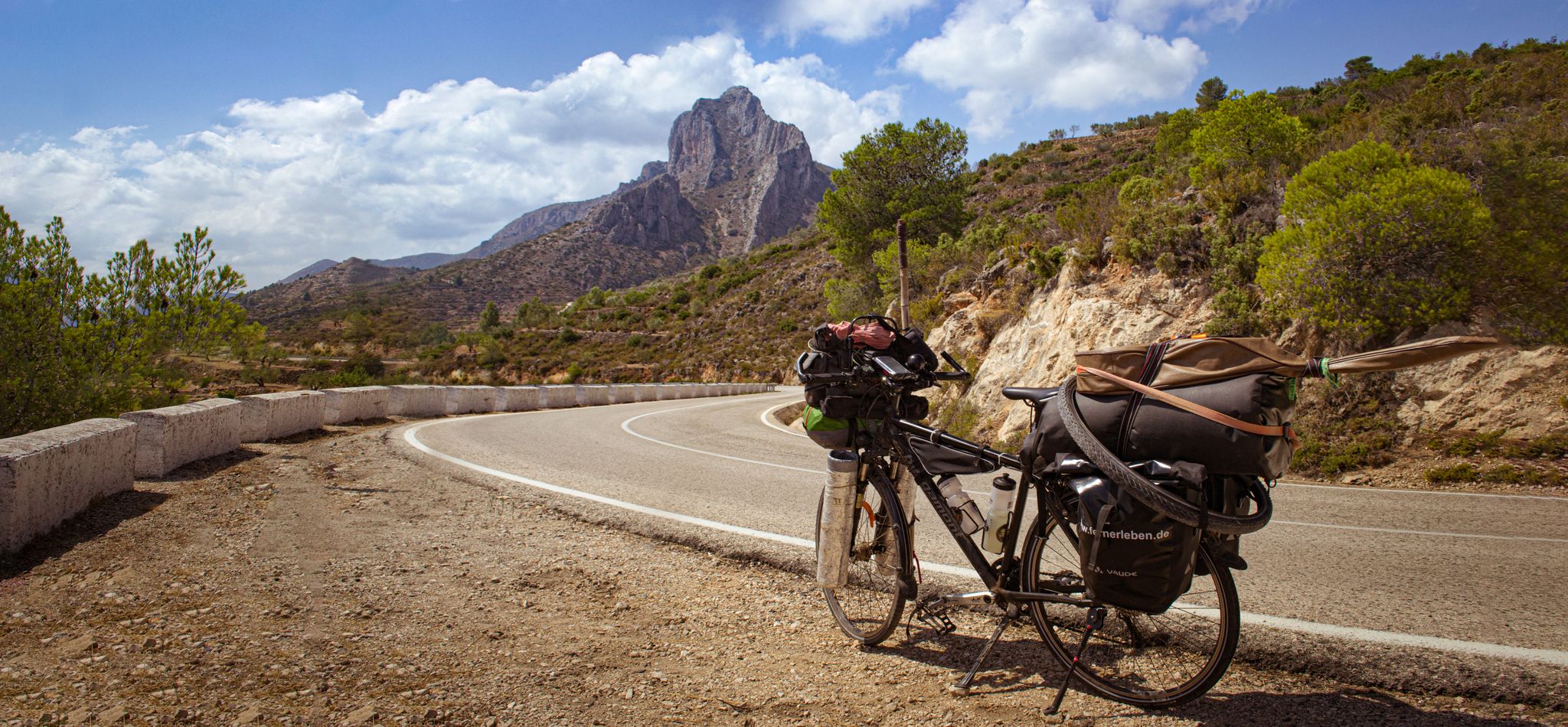
On the road to the sun — bikepacking to southeast Spain
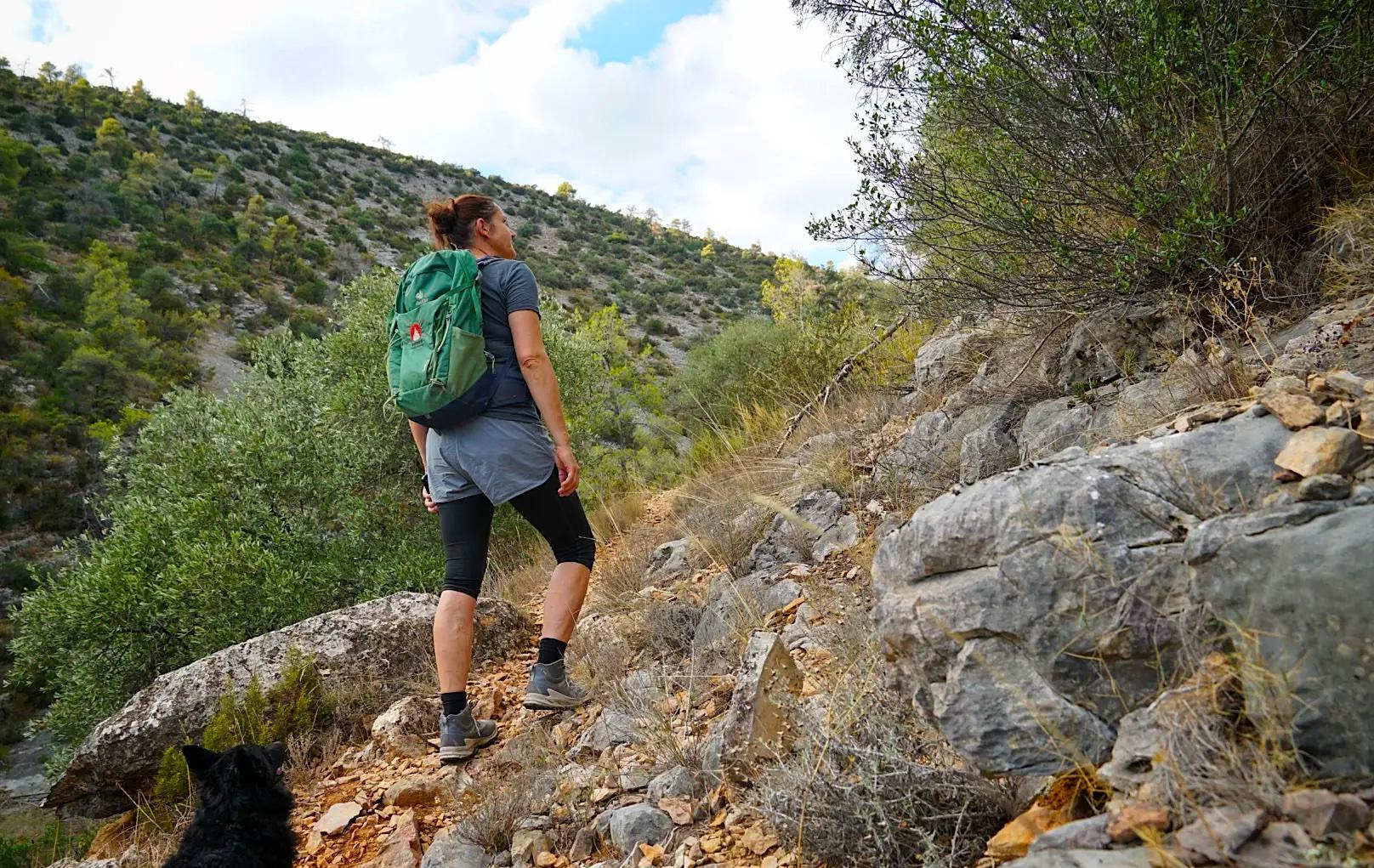
Catalonia's wild south — between sea and mountains
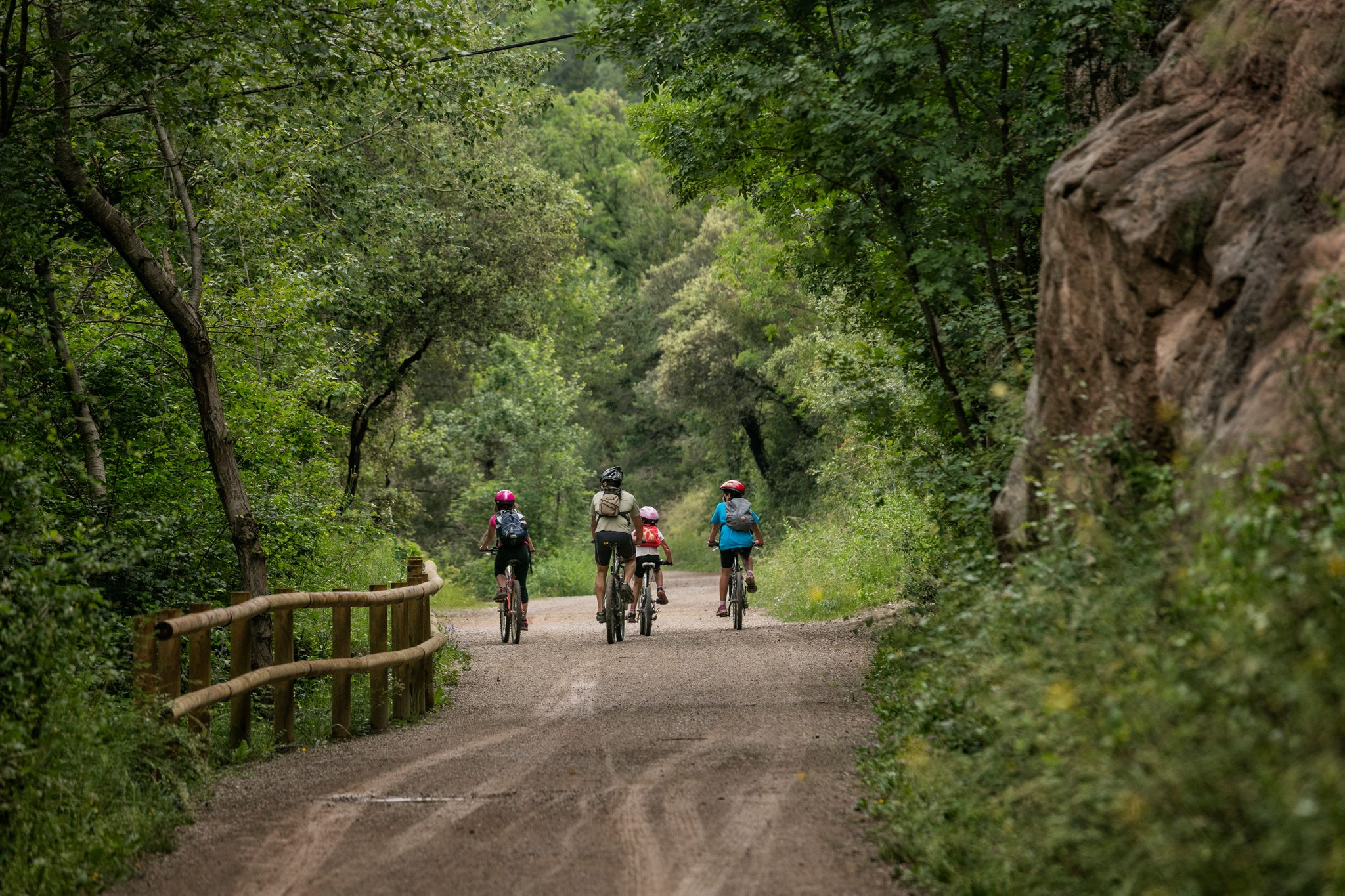
Discover Catalonia on your bike
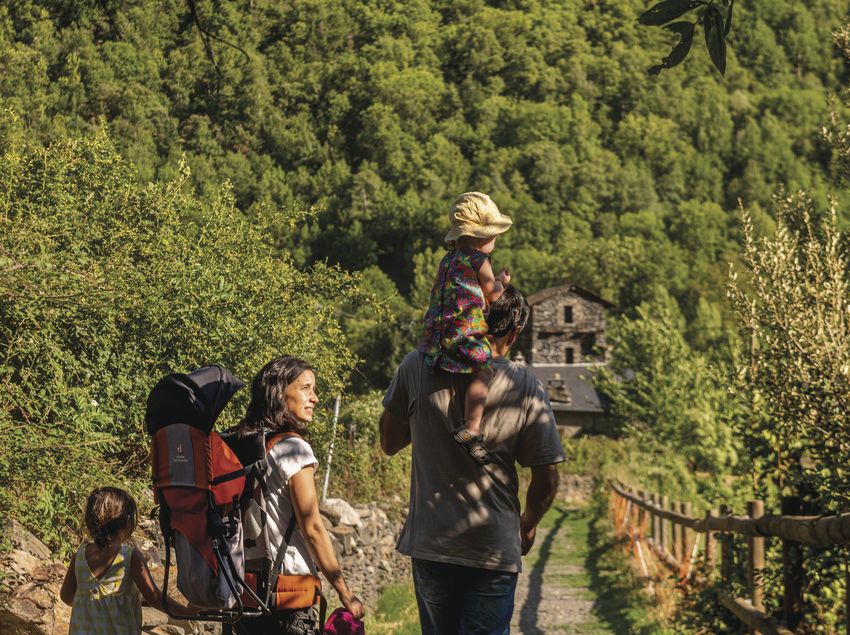
Hike with your family in Catalonia
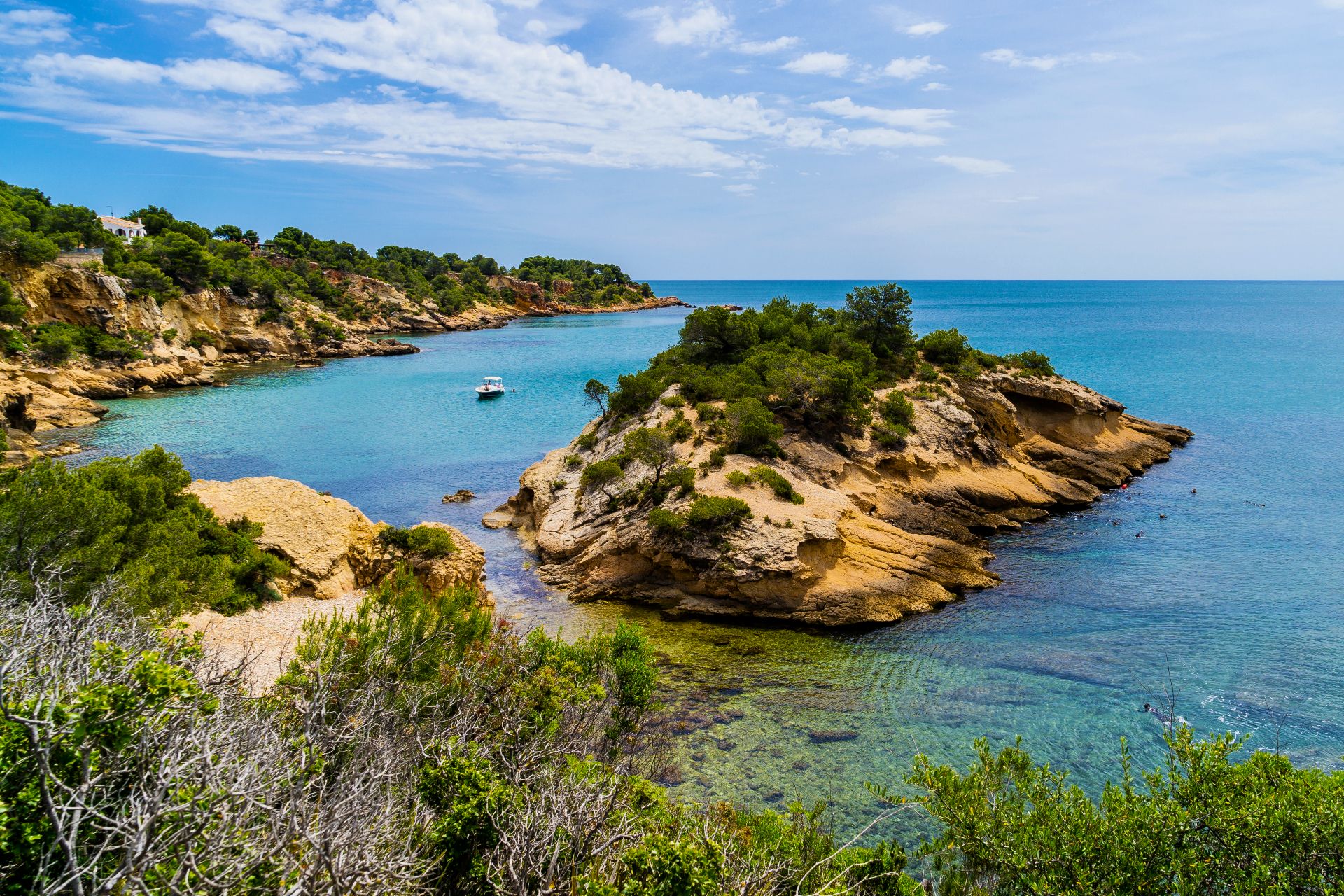
The Catalan coast on foot – Mediterranean Path (GR 92)
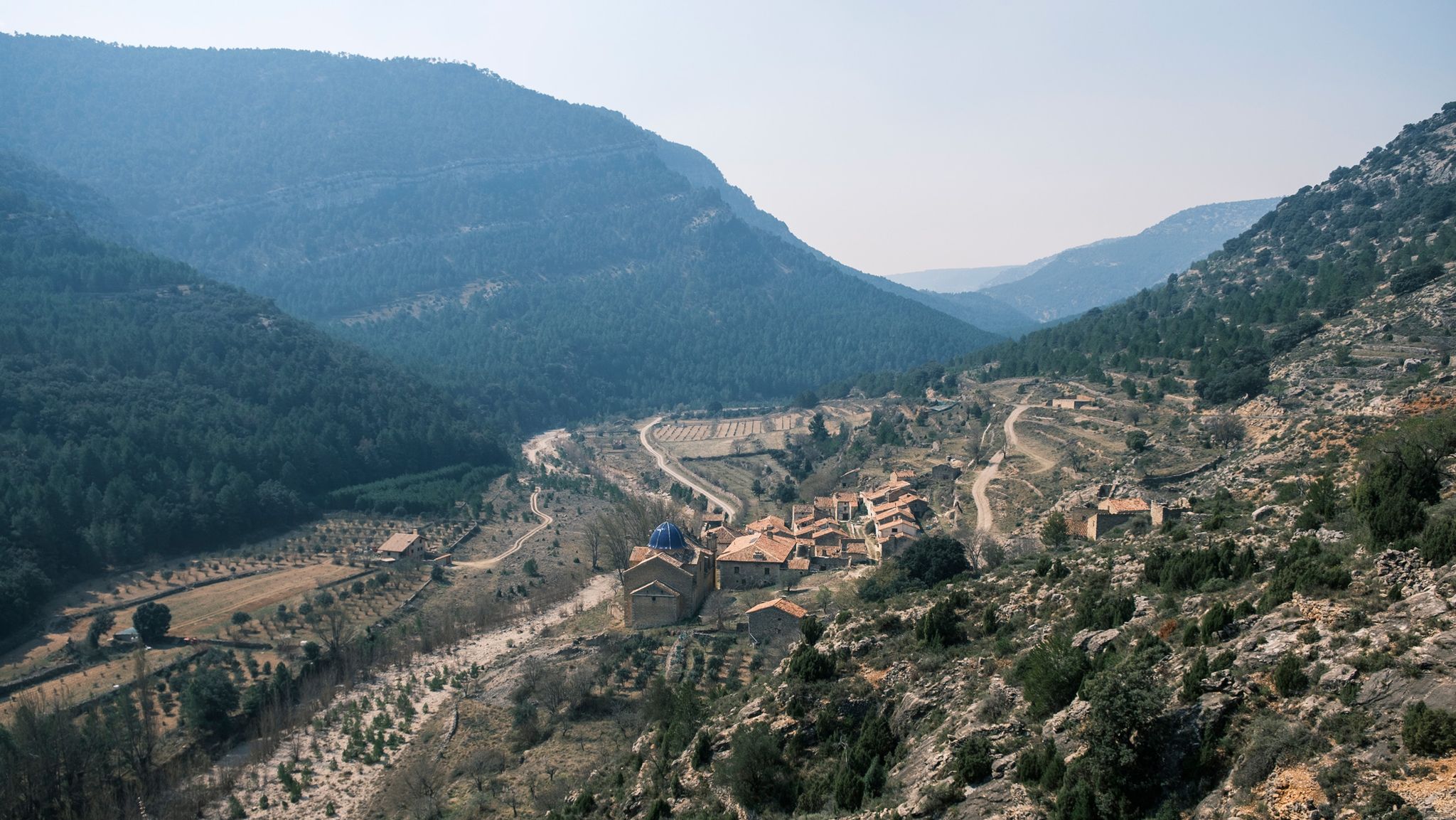
Four Mediterranean nature parks – Gran Vertical 2023
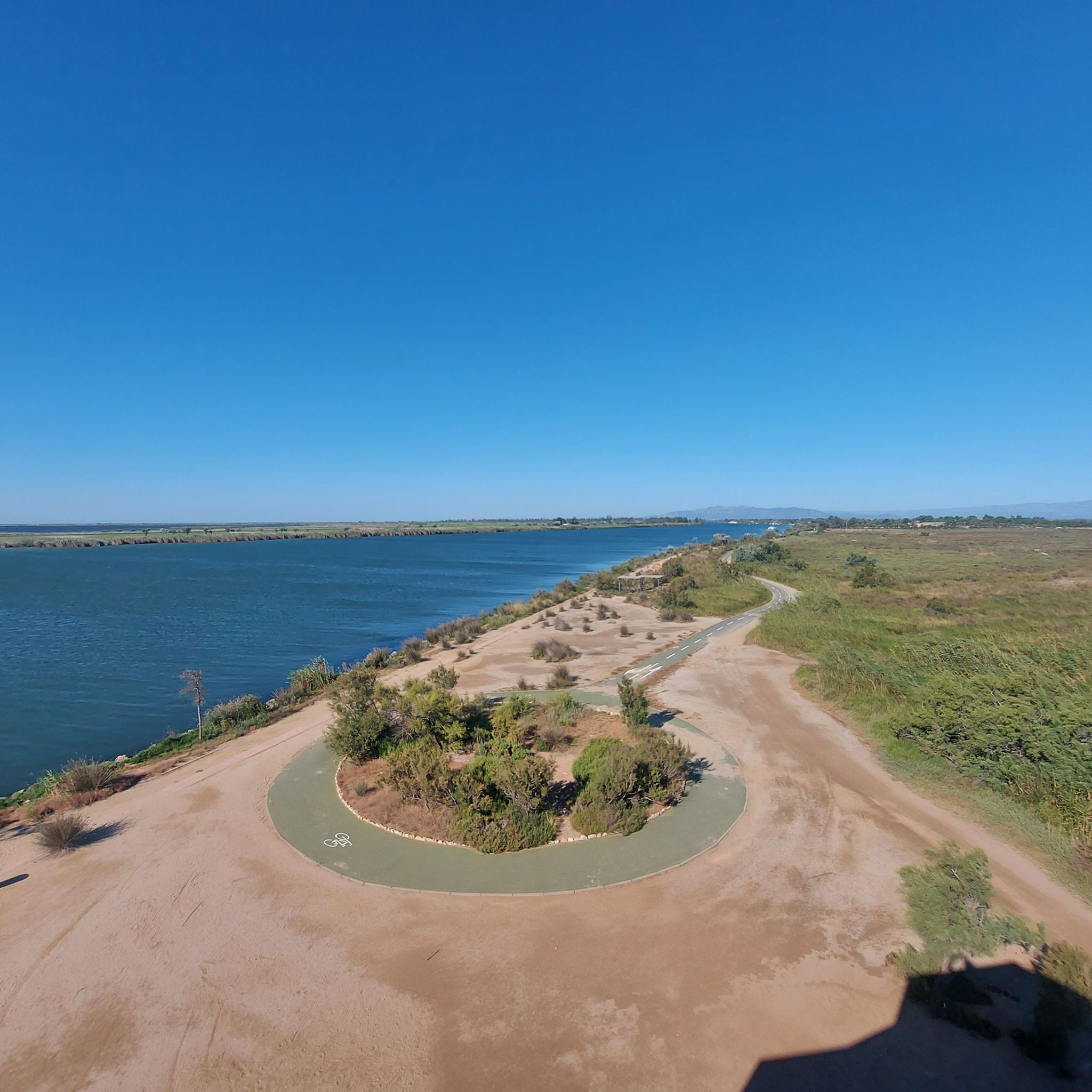
Cycling in the Ebro Delta
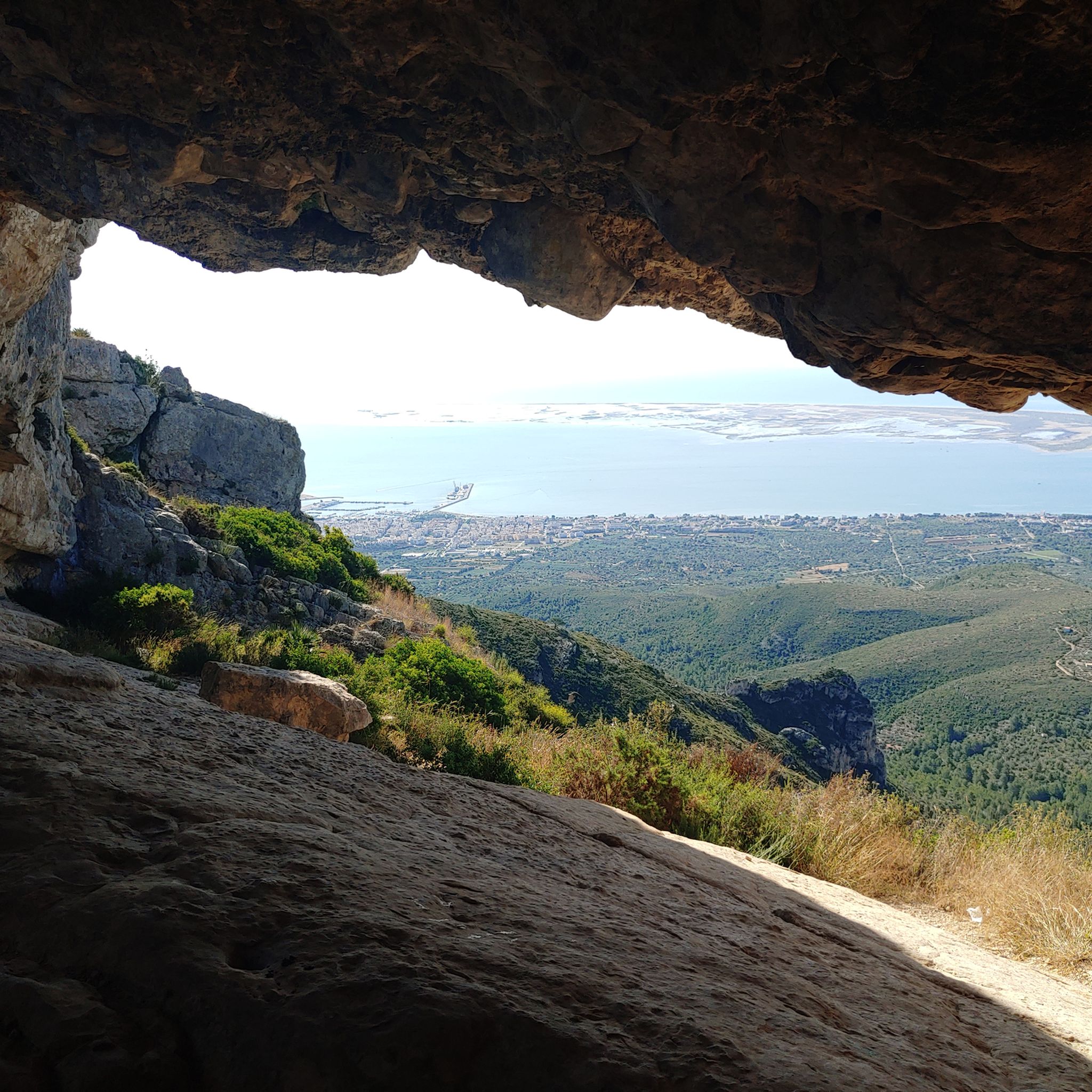
Hiking in the Ebro Delta
MTB Trails in the Ebro Delta
Road Cycling Routes in the Ebro Delta
Other adventures in the Ebro Delta


Tips from the Community

Don't forget the 📷
0
0

Unfortunately it's already very overgrown, but it's a very interesting insight into the past.
0
0
Some alpine hiking experience is required. While the trails are all manageable, they are a bit slippery in places due to loose scree. However, with hiking poles and proper hiking boots, the route is easily manageable. There are some sections through shady forest areas at the beginning, and further up, the trail opens up into the sun. Be sure to bring plenty of water. The summit offers fantastic panoramic views. A worthwhile hike for us. ...
0
0

I walked this route today It is a beautiful walk and the view of La Foradada is phenomenal. Up to this point it is relatively easy walking, after that a very tough descent begins with a lot of climbing over steep slopes and narrow paths If you have no (mountain) walking experience, are afraid of heights and/or are not 'trittsicher' I would not recommend this walk Good shoes are a must and walking sticks are recommended. Furthermore, I adjusted the route at the end; once on the dirt road (last part) I walked straight ahead At a certain point, in sight of the P, you can reach the other side via a path. It is very nice to walk, at the end
0
0

It is an easy route from San Carles de la Ràpita, very entertaining and with a spectacular finish due to the wonderful views of the Ebro delta. When you arrive it is worth spending a long time contemplating the views and enjoying the surroundings and appreciating what we have. Regards!!!!!
2
1

Old farmhouse located under the Mata-redona mill, forming one of the only flats in the Montsià mountain range.
1
0
La Torreta del Montsià a mountain of 763 meters, the highest point of the Montsià massif.
0
0
La Foradada, as the name suggests, is a natural hole in the stone, where you can go inside. It is located in the Serra de Montsià, the southernmost of the Catalan territory
0
0
Frequently Asked Questions
Where are the mountaineering routes in the Ebro Delta region located?
While the Ebro Delta itself is a flat wetland, the mountaineering routes in this guide are found in the adjacent Montsià Massif. This area provides the varied terrain, forested slopes, and rocky outcrops suitable for mountain hiking, offering a contrast to the delta's characteristic landscape.
What kind of terrain can I expect on these mountaineering routes?
The routes in the Montsià Massif feature varied terrain, including forested paths, rocky ascents, and sections with significant elevation gain. You can expect a mix of natural trails that provide a good workout and panoramic viewpoints.
Are there any circular mountaineering routes available?
Yes, all the mountaineering routes highlighted in this guide are circular. For example, you can explore the Bassa del Coscoll – Punta de la Buinaca loop from la Collada, or the Torreta del Montsià loop from Aparcament del Mas de Comú.
What is the typical difficulty level of mountaineering routes in the Montsià Massif?
The mountaineering routes in the Montsià Massif are generally considered moderate. They involve steady ascents and descents, making them suitable for those with a reasonable level of fitness. There are no easy or difficult graded routes listed in this guide.
Are these routes suitable for families or beginners?
Given that all routes are graded as moderate, they might be challenging for very young children or absolute beginners. However, families with older children or beginners who are reasonably fit and accustomed to hiking could enjoy routes like the Racó Mamadits – la Foradada loop from Area recreativa de la Mundana, which is one of the shorter options.
What are the distances and durations of these mountaineering routes?
The routes vary in length and time. For instance, the Bassa del Coscoll – Punta de la Buinaca loop is about 5.6 miles (9.1 km) and takes around 3 hours. A longer option is the Ruins of the Mas de Mata-Redona – Mas Mata-redona loop, which is 7.4 miles (11.9 km) and typically takes over 3.5 hours.
What can I see along or near the mountaineering routes in the Montsià Massif?
While the routes themselves offer panoramic views of the surrounding landscape, the broader Ebro Delta region, adjacent to the Montsià Massif, is rich in natural attractions. You might consider visiting the Fangar Lighthouse or the Flamingo Viewing Area in the Delta for a different experience after your hike.
What do other mountaineers enjoy most about these routes?
The mountaineering routes in the Ebro Delta region are highly rated by the komoot community, with an average score of 5.0 stars. Reviewers often praise the varied terrain, the challenge of the ascents, and the rewarding panoramic viewpoints from the Montsià Massif.
Is there public transport access to the starting points of these routes?
Information regarding specific public transport access to the starting points of these mountaineering routes is not readily available. It is generally recommended to use personal transport to reach the trailheads, which are often located in more secluded areas like 'la Collada' or 'Area recreativa de la Mundana'.
What is the best season for mountaineering in the Montsià Massif?
Given the Mediterranean climate of the region, spring and autumn are generally the most pleasant seasons for mountaineering in the Montsià Massif. Temperatures are milder, and the natural landscape is vibrant. Summer can be very hot, while winter offers cooler, but potentially wetter, conditions.
Can I spot wildlife while on these mountaineering trails?
While the Montsià Massif offers its own natural beauty, the adjacent Ebro Delta is internationally recognized for its rich ornithological diversity. Although the mountaineering routes are not primarily birdwatching trails, you might encounter various species. For dedicated wildlife spotting, especially birds, consider visiting areas like La Tancada Lagoon in the Delta.
Most popular routes in the Ebro Delta
Most popular attractions in the Ebro Delta

Get inspired with the komoot mobile app


