The best mountain hikes around Neroth
5.0
(1)
4
hikers
2
hikes
Mountaineering around Neroth offers routes through the volcanic landscape of the Vulkaneifel region. The terrain is characterized by rolling hills, ancient maar lakes, and dense woodlands. Elevation gains are generally moderate, providing varied challenges for mountaineers. The area features distinct geological formations and scenic viewpoints over the Eifel's unique natural features.
Best mountaineering routes around Neroth
- The most popular mountaineering route is View of the Gemündener Maar – Weinfelder Church loop from Schalkenmehren, a 5.2 miles (8.3 km) trail…
Last updated: June 18, 2026
5.0
(1)
3
hikers
8.31km
02:25
210m
220m
Moderate mountaineering route. Good fitness required. Easily-accessible paths. Suitable for all skill levels.
1
hikers
Easy mountaineering route. Great for any fitness level. Easily-accessible paths. Suitable for all skill levels.
Our route recommendations are based on thousands of hikes, rides, and runs completed by other people on komoot.
Start today with a free account
Your next adventure awaits.
Login or Signup
Tips from the Community

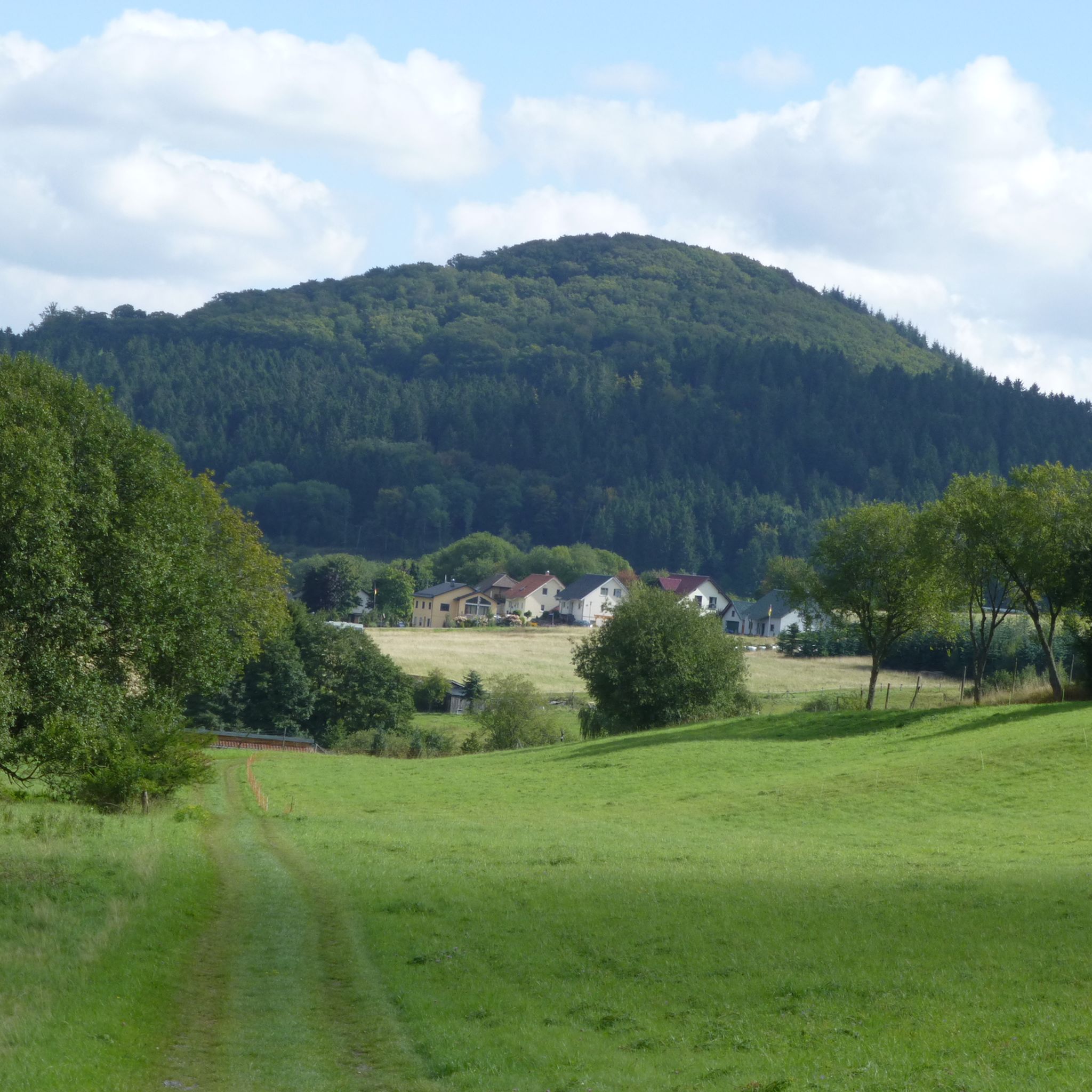
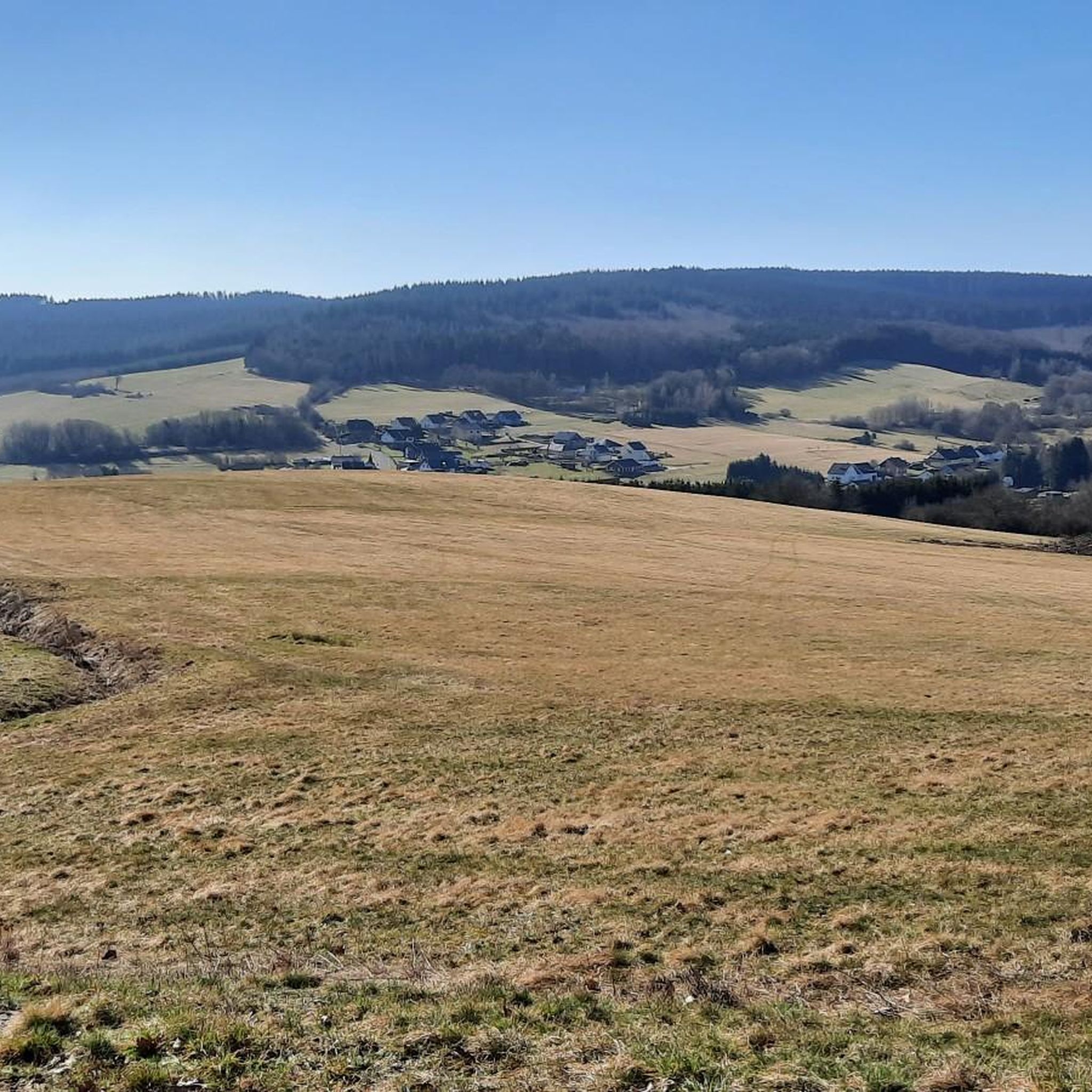
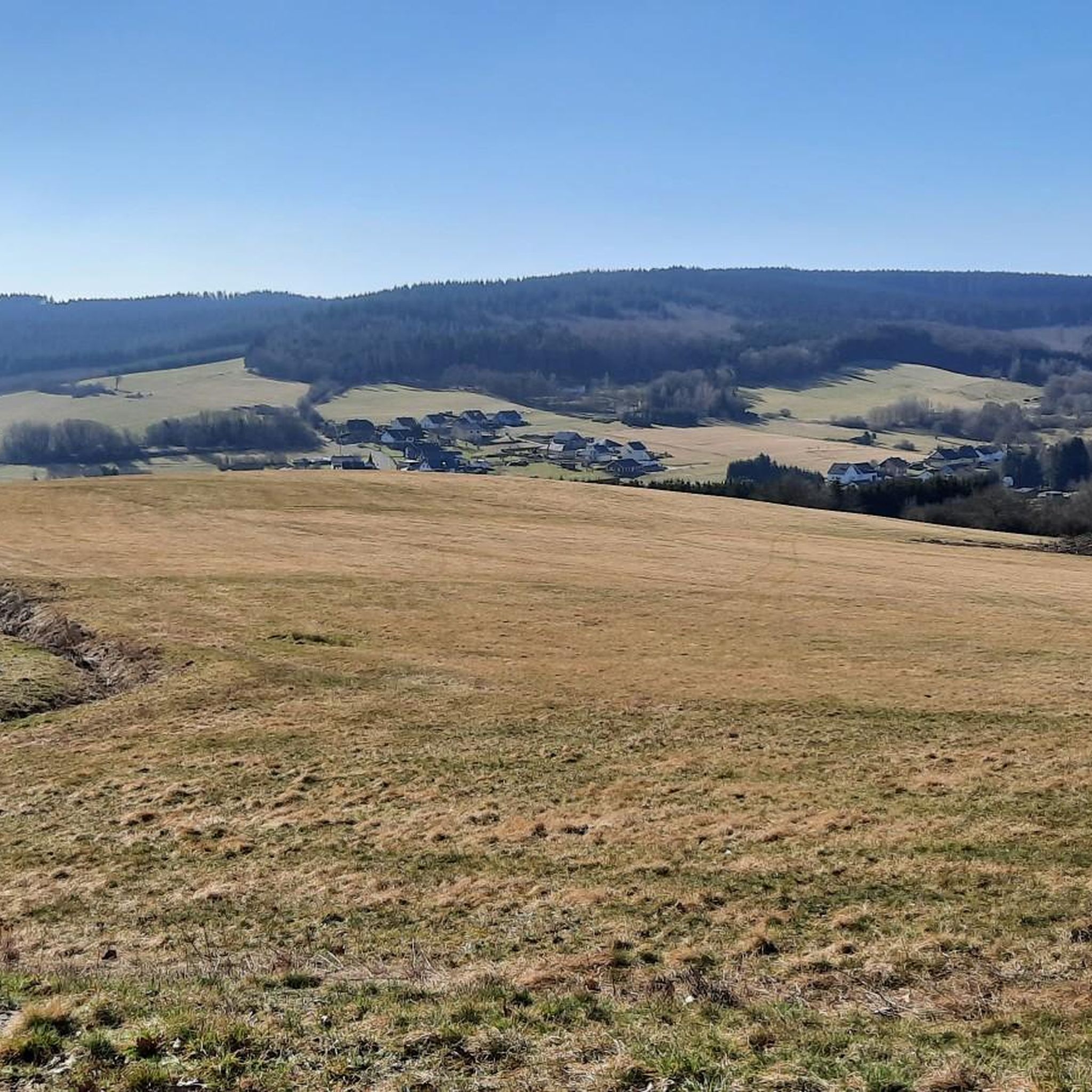
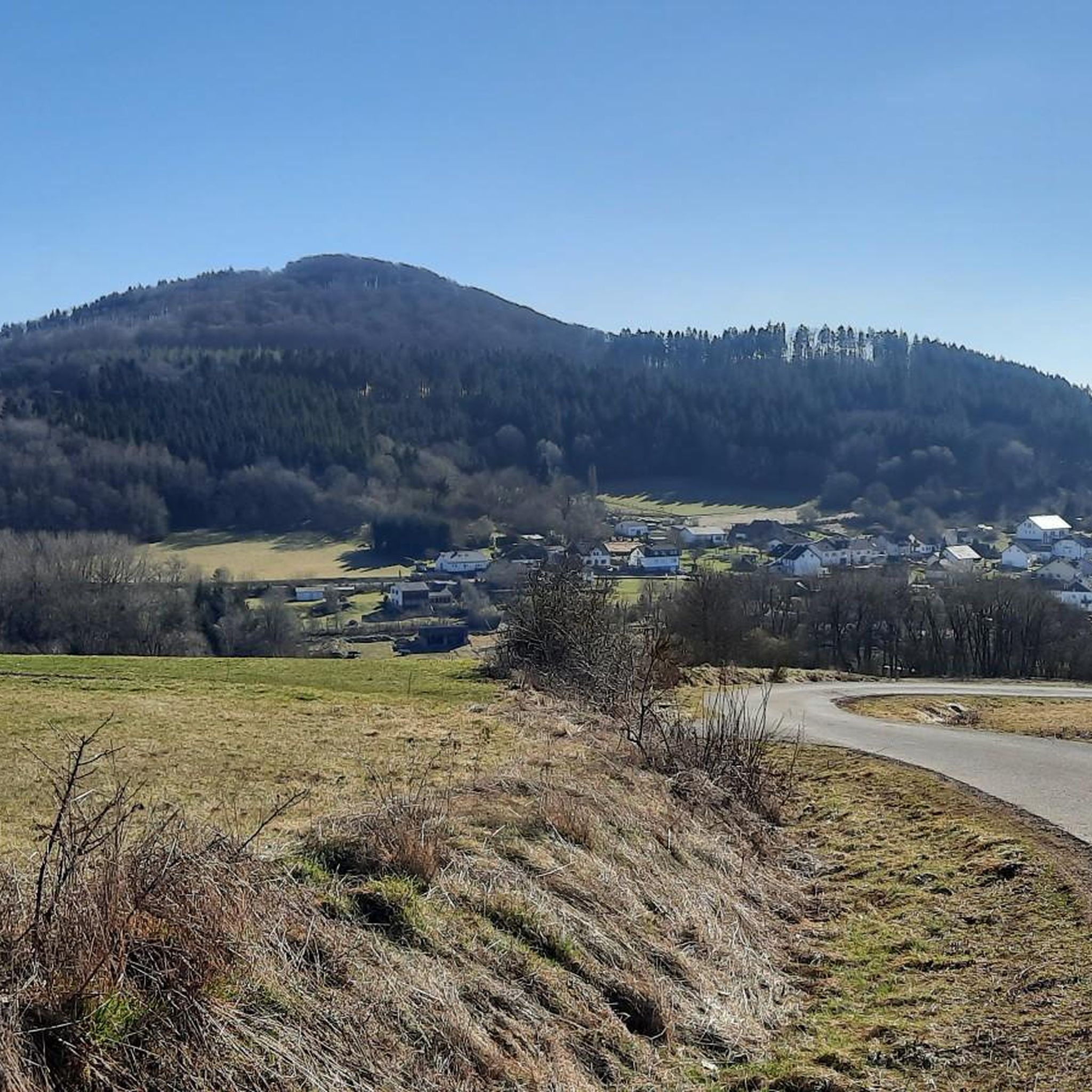
Very nice view of the entire town.
0
0
Behind the Daun ski lift begins the mining zone for volcanic rock near the Gemünden Maar.
0
0
Small ski lift (if there is a bit more snow in winter)
0
0

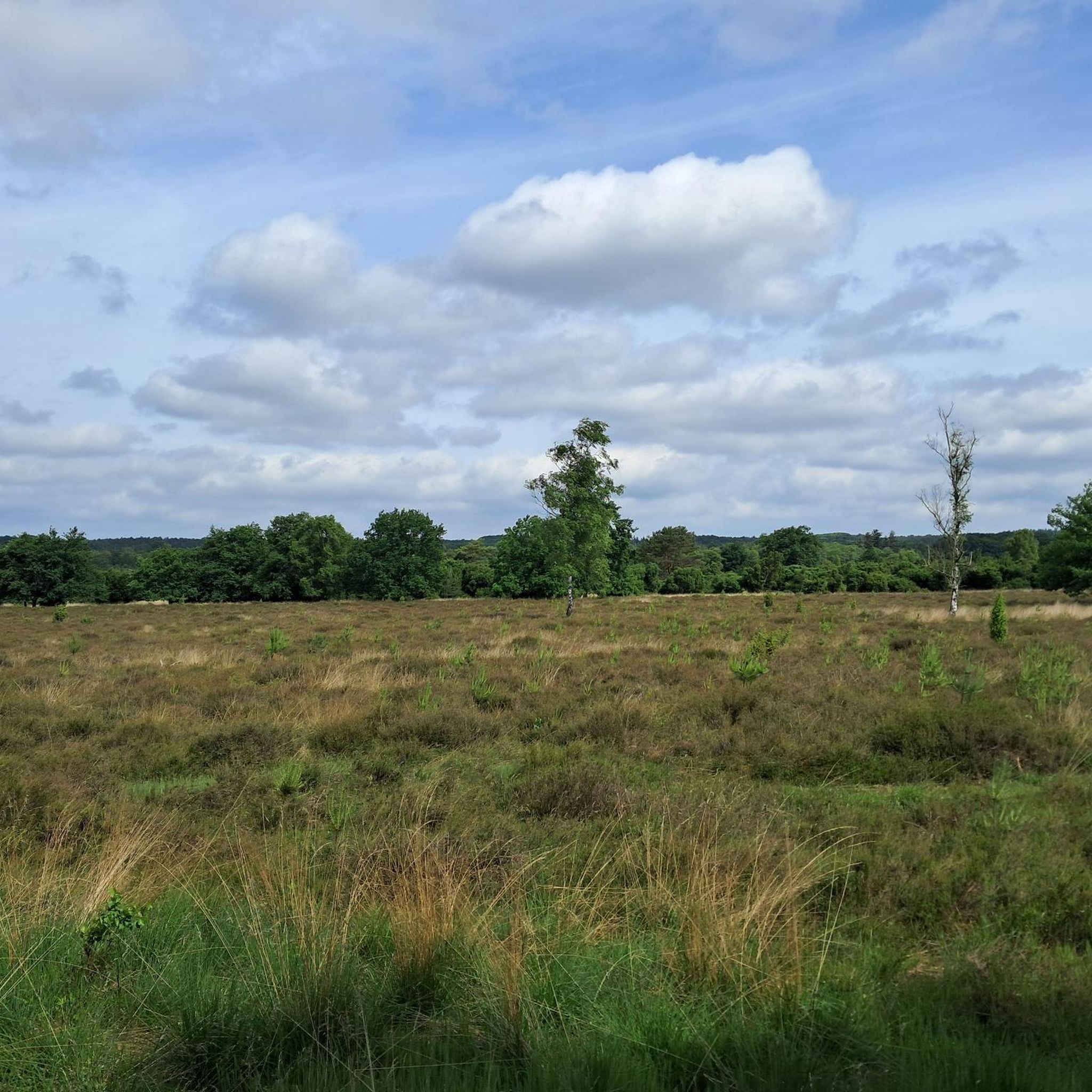
There are many wonderful plants to admire in and around the open-cast mine. Broom, lupins, clover...
0
0

The Daun Maars - 10,000-Year-Old Volcanic Lakes The Daun Maars were formed around 10,000 years ago from volcanic steam explosions. Hot lava rises from the Earth's interior and meets water, which suddenly evaporates. This blasts away entire mountain peaks. What remains is a deep crater that fills with water over the years and a wall of boulders surrounding the lake. The Daun Maars include the Gemünden Maar, the Weinfelder Maar, and the Schalkenmehrener Doppelmaar. One crater of the Schalkenmehren Maar has silted up over the millennia. The area is a nature reserve and a refuge for waterfowl and rare dragonfly species. Text / Source: deutschland-outdoor.der https://deutschland-outdoor.de/eifel/dauner-maare
13
0
Weinfelder Maar The Weinfelder Maar, formed by volcanic activity around 20,000 to 30,000 years ago, is the highest of the three Daun Maars at 487 meters above sea level. The lake is 51 meters deep and has a diameter of 396 to 429 meters. An almost melancholic atmosphere surrounds the maar. Many legends surround the tranquil Eifel eye. A castle is said to have once stood on the site of the crater, where a count lived with his wife and only child. After returning home from a hunt, the castle had sunk as punishment for the woman's nastiness, and he found only a lake where a cradle miraculously floated his child safely to the shore. If you look at the dark surface of the water long enough, it is said that you can make out the outline of the castle. The German landscape painter Fritz von Wille was so fascinated by the Weinfelder Maar that he repeatedly immortalized it in his paintings. Among his favorite motifs was the small chapel on the north bank, dedicated to Saint Martin. It was once the parish church of the village of Weinfeld, which was ravaged by the plague in the 16th century. Anyone who rings the bells inside by pulling the ropes can make a wish. To this day, the associated cemetery is maintained and used by the local community of Schalkenmehren. This is also where its second name, Totenmaar, comes from. Donkeys and goats have been introduced to the Weinfelder Maar to regulate vegetation. The maar's unique flora and fauna are protected. Swimming and other water sports are prohibited in the Weinfelder Maar, but a nearly two-kilometer-long path makes it a wonderful place to explore on foot. Parking: Guests can park along the L64 either in the parking lot at the Weinfelder Maar or on the Maarsattel between the Weinfelder Maar and the Schalkenmehrener Maar. Text / Source: GesundLand Vulkaneifel GmbH, Leopoldstr. 9 A, 54550 Daun https://www.eifel.info/a-weinfelder-maar
13
0
The Daun Maars - 10,000-Year-Old Volcanic Lakes The Daun Maars were formed around 10,000 years ago from volcanic steam explosions. Hot lava rises from the Earth's interior and encounters water, which suddenly evaporates. This blasts away entire mountain peaks. What remains is a deep crater that fills with water over the years and a wall of boulders surrounding the lake. The Daun Maars include the Gemünden Maar, the Weinfelder Maar, and the Schalkenmehrener Doppelmaar. One crater of the Schalkenmehrener Maar has silted up over the millennia. The area is a nature reserve and a refuge for waterfowl and rare dragonfly species. Text / Source: deutschland-outdoor.der https://deutschland-outdoor.de/eifel/dauner-maare
13
0
Weinfelder Maar The Weinfelder Maar, formed by volcanic activity around 20,000 to 30,000 years ago, is the highest of the three Dauner Maars at 487 meters above sea level. The lake is 51 meters deep and has a diameter of 396 to 429 meters. An almost melancholic atmosphere surrounds the maar. Many legends surround the quiet Eifel eye. A castle is said to have once stood on the site of the crater, where a count lived with his wife and only child. After returning home from a hunt, the castle had sunk as punishment for the woman's nastiness, and he found only a lake where a cradle miraculously floated his child safely to the shore. If you look at the dark surface of the water long enough, it is said that you can make out the outline of the castle. The German landscape painter Fritz von Wille was so fascinated by the Weinfelder Maar that he repeatedly immortalized it in his paintings. Among his favorite motifs was the small chapel on the north bank, dedicated to Saint Martin. It was once the parish church of the village of Weinfeld, which was struck by the plague in the 16th century. Anyone who makes the bells inside ring by pulling the ropes can make a wish. To this day, the associated cemetery is maintained and used by the local community of Schalkenmehren. This is where its second name, Totenmaar, comes from. Donkeys and goats have been introduced to the Weinfelder Maar to regulate vegetation. The maar's unique flora and fauna are protected. Swimming and other water sports are prohibited in the Weinfelder Maar, but a nearly two-kilometer-long path makes it a wonderful place to explore on foot. Parking: Visitors can park along the L64 either in the parking lot at the Weinfelder Maar or on the Maarsattel between the Weinfelder Maar and the Schalkenmehrener Maar. Text / Source: GesundLand Vulkaneifel GmbH, Leopoldstr. 9 A, 54550 Daun https://www.eifel.info/a-weinfelder-maar
12
0
Frequently Asked Questions
How many mountaineering routes are available around Neroth?
There are 3 mountaineering routes available around Neroth, offering a variety of experiences through the volcanic landscape.
What do other mountaineers enjoy most about the routes in Neroth?
The routes in Neroth are highly rated by the komoot community, with an average score of 4.5 stars from 2 reviews. Mountaineers often praise the scenic viewpoints and the unique volcanic maars.
Are there easy mountaineering routes suitable for beginners in Neroth?
Yes, there is one easy mountaineering route. The Weinfelder Maar viewpoint – Dronke Tower on the Mäuseberg loop from Schalkenmehren is a shorter, less strenuous option, perfect for those new to mountaineering or looking for a relaxed walk.
What are the elevation gains like on Neroth's mountaineering trails?
The elevation gains on Neroth's mountaineering trails are generally moderate. For example, the View of the Gemündener Maar – Weinfelder Church loop from Schalkenmehren has an elevation gain of approximately 214 meters, while the Weinfelder Church – View of the Gemündener Maar loop from Schalkenmehren involves around 297 meters of ascent.
Are there circular mountaineering routes in Neroth?
Yes, all the featured mountaineering routes around Neroth are circular. This allows you to start and end your journey at the same point, such as the View of the Gemündener Maar – Weinfelder Church loop from Schalkenmehren.
Are dogs allowed on mountaineering trails in Neroth?
Generally, dogs are welcome on trails in the Eifel region, including around Neroth. However, it's always advisable to keep them on a leash, especially in nature reserves or near livestock, and to check for specific local regulations along your chosen route.
What kind of natural landmarks can I see while mountaineering in Neroth?
Mountaineering in Neroth offers views of unique volcanic maars, such as the Gemündener Maar and Weinfelder Maar. You can also explore forested hills and enjoy panoramic vistas from viewpoints like the Dronke Tower on the Mäuseberg.
Are there any castles or historical sites near the mountaineering routes?
Yes, the region around Neroth is rich in historical sites. You can find several castles nearby, such as the Freudenkoppe Castle Ruins, the View of the Kasselburg, and Lissingen Castle. These offer interesting detours or additional exploration opportunities.
Can I find any gorges or valleys to explore near Neroth?
Absolutely. The area features impressive natural formations like the Lieser Valley and the Bolsdorfer Valley. You might also discover viewpoints such as the View of Gerolstein from the Munterley, offering stunning perspectives of the landscape.
What is the best season for mountaineering in Neroth?
Spring and autumn are often considered ideal for mountaineering in Neroth, with pleasant temperatures and vibrant natural colors. Summer also offers good conditions, though it can be warmer. Winter mountaineering is possible but requires appropriate gear and awareness of weather conditions.
Are there options for family-friendly mountaineering in Neroth?
Yes, the region offers routes suitable for families. The Weinfelder Maar viewpoint – Dronke Tower on the Mäuseberg loop from Schalkenmehren is an easy, shorter route that can be a great option for families with children.
Most popular attractions around Neroth

Get inspired with the komoot mobile app


Explore more
Browse the best Mountain Hikes & Routes in other regions.
