The best cycling routes around Martín Del Río
5.0
(3)
15
riders
5
rides
Touring cycling around Martín Del Río offers routes through a landscape shaped by the Sistema Ibérico and the Cuencas Mineras region. The area features dramatic fluvial gorges, known as "hocinos," with high limestone walls and riverside vegetation. Cyclists can expect varied terrain, including expansive non-irrigated fields, mountainous areas with pine and oak forests, and scrubland. The River Martín valley, part of the Cultural Park of the River Martín, provides a backdrop of canyons and cliffs.
Best touring cycling routes around…
Last updated: June 29, 2026
4
riders
136km
08:47
1,610m
1,620m
Hard bike ride. Very good fitness required. Mostly paved surfaces. Suitable for all skill levels.
5.0
(1)
4
riders
Hard bike ride. Very good fitness required. Mostly paved surfaces. Suitable for all skill levels.

Sign up for free
5.0
(1)
3
riders
51.9km
03:21
730m
730m
Hard bike ride. Very good fitness required. Mostly paved surfaces. Suitable for all skill levels.
5.0
(1)
3
riders
Hard bike ride. Very good fitness required. Mostly paved surfaces. Suitable for all skill levels.
1
riders
44.3km
02:46
550m
550m
Hard bike ride. Very good fitness required. Mostly paved surfaces. Suitable for all skill levels.
Our route recommendations are based on thousands of hikes, rides, and runs completed by other people on komoot.
Start today with a free account
Your next adventure awaits.
Login or Signup

Tips from the Community

Barrachina is a small village in the Jiloca region, surrounded by peaceful fields and mountains, ideal for cycling routes along secondary roads. The town center features the 17th-century parish church of La Asunción and traditional features such as the Pedromocho stone pillar and the Round House. The natural setting offers views along the Pancrudo River and the shade of the oak tree, a unique, large tree. It's a good place to take a break from your hike and enjoy the tranquility of the Teruel mountains.
1
0
Martín del Río is a small town in the Teruel Mining Basins, surrounded by mountains and crossed by the Martín River. Its town center preserves the Baroque Church of the Assumption and the Mudejar Hermitage of the Saints, which are heritage landmarks of the area. Cyclists are drawn to the natural surroundings, with routes leading to the Hocino de la Rambla and the Pajazo Gorge, where waterfalls, pools, and historical remains carved into the rock can be seen. Furthermore, routes such as the GR-262 and the Camino del Cid pass through the town, making it a good place to rest and explore.
1
0
Montalbán, a historic town and cultural capital of the Cuencas Mineras (Municipal Mining Basins), stands out for its rich heritage and its location on the banks of the Martín River. Its old town preserves remains of medieval walls and gateways, as well as the Church of Santiago Apóstol, a magnificent example of Aragonese Gothic-Mudejar architecture. Visitors can also explore the remains of the castle and a network of cellars and underground passages. As part of the Martín River Cultural Park, it offers cultural and nature routes that combine history and geology, ideal for cyclists looking to discover unique landscapes and towns full of character.
1
0
Huesa del Común is a small town in the Cuencas Mineras region, located in a spectacular setting next to the Aguasvivas River, which forms a limestone canyon ideal for climbing and via ferrata. The remains of the Peñaflor Castle, of Muslim origin, rise on a rocky outcrop, and a late medieval bridge stands out in the town center. The town is also known for its pottery-making tradition, vestiges of which can still be seen in the Las Ollerías neighborhood.
1
0
Monforte de Moyuela is a small village in the Jiloca region of Teruel, located at an altitude of over 1,000 meters and surrounded by the Oriche mountain range. It preserves remains of its 12th-century castle and a Roman dam, as well as several chapels and the parish church of La Asunción, rebuilt in the 19th century after the Carlist Wars. The town is part of the Route of El Cid, which makes it even more attractive for those cycling along historic, less-traveled paths. The terrain is mountainous, and it's advisable to bring good equipment and plenty of water, as services are limited in the area.
1
0

Pleasant bar where you can recharge your batteries, with very friendly service. Opens at 9 every day.
0
0

Beautiful views of the Cueva de la Hiedra from near the town of Utrillas.
1
0
Montalbán is a town in the Cuencas Mineras region and is considered one of the most beautiful in it. If we are in the area we must visit the beautiful Church of Santiago or the beautiful Portal de Santa Engracia. Beautiful BTT routes leave from this town towards the Sierra de Sant Just, belonging to the Teruel Iberian System.
1
0
Frequently Asked Questions
What kind of terrain can I expect when touring cycling around Martín Del Río?
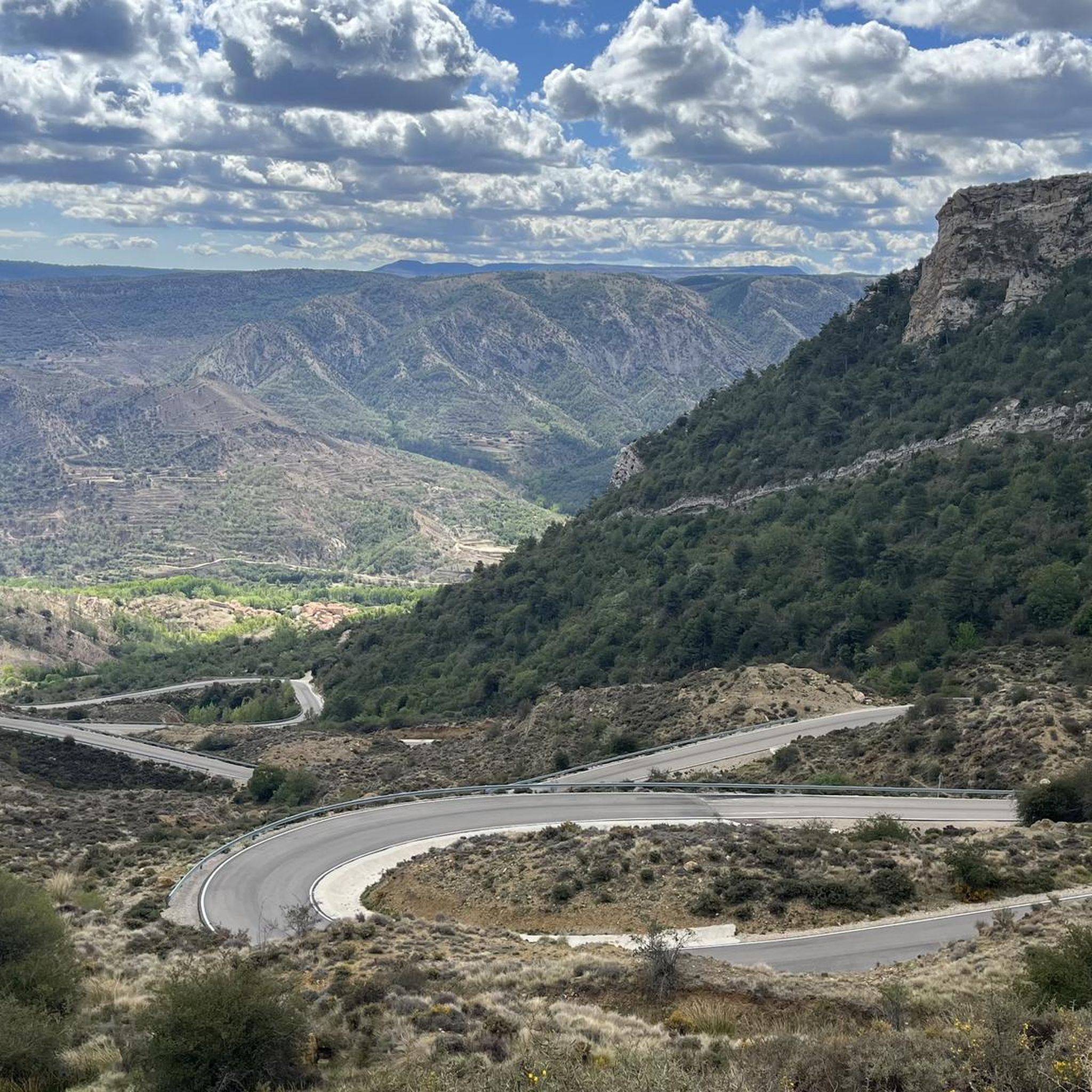
Martín Del Río offers a diverse landscape for touring cyclists. You'll encounter dramatic fluvial gorges known as "hocinos," with high limestone walls and lush riverside vegetation, particularly along the River Martín. The region is part of the Sistema Ibérico and Cuencas Mineras, featuring expansive non-irrigated fields, mountainous areas with pine and oak forests, and scrubland. Expect continuous steep slopes on secondary roads with low traffic, requiring good physical condition.
Are there any circular touring cycling routes available in Martín Del Río?
Yes, several circular routes are available. For instance, the Bar Ámbar – Huesa del Común loop from Mas de Teller is a challenging 84.5-mile (136.0 km) route. Another option is the Hoz de la Vieja – Martín del Río loop from Manuel Beltrán (antiguo Hospital), which covers 35.9 miles (57.9 km) through river valleys and forested areas. The region also features the notable Anillo de Montalbán, a 145-kilometer circular route tracing historical paths through the lands of Teruel.
What is the best time of year for touring cycling in Martín Del Río?
Martín Del Río experiences a continental climate. While warm summers are common, with potentially cool nights, and winters can be cold, the spring and autumn months generally offer the most pleasant conditions for touring cycling. These seasons provide a good balance of moderate temperatures and less extreme weather, making for a more enjoyable experience on the varied terrain.
What are some natural landmarks or attractions I can see while cycling in the area?
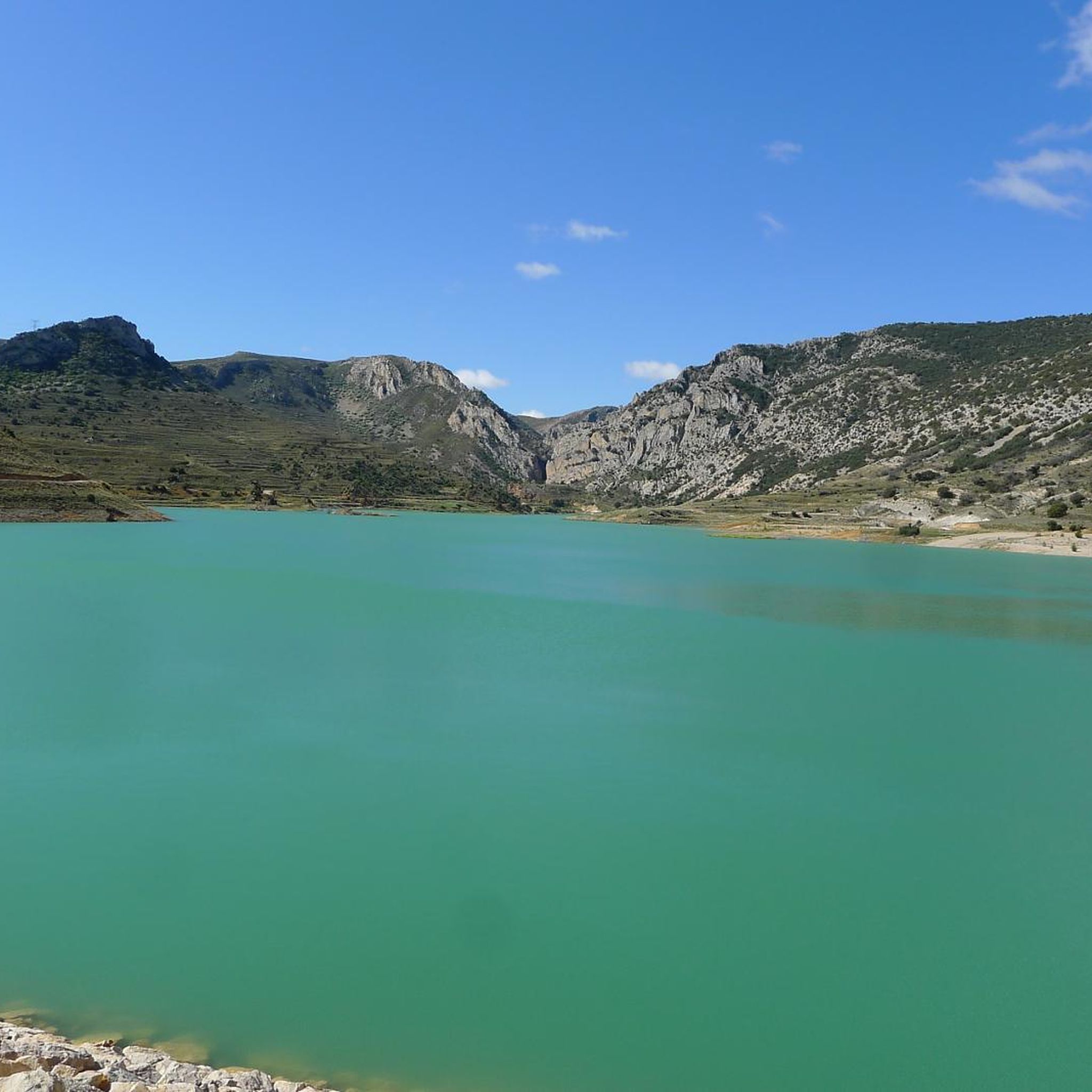
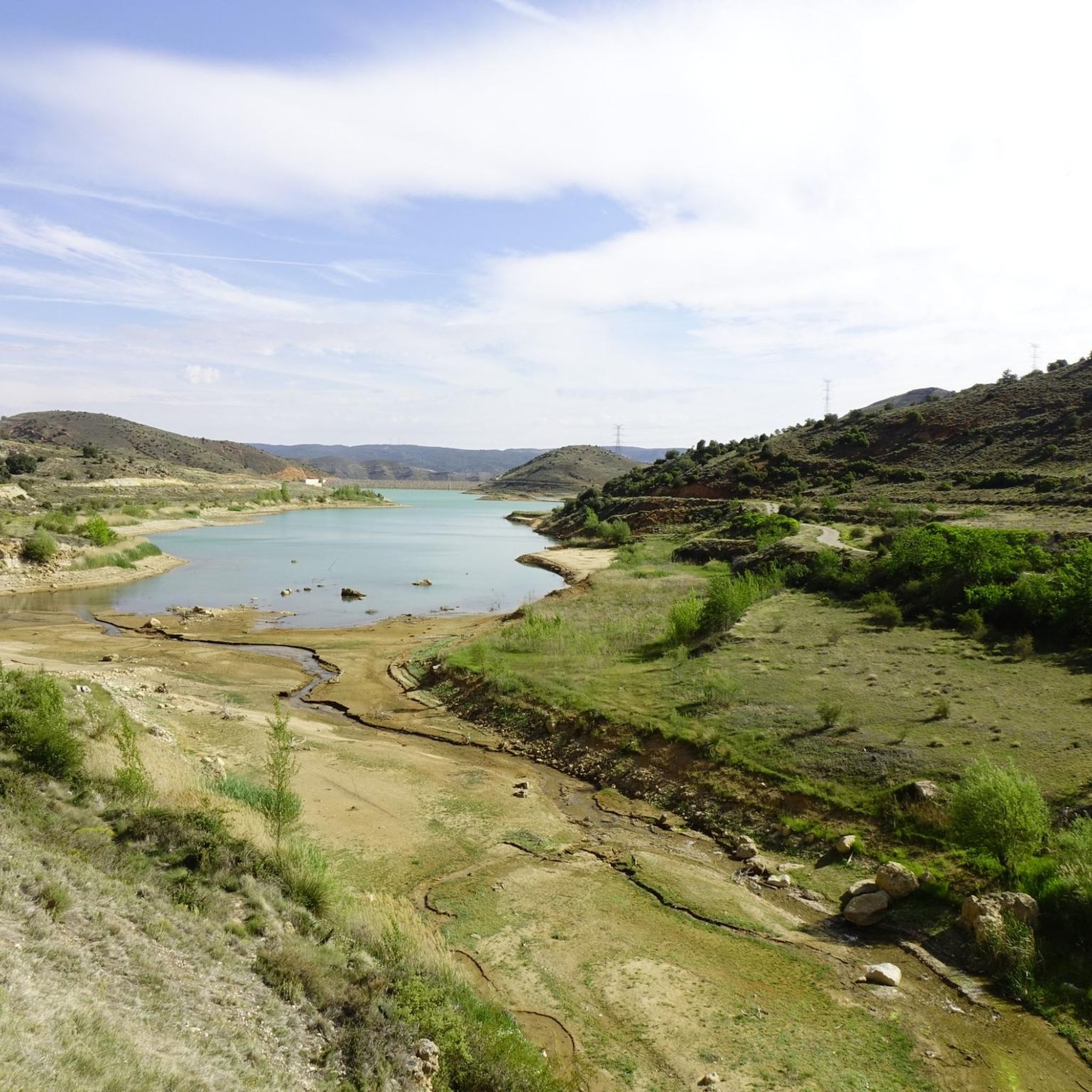
The region is rich in natural beauty. You can explore the spectacular fluvial gorges like the Hocino del Pajazo and Hocino de la Rambla, carved by the River Martín. The Embalse de las Parras reservoir also offers picturesque scenery. For specific points of interest, consider routes that pass near the Portal de Santa Engracia or offer views towards the Cueva de la Hiedra. The Cultural Park of the River Martín encompasses many of these canyons and cliffs.
Are there any cultural or historical sites to visit along the touring cycling routes?
Absolutely. The region has a rich cultural heritage. The Anillo de Montalbán route, for example, connects historical fortresses in towns like Monforte de Moyuela, Huesa del Común, and Montalbán, where you can find remnants of an Islamic castle and a Gothic-Mudejar church. In the urban center of Martín del Río itself, you can encounter traditional architecture, including the Church of Nuestra Señora de la Asunción and the hermitage of Los Santos.
What is the general difficulty level of touring cycling routes in Martín Del Río?
The touring cycling routes around Martín Del Río are generally considered challenging. All five routes listed in this guide are classified as 'difficult,' featuring significant elevation gains and continuous steep slopes. They are best suited for experienced cyclists with good physical conditioning and a road-suitable bicycle. For example, the Portal de Santa Engracia – View of the Cueva de la Hiedra loop involves over 560 meters of elevation gain over 34 kilometers.
How long do the touring cycling routes typically take to complete?
The duration varies depending on the route length and your pace. For instance, the longest route, Bar Ámbar – Huesa del Común loop from Mas de Teller, is an 84.5-mile (136.0 km) trail that typically takes around 8 hours and 46 minutes. Shorter, yet still challenging, routes like the Quarry Lake – Martín del Río loop (25.9 km) can be completed in about 2 hours and 28 minutes.
What do other touring cyclists say about the routes in Martín Del Río?
The touring cycling routes in Martín Del Río are highly regarded by the komoot community, holding an average score of 5.0 stars from over 2 reviews. Cyclists often praise the varied terrain, from agricultural fields to pine and oak forests, and the dramatic geological formations like the fluvial gorges. The challenging nature of the routes is also a draw for those seeking a demanding ride.
Is there any upcoming cycling infrastructure that will improve touring in the area?
Yes, a significant development is the Vía Verde Utrillas-Zaragoza, which is currently under construction and projected for completion around June 2026. This 54-kilometer greenway will utilize the old mining railway line, providing a safe, traffic-free, and scenic route. It will feature metallic walkways over restored bridges, designated rest areas, and even electric bicycle rental points in Martín del Río itself, greatly enhancing the region's appeal for touring cyclists.
Are there other outdoor activities besides cycling available in Martín Del Río?
Beyond touring cycling, Martín Del Río offers a range of outdoor activities. You can explore several marked hiking trails, such as the GR-262 and PR-TE 96. For those seeking more adventure, the region is suitable for canyoning in the hocinos. Additionally, the multi-adventure circuit known as Valdelagua provides activities like zip lines, Tibetan bridges, and floating tunnels.
What is the elevation gain like on the touring cycling routes?
The touring cycling routes in Martín Del Río feature significant elevation gains, contributing to their 'difficult' classification. For example, the Bar Ámbar – Huesa del Común loop has over 1600 meters of ascent. Even shorter routes like the Barrachina – Bar Ámbar loop include over 545 meters of climbing, so be prepared for continuous uphill sections.
Most popular routes around Martín Del Río
Most popular attractions around Martín Del Río

Get inspired with the komoot mobile app


Explore more
Browse the best Cycling routes in other regions.
