The best MTB trails around Quiñonería
5.0
(1)
23
riders
6
rides
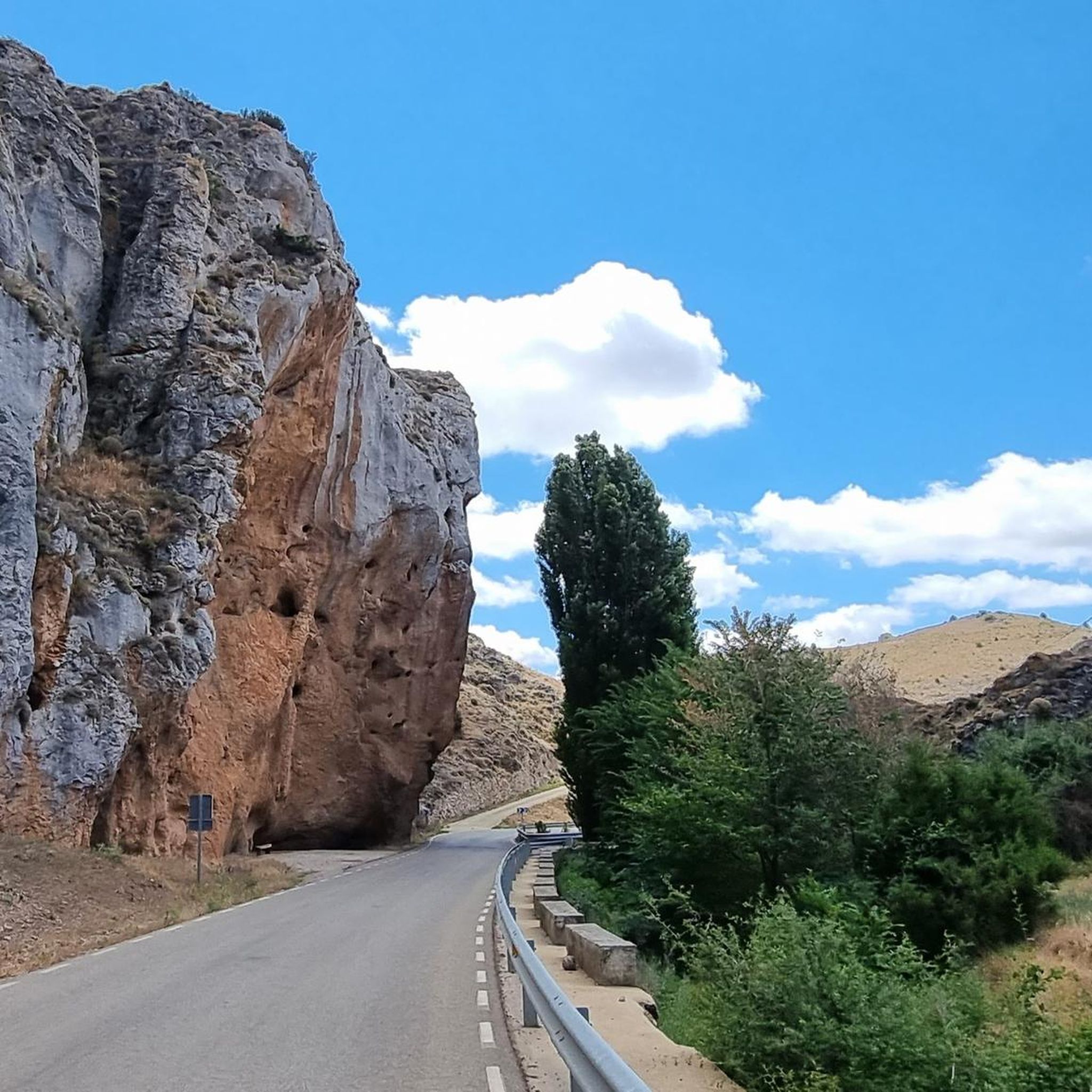
Mountain bike trails around Quiñonería traverse a tranquil rural setting in the province of Soria, Spain. The area is characterized by its rugged, uneven terrain, featuring extensive holm oak forests within the Natura 2000 network, such as the Encinares de Sierra del Costanazo. Mountain bikers can explore natural paths and rural roads that crisscross a landscape of uncultivated land and isolated rocky mesas like Peñalcázar, offering varied topography. This region provides opportunities for those seeking less-developed mountain biking experiences.
Best…
Last updated: June 29, 2026
5.0
(1)
7
riders
25.7km
02:27
470m
470m
Moderate mountain bike ride. Good fitness required. Advanced riding skills necessary.
7
riders
66.5km
06:08
1,140m
1,140m
Hard mountain bike ride. Very good fitness required. Advanced riding skills necessary.

Sign up for free
2
riders
25.0km
01:55
290m
290m
Moderate mountain bike ride. Great for any fitness level. Advanced riding skills necessary.
2
riders
45.2km
03:16
430m
430m
Moderate mountain bike ride. Good fitness required. Advanced riding skills necessary.
2
riders
27.2km
02:37
490m
490m
Moderate mountain bike ride. Good fitness required. Advanced riding skills necessary.
Our route recommendations are based on thousands of hikes, rides, and runs completed by other people on komoot.
Start today with a free account
Your next adventure awaits.
Login or Signup
Popular around Quiñonería

Tips from the Community

The church in this town is truly impressive, with its tremendous size.
1
0

The Peñalcazar castle is located in the municipality of Quiñonería, in the province of Soria, community of Castilla y León. Of the castle and the surrounding town, abandoned in the 70s of the 20th century, only two sections of wall and remains of the castle and access doors remain. There are also identified constructions of Celtiberian, Roman and Arab origin.
0
0
Deza is a town in Soria in the community of Castilla y León. Human settlements have been found in the area since the Upper Paleolithic. The Titos (an ethnic group included among the Celtiberians) and later the Romans also settled in the current Deza. During Arab domination, Dassa was an important fortification controlled by the Berbers, as the border between the Christian and Muslim kingdoms was in the nearby Douro. Among its historical heritage, the parish church of Nuestra Señora de la Asunción stands out, from the 16th century, with a tower from the 17th century, and also the main civil building, the strong house of the Fernández de Abarca family, where the town hall is currently located. Deza has a bullring, the oldest in the province in its original location, dug into the earth.
0
0
Mazaterón is a town in Soria in the community of Castilla y León, belonging to the municipality of Almazul. It is one of the towns that belonged to the so-called "Land of Reward", along with Almazul, Miñana and La Alameda. This name originated when Philip II rewarded the Duke of Medinaceli with these lands in exchange for the salt mines from the Sahelices and Alendeque wells.
0
0

In the middle of the mountainous foothills of the Sierra de Miñana, just on its eastern side, there is the town of Deza that rests under a small depression. Beautiful center that is run by the Church of Nuestra Señora de la Asunción.
0
0
Along the course of the Río Manubles we find the town of Borobia, which is sandwiched between the Sierra de Tablado and Toranzo, to the north of the town itself.
0
0

Medieval fortress located on top of the hill near the town of Ciria. The history of the castle is linked to the passage of Muslims through the area, since it served to monitor their passage.
1
0
Frequently Asked Questions
What kind of mountain biking experience can I expect in Quiñonería?
Quiñonería offers a tranquil, rural mountain biking experience characterized by rugged, uneven terrain. You'll find natural paths and rural roads winding through extensive holm oak forests, such as those in the Natura 2000 network's Encinares de Sierra del Costanazo, and around isolated rocky mesas like Peñalcázar. It's ideal for those seeking less-developed trails and a sense of exploration away from crowded, purpose-built routes.
How many mountain bike trails are available in Quiñonería?
There are currently around 5 mountain bike trails available in Quiñonería on komoot. These routes cater to both moderate and difficult ability levels, offering varied terrain for different skill sets.
Are there any challenging mountain bike trails in Quiñonería?
Yes, for experienced riders seeking a challenge, the Deza – castle of Peñalcazar loop from Deza is a difficult 66.5 km (41.3 miles) route. This trail explores the distinctive Peñalcázar mesa, providing demanding terrain and scenic views.
What are some moderate mountain bike trails in the area?
Several moderate trails are available. The San Roque loop from Deza is a popular 25.4 km (15.8 miles) route, offering a balanced ride. Another option is the Borobia – Ciria loop from Ciria, which covers 24.8 km (15.4 miles) through varied landscapes.
Are there any circular mountain bike routes in Quiñonería?
Yes, all the mountain bike routes listed in this guide are circular. For example, you can explore the Deza – Fuente de Almazorre loop from Deza, a moderate 27.2 km (16.9 miles) trail, or the San Roque loop from Deza, a 26.1 km (16.2 miles) route through rural landscapes and holm oak forests.
What natural features or landmarks can I see while mountain biking in Quiñonería?
The region is known for its distinctive natural features. You can encounter the 'muela' (flat-topped hill or mesa) of Peñalcázar, which offers exceptional vantage points and historical remnants. The trails also traverse extensive holm oak forests, part of the Natura 2000 network, providing varied topography. Nearby attractions include the Castle and Church of San Millán de Berdejo and the charming village of Ciria.
What do other mountain bikers say about the trails in Quiñonería?
The mountain bike routes in Quiñonería are highly rated by the komoot community, with an average score of 5.0 stars. More than 20 mountain bikers have used komoot to explore the varied terrain, appreciating the tranquil, less-developed nature of the trails and the opportunity for exploration.
Is Quiñonería suitable for mountain bikers looking for a quiet, off-the-beaten-path experience?
Absolutely. Quiñonería is a small municipality with a tranquil rural setting, offering a rugged and less-developed mountain biking experience. Its natural landscapes, including extensive holm oak forests and uneven terrain, provide opportunities for adventurous riders seeking quiet paths away from crowded areas.
What is the best time of year for mountain biking in Quiñonería?
Given its location in the province of Soria, Spain, the spring and autumn months generally offer the most pleasant conditions for mountain biking in Quiñonería. Temperatures are milder, and the natural landscapes are vibrant. Summers can be hot, and winters may bring colder weather, so checking local forecasts is always advisable.
Are there any villages or historical sites near the mountain bike trails?
Yes, the region has several points of interest. The depopulated area of Peñalcázar, with its ancient walls, is a notable historical site. You can also find charming villages like Deza and Ledesma de Soria, which offer glimpses into the local culture and history.
Most popular routes around Quiñonería
Most popular attractions around Quiñonería

Get inspired with the komoot mobile app


Explore more
Browse the best MTB trails in other regions.
