Ruislip Woods National Nature Reserve
Ruislip Woods National Nature Reserve
The best gravel rides in Ruislip Woods National Nature Reserve
4.3
(27)
168
riders
17
rides
Gravel biking in Ruislip Woods National Nature Reserve offers a diverse environment for cyclists within London's largest woodland area. The terrain includes ancient, semi-natural woodlands, some with unsealed and hilly paths, alongside dedicated gravel routes that vary in length and difficulty. Key natural features include hornbeam and oak coppices, as well as varied habitats such as grasslands, ponds, and marshland. The reserve encompasses several distinct wooded areas, providing a range of surfaces for gravel cyclists.
Best gravel bike trails in…
Last updated: August 27, 2026
5.0
(3)
8
riders
25.5km
01:35
140m
140m
Easy gravel ride. Great for any fitness level. Mostly paved surfaces. Suitable for all skill levels.
4.3
(6)
12
riders
36.5km
02:17
200m
200m
Moderate gravel ride. Good fitness required. Mostly paved surfaces. Suitable for all skill levels.

Sign up for free
5.0
(1)
9
riders
23.3km
01:43
50m
50m
Easy gravel ride. Great for any fitness level. Mostly paved surfaces. Suitable for all skill levels.
4.3
(3)
14
riders
15.3km
00:58
60m
60m
Easy gravel ride. Great for any fitness level. Mostly paved surfaces. Suitable for all skill levels.
4.0
(1)
12
riders
21.7km
01:21
110m
110m
Easy gravel ride. Great for any fitness level. Mostly paved surfaces. Suitable for all skill levels.
Get access to more routes and recommendations from other explorers.
Sign up for free
Already have an account?
Our route recommendations are based on thousands of hikes, rides, and runs completed by other people on komoot.
Start today with a free account
Your next adventure awaits.
Login or Signup
Popular around Ruislip Woods National Nature Reserve
Tips from the Community

Crossing point between Whipendall Woods / Whippy Trails and Cassiobury Park
0
0
About 1922, the land between the River Colne and the canal was taken over by Rickmansworth Gravel Company. Building in the capital was booming and gravel was in demand. Extraction at the site began and the resulting pit became Stocker's Lake. The original Wembley stadium was built at around this time and many have since speculated on the possibility of a Wembley Connection? Dredging and gravel extraction continued until the 1940s. In 1947 Rickmansworth and Uxbridge Valley Water Company purchased Stocker's Lake (an area of 93.7 acres) for £5000 as the dredging agreement had expired. This was to protect the aquifer and pumping sources at Stocker's and Springwell. The company became Rickmansworth Water Company in 1985 and later part of Three Valleys Water Company, eventually Affinity Water, the present owners. In the 1970s Stocker’s Lake became a nature reserve and day to day management was assigned by the water company to Herts and Middlesex Wildlife Trust.
2
0
The land on which Stocker's Lake now stands was once part of Stocker's Farm which is still there today. Records from 1427 show that the farm already existed and was owned by John Stockere or Stocker. In 1861, Stocker's House was built for the Corporation of London to house the Collector of Coal Dues on the Grand Union Canal. Stocker's House cost £850 to build and the first tenant was Mr. Charles Browton. The dues he collected were, for example, 4 shillings per ton of wine and 12 pence a ton of coal. However with the railways becoming increasingly popular it was decided to sell the house and in 1869 Lord Ebury offered £300
1
0

At the M25 end you would be mistaken that you're entering a private property but there is a public footpath once you go around the corner
0
0
Great cut through to avoid roads with traffic. Very popular trail
0
0

Parkrun here every Saturday 9am, get there by 8.30am or the car park gets tricky. All other times the parking is easy 😉
0
0
The Ebury Way is a 3.5-mile (5.6 km) rail trail in Hertfordshire between Watford and Rickmansworth. The route crosses the Grand Union Canal and three rivers: the River Colne, the River Chess and the River Gade. Its origin as the Watford and Rickmansworth Railway means that it is wide and largely flat. It forms part of National Cycle Route 61
0
0
Frequently Asked Questions
How many gravel bike trails are available in Ruislip Woods National Nature Reserve?
There are 19 gravel bike trails available in Ruislip Woods National Nature Reserve, offering a variety of options for different skill levels. You'll find 12 easy routes and 7 moderate routes to explore.
What kind of terrain can I expect on the gravel bike trails in Ruislip Woods?
The terrain in Ruislip Woods National Nature Reserve is quite varied. You'll encounter ancient, semi-natural woodlands with unsealed and sometimes hilly paths. Some routes, like the 8-mile mountain bike route that traverses Ruislip Woods and Mad Bess Woods, can be undulating with tree roots and potential mud, especially after rain. However, there are also dedicated gravel routes with mostly paved surfaces, such as the asphalt path around Ruislip Lido. Expect a mix of surfaces, from firm gravel to potentially muddy sections, particularly in the deeper woodland areas.
Are there any family-friendly gravel bike trails in the reserve?
Yes, Ruislip Woods offers options suitable for families. The asphalt path spanning 2.6km around Ruislip Lido is suitable for cycling and provides a gentle, accessible option. Additionally, the 2 km David Brough Cycle Route offers another circuit within the woods that can be enjoyed by families. Many of the 12 easy routes listed in the guide are also suitable for a family outing, though some may have unsealed sections.
Can I bring my dog on the gravel bike trails in Ruislip Woods?
While the region is generally welcoming to dogs, specific regulations for cycling with dogs on trails can vary. It's always best to keep dogs under close control, especially in areas with wildlife or other users. For detailed information on dog policies within the Ruislip Woods National Nature Reserve, it's advisable to check the local council's guidelines.
What are some notable natural features or landmarks I can see while cycling?
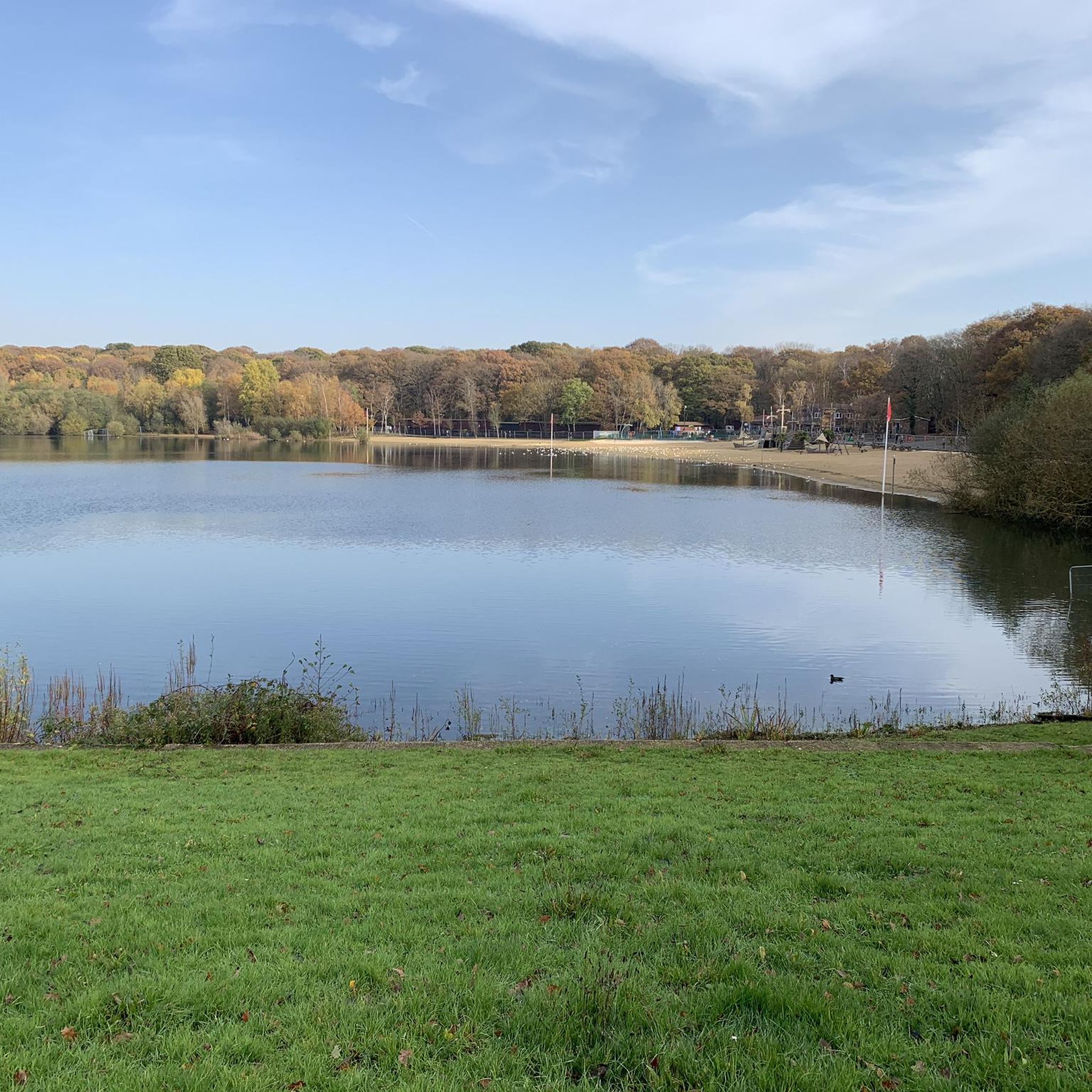
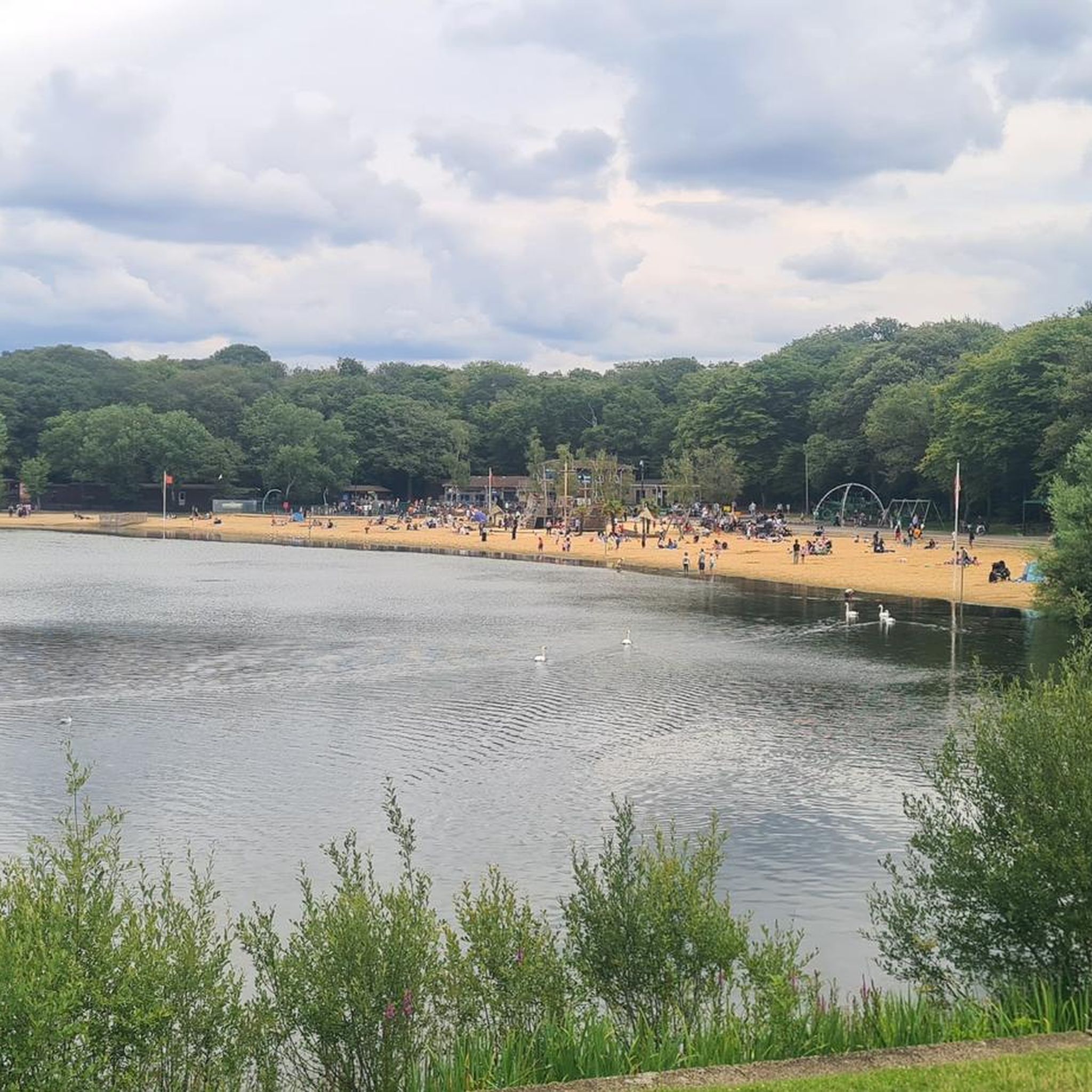
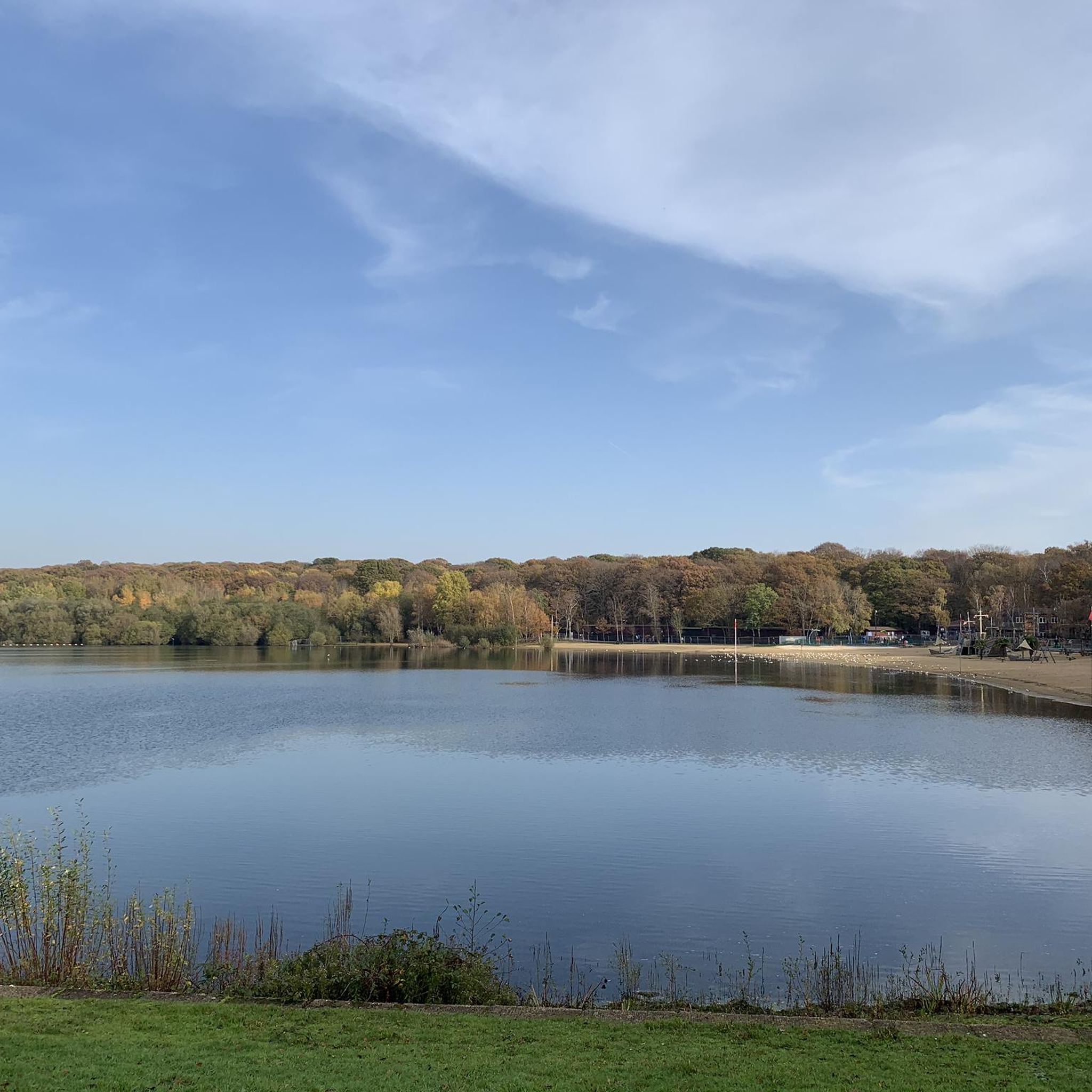
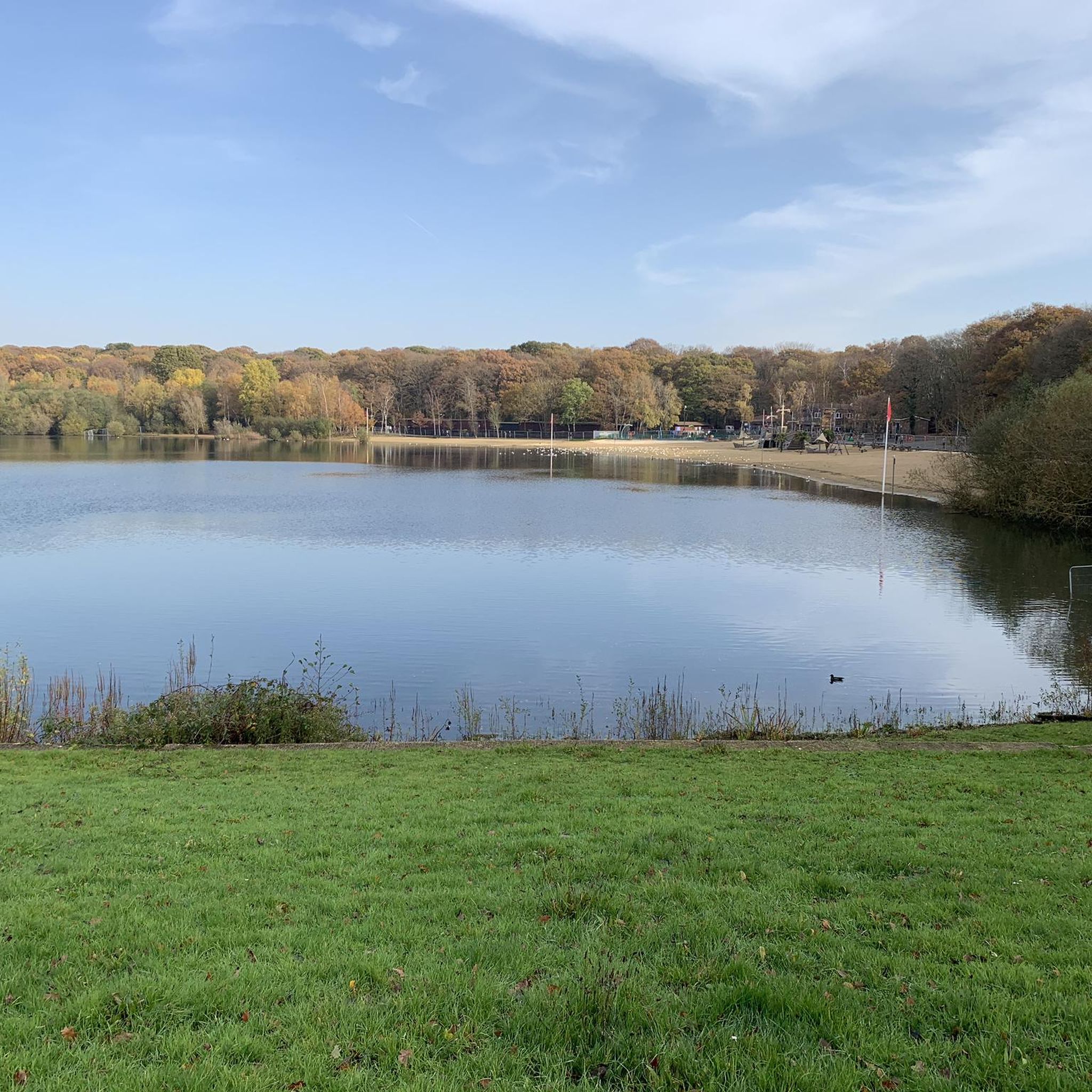
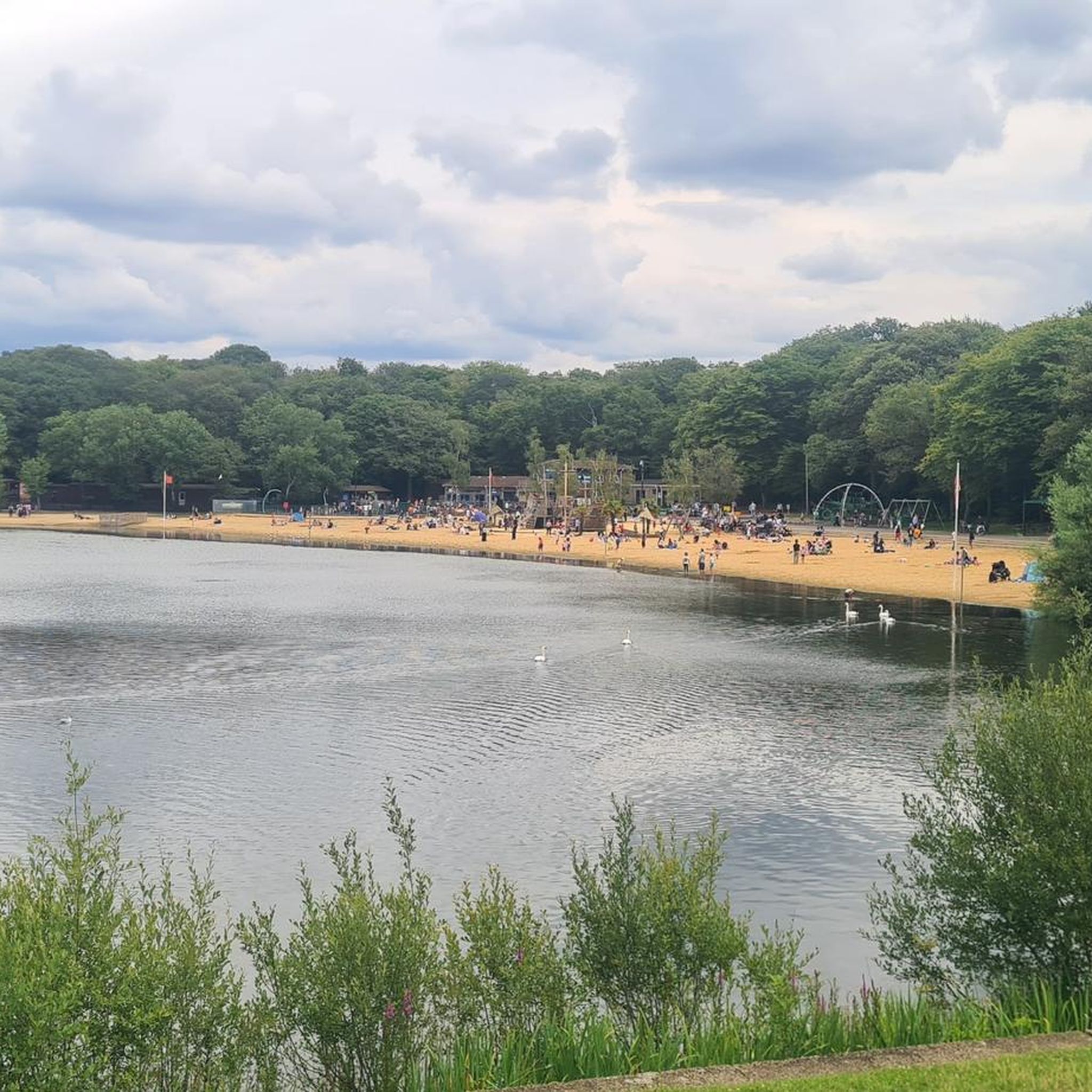
Ruislip Woods is rich in natural beauty and landmarks. A central attraction is Ruislip Lido, with its sandy beach and cafe. The reserve itself is London's largest area of ancient, semi-natural woodland, encompassing distinct areas like Bayhurst Wood, Copse Wood, and Mad Bess Wood. You might spot hornbeam coppice with oak standards, and in spring, magnificent displays of bluebells. The Ruislip Woods National Nature Reserve also features diverse habitats including grasslands, ponds, streams, and marshland.
Are there any cafes or places to eat near the gravel bike trails?
Yes, there are options for refreshments. Ruislip Lido features a cafe, which is a convenient stop for cyclists. Additionally, the refurbished Woodland Centre, reopened in 2021, provides an educational space and likely offers facilities for visitors. You can also find Le Camping de la Plage Café nearby.
What is the best time of year to go gravel biking in Ruislip Woods?
Spring is particularly beautiful due to the magnificent displays of bluebells throughout the woods. However, the paths can be prone to muddiness, especially after rain, so drier periods are generally more comfortable for gravel biking. Autumn offers stunning foliage. Always be prepared for potentially unsealed and muddy sections, particularly in the ancient woodland areas, regardless of the season.
Where can I park my car when visiting Ruislip Woods for gravel biking?
Parking is available at various points around Ruislip Woods National Nature Reserve. For example, there are car parks near Ruislip Lido and other access points to the woods. It's advisable to check the Hillingdon Council website for specific parking locations and any potential charges or restrictions.
How can I reach Ruislip Woods National Nature Reserve using public transport?
Ruislip Woods National Nature Reserve is accessible by public transport. The area is served by various bus routes, and Ruislip has Underground stations (Metropolitan and Piccadilly lines) and Overground services, making it relatively easy to reach from central London and surrounding areas. From the stations, you may need to cycle a short distance or take a local bus to reach specific trailheads.
Are there any circular gravel bike routes available?
Yes, many of the gravel bike routes in Ruislip Woods National Nature Reserve are designed as loops. For instance, the popular Black Jack's Mill loop from West Ruislip is a 15.8-mile circular trail. Another option is the Denham Quarry Lake – Harefield Place Lake loop from Hillingdon, a moderate 22.5-mile path that also forms a loop.
What do other gravel bikers enjoy most about the trails in Ruislip Woods?
The area is highly rated by the komoot community, with an average score of 4.6 stars from over 18 reviews. Reviewers often praise the diverse environment, the ancient woodlands, and the variety of habitats. Many appreciate the options for different ability levels, from easy loops to more moderate routes with undulating terrain, and the presence of attractions like Ruislip Lido.
Are there any specific regulations or permits required for cycling in Ruislip Woods?
While general access is permitted, it's important to be aware of local regulations. Some paths within the ancient woodland can be challenging and may have specific usage rules. Cyclists are generally advised to stick to designated paths and bridleways. For the most up-to-date information on cycling regulations and any potential permits, it's best to consult the Hillingdon Council website or signage within the reserve.
What kind of bike or tire setup is recommended for the trails?
For the varied terrain of Ruislip Woods, a gravel bike is ideal. However, some sections, particularly the 8-mile off-road route through Ruislip Woods and Mad Bess Woods, are better suited for a mountain bike with knobbly tires and front suspension due to undulating terrain, tree roots, and potential mud. For the more paved or well-maintained gravel sections, a standard gravel bike with all-rounder tires should suffice. Caution is advised after rain, as paths can become churned up.
Which trails offer good views or pass by water features?
Several trails offer scenic views and pass by water features. The routes around Ruislip Lido provide pleasant views of the water. The Denham Quarry Lake – Harefield Place Lake loop from Hillingdon is specifically noted for passing by several lakes, offering picturesque waterside cycling. The diverse habitats within the reserve also include ponds, streams, and marshland, which you'll encounter on various routes.
Most popular routes in Ruislip Woods National Nature Reserve
Most popular attractions in Ruislip Woods National Nature Reserve

Get inspired with the komoot mobile app


Explore more
Browse the best Gravel rides in other regions.
