The best gravel rides around Blanchland
3.8
(6)
28
riders
11
rides
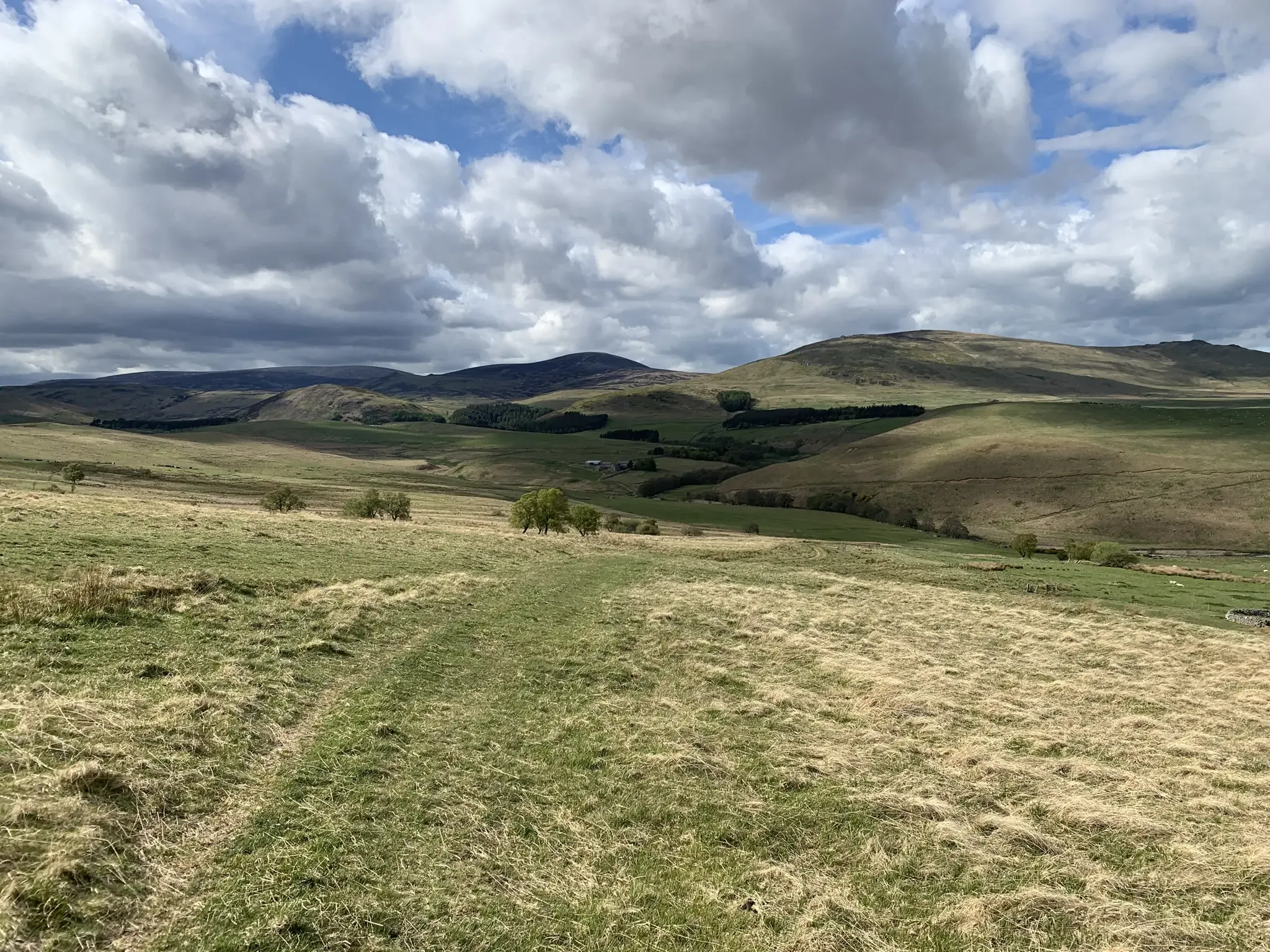
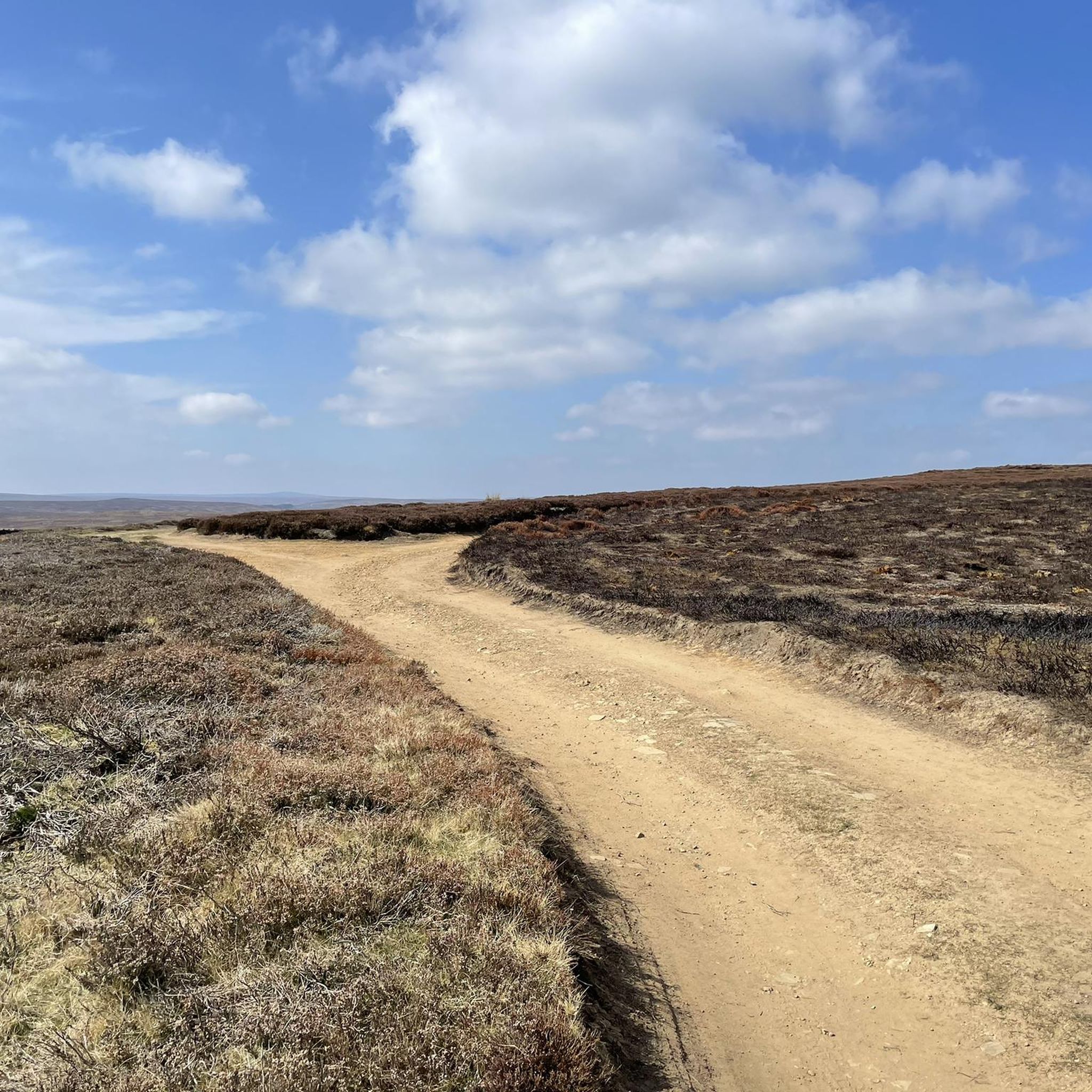
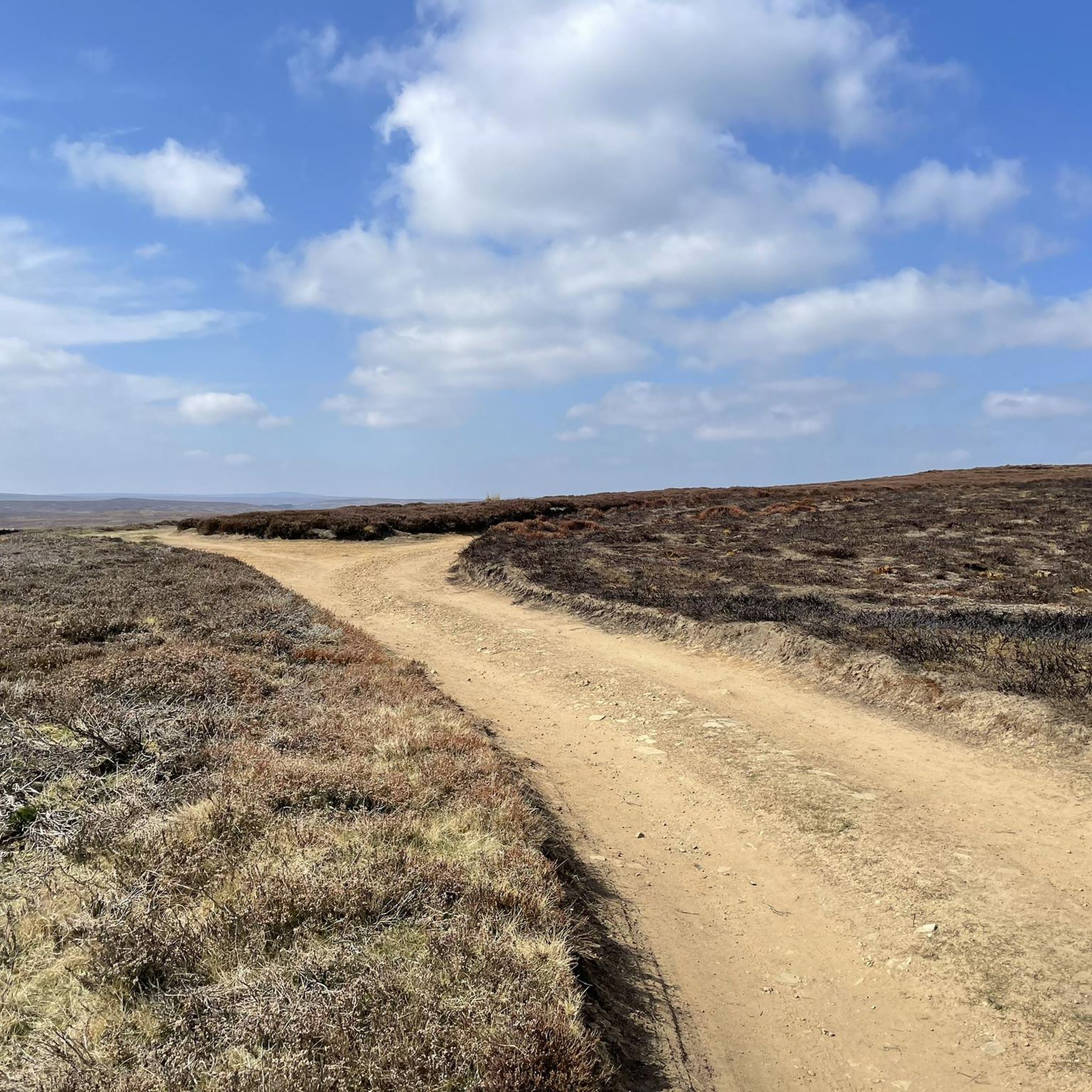
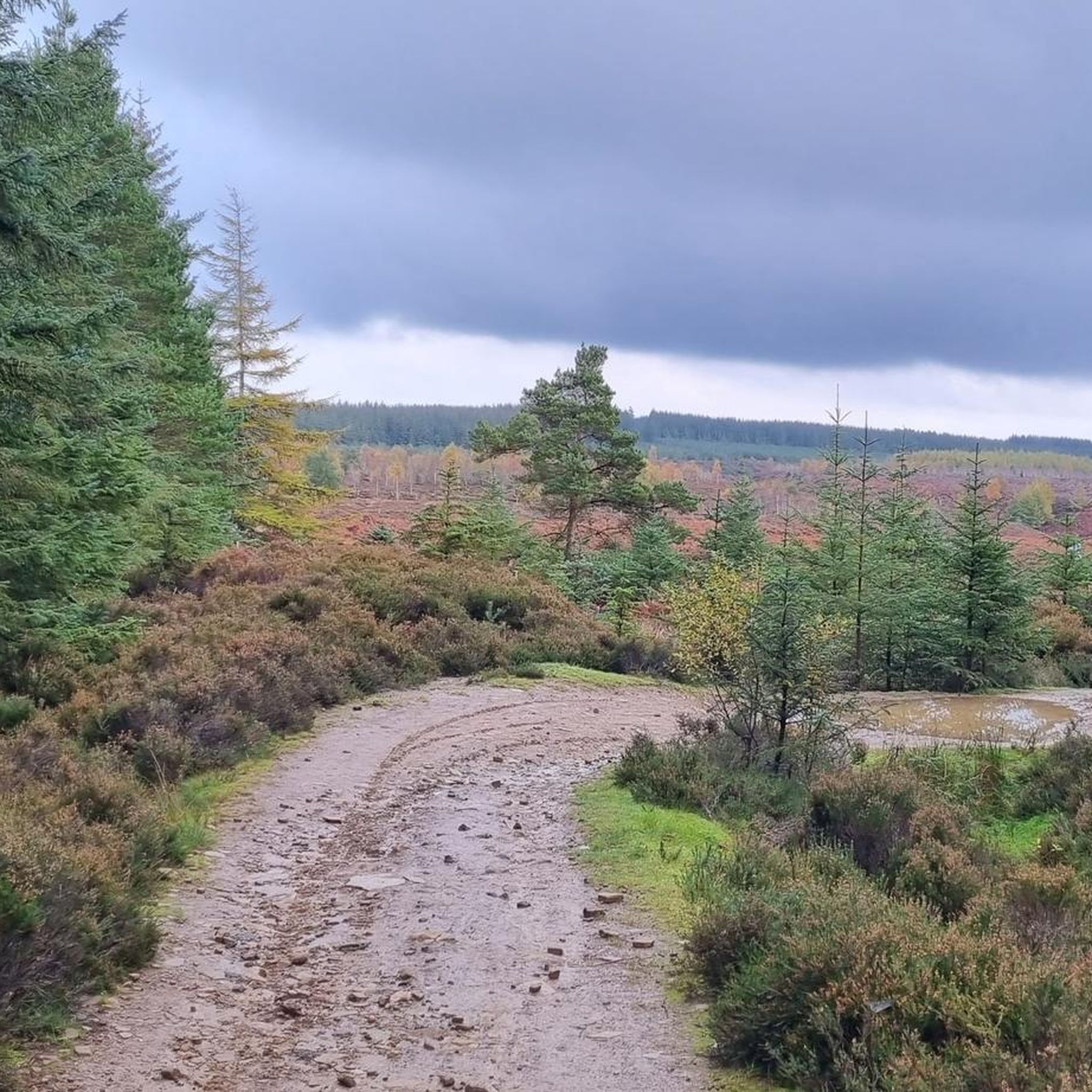
Gravel biking around Blanchland offers routes through the North Pennines Area of Outstanding Natural Beauty, characterized by expansive moorland, fells, and woodlands. The terrain varies from smooth paths near the Derwent Reservoir to more challenging unpaved sections in upland areas. This region provides a blend of geological features and scenic landscapes, making it suitable for diverse gravel biking experiences.
Best gravel bike trails around Blanchland
- The most popular gravel bike trail is Consett to Waskerley Cycleway – Edmundbyers loop from Rookhope, a 25.4 miles (40.9 km) trail that takes 2 hours 54 minutes to complete. This difficult route traverses varied terrain including former railway lines and open moorland.
- Another top favourite among local gravel bikers is Hexham Abbey – Slaley Forest loop from Pow Hill Bog, a difficult 26.0 miles (41.9 km) path. This route winds through Slaley Forest and offers views of the surrounding fells.
- Local gravel bikers also love the Blanchland Village – Derwent Reservoir loop from Pow Hill Bog, a 23.7 miles (38.1 km) trail leading through woodlands and alongside the Derwent Reservoir, often completed in about 2 hours 59 minutes.
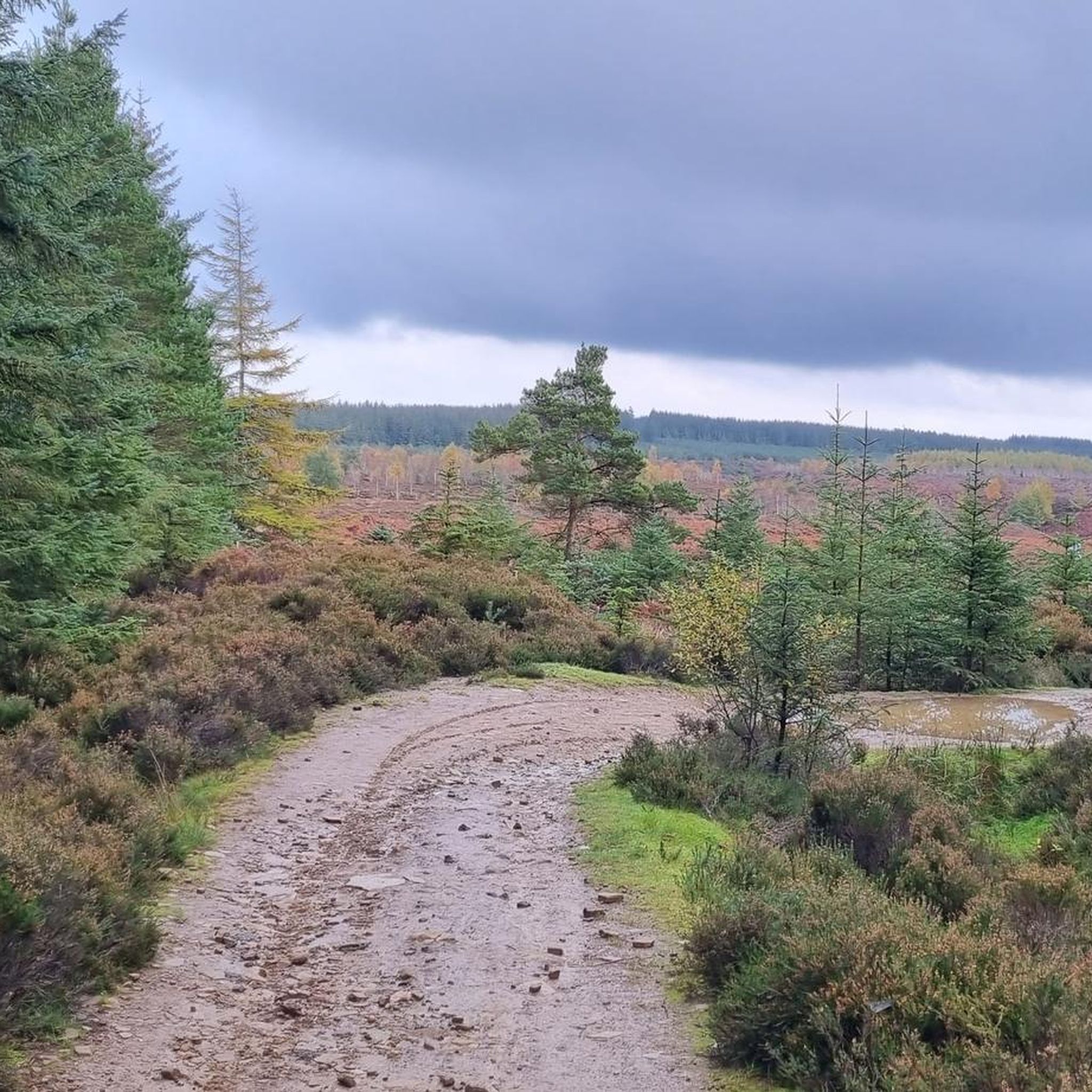
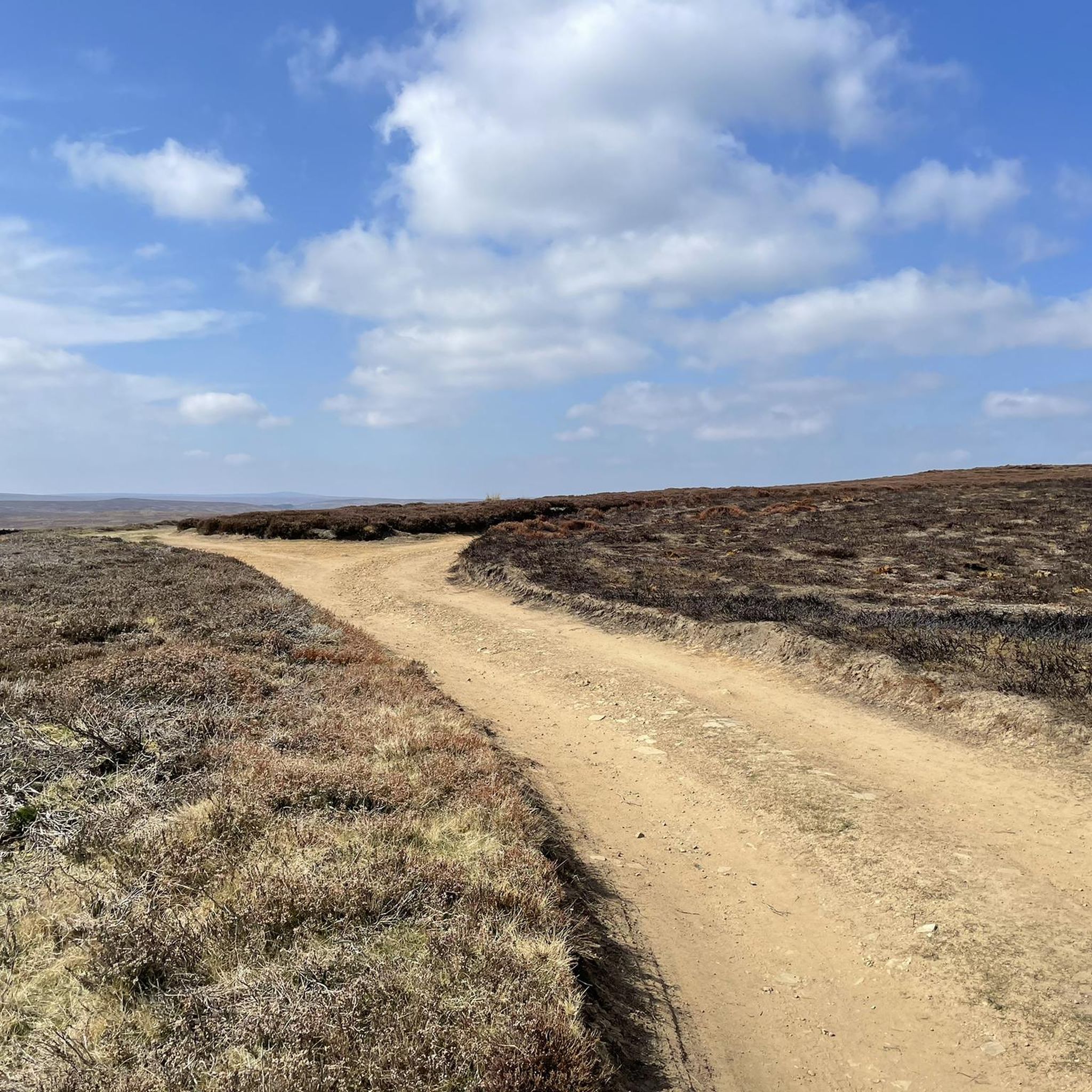
- Gravel biking around Blanchland is defined by vast heather moors, picturesque woodlands, and the scenic Derwent Reservoir. The network offers options for different ability levels, from moderate paths to difficult routes with significant elevation gain.
- The routes in Blanchland are highly rated by the komoot community with an average score of 4.0 stars from more than 3 reviews. More than 19 gravel bikers have used komoot to explore Blanchland's varied terrain.
Last updated: October 6, 2026
5.0
(1)
5
riders
40.6km
02:53
660m
660m
Hard gravel ride. Very good fitness required. Mostly paved surfaces. Suitable for all skill levels.
5
riders
Hard gravel ride. Very good fitness required. Mostly paved surfaces. Suitable for all skill levels.

2.7
(3)
7
riders
41.9km
02:49
770m
770m
Hard gravel ride. Very good fitness required. Mostly paved surfaces. Suitable for all skill levels.
4.0
(2)
7
riders
38.1km
02:26
510m
510m
Hard gravel ride. Very good fitness required. Mostly paved surfaces. Suitable for all skill levels.
30.3km
02:18
390m
390m
Moderate gravel ride. Good fitness required. Mostly paved surfaces. Suitable for all skill levels.
Get access to more routes and recommendations from other explorers.
Already have an account?
Our route recommendations are based on thousands of hikes, rides, and runs completed by other people on komoot.
Start today with a free account
Your next adventure awaits.
Other adventures around Blanchland

Tips from the Community

Fantastic views across open moorland in ever direction, definitely worth a visit.
0
0

Some great tracks and a mix of single and double. Some can be abused by motocrossers or 4WD so some of them are badly rutted
0
0
Can be pretty rutted after rain and motocrossers churning up the surface
0
0
North west and South west directions are decent stony tracks, leading to roads down to the Allen valley. SouthEast gets you to the ridable bit of Long Drag and down to Riddlehamhope.
0
0

Hexham Abbey is one of England's oldest and most impressive churches. The abbey was originally founded in 674 AD by St. Wilfrid, using stones from nearby Roman ruins. The oldest part—the Saxon crypt—is still intact and represents a rare remnant of early Christian architecture. Inside, you'll find stained glass, the Roman tombstone of Flavinus, a 1st-century standard-bearer, an impressive Phelps organ from 1974, and a frith stool (Saxon bishop's chair). Admission to the abbey is free, with a small charge for the crypt.
9
0

James - sorry - just noticed the question; a number of options - the full route is from Consett - Hownsgill car park (Morrisons - but watch the duration - I think you have 7 hours before fines kick in); you can park at Rowley, Healeyfiled or Waskerley and work your way back to any of those reasonably easily; one thing to watch is that they've not put a sign up to stop you taking the link from the C3C to the bridleway that takes you over Bolt's Law - it was never really public access but cuts out a lot of riding; just bear in mind you might get turned round. Another option is to park up on Meadow's Edge where the bridleways cross the road.
0
0

About the patron saint of this church: Saint Andrew is one of the twelve apostles whom Jesus Christ called to follow him. However, in the biblical accounts, he is often somewhat overshadowed by his far more famous brother, Saint Peter. In the Gospels, we find the calling of the two siblings portrayed in different ways. According to the Gospel of John (John 1:40-42), Andrew is called first (together with another unnamed disciple). Later, he tells his brother that he has found the Messiah. The feast of Saint Andrew in the calendar of saints is November 30th in all major Christian denominations. The X-shaped white "St. Andrew's Cross," on which he was executed, forms the national flag of Scotland against a blue background and has also found its way onto the national flag of the United Kingdom of Great Britain.
4
0

Hexham is a historic market town known for Hexham Abbey, its medieval architecture, historic buildings and scenic cobbled streets. It's a gateway to the North Pennines and Hadrian’s Wall, making a great starting points for hikes.
1
0
Frequently Asked Questions
How many gravel bike trails are available around Blanchland?
There are over a dozen gravel bike trails around Blanchland, offering a variety of experiences through the North Pennines AONB. These routes range from moderate to difficult, catering to different skill levels.
What kind of terrain can I expect on gravel bike trails near Blanchland?
You'll encounter a diverse mix of terrain. Routes often combine paved and unpaved surfaces, from smoother paths near the Derwent Reservoir to rougher, more challenging sections in areas like Slaley Forest and the expansive moorlands. The region is known for its magnificent fells and varied geological history.
Are there any easy gravel biking routes suitable for beginners or families in Blanchland?
While many routes are rated difficult, there are moderate options available. For example, the Waskerley Way – Parkhead Station Café loop from Burnhope Burn SSSI is a moderate 29.5 km route that offers a less strenuous experience, ideal for those looking for a more relaxed ride.
What are some notable natural features or viewpoints I can see while gravel biking in Blanchland?
The routes offer stunning views of vast heather moors, picturesque woodlands, and the scenic Derwent Reservoir. You'll be cycling through the North Pennines Area of Outstanding Natural Beauty, which features magnificent fells and diverse geological landscapes. Highlights like Blanchland Moor provide expansive vistas.
Are there any historical landmarks or attractions along the gravel bike trails?
Yes, the area is rich in history. Blanchland village itself is built from the remains of a 12th-century abbey. Some routes, like the Hexham Abbey – Slaley Forest loop from Pow Hill Bog, pass near significant historical sites such as Hexham Abbey. You can also explore the charming village with its cobbled streets and the historic Lord Crewe Arms.
What do other gravel bikers enjoy most about cycling in Blanchland?
The area is highly rated by the komoot community, with an average score of 4.0 stars. Reviewers often praise the expansive wilderness, the constantly changing and visually rewarding journey through moorland and woodlands, and the blend of challenging uplands with serene waterside views near the Derwent Reservoir.
Is there public transport access to Blanchland for gravel bikers?
Blanchland is a relatively remote village. While it offers 'accessible adventure' not far from larger towns like Newcastle and Durham, direct public transport options to the village itself might be limited. It's advisable to check local bus schedules or consider driving to a starting point.
Where can I park my car when starting a gravel bike ride in Blanchland?
Parking is generally available in or near Blanchland village. Many routes, such as the Blanchland Village – Derwent Reservoir loop from Pow Hill Bog, can be started from locations with parking facilities like Pow Hill Bog. It's always a good idea to check specific starting points for parking availability.
Are there any circular gravel bike routes around Blanchland?
Yes, many of the gravel routes around Blanchland are designed as loops, allowing you to start and finish in the same location. Examples include the Consett to Waskerley Cycleway – Edmundbyers loop from Rookhope and the Blanchland Village – Derwent Reservoir loop from Pow Hill Bog.
What is the best time of year for gravel biking in Blanchland?
The region's vast heather moors are particularly stunning when in bloom. While cycling is possible year-round, spring and autumn offer pleasant temperatures and vibrant landscapes. Summer provides longer daylight hours, but be prepared for varied weather conditions typical of the North Pennines. Winter cycling is possible but requires appropriate gear for potentially cold and wet conditions.
Are there cafes or pubs near the gravel bike trails in Blanchland?
Blanchland village itself is home to the historic Lord Crewe Arms, which offers refreshments and accommodation. Some routes, like the Waskerley Way – Parkhead Station Café loop from Burnhope Burn SSSI, specifically mention cafes along their path, providing convenient stops for a break.
Can I bring my dog on the gravel biking routes in Blanchland?
Many outdoor areas in the North Pennines AONB are dog-friendly, but it's crucial to keep dogs under control, especially when cycling through areas with livestock or ground-nesting birds. Always follow the Countryside Code and check specific route guidelines for any restrictions.
Most popular routes around Blanchland
Most popular attractions around Blanchland

Get inspired with the komoot mobile app


Explore more
Browse the best Gravel rides in other regions.
