The best gravel rides in Peterfeckinger Holz
4.3
(91)
771
riders
41
rides
Gravel biking in Peterfeckinger Holz offers a diverse landscape primarily characterized by forested areas and varied terrain. The region features unpaved roads, forest tracks, and dirt paths suitable for multi-surface cycling. This environment supports both physically demanding rides and scenic excursions through its wooded expanses, with changes in elevation across rolling hills and alongside rivers.
Best gravel bike trails in Peterfeckinger Holz
- The most popular gravel bike trail is Prunn Castle photo spot – View of Prunn Castle loop from…
Last updated: July 3, 2026
4.8
(5)
29
riders
52.1km
02:49
360m
360m
Hard gravel ride. Good fitness required. You may need to push your bike for some segments of this route.
5.0
(1)
32
riders
39.8km
02:07
290m
290m
Hard gravel ride. Good fitness required. You may need to push your bike for some segments of this route.

Sign up for free
4.5
(2)
20
riders
Easy gravel ride. Great for any fitness level. Mostly paved surfaces. Suitable for all skill levels.
9
riders
Moderate gravel ride. Good fitness required. Mostly paved surfaces. Suitable for all skill levels.
3.0
(1)
4
riders
39.1km
02:24
510m
510m
Hard gravel ride. Very good fitness required. Mostly paved surfaces. Suitable for all skill levels.
Get access to more routes and recommendations from other explorers.
Sign up for free
Already have an account?
Our route recommendations are based on thousands of hikes, rides, and runs completed by other people on komoot.
Start today with a free account
Your next adventure awaits.
Login or Signup
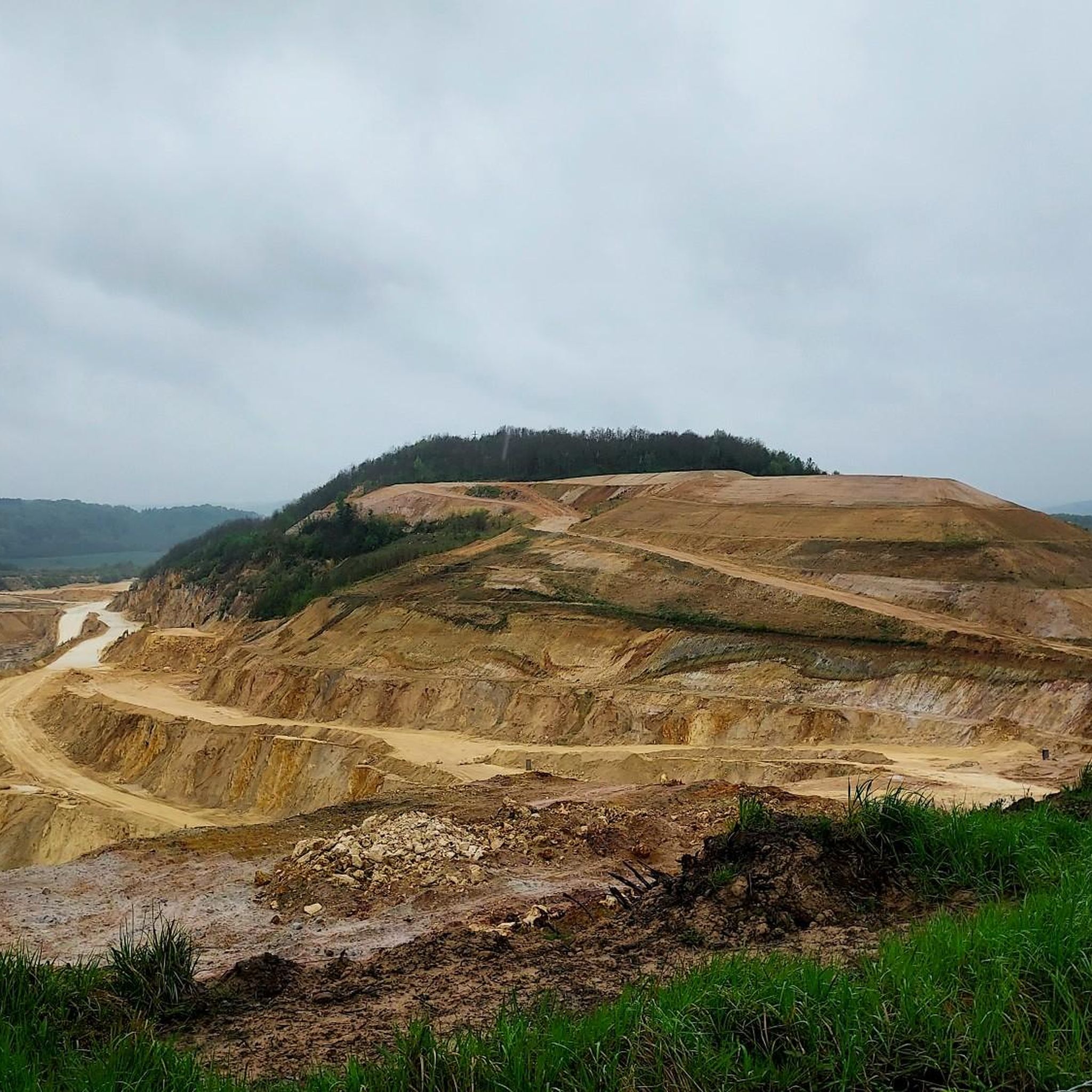
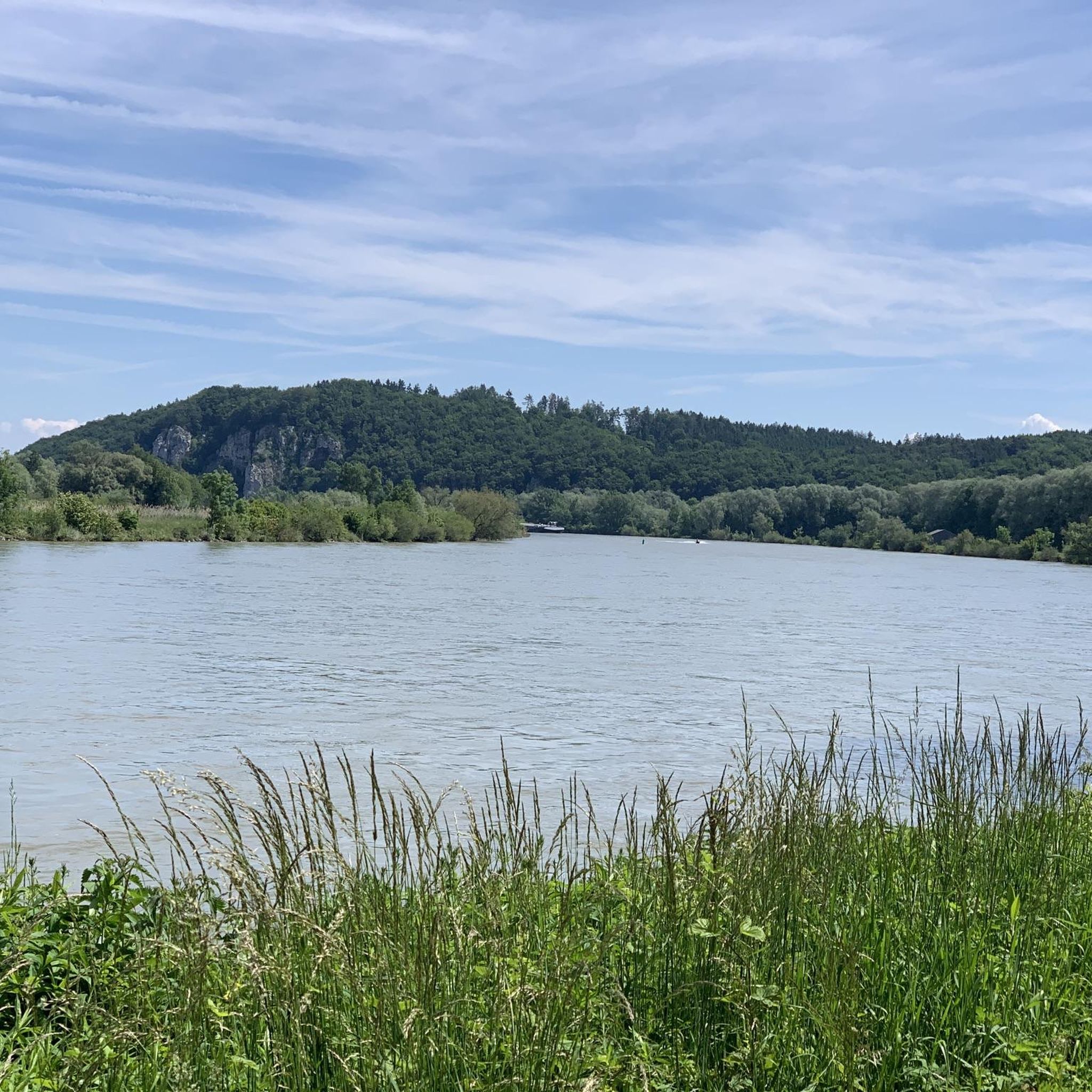
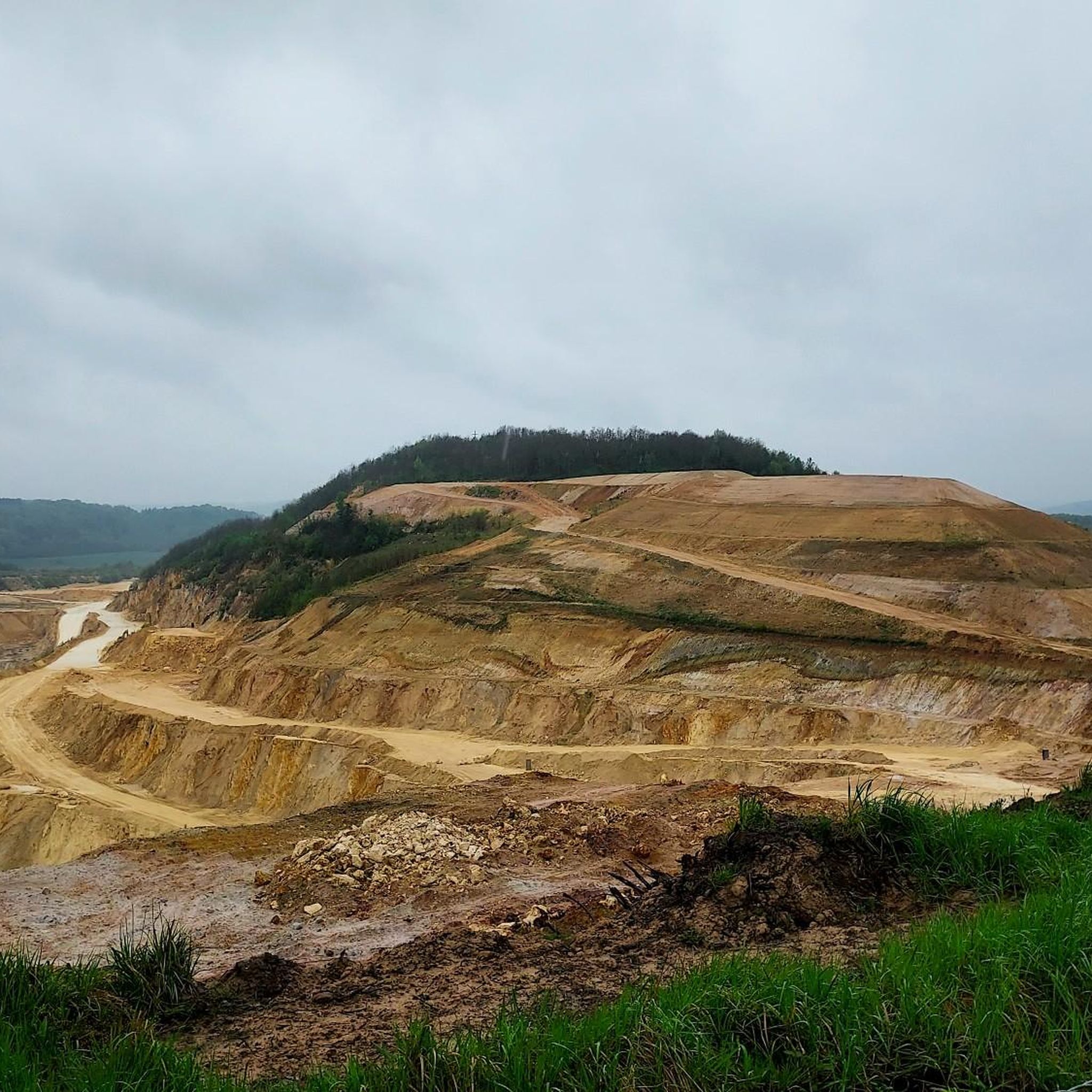
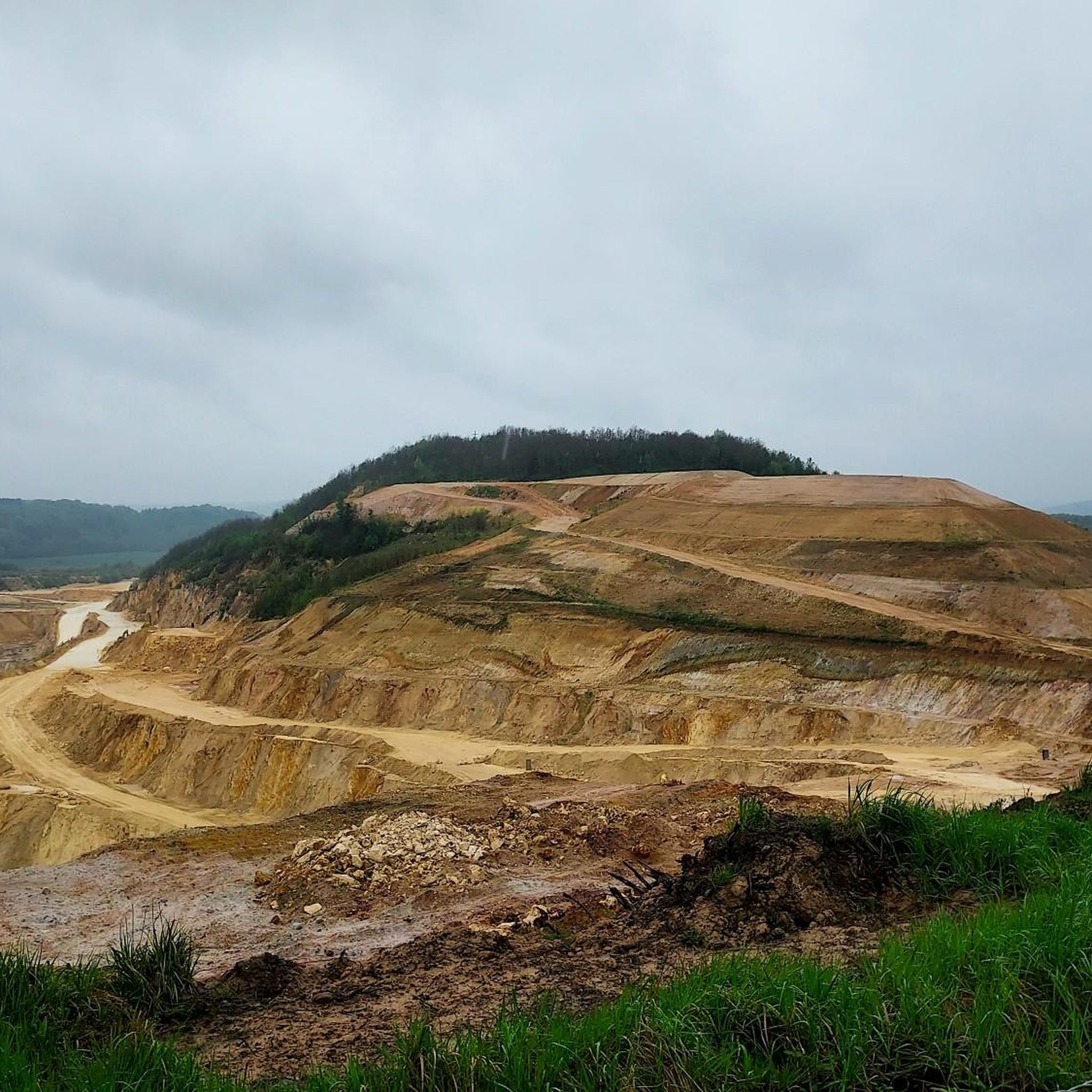

Tips from the Community

The Tatzlwurm wooden bridge is an impressive footbridge over the Main-Danube Canal in Essing. With a length of 193 meters, it is one of the longest wooden bridges in Europe and offers spectacular views of the Jura landscape.
0
0

Beautiful view of Riedenburg
0
0

Hexenagger Castle A Dietricus von Haecsenakker is mentioned as early as 928 in a Regensburg document from the St. Emmeram Monastery; further information is scarce. In 1311, Gottfried Hexenacker became Bishop of Freising. He had studied in Bologna and served as dean of the cathedral there for many years. In 1314, he died of an infectious disease while on a tour of inspection in Vienna. In 1485, the castle passed through marriage to the Counts of Helfenstein, who sold the fortress to Duke William of Bavaria in 1528. He gave Hexenagger to the Muggenthal family as a fief. When the castle was destroyed in the Thirty Years' War, the Muggenthal family rebuilt it as a castle. In 1724, the castle was sold to the Bavarian Elector Charles Albert, as the Hexenagger line of the Muggenthal family had died out. In 1731, Elector Karl Albrecht donated the castle to his mistress, Maria Josepha Countess von Morawitzky. Her husband received the castle in 1738, and when he died in 1754, Anton von Kaiserstein became the new owner. Franz Joseph III von Kaiserstein (1792–1893) sold the castle in 1830 and acquired an estate in Sooß (Lower Austria) in exchange. From 1830 to 1951, Hexenagger Castle belonged to the noble family of Weidenbach. Otto Edler von Weidenbach bequeathed it to his niece Ilse von Kalckreuth, who married Wilhelm Leichtfuß, whose son, Eberhard Leichtfuß, owns it today. Hexenagger is a castle between the Renaissance and Baroque periods, built on the foundations of the old castle. In the lower areas and at the corners, ashlars and bossed ashlars, up to several meters high, are still visible on the castle building. The stump of the keep, made of bossed ashlar, is also said to have been preserved, but is not visible from the outside. The defensive character of the complex is best appreciated from the rear, where parts of the curtain wall and wall towers have been preserved. The tall, narrow chapel also still hints at the castle in its form; particularly interesting is the slender, slightly leaning bell tower, which appears to still sit on the older foundations of the medieval chapel tower. The main building itself, with its stepped gable and beautiful garden, presents a romantic sight. The castle is privately owned and not open to the public; the popular Christmas market was relocated to the Wolfgangshof estate near Zirndorf in Middle Franconia in 2023 due to complaints from local residents. Source: www.Burgenseite.de / www.wikipedia.de
2
0

A special building and testament to elaborate architecture.
0
0


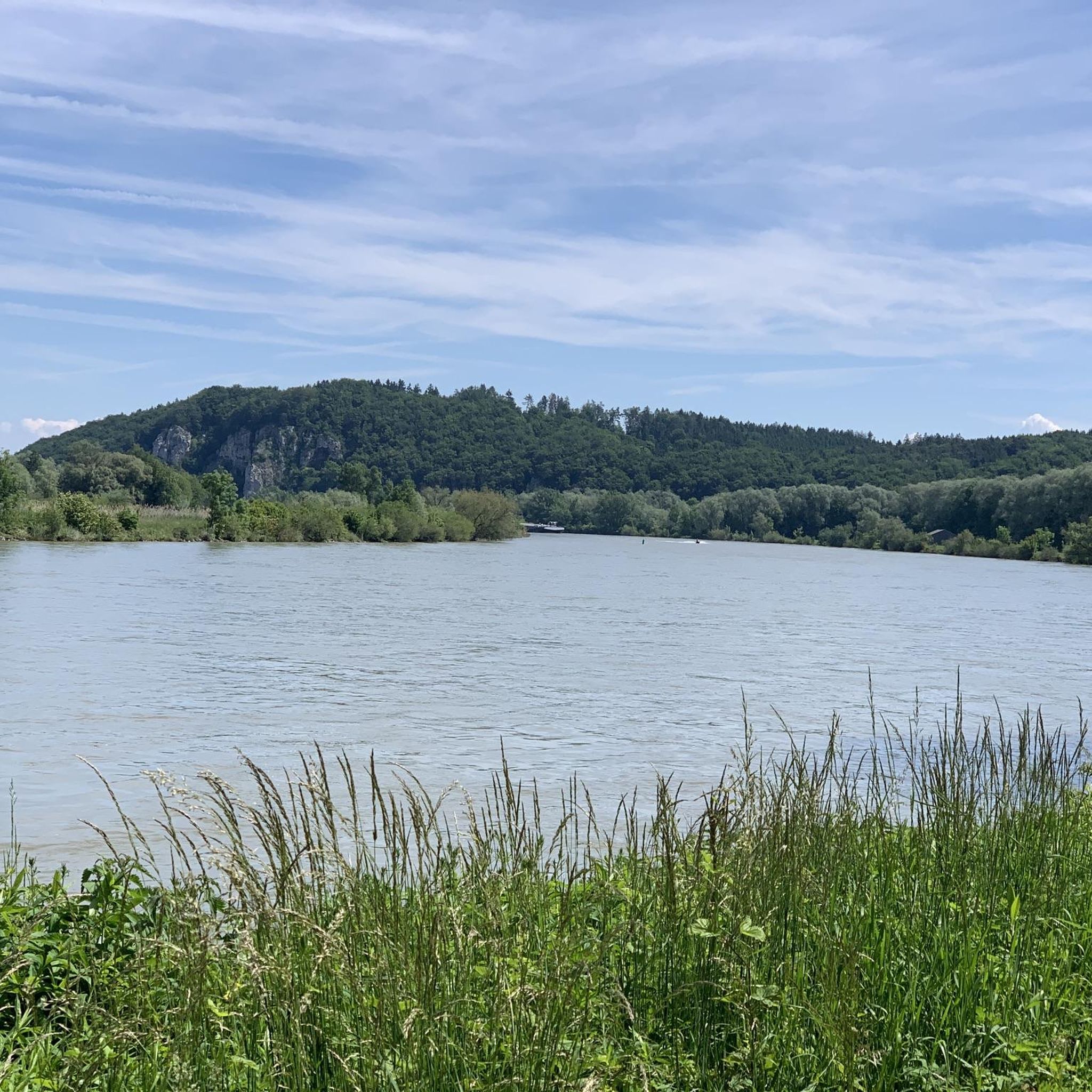
Beautiful Danube, no matter where you see it
0
0

Seems to be the meeting point in Kelheim.
1
0

Truly a picturesque sight.
0
0
Frequently Asked Questions
How many gravel bike trails are available in Peterfeckinger Holz?
Peterfeckinger Holz offers a wide selection of gravel biking routes, with over 60 trails available. These range from easy rides to more challenging paths, ensuring options for various skill levels.
What kind of terrain can I expect on gravel bike trails in Peterfeckinger Holz?
The terrain in Peterfeckinger Holz is diverse, characterized by extensive forested areas. You'll encounter unpaved roads, forest tracks, and dirt paths. The region features varied topography with changes in elevation, offering both scenic sections and challenging climbs.
Are there gravel bike trails suitable for beginners in Peterfeckinger Holz?
Yes, Peterfeckinger Holz has several easy gravel bike trails perfect for beginners. One such route is the Danube Cycle Path – View of the Jura Cliffs loop from Sippenauer Moor, which is 26.3 km long with a moderate elevation gain, making it a great introduction to gravel biking in the area.
What are some options for more challenging gravel bike rides in Peterfeckinger Holz?
For those seeking a greater challenge, Peterfeckinger Holz offers routes with more significant elevation changes. A good option is the View of Kelheim's city gates – Essing Bridge Gatehouse loop from Saal (Donau), a 60.2 km route with nearly 400 meters of ascent, providing a more strenuous experience.
What interesting sights or natural features can I discover along the gravel bike trails?
While Peterfeckinger Holz is primarily known for its natural, forested environment, you can discover several interesting features. Highlights include the Jura Trail Between Saal and Teugn and the Trail Along the Ridge, offering scenic views. You might also encounter the The Story of the Gagerlbauer, a unique man-made monument.
Are there any circular gravel bike routes in Peterfeckinger Holz?
Yes, many gravel bike routes in Peterfeckinger Holz are designed as loops, allowing you to start and end at the same point. Examples include the popular View of Prunn Castle – View of Prunn Castle loop from Saal (Donau) and the View of Essing – View of the Befreiungshalle loop from Mitterfecking.
What do other gravel bikers say about the trails in Peterfeckinger Holz?
The gravel biking routes in Peterfeckinger Holz are highly rated by the komoot community, with an average score of 4.6 stars from over 230 reviews. Riders often praise the varied terrain, extensive forest networks, and the tranquil, nature-immersive experience the area provides.
Is there parking available for gravel bikers in Peterfeckinger Holz?
While specific parking areas aren't detailed, as a popular outdoor destination, it's generally possible to find parking near common starting points for trails, especially in nearby towns like Saal (Donau) or Mitterfecking. Look for designated parking spots or public parking facilities in these areas.
Can I reach the gravel bike trails in Peterfeckinger Holz by public transport?
Access to Peterfeckinger Holz via public transport would typically involve reaching nearby towns like Saal (Donau) or Mitterfecking by train or bus, and then cycling to the trailheads. It's advisable to check local public transport schedules and bike carriage policies for the most current information.
Are there family-friendly gravel bike trails in Peterfeckinger Holz?
Yes, Peterfeckinger Holz offers trails suitable for families, particularly those categorized as 'easy' or with less challenging elevation. These routes often follow smoother forest tracks and unpaved roads, providing a pleasant experience for riders of all ages. The Danube Cycle Path – View of the Jura Cliffs loop from Sippenauer Moor is a good example of a less strenuous option.
Can I bring my dog on the gravel bike trails in Peterfeckinger Holz?
Generally, dogs are welcome on trails in forested areas like Peterfeckinger Holz, especially on unpaved roads and forest tracks. However, it's always recommended to keep your dog on a leash, especially in areas with wildlife or other trail users, and to adhere to any local signage regarding pets.
Are there cafes or places to eat near the gravel bike routes in Peterfeckinger Holz?
While Peterfeckinger Holz itself is a forested area, nearby towns such as Saal (Donau), Mitterfecking, and Abensberg offer various cafes, restaurants, and pubs where you can refuel before or after your ride. These towns are often starting or ending points for many of the gravel bike routes.
Most popular routes in Peterfeckinger Holz
Most popular attractions in Peterfeckinger Holz

Get inspired with the komoot mobile app


Explore more
Browse the best Gravel rides in other regions.
