The best gravel rides in Forêt De Jaulnay
4.5
(2)
9
riders
6
rides
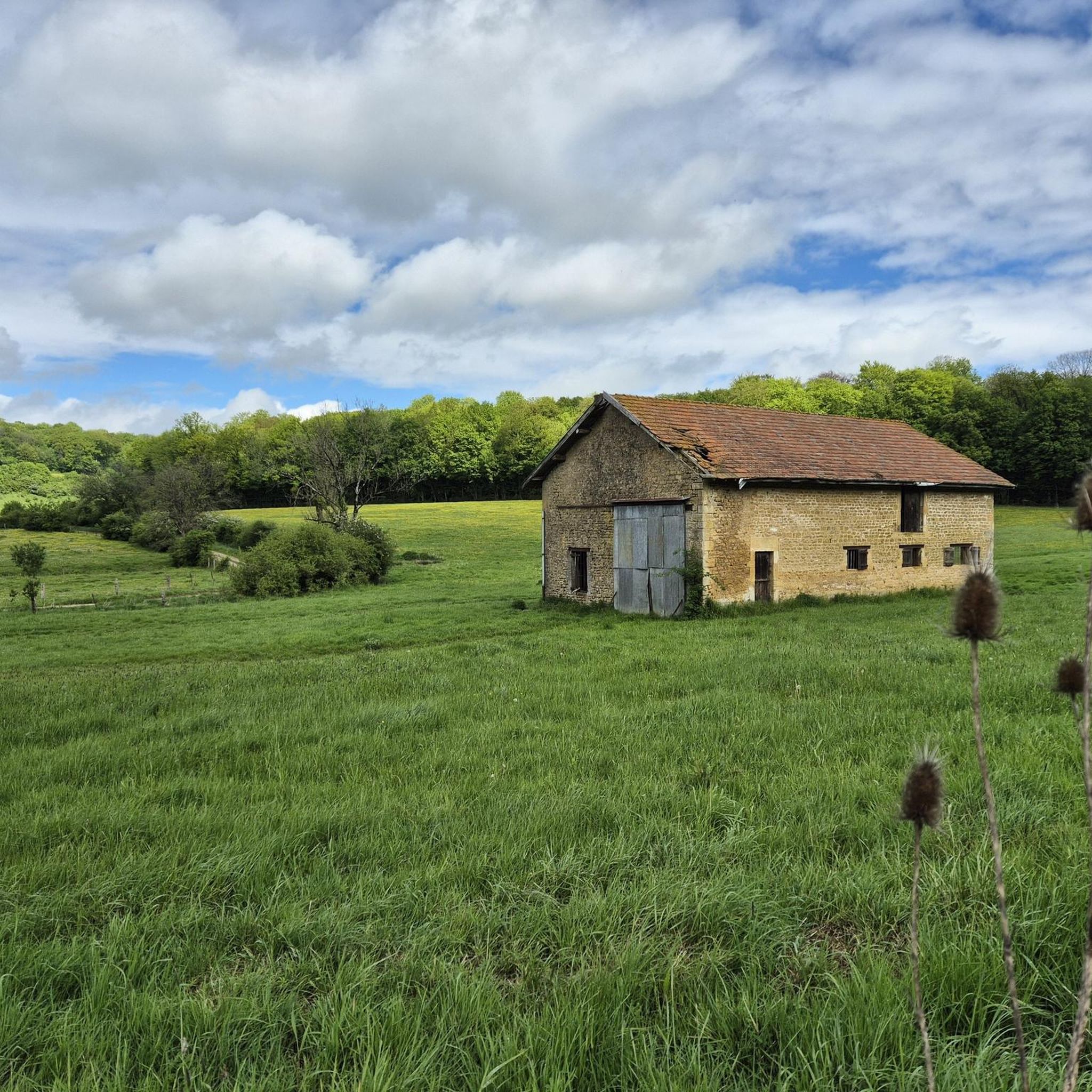
Gravel biking in Forêt De Jaulnay offers a diverse natural environment characterized by an expansive mix of dense woodlands and agricultural territories. This creates a varied mosaic landscape ideal for exploration on unpaved roads. The region features well-maintained paths with generally gentle elevation changes, making it suitable for various skill levels. Many routes traverse dense woodlands and agricultural areas.
Best gravel bike trails in Forêt De Jaulnay
- The most popular gravel bike trail is Burial of François Sommer loop from…
Last updated: May 22, 2026
1
riders
26.6km
01:38
240m
240m
Moderate gravel ride. Good fitness required. Mostly paved surfaces. Suitable for all skill levels.
4.0
(1)
2
riders
32.2km
02:13
260m
260m
Moderate gravel ride. Good fitness required. Mostly paved surfaces. Suitable for all skill levels.

Sign up for free
1
riders
22.7km
01:34
280m
280m
Moderate gravel ride. Good fitness required. Mostly paved surfaces. Suitable for all skill levels.
1
riders
39.1km
02:17
450m
450m
Moderate gravel ride. Good fitness required. Mostly paved surfaces. Suitable for all skill levels.
5.0
(1)
1
riders
16.5km
01:07
170m
170m
Moderate gravel ride. Good fitness required. Mostly paved surfaces. Suitable for all skill levels.
Our route recommendations are based on thousands of hikes, rides, and runs completed by other people on komoot.
Start today with a free account
Your next adventure awaits.
Login or Signup
Tips from the Community

From the tomb we have a superb view of its park
0
0

The wash house dates from 1830 and is part of the city's historical heritage and part of an important group of monuments. Around the wash house there is an abbey founded in 874, a church from 1774 whose choir is classified as a historic monument or even a former chaplain's house from 1634.
0
0
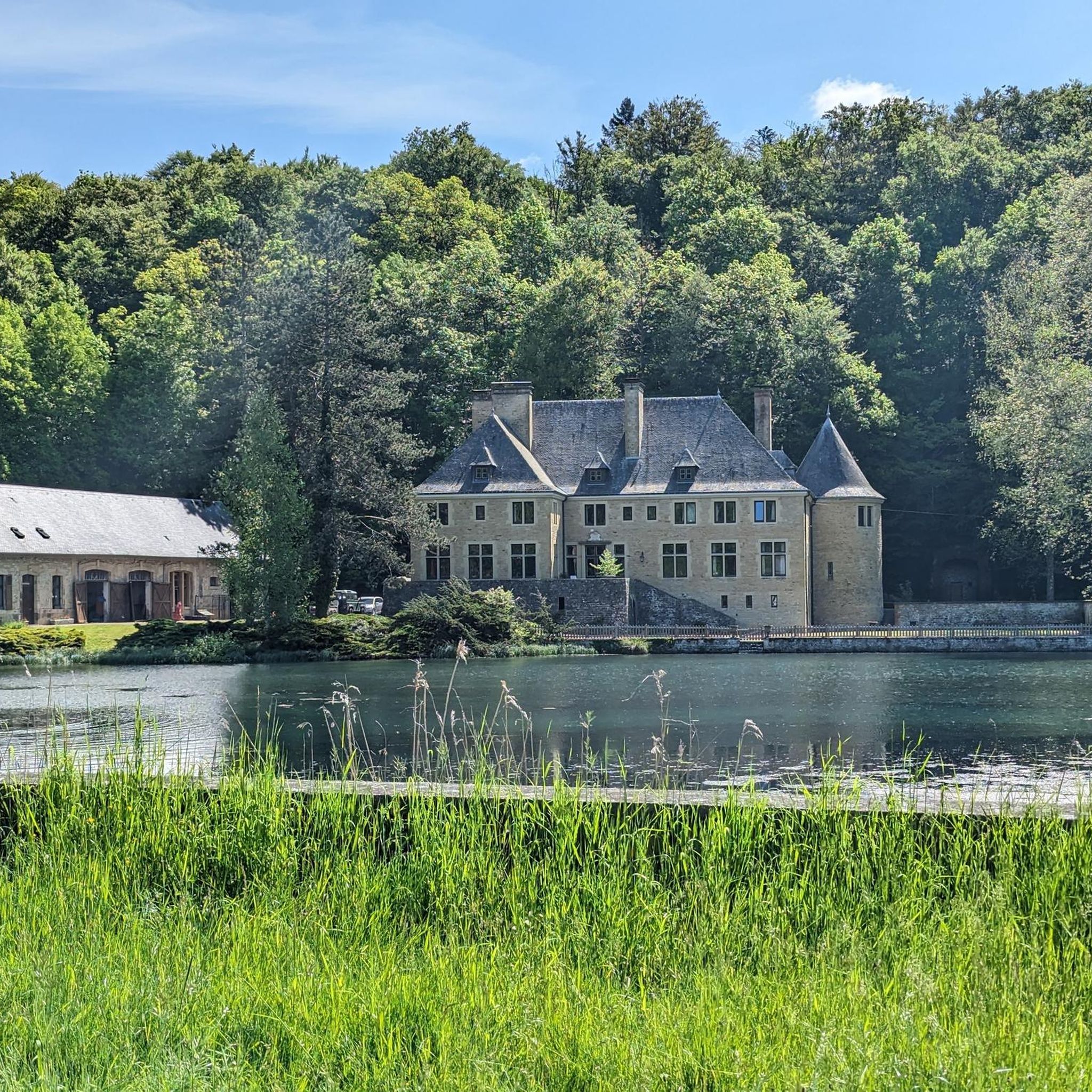
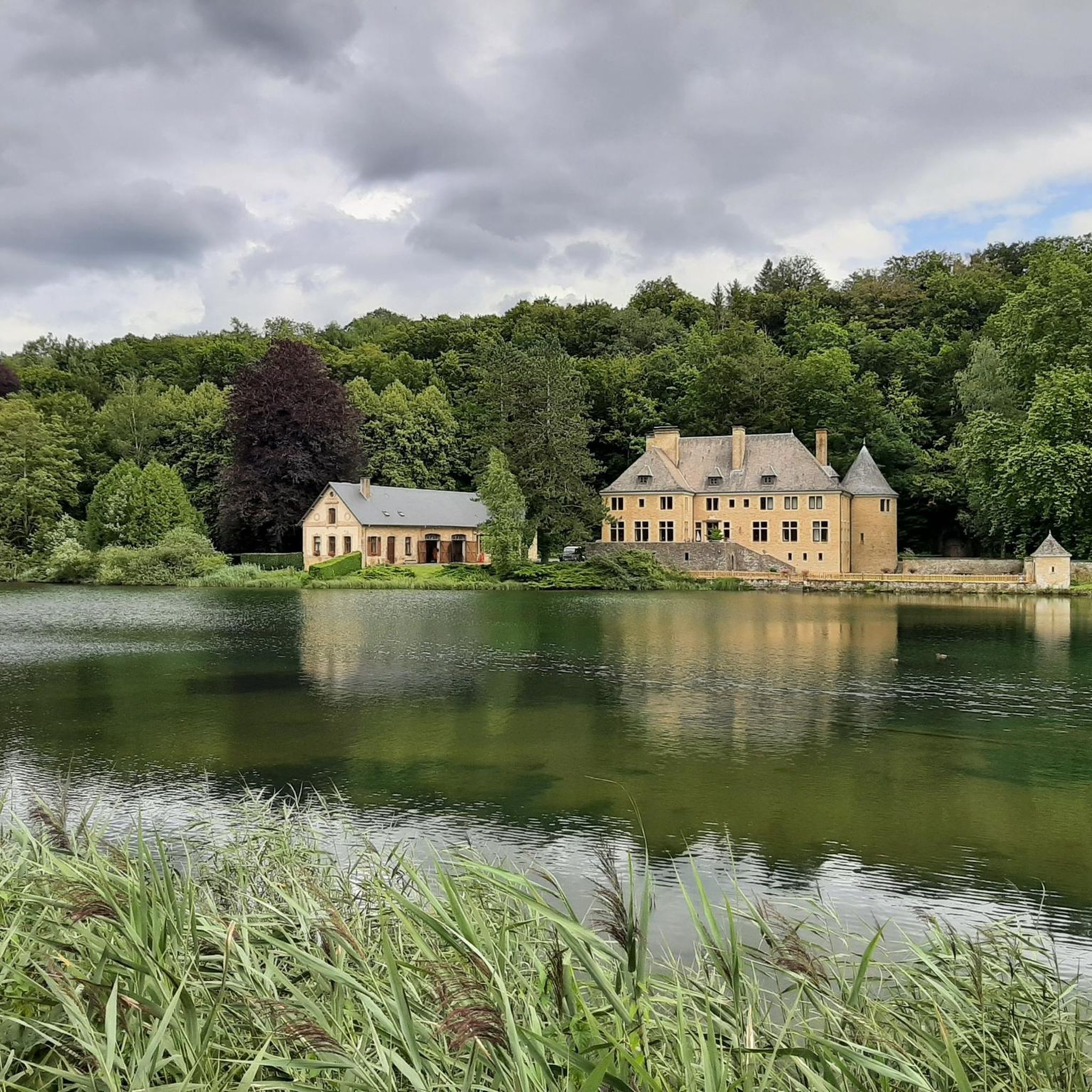
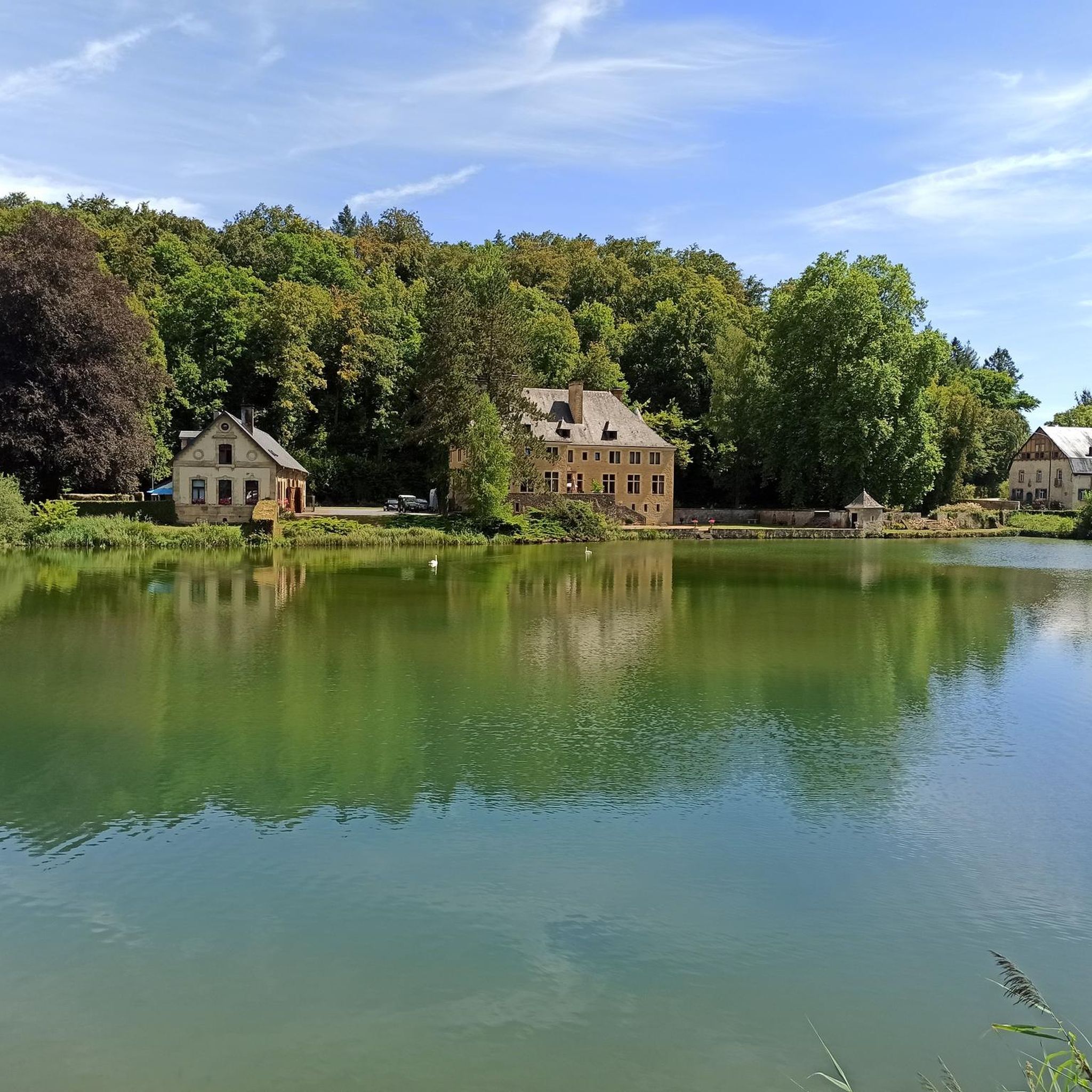
Renaissance castle, built in the 17th century for Simon II de Pouilly, military governor of Stenay, on behalf of the Duchy of Lorraine. Its architectural interest lies mainly in the portals and verandas carved with great imagination and in the imposing dovecote. You can visit it in the company of a guide who will provide all the historical information. You will discover the two main courtyards, the dovecote, the park and the chapel. Visit by reservation only for groups in July and August.
0
0
The first mention of the village in the archives dates from the 11th century (1093, Lopeium), according to Liénard (19th century historian). At the death of the Count of Bar, Thibaut I, in 1214, two towers were built in Louppy corresponding to two castles installed at each end of the promontory dominating the Loison valley. It is for this reason that the village subsequently adopted the name Louppy-aux-deux-châteaux until the French Revolution. (see map of Villeneuve from 1700 here) In the heart of the village, near the church, the imposing remains of a tower and a curtain wall are still visible. Originally the castle (commonly called the High Castle) appeared in the shape of a quadrangle flanked by four corner towers and once had deep moats fed by the nearby Loison. In addition to the defensive character of the building, its residential function seems certain, given the presence of a fireplace and benches under the windows. These remains undoubtedly date from the 13th or 14th century, but the first mention of a castle dates from the end of the 12th century as the property of the Count of Bar Thibaut I. Subsequently, the Lordship of Louppy was shared between several families until the arrival of the Pouilly family in the 16th century. During the Hundred Years' War, in 1379, the castle was partially destroyed.
0
0

In the heart of the village, near the church, the imposing remains of a tower and a curtain wall are still visible. Originally, the castle, commonly called "high castle", appeared in the form of a quadrilateral flanked by four corner towers and once had deep moats fed by the nearby Loison. In addition to the defensive character of the building, its residential function seems certain, given the presence of a fireplace and benches under the windows. These remains date from the 13th or 14th century, but the first mention of a castle is attested at the end of the 12th century as the property of the Count of Bar Thibaut I. Subsequently, the lordship of Louppy will be shared between different families until the arrival of the Pouilly family in the 16th century. The castle was partially destroyed in 1379 during the Hundred Years War.
7
0
Louppy-sur-Loison Castle: This is one of the largest Renaissance castles in Lorraine. It was built in the 16th century by the De Louppy family, who had ties to the Dukes of Lorraine. The castle has a beautiful facade, a courtyard, a chapel and a park. You can visit the castle by appointment or during special events.
7
0
An old wash place just before the brook "Le Loison", although not marked on the map.
7
0

Municipality located in the Meuse department and crossed by the Loison. The village is known for its castle, the Château de Louppy-sur-Loison: one of the most surprising examples of the Renaissance style in the Lorraine region.
0
0
Frequently Asked Questions
How many gravel bike trails are available in Forêt De Jaulnay?
Forêt De Jaulnay offers several gravel bike trails, with komoot featuring 8 routes. These routes vary in length and difficulty, providing options for different skill levels.
What is the best time of year for gravel biking in Forêt De Jaulnay?
The forest provides enjoyable conditions for gravel biking throughout much of the year. Spring and autumn offer comfortable temperatures and beautiful foliage, while summer presents lush greenery. Winter rides are also possible, though paths may be damp.
What kind of terrain can I expect on gravel bike trails in Forêt De Jaulnay?
You can expect a diverse 'mosaic landscape' of dense woodlands and agricultural territories. The trails are generally well-maintained and feature gentle elevation changes, making them suitable for various skill levels. Many routes also follow the Meuse river.
Are there gravel bike trails suitable for beginners or less experienced riders?
Yes, Forêt De Jaulnay has several moderate routes that are suitable for less experienced riders, thanks to their well-maintained paths and gentle elevation changes. For example, the Burial of François Sommer loop from Halles-sous-les-Côtes is a moderate 16.5-mile trail that explores varied forest and agricultural terrain.
What are some of the longer or more challenging gravel routes in the area?
For those seeking a challenge, there are difficult routes available. The Mouzon – The Meuse loop from Stenay is a demanding 101.7-mile path that follows the Meuse river, offering extensive views and varied surfaces. Another long option is the Mouzon – Eurovélo 19 loop from Yoncq, which is 73.3 miles through expansive forest environments.
Are there any circular gravel bike routes in Forêt De Jaulnay?
Many of the gravel bike routes in Forêt De Jaulnay are designed as loops, allowing you to start and finish in the same location. Examples include the Ancien lavoir – Louppy-sur-Loison Castle loop from Mouzay and the Hotel du Saumon – La Samaritaine Campsite loop from Bar-lès-Buzancy.
Where can I find parking for gravel biking in Forêt De Jaulnay?
Many trails either begin or pass close to towns such as Stenay and Buzancy. These towns typically offer parking options, making them convenient starting points for your gravel biking adventures.
Are there cafes or places to eat near the gravel bike trails?
Yes, the accessibility to nearby towns like Stenay and Buzancy means you can find cafes and restaurants to refresh yourself before or after your rides. These towns are often located at or near the start/end points of various trails.
What do other gravel bikers enjoy the most about gravel biking in Forêt De Jaulnay?
The area is highly rated by the komoot community, with an average score of 4.7 stars. Reviewers often praise the serene, wooded paths, the diverse 'mosaic landscape' of woodlands and agricultural areas, and the overall pleasant riding experience.
Are there any specific natural features or viewpoints along the trails?
While specific prominent natural landmarks within Forêt De Jaulnay are not widely documented, the overall forest environment offers ample opportunities for observing flora and fauna. Several routes follow the Meuse river, providing scenic views, and one notable route includes a scenic wooden bridge crossing.
Is public transport available to access the gravel bike trails in Forêt De Jaulnay?
While direct public transport into the heart of the forest may be limited, the trails are often accessible from nearby towns like Stenay and Buzancy. It's advisable to check local public transport schedules to these towns, as they can serve as convenient access points.
Most popular routes in Forêt De Jaulnay

Get inspired with the komoot mobile app


Explore more
Browse the best Gravel rides in other regions.
