The best gravel rides around okres Ilava
13
riders
2
rides
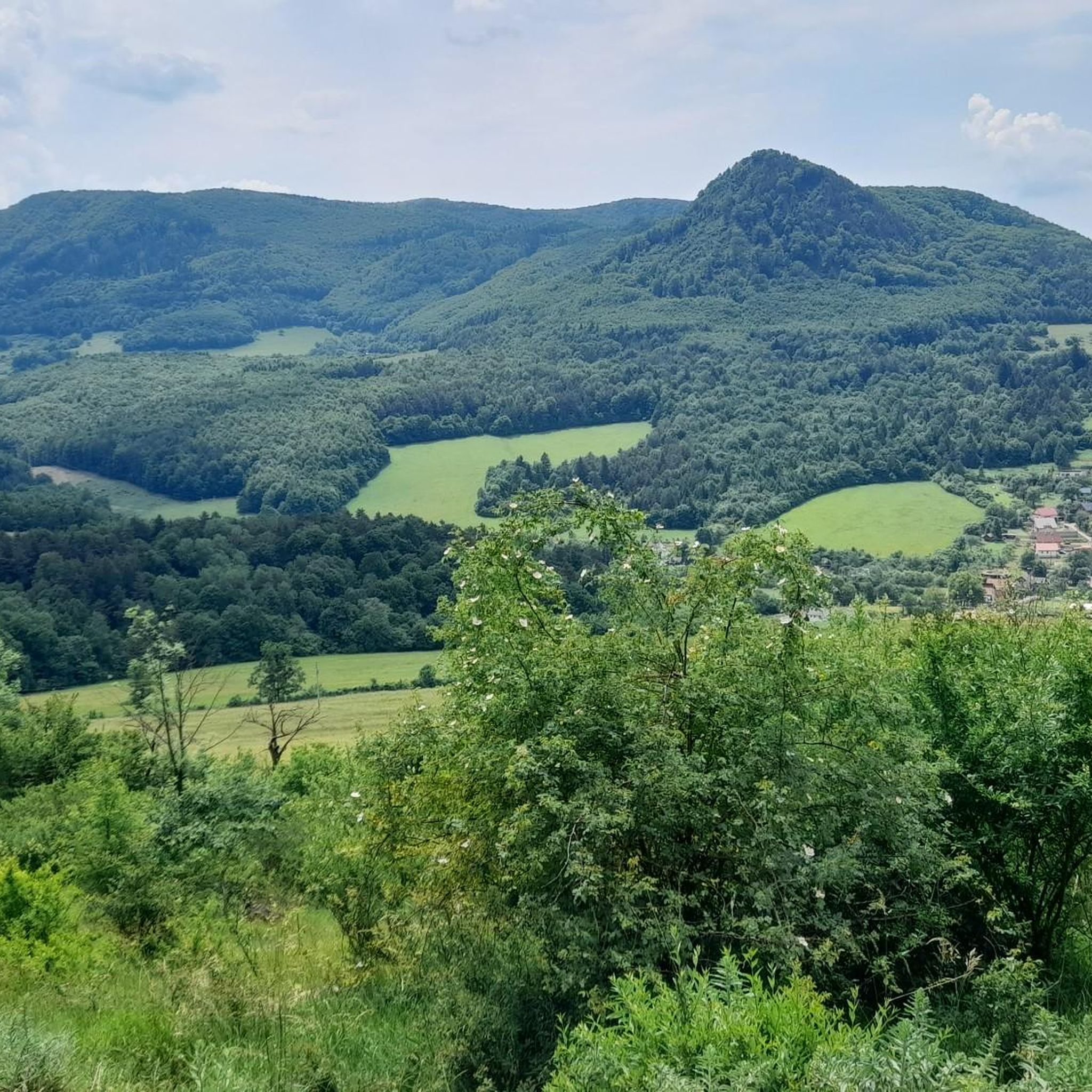
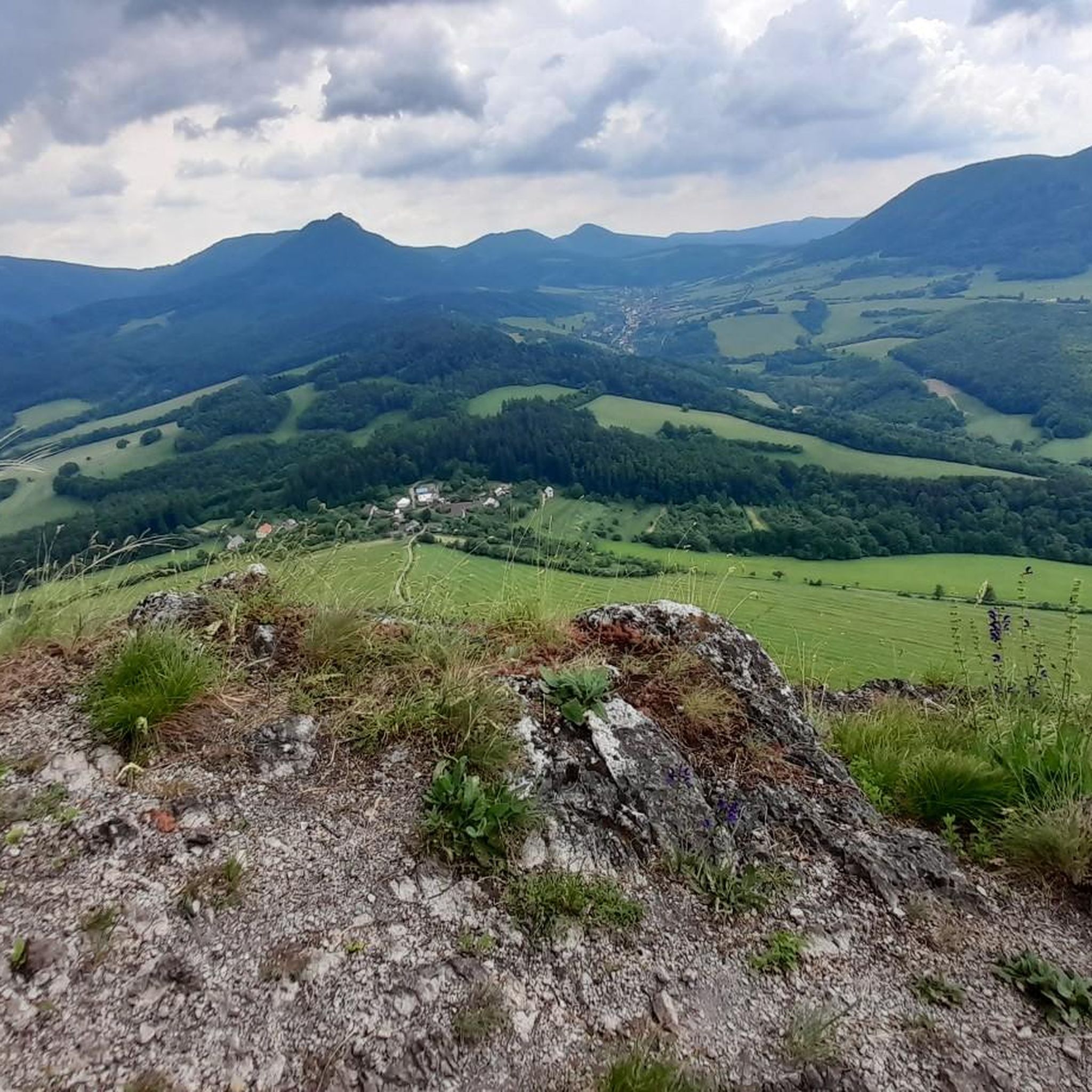
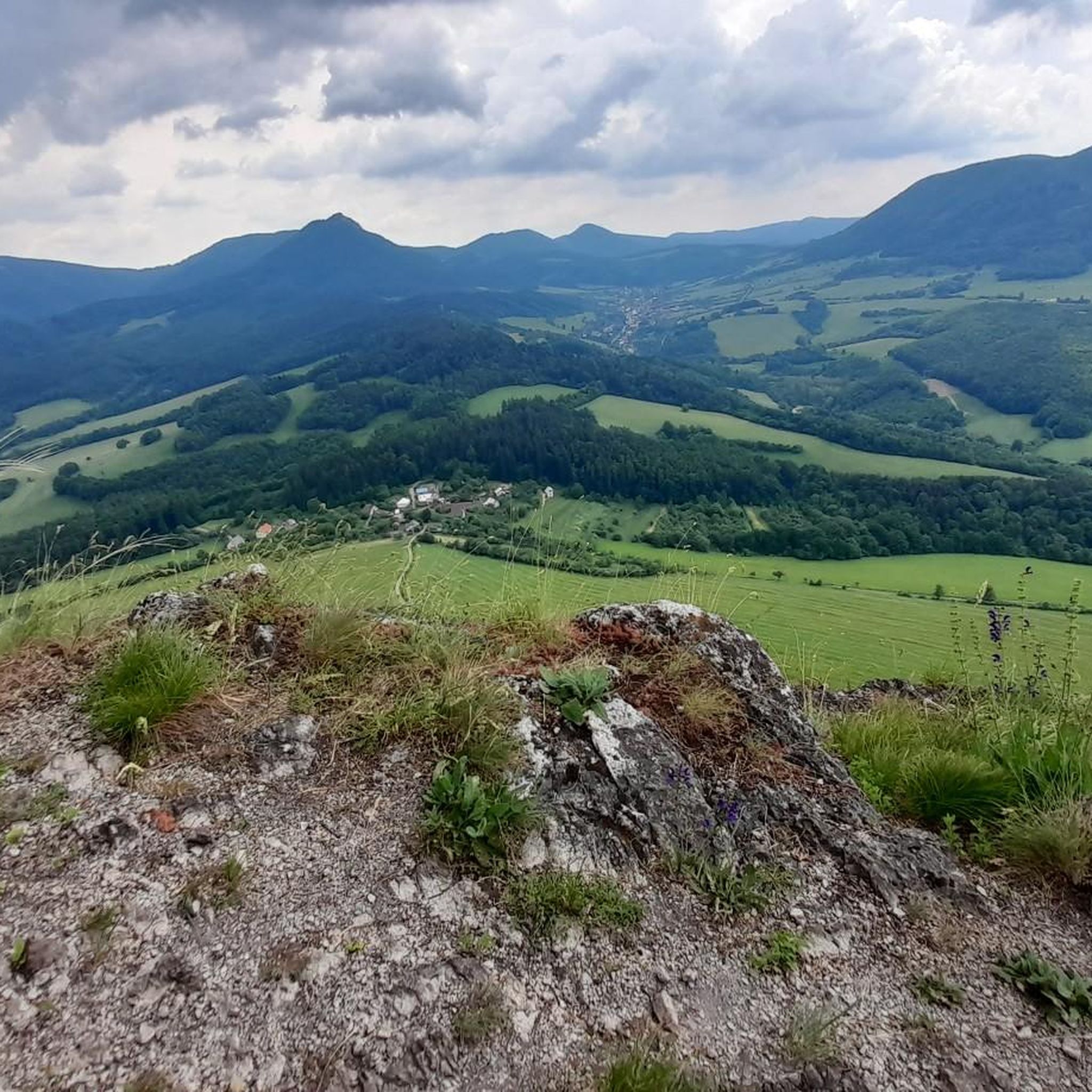
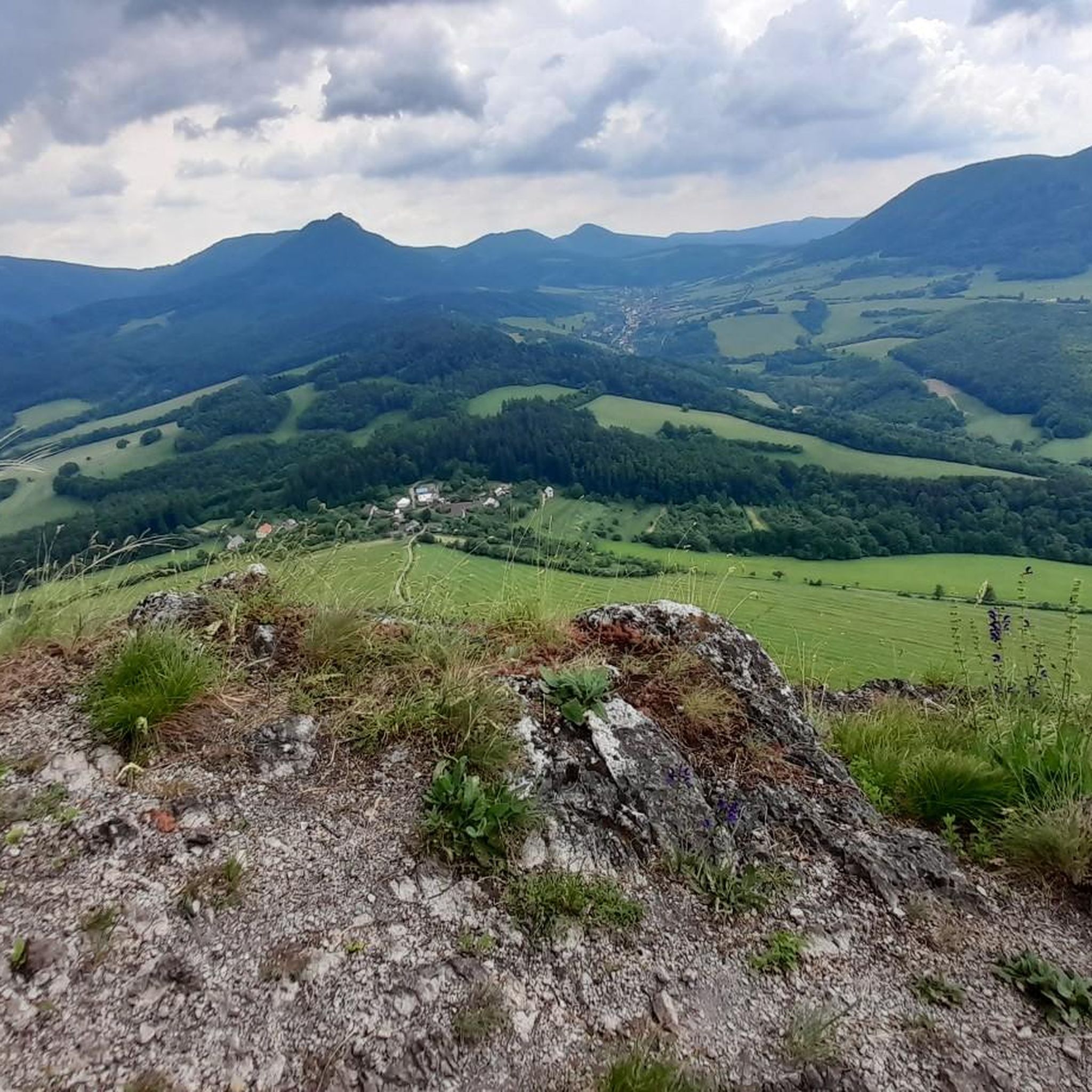
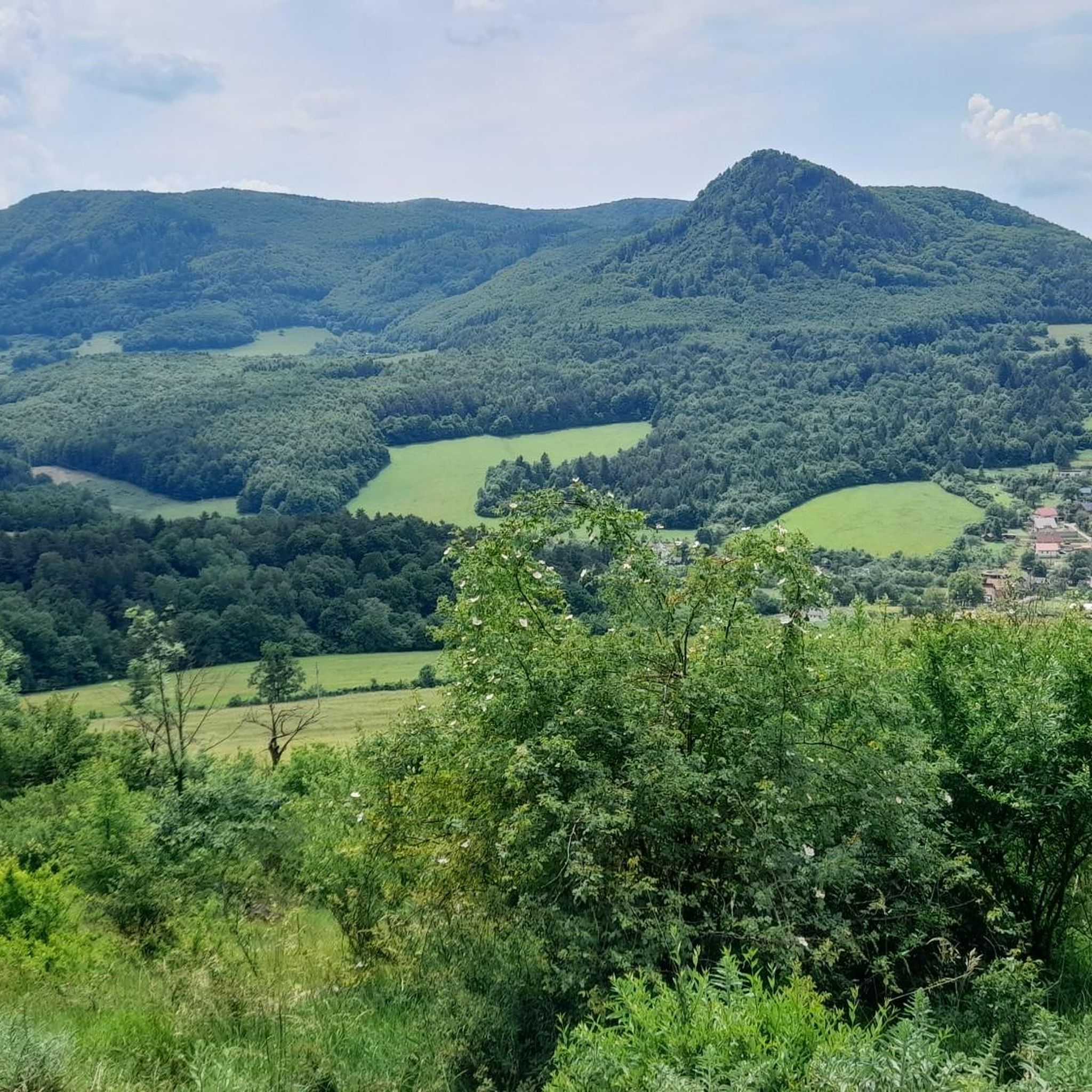
Gravel biking around okres Ilava offers diverse terrain shaped by the Strážovské vrchy Hills and the Ilavská kotlina basin. The region features varied landscapes, from the scenic backdrops of the White Carpathians to the tranquil Prejtské Lakes. Gravel bike trails traverse a mix of well-paved and unpaved surfaces, providing routes for different skill levels. This area is characterized by its natural features, including hills, valleys, and river systems, making it suitable for two-wheeled exploration.
Best gravel bike trails around okres…
Last updated: July 3, 2026
6
riders
Hard gravel ride. Very good fitness required. Mostly paved surfaces. Suitable for all skill levels.
5
riders
17.9km
01:06
280m
280m
Moderate gravel ride. Good fitness required. Mostly paved surfaces. Suitable for all skill levels.

Sign up for free
2
riders
26.3km
01:49
410m
410m
Hard gravel ride. Good fitness required. You may need to push your bike for some segments of this route.
Our route recommendations are based on thousands of hikes, rides, and runs completed by other people on komoot.
Start today with a free account
Your next adventure awaits.
Login or Signup
Tips from the Community

Stylish cottage with a view of the former Soblahov ski slope. Pleasant seating, helpful staff and delicious refreshments.
1
0

Termalny bazen Mudr Antonina Capka offers visitors the opportunity to relax in the mineral-rich thermal water pools, which are valued for their health-promoting properties. The mineral springs are said to relieve a range of health ailments, including joint problems, rheumatic complaints and skin conditions. The facility may have various pools with different temperatures and mineral compositions to suit the needs of visitors. In addition, Termalny bazen Mudr Antonina Capka may also offer additional facilities such as saunas, hot tubs and spa areas to provide guests with a complete relaxation experience.
1
0
New hotel in Trenčianske Teplice. Considering that Teplice is a spa city, you will find a large number of hotels here.
1
0
A relatively new underpass under the railway tracks for cyclists and pedestrians.
1
0

Die Burg wurde im 11. Jahrhundert auf einem steilen Felsen erbaut. Sie war eine königliche Burg, unter der sich allmählich eine Stadt entwickelte. Das mächtige Festungswerk ist das Ergebnis einer allmählichen Vervollkommnung der wichtigen Grenzfestung und des späteren Komitatssitzes Trenčín. Dabei spielte die Burg eine wichtige Rolle in der Geschichte des Königreichs Ungarn, vor allem während der Türkeneinfälle. Matthäus Csák (Matúš Čák, Máté Csák) kam 1302 in den Besitz der Burg und beherrschte von hier aus bis zu seinem Tod im Jahre 1321 faktisch die gesamte West- und Mittelslowakei. Nach seinem Tod wurde die Burg wieder königliches Eigentum. Sein Vater Peter Csák hatte den 39 m hohen Zentralturm in Jahren 1260 bis 1270 umbauen lassen. Am 24. August 1335 wurde auf der Burg Trenčín der Vertrag von Trentschin abgeschlossen. Vertragsparteien waren der böhmische König Johann von Luxemburg und dessen Sohn Marggraf Karl sowie der polnische König Kasimir der Große. Als Vermittler bei den Vertragsverhandlungen wirkte Kasimirs Schwager, der ungarische König Karl von Anjou. Mit dem Vertrag gab Kasimir der Große alle Ansprüche Polens auf die von den Piasten dominierten schlesischen Herzogtümer auf. Im Gegenzug verzichteten Johann von Luxemburg und sein Sohn Karl auf den polnischen Königstitel, den sie von den Přemysliden ererbt hatten. Ebenfalls auf der Burg Trenčín bestätigte Kasimirs Nachfolger Ludwig I. 1372 in seiner Eigenschaft als König von Polen die Trentschiner Verzichtserklärung von 1335 in vollem Umfang. Zum robusten Matthäusturm kamen im Laufe der Zeit weitere Objekte hinzu: der Mühl- und Jeremiasturm sowie der Ludwigs-, Barbara- und Zápolyapalast. Den für die heutige Burg charakteristischen Barbara-Palast ließ König Sigismund von Luxemburg auf der Burg für seine zweite Gemahlin Barbara errichten. 1600 wurden die Erbgespane Illésházys Eigentümer der Burg. Von 1663 bis 1782 ließ sich eine deutsche Besatzung auf der Burg nieder. 1742 wurde die Burg umgebaut und nach 1782 als Kaserne genutzt. Die Pläne von Ján Illésházy zur Erneuerung der Burg wurden nicht verwirklicht, da sie 1790 durch einen Brand zerstört wurde. Intensivere Renovierungsarbeiten begannen erst im Jahr 1956 und werden bis heute fortgeführt.
1
0

Very super healthy water in this spa.
0
0
Frequently Asked Questions
How many gravel bike trails are available in okres Ilava?
There are over 7 gravel bike trails documented in okres Ilava, catering to various skill levels. You'll find a mix of moderate and difficult routes to explore the region's diverse landscapes.
What kind of terrain can I expect on gravel bike trails in okres Ilava?
Gravel biking in okres Ilava offers a varied experience, traversing the Strážovské vrchy Hills and the Ilavská kotlina basin. You'll encounter a mix of well-paved and unpaved surfaces, with some sections being challenging and occasionally requiring you to push your bike. The routes often provide scenic views of the White Carpathians.
Are there any beginner-friendly gravel routes in the area?
Yes, while many routes are moderate to difficult, there are options suitable for those looking for a less strenuous ride. For example, the Café Stop in Slovakia – Line 4 loop from District of Trenčín is a moderate 17.9 km route that offers a pleasant experience.
What are some notable natural attractions I can see while gravel biking?
The region is rich in natural beauty. You can ride past the tranquil Prejtské Lakes, known for trees growing out of the water, or enjoy views of the Strážovské vrchy Hills and White Carpathians. Vápeč Hill is a prominent peak offering rewarding climbs and scenic vistas.
Are there any historical landmarks or points of interest along the gravel trails?
Absolutely. You can incorporate historical sites into your rides. The Vršatec Castle Ruins offer a fantastic backdrop and panoramic views, though you might need to leave your bike at the bottom for the final ascent. The region also features cultural attractions like the Church of the Assumption of the Virgin Mary in Koláčin and the Ilava bell tower.
Are there any circular gravel bike routes in okres Ilava?
Many of the gravel routes in okres Ilava are designed as loops, allowing you to start and end at the same point. An example is the Skalka Pilgrimage Site – Vážska Cycle Route loop from Trenčín-Zlatovce, a moderate 42.9 km trail.
What is the best time of year for gravel biking in okres Ilava?
The region is generally enjoyable for gravel biking from spring through autumn. These seasons offer pleasant weather conditions for exploring the diverse landscapes without the challenges of winter snow or extreme summer heat. Always check local weather forecasts before heading out.
Are there options for longer, more challenging gravel rides?
Yes, for experienced riders seeking a challenge, there are several difficult routes with significant elevation gain. Consider the View of Trenčín Castle – Pavol Demitra Ice Stadium loop from Trenčín-Zlatovce, a 50.4 km trail with substantial climbing, or the Bridge over the Vlára River – Vážska Cycle Route loop from Dubnica nad Váhom, a difficult 54.7 km path.
What do other gravel bikers say about the trails in okres Ilava?
The gravel biking routes in okres Ilava are highly rated by the komoot community, with an average score of 5.0 stars. Over 60 gravel bikers have used komoot to explore the varied terrain, often praising the scenic backdrops and the mix of well-paved and unpaved surfaces.
Can I find cafes or places to rest along the routes?
While specific cafes directly on every trail might vary, the region has towns and villages where you can find refreshments. For instance, the Amfik Pub is a highlight in the area, and towns like Ilava and Dubnica nad Váhom offer amenities. Some routes, like the Café Stop in Slovakia – Line 4 loop from District of Trenčín, are even named with a cafe stop in mind.
Are there any routes that offer views of Trenčín Castle?
Yes, several routes provide excellent views of Trenčín Castle. The Trail to Trenčín Castle – Chata pod Ostrým Vrchom loop from Trenčín predmestie is a difficult 37.3 km route that will bring you close to this iconic landmark. Another option is the Trenčín Castle – Trencin Castle loop from Trenčín-Opatová, a 50.3 km difficult trail.
What is the Vážska Cycle Route, and how does it relate to gravel biking in okres Ilava?
The Vážska Cycle Route is a significant cycling path that features in many gravel biking loops in the region. It offers a mix of surfaces suitable for gravel bikes and connects various towns and natural areas. Routes like the Bridge over the Vlára River – Vážska Cycle Route loop from Trenčín predmestie, a moderate 49.1 km ride, incorporate sections of this route.
Most popular routes around okres Ilava
Most popular attractions around okres Ilava

Get inspired with the komoot mobile app


Explore more
Browse the best Gravel rides in other regions.
